
News
NJC warns Prez over Indo-Lanka MoUs

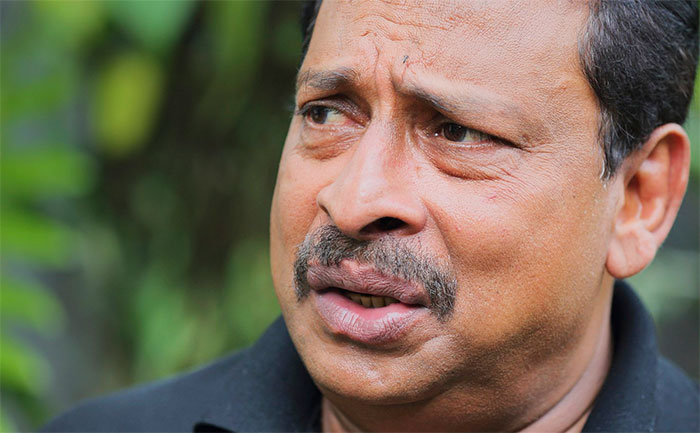
The National Joint Committee (NJC) has expressed serious concerns over recently concluded agreements between Sri Lanka and India. The NJC has emphasised the pivotal importance of transparency in the process while accusing the government of undermining Sri Lanka’s sovereignty.
The following is the text of the open letter Lieutenant General Jagath Dias (retd), President of the NJC, has sent to President Anura Kumara Dissanayake: We, representing a coalition of national organisations committed to safeguarding Sri Lanka’s sovereignty, write to express our profound concern regarding the recent engagements and agreements between Sri Lanka and the Republic of India. Our apprehensions are rooted in historical precedents and the current trajectory of bilateral relations, which appear to compromise our nation’s autonomy and long-term interests.
(1) Historical context of Indian interference Sri Lanka’s post-independence history is replete with grave examples of Indian interference that has undermined our sovereignty:
• Support for militancy: India’s direct involvement in training, arming, and funding Tamil militant groups in the 1980s, notably the LTTE, sparked a conflict that lasted over 30 years and cost over 100,000 lives.
• Violation of sovereignty: The unauthorised Indian air-drop “Operation Poomalai” in 1987 breached our airspace and sovereignty, setting a dangerous precedent.
• Sabotaging counter-terrorism: India intervened in May 1987 to prevent the Sri Lankan military from capturing LTTE leader Prabhakaran—frisking and flying him to India. This action that could have ended terror in May 1987 took 22 more years to end in May 2009.
* Imposition of the Indo-Lanka Accord (1987): Signed under duress, this agreement violated Article 2(4) of the UN Charter, which prohibits threat or use of force against another state’s sovereignty. The resulting IPKF occupation led to mass atrocities including killings, rapes, and long-standing resentment.
• Violation of “Pacta Sunt Servanda”: India failed to uphold five specific commitments made in the Indo-Lanka Accord, including disarming Tamil militants. As per international law, failure to fulfil treaty obligations automatically invalidates the treaty.
(2)Secretive Agreements and lack of Transparency Recent developments indicate a continuation of opaque dealings:
• Undisclosed Memorandums of Understanding (MoUs): Several MoUs with India have reportedly been signed without any Parliamentary debate or public disclosure, violating democratic norms and constitutional accountability.
• Economic and Technology Cooperation Agreement (ETCA): Proposed liberalization of trade in services threatens to open Sri Lanka’s job market to Indian nationals, leading to demographic changes and erosion of local livelihoods.
(3) Economic overdependence and strategic vulnerabilities India’s creeping control over Sri Lanka’s core sectors risks turning Sri Lanka into an Indian satellite state:
• Energy and Infrastructure: Indian control of LNG supply, renewable energy projects, the Trincomalee oil tank farm, and joint ventures in ports and railways grants India leverage in critical areas.
• Currency Dominance: The push for Sri Lanka to accept Indian Rupee trade and loans gives India outsized monetary influence over Sri Lanka’s economy.
• Credit Line Coercion: India’s conditional credit lines requiring the purchase of Indian goods restrict Sri Lanka’s economic freedom and diversity.
• Digital Colonization: Indian firms are embedding themselves into Sri Lanka’s financial tech, surveillance, and digital governance sectors, giving India access to strategic data and long-term control over digital infrastructure. This poses a grave threat to national security and data sovereignty.
• Cultural Encroachment: India’s funding of kovils and promotion of “mythological Ramayana trails” undermines Sri Lanka’s Buddhist heritage and Article 9 of the Constitution protecting the Buddha Sasana.
(4) Precedents of Indian Coercion in the Region India’s behavior with neighboring states reflects a consistent pattern of coercion and domination, often violating international norms and undermining regional sovereignty:
• Nepal (2015): India imposed an unofficial blockade on Nepal for nearly six months in response to Kathmandu’s refusal to amend its new constitution as per India’s wishes, causing fuel and medicine shortages and drawing global condemnation for violating humanitarian principles.
• Pakistan: India’s threats to revoke the Indus Waters Treaty and unilateral restriction of water flow through tributaries are violations of the UN Charter’s Article 2(4) and constitute war crimes under international law.
• Bangladesh (2024): India abruptly halted electricity supplies to Bangladesh over payment issues without prior warning, leaving millions affected and undermining trust in bilateral agreements.
• Bhutan: India cut off fuel subsidies to Bhutan in 2013 to punish its government for improving ties with China, directly interfering in its foreign policy and internal democratic decision-making.
• Maldives: India has interfered in Maldivian domestic politics, backed specific regimes, and pressured successive governments to allow Indian military presence, prompting popular resistance and protests under the “India Out” campaign.
(5) Geopolitical Alignments and loss of Strategic Autonomy Sri Lanka’s defense engagements with India have dangerous consequences:
• Quad Alignment: India’s participation in the US-led Quad raises serious conflict-of interest risks for Sri Lanka, especially regarding its non-aligned tradition. Entering defense pacts with India could alienate our longstanding allies like China, Pakistan, and Russia.
• Intelligence Isolation: Sole dependency on India undermines our ability to collaborate with other nations who provided intelligence and military support to defeat LTTE terror-support that was critical to safeguarding Sri Lanka’s unity.
• Historical Warnings Ignored: N.Q. Dias, former Defence and Foreign Secretary, proposed military encampments in the North not to threaten Tamils, but to prevent illegal immigration and demographic alteration by influxes from Tamil Nadu- a concern still relevant today.
(6) Recommendations In light of the above, we urgently request that Your Excellency:
• Ensure Transparency: Immediately disclose to Parliament and the public all MoUs and agreements signed with India.
• Safeguard Sovereignty: Reassess and, where necessary, renegotiate any agreements that compromise Sri Lanka’s political, economic, and military independence.
• Diversify Partnerships: Uphold the spirit of non-alignment by maintaining balanced relations with global allies rather than being tethered to one power bloc.
• Protect the People: Ensure economic agreements do not displace Sri Lankan workers, farmers, or small businesses and that constitutional commitments to the Buddha
Sasana are honored.
The NJC warned at this critical time President Dissanayake’s leadership would determine whether Sri Lanka remains a free, sovereign nation or slips into dependency under foreign control. We implore you to act decisively.”



News
Prime Minister Attends the 40th Anniversary of the Sri Lanka Nippon Educational and Cultural Centre

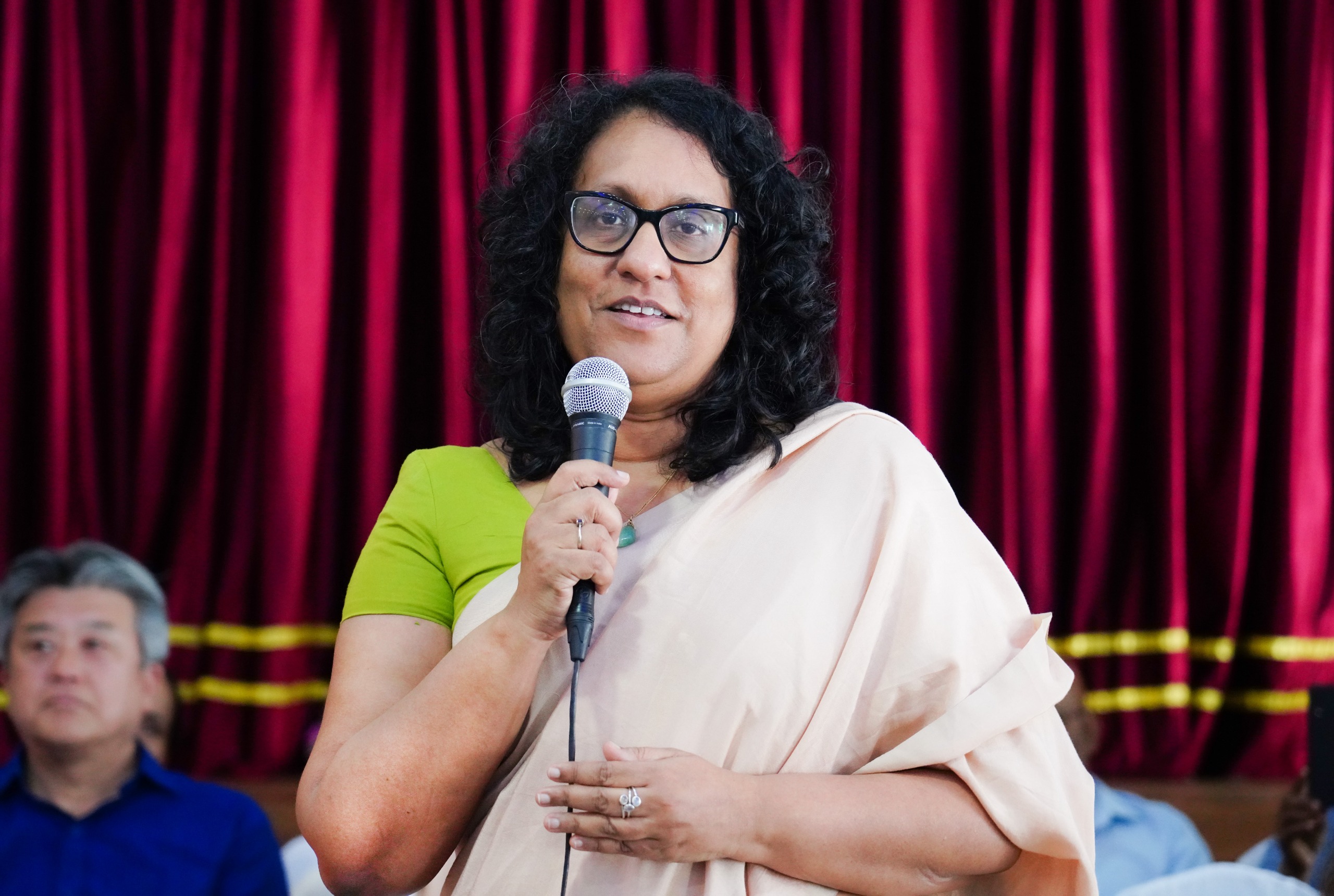
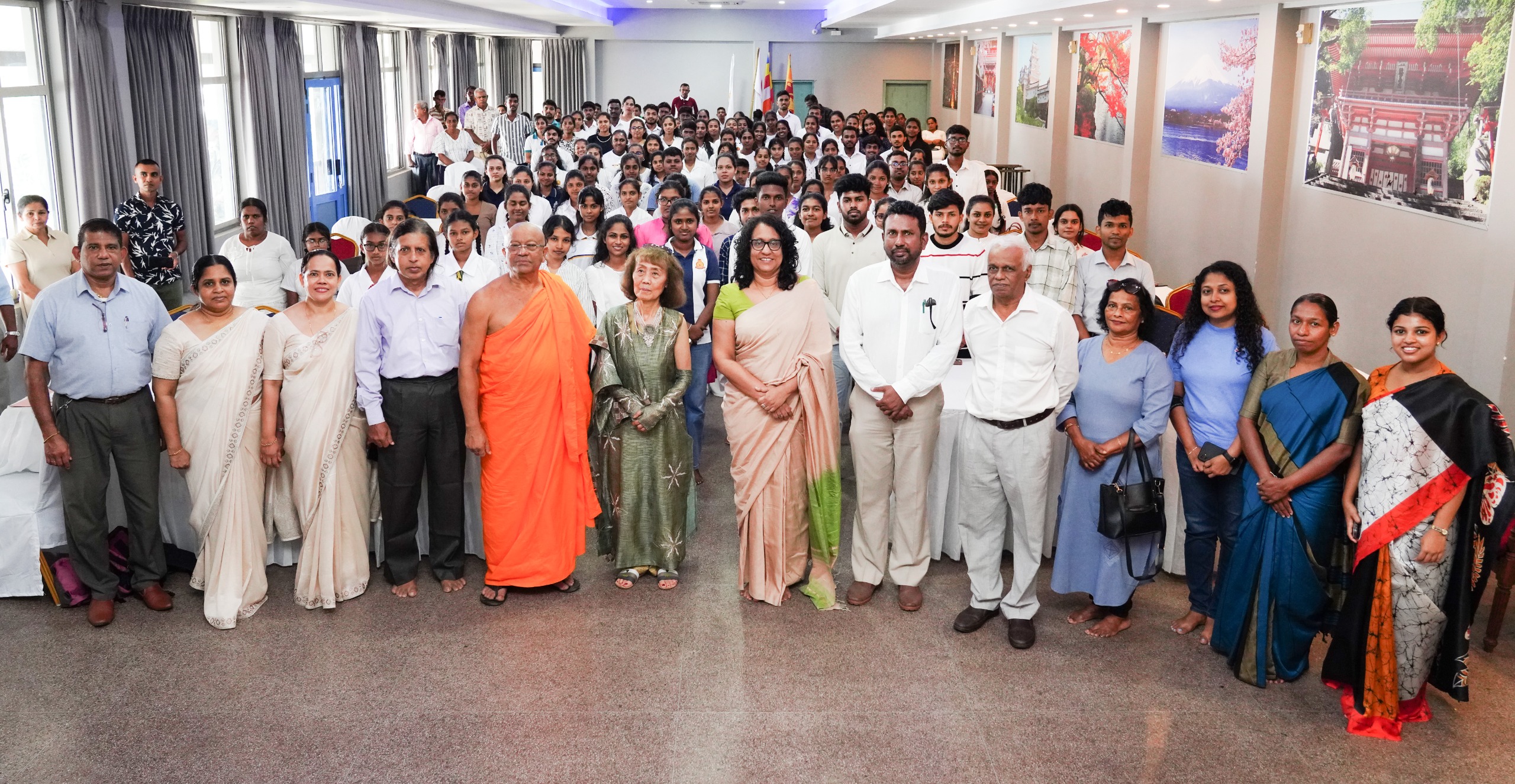
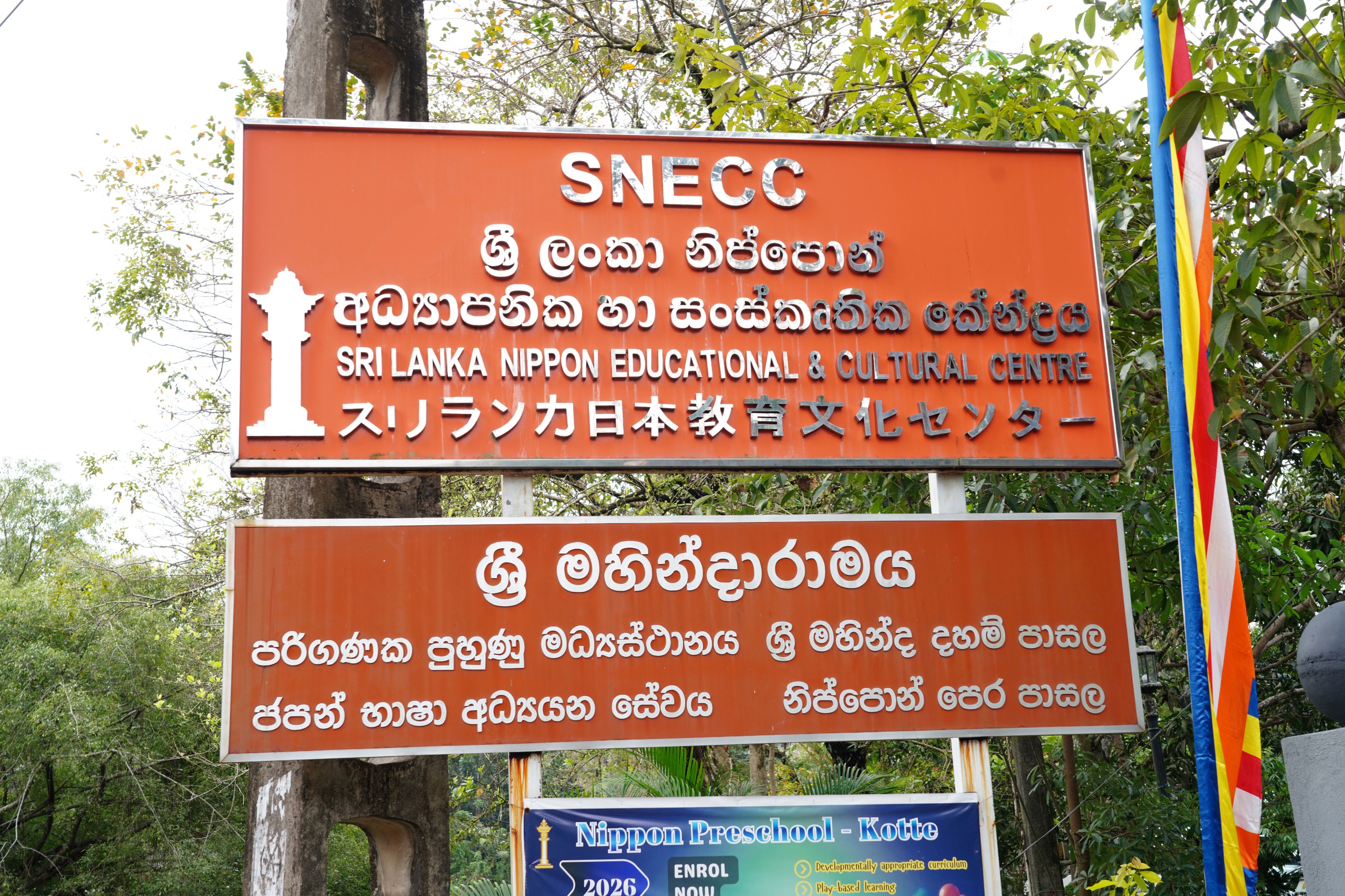
Prime Minister Dr. Harini Amarasuriya attended the special ceremony marking the 40th anniversary of the Sri Lanka Nippon Educational and Cultural Centre (SNECC), along with the 75th birthday of its Secretary General, the Chief Incumbent of Sri Mahindaramaya, Ethul Kotte, the Chief Sangha Nayake of the Western Province, and scholar Ven. Meegahathenna Chandrasiri Thero.
The primary objective of the event was to appreciate the service rendered by the Sri Lanka Nippon Educational and Cultural Centre, which has functioned as a bridge between Japan and Sri Lanka since 1986, contributing significantly to the development and welfare of children in Sri Lanka.
Addressing the gathering, the Prime Minister stated that the social service carried out by Ven. Meegahathenna Chandrasiri Thero through the Nippon Centre, aimed at fulfilling the educational aspirations of Sri Lankan children, is highly commendable. She further emphasized that the Centre’s contribution to nurturing skilled children into disciplined and responsible citizens, as well as strengthening cultural ties between the two countries, is appreciated by the Government.
Over the past four decades, thousands of students have benefited from the “Nippon Scholarship” programme implemented by the Centre. In addition to providing school supplies, monthly financial assistance, medical support, and spectacles, the programme offers Japanese language education and guidance for employment and training opportunities in Japan for Sri Lankan youth. Annual study tours to Japan and collaborative programmes organized to enhance mutual understanding between students of the two countries were also highlighted at the event.
Marking this special occasion, the Prime Minister extended her best wishes to Ven. Meegahathenna Chandrasiri Thero on his 75th birthday and wished him continued strength to successfully carry forward this invaluable service.
The event was attended by the Mayor of Kotte, Arosha Atapattu, representatives of sponsoring organizations from Japan, scholarship recipients, and other distinguished guests.
[Prime Minister’s Media Division]
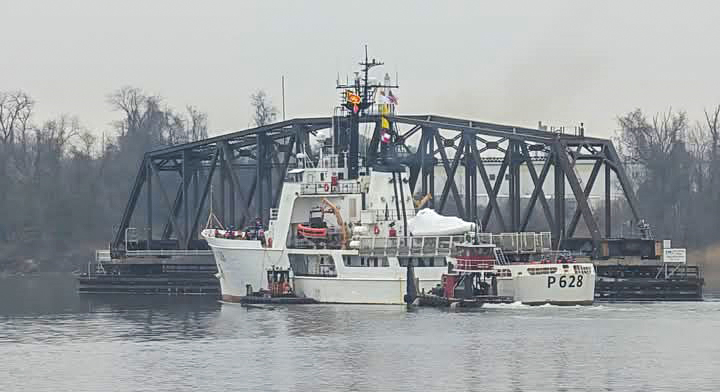
The Offshore Patrol Vessel P 628, which was formally handed over to the Sri Lanka Navy by the U.S. Coast Guard in December 2025, departed for Sri Lanka from Baltimore, United States on 20th February 2026. The home bound journey began, after the modernization work of the ship to suit the operational needs of the Sri Lanka Navy.
The EX-United States Coast Guard Cutter, USCGC Decisive was officially handed over to the Sri Lanka Navy on 02 Dec 25, as the latest addition to the SLN fleet under the Pennant Number P 628. Upon her arrival in Sri Lanka, the ship is scheduled to be formally commissioned into the fleet.
Measuring 64 metres in length, this ‘B-Type Reliance Class 210-foot Cutter’ is equipped with advanced technological systems and facilities, capable of conducting extensive surveillance operations spanning up to 6,000 nautical miles per patrol.
The vessel’s voyage to Colombo is historic, possibly marking the longest-ever passage undertaken by a Sri Lanka Navy ship. Covering approximately 14,775 nautical miles, the journey will see the P 628 navigate from Baltimore through the Atlantic Ocean, the Panama Canal (a first for a Sri Lankan naval vessel), the Pacific Ocean, and into the Indian Ocean via the Straits of Malacca. The ship is expected to arrive in Sri Lanka during the first week of May 2026.
During the transit, the P 628 is scheduled to make port calls to replenish supplies and services, providing opportunities to further strengthen diplomatic ties with partner nations.
This transfer represents the fourth vessel provided to the Sri Lanka Navy by the United States Coast Guard, reinforcing a long-standing partnership aimed at addressing common maritime challenges.
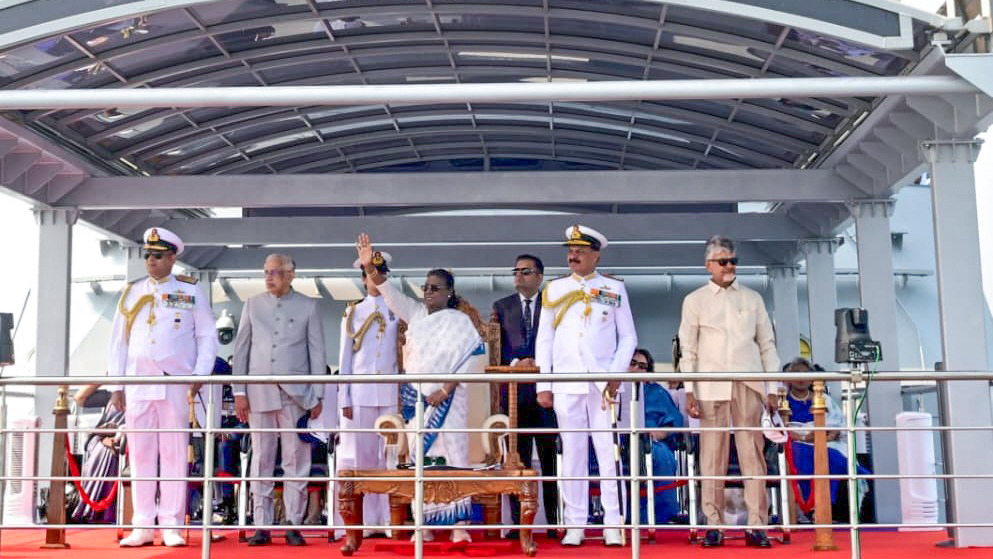
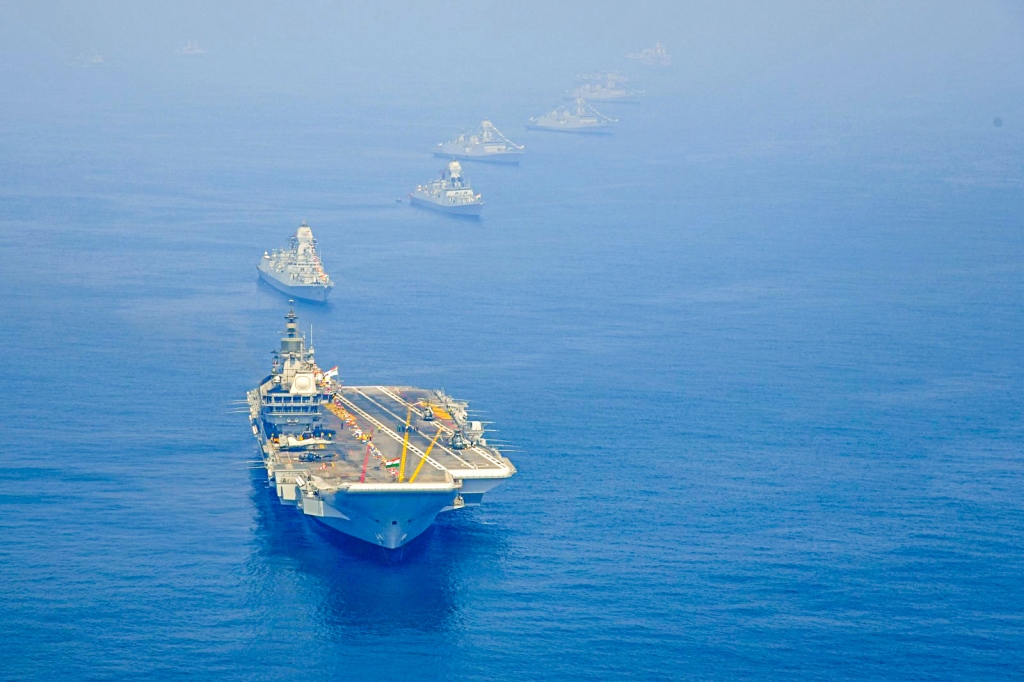
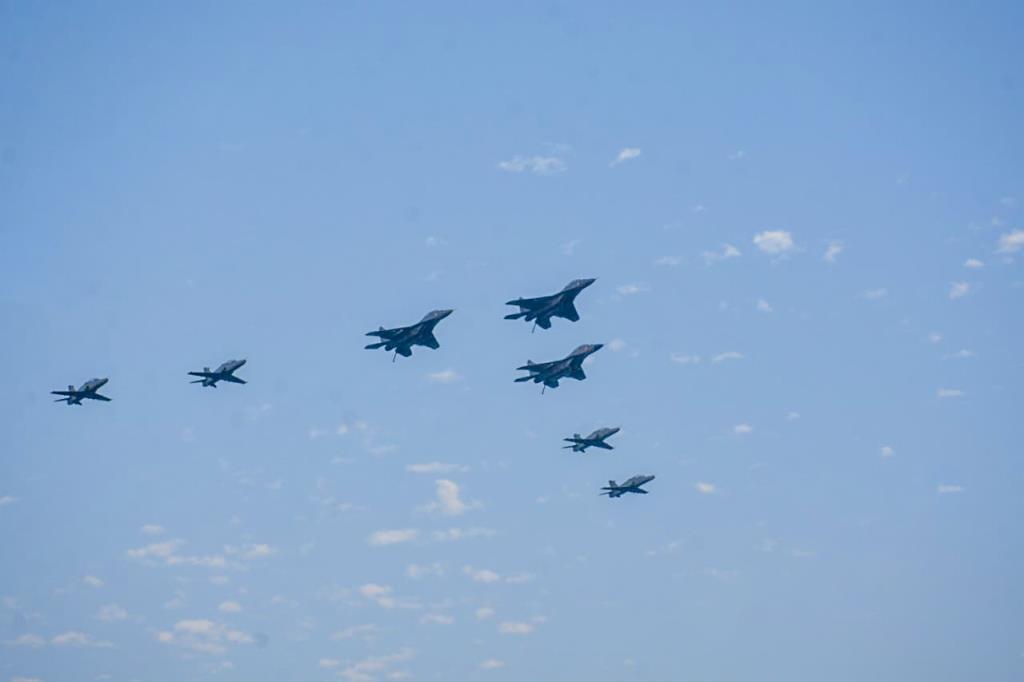
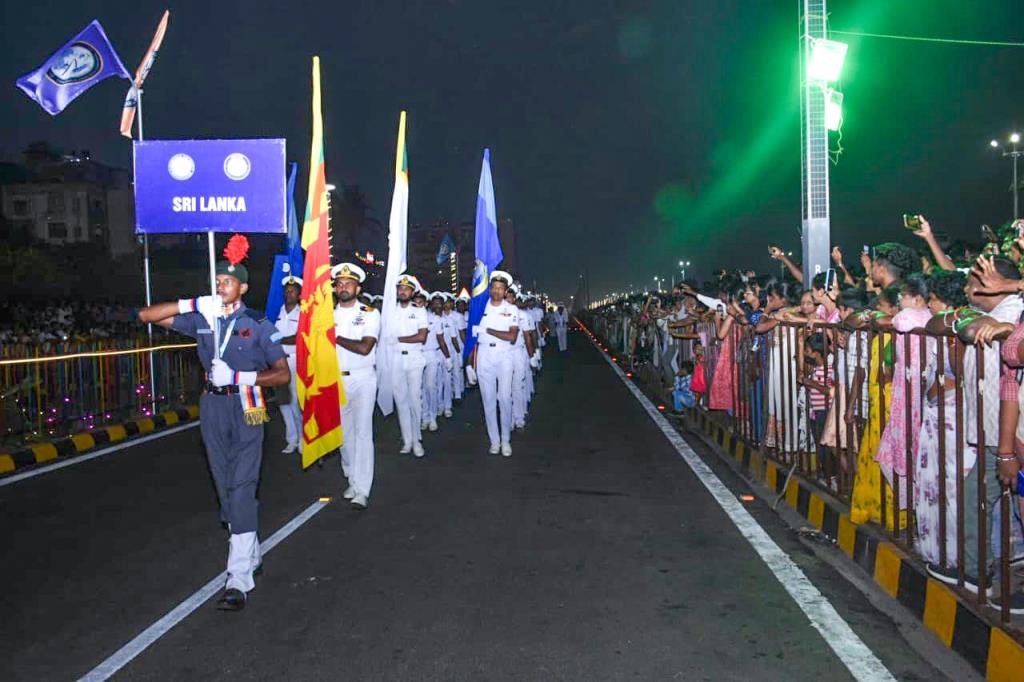
The 13th edition of the multilateral naval exercise MILAN hosted by the Indian Navy, is being held from 18 to 26 Feb 26, at Visakhapatnam and in the waters of the Bay of Bengal.
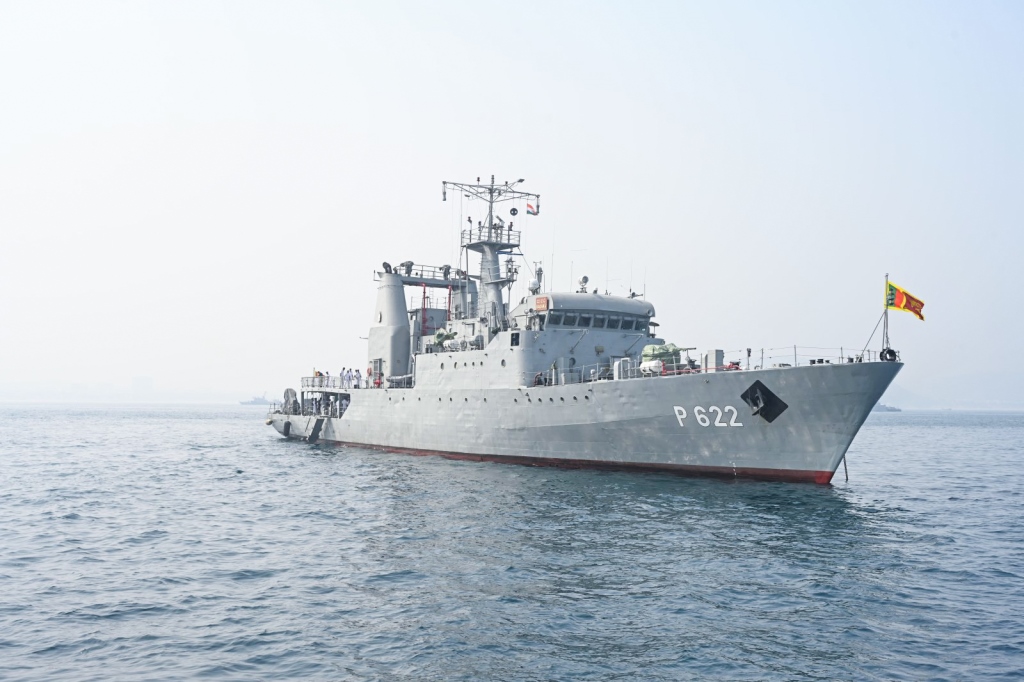
SLNS Sagara and Nandimithra represented the Sri Lanka Navy by participating in the International Fleet Review (IFR), a major component of this multilateral naval exercise, held on 18 Feb.
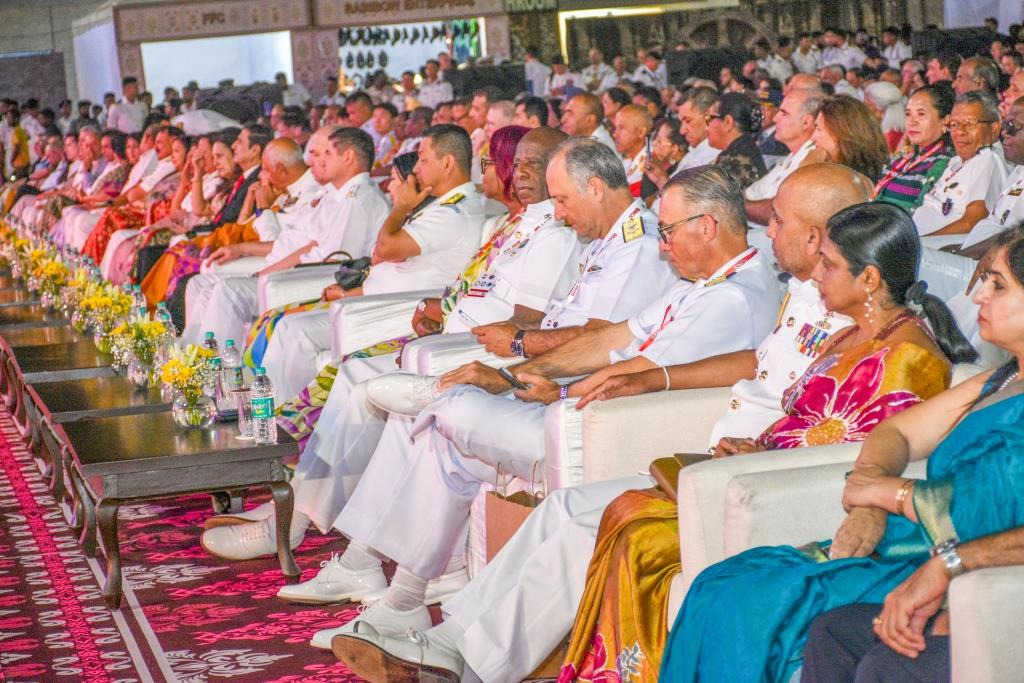
The event was attended by the Commander of the Sri Lanka Navy, Vice Admiral Kanchana Banagoda, at the invitation of the Chief of the Naval Staff of India, Admiral Dinesh K Tripathi. The President of India reviewed the IFR, participated by the warships representing regional and global navies.
Held under the theme “United Through Oceans and the spirit of Camaraderie Cohesion Collaboration,” IFR and MILAN-26 provide a vital platform for participating nations. The participation of the Sri Lanka Navy in the MILAN-26 multilateral naval exercise highlighted Sri Lanka’s commitment to advancing its maritime interests and addressing shared challenges through enhanced cooperation with other nations and institutions, grounded in mutual understanding.
Furthermore, participation in endeavours of this nature will strengthen mutual cooperation and interoperability with other maritime stakeholders. It will also provide the Sri Lanka Navy with valuable opportunities to gain new knowledge, strategic acumen, and operational experience, key elements in fostering a collective approach to maritime security.
During this visit, the Navy Commander engaged in bilateral discussions with regional and extra-regional diplomatic representatives and these strategic-level talks focused on matters of mutual interest pertaining to Sri Lanka’s maritime security and stability.
[Navy Media]

Spin in focus again as high-flying England eye Pakistan scalp

All-round Sune Luus hands South Africa series lead against Pakistan

ICC opens hearings into ex-Philippine President Rodrigo Duterte

New York Mayor Zohran Mamdani orders citywide shutdown as snowstorm hits

Dottin out obstructing the field as Sri Lanka clinch series

Prime Minister Attends the 40th Anniversary of the Sri Lanka Nippon Educational and Cultural Centre

‘Dates have the highest sugar content to fight Coronavirus’

Sunday Island 27 December – Headlines

#SundayIsland 17th December – Headlines

Sunday Island – 28th March

Sunday Island Headlines – 21 March

Sunday Island – 21st February – Headlines
-
 Features2 days ago
Why does the state threaten Its people with yet another anti-terror law?
-

 Features2 days ago
Victor Melder turns 90: Railwayman and bibliophile extraordinary
-
 Features2 days ago
Reconciliation, Mood of the Nation and the NPP Government
-

 Features20 hours ago
LOVEABLE BUT LETHAL: When four-legged stars remind us of a silent killer
-
 Features2 days ago
Victor, the Friend of the Foreign Press
-
 Latest News3 days ago
New Zealand meet familiar opponents Pakistan at spin-friendly Premadasa
-
 Latest News3 days ago
Tariffs ruling is major blow to Trump’s second-term agenda
-

 Latest News3 days ago
ECB push back at Pakistan ‘shadow-ban’ reports ahead of Hundred auction