
News
GMOF says campaign against milk food consumption a farce

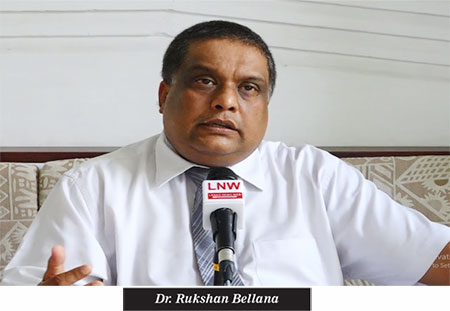
The Government Medical Officers’ Forum (GMOF) says the campaign against the milk food industry in Sri Lanka is nothing but absolute eyewash as there has never been a planned and sustained campaign against the trade if such efforts were to be considered genuine.
The milk powder industry has been targeted from time to time in an ad hoc manner and the lack of continuity on this score only points to the possibility of a ‘conspiracy’ against the milk food business in the country, the GMOF President, Dr. Rukshan Bellana said in a statement.
“There were two possible theories behind this campaign. The first was that some medical men who aspired to be politicians were merely orchestrating a spectacle to gain popularity in society. The other was that some players in the industry were behind the campaign to gain a competitive advantage”, it asserted.
One may recall the vociferous campaign against the milk food industry at one time, where the ‘target’ was products imported especially from New Zealand. The question that begs an answer was why a particular imported segment was taken to task if milk powder, as a whole, was described as “harmful for consumption”? Therefore, it was obvious that a ‘conspiracy’ was in place with a certain medical trade union handling the anti-marketing campaign, the statement claimed.
“The anti-milk food campaign is bound to resurface in a few months’ time. We, as a medical organization, suspect that the local milk powder industry, in a bid to increase their market share was probably behind the campaign against a milk powder brand imported from a particular country”, Dr. Bellana claimed.
Was it a case of trying to edge out ‘leaders’ so that ‘followers’ could take their place through sustained campaigning with the support of a trade union? How was it claimed that imported milk powder was ‘unsuitable’ for consumption when there was neither scientific research nor laboratory evidence to prove that milk powder was unhealthy or harmful to the human body?, he asked.
There are, apart from food scientists, academics and research fellows, recognized research institutions in the country but none of them has produced any evidence on so-called ‘harmful effects’ of imported milk powder on the health of the people. In addition, there are also internationally recognized laboratories but there has been no evidence so far to substantiate such a hypothesis, the statement further said.
It is also of interest that not a single professional medical association has commented on the subject. The Health Promotion Bureau of course promotes breast milk for children but that doesn’t mean it has adopted an anti-milk powder stand. It is now clear that the campaign was launched to mislead the public and discourage them from consuming milk food especially products imported from New Zealand, it said.
“As a medical trade union, we believe that funding such misinformation campaigns and thereby misleading the public is against the law. However, there was no action forthcoming on this score”, it outlined.
The GMOF statement added: “We also see a move to popularize drinking so-called ‘Kola Kenda’ through a trade similar to the milk powder industry, where processed ‘Kola Kenda’ packets are being produced under diverse native names. The move appears to be a bid to replace the milk-drinking habit of the population with ‘Kola Kenda’.
“It was like in the early 1970’s before the advent of the milk powder industry when there was a vibrant campaign to popularize drinking fresh milk. This later changed into packeted milk powder. ‘Kola Kenda’ has already come in packeted form. It is not the fresh, home-made healthy ‘Kola Kenda’ we have been used to for generations.
The most risky aspect of this proposition is giving school children packeted ‘Kola Kenda’ with preservatives and other chemicals added to the contents”, the trade union warned.
In terms of international guidelines we can be assured that the manufacturing process of milk food in New Zealand at least adhere to hygiene and highest quality standards, but the quality and safety of the locally manufactured packeted ‘Kola Kenda’ products are questionable, it said.
At this rate, ‘Kola Kenda’ products in packeted form will soon be a multi-million rupee business, the statement added.

Latest News
Advisory for severe lightning for the Western and Sabaragamuwa provinces and Galle and Matara districts

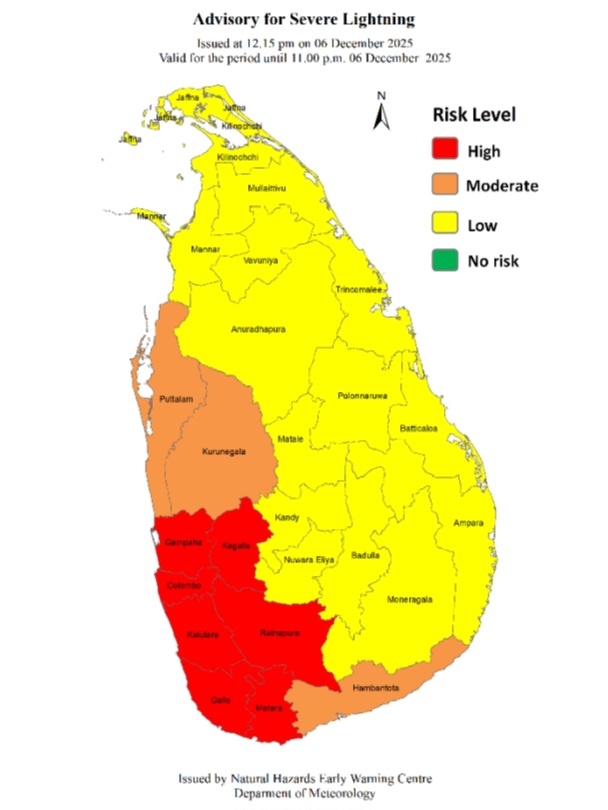
Advisory for Severe Lightning Issued by the Natural Hazards Early Warning Centre at 12.15 p.m. 06 December 2025 valid for the period until 11.00 p.m. 06 December 2025.
The public are being cautioned that thundershowers accompanied with severe lightning are likely to occur at some places in the Western and Sabaragamuwa provinces and in Galle and Matara districts.
There may be temporary localized strong winds during thundershowers.
The General public is kindly requested to take adequate precautions to minimize damages caused by lightning activity.
ACTION REQUIRED:
The Department of Meteorology advises that people should:
Seek shelter, preferably indoors and never under trees.
Avoid open areas such as paddy fields, tea plantations and open water bodies during thunderstorms.
Avoid using wired telephones and connected electric appliances during thunderstorms.
Avoid using open vehicles, such as bicycles, tractors and boats etc.
Beware of fallen trees and power lines.
For emergency assistance contact the local disaster management authorities.

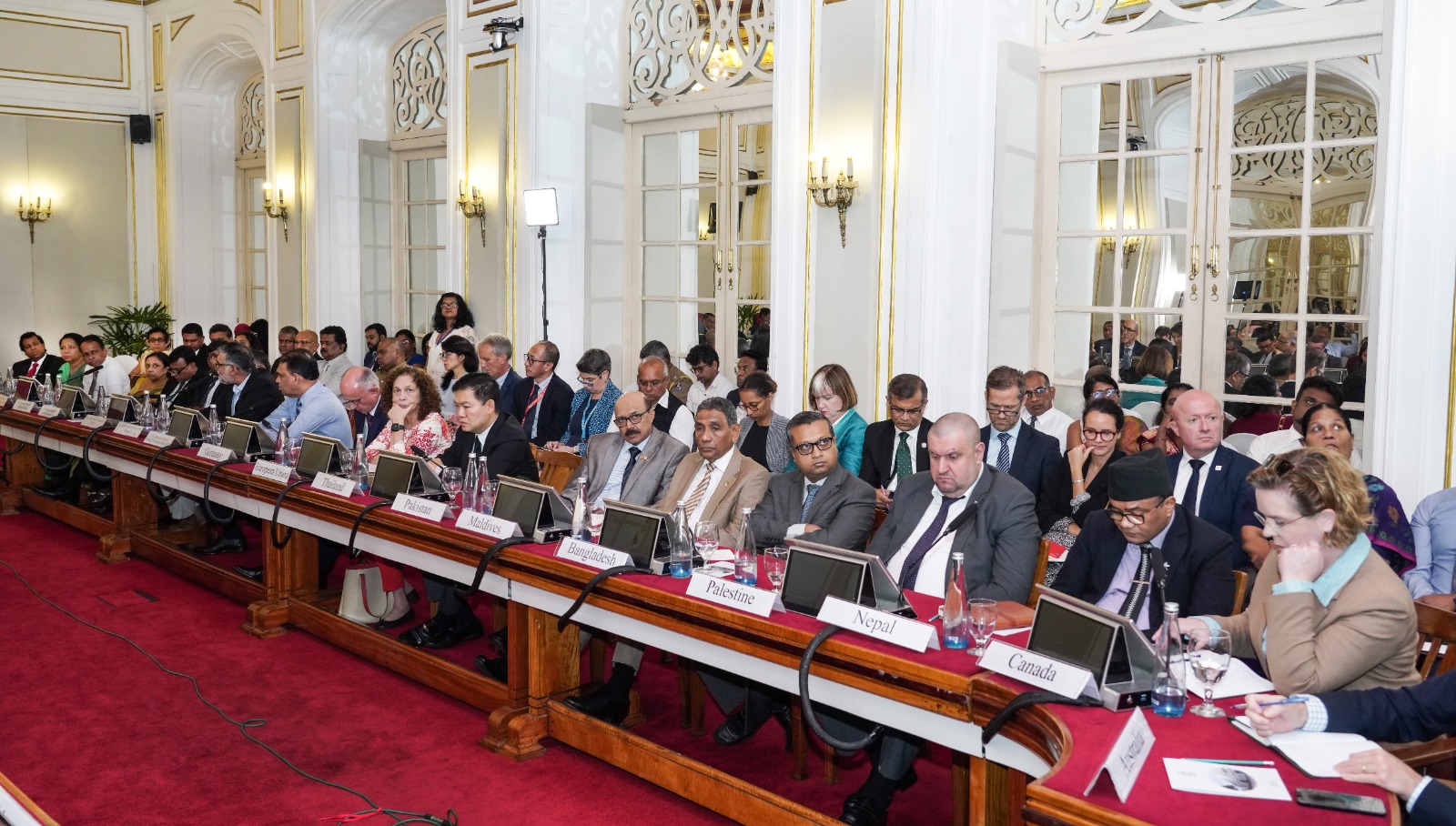
A special briefing for the diplomatic community in Sri Lanka was held on 4 December at the Ministry of Foreign Affairs, Foreign Employment and Tourism, chaired by Prime Minister Dr. Harini Amarasuriya together with the Minister of Foreign Affairs, Foreign Employment and Tourism, Vijitha Herath. Senior government officials, including representatives of the Disaster Management Centre (DMC) and the Sri Lanka Tourism Development Authority (SLTDA), also participated.
Opening the session, Prime Minister Dr. Harini Amarasuriya expressed her gratitude to the diplomatic community for their immediate support and solidarity following the recent floods and landslides. She noted that Sri Lanka had endured one of the most severe disasters in recent years, but the resilience of the people and the coordinated efforts of government agencies had enabled a rapid response and significant progress in relief operations. She confirmed that not a single tourist has been reported harmed during the disaster and noted that the previously inaccessible areas are now reachable. Massive cleanup and decontamination operations are underway to ensure that lands and public spaces are safe for return, and communications have been restored in the affected areas.
The Prime Minister emphasized that relief, evacuation, and emergency assistance were carried out with the collective effort of the tri-forces, police, public officers, health workers, volunteers, and local authorities. She acknowledged the continuing challenges, including the restoration of infrastructure, resettlement needs, and long-term disaster-mitigation work, and welcomed the technical, humanitarian, and financial support offered by partner countries.
Maj. Gen. Sampath Kotuwegoda (Retd), Director General of the Disaster Management Centre, delivered a detailed presentation on the current status of the disaster, including the number of affected families, evacuation centres, damage assessments, and the ongoing coordination with international agencies for recovery planning. The cyclone affected almost the entire country, with 22 districts severely impacted. Some locations recorded up to 540 mm of rainfall and winds of up to 70 km/h, causing widespread infrastructure damage. Early assessments indicate that 2.3 million people were exposed to flooding, with 1.8 million people directly affected on the ground and 1.1 million hectares of land impacted. The assessment also identified 40,152 pregnant women among those affected, who have been prioritized for support. He also highlighted areas where further technical cooperation, such as early-warning systems, mapping capabilities, and climate-response technologies would be valuable.
Buddhika Hewawasam, Chairman of the Sri Lanka Tourism Development Authority, briefed the diplomatic community on the impact of the disaster on the tourism sector. He reassured attendees that major tourism zones remain operational, safety assessments are underway, and contingency measures have been activated to support visitors and protect the industry during the upcoming peak season. The Chairman of the Hotel Association of Sri Lanka Ashoka Hettigoda confirmed that the Coastal and resort hotels from Maravila to Passikudah are operating, with many reporting 60–65 percent occupancy; the hotels in Nuwara Eliya are partially operational. He made an appeal that the best assistance that the international community can give to Sri Lanka is the continued support provided through tourism.
Several diplomats conveyed their condolences to affected communities and reaffirmed their governments’ readiness to assist Sri Lanka in both immediate relief efforts and long-term rebuilding. They expressed appreciation for the government’s transparent engagement and the coordinated approach to managing the crisis.
Prime Minister thanked the diplomats for their continued cooperation and underscored the government’s commitment to ensuring an effective and inclusive recovery. She stressed that strengthening disaster preparedness, climate resilience, and institutional capacity will be central to Sri Lanka’s national development agenda moving forward. Deputy Minister of Foreign Affairs, Foreign Employment and Tourism, Arun Hemachandra, Secretary to the Prime Minister, Pradeep Saputhanthri, and Secretary to the Ministry of Foreign Affairs, Ms. Aruni Ranaraja, also attended the meeting.

[Prime Minister’s Media Division]
News
All parties have agreed to recruit Development Officers into the teaching service through a competitive examination – PM
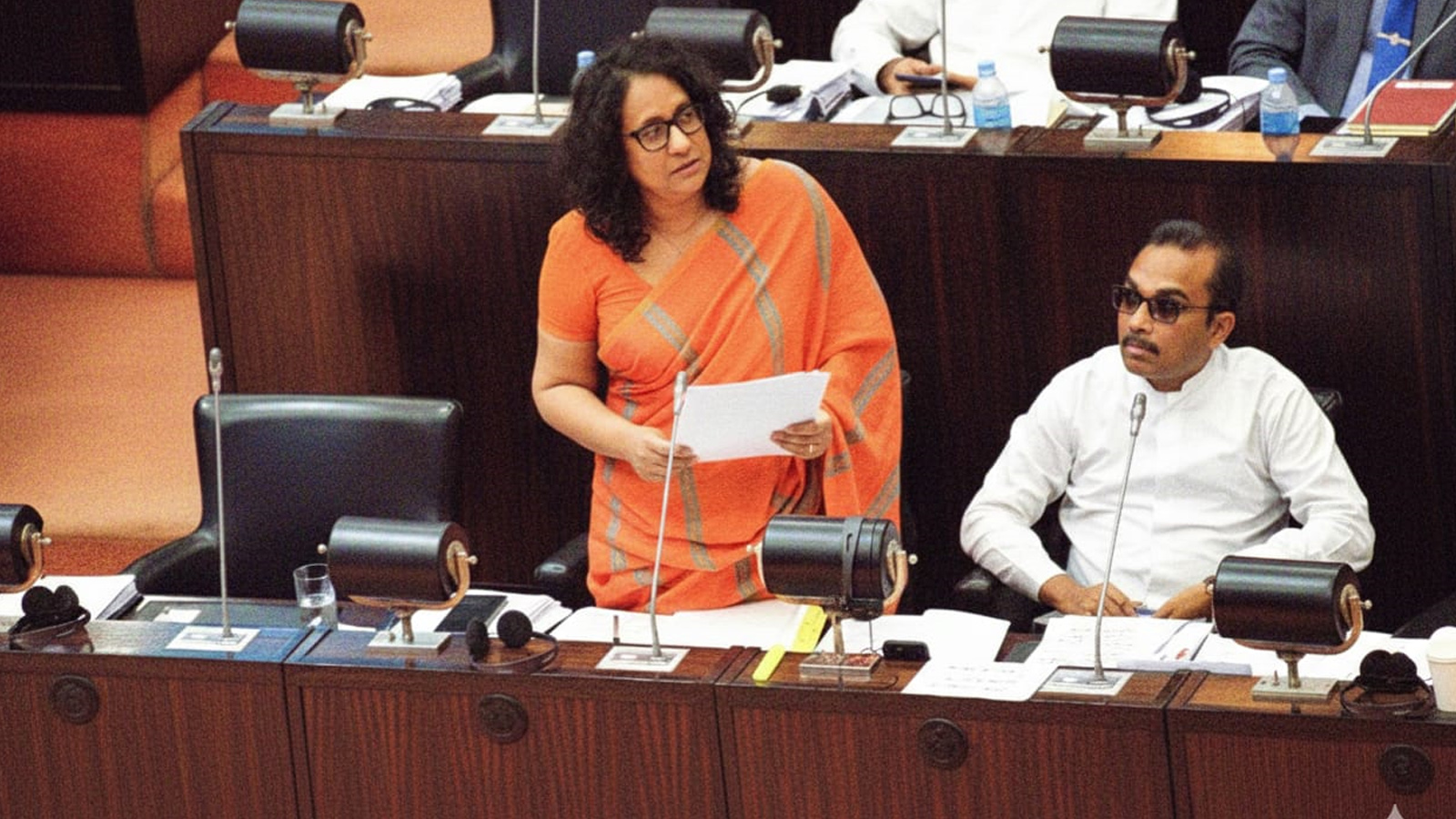
Addressing Parliament on Friday (05), the Prime Minister stated that, in accordance with the Supreme Court decision, the recommendations issued by the Public Service Commission, and the Sri Lanka Teachers’ Service Minute, all parties have agreed to recruit teachers through a competitive examination. The Prime Minister further noted that during the second phase of the recruitment process, the Development Officers currently serving in schools will be given preference during the interviews.
Addressing further, the Prime Minister stated,
“In compliance with the final order of the Supreme Court and the provisions of the Sri Lanka Teachers’ Service Minute, the Development Officers will be given the opportunity to join the Sri Lanka Teachers’ Service.
It has been decided to revise the maximum age limit of 40 years, as specified in the examination notification for applicants, to 45 years for this instance only”.
The Prime Minister further stated that, in accordance with the Supreme Court decision, arrangements have been taken to revise the age limits for graduates employed in the public service and graduates not employed in the public service, and to conduct separate examinations accordingly, in order to recruit teachers to Grade 3. i (a) of the Teachers’ Service to fill the available vacancies.
[Prime Minister’s Media Division]

Wolvaardt 115*, all-round Luus set up South Africa’s thumping win over Ireland

Deadly border fighting breaks out between Pakistan and Afghanistan

Advisory for severe lightning for the Western and Sabaragamuwa provinces and Galle and Matara districts

Government briefs Diplomatic Community on recovery progress

All parties have agreed to recruit Development Officers into the teaching service through a competitive examination – PM

“Our people have shown extraordinary resilience.” – PM

‘Dates have the highest sugar content to fight Coronavirus’

Sunday Island 27 December – Headlines

#SundayIsland 17th December – Headlines

Sunday Island – 28th March

Sunday Island Headlines – 21 March

Sunday Island – 21st February – Headlines
-
 News7 days ago
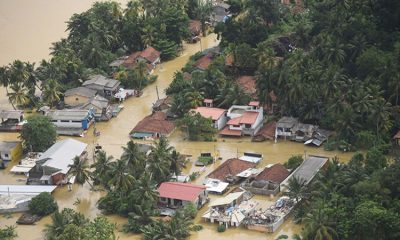
Weather disasters: Sri Lanka flooded by policy blunders, weak enforcement and environmental crime – Climate Expert
-
News4 days ago
Lunuwila tragedy not caused by those videoing Bell 212: SLAF
-
 News3 days ago
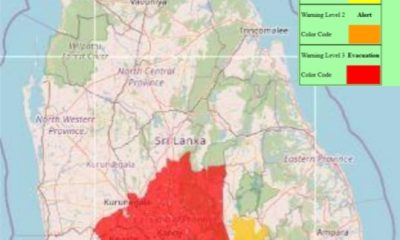
Level III landslide early warning continue to be in force in the districts of Kandy, Kegalle, Kurunegala and Matale
-
 Latest News5 days ago
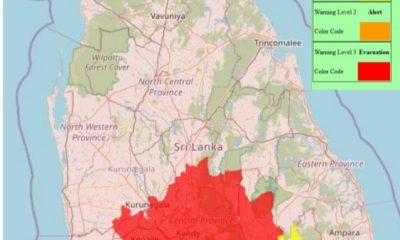
Level III landslide early warnings issued to the districts of Badulla, Kandy, Kegalle, Kurunegala, Matale and Nuwara-Eliya
-
 Features5 days ago
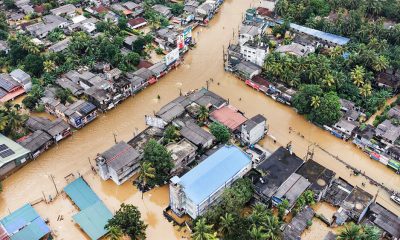
Ditwah: An unusual cyclone
-

 Latest News6 days ago
Updated Payment Instructions for Disaster Relief Contributions
-

 Latest News6 days ago
Landslide Early Warnings issued to the Districts of Badulla, Colombo, Gampaha, Kalutara, Kandy, Kegalle, Kurunegala, Matale, Moneragala, Nuwara Eliya and Ratnapura
-

 News16 hours ago
A 6th Year Accolade: The Eternal Opulence of My Fair Lady