
Life style
Of bear fights, forgotten forts, demons and more

by Randima Attygalle
‘And from the Peak and table-land
That brave the vast dome’s immensity,
From the tree- girt shore and the glittering sand,
The emerald Island calls for me.’
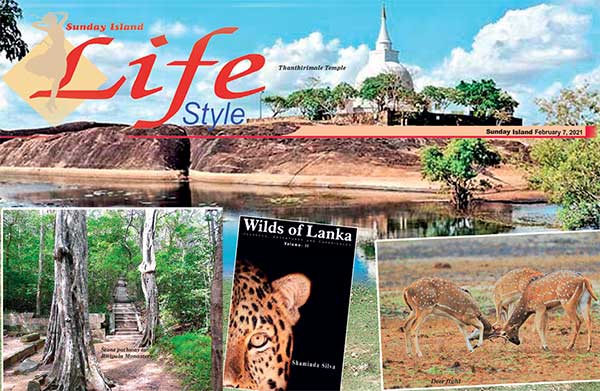
The physician, antiquarian and wildlife lover, Dr. R.L. Spittel pays homage to our emerald-isle in his verse Hail Lanka. He is remembered today by Shaminda Silva through his latest compilation, Wilds of Lanka (Volume II). A decade since his first book ‘Wilds of Lanka’ (Volume1), dedicated to wildlife and several national parks, particularly Yala or Ruhuna National Park, the author brings to his readers its sequel which documents Wilpattu National Park and several other historic sites in the northern plains of the island including the Thanthirimale Temple, Ritigala Monastery, Madhu Church, Doric Bungalow and the Mannar Fort. The wild landscape of fauna and flora interspersed with culture, religion and folklore is a bold attempt by the author to fill

a literary vacuum with a concise, easy to read publication which celebrates the wilds of Lanka. “The spark for nature was always in me,” says lawyer Shaminda. It was nourished by his parents who enabled their young son to live in a natural environment of birds, frogs and numerous pets as well as his stay, as a young child, in Nigeria where his father worked. The used Zenith camera with a 500mm lens which he bought with his pocket money at age 15 was a “breakthrough” while the numerous camping trips he made with his Law College buddies drove him deeper into the wilds, he adds with a smile.
‘Sharing one’s knowledge of the jungle, its stories and moments captured in a photograph is totally the opposite of advertising oneself and the expeditions made creating a path for its destruction. I would be ever grateful to the explorer, if the most valuable of beautiful places are kept only as photographs in private albums and not as ‘facebook’ posts or stored in the ‘clouds’, notes Shaminda in the opening chapter of his book. The readers are invited to undertake a journey through the wilds and the cultural heritage of our island with the author who strives to champion ‘sustainable footprints’ across them. His reference to W.T. Keble’s description of our island home, ‘hung about with history and legend like an old decayed jungle tree made beautiful with decorating creepers’ urges the modern islanders to revisit their tropical land in all its natural glory long before non-perishable synthetic jungles became the norm.
A product of many years of travel, the 306-page book with complementary photos reaches to a wider audience with its affordable price and size. It could easily fit into a hand-bag or sit on a bedside table, enabling practical reading. The book is a mix of thrilling encounters with bears and leopards, tales from iconic wildlife experts of yesteryear, demons of Ritigala, pearl fisheries of Mannar, crumbling forts, bullet marks of the war, forgotten lighthouses, churches and much more . It serves as a quick travel guide as well.
The author’s reference to several historical authorities, good many from colonial times which are today found largely in collectors’ or public libraries open important windows to long gone chapters of this fabled island of ours. In this exercise, the writer says, “If these books are lost, the public may never be able to enjoy these publications, especially vivid descriptions, fine language and natural flow…. If not for some of these facts which are wedged between the pages of these publications dating back more than hundred years, we would certainly have lost a part of our country’s pride and heritage. Hence at least in a very limited scope, this humble attempt is to fill this gap.”
The opening chapter while taking the readers on a ride to the wilds of Wilpattu (literally me

aning land of the villus or lakes) enlightens them of those like Dr. Spittel who strived to declare Wilpattu a National Park, Percy de Alwis regarded as the ‘greatest Park Warden of Wilpattu’ who rose through the ranks to become
Assistant Director (Administration) of the Wild Life Department and S.D. Saparamadu, one time Wild Life Director.
The discussion on the geology, climate and archaeological importance of the region makes reading the book a fine experience. Discussing Kudiramalai, a small area of land jutting out to the sea which is now within the perimeters of the Wilpattu National Park, he explains the origin of the word “Kudiramalai”, believed to have derived from the Malabar language which translates into English as ‘horse mountain’. When one looks at the shoreline from the sea at a distance during a moonlit night, one could easily see a silhouette of a horse swimming in the sea, says the writer, who shares his own experience of viewing this spectacular sight from a naval patrol boat.
The chapters which follow on Thanthirimale Temple, Ritigala, Mannar and Talaimannar provide stimulating reading. The book however, as the author points out, is not meant to be admired just for its photographs. “The photos are only for the  purpose of adding colour and icing and nothing more. “The book is to be valued largely for its written content,” he says. Shaminda also urges the reader to take it “in the spirit in which it has been written.”
Taking less traversed paths of the country had improved his health and helped him navigate through his demanding practice as a lawyer, reflects the author. This was made possible by his wife and two children who stood by his side. Endorsing the words of Spittel – “I do not know any place in Ceylon of which I can say, is the most beautiful, the landscape is too diverse for that,” Shaminda adds that living close to the nature could make a person more mature and sensitive and enhance his professional capability.
The author’s love of the environment is unmistakable throughout the book. His plea for responsible citizenry and administration to conserve what remains of our natural/cultural heritage before it is forever lost will resonate with like-minded Lankans. “It is necessary for all of us to keep in mind that we are not the owners of the earth but are simply trustees appointed to take care of it for the next generation.”
The book does not seek what the author calls “mass scale revenue” and hence may only be purchased on orders. For inquiries call Sampath on 0772 040409
(Photo courtesy: Wilds of Lanka, Volume II)


Sri Lanka could unlock a powerful new economic pathway by integrating biodiversity, archaeology and cultural heritage into a single conservation-driven tourism model, according to author, banker and naturalist Gehan de Silva Wijeyeratne.
Speaking to The Island, de Silva Wijeyeratne said the country possesses a rare convergence of natural and historical assets that, if strategically presented, could reposition Sri Lanka as a leading global destination for nature and heritage tourism.
“At the moment, these elements exist, but they are not fully connected,” he said. “What Sri Lanka has is extraordinary—a complete story of life, from ancient history to modern biodiversity. The opportunity is to bring that together in a way that creates value.”
His remarks come at a time when policymakers are seeking sustainable avenues to revive the economy, with tourism identified as a key growth sector. De Silva Wijeyeratne is currently researching his next book, ‘Enchanting Sri Lanka’ to be published by John Beaufoy Publishing in the UK.
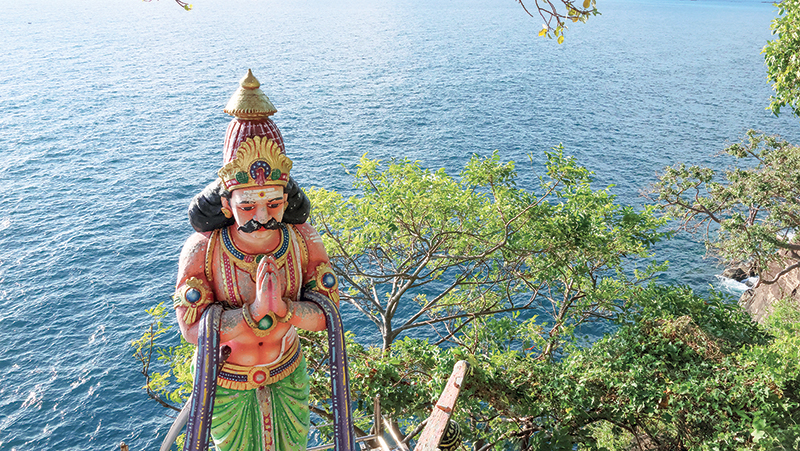
Koneswaram Temple Trincomalee
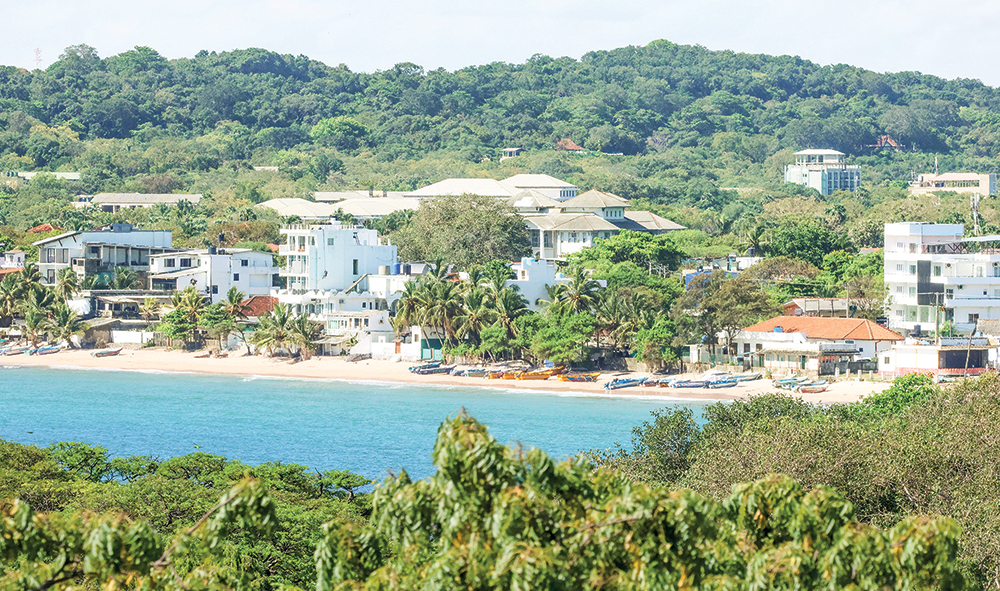
He said his recent field visit reinforced the untapped potential of integrated landscapes—particularly in the eastern region around Trincomalee.
He spent four days in Trincomalee with Hiran and Hashan Coory, two members of the senior leadership in Jetwing Hotels. Commenting on the visit, he said “Within a short distance, you have forests, marine ecosystems, archaeological sites and protected areas. This is not about isolated attractions—it’s about creating a connected experience that can compete globally.”
He noted that such an approach could continue to transform Sri Lanka’s tourism model beyond traditional beach-centric travel. “You can offer visitors wildlife, marine biodiversity and ancient history in a single journey,” he said. “That’s a very powerful proposition.”
Speaking more on Trincomalee’s potential, he said the combination of ancient history, the more recent colonial history and buildings, the beautiful beaches and coves, the snorkelling and marine mammal watching combined with the potential to create a huge national park that will have large mammals on the doorstep of the city means Trincomalee can become the city with the greatest tourism potential of any city in Sri Lanka.
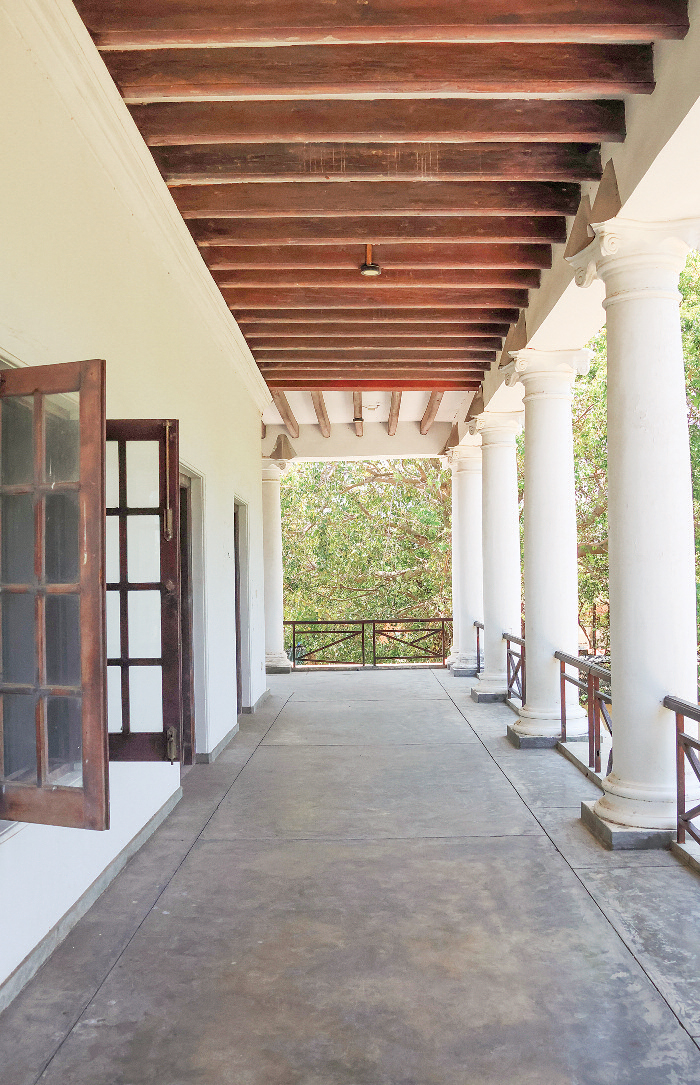
Maritime and Naval History Museum Trincomalee
“A vast national park on the scale of better-known parks such as Wilpattu and Yala can be created by connecting the forest reserves which stretch from Kantalai and through to the Naval Headworks Sanctuary, almost to the borders of the Trincomalee town” he says. “A new national park could be constructed with a network of safari roads and water holes and grass plains to increase the prey density for iconic mammals like the leopard. Trincomalee can then become a top land safari destination with an entrance gate to a national park just 15 minutes drive from the town. No other city will be able to rival it for land safaris, marine safaris, ancient and colonial history, staggering views and beaches and the heady mix of various ethnic groups with their religious beliefs, cuisine and arts. Trincomalee could overshadow every other city in Sri Lanka for tourism if developed properly”.

Velgam Vehera
De Silva Wijeyeratne emphasised that conservation must be positioned not as a constraint, but as an economic enabler. “If you encourage and enable responsible visitation, it brings revenues to these areas,” he said. “That supports conservation and also creates livelihoods for local communities.”
However, he cautioned that development must be carefully managed to avoid damaging sensitive ecosystems. “You need development that is sensitive to these landscapes and the proper infrastructure to manage visitation,” he said. “The value lies in preserving what is already there.”
In addition to tourism, de Silva Wijeyeratne highlighted the need to strengthen Sri Lanka’s conservation capacity through international collaboration. He has proposed the introduction of a special visa to attract experienced global conservationists willing to work on a voluntary basis.
He referenced his article ‘A visa for bringing in expertise and expanding tourism’ which was published in The Island on Friday, 23 May, 2025, and is available online. In this he proposes a special visa to address four strands – volunteering, internships, academic exchange and short term study. The idea is that the visa should be as easy as to obtain an online tourist visa, but the visitor can now apply for a longer term visa for a declared purpose, such as volunteering.
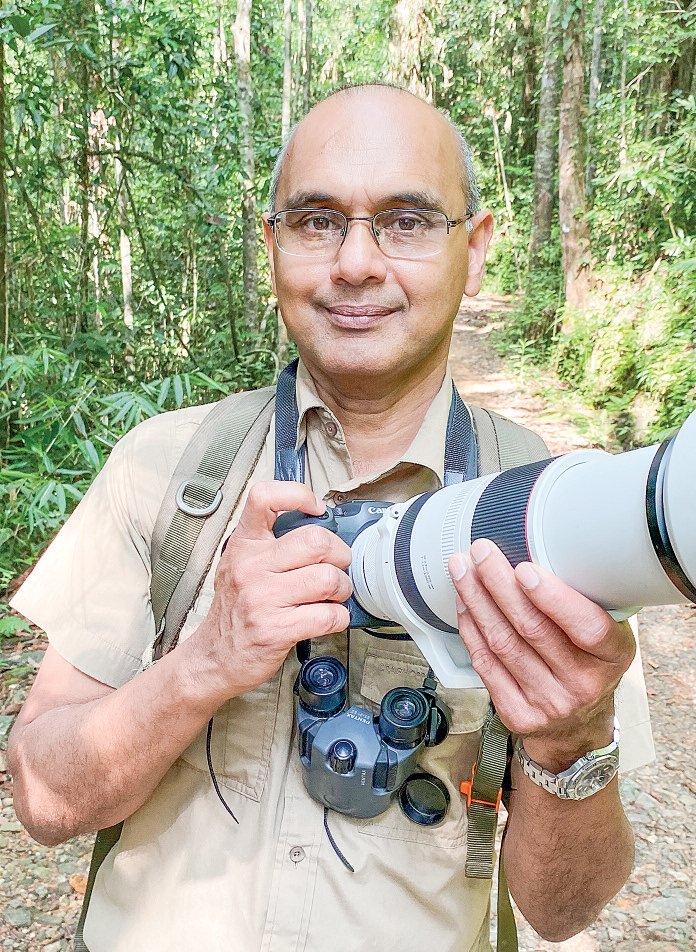
Gehan de Silva Wijeyeratne
He was careful to emphasise that the proposed visa is not for paid work and does not give the visitor special rights, and any relevant permits and permission need be obtained by the local partner. “There are people with 30 or 40 years of experience in research and conservation who would gladly come to Sri Lanka and contribute” he said. “If we create a proper framework, they can work with local organisations, share knowledge and build expertise.” Such a system, he stressed, would not undermine local employment. “These are unpaid roles—they are not taking jobs away. Furthermore, they will help locals to upskill,” he said. “They are helping to strengthen the system.”
De Silva Wijeyeratne also underscored the importance of science communication in driving conservation outcomes. Drawing from his recent lecture to the Wildlife and Nature Protection Society, he said public understanding of biodiversity remains limited, particularly when it comes to foundational elements, such as plant life. “In my recent lecture I started with plants because they are often overlooked,” he said. “In Sri Lanka we have the descendants of ancient plant groups, like lycophytes and bryophytes, as well as an abundance of the relatively more modern flowering plants (or angiosperms). They all form the basis of all ecosystems.” Sri Lankan researchers would benefit from international collaborations to describe and study the ecology of species found in Sri Lanka. As an example of the gaps in our knowledge, he pointed that it is hard to find online even a species inventory of Sri Lankan species of Lycophytes.
He further highlighted the interconnected nature of life, pointing to the role of microscopic organisms. “Every cell in our body contains mitochondria, and that DNA originated from bacteria,” he said. “So we are, in a sense, composite organisms built on ancient biological relationships. “This perspective, he said, is critical to fostering a deeper appreciation of biodiversity and the need for its conservation. “If people understand how interconnected life is, they begin to value it differently,” he said.
De Silva Wijeyeratne’s ongoing research for ‘Enchanting Sri Lanka,’ to be published by John Beaufoy Publishing, also touches on Sri Lanka’s layered history, including its colonial past. During his recent visit to Trincomalee, he visited the grave of Rear Admiral Charles Austen, the brother of renowned novelist Jane Austen. “I read in the Bradt Guide to Sri Lanka that her brother was buried in the Esplanade Cemetery. There was an article online by Nishan Fernando in the Sunday Times where he describes how, in 1984, he and his father, Admiral Clancy Fernando, located the grave. Fernando wrote of the burial ground on the Esplanade in the middle of Trincomalee town, opposite the beautiful horseshoe shaped Dutch Bay.”
After a false start at another cemetery, using Google maps, de Silva Wijeyeratne with others, including Hiran and Hashan Cooray, some of the senior team from Jetwing Hotels, visited St. Stephan Cemetery which is around 400 meters from the Maritime and Naval History Museum. ‘We found the grave as described in the Sunday Times article by Nishan Fernando. But talking to various hoteliers and people in tourism in Trincomalee, we were struck by how many people were unaware of its existence. Hopefully, knowing that the grave of Rear Admiral Charles Austen, brother of Jane Austen, is roughly in the middle of St. Stephan Cemetery, in Trincomalee, will help others, with an interest in Jane Austen, to locate it.”
During his time in Trincomalee, with the Jetwing Hotels team, de Silva Wijeyeratne also visited Mederigiriya, Seruwila and Velgam Vehera. They encountered elephants on their visits to Seruwila and Velgam Vehera. “That brief visit alone shows how rich and complex Sri Lanka’s story is,” he said. “It spans pre-colonial, colonial and post-colonial periods.” For de Silva Wijeyeratne, the challenge now lies in translating this richness into a coherent national narrative. “This country has everything—biodiversity, ancient civilisation, marine ecosystems, etc.,” he said. “Few places in the world can offer such an all-round package.”
He stressed that aligning conservation with tourism and knowledge-sharing could deliver long-term benefits. “It’s about connecting the dots,” he said. “If we do that successfully, Sri Lanka can position itself as a world-class destination, while protecting its natural and cultural heritage.” As the country looks to rebuild and diversify its economy, de Silva Wijeyeratne’s message is clear: Conservation, when strategically integrated, could become one of Sri Lanka’s strongest assets. (Pictures courtesy Gehan de Silva) Wijeyeratne
By Ifham Nizam
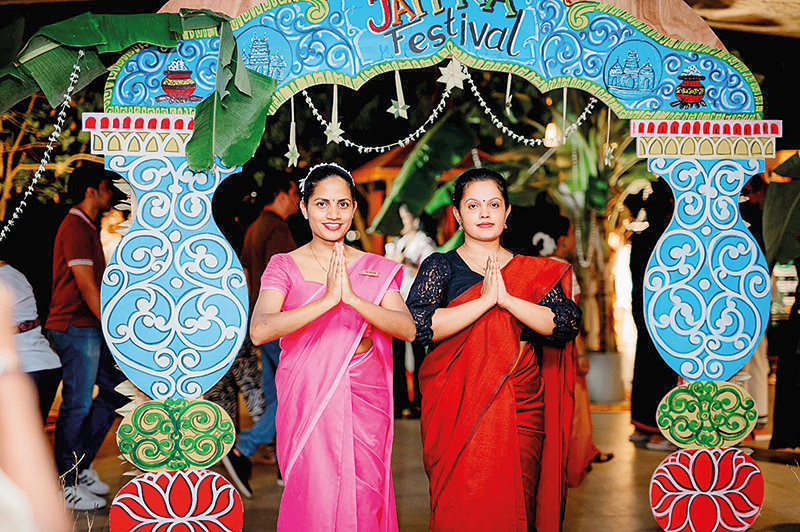
Long before the first dish was placed at the Jaffna food festival at Cinnamon Bentota Beach, a dedicated team of staff and culinary staff journeyed to Jaffna.
In the North they stepped out of professional hotels and into homes, road side eateries and bustling local markets. They observed, listened and, most importantly, tasted. The experience was as much about unlearning as it was learning.
They spent time with local people, women who have perfected their craft over decades, fishermen who spoke of the day’s fresh catch, spice vendors who explained the subtle difference in dried chillies and roasted blends.
They saw the liberal use of black peppers, tamarind and the depth of roasted curry powders.
In the end, what the team brought back from the North was not just technique or taste, it was perspective. What stayed most was the spirit of Jaffna, its people resourceful grounded and deeply connected to roots.
And so when the festival came to life in Bentota, it was not just a recreation, it was a reflection. They realised the heart of Jaffna is not only in its flavours but in its people.
Cinnamon Bentota Beach — signature selection celebrated the rich heritage, vibrant culture, and authentic cuisine of Northern Sri Lanka with its signature “Jaffna Night” recently. The evening was a heartfelt journey into Jaffna’s traditions, inviting guests to experience the warmth, flavours, and stories of this remarkable region.
-
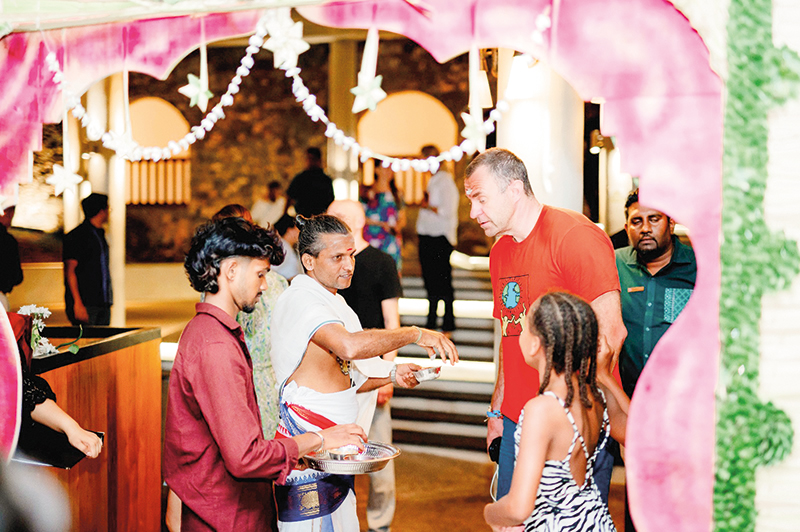
- Time honoured rituals
-
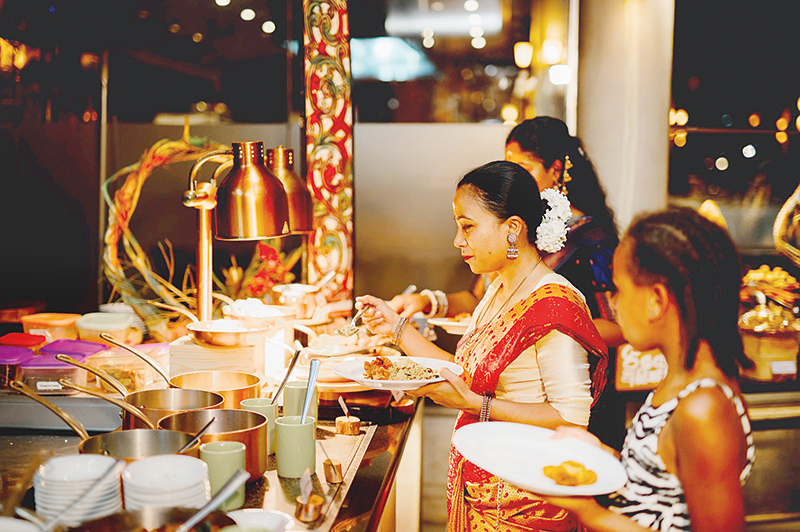
- Jaffna’s bold flavours
-
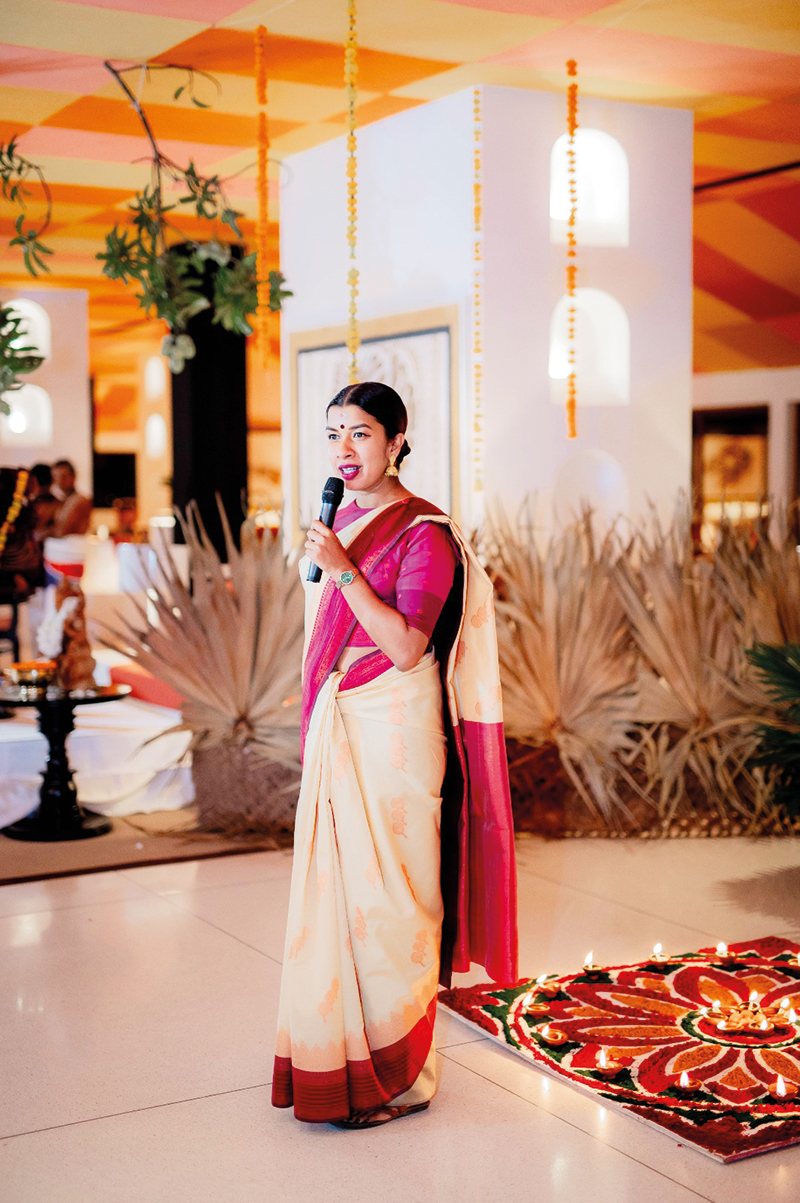
- Warm welcome from heart of southern hospitality
-
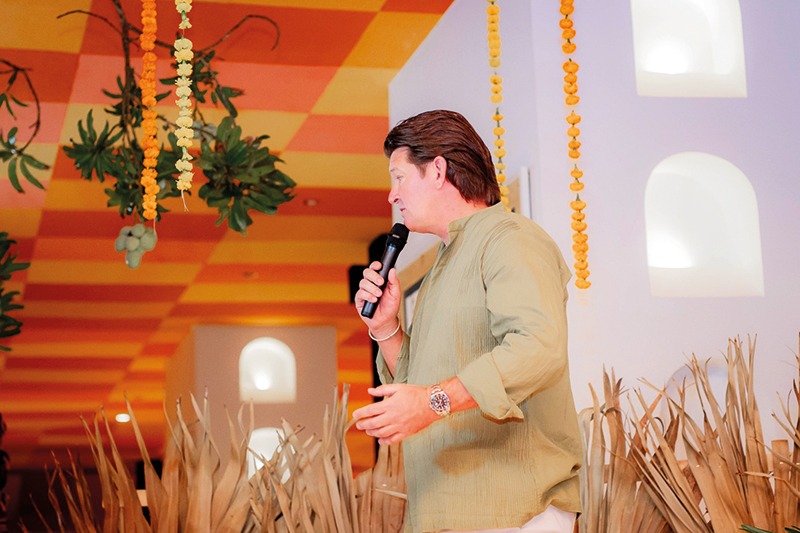
- General Manager welcoming guests
Guests were welcomed with the traditional greetings, followed by religious rituals that set the evening in a meaningful cultural context. The highlight was the launch of the “Jaffna Culinary Journey” video series, capturing the resort team’s immersive exploration of Jaffna’s culinary landscape and community life.
From preparing local delicacies alongside villagers, to stepping into traditional homes, participating in early morning poojas, and wandering bustling fish markets; vegetable markets, the team discovered that Jaffna’s cuisine is inseparable from its identity, history, and community spirit.
Cinnamon Bentota Beach — Signature Selection shared reflections on the journey, emphasising how meaningful experiences can preserve and honour cultural heritage. The evening culminated in the official launch of the Jaffna Food Festival at the resort – a continuation of the journey that brings authentic Jaffna flavours and stories directly to guests in Bentota.
“Jaffna Night” was more than a culinary celebration; it was a testament to connection, culture, and the shared joy of learning through food and tradition.
By Zanita Careem
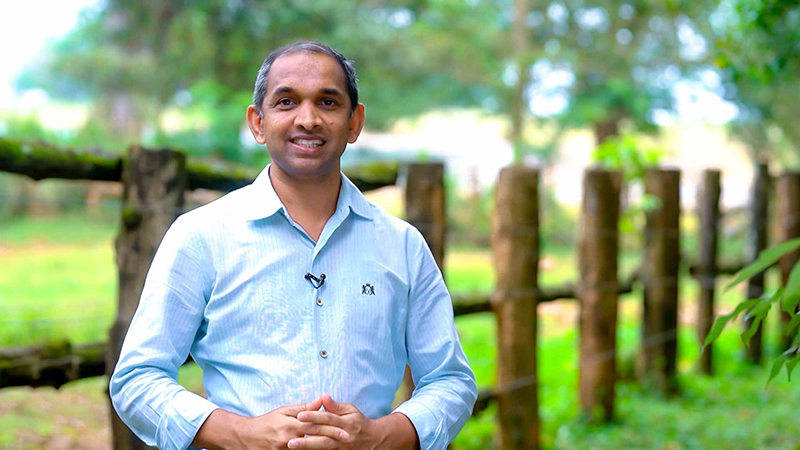
Sun Siyam Pasikudah has added another milestone to its growing list of achievements by earning the prestigious Travel Gold Certification, a recognition that reflects the resort’s dedication to exceptional hospitality, high service standards and memorable guest experience. At this resort, sustainability isn’t just a concept it is a commitment. So driving eco conscious change, behind the scenes, is Chaminda Upul Kumara, shaping a hospitality experience where luxury meets responsibility .
Q: Sun Siyam Pasikudah has earned Travelife Gold Certification, covering 147 criteria, from energy and water to wildlife and community welfare. What did that journey genuinely push the property and the wider group to do differently?
A: Earning Travelife Gold was never just about getting the certificate. Working through 147 criteria covering energy, water, waste, wildlife, and community welfare made us look hard at ourselves and ask whether we were truly doing enough in each of those areas.
What it really pushed us to do was move beyond compliance. We tightened our conservation practices, improved how we manage waste, and put more deliberate effort into biodiversity and community programmes. But perhaps the most meaningful shift was weaving sustainability into the guest experience itself, making it visible and accessible without ever compromising on comfort or quality.
At the group level, Pasikudah became a working model. The practices we refined here have since been adapted and adopted across our other properties, creating a culture where sustainability is not a side project managed by one department but something that shapes how every team member thinks and works. It reinforced what Sun Siyam Care stands for: that responsible hospitality is not a goal we work towards. It is simply who we are.
Q: Most of the Sun Siyam story has been written in the Maldives. How does Pasikudah write its own chapter, given how different the setting, the coastline, and the community around it are?
A: When the civil conflict in Sri Lanka’s Eastern Province ended in 2009, our founder Ahmed Siyam Mohamed saw something in Pasikudah Bay that many others had not yet noticed. The calm, shallow waters and unspoiled beaches were extraordinary, but he also saw a region ready for renewal and an opportunity to be part of that through responsible tourism.
The property opened in 2014 as a 34-room luxury boutique resort, quietly introducing refined hospitality to Sri Lanka’s east coast. Then came COVID-19 and the country’s economic crisis, two of the hardest back-to-back challenges any hospitality business could face. Rather than simply wait it out, General Manager Mohamed Arshed Refai led a comprehensive transformation of the property.
The refurbishment was guided by international design firm Studio 67, but its real character came from a very deliberate decision: every single material used was locally sourced, and Sri Lankan artisans and craftspeople were involved throughout the process. It was not just a renovation. It was a recommitment to the region and the people in it.
That is what sets Pasikudah apart within the Sun Siyam family. The Maldives properties have their own extraordinary identity, but Pasikudah’s chapter is distinctly Sri Lankan. From post-conflict rebuilding to post-crisis renewal, it is a story of courage, community, and the belief that investing in a place means investing in its people.
Q:There is an organic farm on the property growing over 38 varieties of fruits, vegetables, and herbs. Tell us about that. It feels like it says something bigger about how the resort thinks about its place here.
A: The farm is a fairly direct expression of how we think about our responsibility to this place. At least 30 percent of our menu is plant-based, and being able to grow a meaningful portion of that on the property makes that commitment tangible rather than theoretical. Guests receive their welcome drinks made with fruit grown here. The chefs know exactly where their produce comes from and what it took to grow it.
We also have what we call climate-conscious dishes on the menu, options designed around sustainable food principles that prompt guests to think about what they are eating and where it originated. Beyond the farm itself, we source a significant share of our ingredients from local farmers and producers in the surrounding community. That reduces food miles and carbon emissions, but it also means the resort is actively supporting the local food economy rather than bypassing it.
Put simply, the farm is not a marketing feature. It reflects a commitment to operating in a way that is connected to this land and these communities, rather than sitting apart from them.

Violence in Australian town after arrest of man over girl’s murder

Holder, Rashid and Arshad give Gujarat Titans NRR-boosting win

Showers or thundershowers will occur in most parts of the island after 1.00 pm.

Heat Index at Caution Level at some places in the Northern, North-central, Eastern, Sabaragamuwa and North-western provinces and in Monaragala district during the day time

USD 2.5 mn fraud probe: Interdicted MoF official found dead at home

Alarm raised over plan to share Lanka’s biometric data with blacklisted Indian firm

‘Dates have the highest sugar content to fight Coronavirus’

Sunday Island 27 December – Headlines

#SundayIsland 17th December – Headlines

Sunday Island – 28th March

Sunday Island Headlines – 21 March

Sunday Island – 21st February – Headlines
-

 News4 days ago
BIA drug bust: 25 monks including three masterminds arrested
-
 News2 days ago
Treasury chief’s citizenship details sought from Australia
-

 Business5 days ago
Nestlé Lanka Announces Change in Leadership
-

 News4 days ago
Banks alert customers to phishing attacks
-
 News5 days ago
Hackers steal $3.2 Mn from Finance Ministry
-
 News3 days ago
Govt. assures UN of readiness to introduce ‘vetting process’ for troops on overseas missions
-

 Business3 days ago
ADB-backed grid upgrade tender signals next phase of Sri Lanka’s energy transition
-

 Sports2 days ago
Well done AKD!