
Life style
Yoga for holistic health and well being


BY RANDIMA ATTYGALLE
Yoga translates into ‘union of mind, body and soul’ in Sanskrit. The origins of this ancient tradition date back to the Indus-Sarasvati civilization in Northern India over 5,000 years ago. The term ‘yoga’ was first mentioned in the Vedas- a collection of texts containing mantras, rituals and hymns of the Vedic or Brahman priests. While the roots of the yoga tradition are very ancient, the practice is timeless. Today it is sought after worldover more than ever before given its physical and mental health benefits. Yoga is also a popular getaway from contemporary busy lives.
Timeless truth of yoga
Human life is perceived by yogis as a triangle of birth, youth and decay or old age. The ancient sages of India discovered a science which would delay the aging process by achieving ‘inner health’ of the human organs; that science is yoga. “Yoga helps a person cultivate inner awareness through the development of breath and strength of mind and body. Yoga is not merely about physical appearance such as achieving the perfect body image, but it is much more,” points out Yoga Acharya Viranjani Somawansa.
Yoga consists of eight limbs: yama (abstinences), niyama (observances), asana (postures), pranayama (breathing), pratyahara (withdrawal), dharana (concentration), dhyana (meditation) and samadhi (absorption). “Yogis of ancient India believed that these eight limbs of yoga would keep human faculties recharged and thereby make age just a number. This is the reason why we encourage people to take up yoga as early as possible so that they could build up a ’reserve’ to age gracefully. You are never too old for yoga,” says Somawansa.
The benefits of yoga are valid today more than ever before as the aging population is on the rise. The growth rate of cells in the human body gradually start to lessen after the mid-30s. Breaking rate of cells will increase resulting in aches and pains in limbs and joints. Yoga, as Somawansa explains, helps to maintain nerve and digestive health. Practicing yoga regularly could also help keen non-communicable diseases (NCDs) at bay.
Multiple health benefits
While yoga is known for its ability to soothe tension and anxiety in the mind and body, it can also have an impact on a person’s exercise capacity, notes Yoga Benefits Beyond the Mat’ (July 22, 2024) published by the Harvard Medical School. It cites the example of a small group of sedentary individuals who had not practiced yoga before. Researchers who studied this group found out that after eight weeks of practicing yoga at least twice a week for a total of 180 minutes, participants had greater muscle strength and endurance, flexibility, and cardio-respiratory fitness.
The same document also acknowledges the cardiovascular benefits of yoga. ‘Several studies have found yoga to to have a positive effect on cardiovascular risk factors: it helped lower blood pressure in people who have hypertension. It’s likely that the yoga restores ‘baroreceptor sensitivity’. This helps the body senses imbalances in blood pressure and maintain balance.
Another study found that practicing yoga improved lipid profiles in healthy patients, as well as in patients with known coronary artery disease. It also lowered excessive blood sugar levels in people with non-insulin dependent diabetes and reduced their need for medications. Yoga is now being included in many cardiac rehabilitation programmes due to its cardiovascular and stress-relieving benefits.’
John Hopkins Medicine cites multiple health benefits of yoga which its many postures or asanas could achieve. Yoga improves strength, balance and flexibility. It also helps bring back pain relief and ease arthritis symptoms. ‘Regular yoga practice may reduce levels of stress and body-wide inflammation, contributing to healthier hearts. Several of the factors contributing to heart disease, including high blood pressure and excess weight, can also be addressed through yoga,’ notes John Hopkins Medicine. Yoga helps relax and sleep better, increases physical and mental energy and manages stress. Scientific evidence shows that yoga supports stress management, mental health, mindfulness, healthy eating, weight loss and quality sleep.
American Osteopathic Association notes that relaxation techniques incorporated in yoga can lessen chronic pain, such as lower back pain, arthritis, headaches and carpal tunnel syndrome. Yoga can also lower blood pressure and reduce insomnia, it says.
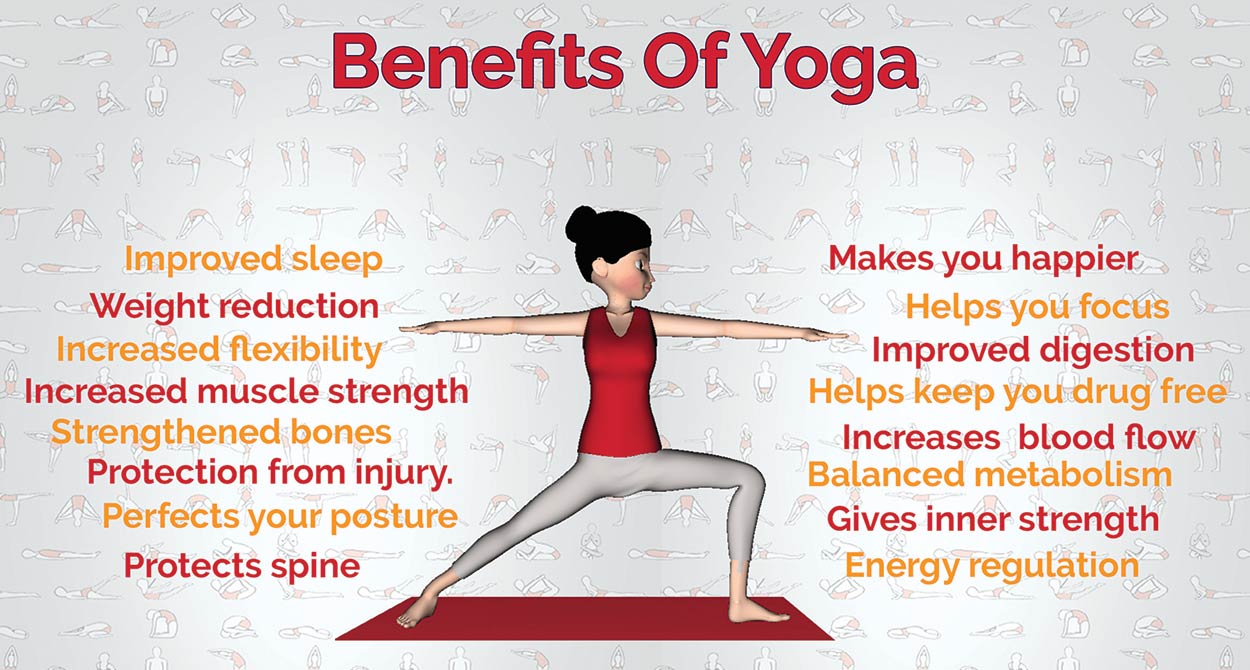
Five points of yoga
There are many types of yoga including Hatha, Astanga, Iyengar, Vinyasa etc. Hatha- which is a fusion of many styles is one of the most popular traditions. Hatha yoga focuses on breath-controlled exercises known as pranayamas. These pranayamas are combined with asanas or yoga postures which end with savasana or a resting period. Regardless of the type, the ultimate goal of all yoga types is to practice the ‘five points’ of yoga, says Somawansa. “The five points of proper exercise, proper breathing, proper diet, relaxation, meditation and positive thinking aim to achieve holistic health and well being of a person. It also attempts to reverse the ‘fight and flight’ mode we are constantly braving with our busy and demanding lifestyles.”

Yoga Acharya Viranjani Somawansa
Reconnecting with inner self
Somawansa, a qualified yoga practitioner today, says her ‘u-turn’ came when she came under the wings of eminent artiste and Yoga Acharya Anoja Weerasinghe at Abhina Yoga Ashram. Then, a young mother of two sons who was taking a break from her corporate job, Somawansa was introduced to the world of yoga by Weerasinghe. Later, she completed her yoga teacher training course at Sivananda Dhanwantari Ashram in Kerala. She received her yoga Master qualification (Yoga Acharya) from Sivananda International Yoga Centre in Madurai, India. A full-time yoga practitioner today, Somawansa teaches yoga for various age groups.
Mindfulness is one of the fundamental objectives of yoga. The ability to focus your attention on what you are experiencing in the present moment without being judgmental can help in every aspect of life says the yoga practitioner. The mindfulness cultivated through yoga could help you become a mindful eater and a person with a flexible mind which would remain unruffled. This is mainly because yoga is all about discovering yourself without comparison or competition.
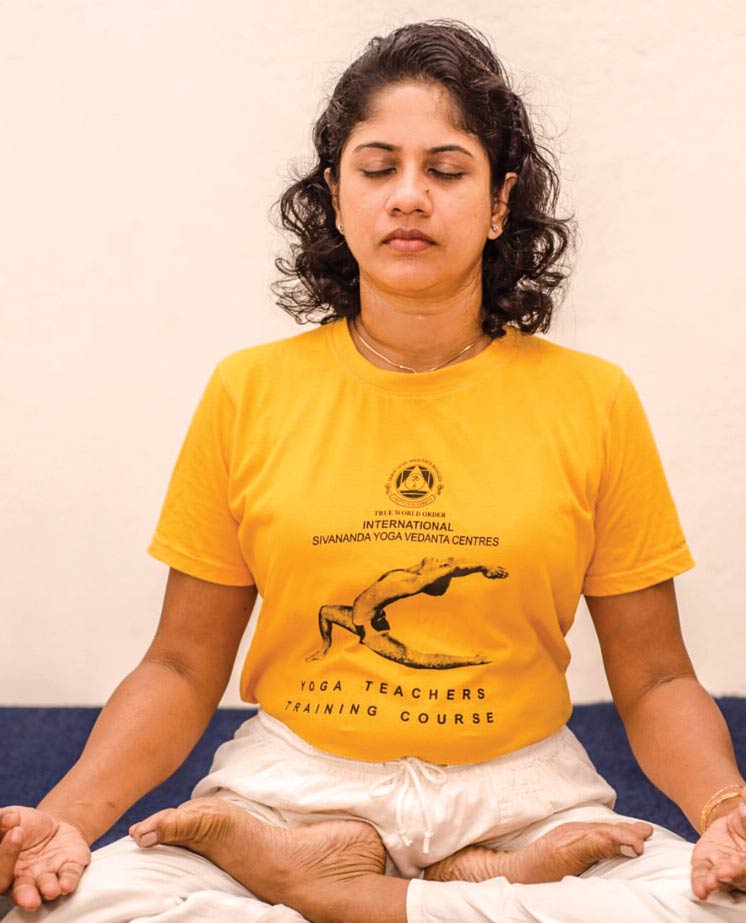
Viranjani Somawansa during in a yoga session
“People have the misconception that the ultimate feat of yoga is being able to do a head-stand which is not so. There are some who have physical limitations with certain yoga asanas and one need not perfect every posture to be a successful practitioner,” remarks the yoga guru reminding us of Swami Sivananda’s wise words that ‘an ounce of practice is worth tons of theory.’ She goes on to say that some are discouraged to practice yoga long term simply because they cannot do all asanas. “This should never be the case because yoga is something which you can do at your own pace and time. Yoga helps one to reconnect with oneself and ‘respond’ to the world around them from a different perspective than to ‘react’. Regular practice could help you take things easy in this demanding world. It could also help people to be less egoistic.”
In his call to the UN General Assembly to adopt June 21 as the International Day of Yoga, Indian Prime Minister Narendra Modi remarked: “yoga is an invaluable gift of India’s ancient tradition. It embodies unity of mind and body; thought and action; restraint and fulfillment; harmony between man and nature; a holistic approach to health and well being. It is not about exercise but to discover the sense of oneness with yourself.”
Medical yoga
In the past few decades, yoga has emerged to be a growing interest within the scientifical community. Many yoga-based practices (YBP) have emerged particularly in the West aiming fitness and therapeutic gains as well as spiritual upliftment. Today what is known as ‘Medical Yoga’ adopts yoga practices for preventive and curative aspects of various medical conditions.
‘Medical Yoga Therapy’ appearing in NIH’s National Library of Medicine affirms that ‘yoga is most powerful when it changes the patient’s general health outlook, changing the emphasis from reactive to proactive health management. The yogic definition of health or “svastha” is when the functions of the body and mind are in harmony so that they can turn inward to reach the goal of self-realization.’ It goes onto note that ‘the practice of yoga is not as easy or as quick as taking medication, but mounting evidence suggests it is worth the effort and investment.’



For most Sri Lankan parents, success is often measured in familiar terms: a doctor, a lawyer, an engineer, or a businessman. Creative pursuits, while admired, are rarely viewed as dependable career paths.
Young filmmaker Thevin Gamage knows that reality is all too well.
Ironically, he grew up in a household immersed in the arts. His mother, celebrated actress Kumudumali De Silva, entered the film industry as a teenager and went on to win acclaim for her performances on television.
His father, veteran actor Nihal Gamage, also established himself as a respected figure in Sri Lanka’s film and television landscape.
Yet even within a family of artists, there remained a strong expectation that their only son would pursue a more conventional profession.
“I grew up in a very strict and conservative household,” Gamage recalls. “Like many Sri Lankan families, education was everything. The expectation was that I would become a businessman, lawyer, or something considered stable and respectable.”
-
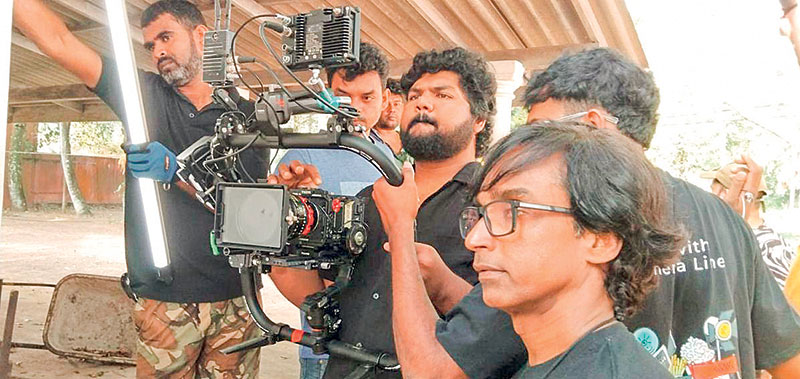
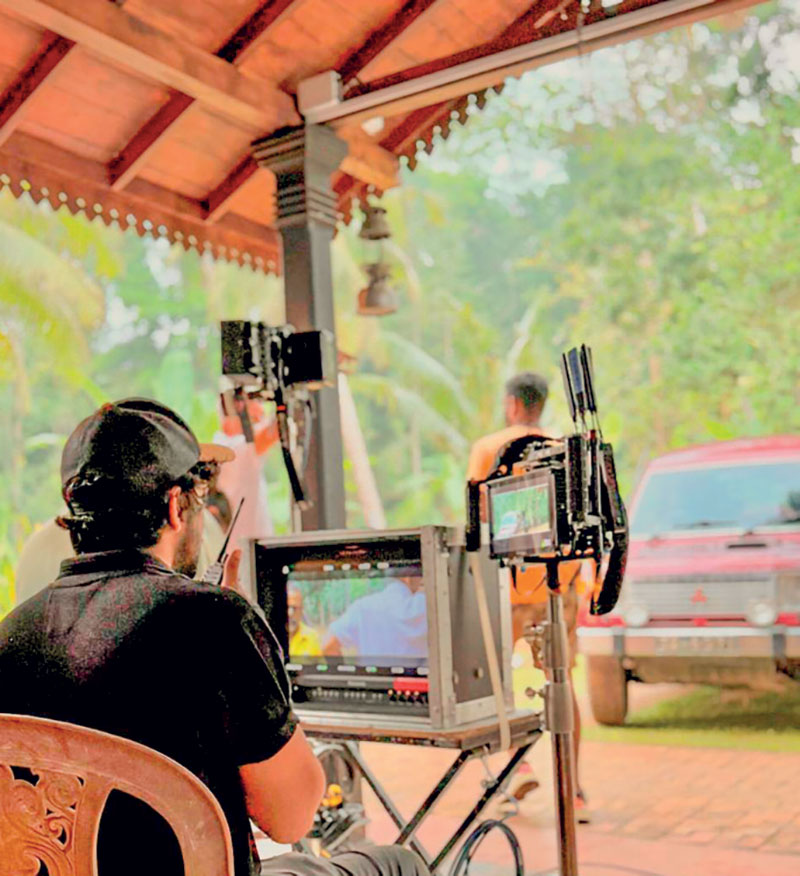
- The DoP and his team
Today, sitting thousands of miles and many life lessons away from that childhood, Gamage reflects on a journey that has taken him from the classrooms of Colombo to the film schools of Toronto, in Canada, and eventually to the director’s chair of his own feature film.
His story is not merely about filmmaking. It is about identity, perseverance, self-discovery, and the courage to pursue a passion that remained hidden beneath years of expectations.
“I think I was always creative,” he says. “The problem was that nobody around me really understood that creativity and academic intelligence are two very different things.”
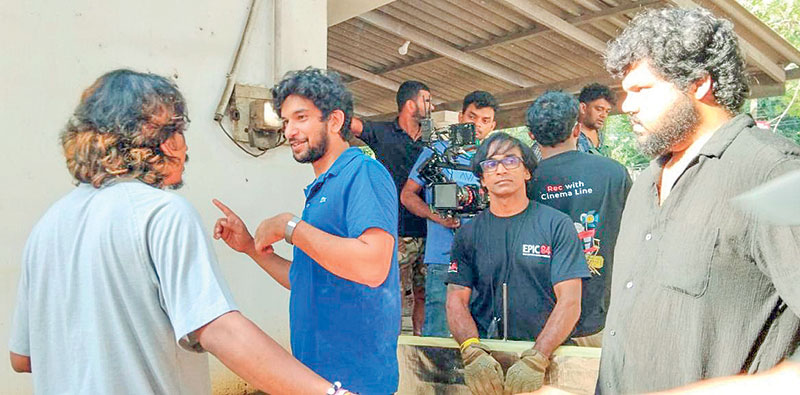
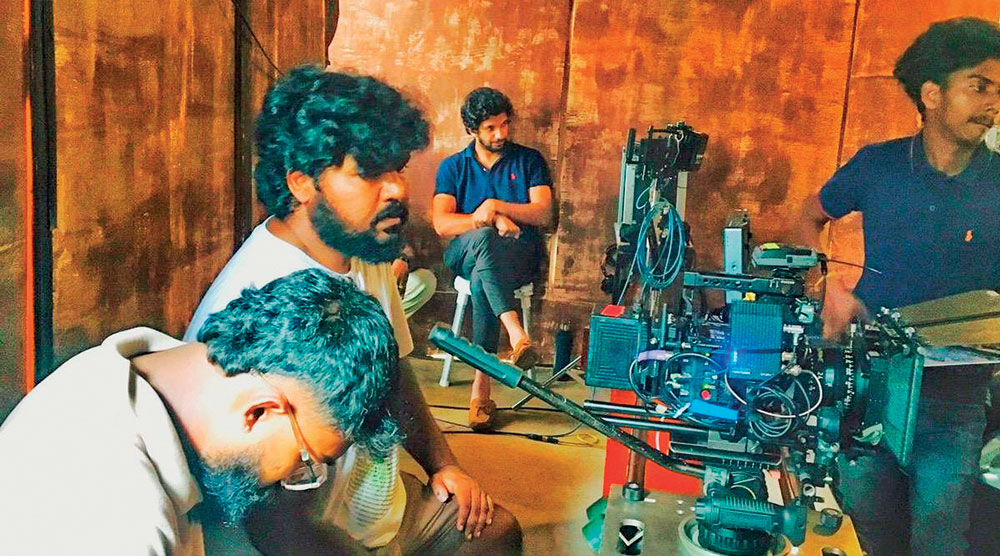
Directing a scene
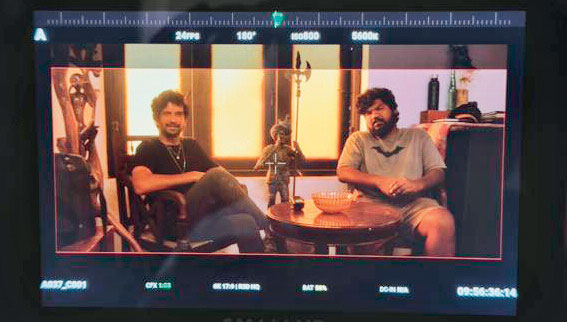
Thevin and Gautham
Educated at Colombo International School, Gamage admits he was never among the highest-performing students, academically.
“I wasn’t the student teachers pointed to as an example,” he laughs. “But looking back now, I think I simply processed the world differently.”
Like many Sri Lankan students pursuing London examinations, he spent countless hours attending tuition classes.
“My days would begin before sunrise. There would be mathematics classes at four in the morning, before school. Then another class, after school, and another in the evening. That was the routine.”
The hard work eventually paid off. He secured admission to the prestigious University of Toronto, a move that opened the door to a world far removed from the sheltered upbringing he had known.
More importantly, it offered him the independence he had long desired.
“To be honest, one of the biggest motivations for going overseas was that I wanted to experience life beyond the boundaries I had grown up with.”
Initially, he enrolled in a Bachelor of Business Administration programme, with a focus on economics. However, it quickly became apparent that the world of finance and accounting did not inspire him.
“I knew very early that I wasn’t built for accounting. Finance wasn’t something that excited me either.”
After considerable soul-searching, he switched his academic focus to political science, while pursuing minors in economics and psychology.
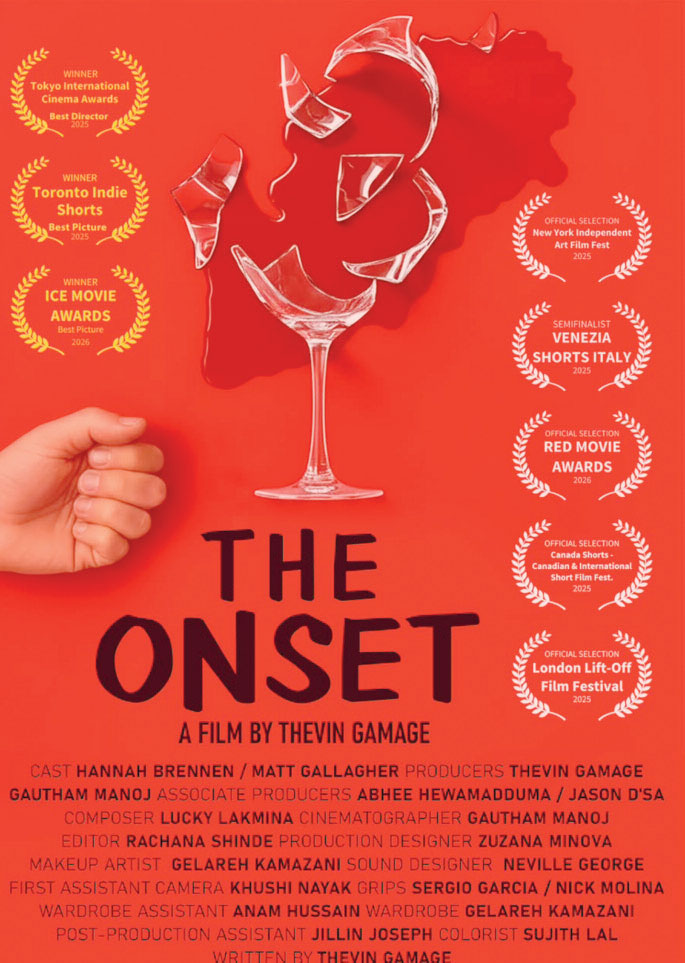
THE ONSET
The decision proved to be the right one.
He graduated with honours, much to the relief and pride of his parents.
“That was important to them. Like many parents, they wanted to know their sacrifices had meant something.”
Yet, despite earning a respected university degree, Gamage remained uncertain about his future.
Upon returning to Sri Lanka, for a period, he became involved in his family’s restaurant business. At the time, it seemed the closest thing to a creative profession that he could realistically pursue.
“I loved the idea of hospitality because there is artistry involved in food, presentation, and customer experience. But something still felt missing.”
The answer would emerge unexpectedly during one of the most disruptive periods in modern history.
The COVID-19 pandemic.
At the time, Gamage was back in Canada, working toward permanent residency, while also exploring possibilities for introducing Sri Lankan restaurant concepts to the Canadian market.
To support himself, he worked as a bartender in one of Toronto’s leading restaurants.
Then, the world shut down.
For many people, lockdowns created uncertainty. For Gamage, they created clarity.
“I suddenly had time to think. For the first time in years, I wasn’t running from one responsibility to another.”
That period of reflection led him back to a childhood obsession that had never truly disappeared – Cinema.
Growing up, movies had been far more than entertainment.
“Because I wasn’t allowed to socialise much, films became my escape. They allowed me to experience different cultures, different lives, and different ways of thinking.”
While other teenagers spent weekends attending parties, Gamage spent his watching films.
“I could sit for hours studying how stories were told. I didn’t realise it then, but storytelling was already becoming a huge part of who I was.”
One day, driven by curiosity rather than any grand ambition, he requested information from Toronto Film School.
What followed would alter the course of his life.
A lengthy conversation with a school representative encouraged him to take a chance on himself.
“She simply asked me why I wasn’t applying. I honestly didn’t have an answer.”
Using money he had painstakingly saved from bartending, Gamage enrolled.
The experience was transformative.
“For the first time in my life, I felt like I belonged somewhere.”
Surrounded by fellow storytellers, writers, directors, and aspiring artists, he discovered a community that understood the language of creativity.
“It felt like home. These were people who saw the world the way I did.”
His instructors quickly recognised both his passion and his work ethic.
“They kept telling me that I had something worth pursuing.”
Among hundreds of students, Gamage was selected to direct a student short film — an achievement that boosted his confidence enormously.
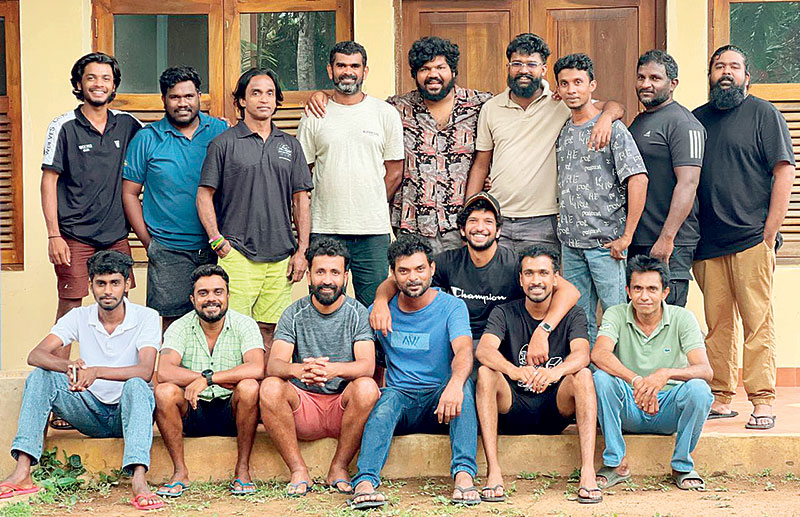
Thevin with his DoP camera With his parents and lighting crew
Yet his education was not confined to the classroom.
A chance opportunity on a Discovery Network production opened the door to the professional industry.
In a story he still recounts with amusement, his first break came, thanks to a dog.
“The showrunner, Mary Bissel, who, in due course, became Thevin’s first mentors, needed somebody to help take care of her puppy, while she was working. I always joke that my career began because of a dog.”
What began as a production assistant role quickly evolved.
Gamage volunteered for every task available.
“I wasn’t interested in staying inside one department. I wanted to understand how every part of a production worked.”
His enthusiasm and dedication did not go unnoticed.
Within a remarkably short period, he moved from production assistant to wardrobe assistant, then unit production manager and eventually assistant director.
By the time he completed film school, he was already serving as an assistant director on a major production.
“I actually missed my graduation because I was working on set. That was a pretty special feeling.”
Working alongside experienced professionals further strengthened his belief that filmmaking was where he belonged.
But he wanted more than a career.
He wanted to tell stories.
-

- With his favourite dog
-

- With his parents
Determined to prove himself, Gamage embarked on creating his first short film, despite having limited resources.
Without substantial financing, or an established reputation, he improvised.
Friends and relatives became producers. Multiple crew positions were consolidated. Administrative responsibilities were shared.
“There were moments when I was essentially doing several jobs at once.”
The experience taught him one of the most valuable lessons of his career.
“You don’t wait for permission. If you believe in something strongly enough, you find a way.”
While the short film was travelling through international festival circuits, Gamage began work on an even more ambitious project — his first feature film.
Rather than play it safe, he chose to create a Sinhala-language film, influenced by the storytelling rhythms and cinematic sensibilities he had absorbed in North America.
“I wanted to bring something different to Sri Lankan cinema. Not because local films are lacking, but because every generation deserves to contribute its own voice.”
The feature called, “Aragalyak Mada- In The Middle Of A Struggle,” stars respected Sri Lankan actor Buddika Jayarathna and represent years of learning, experimentation,and persistence.
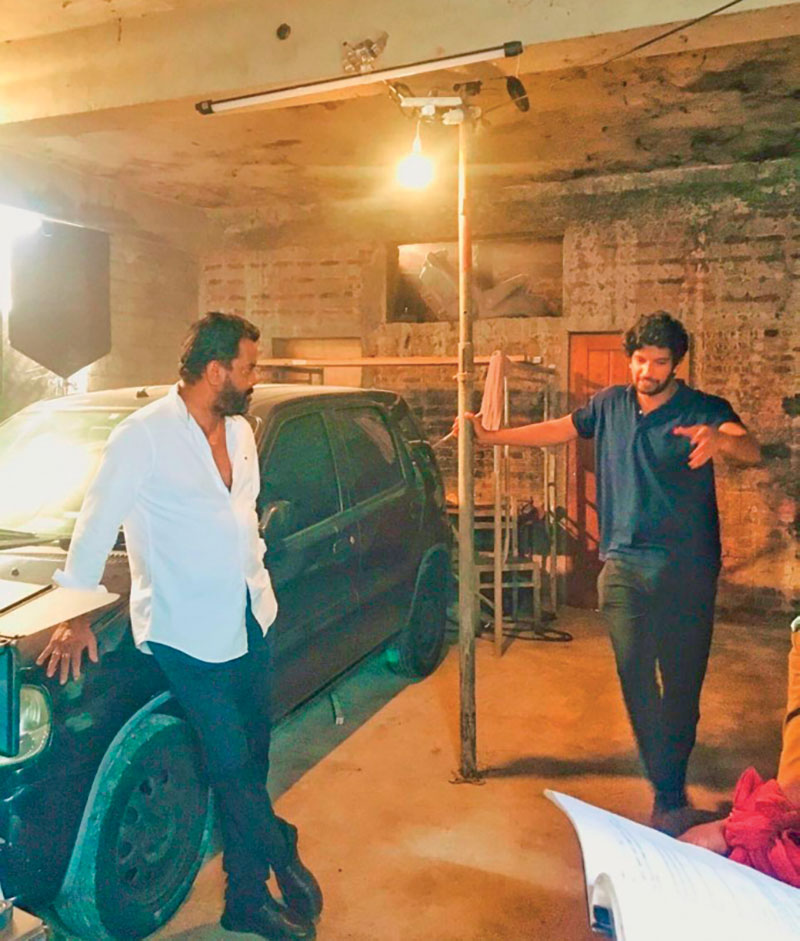
Directing the lead with Buddika Jayarathna in one scene
Remarkably, Gamage also undertook much of the editing process himself.
“Editing is where the story truly comes alive. It allows me to stay connected to every stage of the creative journey.”
Today, with his debut feature film completed and awaiting release, Gamage remains focused not on fame or recognition but on impact.
He hopes his journey will encourage other young Sri Lankans who feel trapped between societal expectations and personal aspirations.
“There are many talented young people in this country who don’t realise their potential because they are afraid of pursuing creative careers.”
His own story stands as evidence that unconventional paths can lead to extraordinary destinations.
Looking back, he does not regret the years spent navigating expectations, academic pressures, and uncertainty.
Every experience contributed to the filmmaker he has become.
“If there’s one thing I’ve learned, it’s that passion matters. Obsession matters. Sometimes, talent helps, but determination is what carries you forward.”
For Thevin Gamage, the boy who once sought refuge in movies, has now become a storyteller himself — crafting worlds, exploring emotions, and giving voice to dreams that often go unspoken.
And if his ambitions are realised, this may only be the opening scene of a much larger story yet to unfold.
By Ifham Nizam
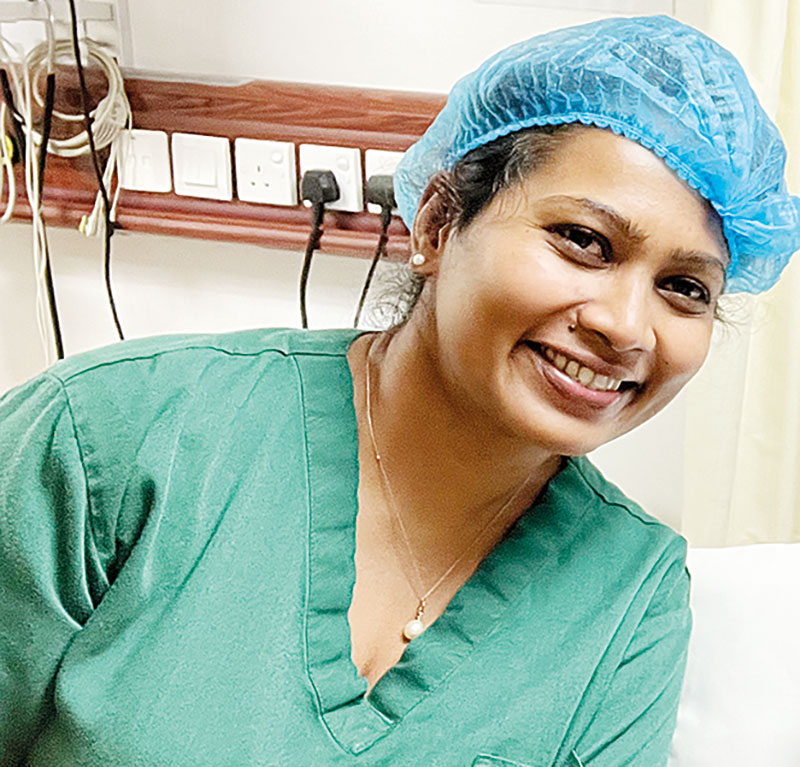
Advancing Orthopaedics through care and education
Dr Melanie Amarasuriya is a distinguished Consultant othopaedic surgeon,academic and educator whose career bridges the world of medicine and higher education. As a senior lecturer at the University of Moratuwa, she combines clinical expertise with a passion for teaching and mentoring the next generation of professionals. Renowned for her commitment to patient care and advancing orthopaedic practice, Dr. Amarasuriya has earned respect both within the medical fraternity and academia. In this interview, Dr. Melanie shares insights into her professional journey,the evoving landscape of orthopaedic surgery,and the challeges and opportunities facing health care in Sri Lanka
(Q) Can you tell us about your professional journey and key milestones?
(A) I qualified from the University of Colombo and completed my specialist training in Orthopaedic Surgery in Sri Lanka. I then pursued advanced training in hand and upper limb surgery in the United Kingdom and Australia, followed by a PhD in Wrist Biomechanics at Flinders University, Australia.
My career has combined clinical practice, research, and education, with a particular focus on complex hand, wrist, and upper limb conditions. Some key milestones include becoming the first and the only woman to qualify as Consultant Orthopaedic Surgeon in the country, completing further fellowship training in hand and upper limb surgery under internationally renowned hand and upper limb surgeons all over the world, earning a PhD, publishing internationally recognised research on wrist biomechanics, being awarded international awards and fellowships by other hand / upper limb organisations, like IFSSH, APWA, and representing Sri Lanka in international orthopaedic and hand surgery organisations.
Today, I divide my time between clinical practice, teaching, research, and contributing to the development of orthopaedic care in Sri Lanka.
(Q) What are the most common orthopaedic conditions you encounter in Sri Lanka?
(A) In Sri Lanka, the most common orthopaedic conditions we encounter are fractures, resulting from road traffic accidents, falls, and sports injuries. We also see a large number of patients with arthritis affecting the knees, hips, and hands, particularly as the population ages. Back and neck pain, tendon injuries, nerve compression syndromes such as carpal tunnel syndrome, and work-related musculoskeletal disorders are also very common.
I frequently manage complex injuries of the hand, wrist, and elbow, as well as conditions that affect function and quality of life, such as ligament injuries, nerve compressions, and degenerative disorders.
(Q) Are there any emerging trends in bone and joint health that people should be aware of?
(A) One of the most important trends is the growing recognition that bone and joint health is closely linked to overall health and lifestyle. We are seeing increasing rates of obesity, sedentary behaviour, and Vitamin D deficiency, all of which can negatively affect the musculoskeletal system.
At the same time, more people are remaining physically active well into older age, creating greater demand for treatments that preserve mobility and independence. So it’s really important looking at the patient as a whole and not only focus on bones and joints. It is also important to prevent injuries, intervene early before they need complex surgery, and rehabilitation, rather than simply treating problems after they occur. The goal is not only to help people live longer, but to help them remain active, independent, and pain-free throughout their lives.
Another emerging trend is the use of advanced technologies, such as artificial intelligence, three-dimensional imaging, computer-assisted surgery, and patient-specific treatment planning. These innovations are helping surgeons diagnose conditions more accurately and tailor treatments to individual patients. While Sri Lanka still is a middle-income country, according to WHO, we do have the capacity to utilise most of these advanced technology.
(Q) What steps can people take to maintain healthy bones and joints throughout their lives?
(A) Maintaining healthy bones and joints starts with regular physical activity. Weight-bearing exercise, strength training, and activities that improve balance and flexibility help maintain bone density, muscle strength, and joint function.
A balanced diet, rich in calcium, protein, and Vitamin D, is also important. Avoiding smoking, limiting excessive alcohol consumption, and maintaining a healthy body weight can significantly reduce the risk of osteoporosis and arthritis.
Equally important is listening to your body. Persistent pain, swelling, weakness, or loss of function should not be ignored. Early assessment and treatment often prevent minor problems from becoming major ones.
Ultimately, bone and joint health is an investment that begins in childhood and continues throughout life. The choices we make every day have a significant impact on our mobility, independence, and quality of life as we age.
(Q) How important are exercise and nutrition in preventing orthopaedic problems?
(A) Exercise and nutrition are fundamental to preventing many orthopaedic problems. Regular physical activity helps maintain strong bones, healthy joints, muscle strength, balance, and coordination. It also reduces the risk of falls, fractures, obesity, and many chronic conditions that can affect the musculoskeletal system.
Nutrition is equally important. Adequate intake of calcium, Vitamin D, and protein is essential for bone health, muscle maintenance, and recovery from injury. Poor nutrition can contribute to osteoporosis, frailty, delayed healing, and reduced physical function. When I mention poor nutrition, being overweight is also included in the spectrum. A large number of patients, with long standing back pain and knee pain, would get a better quality of life if they simply manage their body weight. The good news is that prevention does not require extreme measures. Consistent exercise, a balanced diet, maintaining a healthy weight, and avoiding smoking can significantly reduce the risk of many bone and joint problems. In orthopaedics, prevention is often far more effective than treatment.
(Q) What are some of the common misconceptions about bone and joint health are women at greater risk of certain orthopaedic conditions?
(A) There are several common misconceptions about bone and joint health. One is that joint pain is simply a normal part of ageing that must be accepted. While age-related changes do occur, many conditions can be prevented, treated, or managed effectively if identified early. Another misconception is that osteoporosis only affects very elderly people, when in fact bone health is influenced throughout life by factors such as nutrition, physical activity, and hormonal health.
Women are indeed at greater risk of certain orthopaedic conditions. Osteoporosis is particularly common in women, after menopause, due to the decline in oestrogen levels, which accelerates bone loss. Women are also more prone to conditions such as osteoarthritis of the hand and knee, certain ligament injuries, and some nerve compression syndromes, including carpal tunnel syndrome.
However, many of these risks can be reduced through regular exercise, good nutrition, maintaining a healthy weight, and seeking medical advice when symptoms first appear. Awareness and early intervention are often the key to preserving long-term mobility and independence.
(Q) As women age how can women protect their bone health?
(A) As women age, protecting bone health becomes increasingly important, particularly after menopause when bone loss accelerates due to declining oestrogen levels. The most effective strategies include regular weight-bearing and resistance exercises, such as walking, jogging, dancing, or strength training, which help maintain bone density and muscle strength.
Good nutrition is equally important. Women should ensure adequate intake of calcium, Vitamin D, and protein, either through diet or supplementation when necessary. Maintaining a healthy body weight, avoiding smoking, and limiting excessive alcohol consumption also play a significant role in preserving bone health.
Regular health check-ups are important, especially for women with risk factors for osteoporosis, such as a family history, early menopause, or previous fractures. Early screening and intervention can identify bone loss before fractures occur.
The key message is that it is never too early—or too late—to invest in bone health. Small lifestyle choices made consistently over time can have a significant impact on mobility, independence, and quality of life in later years.
(Q) What should women know about osteoporosis and fracture prevention?
(A) Osteoporosis is often called a “silent disease” because bone loss occurs gradually and usually causes no symptoms until a fracture happens. Many people only discover they have osteoporosis after sustaining a fracture from a minor fall or injury.
Women, particularly after menopause, are at increased risk because of hormonal changes that accelerate bone loss. However, osteoporosis is not an inevitable part of ageing. Regular exercise, especially weight-bearing and strength-training activities, adequate calcium and Vitamin D intake, maintaining a healthy weight, and avoiding smoking are all important preventive measures.
Fracture prevention is equally important. Falls are a major cause of fractures in older adults, so maintaining muscle strength, balance, good vision, and a safe home environment can significantly reduce risk. Women with risk factors, such as a family history of osteoporosis, previous fractures, or early menopause, should discuss bone density screening with their doctor.
The good news is that osteoporosis can be detected early and effective treatments are available. With appropriate lifestyle measures, screening, and medical care when needed, many fractures can be prevented, and people can maintain an active and independent lifestyle.
(Q) What advice would you give to young people involved in competitive sports?
(A) My advice to young people involved in competitive sports is to view their bodies as their most valuable piece of equipment. Talent and hard work are important, but long-term success depends on staying healthy and injury-free.
Good training habits, proper technique, adequate rest, nutrition, and recovery are just as important as performance. Young athletes should avoid the temptation to play through significant pain or return to sport too quickly after an injury, as this can lead to long-term problems.
It is also important to remember that sport should promote lifelong health and enjoyment. While competition is important, developing good habits, resilience, teamwork, and a love for physical activity are equally valuable outcomes.
Finally, if an injury does occur, seek expert advice early. Early diagnosis and appropriate treatment often allow athletes to return to sport safely and perform at their best for many years to come.
(Q) What development do you expect to see you in the next decade?
(A) The next decade is likely to bring major advances in orthopaedics, driven by technology, data science, and a deeper understanding of how the musculoskeletal system functions. I expect to see greater use of artificial intelligence, advanced imaging, computer-assisted surgery, and personalised treatment plans tailored to each patient.
We are also moving towards earlier diagnosis and more precise interventions. Technologies such as dynamic imaging and motion analysis are helping us understand joint disorders in ways that were not possible before, allowing treatments to be targeted more effectively.
In addition, biologic therapies and regenerative medicine may play an increasing role in treating cartilage injuries, tendon disorders, and early arthritis. While joint replacement surgery will continue to be important, there will be a stronger focus on preserving native joints and maintaining function for as long as possible.
Ultimately, the future of orthopaedics is not just about treating injuries and disease—it is about helping people remain active, independent, and able to enjoy a high quality of life throughout their lifespan.
By Zanita Careem

Child abuse remains one of the most disturbing yet under-reported issues affecting children worldwide. Beyond the visible scars, abuse often leaves deep emotional and psychological wounds that can shape a child’s development, relationship, and mental well being for years to come. Despite increasing awareness, child abuse remain a serious concern in Sri Lanka. Recent events in Sri Lanka have once again highlighted the urgent need to address child abuse in all its forms. From allegations involving influential figures to heartbreaking cases that have shaken the nation, these incidents have exposed the devastating consequences of abuse and challenges faced by young victims seeking protection and justice. In an interview with the ‘Sunday Island,’ a leading Singaporean psychologist, living in Sri Lanka, Anita Sharma, says many children suffer in silence, carrying trauma that can affect their emotional well being, education, relationships and their future lives. She also discusses the warning signs that parents and teachers should recognise, the barriers to reporting and the support systems needed to help children heal and rebuild their lives. With experience in leading medical institutions, she has a patient centred approach, to empower children and individuals to lead healthier and more fulfilling lives.
(Q) How would you define sexual abuse of children and what forms can it take?
(A) Child sexual abuse occurs when an adult, older adolescent, or another person in a position of power involves a child in sexual activities that the child cannot understand, consent to, or is not developmentally ready for. It is a serious violation of a child’s rights, safety, and trust. Sexual abuse can take many forms, including inappropriate touching, forcing or persuading a child to engage in sexual acts, exposing a child to sexual content, taking sexual images of a child, online grooming, or exploiting a child for sexual purposes.
(Q) What are the common psychological effects of sexual abuse on children?
(A) The effects vary from child to child, but common psychological consequences include anxiety, depression, fear, shame, guilt, low self-esteem, sleep disturbances, nightmares, emotional withdrawal, and difficulties trusting others. Some children may also develop symptoms of post-traumatic stress, struggle academically, or engage in risky behaviours later in life.
(Q) What signs should parents, teachers, and caregivers look for that may indicate a child is being abused?
(A) Warning signs may include sudden changes in behaviour, withdrawal from family and friends, unexplained fear of certain people or places, regression to younger behaviours such as bedwetting, sleep problems, declining school performance, self-harm, age-inappropriate sexual knowledge or behaviour, and unexplained physical injuries. While these signs do not automatically mean abuse has occurred, they should never be ignored.
(Q) Why do many child victims find it difficult to disclose abuse? Is it social stigma or fear?
(A) Many children do not disclose abuse because they are frightened, confused, ashamed, or worried they will not be believed. In many cases, the abuser may be someone the child knows and trusts, making disclosure even more difficult. Children may also fear punishment, family conflict, social stigma, or threats made by the perpetrator. The silence surrounding sexual abuse often creates additional barriers to seeking help.
(Q) How does sexual abuse affect a child’s emotional and social development?
(A) Sexual abuse can interfere with a child’s ability to develop healthy relationships, trust others, and feel safe in the world. Emotionally, children may struggle with feelings of fear, anger, sadness, or worthlessness. Socially, they may become isolated, have difficulty making friends, or experience challenges in forming healthy relationships later in life. Without support, the impact can extend into adulthood.
(Q) What role do counselling and therapy play in a child’s recovery?
(A) Counselling and therapy provide children with a safe and supportive environment to process their experiences, express their emotions, and learn healthy coping strategies. Therapy can help reduce symptoms of trauma, rebuild self-esteem, strengthen resilience, and support healthy emotional development. Early intervention often improves long-term outcomes and helps children regain a sense of safety and control.
(Q) How can society create a safer environment for children?
(A) Creating a safer environment requires a collective effort. Parents, schools, communities, religious institutions, and authorities must work together to educate children about personal safety and boundaries, encourage open communication, take disclosures seriously, strengthen child protection systems, and hold perpetrators accountable. Equally important is fostering a culture where children feel heard, respected, and protected.
(Q) Are boys and girls affected differently by sexual abuse?
(A) Both boys and girls can experience severe emotional and psychological harm from sexual abuse. While the core effects are often similar, boys may be less likely to disclose abuse due to societal expectations around masculinity and fears of being judged or misunderstood. Girls may face different social pressures and stigmas. Regardless of gender, every child deserves support, protection, and access to appropriate care.
(Q) What is the emotional journey of a child survivor from disclosure to recovery?
(A) Every child’s journey is unique, but recovery is often a gradual process rather than a single event. Following disclosure, many children experience a mix of emotions, including relief, fear, confusion, shame, anger, sadness, and anxiety. While some may feel relieved that the secret is no longer being carried alone, others may worry about the consequences of speaking out. As the child begins receiving support from trusted adults and mental health professionals, they can gradually develop a sense of safety and stability. Over time, therapy and a supportive environment can help them process the trauma, rebuild trust, strengthen self-esteem, and develop healthy coping skills. Recovery does not mean forgetting what happened; rather, it means learning to move forward without the trauma defining their life. With appropriate intervention, many survivors go on to lead healthy, fulfilling, and meaningful lives.
(Q) How prevalent is child sexual abuse?
(A) Child sexual abuse is unfortunately a global public health concern affecting children across all cultures, communities, religions, and socioeconomic backgrounds. Research consistently shows that many cases go unreported, meaning the true prevalence is likely higher than official figures suggest. According to international estimates, approximately 1 in 5 girls and 1 in 13 boys experience some form of sexual abuse before the age of 18. However, experts believe these numbers may underestimate the actual extent of the problem due to fear, stigma, and barriers to disclosure. It is important to remember that child sexual abuse can happen in any family, school, community, or institution, and awareness, prevention, and early intervention remain critical in protecting children.
Quote for the article:
“One of the greatest misconceptions about child sexual abuse is that it is rare or only happens in certain families. The reality is that it can affect any child. The responsibility for prevention and protection lies with all of us parents, educators, professionals, communities and society as a whole.”
By Zanita Careem
-

 Editorial6 days ago
Probe Sallay’s complaint
-
 News4 days ago
Local firms move millions of dollars overseas for phantom imports: Govt.
-

 News2 days ago
CIABOC summons Yoshitha over his participation in British Navy training programme
-
 Midweek Review4 days ago
July 09: An inexcusable overall security failure and exceptional contingency plan
-
 Opinion5 days ago
Could Sri Lanka once again face an economic crisis similar to 2022?
-

 News4 days ago
AI raises concerns over arrest of Sallay and rapper under PTA
-
 News5 days ago
Sallay refuses to end hunger strike unless probe is taken out of CID led by Shani
-

 Latest News5 days ago
Iran and Israel say they will pause strikes but warn of retaliation if ceasefire breached again