
News
World Bank forecasts 2.2% growth for Lanka in 2024, driven by tourism and remittance recoveries

The latest Global Economic Prospects report from the World Bank forecasts a 2.2 percent growth for Sri Lanka’s economy in 2024, marking a positive revision of 0.5 percentage points from January. This upward revision is attributed to gradual improvements in remittances and tourism.
The June edition of the World Bank’s Global Economic Prospects report highlights that tourism and remittances have rebounded following the economic contraction in 2023. However, both sectors remain below pre-pandemic levels.
The report states, “In Sri Lanka, the economy is expected to expand by 2.2 percent in 2024—a 0.5-percentage-point upward revision from January—supported by modest recoveries in remittances and tourism. Growth is projected to strengthen further in 2025-26, reaching 3 percent in 2026, assuming successful debt restructuring negotiations and the implementation of structural reforms, which would offset the adverse impact of planned fiscal consolidation on growth.
“After contracting in 2023, economic activity has strengthened in Sri Lanka, with tourism and remittances also recovering, although they have remained below pre-pandemic levels.
“The report also forecasts a slowdown in growth for the South Asia (SAR) region, from 6.6 percent in 2023 to 6.2 percent in 2024, mainly due to a moderation in India’s growth from recent highs. Regional growth is expected to remain steady at 6.2 percent in 2025-26, supported by stable growth in India. Among other economies in the region, Bangladesh is expected to maintain robust growth, albeit at a slower pace than in previous years, while growth is set to strengthen in Pakistan and Sri Lanka. However, the outlook is clouded by downside risks, including disruptions in commodity markets due to escalating conflicts, potential abrupt fiscal consolidations, financial instability from high bank exposure to sovereign borrowers, extreme weather events, and slower-than-expected growth in China and Europe. Conversely, upside risks include stronger-than-expected activity in the United States and faster global disinflation.
“Several factors have contributed to reductions in external imbalances, such as narrowed trade deficits, increased remittances, and tourism recoveries across multiple countries. Additionally, continued import restrictions, particularly in Bangladesh, have played a role. Foreign exchange reserves have risen in countries like Pakistan and Sri Lanka, reflecting eased currency pressures and increased official flows, although reserves remain low in some nations.
“In the SAR region, economic spillovers from outside are generally limited due to lower international trade openness compared to other global regions. However, weaker-than-projected growth in major trading partners could dampen growth in countries like Bangladesh, Pakistan, and Sri Lanka. For instance, a significant portion of intermediate goods imports in these countries comes from China, and any downturn in Chinese activity could lead to material shortages and reduced economic activity.
“Upside risks to regional growth include stronger-than-expected activity in the United States, which could stimulate growth in large exporting countries like Pakistan and Sri Lanka. Another potential upside is greater progress in global inflation reduction, potentially leading to faster-than-expected easing of monetary policy, lower borrowing costs, and improved growth prospects.”



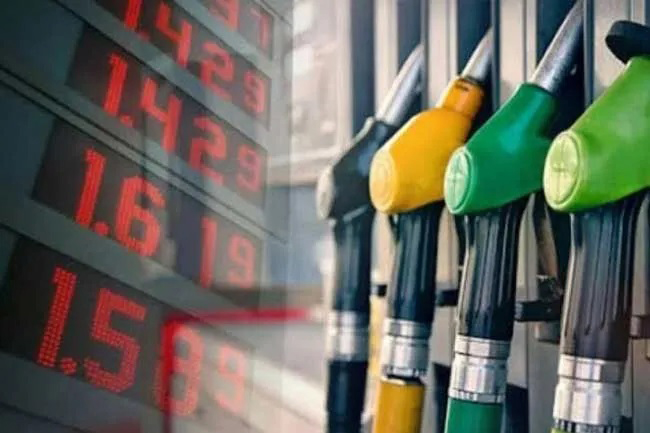
The Ceylon Petroleum Corporation (CEYPETCO) has announced a reduction in the prices of Petrol 92 and Petrol 95, effective from midnight today (30).
The price of Petrol 92 has been reduced by Rs. 15 per litre, from Rs. 414 to Rs. 399 while the price of Petrol 95 Octane has been reduced by Rs. 20 per litre, from Rs. 495 to Rs. 475
There will be no change in the prices of diesel, Super Diesel and kerosene under the latest revision.
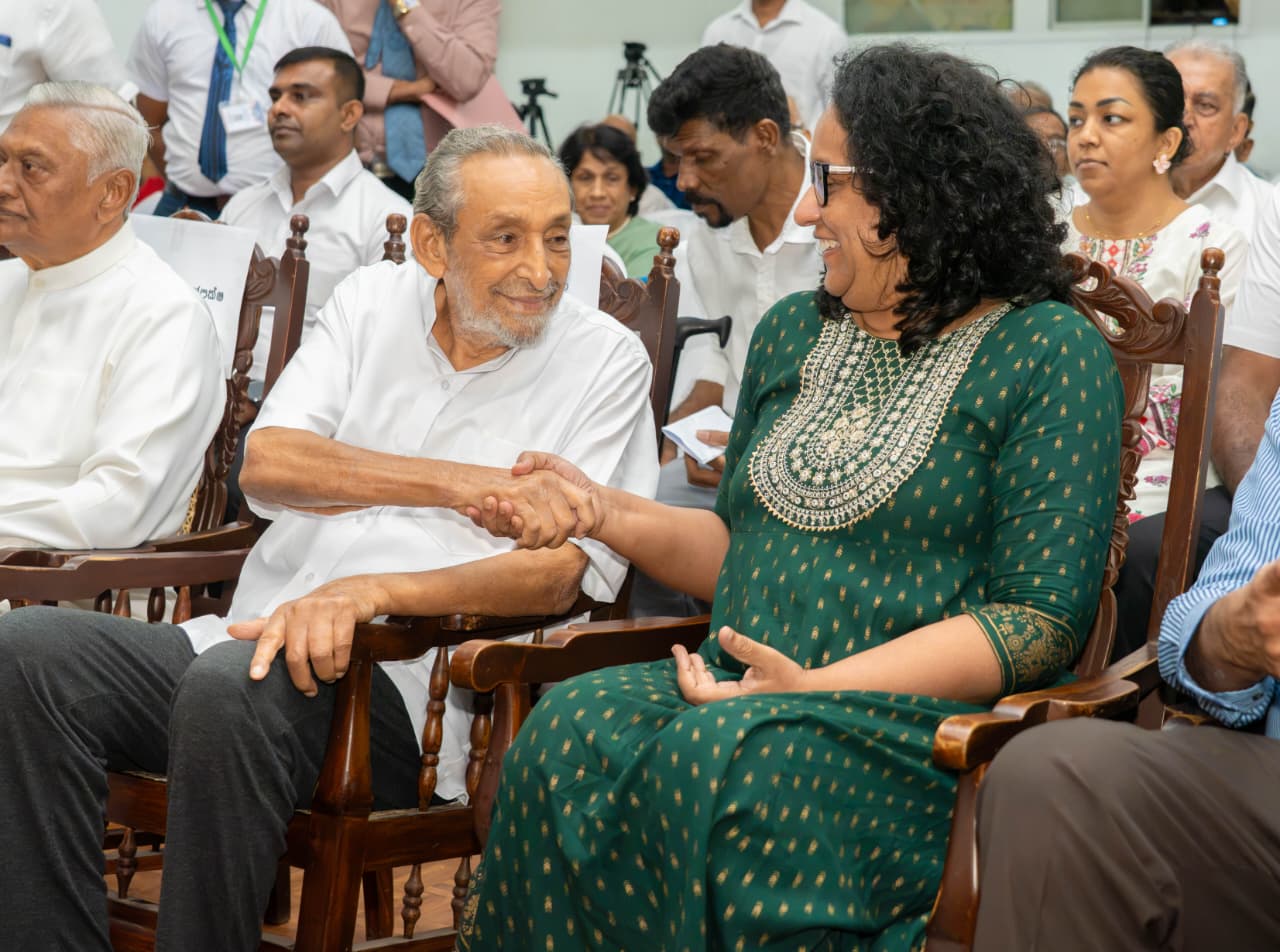
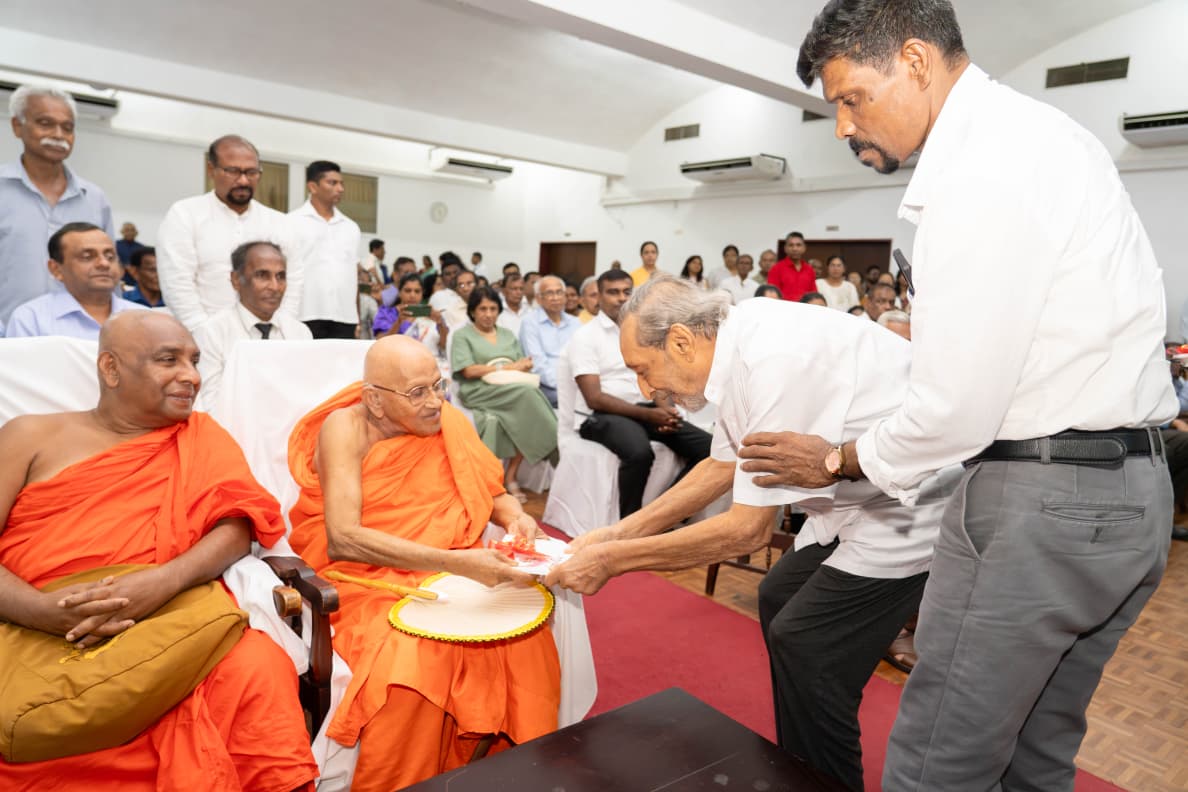
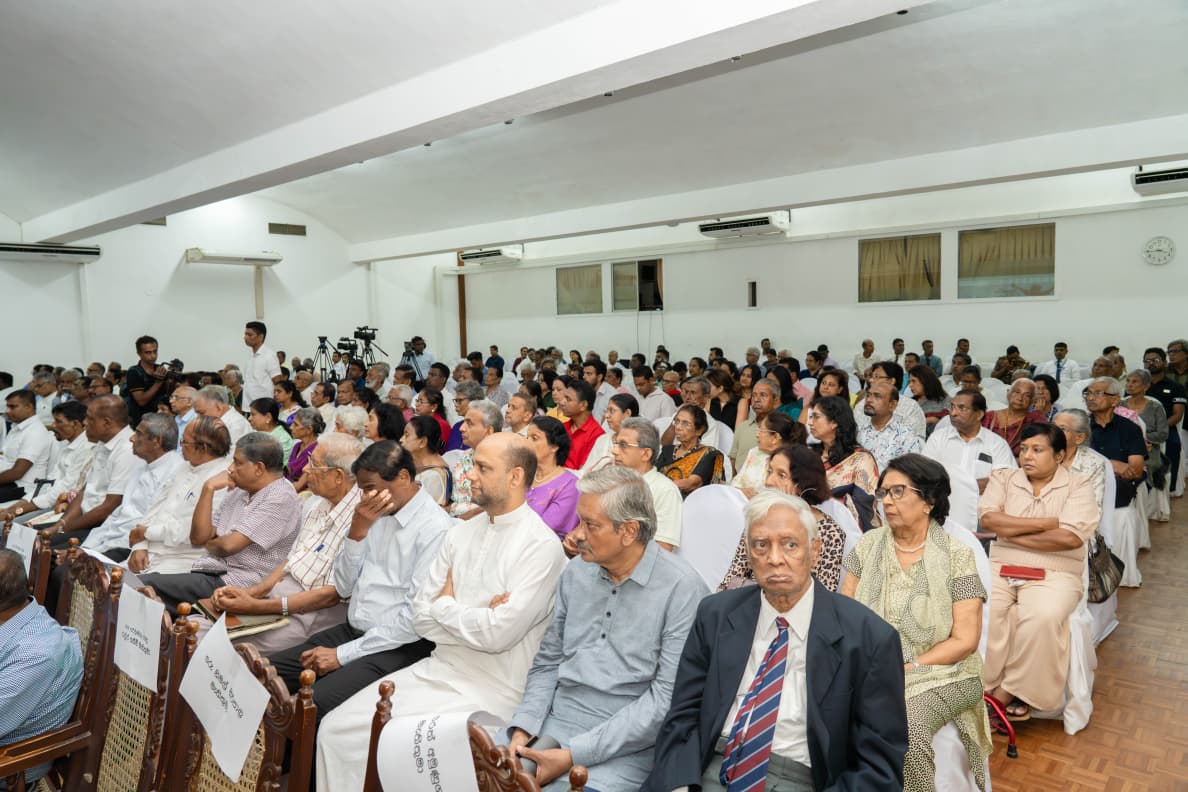
The book “Rathuwewi Mihimadala”, written based on the life story of Vasudeva Nanayakkara, Leader of the Democratic Left Front, was launched on Friday [August 28] at the Bandaranaike Memorial International Conference Hall (BMICH) in Colombo, with the participation of Prime Minister Dr. Harini Amarasuriya.
Speaking to the media afterwards about Vasudeva Nanayakkara, Prime Minister Dr. Harini Amarasuriya stated:
“Vasudeva Nanayakkara is a prominent figure in Sri Lankan politics, particularly within the left-wing political movement. There were several influential figures within the left movement, and that left-wing influence also contributed to bringing the country to where it is today. Politically, there were areas where we agreed and areas where we did not. However, I have great respect for the contribution made by Vasudeva Nanayakkara to left-wing politics. When I entered Parliament in 2020, Vasudeva Nanayakkara was also in Parliament. We sat in the same row, and we spoke about many important as well as interesting moments in his political career. I believe some of these experiences have also been included in this book.”
The event was attended by members of the Maha Sangha, Minister of Justice Harshana Nanayakkara, former President Maithripala Sirisena, former Speakers Karu Jayasuriya and Chamal Rajapaksa, as well as party members, family members and friends.
[Prime Minister’s Media Division]
Latest News
Sun directly overhead Mannar, Periyamadu, Puliyankulam, Welioya and Pulmoddai about 12.11 noon today (30)


The sun is going to be directly over the latitudes of Sri Lanka from 28th of August to 07th of September due to its apparent southward relative motion.
The nearest places of Sri Lanka over which the sun is overhead today (30) are Mannar, Periyamadu, Puliyankulam, Welioya and
Pulmoddai about 12.11 noon.

Petrol to cost less from midnight today (30)

Head teacher evacuated 900 children minutes before school washed away by Nepal floods

UPDATE: Seven killed and 23 missing after boat capsizes off northern Cyprus, says Turkish Cypriot PM

Iceland votes against restarting talks on joining EU

“Rathuwewi Mihimadala” Book Launched with the Participation of the Prime Minister

Turkiye, Somalia forces free cargo vessel hijacked by pirates

‘Dates have the highest sugar content to fight Coronavirus’

Sunday Island 27 December – Headlines

#SundayIsland 17th December – Headlines

Sunday Island – 28th March

Sunday Island Headlines – 21 March

Sunday Island – 21st February – Headlines
-

 News6 days ago
Missing doctor’s body found in Mahiyanganaya
-
 News6 days ago
Australia declines to release Finance Secy Suriyapperuma’s citizenship details
-

 News6 days ago
22A: BASL suggests CJ recuse himself from hearing petitions
-

 News3 days ago
Eight politicians in drug kingpin probe
-

 Editorial7 days ago
Govts. drag feet as undergrads age
-

 Business3 days ago
Sri Lanka opens up: A new season of direct connectivity
-
 Features5 days ago
Insights from Chieftains of Uva: Genealogy of two Kandyan Families – Part II
-

 Features3 days ago
Redefining ageing in Sri Lanka