
Latest News
Rajasthan Royals eliminate Royal Challengers Bengaluru to set up knockout against Sunrisers Hyderabad

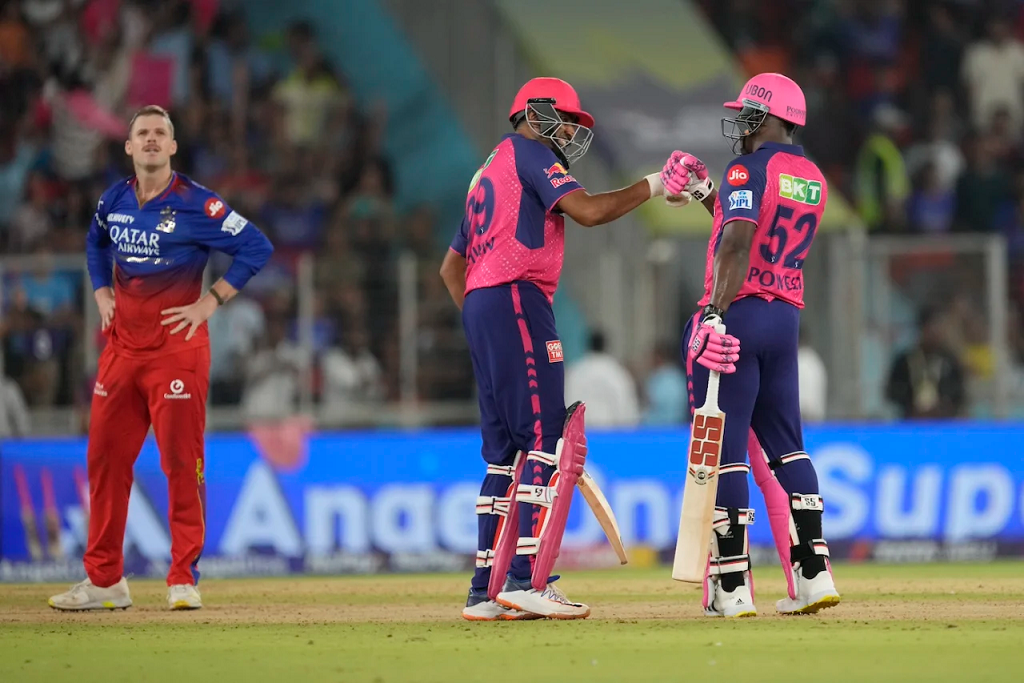
Royal Challengers Bengaluru (RCB) came into the IPL 2024 Eliminator with six successive wins behind them, and Rajasthan Royals (RR) with five successive win-less games. But there really is no such thing as momentum in sport, and certainly not in a sport as fickle as T20.
Royals won an important toss, and their bowlers delivered a superb performance to restrict RCB to 172 at a venue where dew makes chasing significantly easier than setting targets.
It was a game of two halves, as RR got over the line with an over to spare despite a number of nervy moments in their chase.
It was also a game of two ends. One square boundary in Ahmedabad was significantly longer than the other, and the RR bowlers used this asymmetry brilliantly. RCB scored 51 for 6 in their odd-numbered overs, when the longer boundary was to the leg side for the right-hand batter, and 121 for 2 from the other end.
It wasn’t a coincidence that Trent Boult, Ravichandran Ashwin and Avesh Khan, RR’s best bowlers on the night, did the bulk of their bowling from the favourable end.
The imbalance existed even when RR batted: 111 for 1 in ten overs from one end, and 63 for 5 in nine overs from the other. It helped RR that they had right-left pairs occupying the crease for longer than RCB did, but not to a massive extent.
In the end, it came down to the total RCB put on the board Faf du Plesis their captain, admitted that they were about 20 runs short. He felt it was a 180 pitch when RCB batted, and a significantly higher-scoring one, thanks to the dew, when RR chased.
RR are now through to Qualifier 2 against Sunrisers Hyderabad (SRH) in Chennai on Friday. For RCB, this is another trophy-less season but one that will be remembered fondly for many years to come.
The game of two ends began early. Boult swung the new ball in an opening spell of three overs, and was inch-perfect with his lines and lengths: no room for the batters to free their arms, and no slot balls or long-hops. He conceded just six runs and two leg-byes in those three overs, and had du Plessis caught at deep midwicket to end an opening stand of 37.
At the other end, though, RCB clattered 42 in three overs. Virat Kohli using his feet routinely to step out or make room, looked ominous while rushing to 30 off 19 by the end of the powerplay.
Boult gave way to Ashwin from the end with the long leg-side boundary (for the right-hand batter), and that end continued to be hard to score off. Ashwin bowled beautifully, bowling at high pace, either into the pitch or right up at the batters’ feet, offering no room, and primarily using his carrom and reverse-carrom variations against RCB’s right-hand batters.
But he was also aided by the end he bowled from, and the fact that his first two overs came soon after RCB had lost big wickets. He bowled the seventh over soon after Boult had taken out du Plessis, and the ninth immediately after Kohli had fallen to Yuzvendra Chahal.
Kohli’s slog-sweep has been one of the stories of IPL 2024. The shot, brought out of cold storage after many years, has allowed Kohli to overturn a long-standing issue of slow scoring against spin, and given him an extra gear through the middle overs. On this day, though, he was out to his first slog-sweep, caught on the midwicket boundary.
RCB kept playing their shots when they could attack the short leg-side boundary, and took Chahal for 13 in the tenth over and Avesh for 13 in the 12th. In between, Dhruv Jurel, running in from long-on, put down a sitter to reprieve Rajat Patidar when he miscued a big hit off Ashwin.
But Ashwin didn’t let RR worry about that miss for too long, inducing a mis-hit from Cameron Green in the 13th over, his fourth, and following up with the dismissal of Glenn Maxwell, who ended a lean season with the bat by attempting to hit his first ball for six and picking out long-on.
Chahal bowled another expensive over, conceding 19 in the 14th, and when Patidar hooked Avesh for six at the start of the 15th – it was RCB’s first boundary in an odd-numbered over – it looked as though a 190-ish total was possible. But Avesh got a shortish delivery to get big on Patidar next ball, and caused him to miscue to a backtracking mid-off fielder.
He could have had two in two, producing a perfect first-ball in-ducker to have Dinesh Karthik adjudged LBW only for the decision, reviewed by the batter, overturned when the third umpire seemed to mistake bat hitting pad for an inside edge on to pad.
Karthik remained scratchy while scoring 11 off 13 in what is likely his final innings at the senior level, Avesh eventually getting him with a hard-length legcutter that climbed steeply on him in the 19th over. Mahipal Lomror gave RCB a bit of impetus towards the end with 32 off 17, which featured two leg-side sixes off Chahal, but their total of 172 seemed inadequate at the innings break.
There were two dropped chances early in the chase. The first was a difficult one – Green throwing himself to his left at slip and putting down an edge from Yashasvi Jaiswal in the third over – and the second a sitter – Maxwell shelling Tom Kohler-Cadmore at deep square-leg in the fifth. The two openers peppered the boundary either side of those misses – Yash Dayal particularly unfortunate to concede three fours to Jaiswal soon after having him dropped off his bowling – and RR ran to 45 for no loss by the end of the fifth.
Lockie Ferguson ended the powerplay with an excellent sixth over, conceding just two and bowling Kohler-Cadmore with a slower yorker. RR were still well on top, though, a fact they emphasised when Jaiswal and Sanju Samson took 17 runs – including a six and two fours, all towards the shorter boundary – off Swapnil Singh’s left-arm spin in the seventh over.
Green came on in the tenth over and began to make a serious impact with his hard lengths, conceding just 11 runs in three overs while having Jaiswal caught behind while attempting a scoop. He also helped run Jurel out, fumbling a brilliant, one-bounce throw from Kohli in the deep but somehow managing to break the wicket with the ball still in contact with his hands.
At the other end, RR lost Samson, leaving his crease too early to be stumped off a deliberate off-side wide from Karn Sharma. At the end of the 14th over, Royals were four down and needed 58 off 36.
One big over would close that gap, and it came in the 16th, with Shimron Hetmyer and Riyan Parag taking 17 off Green’s fourth. Then Hetmyer hit Dayal for a pair of fours in the 17th, bringing the equation down to 19 off 18.
There was still time for one last twist, however, with Mohammed Siraj bowling Parag for 36 with a full, straight one that he played across, and finishing the over by inducing a miscue from Hetmyer.
It left Royals needing 13 from 12 with two new batters at the crease, and an unlikely RCB win was still on the cards.Royman Powell though, finished it off, finding a bit of luck early in the 19th with a pair of edged fours off Ferguson before completing the job with a stylish straight six.
Brief scores:
Royal Challengers Bengaluru 172/8 in 20 overs (Rajat Patidar 34, Virat Kohli 33, Cammeron Green 27, Mahipal Lomror 32; Ravichandran Ashwin 2-19, Trent Boult 1-16, Sandeep Sharma 1-48, Yuzvendra Chahal 1-43, Avesh Khan 3-44) lost to Rajasthan Royals 174/6 in 19 overs (Yashasvi Jaiswal 45, Riyan Parag 36, Tom Kohler Cadmore 20, Shimron Hetmyer 26; Mohammed Siraj 2-33, Cameron Green 1-28, Lockie Furgeson 1-37, Karn Sharma 1-19) by four wickets.
(Cricinfo)









Latest News
Showers above 100 mm are likely at some places in the Western, Sabaragamuwa, Central, Uva and Southern provinces and in Anuradhapura district

WEATHER FORECAST FOR 08 OCTOBER 2026
Issued at 05.30 a.m. on 08 October 2026 by the Department of Meteorology
Misty conditions can be expected at some places in the Western, Sabaragamuwa, Central and Uva provinces and in Galle and Matara districts during the early hours of the morning.
Showers or thundershowers will occur in the most part of the island after 1.00 p.m. Heavy showers above 100 mm are likely at some places in Western, Sabaragamuwa, Central, Uva and Southern provinces and in Anuradhapura district.
The general public is kindly requested to take adequate precautions to minimize damage caused by temporary localized strong winds and lightning during thundershowers.

Former first lady Shiranthi Rajapaksa, wife of former President Mahinda Rajapaksa was produced before the Hulftsdorp court, after being arrested by officers of the Commission to Investigate Allegations of Bribery or Corruption (CIABOC) and produce
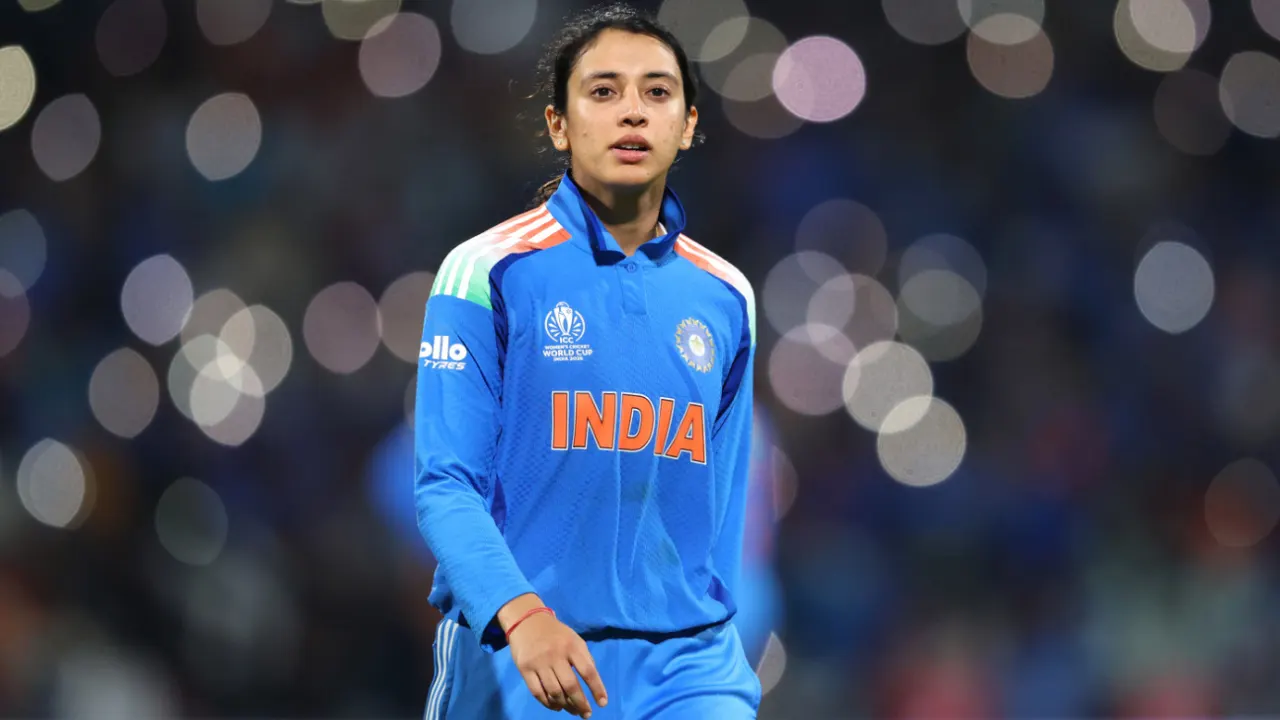
Smriti Mandhana has been named India’s all-format women’s captain on the same day Harmanpreet Kaur stepped down from the role after nearly a decade since she first took over.
Mandhana – vice-captain to Harmanpreet for much of this period – has previously led India in four ODIs and 18 T20Is, apart from captaining Maharashtra in domestic cricket and Royal Challengers Bengaluru in the Women’s Premier League.
Mandhana’s first assignment will be the limited-overs series against Zimbabwe beginning with the three T20Is in Raipur from October 16. On Tuesday, Mandhana was part of the selection meeting chaired by Amita Sharma to pick the squad for the tour.
Terming the appointment a “special honour”, Mandhana also acknowledged the contributions of her predecessor in her welcome note.
“I would also like to acknowledge Harmanpreet and the contribution she has made as captain over the years,” she was quoted as saying by the BCCI. “She has led the team with great commitment and has been an important part of our journey.
“I understand the responsibility that comes with this role and look forward to working with the team, learning along the way and giving my best to take Indian cricket forward.”
Mandhana’s appointment comes on the back of a review meeting held on Monday in Guwahati. Chaired by secretary Devajit Saikia, the meeting was also attended by Mandhana, Harmanpreet and head coach Amol Muzumdar to chart a roadmap forward, with an eye on next year’s inaugural Women’s Champions Trophy in February as well as the T20 World Cup and Los Angeles Olympics in 2028.
Mandhana, India’s best all-format batter, has been knocking on the doors for a while. Earlier this year, she led RCB to their second WPL title, in which she also top-scored in the final.
In September, she overtook Mithali Raj to become the leading run-scorer in women’s international across formats. Her 18 international hundreds are also the most in women’s cricket. She is also the first Indian woman to score centuries in all formats.
[Cricinfo]

Showers above 100 mm are likely at some places in the Western, Sabaragamuwa, Central, Uva and Southern provinces and in Anuradhapura district

PSTA worse than PTA: FSP

Shiranthi R remanded until 13 Oct.

Former NSB Chairman Kariyawasam granted bail

Katchatheevu row: India SC urges fishermen to avoid Sri Lankan waters

Remembering Juvenal, Coke, Acton and Machiavelli

‘Dates have the highest sugar content to fight Coronavirus’

Sunday Island 27 December – Headlines

#SundayIsland 17th December – Headlines

Sunday Island – 28th March

Sunday Island Headlines – 21 March

Sunday Island – 21st February – Headlines
-

 Editorial6 days ago
Colombo Port drug bust: The plot thickens
-

 Features4 days ago
The first woman in the foreign service or Ceylon Overseas Service it was then called
-

 Editorial5 days ago
Fuelling discontent and protest
-

 News3 days ago
Geneva takes up Sallay’s case and govt. ignores opportunity to answer accusations
-

 Latest News5 days ago
Tharindu Rathnayake, bowlers secure Asian Games Bronze for Sri Lanka
-

 Foreign News5 days ago
Ten injured after car crashes into rugby supporters in Australia
-

 Features3 days ago
Sri Lanka Cricket Bill: Governance reform is not yet a cricket strategy
-

 News4 days ago
Nearly 20 Iranian tankers stranded off Lanka amid US sanctions