
Foreign News
Landslides, floods sweep Indonesia’s South Sulawesi, killing 15 people


Landslides and flooding triggered by heavy rains in Indonesia’s South Sulawesi province have killed at least 15 people after dozens of homes were swept away and roads damaged, the country’s disaster management agency said.
Indonesia is prone to landslides during the rainy season, which began in January, with the problem aggravated in some areas by deforestation, and prolonged downpours caused floods in parts of the country that comprises 17,000 islands.
The landslides struck Luwu regency in South Sulawesi on Friday, said Abdul Muhari, spokesperson of Indonesia’s disaster mitigation agency (BNPB), in a statement on Saturday. “A total of 14 residents died due to floods and landslides in Luwu regency,” he said.
In another area of South Sulawesi, at least one person died and two others were injured, Abdul said.
According to BNPB, more than 100 houses were seriously damaged and 42 were swept away, while four roads and one bridge were damaged.
Some 115 people were evacuated to mosques or relatives’ homes and more than 1,300 families were affected with authorities trying to evacuate them.
Indonesia has suffered a string of recent extreme weather events during its rainy season, which experts say are made more likely by climate change.
In March, flash floods and landslides on Sumatra killed at least 30 people.
In recent days, several Indonesian cities also reported extreme heat, but the country’s weather bureau, BMKG, said the rising temperatures were not part of a heatwave currently sweeping much of the Southeast Asian region.
(Aljazeera)







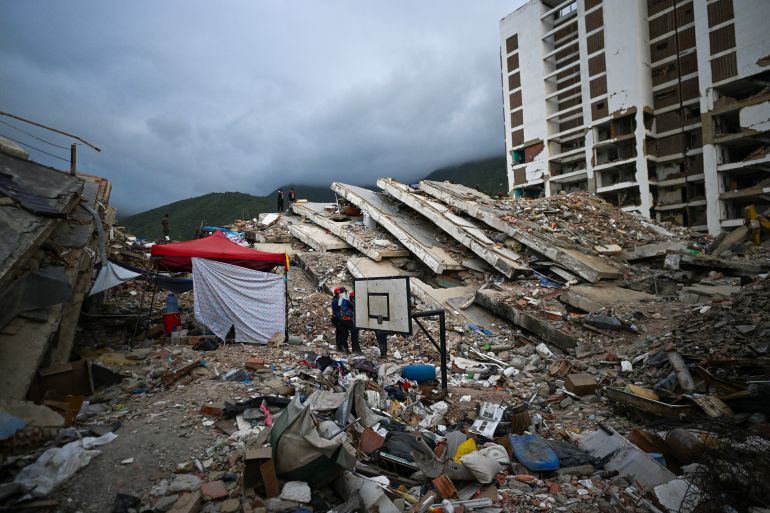
The World Bank has said that the powerful earthquakes that struck Venezuela in late June caused an estimated $19.6bn in physical damage, underscoring the country’s challenging path to recovery.
In a statement on Thursday, the World Bank said 47 percent of the damage occurred to residential buildings, while 27 percent occurred to infrastructure and 26 percent to non-residential buildings.
“The earthquakes have disrupted lives, damaged critical infrastructure, and created new challenges for Venezuela’s recovery,” Susana Cordeiro Guerra, the World Bank vice president for Latin America and the Caribbean, said in a statement. “Recovering effectively begins with reliable evidence.”
Government authorities have estimated that the magnitude 7.2 and 7.5 earthquakes that struck Venezuela on June 24 killed at least 5,000 people and injured nearly 17,000. An additional 18,000 remain homeless, as the country struggles to recover from the destruction amid persistent economic hardship.
Even before the disaster, the World Bank estimated that 76 percent of people in Venezuela, suffering from years of economic mismanagement and crushing US sanctions, were living in poverty.
“Without timely additional investment, the negative impact on productive capacity and living standards will slow the path to recovery,” said Cordeiro Guerra.
The World Bank says its estimate is meant to provide the Venezuelan government and those hoping to assist with recovery efforts with data on the scale of the challenges ahead.
The report, conducted using Global Rapid Damage Estimation (GRADE), says the areas of La Guaira state and Distrito Capital were most severely impacted. The estimate relies on local seismic data, remote-based earthquake modelling, satellite imagery, and damage reports from government and humanitarian groups.
While countries around the world have pledged support for Venezuela, it remains unclear where the funds for recovery might come from.
(Aljazeera)
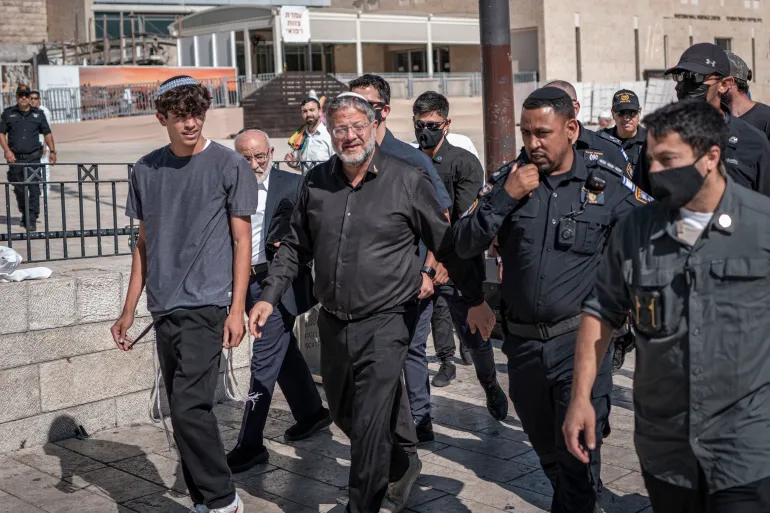
More than 4,200 Israeli settlers and members of far-right groups have stormed the Al-Aqsa Mosque compond in occupied East Jerusalem in one of the largest incursions this year as they mark a Jewish holiday, Palestinian officials say.
Far-right Israeli National Security Minister Itamar Ben-Gvir also entered the site under heavy police protection on Thursday for Tisha B’Av, a Jewish day of mourning that marks the destruction twice of an ancient Jewish temple believed to have stood at the site known to Muslims as Al-Aqsa and to Jews as the Temple Mount.
The Palestinian administration of the Jerusalem governorate said 4,288 Israelis had so far entered the compound.
This number was expected to keep rising until sundown, perhaps reaching 5,000, the governorate said, which would exceed the numbers recorded in previous years during the same Jewish holiday.
Palestinian officials said Israeli forces imposed tight restrictions at the mosque’s gates, barred large numbers of Palestinian worshippers and students from entering, and assaulted several worshippers.
Nour Odeh, Al Jazeera’s correspondent in Ramallah in the occupied West Bank, said Israeli authorities had “taken extreme measures in the Old City” of Jerusalem, including barring entry to the Al-Aqsa compound for all but the elderly and tightening checkpoints such as those at Qalandiya and around East Jerusalem.
Israeli settlers performed Talmudic rituals inside the compound, including prostrating themselves, singing and praying, the Jerusalem governorate said.
Israeli media reported that police allowed more than 1,000 Israelis to pray at the site on Thursday. While non-Muslims are allowed to visit Islam’s third holiest site, they are forbidden from praying there as part of a 1967 agreement.
Ben-Gvir said Jews visiting the site on Tisha B’Av “feel like the owners”, praising what he called “tremendous progress” there, the Haaretz newspaper reported.
[Aljazeera]
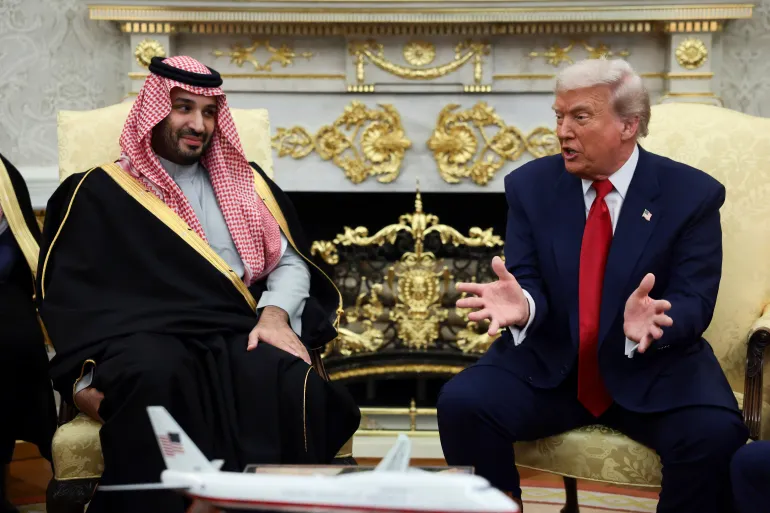
The United States and Saudi Arabia have reached a civilian nuclear cooperation deal, the administration of US President Donald Trump announced, as Washington and Riyadh push to deepen ties.
The US Department of Energy hailed the agreement as “historic” on Wednesday, saying that US companies will provide nuclear technology to the kingdom.
The deal consists of an accord under Section 123 of the Atomic Energy Act of 1954, known as a 123 agreement, “alongside an accompanying bilateral safeguards agreement”, the department said.
“These agreements reflect our two nations’ shared commitment to strengthening US-Saudi commercial relations, delivering prosperity at home and security to our allies abroad,” Energy Secretary Chris Wright said in a statement.
“Rest assured, these agreements uphold the highest standards of nuclear safety and nonproliferation, while relying on the world’s best nuclear technology and scientists, designed right here in the United States.”
Some US media reports have suggested that the deal will allow Saudi Arabia to enrich uranium domestically rather than import nuclear fuel from the US.
The Energy Department’s statement did not provide details on enrichment. If the reports are confirmed, the deal is likely to face opposition in Washington.
The statement called the agreement a “decades-long, multi-billion-dollar partnership” and said it will now be submitted to Congress for review.
Trump, together with Israel, launched a war on Iran in February to prevent the country from enriching uranium and acquiring a nuclear weapon, which Tehran denies seeking.
[Aljazeera]

Sheikh Hasina ally resigns as Bangladesh’s president

Oil prices hit $100 for the first time since May

US hits dozens of trading partners with new wave of tariffs

Arachchige, Rathnayake and Malinga pump Jaffna

Hermann, Liyanage and Mujeeb steer Colombo Kaps to a 23 run win

Showers expected in the Western and North-western provinces and in Galle and Matara districts

‘Dates have the highest sugar content to fight Coronavirus’

Sunday Island 27 December – Headlines

#SundayIsland 17th December – Headlines

Sunday Island – 28th March

Sunday Island Headlines – 21 March

Sunday Island – 21st February – Headlines
-

 Features6 days ago
Two memorable excerpts from a former SLAF commander’s memoir
-
 Business6 days ago
‘Giving up was never an option’: The fisherman who fought back after losing millions in SL
-

 Latest News6 days ago
Davis cup Asia/Oceania Group IV 2026 to be held in Colombo from 20th to 25th July
-

 Life style6 days ago
Taste of the Swiss Alps comes to Colombo
-
 Features6 days ago
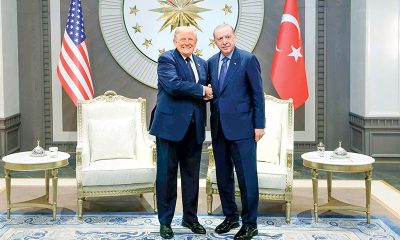
Erdoğan’s New Republic
-

 Midweek Review3 days ago
Three high-profile alleged suicides shaping key investigations
-
 News7 days ago
Evidence recorded in money laundering case against Yoshitha Rajapaksa
-
 News7 days ago
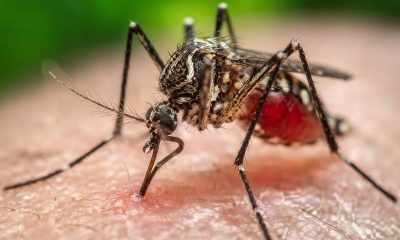
Dengue outbreak gallops ahead: Infections surpasses 73,455, leaving 50 dead