
News
Textile export sector faces growing challenges: Harsha calls for urgent remedial measures

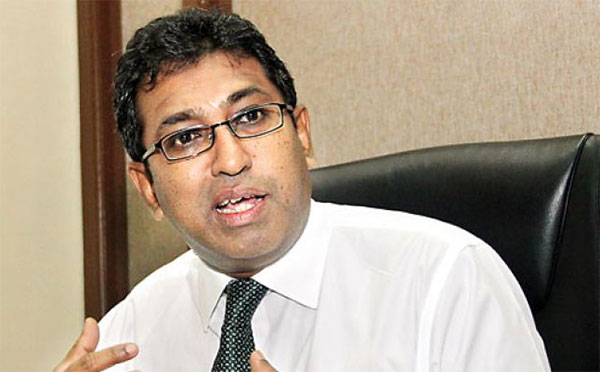
SJB MP Dr. Harsha de Silva recently addressed the growing challenges faced by Sri Lanka’s textile and apparel export sector. The former UNP State Minister told the media that with a significant year-on-year decline of 17% in April, the industry was in trouble.
De Silva emphasised the crucial role the textile and apparel industry played during the economic crisis, lending crucial support to keep the country afloat and providing employment opportunities to hundreds of thousands of people.
The top SJB spokesperson discussed several key points. Commenting on decreased global demand, MP de Silva asserted that the COVID-19 pandemic has led to a decrease in global demand for clothing, resulting in domestic wardrobe inventory build-up. This reduction in demand has affected the textile industry, particularly as big brands, anticipating a post-COVID surge, now face inventory build-up in their warehouses, the MP said.
Referring to factory closures and competitive environment, the SJB official said that as a consequence of the challenging market conditions, several factories have closed down, and others have been forced to place their workers on furlough. The competitive landscape in the garment industry has intensified as brands dictate cheaper prices, turning it into an auction-like scenario among countries in the region, the MP said.
Emphasizing the pivotal importance in long-term outlook and government initiatives, MP de Silva stressed the importance of protecting the vital textile industry, as the problem is expected to persist for another 6-12 months. He urged the government to take immediate action, including a re-evaluation and amendment of the 30% taxes on exports to alleviate the financial burden faced by exporters.
Tapping into the Indian market, too, should be a priority, the MP said, while highlighting the significant increase in spending power among Indians, particularly in states like Tamil Nadu, Karnataka, Telangana, Andhra Pradesh, and Kerala. He called for measures to attract India’s growing middle class and suggested renegotiating the existing Free Trade Agreement to remove barriers that restrict exports above $8 million to India.
The MP also addressed the need to seize opportunities from shifting investments. Pointing out that corporations and foreign direct investments were moving out of China and relocating to countries like Vietnam, Singapore, and India, De Silva urged the government to establish mechanisms, similar to India, to attract these investments. This would provide opportunities for the textile industry to grow and flourish, he said.
De Silva’s urgent call to action underlines the importance of supporting Sri Lanka’s textile and apparel export sector during these challenging times. By implementing the proposed measures, the government can mitigate the impact of the crisis, revitalize the industry, and position Sri Lanka for long-term growth and sustainability, the former UNPer said.



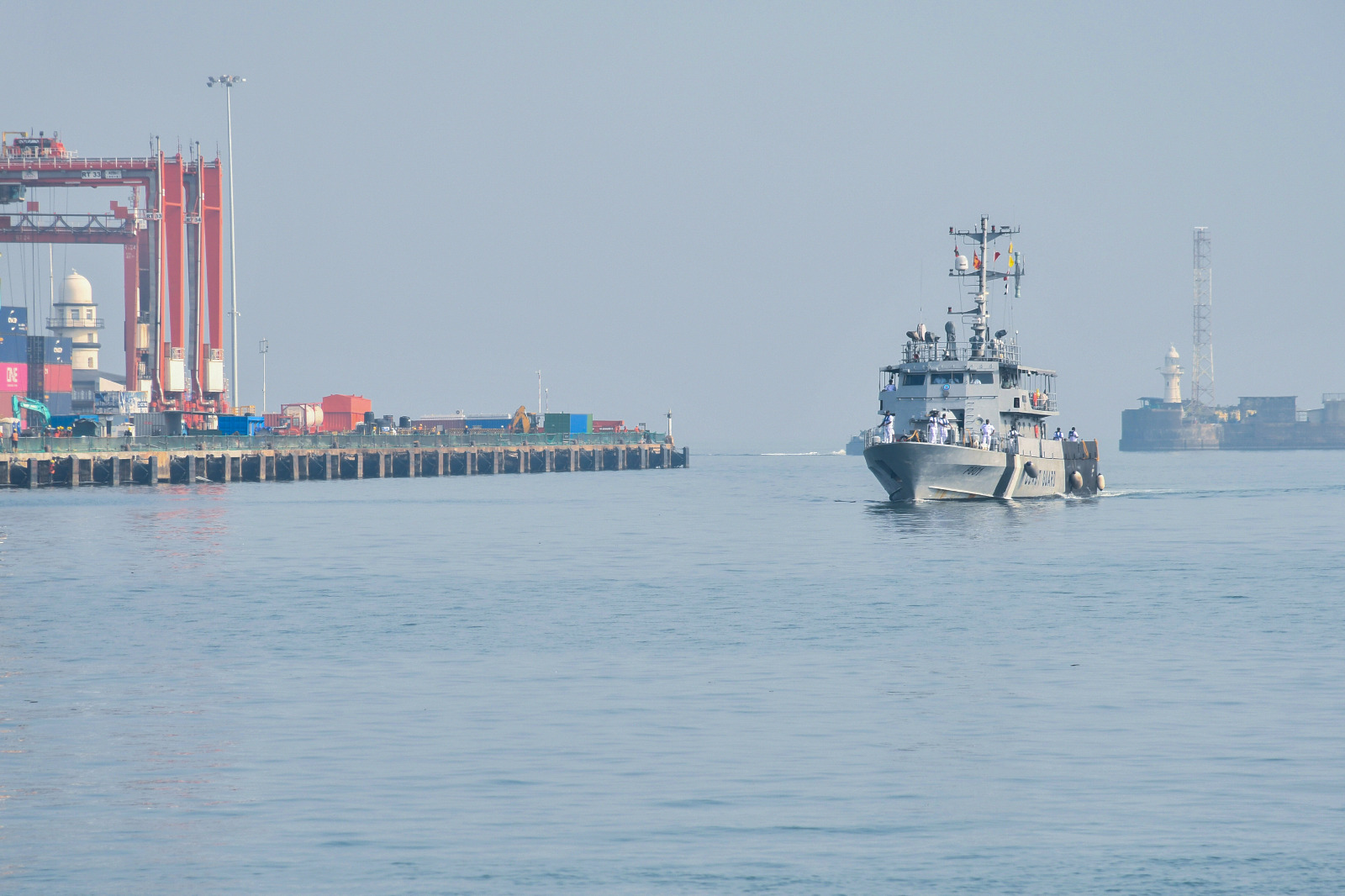
The Maldives Coast Guard Ship Huravee arrived at the Port of Colombo for replenishment purposes on 02 Mar 26. The visiting ship was welcomed by the Sri Lanka Navy (SLN) in compliance with time-honoured naval traditions.
The ship is a 48.9m long Offshore Patrol Vessel which is commanded by Lieutenant Colonel Ahmed Nafiu Mohamed.
Meanwhile, the ship’s crew is scheduled to visit several tourist attractions in the city of Colombo, during their stay in the island.
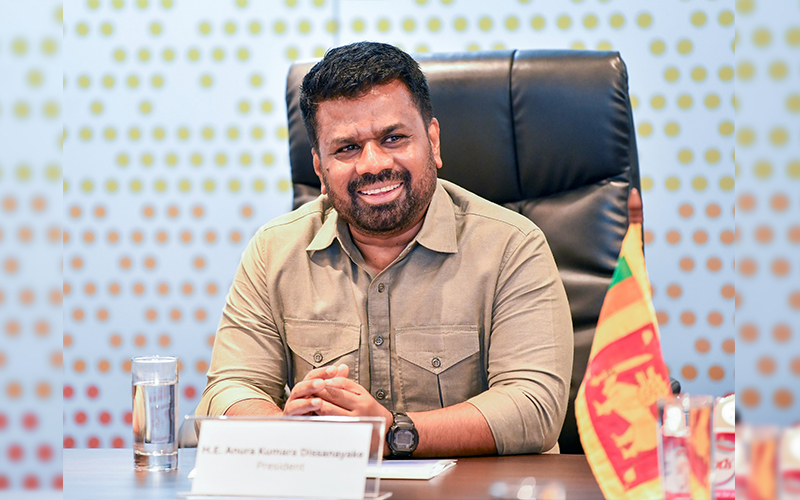
President Anura Kumara Dissanayake yesterday called for an immediate and peaceful resolution of the escalating Middle East conflict, warning that the crisis could have far-reaching repercussions on the global economy, including Sri Lanka.
Addressing Parliament, the President stressed that no military conflict benefited humanity, particularly at a time when destructive military technologies were rapidly advancing.
“Any military conflict does not create a favourable situation for any group of people,” he said, urging all parties to make urgent commitments towards peace. “As Sri Lanka, our position is that all parties involved in this war must, as soon as possible, take steps toward a peaceful world.”
He cautioned that Sri Lanka could not remain insulated from the fallout from the conflict, noting that disruptions to global oil and gas supplies, threats to migrant workers in the Middle East, and potential shocks to tourism, remittances, shipping and aviation were real concerns.
A national programme was being formulated to mitigate the impact, he said, adding that its success would hinge on broader international efforts to restore stability, the President said.
Acknowledging public anxiety shaped by past economic hardships, President Dissanayake said social stability could not be ensured through rhetoric alone but required tangible guarantees that citizens would not face another crisis.
While noting that the government had successfully navigated multiple challenges since assuming office, he described the Middle East situation as distinct due to the uncertainty surrounding its duration and outcome.
The government, he said, was closely monitoring developments. The Central Bank had conducted a review with a report on the likely economic impact expected shortly. The Ministry of Finance is also preparing an assessment of the potential effects on public life, alongside measures to ensure the uninterrupted provision of essential services locally and for Sri Lankans overseas.
“The primary responsibility for finding a path out of the crisis rests with the Government,” he said, calling on Parliament and the public to collectively confront the challenge under a unified national plan.
Providing a detailed account of the country’s energy reserves, the President said storage capacity rather than supply remained the key constraint. Excluding the Indian Oil Corporation tanks in Trincomalee, total storage capacity at Kolonnawa and Muthurajawela stands at approximately 150,000 metric tons.
Diesel stocks were currently sufficient for 33 days, with refining contributing around 1,800 metric tons daily. Petrol reserves will last 27 days, with a 35,000 metric ton shipment due on March 7 or 8 expected to extend availability to around 40 days.
Aviation fuel stocks are adequate for 49 days, supported by both daily refining and imports. Scheduled shipments include vessels from RM Parks on March 14, Sinopec on March 17, IOC on March 21 and the Ceylon Petroleum Corporation on March 28.
Crude oil supplies were sufficient to operate the refinery for 26 days, with an additional shipment expected to extend operations by a further 18 days, the President said.
“Because of this, there is no crisis regarding oil,” the President assured Parliament.
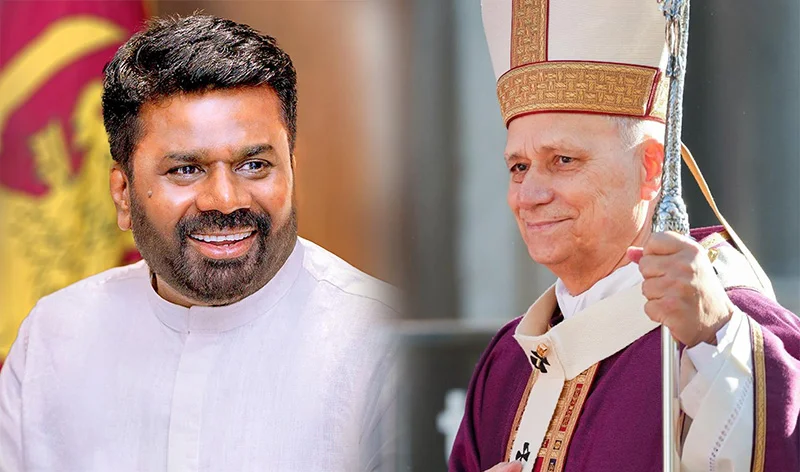
President Anura Kumara Dissanayake has invited His Holiness Pope Leo XIV to visit Sri Lanka.
The official invitation was handed over by Minister Bimal Ratnayaka to the Vatican’s Under Secretary for Relations with the States, at the Vatican, yesterday, during the Minister’s official visit to Italy, the President’s Media Division said.

Perera, Sugandika, Ranaweera take Sri Lanka to T20I series win over West Indies

Maldives Coast Guard Ship Huravee arrives in Colombo

New charges for son of Norway’s crown princess on trial for rape

US sends planes to evacuate nationals from Middle East as Iran conflict spreads

Trump threatens to halt trade with Spain over military base access

Dry weather will prevail in most parts of the island

‘Dates have the highest sugar content to fight Coronavirus’

Sunday Island 27 December – Headlines

#SundayIsland 17th December – Headlines

Sunday Island – 28th March

Sunday Island Headlines – 21 March

Sunday Island – 21st February – Headlines
-

 Opinion5 days ago
Jamming and re-setting the world: What is the role of Donald Trump?
-
 Features5 days ago
An innocent bystander or a passive onlooker?
-
 Features2 days ago
Brilliant Navy officer no more
-
 Features6 days ago
Ratmalana Airport: The Truth, The Whole Truth, And Nothing But The Truth
-

 Opinion2 days ago
Sri Lanka – world’s worst facilities for cricket fans
-
 Business6 days ago
IRCSL transforms Sri Lanka’s insurance industry with first-ever Centralized Insurance Data Repository
-

 Business5 days ago
An efficacious strategy to boost exports of Sri Lanka in medium term
-
 Features3 days ago
Overseas visits to drum up foreign assistance for Sri Lanka