
Business
Embassy of Sri Lanka in Vietnam hosts tourism promotion seminar

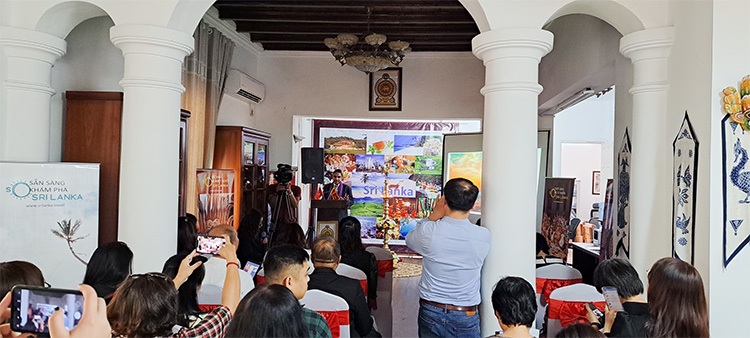
Embassy of Sri Lanka in Hanoi in close coordination with Sri Lankan Tourism conducted a comprehensive seminar to promote tourism from Vietnam to Sri Lanka. The seminar was attended by over 50 travel agents, media personnel, tourism promotional institutions and senior officials of International Cooperation Department of National Administration of Tourism, amongst others. The seminar lasted over two hours and a number of promotional videos, presentations and Q&A sessions as well as authentic Sri Lanka cuisine was served to the invitees/guests, thus convincing most of them of the hidden and unexplored touristic attributes and attractions that Sri Lanka poses to potential Vietnamese tourists and travelers.
The formal event, which was held at the Chancery of the Embassy, commenced with the lighting of the traditional oil lamp by Ambassador – Designate, Prof. A. Saj U. Mendis, along with Ms Tran Thi Phuong Nhung, Director of International Cooperation Department of Vietnam, Vice President & General Secretary of Vietnam Travel Agents known as VISTA, Ms Giang Bien and President of the Media Club of Hanoi, Nguyen Duc Xuyen as well as senior officials of the Embassy. The opening remarks of the seminar were delivered by Prof Mendis, along with translation to Vietnamese, and profiled over 60- powerpoint slides in order to make the guests and invitees from the travel agencies and tourism promotional institutions to comprehend and persuade the intrinsic touristic attributes that Sri Lanka offers as no other country. Most of the travel agents and tourism promotional institutes were not much aware of the natural beauty, endowments and unique and iconic touristic attractions of Sri Lanka.
The seminar was coordinated by the Minister Counsellor (Commercial), Ms Kishani Wickramasinghe, with Sri Lanka Tourism (SLT) and the Chairman of SLT Promotional Bureau (SLTPB), Chalaka Gajabahu, President of Sri Lanka Association of Inbound Tour Operators (SLAITO), Nishad Wijetunga and President of Tourist Hotels Association of Sri Lanka (THASL), Shanthikumar, as well as Director of International Cooperation Department of Vietnam, and General Secretary of Vietnam Society of Travel Agents addressed the seminar. The recorded addresses from Chairman of SLTPB, President of SLAITO and President of THASL conveyed highly persuasive and compelling messages to the Vietnamese travel agents and tourism promotional institutions, as well as the media personnel.
The speakers accentuated that Sri Lanka has been chosen as one of the most favoured destinations by a number of noted and reputed organizations including but not limited to “Lonely Planet”, ‘CNN’ , “BBC Good Food”, and “National Geographics”.
The recorded messages were subtitled in Vietnamese language and major touristic attractions of Sri Lanka were profiled such as Esala Perahera (Pagent) in Kandy, train rides, religious tourism, breath-taking beaches and tea gardens and unique UNESCO sites as well as adventure tourism and Sri Lankan cuisine, amongst others. A couple of FAM (familiarization) tour participants to Sri Lanka, sponsored by SLTPB, also spoke of their unforgettable and memorable experiences in Sri Lanka. Since the COVID pandemic has disrupted tourism industry on a global basis, Prof Mendis and Chairman of SLTPB as well as others stated that Sri Lanka is now fully open to welcome tourists and travelers, particularly from Vietnam since the tourism from Vietnam to Sri Lanka is basically minimal. In year 2022, approximately 10 million Vietnamese have travelled out of the country, mostly to ASEAN countries, Japan, China, and South Korea. Both Prof Mendis and Ms Wickramasinghe, during their remarks and presentations, stated that if Sri Lanka could capture not 1% of Vietnamese travelers but only 0.5% of the travelers to Sri Lanka, it would translate to 50.000. Today, Vietnam is amongst the fastest-growing economies not only in Asia but in the entire world with a large middle-income population, who are eager to travel out of the country either for vacation or business.
Vietnam is a nation with a population of over 100 million and has immense and increasing potential for Sri Lanka to attract and woo tourists from Vietnam.

By Hiran H. Senewiratne
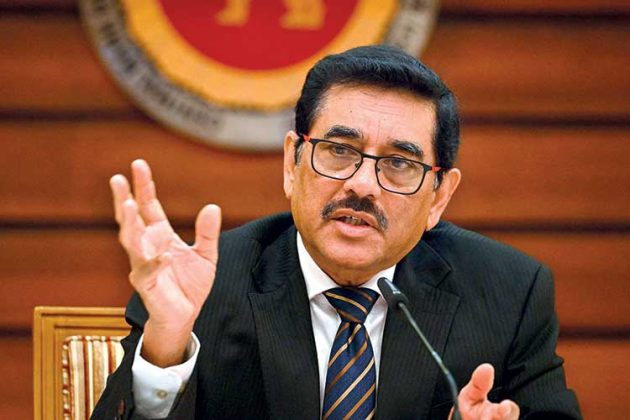
The rupee has stabilised somewhat in recent weeks reflecting the impact of policy measures that have been taken thus far, Central Bank Governor Dr Nandalal Weerasinghe said.
“We will continue to closely monitor domestic and global developments for emerging risks and expect the monetary policy tightening carried out previously to transmit to the economy in the period ahead, Central Bank Governor Dr Weerasinghe said at the monthly monetary policy review meeting held at Central Bank head office yesterday.
He said that the CBSL stands ready to take appropriate measures to ensure that inflation stabilises around the 5 percent target, while supporting the economy to reach its potential over the medium term.
Amid those developments the Central Bank kept its Overnight Policy Rate (OPR) unchanged at 8.75 percent, it said in a statement, after considering the evolving conditions and outlook on the domestic and global fronts.
Dr Weerasinghe added: ‘Renewed tensions in the Middle East have resulted in a surge in global commodity prices, particularly petroleum. These developments are likely to dampen global economic prospects with potential spillover.
‘The current low level of inflation, at 1.6 percent year -on-year in February 2026, relative to the target of 5 percent provides sufficient space to accommodate the impact of higher energy prices and their spillovers on inflation.
‘Headline inflation accelerated to 6.8 percent in June 2026, mainly due to higher domestic energy and food prices.
‘Headline inflation is expected to remain above the target of 5% in the near term before gradually returning to the target level. Core inflation is also expected to increase and remain around the headline inflation target.
‘The Board arrived at the decision to maintain the overnight policy rate after carefully considering the evolving conditions and outlook on the domestic and global fronts.
‘Renewed tensions in the Middle East have resulted in a surge in global commodity prices, particularly petroleum. These developments are likely to dampen global economic prospects with potential spillovers to the domestic economy through multiple channels.
‘The monetary policy tightening in May 2026 and its gradual transmission to the real economy are expected to moderate credit growth and the buildup of demand pressures going forward.
‘The pressure on the external sector caused by the Middle East conflict has eased somewhat, although the outlook remains uncertain due to renewed tensions.
‘Since April 2026, the external current account recorded a deficit, mainly because higher fuel import costs widened the merchandise trade deficit and tourism earnings slowed down.
‘Going forward, import demand, including demand for motor vehicles, is expected to reduce in response to recent policy measures.
‘Meanwhile, workers’ remittances have remained strong so far in 2026. Gross Official Reserves stood at USD 6.45 bn at the end of June 2026, amid foreign debt service payments.’
By Ifham Nizam
The mosquito that spreads dengue is tiny. The financial burden it leaves behind is anything but.
As Sri Lanka grapples with its worst dengue outbreak in nearly a decade, the country’s free public healthcare system is absorbing a mounting financial shock that experts say could run into billions of rupees, even as the human toll continues to rise.
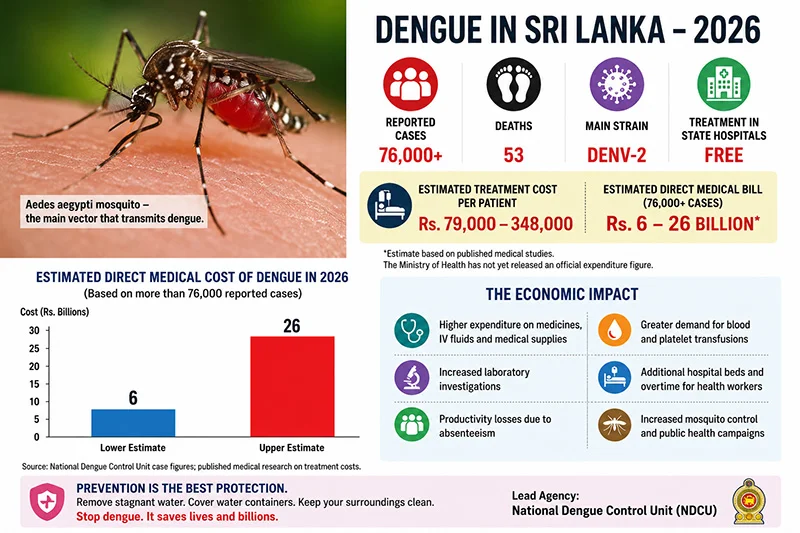
According to the National Dengue Control Unit (NDCU), more than 76,000 dengue infections and 53 deaths have been reported so far this year, making 2026 one of the most challenging years for dengue control in recent history.
The NDCU has warned that the outbreak is being driven largely by the highly virulent DENV-2 strain, while persistent rainfall, poor waste management and mosquito breeding in urban and semi-urban areas continue to fuel transmission.
Although the Ministry of Health has yet to publish an official estimate of the cost of treating dengue patients, the economic implications are becoming increasingly evident.
Published medical research estimates that treating a dengue patient costs between USD 239 and USD 1,056, depending on the severity of the illness. At an exchange rate of around Rs. 330 to the US dollar, this translates to approximately Rs. 79,000 to Rs. 348,000 per patient.
Applied to the more than 76,000 reported cases, the theoretical direct medical cost ranges from Rs. 6 billion to more than Rs. 26 billion. While many patients are treated as outpatients and therefore incur lower costs, the estimates underline the immense financial pressure being placed on Sri Lanka’s publicly funded healthcare system.
The National Dengue Control Unit has repeatedly urged the public to eliminate mosquito breeding sites, warning that hospitals alone cannot contain the outbreak without sustained community participation.
Health officials have intensified countrywide inspections, awareness campaigns and vector-control programmes as case numbers continue to climb.
Officials say hospitals have expanded dengue wards, increased bed capacity and deployed additional medical and nursing staff to cope with the surge in admissions.
The government has also mobilised Air Force drones to identify inaccessible mosquito breeding grounds while strengthening surveillance operations across high-risk districts.
The financial impact extends beyond the Ministry of Health. Families lose income when wage earners fall ill or parents stay home to care for infected children. Businesses suffer productivity losses, while schools experience increased absenteeism during peak transmission periods.
Sri Lanka’s previous major dengue epidemic in 2017 was estimated to have cost around Rs. 1.94 billion in healthcare and outbreak-control expenditure. With inflation, higher pharmaceutical prices and increased operational costs since then, health economists believe the financial burden of the current outbreak is likely to be substantially greater.
The outbreak also raises broader questions about climate resilience and public investment. Dengue is increasingly being recognised not merely as a seasonal health issue but as an economic challenge capable of straining government finances and slowing productivity.
For the National Dengue Control Unit, the message remains simple: prevention is far cheaper than treatment.
Every breeding site destroyed, every community clean-up campaign conducted and every household inspection completed reduces the need for costly hospital care.
As the monsoon continues to create favourable conditions for mosquito breeding, the NDCU warns that sustained public vigilance will determine whether the country’s health bill continues to climb—or begins to fall.
Business
Shantha Bandara reappointed SLCPI president as Chamber advances regulatory reform and patient access
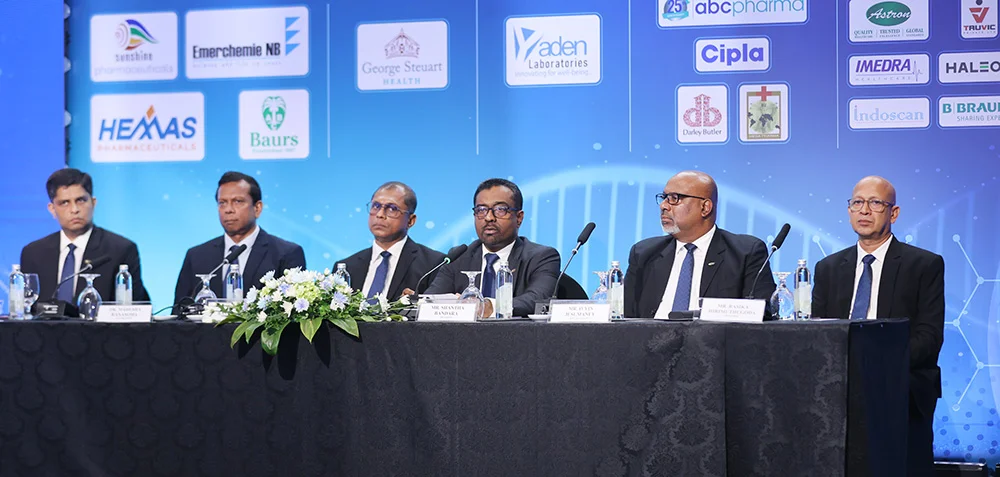
The Sri Lanka Chamber of the Pharmaceutical Industry (SLCPI) announced the reappointment of Sunshine Healthcare Lanka Ltd. Director and Chief Executive Officer Shantha Bandara as its President for the 2026/27 term at the Chamber’s 65th Annual General Meeting held at Cinnamon Grand Colombo.
The event was graced by Dr. Hansaka Wijemuni, Deputy Minister of Health, as Chief Guest, together with government representatives, healthcare partners, past presidents, member companies and other industry stakeholders.
Bandara’s reappointment provides continuity to a reform-oriented agenda that has strengthened the Chamber’s governance, ethical standards and engagement with policymakers and regulators. His renewed mandate will focus on converting the progress made during 2025/26 into practical regulatory improvements that support the availability, accessibility and affordability of quality medicines in Sri Lanka.
SLCPI represents more than 70 pharmaceutical importers, manufacturers, distributors and retailers. Its members account for over 90% of Sri Lanka’s private pharmaceutical market, while the wider industry directly employs more than 80,000 people and indirectly supports nearly 400,000.
Reflecting on the past year, Bandara said the industry had operated amid sustained domestic and global pressure. Exchange-rate volatility, disruptions to international shipping routes, rising freight, insurance, fuel and electricity costs, and constrained consumer purchasing power placed significant pressure on pharmaceutical supply chains and business viability.
Despite these challenges, SLCPI continued to engage constructively with the Ministry of Health, the National Medicines Regulatory Authority and other stakeholders, presenting evidence-based recommendations on pharmaceutical pricing, import licence renewals and continuity of supply.
A major achievement during Bandara’s first term was the adoption of new Articles of Association following extensive consultation, legal review and member engagement. The revised Articles provide a stronger constitutional foundation for the Chamber, clarify governance structures and reinforce member rights and responsibilities.

Taskin Ahmed withdraws from LPL to prepare for Australia tour

US and Saudi Arabia announce nuclear cooperation deal

Navy seize Indian fishing trawler, nine fishermen poaching in Sri Lankan waters

Sri Lanka edge Qatar in Davis Cup opener

Dambulla Sixers hand Galle Gallants first defeat in LPL 2026

Jaffna Kings beat Colombo Kaps by five runs

‘Dates have the highest sugar content to fight Coronavirus’

Sunday Island 27 December – Headlines

#SundayIsland 17th December – Headlines

Sunday Island – 28th March

Sunday Island Headlines – 21 March

Sunday Island – 21st February – Headlines
-
 Features4 days ago
Two memorable excerpts from a former SLAF commander’s memoir
-
 Business4 days ago
‘Giving up was never an option’: The fisherman who fought back after losing millions in SL
-

 Latest News5 days ago
Davis cup Asia/Oceania Group IV 2026 to be held in Colombo from 20th to 25th July
-

 Features4 days ago
Erdoğan’s New Republic
-

 Life style4 days ago
Taste of the Swiss Alps comes to Colombo
-
 News5 days ago
Evidence recorded in money laundering case against Yoshitha Rajapaksa
-
 News5 days ago
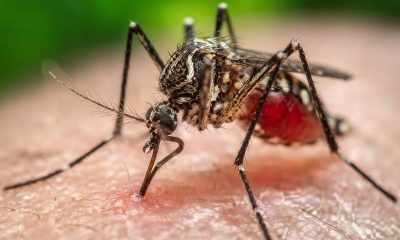
Dengue outbreak gallops ahead: Infections surpasses 73,455, leaving 50 dead
-
 Midweek Review1 day ago
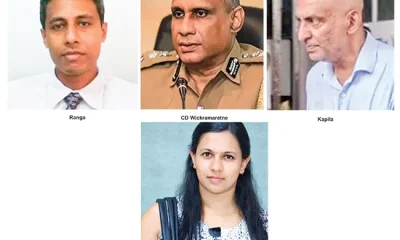
Three high-profile alleged suicides shaping key investigations