
News
7th International Day of Yoga

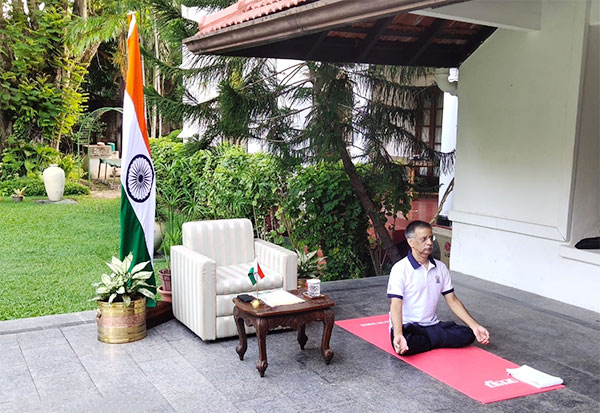
Indian HC Bagley participates in the programme
The High Commission of India and the Swami Vivekananda Cultural Centre, Colombo joined hands with the Sri Lankan Armed Forces to celebrate the 7th ‘International Yoga Day’ yesterday (21 June) at a special Yoga session, organized in the virtual mode. The Secretary of Defence of Sri Lanka, General (Retd) Kamal Gunaratne was the Chief Guest at the event, which was also attended by the Chief of Defence Staff and Commander of Army, General Shavendra Silva and around 500 defence services personnel from about 150 defence establishments across Sri Lanka, including the Kotelawala Defence University, Training schools, defence academies, ships, etc.
Commencing the event, the Chief Priest and Director of the Parama Dhamma Chetiya Pirivena in Ratmalana Most Venerable Dr Maitipe Wimalasara Thera, invoked the blessings of the Buddha for overall well being of everyone. The messages of Prime Minister of India, Narendra Modi and President of Sri Lanka Gotabaya Rajapaksa, inspiring everyone to follow the tradition of Yoga due to its numerous benefits, were shared with the participants. In his message, Prime Minister Modi highlighted the relevance of this year’s theme of Yoga Day, ‘Yoga for Wellness’ in the current Covid-19 situation. He underscored that with its inherent power to connect, Yoga is good for community, immunity and unity. In his message, President Gotabaya Rajapaksa mentioned that Yoga is a precious, beautiful gift from the treasures of spiritual traditions and practices of Indian sages over millennia, which has touched the lives of generations of people all over the world.
The High Commissioner called on everyone to embrace Yoga as a ‘Way of Life’ to improve flexibility and mindfulness and thanked everyone for joining the High Commission for commemorating this day.
Due to Covid-19 -related travel restrictions imposed this year, all events to mark the International Day of Yoga are being held in virtual mode. In the run up to the IDY, several free online Yoga sessions were organized by SVCC, in May-June 2021. These sessions focused on wellness and therapeutic Yoga, in line with the theme for this year’s IDY. On June 20, 2021, a special Yoga session was organized at the Parama Dhamma Chetiya Pirivena in Ratmalana, at which a special message from the High Commissioner, in Sinhala language, was shared with the participants.
Since 2015, every year, the High Commission of India celebrates the International Day of Yoga in Sri Lanka with great fervour, with the participation of the Sri Lankan leadership and public. Average footfall for the event over the years has been in thousands. Despite the challenges posed by the pandemic, close to around 7000 participants attended various online events that were organized this year for the 7th International Day of Yoga.

Business
“We Are Building a Stable, Transparent and Resilient Sri Lanka Ready for Sustainable Investment Partnerships” – PM

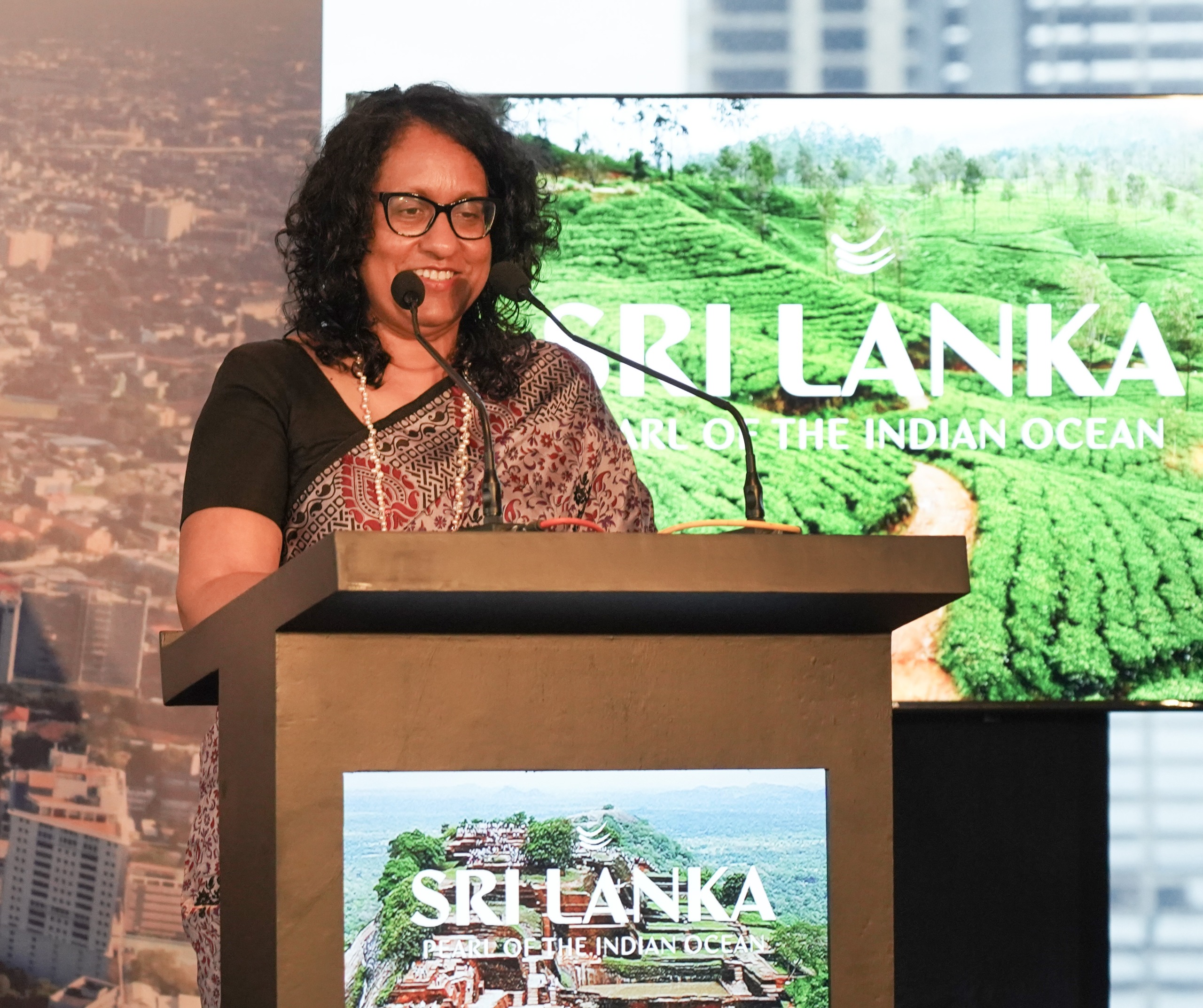
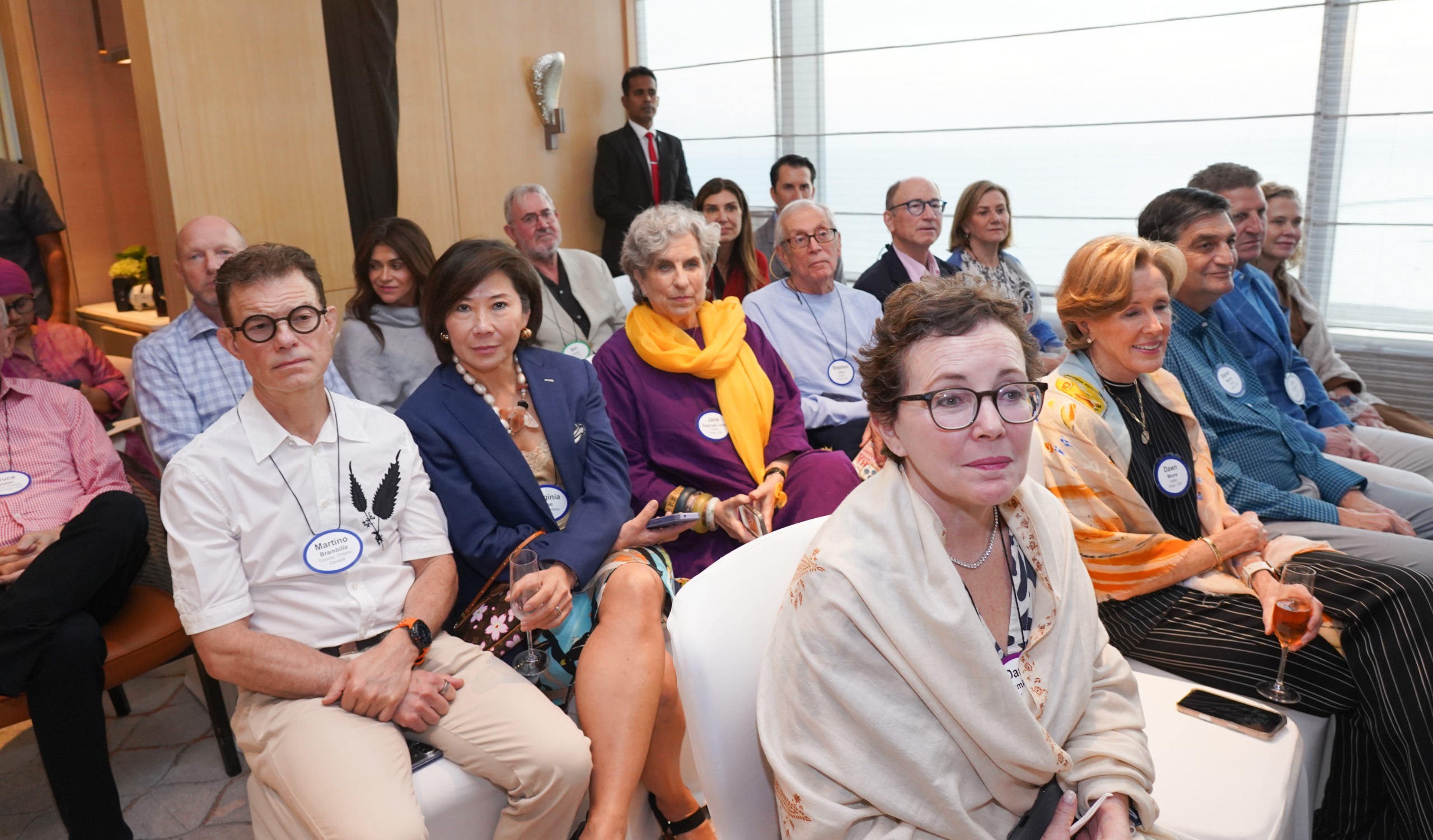
Prime Minister Dr. Harini Amarasuriya addressed members of the Chief Executives Organization (CEO) during a session held on Thursday [3 February 2026] at the Shangri-La Hotel, Colombo, as part of CEO’s Pearl of the Indian Ocean: Sri Lanka programme.
The Chief Executives Organization is a global network of business leaders representing diverse industries across more than 60 countries. The visiting delegation comprised leading entrepreneurs and executives exploring Sri Lanka’s economic prospects, investment climate, and development trajectory.
Addressing the gathering, the Prime Minister emphasized that Sri Lanka’s reform agenda is anchored in structural transformation, transparency, and inclusive growth.
“We are committed not only to ensuring equitable access to education, but equitable access to quality education. Our reforms are designed to create flexible pathways for young people beyond general education and to build a skilled and adaptable workforce for the future.”
She highlighted that the Government is undertaking a fundamental pedagogical shift towards a more student-focused, less examination-driven system as part of a broader national transformation.
Reflecting on Sri Lanka’s recent political transition, the Prime Minister stated:
“The people gave us a mandate to restore accountability, strengthen democratic governance, and ensure that opportunity is not determined by patronage or privilege, but by fairness and merit. Sri Lanka is stabilizing. We have recorded positive growth, restored confidence in key sectors, and are committed to sustaining this momentum. But our objective is not short-term recovery it is long-term resilience.”
Addressing governance reforms aimed at improving the investment climate, she said:
“We are aligning our legislative and regulatory frameworks with international standards to provide predictability, investor protection, and institutional transparency. Sustainable investment requires trust, and trust requires reform.”
Turning to the recent impact of Cyclone Ditwa, which affected all 25 districts of the country, the Prime Minister underscored the urgency of climate resilience.
“Climate change is not a distant threat. It is a lived reality for our people. We are rebuilding not simply to recover, but to build resilience, strengthen disaster mitigation systems, and protect vulnerable communities.”
Inviting CEO members to consider Sri Lanka as a strategic partner in the Indo-Pacific region, she highlighted opportunities in value-added mineral exports, logistics and shipping, agro-processing, renewable energy, pharmaceuticals, and innovation-driven sectors.
“We are not looking for speculative gains. We are seeking long-term partners who share our commitment to transparency, sustainability, and inclusive development.”
She further emphasized collaboration in education, research, vocational training, and innovation as essential pillars for sustained economic growth.
Concluding her address, the Prime Minister expressed appreciation to the Chief Executives Organization for selecting Sri Lanka as part of its 2026 programme and reaffirmed the Government’s readiness to engage constructively with responsible global investors.
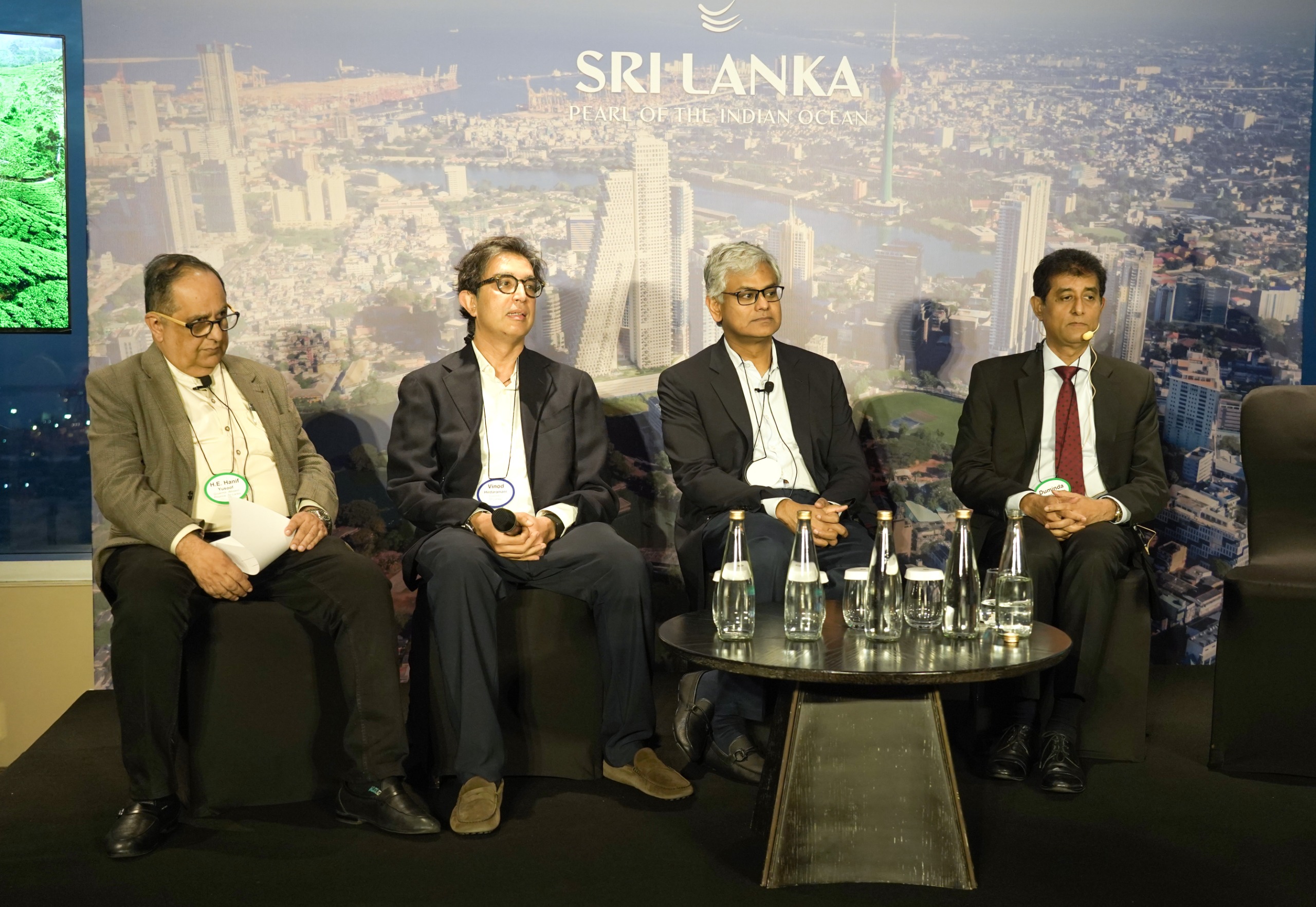
The event was attended by the Governor of the Western Province, Hanif Yusoof, and other distinguished guests.
[Prime Minister’s Media Division]

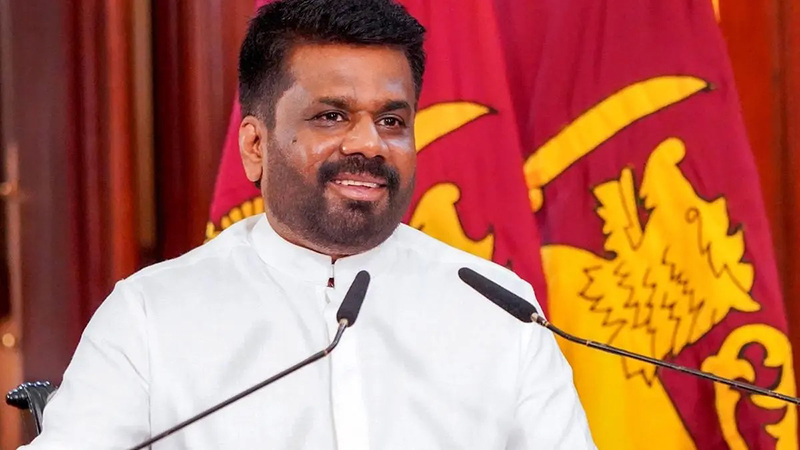
President Anura Kumara Dissanayake has extended his congratulations to the Bangladesh Nationalist Party (BNP) and its leader, Tarique Rahman, following their landslide victory in Bangladesh’s parliamentary elections.
“Best wishes to the people of Bangladesh for reaffirming their faith in democracy, and congratulations to Mr. Tarique Rahman on leading the BNP in these elections. The results reflect the trust placed in him. I look forward to strengthening ties between our two nations,” President Dissanayake said, in a post on ‘X’.
The Bangladesh Nationalist Party won a landslide parliamentary election on Friday, securing a resounding mandate in a pivotal vote that is expected to restore political stability in the South Asian nation.
The parliamentary election held on Thursday was Bangladesh’s first vote since the 2024 Gen Z-driven uprising that toppled long-time premier Sheikh Hasina.
Opinion polls had given BNP an edge, and the party lived up to the forecasts, with the coalition it dominates winning 209 seats to secure an overwhelming two-thirds majority in the 300-member Jatiya Sangsad, or House of the Nation, Jamuna TV showed.
Soon after it won a majority in the overnight vote-count, the party thanked and congratulated the people and called for special prayers on Friday for the welfare of the country and its people.
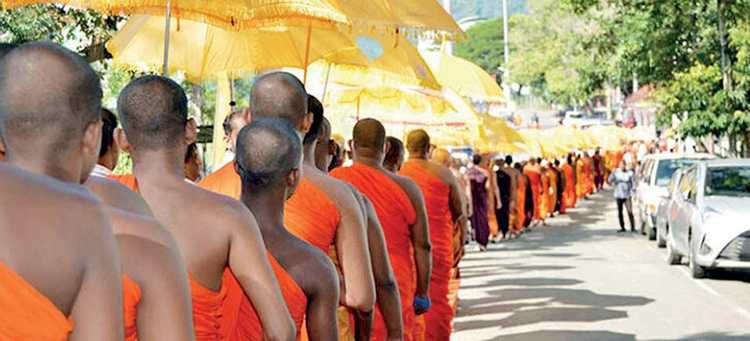
A major Sangha conference will be held on February 20 at 2 PM at the All Ceylon Buddhist Congress (ACBC) Headquarters in Colombo, bringing together both monastic and lay communities to discuss concerns over alleged injustices against Buddhist monks, the Buddha Sasana, and the nation.
Speaking at a press conference in Colombo on Thursday (12), Roshan Maddumage, Deputy Chairman of the ACBC, said the primary aim of the conference is to highlight misconduct and draw government attention to these matters.
ACBC Chairman Chandra Nimal Wakishta emphasized that the country’s legal system appears to operate inconsistently. He noted that while police officers involved in the assault of a Catholic priest were prosecuted and jailed, no investigation has been conducted into police officers accused of assaulting Buddhist monks in Trincomalee.
Wakishta stressed that the Sinhala Buddhist community has historically not engaged in violence or promoted hatred. He added that the Maha Sangha play a central role in guiding and protecting the country and the state, and that harassment or attacks on monks indirectly harm the nation as a whole.
He explained that the decision to convene the Sangha conference stems from the urgency of addressing these serious concerns, with the event expected to serve as a platform for dialogue between the clergy, lay followers, and government representatives.

Fairly heavy showers are likely at some places in the Rathnapura, Kalutara, Galle and Matara districts

India vs Pakistan is finally here. Over to cricket now

“We Are Building a Stable, Transparent and Resilient Sri Lanka Ready for Sustainable Investment Partnerships” – PM

US military kills 3 in latest attack on boat in the Caribbean

Prez AKD congratulates BNP’s Tarique Rahman on B’desh election win

Massive Sangha confab to address alleged injustices against monks

‘Dates have the highest sugar content to fight Coronavirus’

Sunday Island 27 December – Headlines

#SundayIsland 17th December – Headlines

Sunday Island – 28th March

Sunday Island Headlines – 21 March

Sunday Island – 21st February – Headlines
-

 Business4 days ago
Autodoc 360 relocates to reinforce commitment to premium auto care
-
 Midweek Review4 days ago
A question of national pride
-
 Opinion3 days ago
Will computers ever be intelligent?
-
 Midweek Review4 days ago
Theatre and Anthropocentrism in the age of Climate Emergency
-

 Editorial6 days ago
The JRJ syndrome
-
 Opinion4 days ago
The Walk for Peace in America a Sri Lankan initiative: A startling truth hidden by govt.
-
 Foreign News6 days ago
Portugal elects Socialist Party’s Seguro as president in landslide
-
 Opinion5 days ago
Beyond 4–5% recovery: Why Sri Lanka needs a real growth strategy