
Features
2024: An election year and global trends

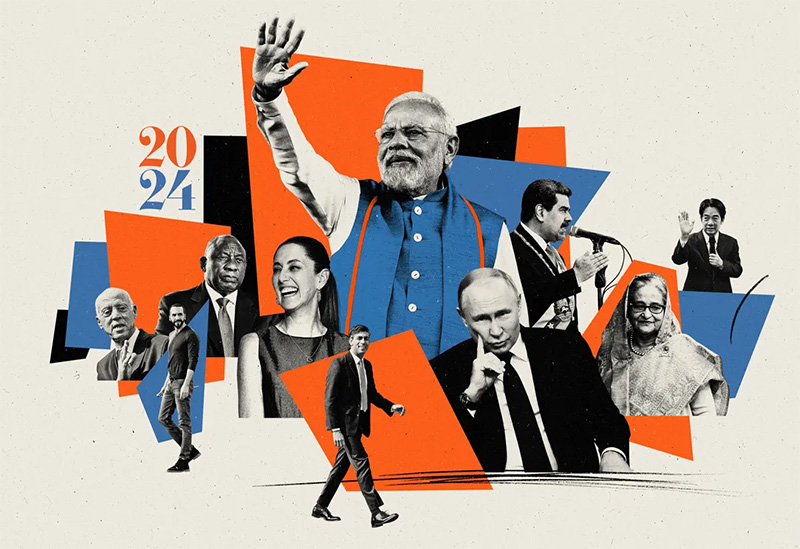
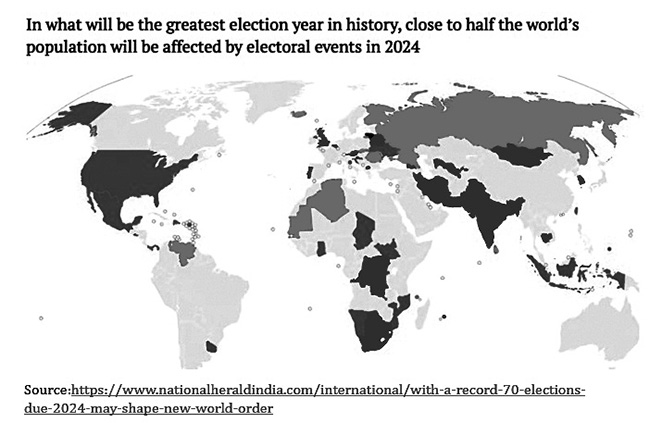
 In the global political landscape of 2024, Reuters provides a comprehensive overview of key elections shaping the economic and geopolitical landscape across diverse regions. From Europe, where the rise of Eurosceptic far-right parties poses challenges to the European Union’s integration, to Russia, where Vladimir Putin is set for another term amid heightened tensions with the West, the report navigates through critical elections in Turkey, India, Mexico, South Africa, the United States, Britain, and Venezuela. The analysis underscores the potential market risks associated with each election, ranging from currency fluctuations, inflation and government bond concerns to geopolitical ramifications affecting international relations. As voters cast their ballots, the Reuters brief illuminates the intricate intersections of politics and economics, offering valuable insights into the potential trajectories of these nations and their impact on the global stage.
To evaluate the potential impact of these global elections on Sri Lanka’s upcoming political landscape, it is imperative to delve into the economic trajectories pursued by the primary political entities participating in the elections. Contrary to past practices where Presidential elections took precedence, there are speculations that the impending general elections will precede other electoral events. Four predominant political forces have emerged on the forefront, namely the United National Party (UNP), Sri Lanka Podujana Peramuna (SLPP), Samagi Jana Balavegaya (SJB), and Jathika Jana Balavegaya (JJB). Each of these forces holds distinct economic policies and visions, making a thorough comprehension of their respective stances crucial for anticipating the potential repercussions on Sri Lanka’s political and economic landscape.
A slight distinction exists between the United National Party (UNP) and the Sri Lanka Podujana Peramuna (SLPP), with their current collaborative governance with shared portfolios and a lack of overt contradictions. Both parties, led by experienced leaders, advocate for similar economic policies, although the SLPP adopts a nationalistic facade. Notably, the key disparity lies in the SLPP’s adeptness in making emotional appeals, strategically leveraging Sinhala votes and invoking a sense of ultra-nationalism. In contrast, the UNP, under Ranil’s leadership, takes the lead in courting minority votes. The intricate dynamics of emotional appeals and voting strategies distinguish the UNP and SLPP in the current political landscape. While the Samagi Jana Balavegaya (SJB) aligns closely with these economic management policies, all three forces, UNP, SLPP and SJB reflect a broader right or center-right outlook.
In a departure from traditional approaches, the Jathika Jana Balavegaya (JJB) stands on its head when expressing a willingness to collaborate with the IMF. Their ideological outlook tilts towards the center-left, rather than the extreme left, despite the significant influence of the Marxist JVP within the coalition. Although their differences from other political entities have diminished, a distinctive feature remains their limited administrative experience, having not governed beyond the council level.
Consequently, voters are likely to prioritize candidates with a proven track record of minimal corruption and a strong focus on effective economic management. Thus, the hands-on experience of candidates is expected to carry considerable weight in the eyes of the electorate.
Source: Reuters
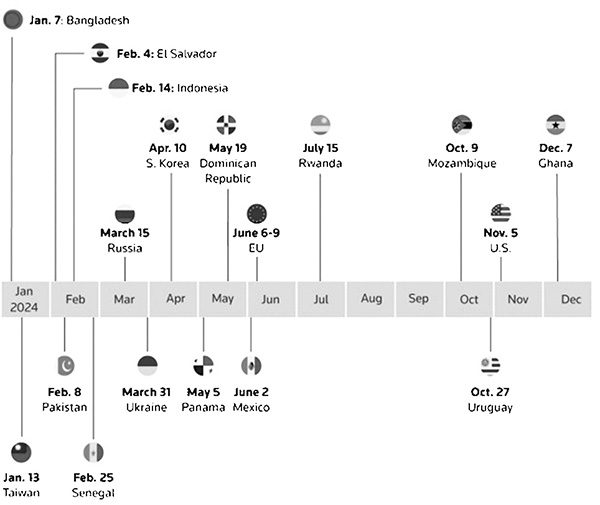 Europe: Elections are scheduled in Portugal, Belgium, European Parliament, Croatia, Romania, and Austria. According to analysts, Eurosceptic far-right parties are gaining momentum, potentially impacting the European Union’s legislative decisions. Market risks include potential effects on Italian stocks and bonds if eurosceptic parties gain influence, affecting European integration.
Russia: Presidential election is scheduled on March 17, with Vladimir Putin expected to secure another term. Putin’s stance on the war in Ukraine may influence international market sentiment. Potential risks include Western governments considering seizing frozen Russian assets, leading to retaliatory measures from Russia.
Turkey: Local elections are scheduled on March 31. Economic reforms have started to attract international investors, but concerns exist about a weak Lira (Turkish currency), and high inflation. Potential risks include political uncertainty, given President Erdogan’s history of personnel changes in economic positions.
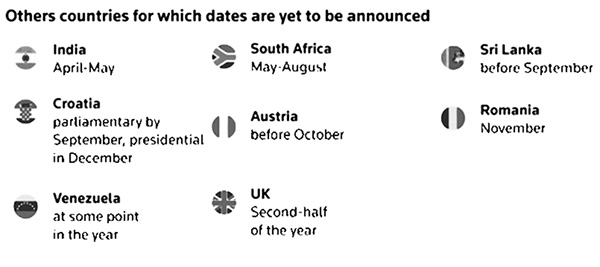
India: National elections are expected in April-May (exact date to be confirmed). Narendra Modi expected to win a third term, with potential market risks related to persistent inflation and fiscal policies.
Mexico: Presidential election is scheduled on June 2, involving a full Congress reshuffle. Incumbent party (Morena) and its candidate have a double-digit lead, but increased spending could impact the Peso (Mexican currency) and government bonds.
South Africa: Elections are scheduled between May and August 2024 (exact date to be confirmed). Ruling African National Congress faces challenges, and economic issues may lead to a coalition government. Market risks include concerns about debt levels, social spending, and currency weakness.
United States: Presidential election is scheduled on November 5, with predictions of a Trump-Biden rematch. Potential market risks include social unrest, impacts on consumer sentiment, and currency fluctuations based on election probabilities.
Britain: Elections are expected by the end of 2024. Labour party leading in polls, potential risks related to economic stagnation, fiscal policies, and changes in planning rules.
Venezuela: Presidential election is expected in 2024 (exact date to be confirmed). Incumbent Maduro has an advantage, but potential market risks include U.S. sanctions, debt restructuring, and the impact on Venezuelan stocks and bonds.
The outcomes of these elections are poised to unleash a political storm, characterized by a wind of right or center-right ideologies. This impending wave of political change is anticipated to exert influence not only on the economies, policies, and international relations of the respective countries but also on the broader geopolitical landscape. As investors and markets keenly observe these global events, the potential shifts in political landscapes and policy directions are likely to reverberate, significantly impacting the political situation in Sri Lanka and nudging it more towards a center-right position, diminishing chances for leftist politics.
Impact of IMF’s stand
The International Monetary Fund’s (IMF) assessment and recommendations for Sri Lanka’s economic recovery hold significant implications for the country’s upcoming elections. The $2.9 billion bailout loan agreement from the IMF signals a step towards recovery from Sri Lanka’s worst financial crisis in decades. However, the IMF emphasizes the need for the swift finalization of agreements with official lenders and a resolution with external private creditors.
As Sri Lanka navigates economic challenges, including the introduction of a progressive property tax and VAT adjustments, these measures could become central issues in the electoral landscape. The IMF’s call for fair burden-sharing, sustainable reforms, and strengthened tax administration underscores the importance of fiscal policies that directly impact citizens.
Sri Lanka’s ability to stay the course on economic reforms will not only impact its financial stability but could also play a pivotal role in the broader narrative of political leadership and governance during the elections.
Cost of living
Sri Lanka’s consumer price inflation rate rising to 4.2% year-on-year in December, driven by increasing food prices, can have several impacts on the upcoming elections. The inflationary pressures, particularly in food prices, may contribute to economic anxieties among voters. The government’s decision to raise the value-added tax (VAT) to 18% from 15% to meet revenue targets could become a contentious issue. The decision of the central bank to leave key policy rates (SDFR 9% and SLFR 10%) unchanged is significant and may be a point of discussion in the electoral context, with voters assessing the government’s economic strategies and the effectiveness of monetary policy in controlling inflation.
Conclusions
To assess the potential impact of global elections on Sri Lanka’s forthcoming political landscape, an exploration into the economic trajectories of key political entities becomes imperative. Unlike past practices where Presidential elections took precedence, speculation surrounds the prioritization of impending general elections. Four prominent political forces—UNP, SLPP, SJB, and JJB—emerge as influential players, each harboring very similar economic policies and visions. UNP and SLPP have a subtle difference, and SJB closely follows their economic policies, collectively reflecting a broader right or center-right outlook.
In a paradigm shift, the JJB, expressing a willingness to collaborate with the IMF, stands on its head ideologically, leaning towards center-left despite the Marxist JVP’s significant influence. Despite diminished differences with other entities, their limited administrative experience remains a distinct disadvantage.
Potential market risks associated with worldwide elections, spanning currency fluctuations, government bonds, inflation, and geopolitical ramifications, underscore the intricate connections between global politics and economics. The IMF’s bailout signals a recovery path, with an emphasis on finalizing agreements and addressing private creditor issues becoming pivotal. Government commitment to fiscal reforms, including a progressive property tax and VAT adjustments, shapes electoral discourse.
Central themes of economic concerns, policy decisions, and inflation debates take center stage, with voters scrutinizing the government’s economic management. The Central Bank’s role and recovery narratives add layers to the discussion, emphasizing the intricate relationship between economic indicators and political outcomes.
Finally, voter priorities should be in favour of candidates with a corruption-free track record and a focus on effective economic management.
(The writer, a senior Chartered Accountant and professional banker, is Professor at SLIIT University, Malabe. He is also the author of the “Doing Social Research and Publishing Results”, a Springer publication (Singapore), and “Samaja Gaveshakaya (in Sinhala). The views and opinions expressed in this article are solely those of the author and do not necessarily reflect the official policy or position of the institution he works for. He can be contacted at saliya.a@slit.lk and www.researcher.com)


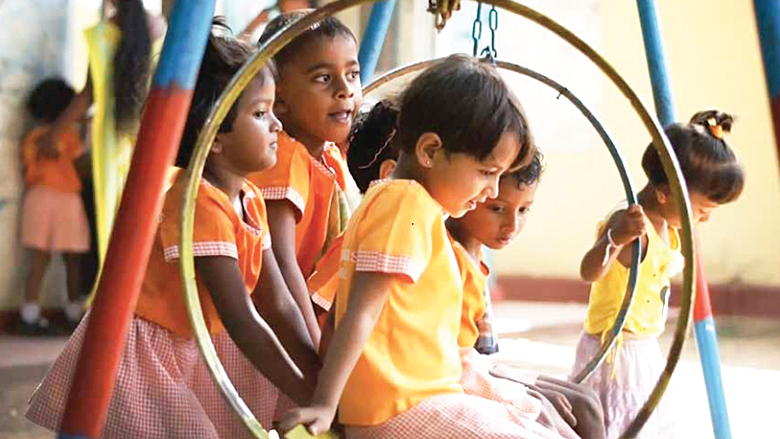
In infancy and childhood is laid the groundwork for an integrated personality in the making, in preparation for adaptation to the outside world. The malleability of the nervous system [neuroplasticity] due to its extensive growth during early childhood, considered to be the critical period for learning, offers the potential to bring about lifelong benefits in terms of social, emotional and intellectual development.
My goal in this brief article is to reflect on the essential elements [‘building blocks’] of education in early childhood which help to lay the foundation for positive outcomes in later life. It is intended to encourage conversation amongst the general readership of this important topic, especially the parents of young children, as learning begins at home.
Critical Period for learning
Early childhood usually covers the age range from infancy to about eight years of age, during which period most of the brain growth takes place. The prefrontal cortex of the brain responsible for higher cognitive functions [e. g. planning, decision making etc.] continues to mature into the mid-twenties. That isn’t to say that learning processes could not continue throughout life.
Current Community Attitudes towards Education
Let us first examine the current public attitudes towards education in general. Proficiency in reading, writing, math and science are regarded as the core academic literacies on which all other learning rests, and on which future success in life depends. The Arts and Humanities, a group of disciplines that study aspects of human society and culture, are placed lower in the hierarchy in the academic curriculum and are often considered supplementary. Their value in enhancing human ideals is often ignored. In a technologically advancing world we live in, the contribution of the study of the arts and humanities towards boosting the economy is brought into question.
The above attitude has created a highly competitive, exam driven, and hence stressful, academic environment for our children in their formative years. There are excessive demands placed upon them to achieve academically, exacerbated by parental pressure – overt or covert. Attendance at paid ‘tuition classes’, after hours, to supplement learning at school is considered essential to gain higher grades at exams, in order to be competitive in entering tertiary institutions and in enhancing career prospects. The love of learning is lost.
Many children find no time for reflection, or to read outside the curriculum to broaden their understanding about life. There is a perception in the community of a decline in literacy and sensibility in the young and their tendency to lean towards much less civilising forms of entertainment and communication, which is at the root of most of our social ills, compounded by the economic ills that currently plague us. Alarmingly, a recent survey by the College of Community Physicians of Sri Lanka has revealed that over 200 adolescents have committed suicide in 2024, which they, reportedly, attribute to their indulgence in social media. But at the heart of it is the breakdown of social order resulting in a lack of ‘meaning’ in life, as once postulated by the renowned French Sociologist, Emile Durkheim.
Family Milieu
The developing child requires the provision of certain environmental conditions, based on common principles, to complement the innate biological drive which we call instinct. Of vital importance is the family milieu, its stability and its ability to meet the child’s emotional needs. From an emotional point of view, the child needs to feel safe, and experience the contentment in the parent’s inter-relationship, in order to set the ground for learning. In addition, it helps for the parents to model the love of learning and of knowledge through communication in words and in actions.
In an ideal world, a child’s parents and teachers ought to be equally committed towards helping the child develop a love of learning. In some instances a teacher must shoulder most of the work – for instance, when parents are busy making a living or have had a limited education themselves.
Enrichment Strategies
Let us reflect on some of the enrichment strategies in early childhood education which would bring about a balance in the curriculum.
The Arts
“Engagement of children in the arts has the power to console, transform, welcome, and heal. It is what the world needs now” [Yo Yo Ma, Cellist]
The arts are commonly used as enrichment strategies in Early Childhood Education. They include music, dance, drama, and Visual and literary arts. The strengths developed through the arts during the early formative years have the potential to enhance other spheres of learning, and performance in later life. By eliciting emotions in the listener, the arts, as both Aristotle and Freud asserted, has the capacity to be therapeutic by being cathartic.
Music
Neuroscientists have shown that, due to the plasticity of the brain in young children, music training tended to enhance the auditory [hearing] pathways in the brain, and hence, the development of phonological awareness [responsiveness to contrasting sounds]. Phonological awareness is considered to be an important precursor to reading skill and the ability to rhyme. In addition, ‘Music is the language of emotions’, encouraging children to gain awareness of their own emotions in addition to making aesthetic judgements.
Drama
Research studies show that enacting stories in the classroom in comparison to dramatic performances on stage by children have several beneficial effects such as better understanding of the stories enacted and the appreciation of new stories. In addition, such classroom performances of stories enriched oral language development and reading skills, including an eagerness to read, and surprisingly, even writing skills.
Visual Arts
Engagement of children in visual art involves much more than learning the techniques of drawing and painting. Long periods of engagement in the craft provides a framework for enhancing thinking skills – to be more focussed and persistent in one’s work; to enhance the power of imagination; to generate a personal viewpoint or express a feeling state; and to encourage the child to reflect on and to make a critical judgement of their own work. Similarly, by entering into a conversation with the children after encouraging them to look closely at a piece of art, tended to heighten their observation skills. There is evidence that these habits of mind acquired from the engagement of children in visual arts could be ‘transferred’ to other areas of learning, and stand in good stead in employment in later life.
Reading
According to the British neuropsychologist, Andrew Ellis, the brain was never meant to read, in terms of human evolution: “There are no genes or biological structures specific to reading.” Reading had to be learned, requiring the integration and synchronisation of several systems of the brain acquiring a new neuronal circuitry for the purpose – perceptual, cognitive, phonemic, linguistic, emotional and motor. Reading, as it develops, aided by an environment that lures the child to read would lead to further enhancement of the cognitive capacity of the brain – an important dynamic in childhood education.
The more young children, are read to, and are engaged in conversation that flows on from stories read [‘conversational reading’], the more they begin to love books, increase their vocabulary and their knowledge of grammar, and appreciate the sounds that words generate – evidently, best predictors of later reading interest and critical thinking. Conversational reading is a technique where the parent or educator engages with the child in a conversation while reading a book, asking open-ended questions to encourage active participation and deeper comprehension, eg. entering into a dialogue about the story while reading it together.
In addition, reading enhances the child’s self-worth and personal identity [emotional experience of reading].
What better way for children to be introduced to the world that they are to be part of than to be immersed in a story that is all about beings and the environment that surrounds them? What better way for children to learn about ideas and speech patterns, how people react and interact, and how dialogue reveals more about a person than what they say, and about interpersonal relationships. Sadly, children with reading disability have a greater tendency to develop emotional and conduct disorders needing remedial support.
Children’s Literature
It is claimed that appropriate works of children’s literature, read or enacted, help the developing children build empathy and compassion – desirable human ideals that can persist through to adult life – by placing themselves in the shoes of fictional characters and simulating what the characters in the narrative are experiencing. One could argue that the same could be achieved in real life by interacting with others but does not have the advantage of having access to the inner lives of individuals as depicted in well-crafted fictional works.
There is no better way to convey moral instruction than by vicarious learning through reading. As the legendary Russian author, Leo Tolstoy, propounded in his popular monograph, ‘What Is Art?’, the value in a piece of literary art is to be judged by its ability to make the reader morally enlightened.
There is no better way for children, while gaining the aesthetic rewards of a narrative, to enhance their thinking and reasoning, generate creativity, and introduce them to a life rich in meaning.
“There are perhaps no days of our childhood we lived fully as those we spent with a favourite book…they have engraved in us so sweet a memory, so much more precious to our present judgement than what we read then with such love…”
[‘On Reading’, by Marcel Proust 1871-1922, French novelist and literary critic]
Children’s Poetry
We are endowed with a rich poetic tradition that extends as far back as the Sinhala language and its precursors. Over the centuries the lyrical content mirrored the changing socio-cultural and political landscape of our country. During the pre-independence era, there was a revival of lyrical output from men of vision aimed at enhancing the creativity and sensibility of the young, to prepare them for the challenges of a free nation, and enhance their sensibility. Foremost among this group of poets were: ‘Tibetan’ [Sikkimese] monk, Ven. S. Mahinda, Ananda Rajakaruna and Munidasa Kumaratunga. Their poems that lured the children most were about nature. Simple and well crafted, they were designed to draw children to the lap of Mother Nature, to admire her beauty and to instil in them a lasting imagery and a feeling of tranquillity. Ananda Rajakaruna’s ‘Handa’ [the moon], ‘Tharaka’ [Stars], ‘Kurullo’ [birds], ‘Ganga’ [The river]; Rev. S. Mahinda’s ‘Samanalaya’ [The Butterfly], ‘Rathriya’ [The Night]; Munidasa Kumaratunga’s ‘Morning’, which captures the breaking dawn, ‘Ha Ha Hari Hawa’ [About the Hare], are amongst the most popular. They are best recited in the original language as any attempt at translation would seriously damage their musical and lyrical qualities.
Narrative Art
Martin Wickremasinghe [1890-1976] was ahead of his time in recognising the importance of children’s literature and its positive impact on their psychosocial and intellectual development. He argued a case for establishing a tradition of children’s literature anchored in our heritage, and in keeping with the degree of maturity of the child; and that the work be presented in a simple and pleasurable form mixed with moral instruction in the right measure. He observed that a nation without children’s literature rooted in its heritage may face intellectual and moral decline. He asserted that children’s books should only be written by those who understood the developing mind.
In his publication, ‘Apey Lama Sahithyaya’ [Our Children’s Literature] Martin Wickremasinghe acknowledges past contributions to our children’s literature by prominent writers. Piyadasa Sirisena, Munidasa Kumaratunga, G. H. Perera and others transformed folk tales into prose and poetry for children. V, D, de Lanarolle was a pioneer in writing children’s stories for supplementary reading, naming his series, ‘Vinoda Katha’ [Pleasurable Stories]. Edwin Ranawaka translated children’s stories, from English to Sinhala, to suit the local readership. Martin Wickremasinghe’s own Madol Duwa, and G. B. Senanayake’s Ranarala and Surangana Katha were significant contributions to our children’s literature. Munidasa Kumaratunga took an innovative approach in producing ‘Hath Pana’ [Seven Lives], ‘Heen Seraya’ {Slow Pace], ‘Magul Kema’ [Wedding Feast] and ‘Haawage Waga’ [The Hare’s Tale] which gained immense popularity.
Despite the above, Martin Wickremasinghe argued that we have been slow in developing children’s literature of our own, although such a literary genre has been established in the west, for example, the Aesop’s Fables and the Fairy Tales of Hans Christian Anderson.
Aesop’s Fables, thought to have been narrated by a slave who lived in ancient Greece [whose identity remains obscure in history], have survived the test of time as a conveyor of values and virtues for children to reflect on, and to generate a conversation facilitated by their teacher. The allegorical tales, much admired by children [and adults!], are aimed at both entertaining and imparting moral wisdom with the use of animal characters having human attributes [Anthropomorphism] and their social interactions. The brief and lucidly told tales – 200 or more – laden with worldly wisdom, have the potential to generate a literate population, when introduced during early childhood. Let me remind you of few popular fables with their core messages: ‘The Hare and the Tortoise’ [Slow and steady wins the race]; ‘The Lion and the Mouse’ [No act of kindness, no matter how small, is ever wasted]; ‘The Cock and the Jewel’ [The value of an object lies in the eyes of the beholder]
The Fairy [fantasy] Tales of Hans Christian Andersen [1805-1875] continues to feed the imagination of growing-up children through his portrayal of unique and unforgettable characters – witches, beasts and fairies – with features of human life. The tales of the Danish master story-teller, translated into many languages, have gained universal appeal amongst children as he weaves his vastly entertaining stories such as Thumbelina, The Tin Soldier, and The Emperor’s New Clothes etc. based on fantasies with a lesson to convey. In addition to entertainment and instruction, his tales portray universal human conditions such as joy, sorrow, fear, pride, abandonment, resoluteness etc. and allow children to recognise their own feeling states, which the psychoanalysts believe is therapeutic.
The above shows that the east and west can meet on the ground of universal values, exemplified by the arts, and that human reason – the capacity of humans to think, understand and form judgement – is the true guide in life.
In sum, although reading, writing and mathematics in early childhood education are considered the core academic literacies on which other learning rests, and on which success in life depends, current research indicates that arts education through the development of certain habits of the mind could enhance academic achievement. It is thought that high arts involvement in children tend to augment their cognitive functions [eg. attention and concentration], thinking and imaginative skills, organisational skills, reflection and evaluation, which could be ‘transferred’ to other domains of the school curriculum, including science. This is in addition to the role the arts could play in enhancing interpersonal skill and emotional well-being, in conveying moral instruction, and in the exercise of empathy. As such, one could argue a case for a well-rounded system of education incorporating the arts to be introduced during early childhood.
I apologise for my ignorance in the Arts and Literature in Tamil.
Desirable Qualities of Educators
The above ideal could only be achieved through greater investment in training competent teachers in early childhood education. What ought to be the desirable qualities of an early childhood educator? It is my view that the teacher should a] have a good understanding of childhood development – physical, psychological and intellectual – and have the capacity to appreciate individual differences; b] possess ‘age-related’ conversational skills with the children – to listen and to allow free expression, with the aim of encouraging self-exploration of their work; c] have the ability to enhance children’s self-esteem while being able to set limits when necessary, within a framework of caring; d] understand the need to liaise with the parents; and, most of all, e] have a passion for educating children.
Educational Reform
Our nation is in need of a national policy on early childhood education as part of an overall plan on educational reform. It is expected that the powers that be will address a range of issues in planning of services: the inequity in access to Early Childhood Education; integration of early childhood education with the mainstream educational facilities; quality assurance and monitoring; and most importantly, greater investment in training of competent instructors in early childhood education, and creating opportunities for the teachers to be engaged in continuing education and peer review. It is hoped that the government will be able to create a framework for laying the groundwork for restructuring Early Childhood Education – a worthy cause in nation building.
Source Material
Winner, E. [2019]. How Art Works – A psychological Exploration. Oxford University Press.
Willingham, Daniel T. [2015]. Raising Kids Who Read. Jossey Bass – A Wiley Brand.
Wickremasinghe, Martin. [Second Edition 2015]. Apey Lama Sahithya [Our Children’s Literature]. Sirasa Publishers and Distributors.
Hans Christian Andersen. Andersen’s Fairy Tales. Wilco Publication 2020 Edition.
Aesop’s Fables. Wilco Publication 2020 Edition
[The writer is a retired Consultant Psychiatrist with a background of training in Adult General Psychiatry with accredited training in Child and Adolescent Psychiatry, in the UK. He is an alumnus of Thurstan College, Colombo, and the Faculty of Medicine, University of Peradeniya. Resident in Perth, Western Australia, he is a former Examiner to The Royal Australian and New Zealand College of Psychiatrists, and the recipient of the 2023 Meritorious Award of the RANZCP [WA Branch]]
by Dr. Siri Galhenage ✍️
sirigalhenage@gmail.com
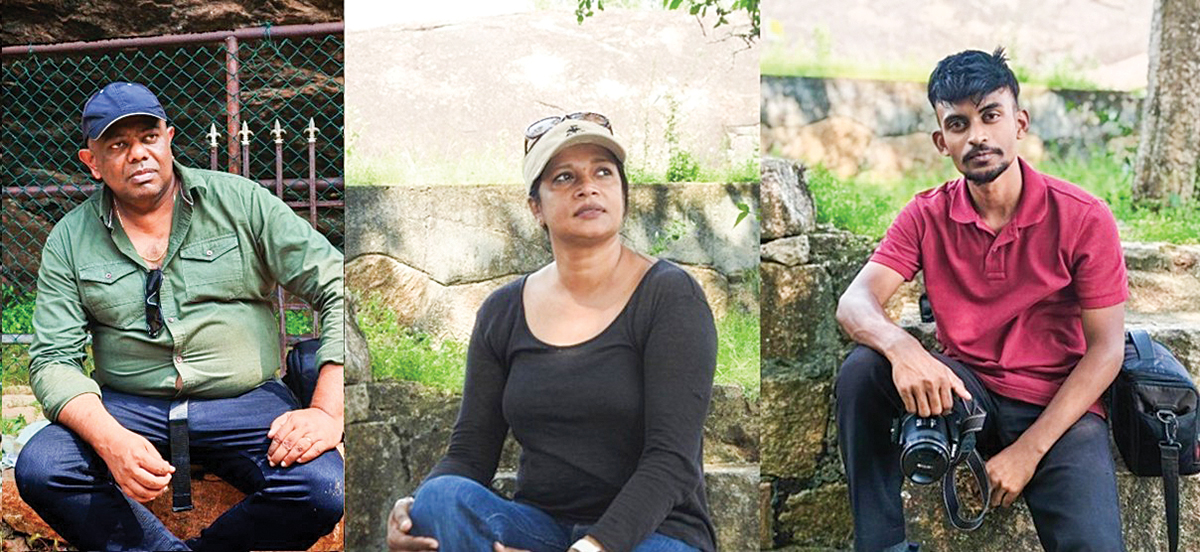
At the northern boundry of Anuradhapura, where the Malwathu Oya curves through scrubland and forest and the wilderness of Wilpattu National Park presses close, the vast rock outcrop of Tantirimale rises quietly from the earth.
Spread across nearly 200 acres within the Mahawilachchiya Divisional Secretariat Division, this ancient monastic complex is more than a place of worship. It is a layered archive of Sri Lanka’s deep past — a place where prehistoric life, early Buddhist devotion, royal legend and later artistic traditions coexist within the same stone landscape.
“Thantirimale is not a site that belongs to a single period,” says Dr. Nimal D. Rathnayake, one of the principal investigators who has been studying the area together with Ayoma Rathnayake and Eranga Sampath Bandara. “What we see here is continuity — people adapting to the same environment across thousands of years, leaving behind traces of belief, survival and creativity.”
Traditionally, the Thantirimale temple is believed to date back to the third century BC, placing it among the earliest Buddhist establishments in Sri Lanka.
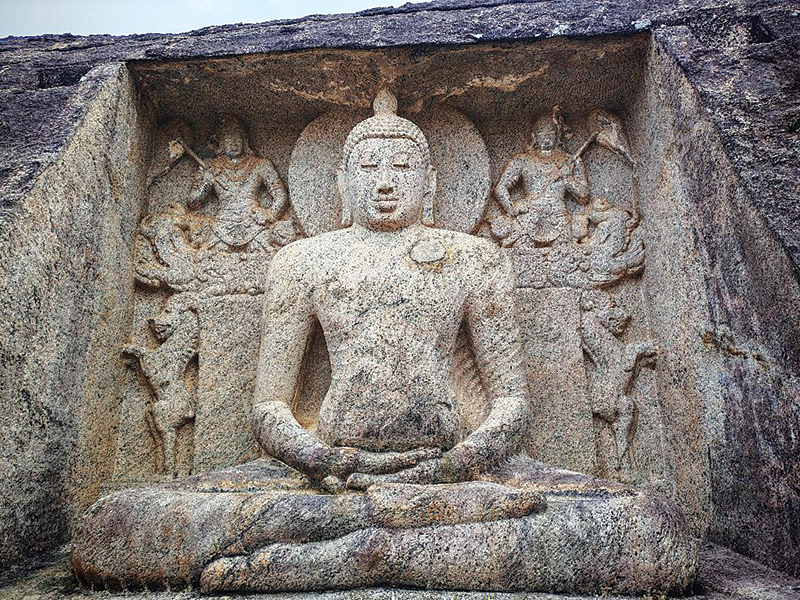
The Samadi Buddha Statue
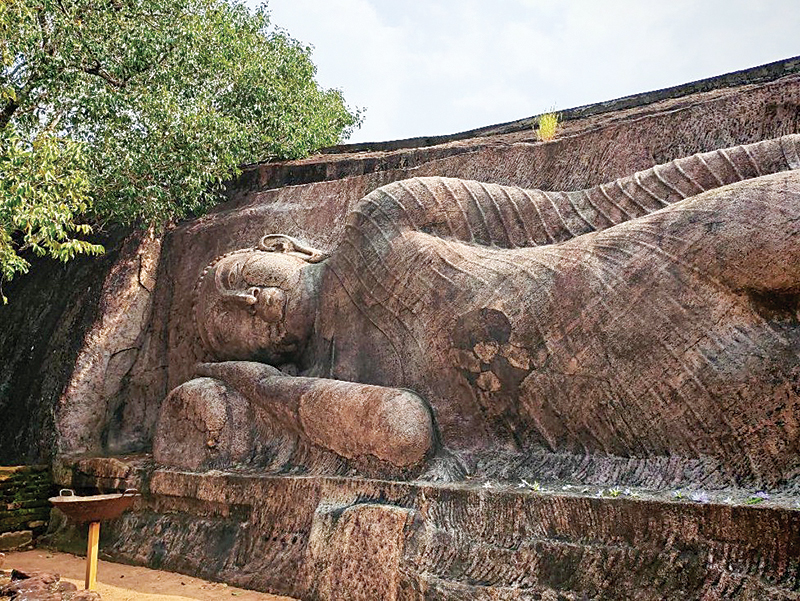
The Reclining Buddha Statue
The Mahavansa records that civilisation in this region developed following the arrival of Prince Vijaya, whose ministers were tasked with establishing settlements across the island. One such settlement, Upatissagama, founded by the minister Upatissa, is often identified as the ancient precursor to present-day Thantirimale.
Yet archaeology offers a deeper and more complex story. Excavations conducted in and around the rock shelters reveal that indigenous tribal communities lived at Thantirimale long before the rise of the Anuradhapura kingdom. These early inhabitants — likely ancestors of today’s Veddas — used the caves as dwellings, ritual spaces and meeting points thousands of years before organised monastic life took root.
“The rock shelters were not incidental,” Dr. Rathnayake explains. “They were deliberately chosen spaces — elevated, protected and close to water sources. This landscape offered everything prehistoric communities needed to survive.”
Over centuries, Thantirimale accumulated not only material remains, but also names and legends that reflect shifting political and cultural realities.
During the reign of King Devanampiyatissa, the area was known as Thivakkam Bamunugama, suggesting a Brahmin presence and ritual importance. Another strand of tradition links Thantirimale to Prince Saliya and Ashokamala, the royal lovers exiled for defying caste conventions.
Folklore holds that they lived in this region for a time, until King Dutugemunu eventually pardoned them and presented a golden butterfly-shaped necklace — the Tantiri Malaya — believed to have given the site its present name. Linguistic traditions further suggest an evolution from “Thangaathirumalai”, pointing to South Indian cultural influences.
Tantirimale also occupies a revered place in Buddhist memory. According to tradition, Sanghamitta Maha Theri rested here for a night while transporting the sacred sapling of the Jaya Sri Maha Bodhi from Jambukola to Anuradhapura. That brief pause transformed the rock into sacred ground, forever linking Tantirimale to one of the most powerful symbols of Sri Lankan Buddhism.
Among the most striking monuments at the site is the unfinished Samadhi Buddha statue, carved directly from a massive cube-shaped rock.
-
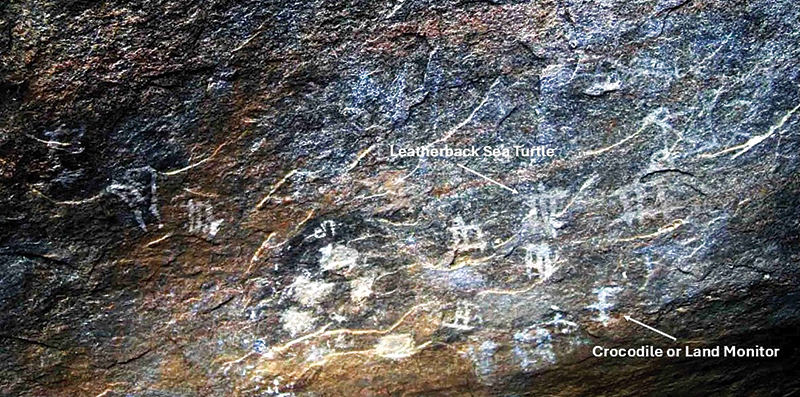
- A greater Portion of the Painted Surface of Cave NO.2
-
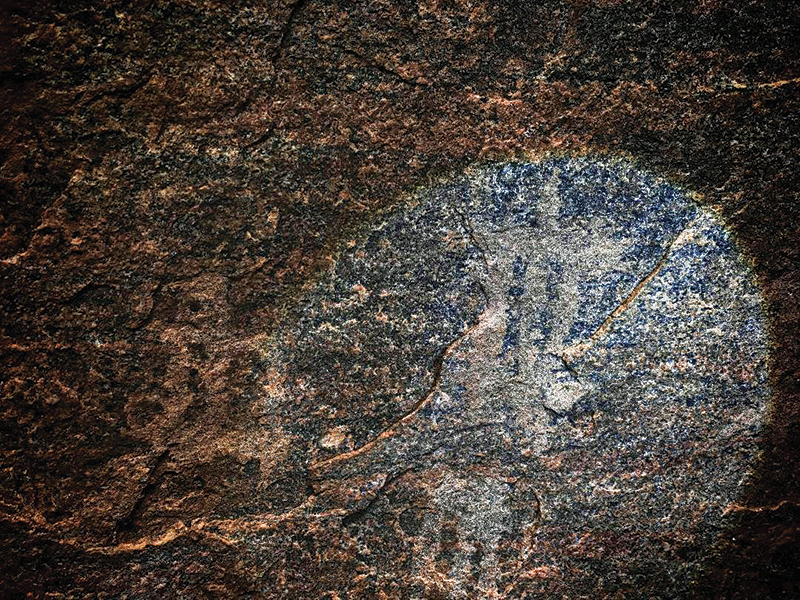
- Leatherback Sea Turtle
-
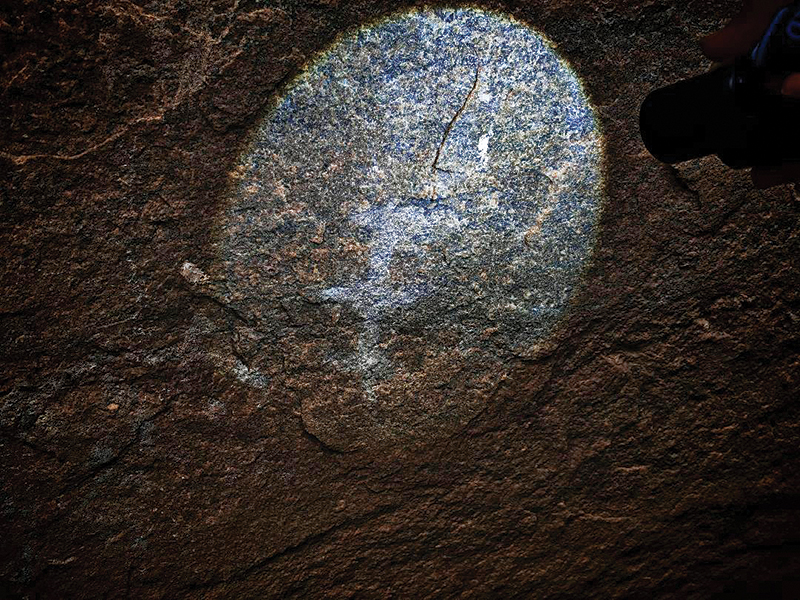
- The Crocodile or Land Monitor
Standing about eight feet tall, the statue bears a remarkable resemblance to the celebrated Samadhi Buddha of the Polonnaruwa Gal Viharaya. Guardian deities flank the central figure, while behind it a dragon pearl is supported by two lions — a motif associated with protection, sovereignty and cosmic balance. Dwarf figures decorate the seat, adding layers of symbolic meaning and artistic refinement.
“What is extraordinary here is the ambition of the sculpture,” says Dr. Rathnayake. “This was clearly intended to be a monumental work.” Excavations around the statue have uncovered stone pillars and evidence of a protective roof, indicating that artisans worked under shelter as they shaped the figure.
The statue’s incomplete state is most plausibly explained by the foreign invasions and political instability that marked the later Anuradhapura period. Stylistic features suggest that the work continued into, or was influenced by, the Polonnaruwa period, underscoring Thantirimale’s enduring importance long after Anuradhapura’s decline.
Nearby lies another monumental expression of devotion — the reclining Buddha statue, measuring approximately 45 feet in length. Unlike the Samadhi statue, this figure has been detached from the living rock and is dated to the late Anuradhapura period. Its scale and proportions closely resemble Polonnaruwa sculpture, reinforcing the idea of a continuous artistic and religious tradition that transcended shifting capitals and dynasties.
Yet the most ancient and fragile heritage of Thantirimale is found not in its monumental statues, but in two adjacent caves within the monastic complex. Their walls still bear the fading traces of prehistoric rock paintings dating back nearly 4,000 years. First recorded by John Still in 1909, these paintings were later documented and analysed by scholars such as Somadeva.
The paintings include human figures, animals, geometric patterns and symbolic motifs, suggesting ritual practices, storytelling and shared cultural memory. “If Tantirimale functioned as a common meeting place for independent territorial groups,” Dr. Rathnayake observes, “then these images may represent a shared visual narrative — a way of communicating identity and belief beyond spoken language.”
One of the caves, previously known to contain both human and animal figures, has deteriorated significantly and now requires urgent conservation intervention. The second cave, however, offers a rare and intriguing glimpse into prehistoric ecological awareness.
Among the animal figures are two images believed to represent a Leatherback Sea Turtle and either a crocodile or land monitor, measuring 18 and 13 centimetres respectively. The turtle depiction is particularly striking for its anatomical accuracy — the ridges on the carapace are clearly visible, aligning closely with known herpetological characteristics.
“These details suggest close observation of nature,” says Dr. Rathnayake. Archaeological evidence supports this interpretation. According to earlier studies, sea turtles were transported to Anuradhapura as early as 800 BC. During the Gedige excavations in 1985, bones of the Olive Ridley sea turtle were discovered, possibly used for ornaments or utilitarian objects. Images of land monitors and crocodiles are common in dry-zone rock art, reflecting both ecological familiarity and subsistence practices, as Veddas are known to have consumed the flesh of land monitors.
Today, Thantirimale stands at a critical crossroads. Encroaching vegetation, weathering stone, fading pigments and increasing human pressure threaten a site that encapsulates millennia of human adaptation, belief and artistic expression. For Dr. Rathnayake and his team, the need for protection is urgent.
“Thantirimale is not just an archaeological site or a temple,” he says. “It is a living record of how humans have interacted with this landscape over thousands of years. Preserving it is not simply about protecting ruins — it is about safeguarding the long memory of this island.”
In the quiet of the rock shelters, where prehistoric hands once painted turtles, hunters and symbols of meaning, Thantirimale continues to whisper its story — a story written not in ink or inscription, but in stone, pigment and belief.
By Ifham Nizam ✍️
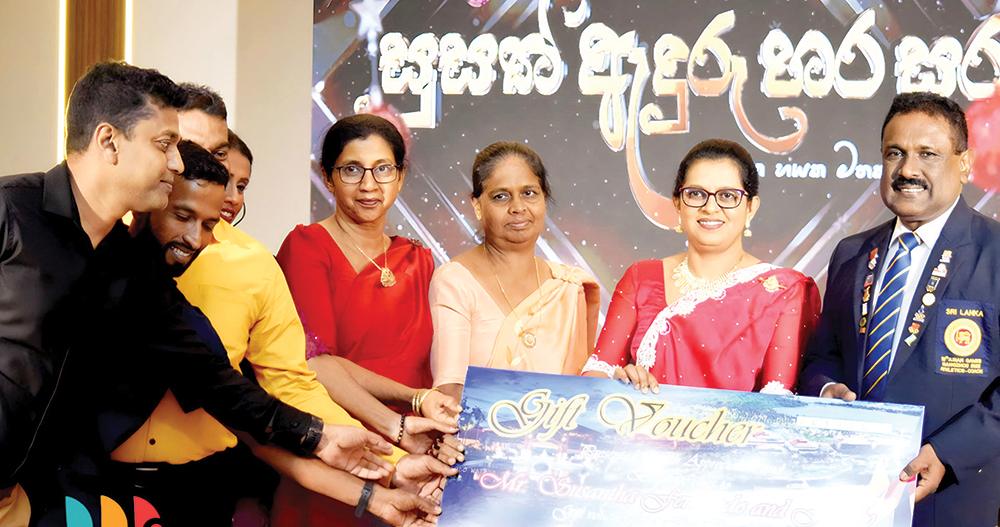
Veteran athletic coach Susantha Fernando called time on his illustrious career in the state service recently. Fernando, who began his career as a physical education teacher was the Assistant Director of Education (Sports and Physical Education- Central Province Sports Schools) at the time of his retirement last month.
Susantha was responsible for transforming the then little known A. Ratnayake Central, Walala, into an athletics powerhouse in the schools sports arena. His sheer commitment in nurturing the young athletes at Walala not only resulted in the sports school winning accolades at national level but also produced champions for Sri Lanka in the international arena.
These pictures are from the event to launch his autobiography Dekumkalu Kalunika and the felicitation ceremony organised by Tharanga Gunaratne, Director of Education at Wattegama Zone to felicitate him following his retirement.
Former Walala athletes, his fellow officials and a distinguished gathering including former Director of Education Sunil Jayaweera were gathered at the venue to felicitate him.
-

- Susantha Fernando with his family members
-
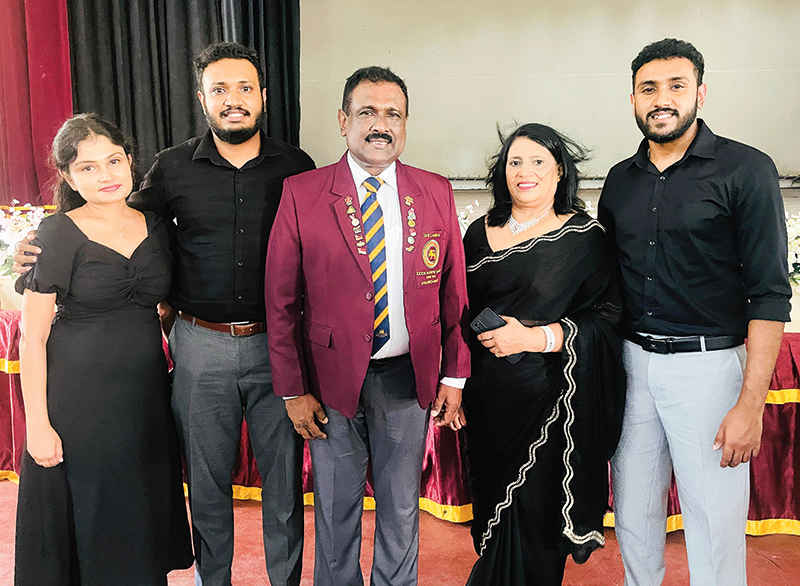
- Susantha with his wife, Ranjani, sons, Shane and Shamal and daughter Nethmi
-

- Tharanga Gunaratne, Director of Education at Wattegama Zone addressing the gathering
-
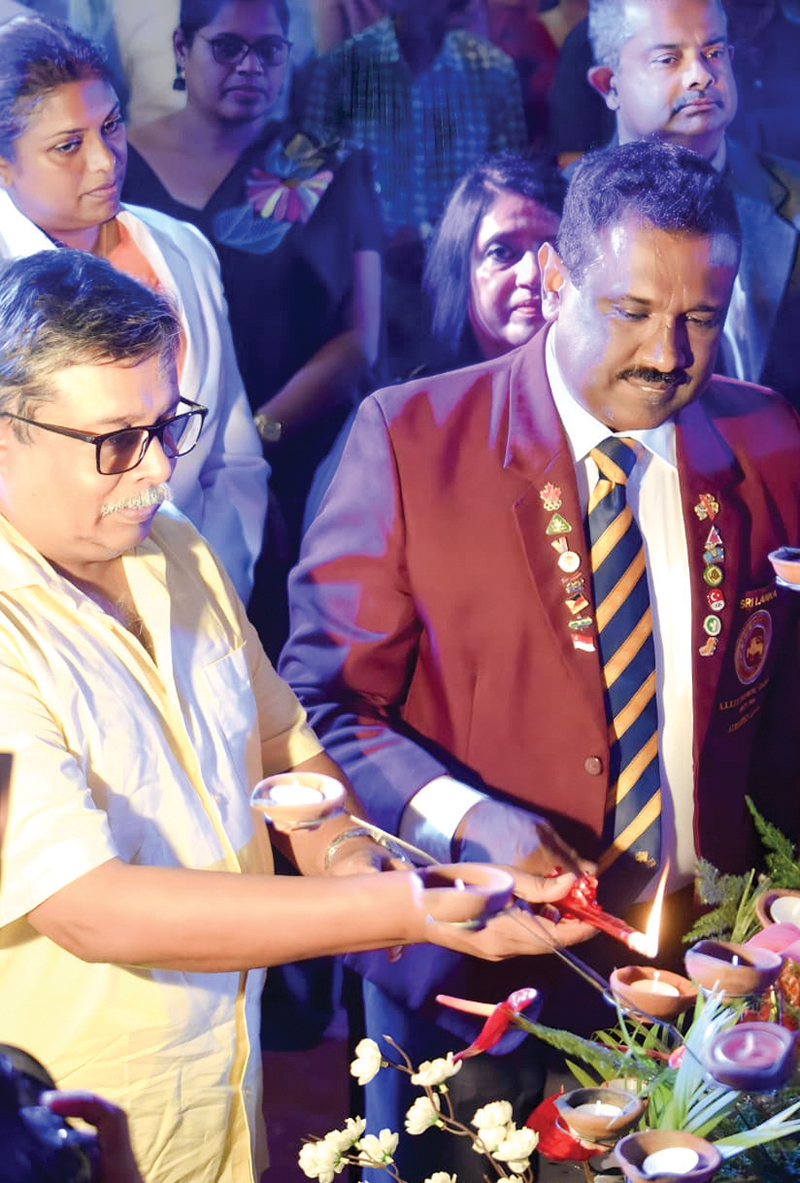
- Sisira Yapa, who delivered the keynote address at the book launch
-
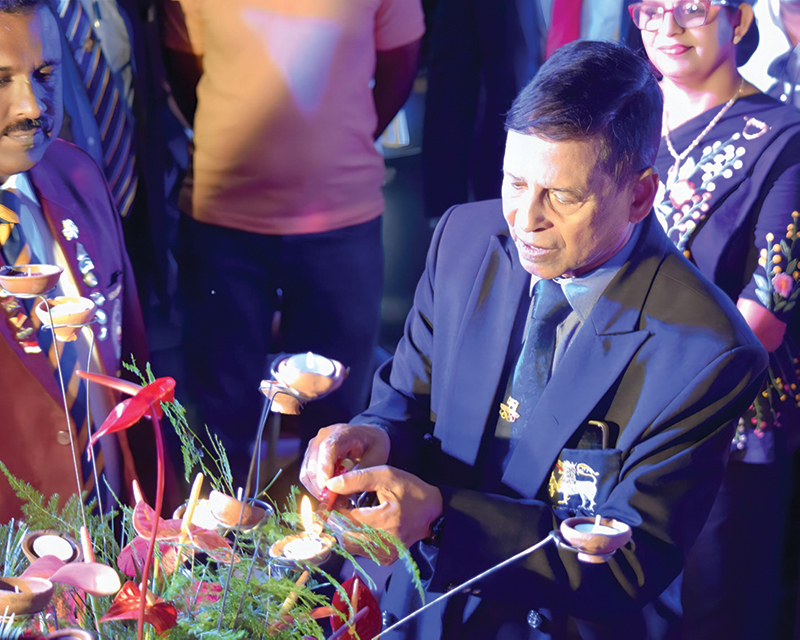
- Former Director of Sports of the Ministry of Education Sunil Jayaweera
-

- Susantha’s first international medallist marathoner D.A. Inoka
-

- A dance item in progress
-
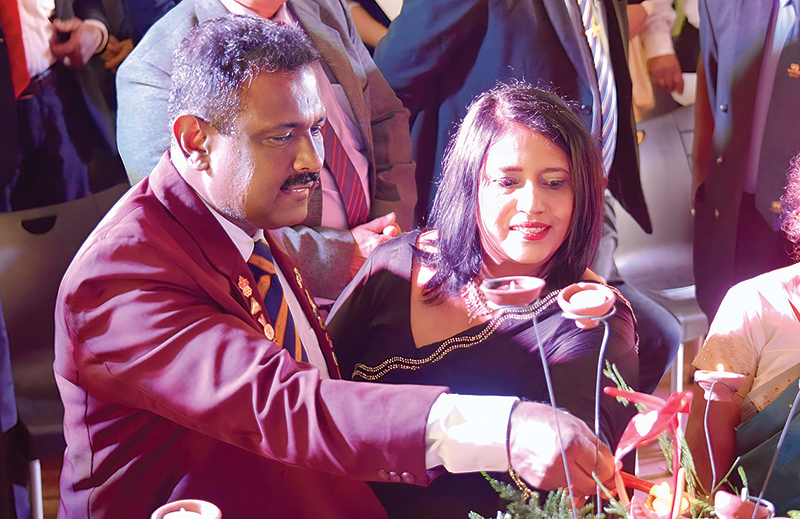
- Susantha Fernando with his wife Ranjani
-
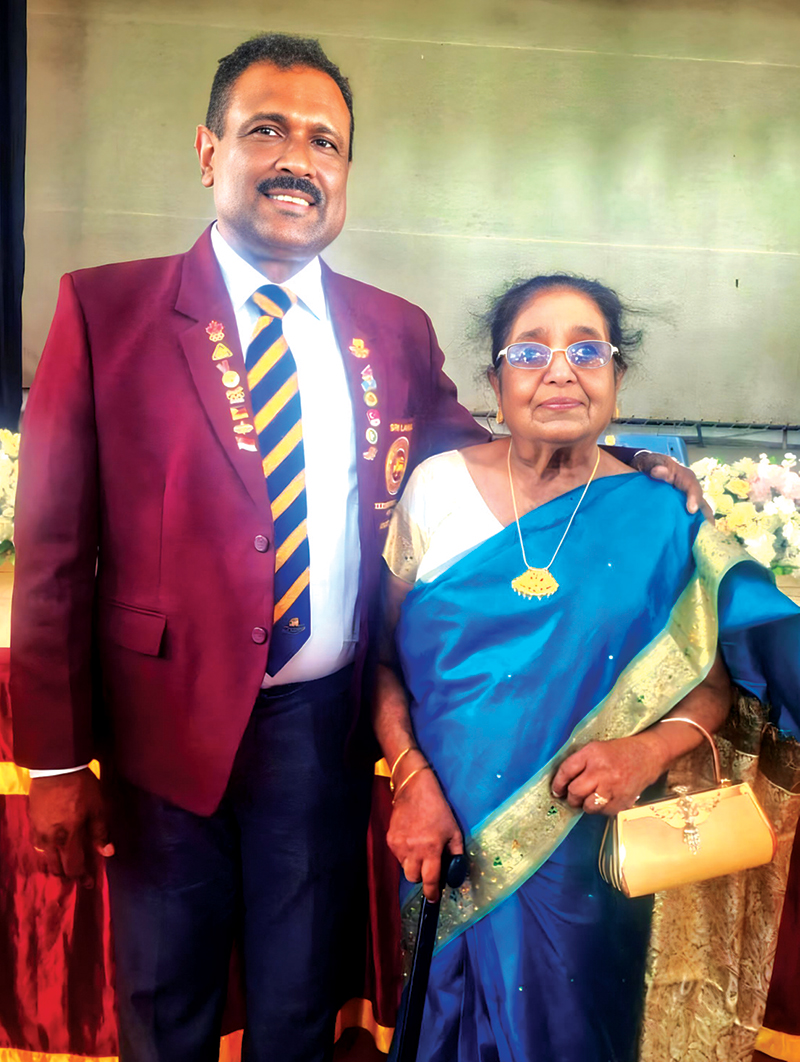
- Susantha with his mother

T20 World Cup 2026: ICC replace Bangladesh with Scotland

Indonesia landslide kills 7, dozens more missing

Ukraine condemns ‘brutal’ Russian strikes ahead of second day of peace talks

Sri Lanka bat first in second ODI

Colombo Stock Exchange (GL 12) donates LKR 25 million to the “Rebuilding Sri Lanka” Fund

Tanzid Hasan’s ton, Binura Fernando’s four-for power Rajshahi Warriors to BPL title

‘Dates have the highest sugar content to fight Coronavirus’

Sunday Island 27 December – Headlines

#SundayIsland 17th December – Headlines

Sunday Island – 28th March

Sunday Island Headlines – 21 March

Sunday Island – 21st February – Headlines
-

 Editorial6 days ago
Illusory rule of law
-

 Features6 days ago
Daydreams on a winter’s day
-
 Features6 days ago
Surprise move of both the Minister and myself from Agriculture to Education
-

 Features5 days ago
Extended mind thesis:A Buddhist perspective
-
 Features6 days ago
The Story of Furniture in Sri Lanka
-

 Opinion4 days ago
American rulers’ hatred for Venezuela and its leaders
-
 Features6 days ago
Writing a Sunday Column for the Island in the Sun
-
 Business2 days ago
CORALL Conservation Trust Fund – a historic first for SL