
Life style
Why isn’t your back pain improving with treatment!


Understanding complex rheumatological conditions requires both medical expertise and compassion. In this exclusive interview, Dr. Aruna Caldera, Consultant Rheumatologist, speaks with Zanita Careem about the growing burden of early diagnosis, advances in treatment, and how greater awareness can help patients lead healthier and more fulfilling lives. The discussion explores how lifestyle posture, inflammation and underlying rheumatological conditions, can contribute persistent pain, while highlighting ways to protect spinal health and maintain mobility
 Back pain is one of the most common health problems worldwide, affecting many people at some point in their lives. Most episodes of acute low back pain improve within weeks, often with conservative care, though recurrence is common. Unfortunately, there is a proportion of patients who continue to suffer long term.
A large number of these patients are treated for common causes of back pain, such as degenerative changes (wear and tear), whereas the actual cause of their back pain is for totally different reason/s, hence the poor outcome. The main issue in our setup is the public perception of back pains can be cured with local applications alone, whereas the reality is totally different. Pain may reduce temporally with a local application, whereas the underlying root cause remains unaddressed.
Let’s look at why back pain sometimes does not improve with common treatments. Here, I am mainly referring to chronic back pain (long-standing back pain). However, I will also briefly discuss acute and subacute (back pains with a short history) back pain because of their potential seriousness.
When evaluating patients with back pain, a considerable number fall into the category of non-specific back pain, meaning a clear diagnosis cannot be identified. The clinician’s experience and diagnostic skills play a major role in this. When a definite diagnosis can be made, patients often require specific treatment, tailored to that condition. “Paracetamol for every fever” theory cannot be applied for chronic back pain.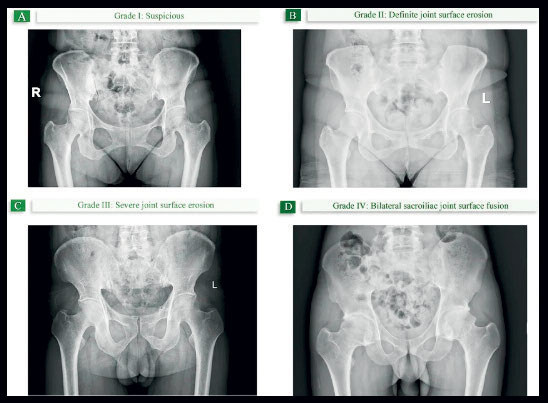
Before prescribing treatment for back pain, the clinician should first have a clinical diagnosis, and then only decide which investigations, such as blood tests, X-rays, CT scans, or MRIs are actually needed. Radiating pain down the leg (sciatica), which is commonly associated with back pain, is an important symptom, but should always be interpreted in conjunction with the patient’s history, physical examination findings, and imaging where appropriate. An incorrect clinical diagnosis can lead to unnecessary investigations and may delay identifying the true cause. Nerve root compression, seen on MRI, may not necessarily explain a patient’s symptoms and should always be interpreted in the context of the clinical findings. Furthermore, people with similar MRI finding may not have back pain.
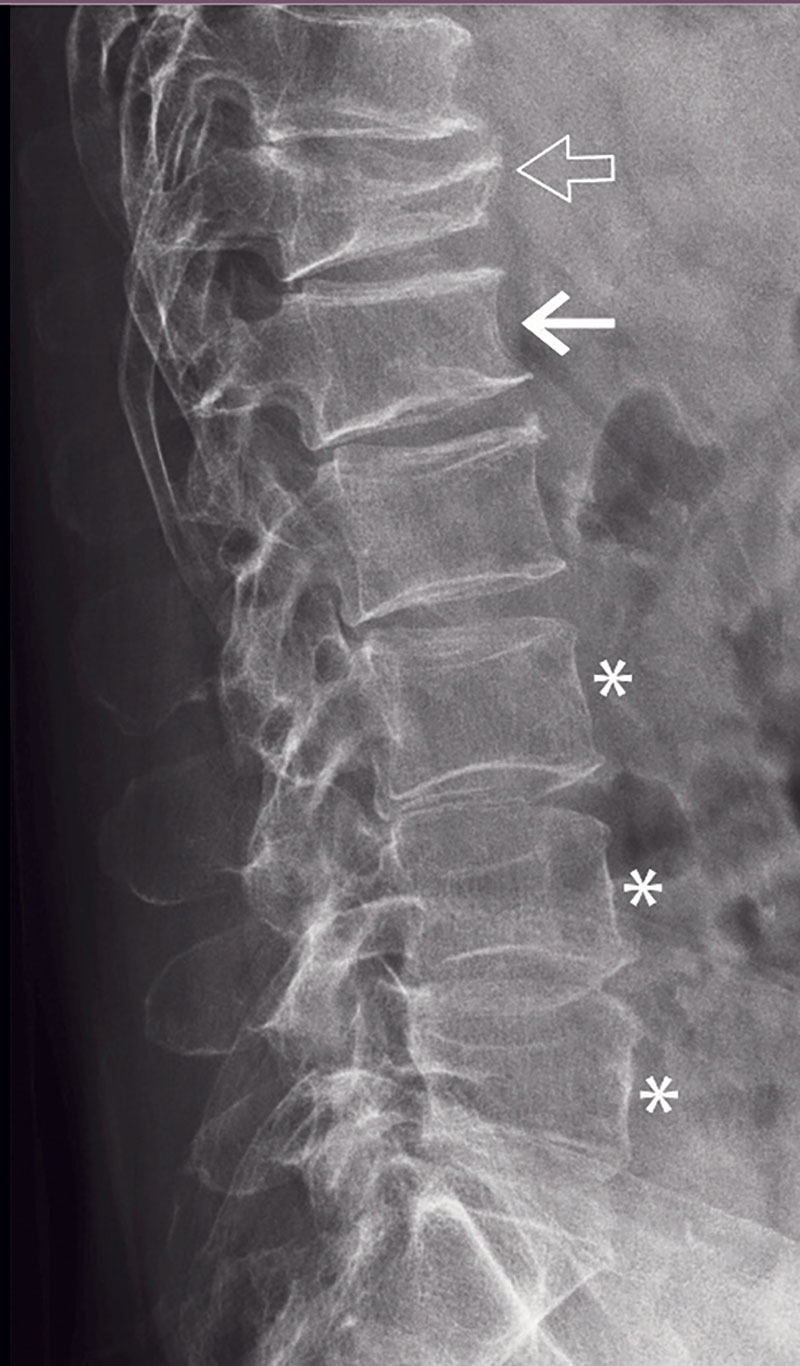
Wedge wedge fracture
This is why it is important that back pains not settling for primary treatments need to be considered for evaluation by relevant specialists early. Some conditions, such as inflammatory back pains due to axial Spondyloarthritis (previously known as ankylosing spondylitis), may require early specific treatment to prevent complications.
When evaluating a patient with back pain, it is essential to watch for “red flag” symptoms that may indicate serious underlying disease. Conditions, such as spinal cord compression, spinal tumours (often spread from breast, prostate, kidney, or lung cancers), multiple myeloma, spinal epidural abscesses (collections of pus), osteomyelitis (infection of vertebral bones), spinal tuberculosis, must be identified and treated as quickly as possible. Unfortunately, the X-ray, which is the go-to investigation in back pain, may be normal, and blood tests may not reveal specific findings, even in a patient with a serious underlying condition mentioned above! Without proper treatment, these conditions can result in permanent disability, or even death.
Many patients with these serious conditions may present late to relevant specialist care. One main reason for that is the capability of even non-specific treatments to temporarily reduce the pain, at least initially.
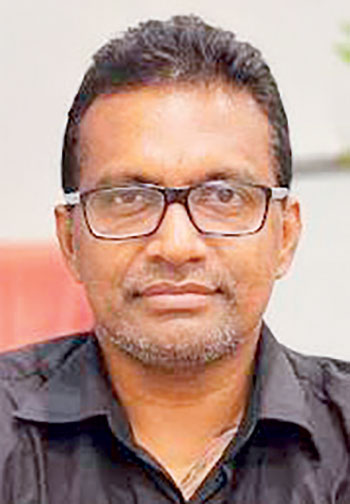
Dr. Aruna Caldera Consultant Rheumatologist MBBS, MD, MRCP (UK), MRCP (Rheumatology)
Chronic or long standing back pain has numerous causes. Osteoporotic spinal fractures (sometimes occurring without the patient realising it!), radiculopathy (compression of nerve roots exiting the spine), spinal stenosis (narrowing of the spinal canal), spinal deformities such as scoliosis and kyphosis, axial Spondyloarthritis (previously known as ankylosing spondylitis; a chronic inflammatory rheumatic disease that can cause significant disability if untreated).
We must not forget that cause of the back pain is not always related to the spine. Kidney and ureteric stones, certain kidney diseases, enlargement of major abdominal blood vessels (aneurysms) and bleeding within them (aneurysmal rupture), reactivation of herpes zoster, some gynaecological conditions, psychological causes, fibromyalgia, etc.
There are other rheumatological conditions which can present with back pain. Sometimes these diagnoses are missed because the back pain is attributed to the changes in the spine X-ray due to wear and tear. Greater Trochanteric Pain Syndrome (GTPS) (pain arising from structures around the outer hip, often related to gluteal tendinopathy and sometimes involving the trochanteric bursa), adductor tendinitis (inflamed inner thigh muscle which may have associated groin pain), piriformis syndrome (sciatic nerve compressed by piriformis muscle in the butt), Bertolotti’s syndrome (lowest lumbar vertebra fusing with the sacrum), coccydynia (tailbone pain), arthritis affecting the hip, are some examples.
When the actual cause of back pain is not identified, treatments aimed for findings in X-rays, CT scans, or MRI scans may not be successful. One reason is that in many people, over the age of 40, MRI scans commonly show degenerative changes, especially at L4/L5 and L5/S1 levels, such as disc degeneration and minor exit nerve root compression, even when the person has no symptoms at all! Electrodiagnostic studies (nerve conduction tests) may not always correlate with MRI findings, as they assess nerve function rather than anatomical appearance.
Treatment should primarily be based on the clinical diagnosis derived from the patient’s history and physical examination. Treating the scan report, rather than the clinical diagnosis, may lead to poor outcomes in certain patients.
Another major drawback is that if the clinical diagnosis is wrong, the MRI may be focused on the wrong area. For example, if Spondyloarthritis is suspected, MRI of the sacroiliac joints should be included in the protocol.
Poor clinical information on imaging requests may contribute to delayed diagnosis, although delayed recognition and referral are also important factors. Sometimes MRI findings are less informative because the imaging request lacks sufficient clinical details to guide image acquisition and interpretation.
The treatment is multimodal. Evan a layperson would know he/she may need some medicines to reduce the pain (at least initially) and some form of physiotherapy. Actually, this is true for all back pains and this is where the problem actually starts. Many patients will experience at least some temporary improvement with basic treatments, but actually they aren’t getting the ideal treatment. Some may need muscle relaxants, some may need guided root injections, some may need epidural injections, some may need surgery immediately, some may need surgery later, some may require surgery / minimally invasive surgery (MIS), some may require nerve ablations, some may need bursal injections, some may need intra articular injections, some may need even disease-modifying anti-rheumatic drugs (DMARDs). That is why the diagnosis should be as accurate as possible and made by a doctor essentially which isn’t always the case in the Sri Lankan setting unfortunately.
We all are aware of the disaster if a cancer deposit in the spine is missed. It is often overlooked that missed osteoporosis related wedge fracture may the first sign of an impending hip fracture. What public may not be aware of is that up to 1/3 of patients, who suffer hip fractures, die within 12 months. So much so, a wedge fracture in the spine (however small) requires evaluation for osteoporosis and initiation of treatment where appropriate to prevent a hip fracture and prevent further spine fractures.
Young people with back pain have a different set of diagnostic priorities. Significant degenerative spinal disease is less likely to explain chronic inflammatory-type back pain in a 30-year-old patient, and axial Spondyloarthritis should be considered. Furthermore, X-rays of the spine as well as the involved sacroiliac joint could be also normal! These patients may require MRI of the sacroiliac joints, particularly when clinical suspicion remains high, despite normal X-rays.
What if the patient is not improving? It may be due to an incorrect diagnosis, disease progression, poor adherence to treatment, psychological factors, central sensitisation, treatment limitations and other comorbidities.
As you’re reading this, you may be sitting there holding your back and wondering why your back pain never got better. The reason may very well be one of the issues I have mentioned above. Also remember that reduction in pain does not mean an arthritis condition has been dealt with. Persistent or concerning back pain should not be ignored and should be assessed appropriately.

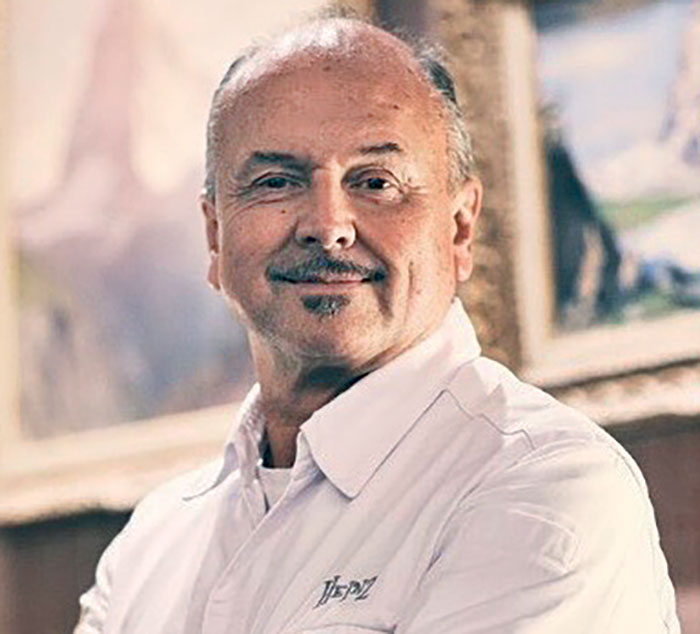
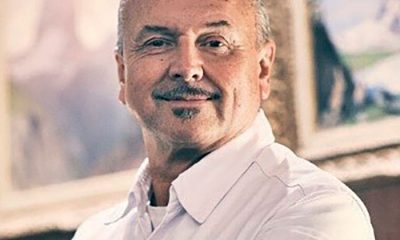
High in the Swiss Alps, where mountain landscapes shape both life and cuisine, Chef Heinz Rufibach spent more than four decades mastering the art of Alpine cooking. From the grand hotels of St. Moritz and Gstaad to the peaks of Zermatt, his career has been defined by a deep respect for tradition, local flavours and the quiet precision of Swiss craftsmanship.
Now, the chef. affectionately known as Le Cuisinier de Zermatt. brings that remarkable culinary heritage to Colombo for an exclusive Swiss dining experience at Bistro des Marées, Cinnamon Life at City of Dreams Sri Lanka.
From 23 to 26 July, guests will have the opportunity to experience a specially curated menu by Chef Rufibach, celebrating the authentic flavours of Switzerland’s Alpine regions and the dishes that have shaped his lifelong connection with the mountains.
A former Executive Chef of the Grand Hotel Zermatterhof, Chef Rufibach has built a reputation as one of Switzerland’s celebrated culinary figures. Named Swiss Chef of the Year and a holder of a Michelin star for six consecutive years, his cooking reflects the balance between fine dining precision and the warmth of the traditional Alpine table.
For Chef Rufibach, Swiss cuisine is more than a collection of recipes. It is a reflection of place, people and generations of culinary heritage.
“Swiss cuisine is built on tradition, seasonality and a deep connection to the land. Through this menu, I hope to share the flavours and stories of the Alps with guests in Colombo and offer them a true taste of Switzerland,” he said.
The menu at Bistro des Marées takes guests on a journey through Switzerland’s diverse culinary regions, beginning with elegant starters, such as dried meat tartare with green asparagus and Parmesan, marinated salmon with mustard sauce and herbs, and the traditional Gommer Cholera, a Valais speciality of apple, leek and cheese baked in puff pastry.
The experience continues with comforting Swiss classics, including Valais white wine soup with dried apricots and Bündner barley soup, before moving into signature dishes, such as Swiss cheese fondue with bread cubes and potatoes, raclette with traditional accompaniments, and Zürcher Geschnetzeltes with rösti. Other highlights include Basel-style salmon with papet vaudois and fried onions, saffron-infused lamb ragout with mashed potato, and Ghackets mit Hörnli, a beloved Swiss comfort dish of braised beef mince, pasta and apple sauce.
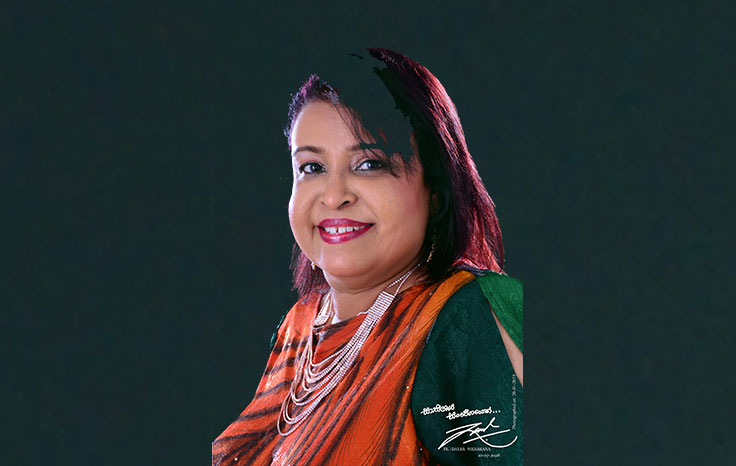
My dearest Maria. I never thought I would have to write this, this soon but then I realised, I owe it to you.
Remember the very first day I met you ? It was way back in 1981. I was 19, working at Lake House and writing to the Sunday Observer’s “Sat Mag” magazine. You were 23.
I made a prior appointment with you on the old rotary dial phone and arrived at Ekanayake Mawatha, Nugegoda, sharp on time. I waited and waited. There were (either) dogs or cats playing around me, with their fur flying all around me. That irritated me. I waited and waited. I wanted to, but could not walk out because the Editor was waiting for the article.
You sailed in one wretched hour late. I was furious. You never apologised either. That’s how we began our friendship. Rather a rocky start wasn’t it ?
What struck me most was NOT the fact that you were the highly celebrated Kandy Lamissi at that time, but rather the sparkle in your eyes and the warmth of your smile. It came from the depths of your heart and radiated outwards to everyone you came into contact with – both those who liked you and those who did not like you.
You radiated that sparkle and smile during the best of times and even the most difficult of times. You had your fair share of both in your 68 years. That smile was your trademark. It stayed on until the end.
We were neighbours, too, in Nugegoda. You were on that side of the junction and I was on this side of the junction. Remember in the mid-1990s when fitness fever hit us and we ambitiously started those 6.00 am early morning walks. They were alas short lived when children in passing school vans began shouting “Aunty Aunty” or “Kandy Lamissiiiiii”. That put an end to our walks and we reverted back to being unfit.
You also had a very, very wicked sense of humour which I loved to bits. Remember that evening when, with dead pan faces, you and I walked into the Metro Cinema Nugegoda and bought two balcony tickets for the 6.30 pm show. The man at the ticket counter couldn’t not believe his eyes. And how we, again with dead pan faces, slowly crept upstairs and sat in the (last row) middle seats much to the shock of all those lovers around us.
You were the Star. I was much lesser known to them than you. They were shocked and looked at you in great disbelief. I remember at one intense moment of the film, we asked the couple next to us, “Meh, excuse me. Aney welaawa keeyada?”. They only didn’t slap us.
And then, during the movie we crunched on and made a helluva din with the prawn crackers, much to the irritation of those around us.
We hadn’t come to watch the film. We just wanted to shock and annoy those lovers. Mission accomplished, we sailed out in the Interval, our sides splitting with laughter. We could not remember the movie either.
Remember those incessantly chats we used to have on a variety of topics? You could hold forth on practically any topic. Those chats sometimes went on till well past midnight and we hadn’t finished talking either.
Teshan your son was the apple of your eye, to use a cliché. How proud you were of him and how very much you used to talk about him. You took pride in his academic success and the fine young man he has turned out to be.
In our 46-year friendship, you and I have had our misgivings, too. Remember Mariazelle how we didn’t speak to each other for about three years?
And then in December 2015 you were a guest artiste and I the emcee at the Break-Away New Year’s Eve Ball organised by (your cousin) Sohan Weerasinghe and Corrine Almeida. We were still not talking to each other, but then, just after the countdown to midnight, you came up to me, hugged me and wished me with tears in your eyes. My respect for you hit the ceiling that night. Our friendship became rock solid from that day onwards.
We last met over dinner at Harpos Commons in Kotte, just before illness dragged you down. You had medical problems but you never complained. Remember the stories we traded and how much we laughed and laughed, at times much to the displeasure of the other diners. Harpo might have got the complaints but he never told me either.
And now you’re gone. Gone just like that. Before I close, I’d like to quote a few lines from your dear friend Aruna Siriwardhana’s tribute :
“I take a moment to mention two special beings in Mariazelle’s life. One is surgeon Prof. Srinath Chandrasekera (a musician himself) who for the past six months or so, together with his team at the Kalubowila Hospital, took indescribably attentive care of her. The other is singer Dinu, who virtually placed her life and work on hold, to care for Mariazelle”.
It was heart-breaking to see you lie in that coffin at Barney Raymonds last Monday (13 July). You were dressed in ivory and gold. You looked peaceful. You were free from suffering and free from pain.
“Kandy Lamissi” will ALWAYS be sung at parties and weddings and home comings and dinner dances and batch get-togethers. “Kandy Lamissi” and You have an unlimited life span. You will both go on forever!
And I will always remember that sparkle in your eyes and the warmth of your smile. That to me was You.
Goodbye my dearest Maria. May your journey in Samsara be speedy.
by Kumar de Silva ✍️
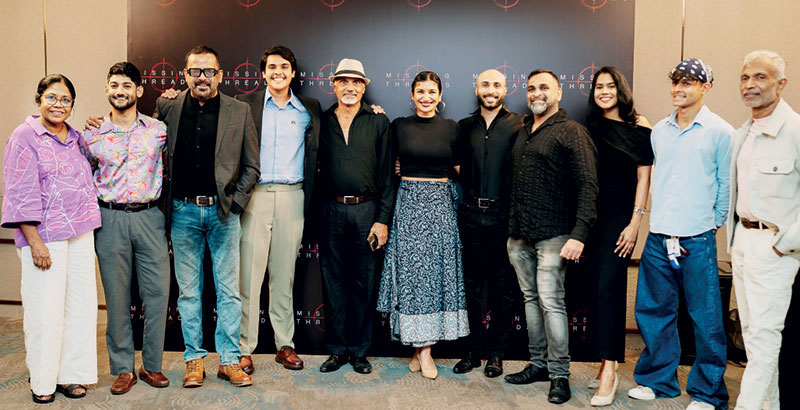
Production has officially begun on Missing Threads, marking it the first time a Sri Lankan production has been aimed first and foremost at an American audience. On Tuesday the 7th of July, a dinner was held bringing together the cast, crew, funders, and friends and family to mark the occasion.
The evening opened with guests arriving to chatter and press photography. Talavou Alailima opened proceedings, and a selection of Director Joshua Alailima’s previous films were screened, between speeches from key figures behind the production. The night closed with a large buffet and the signing of contracts.
Missing Threads
is an investigative crime thriller compared to films such as Zodiac and Se7en. The film follows journalist Maya Perera as she unravels a string of lies, all tying back to the mega corporation Verdeon, leading to a far more sinister truth about the internal affairs of the country at large.
This marks a significant milestone for Sri Lanka. It is the first time a Sri Lankan film has targeted primarily the USA Hollywood audience. This will further foreign relations, opening the door to industry expansion and significant economic potential.
Missing Threads
brings together a standout cast of actors, including Kaushalya Fernando (The Forsaken Land), Buddika Jayaratne (Sunny’s Mansion), Dharmapriya Dias (Machan), and Shyam Fernando (Paradise). It is led by international Sri Lankan actress Rebecca Munasinghe and leading social media influencer “Neesh.” Missing Threads is produced by Talavou Alailima, founder of Power World Gyms and Edge Nutrition.
Director Joshua Alailima is currently studying at one of the top film universities in America, Biola University, whose alumni network includes Doctor Strange director Scott Derrickson and world famous influencer Zach King.
Joshua has been directing since he was a young teenager. He is now 20 and directing his feature debut, a rare feat by Hollywood industry standards.
Missing Threads
brings in an international crew, with people from the USA, Sri Lanka, and Australia flying in to work on the project. Post production will take place in Sri Lanka, India, and the USA. The film is shot on the Arri Alexa LF, the same camera used for the movie Dune. It is the only one currently in Sri Lanka.

Showers will occur in the Western, Sabaragamuwa and North-western provinces and in Kandy, Nuwara-Eliya, Galle and Matara districts

Merchant Shipping Secretariat probes bribery scandal

Theft of USD 2.5 mn: Dinana Dakuna claims COPF trying to protect mastermind

COPF chief slams security sticker scam

CAA urged to protect soap users

Man who resisted search shot and arrested

‘Dates have the highest sugar content to fight Coronavirus’

Sunday Island 27 December – Headlines

#SundayIsland 17th December – Headlines

Sunday Island – 28th March

Sunday Island Headlines – 21 March

Sunday Island – 21st February – Headlines
-
 Business1 day ago
‘Giving up was never an option’: The fisherman who fought back after losing millions in SL
-
 Features1 day ago
Two memorable excerpts from a former SLAF commander’s memoir
-
 Latest News2 days ago
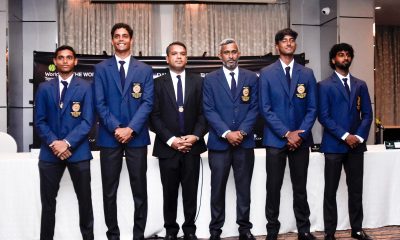
Davis cup Asia/Oceania Group IV 2026 to be held in Colombo from 20th to 25th July
-

 Features1 day ago
Erdoğan’s New Republic
-
 Life style1 day ago
Taste of the Swiss Alps comes to Colombo
-
 Features5 days ago
Dirty Money
-

 News2 days ago
Dengue outbreak gallops ahead: Infections surpasses 73,455, leaving 50 dead
-
 News2 days ago
Evidence recorded in money laundering case against Yoshitha Rajapaksa