
Life style
Understanding Alzheimer’s


World Alzheimer’s Day is marked on September 21 globally to raise awareness about Alzheimer’s disease and other forms of dementia. This year’s theme is ‘Know Dementia, Know Alzheimer’s’.Speaking to the Sunday Island, Dr . Kapila Ranasinghe, Senior Consultant Psychiatrist (with special interest in old-age psychiatry) at the National Institute of Mental Health remarks that Sri Lanka’s inherent social and cultural traits are a strength in addressing Alzheimer’s disease. Unlike in the west where many senior citizens with Alzheimer’s are institutionalized, our culture of caring and looking after the elderly is an advantage in managing the disease better.
BY RANDIMA ATTYGALLE
 Be it an elderly parent, a grandparent or any other elderly loved one in your family forgetting important dates or events or repeatedly asking the same question may sound familiar. Some may even be confused with time and places. Very often you may attribute this behaviour to ‘normal ageing’ or old age. But you may be seriously mistaken…These behavioural traits could be early symptoms of Alzheimer’s disease.
In 1901 that German psychiatrist Alois Alzheimer identified the first case of what became known as Alzheimer’s disease, in a 50-year-old woman he called Auguste D. He described as a ‘peculiar disease’ one of profound memory loss and microscopic brain changes.
Commonest form of dementia
Alzheimer’s disease is the commonest form of dementia. Although laymen often consider Alzheimer’s and dementia to be synonymous, it is not so. Dementia is a term for several diseases that affect memory, thinking and the ability to perform daily activities. It results from a variety of diseases and injuries that affect the brain. “Although Alzheimer’s disease is indeed one of the most common forms of dementia, it’s important to note that not all dementia is Alzheimer’s,” explains Dr. Kapila Ranasinghe, Senior Consultant Psychiatrist (with special interest in old-age psychiatry) at the National Institute of Mental Health.
According to the World Health Organization (WHO), Alzheimer’s disease may contribute 60-70% of cases of dementia. The other common dementias are:
Vascular Dementia: Often caused by strokes or brain blood vessel diseases, leading to impaired judgment or difficulty in planning and organizing.
Lewy Body Dementia: Characterized by visual hallucinations, sleep disturbances and fluctuating cognitive abilities.
Frontotemporal Dementia: Affects personality, behaviour and language, often leading to socially inappropriate behavior or language difficulties.
Early signs
The presentation of Alzheimer’s is generally late here at home, observes Dr. Ranasinghe. This is largely due to lack of awareness and the common misconceptions related to the early signs signaling the condition, he says. “Very often it is only when an elderly parent or a loved one is causing some kind of disturbance at home with his/her behaviour such as wandering in the night, developing crying or anger swells that children or caregivers seek medical help. Otherwise, early signs of Alzheimer’s such as memory loss, misplacing their possessions etc. is often put down to ‘old age’ and inactivity after retirement.”
Reiterating that Alzheimer’s is not a normal characteristic of aging, the psychiatrist cites some key early signs to watch for and seek medical advice and support. They are:
Memory Loss: Forgetting recently learned information, important dates, or events. Repeatedly asking the same questions.
Difficulty in planning or solving problems: For example, struggling to follow a plan, work with numbers, or keep track of monthly bills.
Challenges completing familiar tasks: Trouble with daily tasks like driving to a familiar location, managing a budget, or remembering the rules of a favourite game.
Confusion with time or place: Losing track of dates and the passage of time. Sometimes forgetting where they are or how they got there.
Trouble in understanding visual images and spatial relationships: Difficulty in reading, judging distance and determining colour or contrast, which can affect driving.
New problems with words in speaking or writing: Trouble following or joining a conversation, stopping in the middle of a conversation, or repeating themselves.
Misplacing things and losing the ability to retrace steps: Putting things in unusual places and being unable to retrace steps to find them.
Decreased or poor judgment: Poor decision-making
Withdrawal from work or social activities: Avoiding social activities, work projects, or hobbies they once enjoyed.
Changes in mood and personality: Becoming confused, suspicious, depressed, fearful, or anxious.
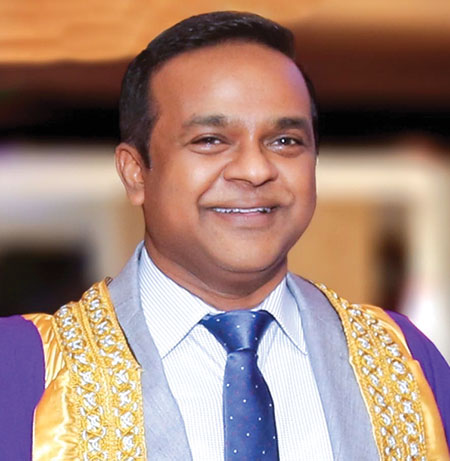
Dr Kapila Ranasinghe
Risk factors
Alzheimer’s disease is influenced by a combination of genetic, medical and lifestyle factors. “The major risk factor is age and the majority of people with the disease are over 65 although a minority could experience it before 65,” explains Dr. Ranasinghe. The genetic risk factors include family history of having a first-degree relative (parent or sibling) with Alzheimer’s, genetic variants (the presence of the APOE-e4 gene is associated with a higher risk of developing Alzheimer’s) and early-onset of the condition (rare genetic mutations can cause early onset of Alzheimer’s, typically before 65 years).
Certain medical conditions such as hypertension, diabetes and high cholesterol levels and having a history of traumatic brain injury can also increase the risk of Alzheimer’s in a person. Lifestyle risk factors would include poor diet, lack of physical activity, smoking and excessive alcohol consumption. “Many senior citizens whose brains are constantly stimulated either by reading, writing or other mental-stimulants such as regular social-interaction have a very low risk of Alzheimer’s as their cognitive engagement is high,” points out the psychiatrist who goes onto note that lower levels of formal education and less engagement in mentally stimulating activities are linked to a higher risk of developing the disease.
Multiple burdens of the disease
Between 2015 and 2050, the proportion of the world’s population over 60 years, according to the WHO data will nearly double from 12 % to 22%. In 2050 WHO predicts 80% of older people to be living in low and middle-income countries. “Sri Lanka already has a significant aging population and the double burden of Alzheimer’s disease, especially in the context of aging, is a significant concern. This burden can be individual as well as societal,” remarks Dr. Ranasinghe. Individual burdens would include health decline, emotional and physical impact and financial strains. “Alzheimer’s leads to progressive cognitive and physical decline, affecting the individual’s ability to perform daily activities and maintain independence. It could cause cause anxiety, depression and frustration for both the patient and their family members and care-givers. The cost of medical care, long-term care, and support services can be substantial, often leading to financial stress for families..”
The societal burden of Alzheimer’s too cannot be undermined. “The increasing prevalence of Alzheimer’s among the ageing population puts a significant strain on healthcare systems, requiring more resources to be mobilized for diagnosis, treatment, and care. The economic burden includes direct medical costs and indirect costs such as lost productivity of caregivers who may need to reduce work hours or leave their jobs to provide care. The condition also demands social services including support groups, respite care and community interventions to assist both individuals with Alzheimer’s and their care givers,” points out Dr. Ranasinghe who urges family members to seek early medical intervention for their loved ones suspected to be having the disease.
Seeking early care
Having an open discussion with parents and other elders suspected of early signs of the condition and seeking professional help is the key to managing the condition, maintains the psychiatrist. “Many children tend to hide the real situation from their parents and other elderly family members and this does more harm than good because the symptoms of Alzheimer’s worsen over time unless managed properly.”
Although Alzheimer’s cannot be cured, the progression of it could be slowed down with right interventions. “Today our state sector is also well equipped to address the disease both in terms of health care providers and other interventions. There are many non-pharmacological interventions such as memory assessments, cognitive function assessments etc. which will help in functional improvements of the person with Alzheimer’s. The good news is, not only can these interventions improve the quality of life of the person concerned but they are also relatively less expensive than other investigations and treatment modalities. Drugs for the disease are recommended only in severe and advanced stages,” Dr. Ranasinghe notes.
Alzheimer’s disease requires a holistic management or an inter-disciplinary approach to it. “When managing Alzheimer’s’ all aspects of a person’s life should be addressed; his/her physical and mental health, relationships and social life – all of this should be taken stock of. For example, non-communicable diseases (NCDs) such as diabetes, excessive cholesterol and high blood pressure should be kept at bay for optimum results,” says Dr. Ranasinghe who also warns against ‘over protection’ of parents and other elders. “We see some elders being over restricted with their social interactions and other physical activities which would be detrimental. Social interaction is vital to slow down the progress of the disease.”
When managing Alzheimer’s, caregivers too need to be looked after as it could be overwhelming to care for a loved one with the disease. “It could be very stressful for caregivers to look after a loved one with the disease and they too need support of other family members and friends and getting the support of health care providers is also critical to avoid burnout,” remarks the consultant.
Sri Lanka’s inherent social and cultural traits are a strength in addressing Alzheimer’s. “Unlike in the west where many elders with the disease are institutionalized, our elders with dementia and Alzheimer’s still enjoy better lives within their family units. The psychological support our system enables with the love and support of the immediate family cannot be undermined at any cost,” concludes Dr. Ranasinghe.


Cinnamon Life that has re-defined Colombo’s skyline added another accolade to its journey as it officially received its five star certification placing it among the most distinguished luxury properties in Sri Lanka’s hospitality landscape.
Receiving the five star classification is a significant achievement for any hotel but Cinnamon Life – the flagship of Sri Lanka’s most ambitious integrated lifestyle development, the accolade carries exceptional meaning. The recognition follows a rigorous evaluation of service standards,facilities,and operational excellence,underscoring the property’s commitment to delivering world class guest experiences
– Cinnamon Life at City of Dreams has been officially awarded the esteemed Five-Star Certification by the Sri Lanka Tourism Development Authority (SLTDA), underscoring its status as a landmark in Sri Lanka’s hospitality landscape and a benchmark for excellence in the region.
As South Asia’s largest and first fully integrated resort, Cinnamon Life at City of Dreams represents a transformative investment in Sri Lanka’s tourism and leisure economy. Developed by John Keells Holdings PLC with a historic USD 1.2 billion investment – the largest private development in the country – the resort has reshaped Colombo into a premier destination for luxury travel, entertainment, world-class events, and international business.

The team marks a major milestone with the property’s five star accreditation
A hallmark of the property is its extensive event and convention infrastructure, featuring over 160,000 sq. ft. of versatile, high-spec event space. With five signature ballrooms, cutting-edge technology, and three exceptional outdoor venues offering panoramic views of the ocean and the Colombo skyline, Cinnamon Life has established itself as an unrivalled hub for global conferences, high-profile celebrations, and corporate gatherings for both local and international travellers.
“We are deeply honoured to receive this Five-Star Certification from the Sri Lanka Tourism Development Authority,” said Sanjiv Hulugalle, CEO and General Manager of Cinnamon Life at City of Dreams. “This recognition reflects our unwavering commitment to world-class service, guest centric innovation, and the elevated experiences that define Cinnamon Life. Our aspiration is to set new standards for luxury, leisure, and MICE tourism in the region, while supporting Sri Lanka’s positioning on the global stage.”
The Five-Star Certification further cements Cinnamon Life at City of Dreams as one of Sri Lanka’s foremost luxury destinations. With its two luxury hotels, curated signature dining concepts, immersive entertainment arenas, and a vibrant retail and lifestyle precinct, the resort offers an unparalleled blend of hospitality, lifestyle, and experiences under one iconic address.
The certification was presented at Cinnamon Life, attended by senior leadership from SLTDA and Cinnamon Life, members of the hospitality industry, and media representatives. The event celebrated this milestone achievement and marked a significant step forward in elevating Sri Lanka’s luxury hospitality offering.
About City of Dreams
City of Dreams is Sri Lanka’s largest and most ambitious integrated resort, redefining Colombo’s skyline as a symbol of modern luxury and innovation. Designed as a “city within a city,” the destination offers 800 luxury rooms and suites, with 687 at Cinnamon Life and 113 at NUWA, complemented by a diverse selection of 13 restaurants and bars that showcase global cuisines alongside Sri Lanka’s rich culinary heritage. Adding to its appeal is a vibrant mix of high-end retail, Sri Lanka’s premier entertainment arena, a shopping mall, office towers, and luxury residences. This integrated ecosystem enables delegates to stay, work, meet, dine, shop, and celebrate seamlessly under one roof, delivering unmatched convenience and engagement.
Cyclone Ditwah carved a trail of devastation as it roared across many regions, unleashing a deluge that transformed the entire towns into destruction. This is one of the most unforgiving storms in recent years – bringing torrential rains, violent winds and a trail of destruction that left thousands displaced in a matter of hours. Homes swept away, roads disappeared and families were forced to flee.
Yet beneath the chaos and loss, a quiet resilience emerged, communities rallied, rescue teams worked around the clock to restore roads, relocate displaced families and ensure the safety of the tourists.
Now with waters slowly receding, the full story of Ditwah’s impact is only a beginning to unfold – a story of heartbreak, survival and the long road to rebuilding.
Cyclone Ditwah delivered a sharp blow to the tourism sector within hours and days, disrupting travel routes, damaging coastal routes, and forcing authorities to reassess visitor safety. as hoteliers,tour operators,and government agencies worked round the clock to stabilise operations.The industry soon reassured global travellers that the island remains open and resilient.Rescue teams were deployed immediately, working around the clock to evacuate families and restore essential services.
While several areas experienced significant damages, authorities assured that key tourism zones remain safe and operational.
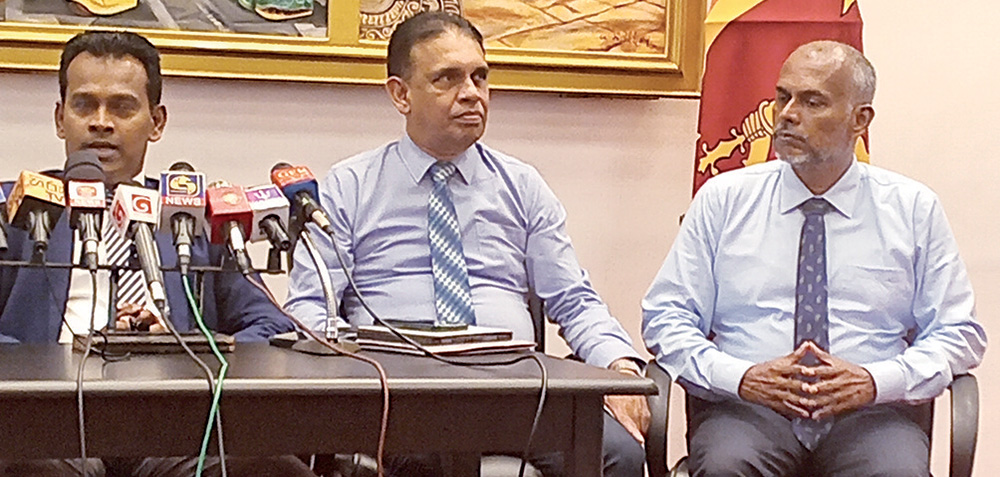
 A press conference was summoned by the Ministry of Tourism and Foreign affairs, last week bringing together top officials, media and other hospitality partners to address growing public concern,assure international travellers and outline the immediate steps taken to ensure safety across all tourist zones. The Deputy Minister of Tourism, Professor Ruwan Ranasinghe and Chairman of SLTPB, Buddhika Hewawasam stepped forward to present a clear,unified message that Sri Lanka remains safe, prepared and committed in protecting the visitors. They calmed anxieties,dispelled myths,rumours and dispelled misinformation and revealed the coordinated efforts of the government to keep the hospitality industry unshaken.
Tourism authorities pointed out even in the aftermath of Ditwah,the arrival of the cruise ship sent a powerful message. the ship’s docking underscored that Sri Lanka is safe . The arrival of this luxury cruise liner carrying hundreds of international passengers, was part of a regional voyage from Mumbai to Singapore. This was a symbolic moment unfolding at the harbour, it was a glimmer of hope in a week overshadowed by stormy clouds. The Tourism authorities reflected this arrival as a sign that confidence in Sri Lanka had not lost hope and showed Sri Lanka is steady,ready,and open.
The Deputy Minister of Tourism Professor Ruwan Ranasinghe in a speech marked by confidence and determination said. “Our teams have worked round the clock to ensure safety, restore access routes and support our travellers”.
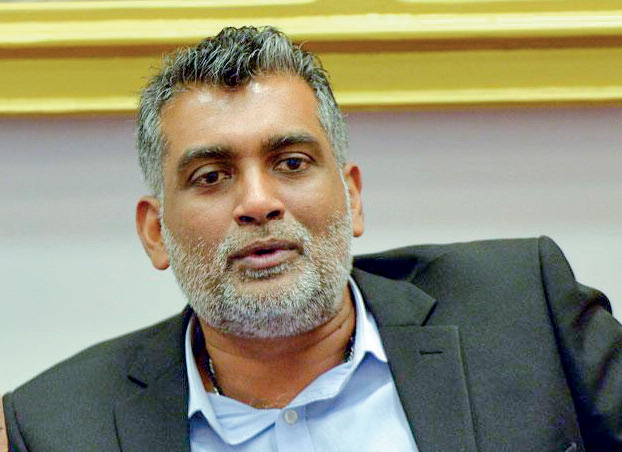
SLTPB Chairman, Buddhika Hewawasam
Today I assured every traveller Sri Lanka is safe, Sri Lanka is open, and Sri Lanka is ready. He confirmed that all major coastal resorts from Negombo to Bentota remain fully operational. Cultural destinations such as Kandy, Dambulla, Kandy,Sigiriya, are now open. He further noted that national parks,including Yala, Udawalawe,Wilpattu had returned operations following rapid assessments. Our key tourist zones are open,accessible and operating under verified safety conditions. He assured that every tourist in the island was safe,
He praised the rescue teams who had worked round the clock, cleaning roads, supporting displaced families and ensuring tourism infrastructure remained intact. To the world I say please come visit, and explore. Our island stands tall and more ready than ever to welcome you. This is not just recovery, he concluded,this is resilience in action. Finally he stressed that Sri Lanka’s tourism sector had demonstrated structural resilience,operational continuity and readiness to maintain international confidence.
The Chairman of the SLTPB Buddika Hewawasam also briefed the media on the ongoing relief operations. He acknowledged the sharp blow and destruction but underscored the country’s resilience. We want to assure travellers that Sri Lanka remains safe. Our teams are on the ground, our infrastructure is being restored and our hospitality sector stands ready to welcome visitors as recovery unfolds.
He said “New the waters have receded, and Sri Lanka is ready to welcome the world. Cyclone Ditwah swept through the island with devastating force, but in its aftermath, a story of resilience, beauty and unwavering hospitality has emerged – one that travellers are invited to witness firsthand”.
For travellers, this is a chance to experience a Sri Lanka that is vibrant and sparkling with life where cultural heritage, natural beauty and warm hospitality blend. Cyclone Ditwah may have left a mark, but it could not dim the island’s radiance.
The Tourism sector is preparing to move forward with renewed emphasis on resilience, safety and rebuilding confidence among international travellers. Sri Lanka has weathered the storm and the world is already sailing back to its shores.

Tiesh jewellery , announced a meaningful partnership with the Infinite Grace Foundation Sri Lanka, an organisation dedicated to transforming lives through love, dignity, purpose, and long-term social impact.
This collaboration marks a significant milestone as two Sri Lankan entities join hands to address some of the country’s most urgent and overlooked challenges, including mental health, drug addiction, prisoner rehabilitation, anti-human trafficking awareness, and the empowerment of estate communities.
Founded on the belief that “Every life deserves to be seen and loved,” the Infinite Grace Foundation symbolises hope, transformation, and inclusion. The Foundation works to extend a lifeline to those often ignored or marginalised, ensuring they are reminded that they are valued, loved, and never alone.
Their vision is deeply aligned to create a Clean Sri Lanka—not only in its physical environment, but in its hearts, minds, and communities. Through systemic intervention, awareness, and rehabilitation, the organisation aims to restore dignity, provide second chances, and help individuals reclaim their potential.
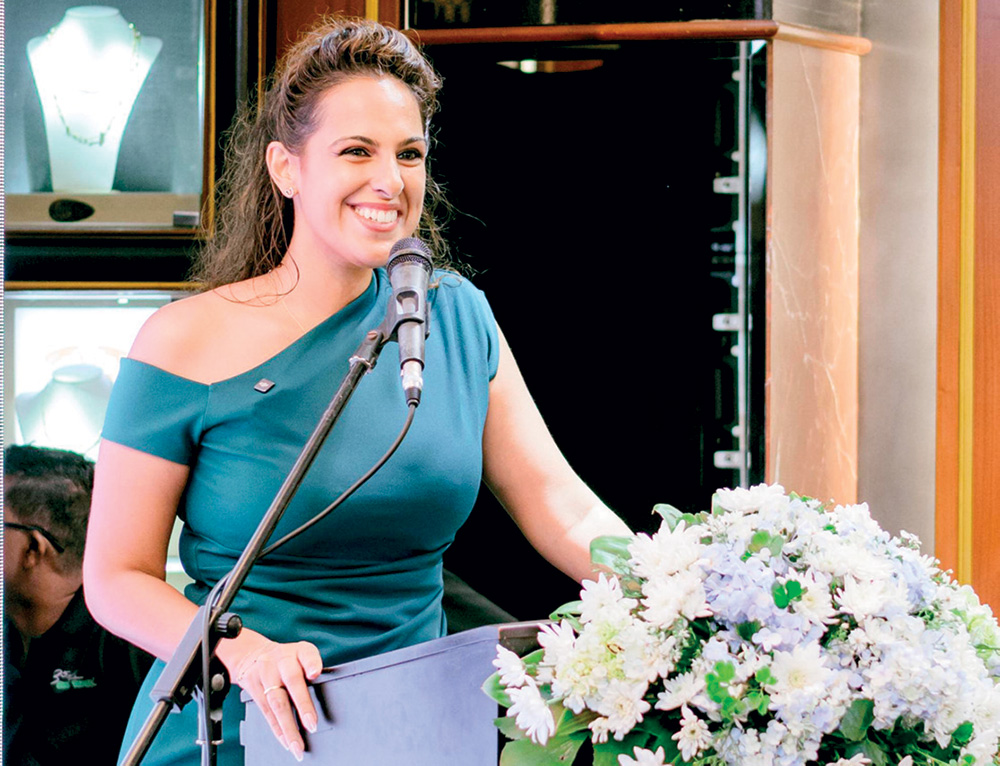
Stephanie Siriwardhana, Founder of the Infinite Grace Foundation and Brand Ambassador for Pure Gold by Tiesh
As part of its awareness and empowerment initiatives, Infinite Grace Foundation has launched the “I See You” campaign—an effort to recognise, support, and uplift individuals who have long been overlooked. Through this campaign, the foundation aims to promote year-round advocacy, encompassing mental health support, panel discussions, and collaborations with organisations and hotlines that support vulnerable groups across the island.
In support of this meaningful initiative, Tiesh has designed an exclusive jewellery collection created with intention and purpose. All proceeds from the collection will be donated directly to the Infinite Grace Foundation. The range features intricately crafted earrings, pendants, chains, rings, and more for women, as well as bracelets, cufflinks, lapel pins, and rings for men. Offered in diamonds, as well as gold and silver, each piece carries a profound message—that every life deserves to be seen, acknowledged, and loved.
With a legacy spanning more than two decades, Tiesh founded by Lasantha and Bryony De Fonseka, has become synonymous with innovation, excellence, and artistry in Sri Lanka’s jewellery landscape. Today, the family-run business is led by the next generation, with Directors Ayesh De Fonseka and Thiyasha De Fonseka continuing to uphold the brand’s commitment to integrity, community, and craftsmanship.
Stephanie Siriwardhana, Founder of the Infinite Grace Foundation and Brand Ambassador for Pure Gold by Tiesh, expressed the impact of this partnership: “This collaboration is special in many ways, and I’m truly grateful that a prestigious jeweller like Tiesh cares about communities that are often unseen—such as prisoners and estate workers. When you change one life, you change a family. When families transform, communities transform, and soon you change the nation. This initiative comes from a personal place. Many people struggle to ask for help, including myself. Through the ‘I See You’ campaign, we aim to provide support, raise awareness, and offer year-round mental health programs, alongside organisations and hotlines that are equipped to help victims and individuals in need. This partnership with Tiesh will be deeply impactful.”
The work of the Infinite Grace Foundation spans multiple critical pillars, including prison reforms, addiction rehabilitation, community education, vocational training, anti-human trafficking awareness, and mental health destigmatisation—all designed to create long-term, sustainable change across Sri Lanka.
Reflecting on the significance of the collaboration, Director of Tiesh, Ayesh De Fonseka, added, “Helping the community is rooted in our beliefs and upbringing. This partnership presented a meaningful opportunity to give back and support an important cause. We believe in second chances, and many individuals need guidance, care, and the opportunity to rebuild their lives. We are honoured to donate all profits from this collection. In the future, we hope to extend support further by offering job opportunities—whether in jewellery craftsmanship, box making, design, or other livelihood pathways.”
Through this partnership, Tiesh and Infinite Grace Foundation reaffirm their shared commitment to building a Sri Lanka where hope thrives, opportunities are equitable, and transformation is within reach for all.
For those wishing to support this initiative or explore the special collection, please visit the Tiesh showroom at 253 R. A. De Mel Mawatha, Colombo 03, or follow Tiesh on social media for updates and campaign information.

“The future needs leaders who can adapt, learn, and respond to change without losing ethical direction” – Prime Minister

PM’s attention draws attention to the Salary Issue of the Government Translators’ Service

Hatton National Bank donates Rs. 100 Million to the ‘Rebuilding Sri Lanka’ Fund

Heavy showers above 100 mm are likely at some places in the Eastern and Central provinces and in the Badulla and Polonnaruwa districts

Post-Ditwah recovery efforts: Rs. 190 bn needed to restore roads and bridges countrywide

Siddhalepa takes authentic Lankan Ayurveda medicine to UK through a collaborative

‘Dates have the highest sugar content to fight Coronavirus’

Sunday Island 27 December – Headlines

#SundayIsland 17th December – Headlines

Sunday Island – 28th March

Sunday Island Headlines – 21 March

Sunday Island – 21st February – Headlines
-
 Business6 days ago
Cabinet approves establishment of two 50 MW wind power stations in Mullikulum, Mannar region
-
 News6 days ago
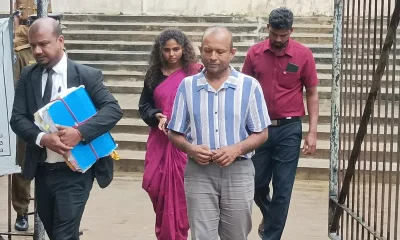
Gota ordered to give court evidence of life threats
-

 Features6 days ago
Cliff and Hank recreate golden era of ‘The Young Ones’
-
 Features6 days ago
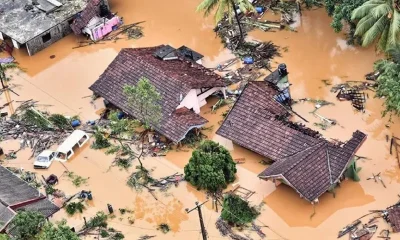
Sri Lanka and Global Climate Emergency: Lessons of Cyclone Ditwah
-

 Latest News7 days ago
Sri Lanka squad named for ACC Men’s U19 Asia Cup
-

 Editorial6 days ago
Experience vs. Inexperience
-
 News6 days ago
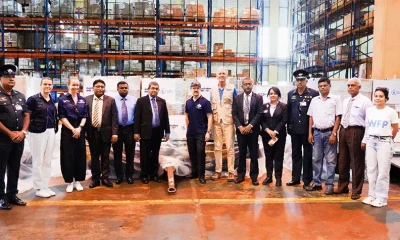
WFP scales up its emergency response in Sri Lanka
-

 News6 days ago
Special programme to clear debris in Biyagama