
Features
The first Hantana Hatana


Peradeniya Student uprising of 1965 and beyond
(Based on an account of the events by Prof. T. Sivaparakasapillai)
A far-reaching achievement of the very last State Council of Ceylon (1942-47) of D. S. Senanayake, prior to independence, was its visionary education policy. Free education, from the kindergarten to university, was legislated in 1945, while the Ceylon University Ordinance was passed in 1942, under C. W. W. Kannangara’s watch as the Minister of Education. Twenty-two central schools teaching English were established. Many, including Ivor Jennings and DSS, had expressed some reservations, questioning if the nation could afford all this. The Trotskyite leader Dr. N. M. Perera is said to have even authored a book, calling to delay these policies until the arrival of the “worker’s revolution”. He argued that “reactionary forces entrenched in power” will use free education to brainwash children against the progressive and anti-colonial message of their movement.
In fact, it was the leaders of the left movement who were most successful in recruiting the youth of the country into their fold. The militant oratory and intellectual-prestige of the left leaders, the anti-imperialist spirit of the age, and the egalitarian thrust of socialism appealed to the naturally rebellious idealism of the young undergraduates of the Peradeniya University. It was a fragile garden of Eden set by the Hantana Hills and the Mahaweli river, ideal for scholarly contemplation. While the University of Ceylon officially “spawned” from its embryo – ‘The University College, Colombo” in 1942 – it was Peradeniya (1952) that marked its coming of age. Its first decade lived up to the dream of its founders, with famous scholars, such as Paranavitana, Malalalsekera, Hettiarachchi, and Kanapathypillai, on board, while Ludowyk, Sarathchandra and others blazed national cultural memes that have taken firm root in the country.
Meanwhile, leftist ideology moved from being a mere intellectual pursuit to becoming the work-book of Student Unions. Student leaders were not just concerned with mere student rights, but with the loftier stuff of “the international struggle of the oppressed”. While there had been several student strikes of a more modest nature, an early and significant political disturbance was disrupting Dudley Senanayake’s visit to the campus in 1962. The student protest of December 1965 was an altogether different, violent watershed event, involving the police as well. The 1965 student strike was “understood” by the student leaders as the first moments of a revolution, claiming that the harbour workers and the CTB were allegedly joining in! This event gave the then government the “justification” for appointing two civil servants as vice-chancellors and increasing its control over universities.
A valuable personal account of the 1965 student strike, written by Ananada Wanasinghe, an undergraduate student of that era, appeared in The Island recently [01]. It added to the campus reminiscences of Mr. Warakaulle, published earlier. Wanasinghe characterised the 1965 event as “The beginning of the end” of the dream of Peradeniya. He recounts how a minority, led by the student leader Shanmugaratnam of the “Maoist wing,” had ignored the opposition of the majority of students and launched the strike. He describes how the police were taunted and attacked by students, and how shots were fired, students tear-gassed, attacked and arrested, while various dons intervened with the police and the students. The writer states:
In the melee, I saw a tall man steadily walking towards the police truck. Pointing at me, he told the officer standing there – ‘You must release this man, otherwise it’s going to be difficult to control the students.’ I came to know later that he was Prof. Sivapragasapillai of the Faculty of Engineering. After some time, I was taken to the Kandy police station. Prof. Siva had followed us to the police station. He bailed me out and took me to hospital. Many students visited me in the hospital. Some of them wept.
Interestingly, there is an account of this watershed event written out at the time by Professor T. Sivaparakasapillai himself. Prof. Siva, a product of the University College, Colombo, was a government scholar at Imperial College, London, in the 1930s. He joined the University of Ceylon, Colombo, in 1950, then moved to Peradeniya and back at the University of Colombo to retire in 1975. His contributions to Sri Lanka’s academic life are too many for us to recount here. As Prof. Siva’s account of the first “Battle of Hantana” is hardly known to the public, we present most of it here.
Saturday, 11th
December 1965.
I was at the Faculty of Engineering at 11 a.m., when Dr. Ariyapala, Wilson and others came looking for Prof. Chinnappa, President, University Teacher’s Association (UTA). They said there was a big clash between the police and the students, and wanted to take officials of the UTA to settle the trouble. We could not find Prof. Chinnappa, nor could we contact Prof. Wickremanayake, Proctor. So we set out in three cars, – mine with Mr. Karunaratne, Dr. Bartlette with Professor Bartholomeusz and Dr. Arumugam, and Dr. Ariyapala’s with some others’.
When we reached Galaha Road, we were informed that the road was blocked and we could not proceed further. We saw other cars turning back and going towards the roundabout. I managed to park my car in the Faculty of Medicine and I saw a policeman bleeding from head to foot, and being carried into the ambulance. Then I walked towards Wijewardena Hall and saw a number of policemen retreating with wicker-shields, followed by an angry mob of students. Both parties were hurling stones at each other, and stones were being pelted at the police also from the balcony of Wijewardena Hall . I told the police to withdraw further, and tried to stop the students chasing the police. … I was able to stop more students proceeding further than the railway bridge. Then they agreed to go back with me to the campus, provided I got the other batches of police out of the campus. These policemen, with an ASP, were at the Shirley de Alwis roundabout. The police wanted me to make the students clear the roadblock and withdraw to their halls. The students wanted their President released before they withdrew. The police would not release an arrested person without taking him to the police station and allow him to be bailed out. I assured the students that I would go with the police and bring their President back. I got a message (from the student President) read out by two students asking the others to get back to their halls and restore order. The ASP was very cooperative but a young sub-inspector, or sergeant, was very rude and upsetting every arrangement that I made with the ASP. He even told me that the senior officer was from the University and not from the police. I told this to the ASP who confirmed that he was from the police, and I checked up that his badges were definitely police.
These two students, after reading the President’s message, were clearing the road blocks when the first lot of policemen, who had withdrawn earlier, returned, firing shots and throwing tear gas into the halls. They assaulted the two students who were clearing the blockade at the request of the ASP. Somehow, we prevented serious injuries and started discussions again. The students were saying, “you want us to go into the halls while the police are filling the halls with tear gas”. The police were saying that they would not stop attacking the students unless I could produce sergeant Seneviratne. I told them that I had seen a policeman being put in an ambulance and said that this might have been the missing Sergeant, but the police insisted that I check up from every hall and assure them that the students were not keeping a policeman inside.
At this stage another lecturer (Peter Silva), in national dress, joined me and we went towards the halls. I saw Professor Bartholomeusz and Dr. Arumugam near Wijewardena Hall, and we all checked up with the students and reported to the police that there was no policeman (held) in any of the halls. Then the police agreed to take me and two other students with the President in a police jeep. We cleared the road block at the level crossing gate and picked up a policeman hiding in the post office and reached Kandy Police Station at about 1:15 p.m. The Inspector recorded the President’s statement and I went with another Inspector and the President to the J. M. O. The J. M. O. advised us to go to the O. P. D and get the wound, an open cut about 1.5 ins long on the head, dressed. He also had swelling at the back of the right shoulder.
At the police station I bailed out the President and went in Dr. Thambiahpillai’s car. From there we went in my car to all the men’s halls and advised the students to remain calm and restore order as one policeman was very seriously injured and about 72 students, including about 25 girls, were injured and in hospital. After that I took the President to Kandy and handed him over to the M. S. around 5 p.m.
This account poignantly brings out the mayhem, turmoil and life-threatening injuries that happen when student leaders “launch a strike” – a rite of passage required of every leader to establish their credentials. In the early 1970s, when Mahinda Rajapaksa visited the Vidyodaya campus as a newly elected rookie MP, the JVP students physically attacked him. Mervyn de Silva, who was with him took up the brunt of the attack, allowing Mahinda R to be whisked out in Prof. Epasinghe’s jeep. The loci of the JVP uprising of 1971 were in University campuses, with the Vidyodaya campus subsequently closed and used as a detention camp. The evident nexus between violent student politics and violent national politics has been the object of various academic studies [2,3,4].
Ragging of freshers is part of the violence and condoned by the student leaders. A decade later, an even more serious Hantane Satana [5] took place in September1976, when serious ragging evolved into student riots; a female student died, and the VC was taken hostage leading to violent police action. Shortly after, I was at a dinner party far away, in the home of Sri Lanka’s then Ambassador to France, viz., Ediriweera Sarathchandra, in Neuilly, Paris. Young Chandrika Bandaranaike, then a strong Marxist, was also at the dinner, and she held that the CIA was instigating all this! The fallout from this incident probably influenced the 1977 elections, where Mrs. Bandaranaike lost power.
The Inter-University Federation (IUF) was launched in 1978. Its main organisational goals, upheld even today (e.g., by Wasantha Mudalige), insist on its foremost commitment to “unconditionally standing up for the rights of the people”, showing that the IUF is effectively an extra-parliamentary political organisation bootstrapping on educational institutions.
[1]
Ananda Wanasinghe (2024); https://island.lk/dream-that-was-peradeniya-the-beginning-of-the-end/
[2]
Dulanjana (2024); https://muragala.lk/wp-content/uploads/2024/06/Student-Politics-in-Sri-Lanka_Sachinda-Dulanjana.pdf
[3]
Weeramunda, A.J. (2008); Report of the research study on “The Socio Political Impact of Student Violence and Indiscipline in Universities and Tertiary Education Institutes.” National Education Commission Sri Lanka, Study Series No. 5 (2007/8).
[4]
Kalugalgedara and Kaushalya (2017); https://www.cepa.lk/wp-content/uploads/2017/11/CEPA_2017_University-Education- Literature-Review_english-20180403052417.pdf
[5]
Rangan (1976); https://www.nytimes.com/1976/12/15/archives/leadership-in-sri-lanka-shaken-by-outbreak-of-student-protests.html
By Chandre Dharmawardana



“Former Chief of Staff of the Sri Lanka Navy and Vice Chancellor of Sir John Kotalawella Defence University.”
Undersea fiber optic cables constitute the backbone of global digital connectivity, carrying over 95% of international data traffic. The increasing geopolitical tensions involving Iran, Israel, and the United States elevate the risk of deliberate or collateral damage to submarine cable systems, particularly in the Persian Gulf, a critical global digital chokepoint. This article examines the strategic consequences of undersea cable sabotage in this region and its cascading effects across the Indian Ocean, with a focused analysis on Sri Lanka’s vulnerabilities and opportunities. It further argues that prolonged disruption could incentivize technologically advanced states and corporations to accelerate satellite-based global internet architectures, potentially reshaping control over global connectivity. The article concludes that Sri Lanka must urgently operationalize the National Submarine Cable Safety and Resilience Framework (NSCPRF) to safeguard national security while positioning itself within this evolving technological and geopolitical landscape.
Beneath the world’s oceans lies a largely invisible but indispensable network of submarine communication cables that form the backbone of the contemporary global order. These cables silently facilitate financial transactions, sustain military command and control, and power the digital economies that define modern life. Yet, in an era of intensifying geopolitical rivalry, this critical infrastructure has emerged as a strategic vulnerability and a prime target for hybrid warfare.
Current tensions among Iran, Israel, and the United States have introduced a new dimension of conflict: seabed contestation. The Persian Gulf, already a focal point for global energy security, has now become equally pivotal for digital connectivity. Any disruption to its dense network of submarine cables would not merely affect regional actors; the consequences would ripple across the global system, threatening financial stability, communications, and strategic operations worldwide. This evolving vulnerability underscores the urgent need to understand, protect, and adapt to the emerging risks facing undersea infrastructure in geopolitically sensitive regions.
Strategic importance of Persian Gulf cable network
The Persian Gulf serves as a critical digital chokepoint in global connectivity, functioning for data flows much like the Strait of Hormuz does for energy transport. A dense aggregation of undersea fiber optic cables traverses this narrow maritime corridor, linking Europe, the Middle East, and South and East Asia. The strategic centrality of the region arises not only from its role in facilitating global commerce and communications but also from its function as a redundancy hub for intercontinental digital traffic.
Several factors exacerbate the vulnerability of this network. First, the geographic concentration of cable routes in a limited corridor creates systemic risk: damage to even a few cables could severely disrupt connectivity. Second, the relatively shallow waters of the Gulf render cables physically accessible to divers, remotely operated underwater vehicles, and maritime operations that may inadvertently or deliberately cause damage. Third, the proximity of these routes to active conflict zones, territorial disputes, and naval operations further elevates the risk of intentional or collateral disruption.
A significant interruption in the Persian Gulf cable network would have far-reaching consequences, potentially impairing intercontinental data flows, destabilizing financial markets, degrading strategic communications, and undermining both commercial and military operations worldwide. This underscores the Persian Gulf’s dual role as a linchpin of global connectivity and a high-value target within contemporary hybrid warfare and geopolitical contestation.
Undersea cable sabotage as hybrid warfare
Undersea cables, due to their strategic importance and relative physical exposure, constitute high-value targets within contemporary hybrid warfare scenarios. Both state and non-state actors may seek to exploit these vulnerabilities through methods that are difficult to attribute, enabling deniable or covert operations while inflicting disproportionate disruption.
Potential attack vectors encompass a range of capabilities. Physical interference may be conducted by divers, unmanned underwater vehicles (UUVs), or remotely operated submersibles, allowing direct manipulation or damage to cable infrastructure. Covert disruption may also occur through maritime activities, such as the unintentional or deliberate anchoring of commercial vessels, trawlers, or offshore operations in cable corridors. In parallel, cyberattacks targeting cable landing stations, associated terrestrial networks, or associated operational technology systems could degrade functionality without physical intervention.
Historical precedent underscores the plausibility of such scenarios. The 2008 Mediterranean submarine cable disruption, which caused widespread interruptions in internet connectivity across multiple regions, illustrates how failures, whether accidental or malicious can propagate globally. In the context of conflict involving high-stakes geopolitical actors, deliberate and coordinated sabotage could amplify these impacts, triggering cascading disruptions across financial systems, communications, and critical infrastructure worldwide.
Global consequences and systemic risks
A major disruption to undersea cable systems in the Persian Gulf would have far-reaching and cascading effects across the global digital and economic landscape. Financial systems, including banking networks, trading platforms, and digital payment infrastructures, could experience severe instability, potentially halting international transactions and market operations. Digital services reliant on continuous connectivity, such as cloud computing, data centers, and online platforms would face operational collapse, disrupting both commercial and governmental functions worldwide.
From a security perspective, military command, control, and communication systems could be degraded, compromising operational readiness and the ability to coordinate defense and strategic responses. Logistical networks, encompassing aviation, maritime shipping, and port operations, would similarly be affected, creating delays in supply chains and critical goods transportation.
The sudden rerouting of data traffic through alternative pathways, notably via the Indian Ocean region, would place immense strain on those networks, exacerbating congestion and increasing vulnerability to further disruption. In this context, Persian Gulf cable vulnerabilities are not merely regional concerns; they represent systemic risks capable of destabilizing global connectivity, commerce, and security simultaneously.
Spillover into the Indian Ocean region
The Indian Ocean functions as a strategically significant secondary corridor for global data traffic, linking the Persian Gulf, South Asia, Southeast Asia, and Africa. In the event of disruptions to submarine cables in the Persian Gulf, whether due to conflict, sabotage, or hybrid warfare traffic would inevitably be rerouted through Indian Ocean pathways, placing unprecedented strain on existing networks. This redirection could result in severe bandwidth congestion, degradation of service quality, and delays in critical communications for both commercial and military operations.
The increased reliance on the Indian Ocean network would also elevate the region’s vulnerability to further attacks, whether deliberate or opportunistic, as adversaries may seek to exploit the bottlenecked infrastructure. Moreover, the operational scope of any regional conflict could expand, effectively extending the theatre of digital contestation to the Indian Ocean and affecting the maritime security environment of surrounding nations.
Consequently, the Indian Ocean is not merely a passive conduit for rerouted data; it could emerge as an active domain of strategic competition, where control over undersea infrastructure and the ability to defend it becomes a critical determinant of regional and global digital resilience.
Sri Lanka’s strategic position and vulnerability
Situated at a pivotal maritime and digital crossroads in the Indian Ocean, Sri Lanka occupies a uniquely strategic position within global communication networks. The island serves as a critical node for multiple undersea fiber optic cable systems, including the SEA-ME-WE 3, 4, and 5 series, the Bay of Bengal Gateway (BBG), FALCON, as well as Chinese-led systems such as the Asia-Pacific Cable Network (APCN) and China-Asia-Pacific Network (CAPN). These networks not only connect Europe, South Asia, Southeast Asia, and the Middle East, but also provide essential redundancy for global data traffic, rendering Sri Lanka an indispensable conduit for intercontinental digital flows.
Vulnerabilities
Sri Lanka’s strategic location, while advantageous, also exposes it to significant vulnerabilities. In the event of disruptions elsewhere in the network, traffic is often rerouted through the island, increasing the operational load on existing infrastructure and heightening the risk of congestion. Moreover, the island’s position as a critical redundancy node renders it a potential target for deliberate attacks or sabotage in scenarios of geopolitical tension. Currently, the absence of a fully operational legal and regulatory framework for submarine cable protection exacerbates these risks, leaving strategic infrastructure exposed. Limitations in seabed surveillance and rapid response capability further constrain the country’s ability to detect, deter, and mitigate threats effectively.
National implications
Disruptions to Sri Lanka’s undersea cable network could have profound national consequences. Financial and commercial systems reliant on uninterrupted digital connectivity would face operational instability, with potential cascading effects on banking, trading, and online services. Port operations and maritime logistics, which increasingly depend on real-time communication and data flows, would also be adversely affected, impacting the island’s role as a regional transshipment hub. From a national security perspective, interruptions could compromise command, control, and communication systems essential for defense and maritime governance. Finally, economic repercussions would extend to the digital and technology sectors, threatening both foreign investment and domestic industry reliant on high-speed connectivity.
In sum, Sri Lanka’s unique position at the intersection of major global and regional undersea cable systems provides both strategic leverage and significant exposure. Recognizing and addressing these vulnerabilities through a comprehensive protection and resilience framework is essential for national security, economic stability, and regional digital leadership.
Indian Ocean nexus: From seabed vulnerability to space-based control
A disruption originating in the Persian Gulf would cascade into the Indian Ocean, where dense maritime activity and limited surveillance heighten systemic risk. Reduced communication integrity and gaps in maritime awareness could mask further interference with submarine cables, compounding the crisis. Also, the Fragmented jurisdiction under frameworks such as the United Nations Convention on the Law of the Sea and limitations in real-time monitoring create exploitable gaps.
Yet disruption also creates opportunity. Technologically advanced nations and corporations, already deploying Low Earth Orbit (LEO) satellite constellations, could rapidly step in as alternative providers of global connectivity. Systems led by SpaceX, Amazon, and OneWeb are capable of scaling quickly to offset cable outages, while China’s state-backed China Satellite Network Group (Guowang) and commercial initiatives such as Qianfan further reinforce this emerging space-based connectivity architecture. In such a context, the large-scale deployment of thousands of miniature satellites dedicated to global data connectivity by technologically advanced nations cannot be ruled out, further accelerating the shift toward space-based communication dominance.
Emerging risk: Space-based connectivity and strategic monopoly
A prolonged or large-scale disruption of undersea cable systems could catalyze a structural shift in global connectivity architecture. High-technology corporations and advanced states may exploit such a crisis to accelerate the deployment of satellite constellations, effectively bypassing vulnerable seabed infrastructure.
Sustained or large-scale disruption of undersea cable systems possesses the capacity to trigger a profound structural transformation in the global connectivity landscape. In such a scenario, technologically advanced states and private enterprises could exploit the crisis to accelerate the deployment of satellite constellations, effectively bypassing the vulnerabilities inherent in submarine cable infrastructure. This transition would fundamentally reshape the architecture of global communications, enabling rapid network deployment that surpasses the timelines required to repair damaged cables. It also carries the potential to centralize control over global connectivity within a narrow set of actors, undermining national data sovereignty and altering the distribution of geopolitical influence by establishing dominance over space-based communication systems. In effect, disruption at sea may act as a catalyst, accelerating a strategic shift from seabed-based to orbital-based control of global information flows, concentrating technological, informational, and strategic power in the hands of a limited cohort of state and corporate actors, and redefining the very nature of global digital governance.
Case for national submarine cable safety and resilience framework
Sri Lanka’s proposed National Submarine Cable Safety and Resilience Framework (NSCPRF) constitutes a proactive and strategically essential response to the evolving spectrum of threats to critical undersea communication infrastructure. Recognizing the vulnerabilities posed by both accidental and deliberate disruptions, the framework has been developed with technical guidance from the International Cable Protection Committee (ICPC) and operational support from the United Nations Office on Drugs and Crime (UNODC). Importantly, it aligns with international obligations, including UN General Assembly Resolution A/RES/73/124, thereby situating Sri Lanka’s initiative within the broader framework of global maritime security norms.
The NSCPRF is designed around four core objectives: first, to formally recognize submarine cables as Critical National Infrastructure, thereby elevating their status within national security and policy frameworks; second, to establish dedicated Cable Protection Zones within Sri Lanka’s Exclusive Economic Zone (EEZ) to prevent inadvertent damage and deliberate interference; third, to integrate naval, coastguard, and civilian agencies into coordinated protection, monitoring, and enforcement efforts, ensuring a unified operational response; and fourth, to develop rapid repair and contingency mechanisms capable of restoring connectivity promptly in the event of disruption. Collectively, these measures aim to safeguard Sri Lanka’s strategic digital infrastructure, mitigate the risks associated with global cable vulnerabilities, and strengthen the country’s resilience in an increasingly contested maritime and technological domain.
Strategic recommendations
To enhance national resilience and strengthen Sri Lanka’s strategic positioning in the emerging landscape of maritime and digital security, a multi-dimensional approach is required. First and foremost, the NSCPRF should be enacted without delay, providing a formal legal and operational framework that recognizes submarine cables as critical national infrastructure and establishes robust protection protocols.
Second, Sri Lanka must significantly strengthen its Maritime Domain Awareness (MDA) capabilities, with a particular emphasis on seabed surveillance and real-time monitoring of undersea cable routes. This would enable early detection of potential threats, ranging from accidental damage to deliberate sabotage, and allow for timely, coordinated responses.
Third, the development of specialized naval and coastguard capabilities dedicated to submarine cable protection is essential. These forces should be trained and equipped for rapid interdiction, repair support, and enforcement operations within Sri Lanka’s Exclusive Economic Zone (EEZ), ensuring both deterrence and resilience against emerging threats.
Fourth, infrastructure redundancy should be promoted through diversification of cable routes and integration with alternative regional networks. Redundant pathways would reduce the operational and economic impact of localized disruptions, ensuring continuity of digital communications under a variety of contingency scenarios.
Fifth, Sri Lanka should actively engage in international partnerships to facilitate coordinated protection, information sharing, and joint response mechanisms. Collaboration with regional actors, international organizations, and private cable operators would enhance collective security and resilience across the Indian Ocean Region.
Finally, as the risk of space-based connectivity monopolization grows, Sri Lanka should assess the integration of satellite systems as a complementary component of national digital infrastructure. This approach would safeguard against technological dependency on a limited number of external actors, while maintaining national control over critical communications.
Taken together, these recommendations provide a comprehensive roadmap for safeguarding Sri Lanka’s undersea cable infrastructure, reinforcing national security, and positioning the country as a regional leader in maritime and digital resilience.
Securing seabed, safeguarding the skies
Undersea cables are no longer merely commercial infrastructure; they are strategic assets at the heart of global stability. In a conflict involving Iran, Israel, and the United States, disruption in the Persian Gulf could trigger a global digital crisis, with cascading effects across the Indian Ocean.
Simultaneously, such a disruption could open the door for technologically advanced actors to redefine global connectivity through satellite constellations, potentially establishing monopolistic control over digital networks.
The crisis envisioned in “When the Seabed Goes Dark” is not hypothetical, but it is structurally plausible. The convergence of dense cable networks, geopolitical rivalry, and weak maritime governance creates conditions where disruption is not only possible, but strategically attractive. What follows may be even more consequential: a shift in global connectivity from the ocean floor to orbital space where control is narrower, faster, and potentially monopolistic.
For nations like Sri Lanka and the broader Indian Ocean region, the challenge is clear: secure seabed infrastructure while preparing for the strategic realities of space-based connectivity.
For the broader Indo-Pacific region, the challenge is clear: to secure the seas without surrendering the skies. By operationalizing the NSCPRF and adopting a forward-looking posture, Sri Lanka can transform vulnerability into leadership in the emerging domain of integrated maritime and digital security.
In the future battle-space, dominance will depend not only on control of the seas , but on control of the data pathways beneath them and the satellites above them.
This article and its conceptual framework are based on the research and analysis of Rear Admiral JJ Ranasinghe (Retd), who holds a master’s degree in Maritime Policy from the University of Wollongong, reflecting his strategic insights into undersea cable vulnerabilities, Indo-Pacific maritime security, and emerging space-based connectivity risks.
by Rear Admiral Jagath Ranasinghe Retd)
VSV, USP, psc, MSc (DS) Mgt, MMaritimePol (Aus),
PG Dip in CPS, DIP in CR, FNI(Lond), Former Govt Fellow GCSP,
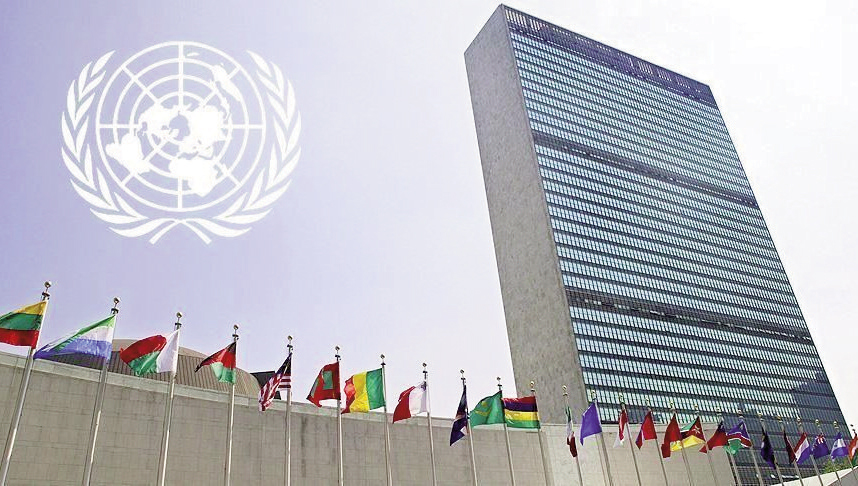
Article 2(4) of the United Nations Charter prohibits member states from using threats or force against the territorial integrity or political independence of any state. Violating international law, the United States and Israel attacked Iran on February 28, 2026. The ostensible reason for this unprovoked aggression was to prevent Iran from developing a nuclear weapon.
The United States is the first and only country to have used nuclear weapons in war, against Japan in August 1945. Some officials in Israel have threatened to use a “doomsday weapon” against Gaza. On March 14, David Sacks, billionaire venture capitalist and AI and crypto czar in the Trump administration, warned that Israel may resort to nuclear weapons as its war with Iran spirals out of control and the country faces “destruction.”
Although for decades Iran’s Supreme Leader, Ali Khamenei, opposed nuclear weapons on religious grounds, in the face of current existential threats it is likely that Iran will pursue their development. On March 22, the head of the WHO warned of possible nuclear risks after nuclear facilities in both Iran and Israel were attacked. Indeed, will the current war in the Middle East continue for months or years, or end sooner with the possible use of a nuclear weapon by Israel or the United States?
Widening Destruction
Apart from the threat of nuclear conflagration—and what many analysts consider an impending ground invasion by American troops—extensive attacks using bombs, missiles, and drones are continuing apace, causing massive loss of life and destruction of resources and infrastructure. US–Israel airstrikes have killed Ayatollah Ali Khamenei and top Iranian officials. Countless civilians have died, including some 150 girls in a primary school in Minab, in what UNESCO has called a “grave violation of humanitarian law.” Moreover, the targeting of desalination plants by both sides could severely disrupt water supplies across desert regions.
Iran’s retaliatory attacks on United States military bases in Persian Gulf countries have disrupted global air travel. Even more significantly, Iran’s closure of the Strait of Hormuz—the critical maritime energy chokepoint through which 20% of global oil and liquefied natural gas pass daily—has blocked the flow of energy supplies and goods, posing a severe threat to the fossil fuel–driven global economy. A global economic crisis is emerging, with soaring oil prices, power shortages, inflation, loss of livelihoods, and deep uncertainty over food security and survival.
The inconsistent application of international law, along with structural limitations of the United Nations, erodes trust in global governance and the moral authority of Western powers and multilateral institutions. Resolution 2817 (2026), adopted by the UN Security Council on March 12, condemns Iran’s “egregious attacks” against its neighbours without any condemnation of US–Israeli actions—an imbalance that underscores this concern.
The current crisis is exposing fault lines in the neo-colonial political, economic, and moral order that has been in place since the Second World War. Iran’s defiance poses a significant challenge to longstanding patterns of intervention and regime-change agendas pursued by the United States and its allies in the Global South. The difficulty the United States faces in rallying NATO and other allies also reflects a notable geopolitical shift. Meanwhile, the expansion of yuan-based oil trade and alternative financial settlement mechanisms is weakening the petrodollar system and dollar dominance. Opposition within the United States—including from segments of conservatives and Republicans—signals growing skepticism about the ideological and moral basis of a US war against Iran seemingly driven by Israel.
A New World Order?
The unipolar world dominated by the United States—rooted in inequality, coercion, and militarism—is destabilising, fragmenting, and generating widespread chaos and suffering. Challenges to this order, including from Iran, point toward a fragmented multipolar world in which multiple actors possess agency and leverage.
The BRICS bloc—Brazil, Russia, India, China, South Africa, along with Iran, the UAE, and other members—represents efforts to create alternative economic and financial systems, including development banks and reserve currencies that challenge Western financial dominance.
However, is BRICS leading the world toward a much-needed order, based on equity, partnership, and peace? The behaviour of BRICS countries during the current crisis does not indicate strong collective leadership or commitment to such principles. Instead, many appear to be leveraging the situation for national advantage, particularly regarding access to energy supplies.
A clear example of this opportunism is India, the current head of the BRICS bloc. Historically a leader of non-alignment and a supporter of the Palestinian cause, India now presents itself as a neutral party upholding international law and state sovereignty. However, it co-sponsored and supported UN Security Council Resolution 2817 (2026), which condemns only Iran.
India is also part of the USA–Israel–India–UAE strategic nexus involving defence cooperation, technology sharing, and counterterrorism. Additionally, it participates in the Quadrilateral Security Dialogue (QUAD) with the United States, Japan, and Australia, aimed at countering China’s growing influence. In effect, despite its leadership role in BRICS, India is closely aligned with the United States, raising questions about its ability to offer independent leadership in shaping a new world order.
As a group, BRICS does not fundamentally challenge corporate hegemony, the concentration of wealth among a global elite, or entrenched technological and military dominance. While it rejects aspects of Western geopolitical hierarchy, it largely upholds neoliberal economic principles: competition, free trade, privatisation, open markets, export-led growth, globalisation, and rapid technological expansion.
The current Middle East crisis underscores the need to question the assumption that globalisation, market expansion, and technological growth are the foundations of human well-being. The oil and food crises, declining remittances from Asian workers in the Middle East, and reduced tourism due to disruptions in the Strait of Hormuz and regional airspace all highlight the fragility of global interdependence.
These conditions call for consideration of alternative frameworks—bioregionalism, import substitution, local control of resources, food and energy self-sufficiency, and renewable energy—in place of dependence on imported fossil fuels and global supply chains.
Both the Western economic model and its BRICS variant continue to prioritise techno-capitalist expansion and militarism, despite overwhelming evidence linking these systems to environmental destruction and social inequality. While it is difficult for individual countries to challenge this dominant model, history offers lessons in collective resistance.
Collective Resistance
One of the earliest examples of nationalist economic resistance in the post-World War II period was the nationalisation of the Anglo-Iranian Oil Company and the creation of the National Iranian Oil Company in 1951 under Prime Minister Mohammad Mosaddegh. He was overthrown on August 19, 1953, in a coup orchestrated by the US CIA and British intelligence (MI6), and Shah Mohammad Reza Pahlavi was installed to protect Western oil interests.
A milestone for decolonisation occurred in Egypt in 1956, when President Gamal Abdel Nasser nationalised the Suez Canal Company. Despite military intervention by Israel, the United Kingdom, and France, Nasser retained control, emerging as a symbol of Arab and Third World nationalism.
Following political independence, many former colonies sought to avoid entanglement in the Cold War through the Non-Aligned Movement (NAM), officially founded in Belgrade in 1961. Leaders including Josip Broz Tito, Jawaharlal Nehru, Gamal Abdel Nasser, Kwame Nkrumah, Sukarno, and Sirimavo Bandaranaike promoted autonomous development paths aligned with national priorities and cultural traditions.
However, maintaining economic sovereignty proved far more difficult. Patrice Lumumba, the first democratically elected Prime Minister of the Democratic Republic of the Congo, was assassinated in 1961 with the involvement of US and Belgian interests after attempting to assert control over national resources. Kwame Nkrumah was similarly overthrown in a US-backed coup in 1966.
In Tanzania, Julius Nyerere’s Ujamaa (“African socialism”) sought to build community-based development and food security, but faced both internal challenges and external opposition, ultimately limiting its success and discouraging similar efforts elsewhere.
UN declarations from the 1970s reflect Global South resistance to the Bretton Woods system. Notably, the 1974 Declaration on the Establishment of a New International Economic Order (Resolution 3201) called for equitable cooperation between developed and developing countries based on dignity and sovereign equality.
Today, these declarations are more relevant than ever, as Iran and other Global South nations confront overlapping crises of economic instability, neocolonial pressures, and intensifying geopolitical rivalry. Courtesy: Inter Press Service
by Dr. Asoka Bandarage
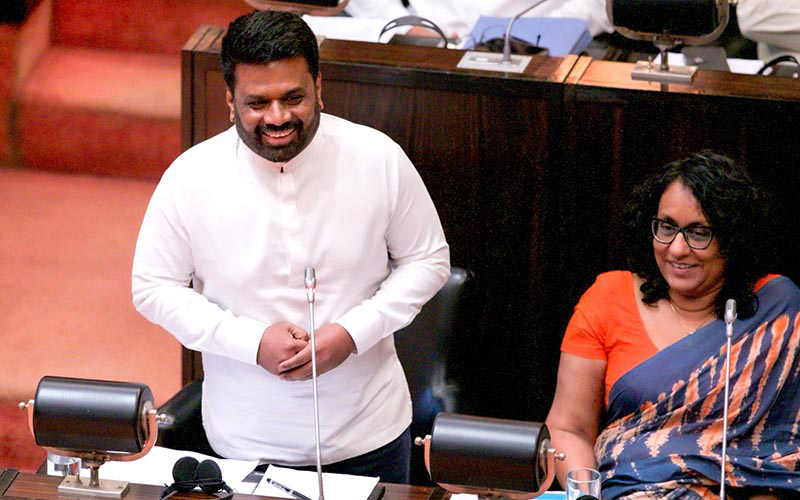
The long standing foreign policy of Sri Lanka was Non-Alignment. However, in the context of emerging geopolitical rivalries, there was a need to question the adequacy of Non-Alignment as a policy to meet developing challenges. Neutrality as being a more effective Policy was first presented in an article titled “Independence: its meaning and a direction for the future” (The Island, February 14, 2019). The switch over from Non-Alignment to Neutrality was first adopted by former President Gotabaya Rajapaksa and followed through by successive Governments. However, it was the current Government that did not miss an opportunity to announce that its Foreign Policy was Neutral.
The policy of Neutrality has served the interests of Sri Lanka by the principled stand taken in respect of the requests made by two belligerents associated with the Middle East War. The justification for the position adopted was conveyed by President Anura Kumara Dissanayake to Parliament that Iran had made a formal request on February 26 for three Iranian naval ships to visit Sri Lanka, and on the same evening, the United States also requested permission for two war planes to land at Mattala International Airport. Both requests were denied on grounds of maintaining “our policy of neutrality”.
WHY NEUTRALITY
Excerpts from the article cited above that recommended Neutrality as the best option for Sri Lanka considering the vulnerability to its security presented by its geographic location in the context of emerging rivalries arising from “Pivot to Asia” are presented below:
“Traditional thinking as to how small States could cope with external pressures are supposed to be: (1) Non-alignment with any of the major centers of power; (2) Alignment with one of the major powers thus making a choice and facing the consequences of which power block prevails; (3) Bandwagoning which involves unequal exchange where the small State makes asymmetric concessions to the dominant power and accepts a subordinate role of a vassal State; (4) Hedging, which attempts to secure economic and security benefits of engagement with each power center: (5) Balancing pressures individually, or by forming alliances with other small States; (6) Neutrality”.
Of the six strategies cited above, the only strategy that permits a sovereign independent nation to charter its own destiny is neutrality, as it is with Switzerland and some Nordic countries. The independence to self-determine the destiny of a nation requires security in respect of Inviolability of Territory, Food Security, Energy Security etc. Of these, the most critical of securities is the Inviolability of Territory. Consequently, Neutrality has more relevance to protect Territorial Security because it is based on International Law, as opposed to Non-Alignment which is based on principles applicable to specific countries that pledged to abide by them
“The sources of the international law of neutrality are customary international law and, for certain questions, international treaties, in particular the Paris Declaration of 1856, the 1907 Hague Convention No. V respecting the Rights and Duties of Neutral Powers and Persons in Case of War on Land, the 1907 Hague Convention No. XIII concerning the Rights and Duties of Neutral Powers in Naval War, the four 1949 Geneva Conventions and Additional Protocol I of 1977” (ICRC Publication on Neutrality, 2022).
As part of its Duties a Neutral State “must ensure respect for its neutrality, if necessary, using force to repel any violation of its territory. Violations include failure to respect the prohibitions placed on belligerent parties with regard to certain activities in neutral territory, described above. The fact that a neutral State uses force to repel attempts to violate its neutrality cannot be regarded as a hostile act. If the neutral State defends its neutrality, it must however respect the limits which international law imposes on the use of force. The neutral State must treat the opposing belligerent States impartially. However, impartiality does not mean that a State is bound to treat the belligerents in exactly the same way. It entails a prohibition on discrimination” (Ibid).
“It forbids only differential treatment of the belligerents which in view of the specific problem of armed conflict is not justified. Therefore, a neutral State is not obliged to eliminate differences in commercial relations between itself and each of the parties to the conflict at the time of the outbreak of the armed conflict. It is entitled to continue existing commercial relations. A change in these commercial relationships could, however, constitute taking sides inconsistent with the status of neutrality” (Ibid).
THE POTENTIAL of NEUTRALITY
It is apparent from the foregoing that Neutrality as a Policy is not “Passive” as some misguided claim Neutrality to be. On the other hand, it could be dynamic to the extent a country chooses to be as demonstrated by the actions taken recently to address the challenges presented during the ongoing Middle East War. Furthermore, Neutrality does not prevent Sri Lanka from engaging in Commercial activities with other States to ensuring Food and Energy security.
If such arrangements are undertaken on the basis of unsolicited offers as it was, for instance, with Japan’s Light Rail Project or Sinopec’s 200,000 Barrels a Day Refinery, principles of Neutrality would be violated because it violates the cardinal principle of Neutrality, namely, impartiality. The proposal to set up an Energy Complex in Trincomalee with India and UAE would be no different because it restricts the opportunity to one defined Party, thus defying impartiality. On the other hand, if Sri Lanka defines the scope of the Project and calls for Expressions of Interest and impartially chooses the most favourable with transparency, principles of Neutrality would be intact. More importantly, such conduct would attract the confidence of Investors to engage in ventures impartial in a principled manner. Such an approach would amount to continue the momentum of the professional approach adopted to meet the challenges of the Middle East War.
CONCLUSION
The manner in which Sri Lanka acted, first to deny access to the territory of Sri Lanka followed up by the humanitarian measures adopted to save the survivors of the torpedoed ship, earned honour and respect for the principled approach adopted to protect territorial inviolability based on International provisions of Neutrality.
If Sri Lanka continues with the momentum gained and adopts impartial and principled measures recommended above to develop the country and the wellbeing of its Peoples, based on self-reliance, this Government would be giving Sri Lanka a new direction and a fresh meaning to Neutrality that is not passive but dynamic.
by Neville Ladduwahetty

When seabed goes dark: The Persian Gulf, cable sabotage, and race for space-based monopoly

Timeless thriller, Nommara 17

CFW partners with BRICS International Fashion Federation

Police engagement supports wildlife protection in hill country

LadyJ, The Pappare to power Colombo Kickerz Football Academy in 2026 / 27 season

No fitness, no IPL

‘Dates have the highest sugar content to fight Coronavirus’

Sunday Island 27 December – Headlines

#SundayIsland 17th December – Headlines

Sunday Island – 28th March

Sunday Island Headlines – 21 March

Sunday Island – 21st February – Headlines
-

 News4 days ago
Senior citizens above 70 years to receive March allowances on Thursday (26)
-

 Features24 hours ago
A World Order in Crisis: War, Power, and Resistance
-

 Features6 days ago
Trincomalee oil tank farm: An engineering marvel
-

 News2 days ago
Energy Minister indicted on corruption charges ahead of no-faith motion against him
-

 News3 days ago
US dodges question on AKD’s claim SL denied permission for military aircraft to land
-

 Features6 days ago
The scientist who was finally heard
-

 Business3 days ago
Dialog Unveils Dialog Play Mini with Netflix and Apple TV
-

 Sports2 days ago
SLC to hold EGM in April