
News
SL’s canned fish producers say undercutting by importers has badly hit the industry

Calls for a level playing field
BY SURESH PERERA
Asserting that importers enjoy a competitive edge in Sri Lanka’s canned fish industry, beleaguered local producers called for a level playing field, saying they are “being pushed to the wall due to undercutting”.
The local manufacturers threw a lifeline to the troubled fisheries industry by procuring 700 metric tons of ‘Linna’ (Mackerel fish) in the backdrop of the drastic drop in fish consumption following the eruption of the Peliyagoda Covid-19 cluster, but questions are now being raised whether the move was viable as importers are one step ahead in terms of competitive pricing.
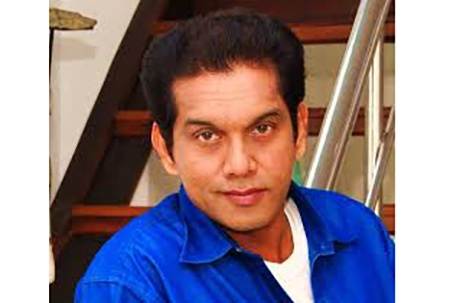
“How can Sri Lanka’s canned fish industry be developed when importers pay a duty of a negligible twenty five cents per kilo on the consignments they inject into the local market?”, asked Kamal Addaraarachchi, a member of the Canned Fish Producers’ Association of Sri Lanka.
This is ridiculous, he protested, adding that importers are given priority to the detriment of the local industry, which remains largely side-lined and fettered in its ambitious drive to boost the country’s economy.
With island-wide consumption at 250,000 cans per day, Sri Lanka imports canned fish worth Rs. 14.43 billion (US$ 78 million) annually. The products come largely from China, while Chile is also a source for procurement.
Though there are seven registered canned fish producing companies in Sri Lanka, only five are in active business, he said.
The local demand for canned fish has shot up as most people now avoid consumption of fish following the Peliyagoda corona outbreak. Canned fish is sold between Rs. 260-300 per 425g and small cans at Rs. 130-150.
However, with no effective price control mechanism coupled with the disruption in distribution, some traders have cashed in on the existing shortages to make a fast buck, consumers complained.
Unlike local producers, importers have no worries as they pay low duties and maintain a substantial margin so much so they can reduce as much as Rs. 25-50 per 425g can at any time and still make a profit, Addaraarachchi claimed.
The government should impose a cess on imported products to encourage local production, he emphasized.
He said that when procuring fish locally, there’s invariably 35% depreciation in terms of quality and another 15% is rejected due to poor handling. The fish that’s turned down is later sold as dry fish by suppliers, which is an unhealthy practice, he noted.
The high rate of rejection is due to non availability of facilities for fishermen to preserve their catch, which is an area that needs priority attention of the authorities to make maximum use of the country’s marine resources, he further said.
“At times, we import frozen fish from Japan, China and Chile to meet production demands”, he continued.
Asked whether the local industry has the capacity to meet the country’s annual demand for canned fish, Addaraarachchi outlined that imports should be gradually phased out until producers geared themselves to enhance production capacity.
Initially, if a stock of 150,000 cans is imported on a daily basis, this can be trimmed to 100,000 in a process that allows local production to systematically meet the shortfall. At the end of the day, the country will be saving a substantial volume of foreign exchange, he explained.
“We don’t want government subsidies. What we are asking for are adequate bank facilities to build up the industry. Within three months, we will be self-sufficient in canned fish and within a year even have excess stocks for export”, he added.
Addaraarachchi said the Association discussed their grievances with Trade Minister Bandula Gunawardena, who assured that the issues pertaining to duties (on imports) will be taken up with the Prime Minister and the Finance Ministry.

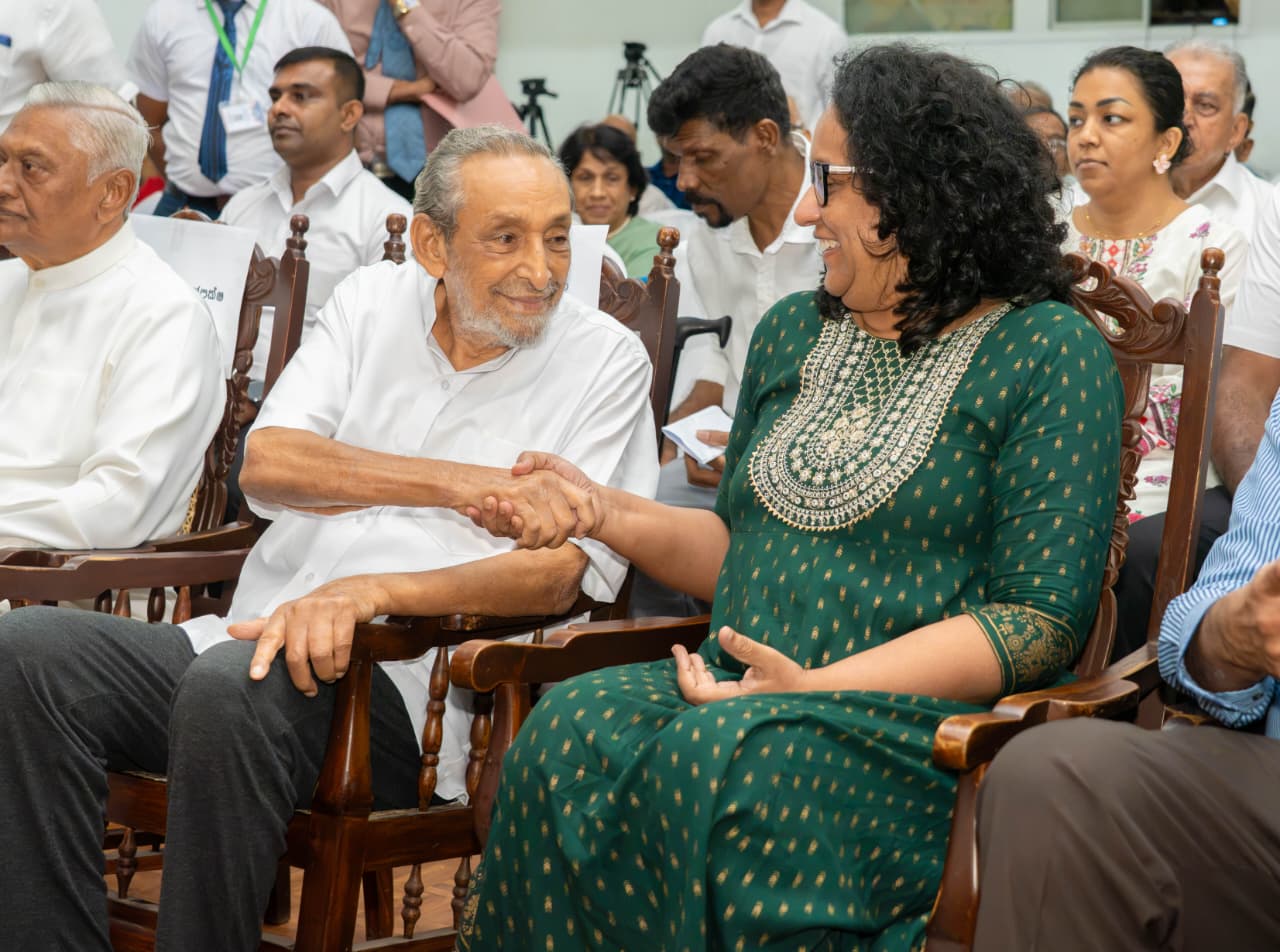
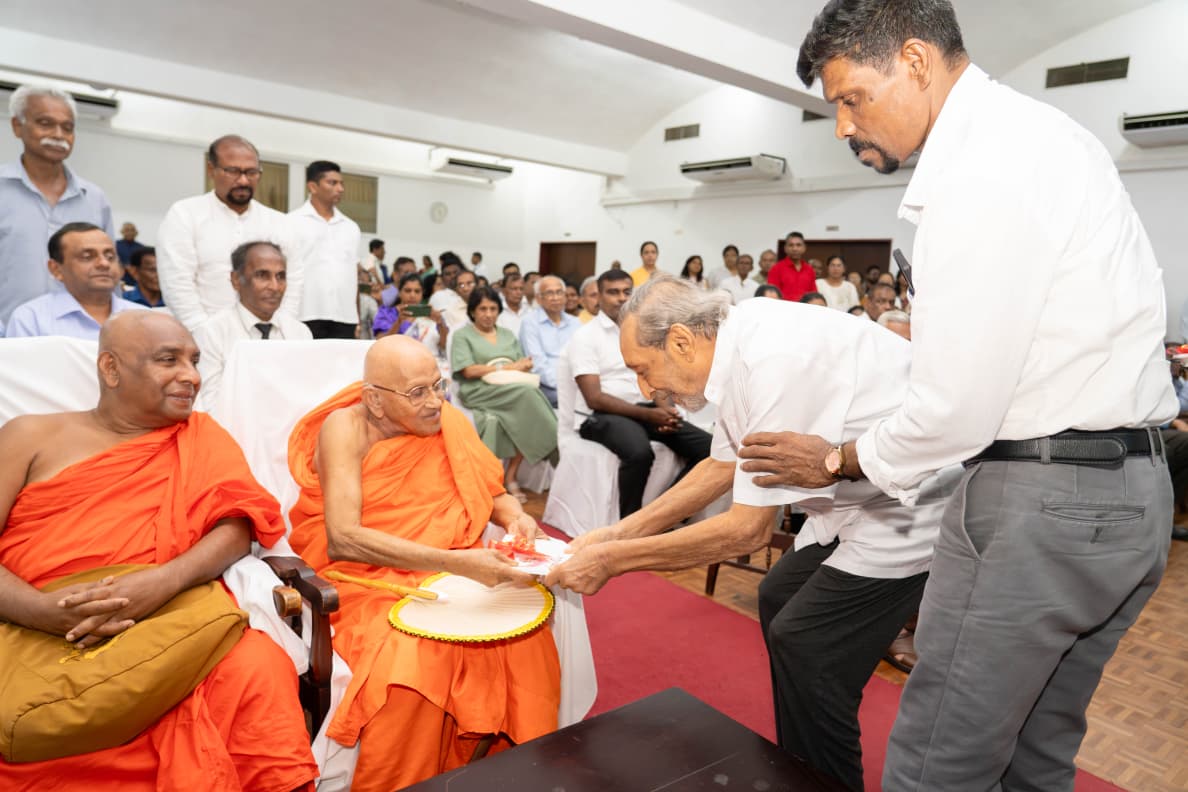
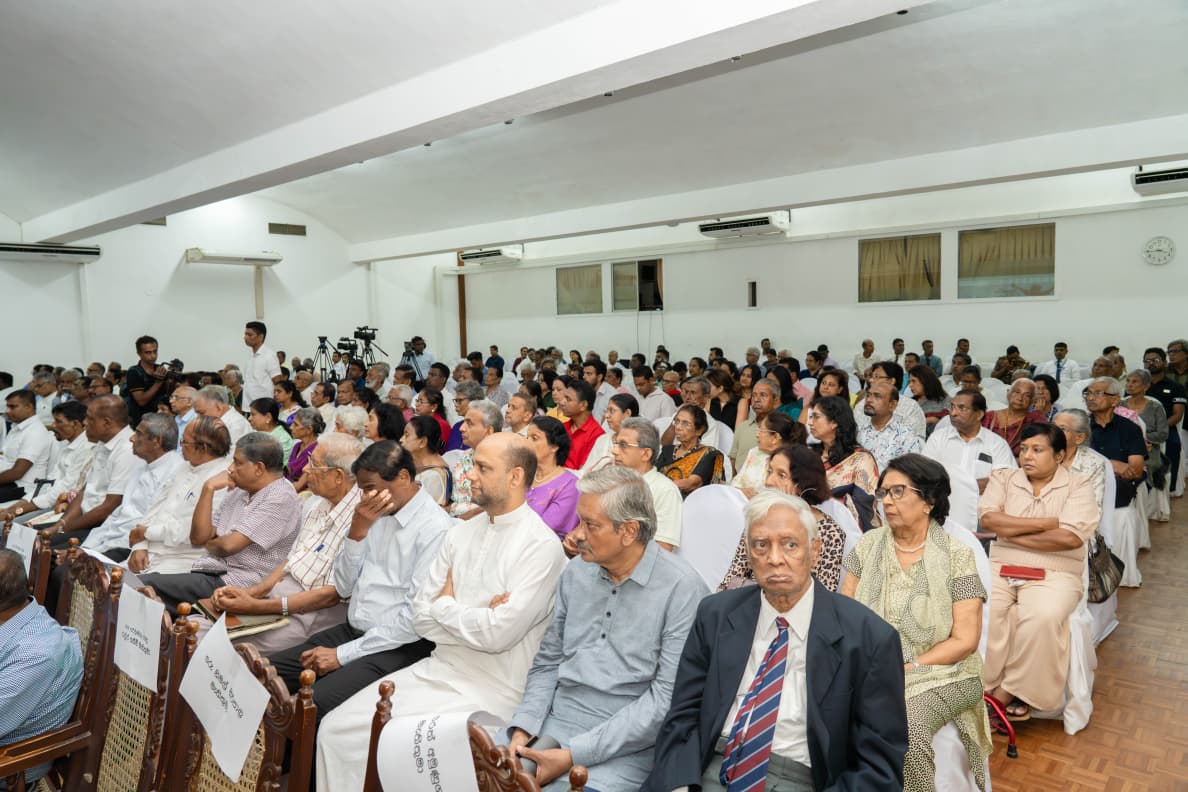
The book “Rathuwewi Mihimadala”, written based on the life story of Vasudeva Nanayakkara, Leader of the Democratic Left Front, was launched on Friday [August 28] at the Bandaranaike Memorial International Conference Hall (BMICH) in Colombo, with the participation of Prime Minister Dr. Harini Amarasuriya.
Speaking to the media afterwards about Vasudeva Nanayakkara, Prime Minister Dr. Harini Amarasuriya stated:
“Vasudeva Nanayakkara is a prominent figure in Sri Lankan politics, particularly within the left-wing political movement. There were several influential figures within the left movement, and that left-wing influence also contributed to bringing the country to where it is today. Politically, there were areas where we agreed and areas where we did not. However, I have great respect for the contribution made by Vasudeva Nanayakkara to left-wing politics. When I entered Parliament in 2020, Vasudeva Nanayakkara was also in Parliament. We sat in the same row, and we spoke about many important as well as interesting moments in his political career. I believe some of these experiences have also been included in this book.”
The event was attended by members of the Maha Sangha, Minister of Justice Harshana Nanayakkara, former President Maithripala Sirisena, former Speakers Karu Jayasuriya and Chamal Rajapaksa, as well as party members, family members and friends.
[Prime Minister’s Media Division]
Latest News
Sun directly overhead Mannar, Periyamadu, Puliyankulam, Welioya and Pulmoddai about 12.11 noon today (30)


The sun is going to be directly over the latitudes of Sri Lanka from 28th of August to 07th of September due to its apparent southward relative motion.
The nearest places of Sri Lanka over which the sun is overhead today (30) are Mannar, Periyamadu, Puliyankulam, Welioya and
Pulmoddai about 12.11 noon.

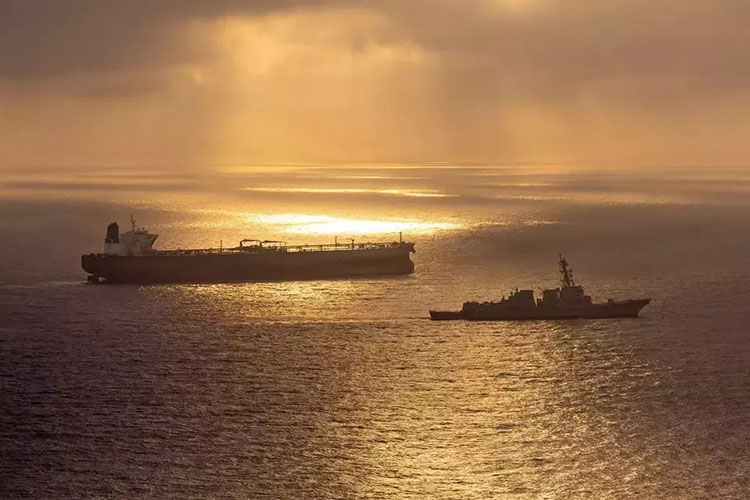
(AFP) Sri Lanka’s maritime authorities were monitoring a fleet of 11 US-sanctioned Iranian oil tankers just off the island’s southern coast, the foreign minister said Wednesday.
The tankers were spotted close to the Galle harbour where an Iranian frigate, IRIS Dena, was sunk by a US submarine in March, killing 104 sailors. Sri Lanka’s navy rescued 32 Iranian sailors from that frigate.
Iranian vessels have been in limbo, unable to return to their home port because of a US blockade.
Sri Lanka’s Foreign minister Vijitha Herath said the tankers were in international waters where they had freedom of navigation.
“These ships are away from our territorial waters… we have no hold on them, nor have we facilitated them,” Herath told AFP.
The military deployed reconnaissance aircraft and patrol boats to monitor the vessels outside Sri Lanka’s 12-nautical-mile territorial waters, a military official told AFP on condition of anonymity.
“There is no indication of any ship-to-ship transfer of oil or illegal discharge of pollutants, so there is no basis for Sri Lankan authorities to take action against them,” the official said.
Many Iranian merchant vessels moved east towards the Strait of Malacca and Singapore due to US sanctions, while several remained near Sri Lankan waters, authorities said.
Sri Lankan officials said Washington had not formally notified Colombo about sanctioned Iranian-flagged vessels

“Rathuwewi Mihimadala” Book Launched with the Participation of the Prime Minister

Turkiye, Somalia forces free cargo vessel hijacked by pirates

Ferry carrying 260 people capsizes off northern Cyprus coast

Imam unlikely to play rest of Lord’s Test after picking up left calf tear

Vimukthi, Ayodhya hand Sri Lanka winning start to Asia Cup title defence

Voting closes in Iceland’s knife-edge EU referendum

‘Dates have the highest sugar content to fight Coronavirus’

Sunday Island 27 December – Headlines

#SundayIsland 17th December – Headlines

Sunday Island – 28th March

Sunday Island Headlines – 21 March

Sunday Island – 21st February – Headlines
-

 News6 days ago
Missing doctor’s body found in Mahiyanganaya
-
 News6 days ago
Australia declines to release Finance Secy Suriyapperuma’s citizenship details
-
 News6 days ago
22A: BASL suggests CJ recuse himself from hearing petitions
-

 News3 days ago
Eight politicians in drug kingpin probe
-

 Editorial7 days ago
Govts. drag feet as undergrads age
-
 Features5 days ago
Insights from Chieftains of Uva: Genealogy of two Kandyan Families – Part II
-

 Features5 days ago
Export diversification: Missing the wood for the trees – Part I
-

 Business3 days ago
Sri Lanka opens up: A new season of direct connectivity