
News
Say no to NEPF! Say no to abolishing free education!


A statement by academics of the university system
We are in the midst of an existentially threatening economic crisis. With an ever-increasing debt burden and low economic prospects, we continue to grapple with uncertain economic futures and related social and political distresses. As university teachers, we are concerned about the multiplicity of recent proposals seeking reforms in education that threaten to bring about a sea change in the way education is conceived of in this country: as a social good.
We note with outrage that these reform efforts have been coupled with deliberate measures to weaken and discredit state universities. While the budgetary allocations for state universities have been slashed, the government has violently suppressed any form of protest. Images of protesting students putatively wasting tax payers’ money are in wide circulation in the media. High-ranking politicians repeatedly allege that state universities are producing ‘unemployable graduates’ overlooking the fact that few employment opportunities exist for them. These narratives have convinced sections of the public that the reforms are not only necessary but the only course of action available, despite conclusive proof that similar reforms in other countries, such as the US and UK, have adversely impacted higher education.
The latest proposal is the National Education Policy Framework (NEPF), a cabinet paper that will soon be tabled in parliament addressing reforms in Early Childhood Education, General Education (i.e., primary and secondary schooling) and Tertiary Education. NEPF has not gone through any kind of consultative process, except for an open call for comments to be submitted. The NEPF’s proposals impinge on the two major education sectors: general education (i.e., primary and secondary schooling) and tertiary education, in ways that threaten the very foundations of the Free Education policy that the people of this country hold so dear. While the proposed reforms to school education are also far reaching, this statement highlights some of the changes proposed in tertiary education.
Structure and governance
A new structure called the National Higher Education Commission (NHEC) is to replace the University Grants Commission (UGC). NHEC will bring both state universities and non-state higher education institutes/degree-awarding institutes under a single authority in which the private sector will have a strong presence. There is no evidence in the NEPF of a commitment to expand state support for public education. It clearly specifies however mechanisms to subsidize the private sector, accelerating the diversion of already scarce public resources to for-profit private tertiary education. Indeed, the main thrust of the policy framework appears to be to expand the role of the private sector in higher education by facilitating “participation of non-state partners, including public-private partnerships” (p.28).
Funding of tertiary education
While the government bemoans the low numbers accessing tertiary education (NEPF misleadingly states that only 8.9% gain admission to the universities today), government expenditure on education, as of 2022 World Bank figures, is 1.2% of GDP—the second lowest in the world. The government does not anticipate increasing investment in education except by “the redeployment of existing resources, leveraging of additional resources through partnerships with non-state entities, and private contributions” (p.4).
The NEPF proposes a complete overhaul of the way universities are funded. Financing of state universities will be through three channels: government funding via grants, student contributions via out-of-pocket payments and loans, and self-generated funds of the university. Further, funding of programmes will be based on student enrollment, not as assured line-item based funding in the annual national budget. Universities, both private and public, will be expected to compete for funds and survival.
Access to education
Combined with general education, public tertiary education has historically helped reduce disparities and allowed some to escape poverty in Sri Lanka. Many of the middle class have benefitted from such access. District quotas for some academic programmes and a recognition of the differences in the social circumstances students bring with them to universities have made university education more accessible to students irrespective of gender, class, caste, region, and other signifiers of power and privilege. Through these mechanisms, universities have become integral to the country’s attempt to advance social justice. Furthermore, universities have sustained free health by providing low-cost health professional education.
The new governance structure will allow universities to create their own admission policies and, as they must compete for funds, will likely mean that degrees in fashion at a particular moment, will be key in determining the programmes offered. The types of desired students will also change as universities compete to capture students from urban and upper-middle-class social and educations backgrounds who may already have an advantage in the job market. This problem will be accentuated by plans to attract more “foreign students” for whom the NHEC will streamline visa processes and facilitate employment in Sri Lanka after graduation (p.26).
Other than for students with special needs, the NEPF does not outline any mechanisms to address social inequalities. When funding for education is made the responsibility of students, government contributions will further diminish over time. Ultimately, the astronomical costs associated with university education will mean that the wealthy will have greater access. These conditions will deepen already existing social cleavages.
The consequences of the changes in the policy on tertiary education will be huge. Indeed, free university education as we know it will cease to exist. The lack of an equitable system of education can only further impoverish the masses by denying one of the few avenues for social mobility available to them today. NEPF may not affect upper-middle-class people and urbanites who may have other opportunities for education. Those who wish for social cohesion in the country must understand that phasing out free university education will usher in a new era of tremendous instability.
We must oppose NEPF in no uncertain terms, and make a call for a wide-ranging consultative mechanism before any reforms in education are proposed or undertaken.
SIGNED BY
A. K. David, formerly Univ. of Peradeniya
A. M. Navaratna Bandara, formerly Univ. of Peradeniya
Ahilan Kadirgamar, Univ. of Jaffna
Anurudda Karunarathna, Univ. of Peradeniya
Anuruddha Pradeep Karnasuriya, Univ. of Sri Jayewardenepura
Anushka Kahandagama, formerly Univ. of Colombo
Arjuna Parakrama, Emeritus Professor, Univ. of Peradeniya
Aruni Samarakoon, Univ. of Ruhuna
Athulasiri Samarakoon, Open University of Sri Lanka
Asha L. Abeyasekera, formerly Univ. of Colombo
Avanka Fernando, Univ. of Colombo
Ayomi I. Irugalbandara, Open University of Sri Lanka
B. D. R. Prasantha, Univ. of Peradeniya
B. M. H. S. K. Banneheka, Univ. of Peradeniya
Barana Jayawardana, Univ. of Peradeniya
Bhathiya Rathnayake, Univ. of Peradeniya
Chamathka Devasirie Kariyawasam, Univ. of Peradeniya
Camena Guneratne, Open University of Sri Lanka
Chamika A. Silva, Univ. of Peradeniya
Chammika Mallawaarachchi, Univ. of Visual and Performing Arts
Charudaththe B. Illangasinghe, Univ. of Visual & Performing Arts
Chathurika Munasinghe, Univ. of Peradeniya
Chinthaka Chandrakumara, Univ. of Colombo
Chrishantha Abeysena, Univ of Kelaniya
Crystal Baines, formerly Univ. of Colombo
Dayapala Thiranagama, formerly Univ. of Kelaniya
Dewmini Amunugama, Univ. of Peradeniya
Dhamma Dissanayake, Univ.of Colombo
Dhanuka Bandara, Univ. of Peradeniya
Dileepa Witharana, Open University of Sri Lanka
Dilrukshi Abeysinghe, Univ.of Colombo
Dilmi Tharaka, Univ. of Peradeniya
Dimagi Pitawala, formerly Univ. of Peradeniya
Dinuka Wijetunga, Univ.of Colombo
Erandika de Silva, formerly Univ. of Jaffna
A. Janarth, Eastern University, Sri Lanka
F. M. Nawastheen, Open University of Sri Lanka
Farzana Haniffa, Univ. of Colombo
Fazeeha Azmi, Univ. of Peradeniya
G. D. U. P. K. Gamage, Univ. of Peradeniya
Gameela Samarasinghe, Univ. of Colombo
Gananath Obeyesekere, formerly Univ. of Peradeniya
Ganganee Chandima Samaraweera, Univ. of Ruhuna
Gayani Nawarathna, Univ. of Peradeniya
Gayatri Wijekoon, Univ. of Colombo.
Geethika Dharmasinghe, Univ. of Colombo
Gihan de Chickera, formerly Univ. of Colombo
H. Sriyananda, Emeritus Professor, Open University of Sri Lanka
Harshana Rambukwella, formerly Open University of Sri Lanka
Hasini Lecamwasam, Univ. of Peradeniya
Hasintha Wijesekara, Sabaragamuwa Univ. of Sri Lanka
Hasitha Pathirana, Univ. of Kelaniya
Hiniduma Sunil Senevi, Sabaragamuwa Univ. of Sri Lanka
Ishafa Illiyas, Univ. of Peradeniya
J. Prince Jeyadevan, Univ. of Jaffna
Jayadeva Uyangoda, Emeritus Professor, Univ. of Colombo.
Jennifer Edama, Univ. of Peradeniya
Jinasena Hewage, formerly Univ. of Ruhuna
K. K. G. Randula, Univ. of Colombo
K. M. S. Wimalasiri, Univ. of Peradeniya
Kalpa Rajapaksha, Univ. of Peradeniya
Kamal Wasala, Univ. of Moratuwa
Kamani Sylva, Univ. of Peradeniya
Kanchuka Dharmasiri, Univ. of Peradeniya
Kasun Gajasinghe, formerly Univ. of Peradeniya
Kaushalya Ariyarathne, Univ. of Colombo
Kaushalya Perera, Univ. of Colombo
Kethakie Nagahawatte, Univ. of Colombo
Krishantha Fedricks, Univ. of Colombo
Krishmi Apsara, Univ. of Peradeniya
Kumudu Kusum Kumara, formerly Univ. of Colombo
Lahiruka Madhuwanthi, Univ. of Peradeniya
Liyanage Amarakeerthi, Univ. of Peradeniya
M. A. Nuhman, formerly Univ. of Peradeniya
M. M. Alikhan, Univ. of Peradeniya
Madhara Karunarathne, Univ. of Peradeniya
Madhubhashini Disanayaka Ratnayake, Univ. of Sri Jayewardenepura
Maduranga Kalugampitiya, Univ. of Peradeniya
Madushani Randeniya, Univ. of Peradeniya
Mahendran Thiruvarangan, Univ. of Jaffna
Mahim Mendis, Open University of Sri Lanka
Manoj Alawathukotuwa, Univ. of Peradeniya
Ven. Muthukeliyawe Indarathana, Univ. of Peradeniya
N. Gafoordeen, Univ.of Colombo
Nadeesh de Silva, Open University. of Sri Lanka
Neavis Morais, Open University. of Sri Lanka.
N. G. A. Karunathilaka, Univ. of Kelaniya
Nicola Perera, Univ. of Colombo
Nira Wickramasinghe, formerly Univ. of Colombo
Nirmal Ranjith Dewasiri, Univ. of Colombo
Nishani Jayaweera, Univ. of Peradeniya
P. Iyngaran, Univ. of Jaffna
Paba Suraweera, Univ. of Peradeniya
Pamuditha Herath, formerly Univ. of Peradeniya
Pavithra Ekanayake, Univ. of Peradeniya
Pavithra Jayawardena, Univ. of Colombo
Prabhath Jayasinghe, Univ. of Colombo
Pradeep Peiris, Univ. of Colombo
Priyantha Fonseka, Univ. of Peradeniya
R. T. Gamalath, Univ. of Peradeniya
R. Angammana, Univ. of Peradeniya
Rajan Hoole, formerly Univ. of Jaffna
Rajitha Ranasinghe, Univ. of Peradeniya
Ramanie Jayatilaka, formerly Univ. of Colombo
Ramesh Ramasamy, Univ. of Peradeniya
Ramila Usoof, Univ. of Peradeniya
Ramya Kumar, Univ. of Jaffna
Ranjini Obeyesekere, formerly Univ. of Peradeniya
Rohan Laksiri, Univ. of Ruhuna
Ruhanie Perera, Univ. of Colombo
Rumala Morel, Univ. of Peradeniya
Rupika Rajakaruna, Univ. of Peradeniya
Ruth Surenthiraraj, Univ. of Colombo
S. Sivasegaram, formerly Univ. of Peradeniya
S. Arivalzahan, Univ. of Jaffna
Sachini Marasinghe, Univ. of Peradeniya
Sahani Situbandara, Univ. of Peradeniya
Samal Vimukthi Hemachandra, Univ. of Colombo
Saman Dharmakeerthi, Univ. of Peradeniya
Saman Pushpakumara, Univ. of Peradeniya
Samudrika Sylva, Univ. of Colombo
Sandaruwan Subasinghe, Univ. of Peradeniya
Sarala Emmanuel, Open University of Sri Lanka
Sarath Witharana, Univ. of Kelaniya
Sasanka Perera, formerly Univ. of Colombo
Sasinindu Patabendige, formerly Univ. of Jaffna
Saumya Liyanage, Univ. of Visual and Performing Arts
Savitri Goonsekere, Emeritus Professor, Univ. of Colombo
Savitri Kumar, Emeritus Professor, Univ. of Peradeniya
Seetha Bandara, Univ. of Kelaniya
Selvaraj Vishvika, Univ. of Peradeniya
Shalini Wijerathna, Univ of Peradeniya
Shamala Kumar, Univ. of Peradeniya
Shanil Wijesinha, Univ. of Colombo
Shashikala Assella, Univ. of Kelaniya
Shirley L. Wijesinghe, Univ. of Kelaniya
Shyamani Hettiarachchi, Univ. of Kelaniya
Siri Hettige, Emeritus Professor, Univ. of Colombo
Sirima Gajameragedara, formerly Rajarata Univ. of Sri Lanka
Sithumini Rathnamalala, Univ. of Moratuwa
Sivamohan Sumathy, Univ. of Peradeniya
Sudesh Mantillake, Univ. of Peradeniya
Supoorna Kulatunga, Univ. of Peradeniya
T. Sanathanan, Univ. of Jaffna
Tasneem Hamead, Univ. of Colombo
Thiru Kandiah, formerly Univ. of Peradeniya
Udari Abeyasinghe, Univ. of Peradeniya
Ven. Uduhawara Ananada, Univ. of Colombo
Unnathi Samaraweera, Univ. of Colombo
Upul Abeyrathne, Univ. of Peradeniya
Uwin Ariyarathna, Univ. of Peradeniya
Varuni Ganepola, formerly Univ. of Colombo
Vasanthi Thevanesam, Emeritus Professor, Univ. of Peradeniya
Vihanga Perera, Univ. of Peradeniya
Vijaya Kumar, Emeritus Professor, Univ. of Peradeniya
Visakesa Chandrasekaram, Univ. of Colombo
Vivimarie Vanderpoorten, Open University of Sri Lanka
Warshi S. Dandeniya, Univ. of Peradeniya
W. D. N. S. M. Tennakoon, Wayamba Univ. of Sri Lanka
Wijith Rohan Fernando, Univ. of Kelaniya.
W. M. M. P. Hulugalla, Univ. of Peradeniya
W. M. T. P. Ariyaratne, Univ. of Peradeniya
W. T. L. S. Fernando, Sabaragamuwa Univ. of Sri Lanka
Yasas Kulasekara, Univ. of Peradeniya
Yushani Alahakoon, Univ.of Peradeniya



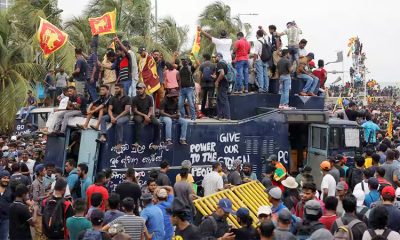


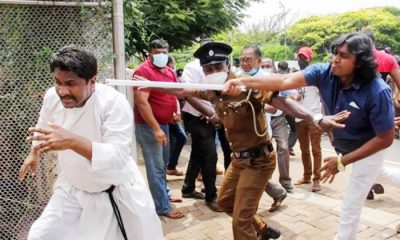


Teachers, principals up in arms against alleged NGO driven education reforms
Teachers, principals and education professionals on Friday vowed to commence a nationwide campaign against the government’s plans to reform the education sector at the expense of what they described as cultural values.
President of the All-Ceylon United Teachers’ Association Ven Yalwala Pannasekera thera addressing a press conference yesterday said that trade unionists would join forces to urge the government to withdraw its educational reforms.
“We are ready to form a common front with education professionals, teachers and principals against this government. We demand that the government withdraw these reforms or get ready to go home,” Ven Pannasekera said.
“Some modules promote homosexuality. Contents in some of the modules being distributed have been copied from Indian text books.
We ask the government to explain why it had paid the National Education Institute curriculum designers,” Ven Pannasekera said.
Meanwhile, representatives of 16 teachers’ and principals’ unions visited the National Child Protection Authority yesterday to lodge a complaint demanding a probe into the inclusion of materials promoting homosexuality in school books.
Concerns were also raised at a National Sangha Council meeting held in Colombo last week at the Colombo Foundation Institute, organised to discuss the objectives of the proposed reforms.
Addressing the gathering, Professor Venerable Induragare Dhammaratana Thera said the reforms required extensive discussion, consultation with subject experts and consideration of the experience of senior administrators.
He warned that the proposed education reforms could trigger the biggest crisis currently facing the country. “Implementing these reforms in this manner will harm future generations and could even destroy the present government,” he said, likening the process to “forcing a round peg into a square hole.”
The Ministry of Education on Friday decided not to extend school hours for the 2026 academic year, citing the ongoing impact of recent disasters on schools and transport systems in several provinces.
According to the Ministry, school hours for Grades 5 to 13 will remain unchanged at 7:30 a.m. to 1:30 p.m. until both education and transport networks are fully restored.
Government schools, government-approved private schools, and pirivenas are set to begin the first term of 2026 on January 5. Students in Grades from 6 to 13 will have seven 45-minute periods a day.
Education reforms will be introduced for Grades 1 and 6 in 2026.
The Ministry confirmed that activity books for Grade 1 and learning modules for Grade 6 will be distributed before lessons begin. Textbooks for all other grades have already been fully handed out.Meanwhile, the remaining sessions of the 2025 G.C.E. Advanced Level examination are scheduled to take place from January 12 to January 20, 2026.
by Chaminda Silva ✍️

The Sri Lanka Red Cross Society will provide relief funds totaling Rs. 2,420 million to assist 20,000 families displaced and 8,000 families who have lost their livelihoods due to cyclone Ditwah.
Accordingly, the Society has arranged to give Rs. 1,620 million to 20,000 displaced families, at the rate of Rs. 85,000 per family, and Rs. 800 million to 8,000 families who lost their livelihoods, at Rs. 100,000 per family, Sri Lanka Red Cross Communications Head Navindra Senarathne told the Sunday Island on Friday.
He said the funds for the 20,000 displaced families would be distributed in three instalments.
A total of 20,000 families across the country, including 1,505 families in the Trincomalee District, have been selected for this relief, with beneficiaries identified by the decision-makers of the Sri Lanka Red Cross Society, he added.
In addition, the Society is preparing to install toilet systems in 400 safe centers and provide 15,000 sets of school equipment worth Rs. 7.5 million, Navindra Senarathne told the Sunday Island.
By Sirimantha Rathnasekera ✍️

Root and Brook shine before afternoon gloom ends play early

Venezuela’s Maduro arrives in New York after ‘capture’

Showers will occur at times in the Eastern and Uva provinces and in Polonnaruwa, Matale and Nuwara-Eliya district

Teachers’ unions ‘ready to bring govt. to its knees’

Education Ministry drops idea of extending school hours

SLRC to disburse Rs 2420 mn in relief funds to 28,000 families

‘Dates have the highest sugar content to fight Coronavirus’

Sunday Island 27 December – Headlines

#SundayIsland 17th December – Headlines

Sunday Island – 28th March

Sunday Island Headlines – 21 March

Sunday Island – 21st February – Headlines
-

 Sports6 days ago
Gurusinha’s Boxing Day hundred celebrated in Melbourne
-

 News1 day ago
Health Minister sends letter of demand for one billion rupees in damages
-
 News4 days ago
Leading the Nation’s Connectivity Recovery Amid Unprecedented Challenges
-

 Features5 days ago
It’s all over for Maxi Rozairo
-

 Opinion3 days ago
Remembering Douglas Devananda on New Year’s Day 2026
-
 News5 days ago
Dr. Bellana: “I was removed as NHSL Deputy Director for exposing Rs. 900 mn fraud”
-
 News4 days ago
Dons on warpath over alleged undue interference in university governance
-

 Features5 days ago
Rebuilding Sri Lanka Through Inclusive Governance