
News
Premier Rajapaksa explains why China is such a good friend

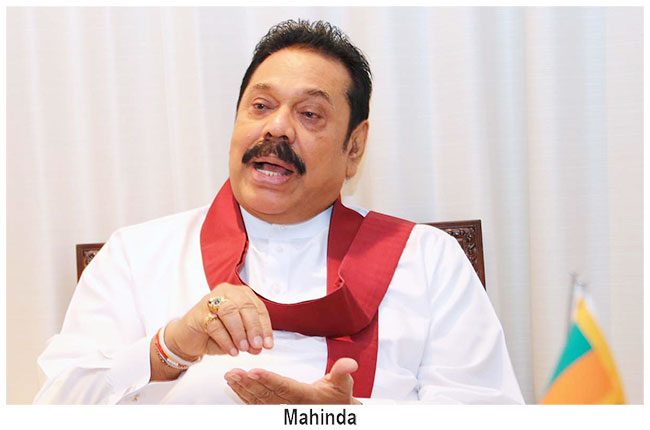
China had never sought to impose its own political views on the world, Prime Minister Mahinda Rajapaksa said on Tuesday (6) addressing a virtual conference conducted to mark the 100th anniversary of the Communist Party of China (CPC).
China has also never felt the need to manipulate the affairs of other countries and it had always helped the other countries, treating them as equals, Rajapaksa said.
“This is especially important for a country’s independence as well as its sovereignty. Therefore, countries never hesitated to deal with China, because they are allowed to maintain their independence. It is the same for Sri Lanka. That is why most doors of the world were opened to China. This policy is very important for the progress of China, internationally. It has now become clear that China will lead the rise of Asia in the century ahead,” he said.
Prime Minister Rajapaksa said that no one in the Global South was interested in dividing the world into two camps and that China had done a historic service to relieve the suffering of Asian and African countries.
“It was China that helped the world, which was facing difficulties due to the division of the world into two camps. At that time, Zhou Enlai brought the idea of non-aligned nations to the world, for world relief. That non-aligned policy is still a relief to the world today,” he said.
The Premier also said that the Belt and Road Initiative was not something alien to Sri Lanka, which was a part of the ancient Silk Road connecting China with Europe.
Given below are excerpts of the speech: “I wish to express my warmest felicitations together with the people of my country on the occasion of the 100-year anniversary of the Communist Party of China.
“The honour of this historical relationship China has had with us is also included in this felicitation.
China has been a historical friend. And, based on our long-standing cooperation, we must acknowledge that China is one of our most sincere friends.
“To celebrate both the 100th anniversary of the Communist Party of China as well as the
long-standing diplomatic relations between China and Sri Lanka, we have taken steps to issue a
commemorative coin. It has now been 72 years since the CPC converted China into a Red China.
“Sri Lanka established Diplomatic Relations with the Chinese Government back in 1957. However, the leftist parties of our country have had relations with the CPC even before that. The Communist Party of Sri Lanka, in particular, has had relations with the Communist Party of China since the 1940s. I am pleased to say that we have been able to maintain good relations with the CPC because Sri Lankans also value equality and brotherhood.
“The Communist Party of China is currently the world’s largest political party, which has delivered a very important message to the world on foreign relations for the past 70 years. I am aware that it was the foreign policy positions of the CPC that elevated China on the global stage. However, China has never tried to impose its own political views on the world.
“China has also never felt the need to manipulate the affairs of other countries. China has helped
the other countries, keeping them at the same level, which is a very important matter for a country’s independence as well as its sovereignty. Therefore, countries never hesitated to deal with China, because they were allowed to maintain their independence. It is the same for Sri Lanka. That is why most doors of the world were opened to China. This policy is very important for the progress of China, internationally. It has now become clear that China will lead the rise of
Asia in the century ahead.
“The open economy has spread throughout the world, changing the very structure of many countries. “However, China accepted the open economy in a way that was suitable to China. Therefore, China did not accept the open economy as something that divides the country into classes and weakens the country. Instead, China has successfully eradicated poverty of 900 million people under its open economic policy and set a great example to the world by the way it adopted the open economy. I am confident that, China will bring back the economic strength that Asia had five hundred years ago through this Silk Road.
“China always believed that improving infrastructure will provide new ways and new strengths for the people. Therefore, we have constantly invited China to help develop the infrastructure of our country. China has also pledged to become a carbon neutral country by 2060. Therefore, countries on the Silk Road, which make use of the investments from China, will also have to work with a similar objective, not only to make countries carbon neutral but also for countries around the Indian Ocean to be free of pollution.
“I must also express my gratitude to China for the development and generous donations of the Sinopharm vaccine. The CPC set an example to the world by producing the vaccine and sharing it with the world. The motto of the World Health Organisation in the face of this epidemic was that everyone should be vaccinated, whether rich or poor. In this context, it is further admirable that China has given approval for the production of the Sinopharm vaccine in countries like ours. During a global pandemic such as this, decisions initiated by the CPC will be respected as those taken for the benefit of humanity.”


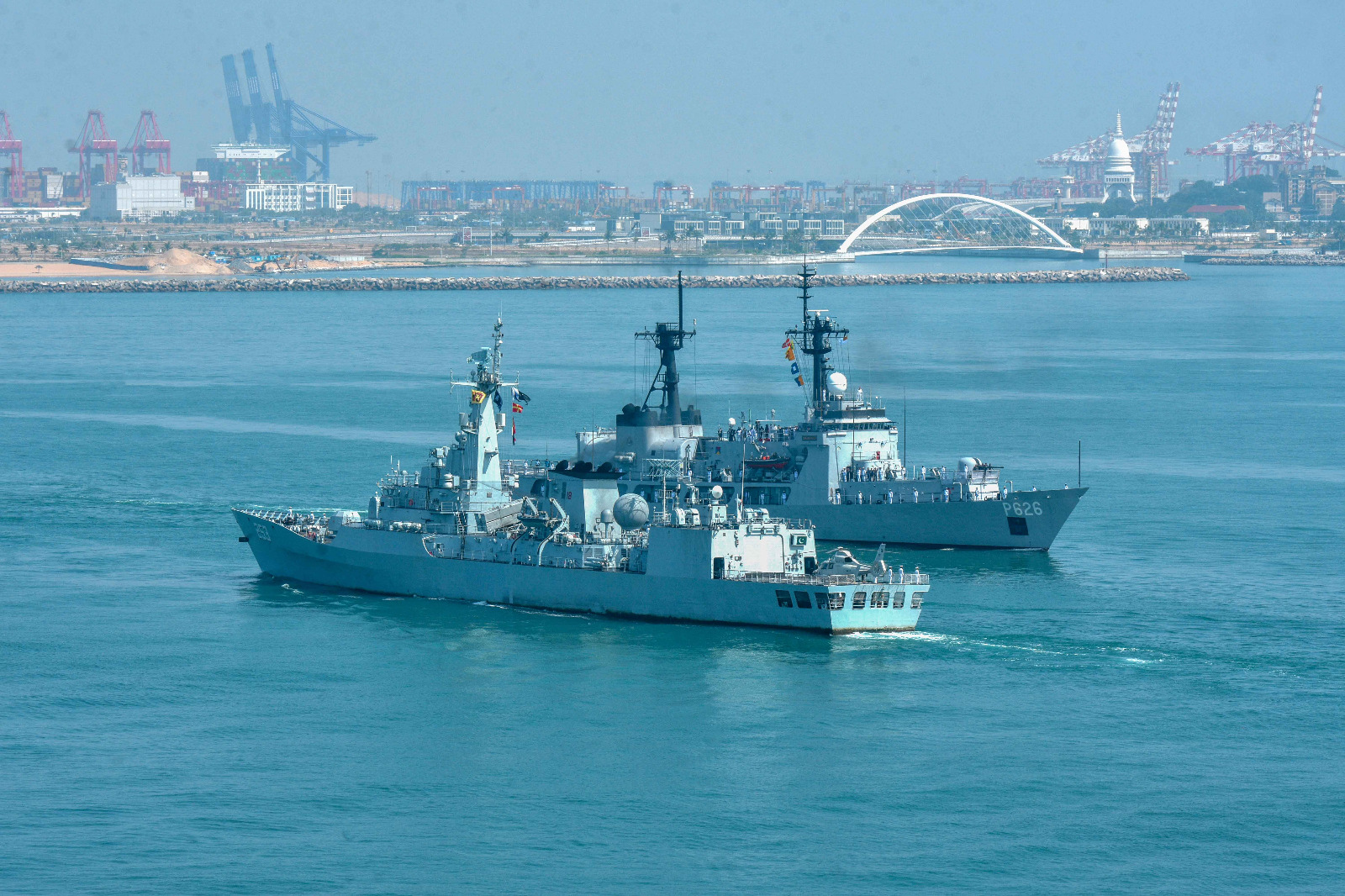
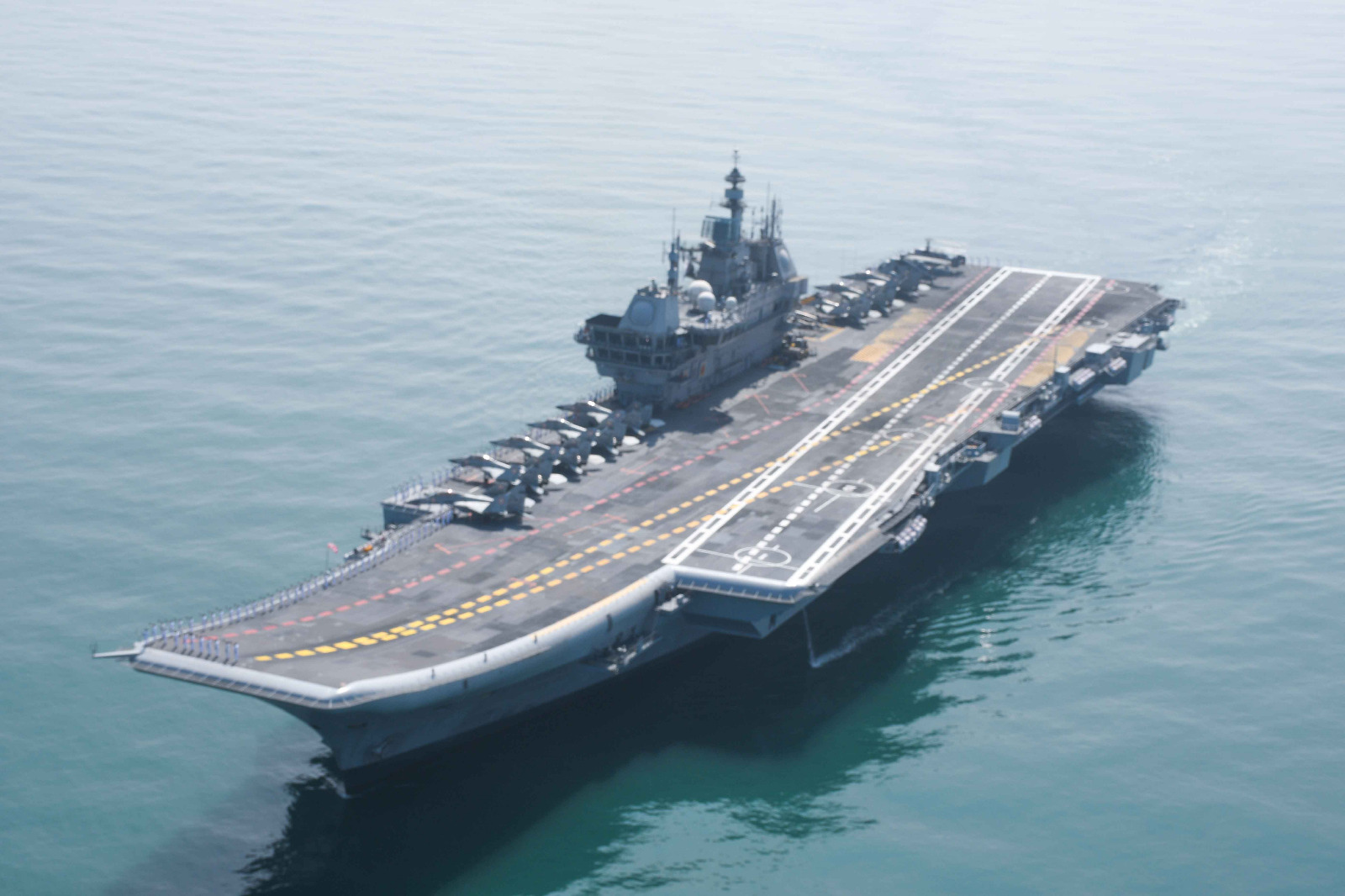
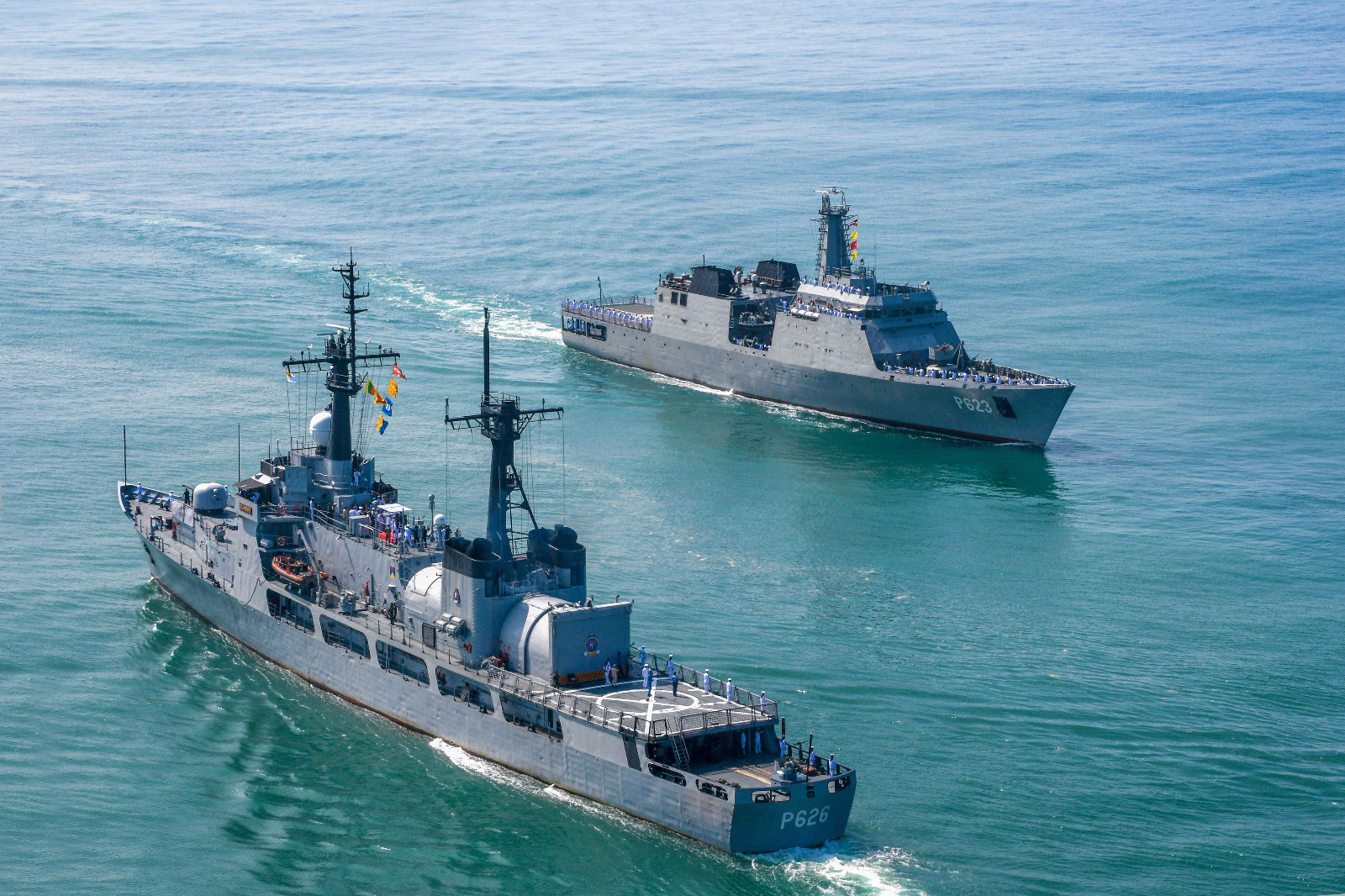
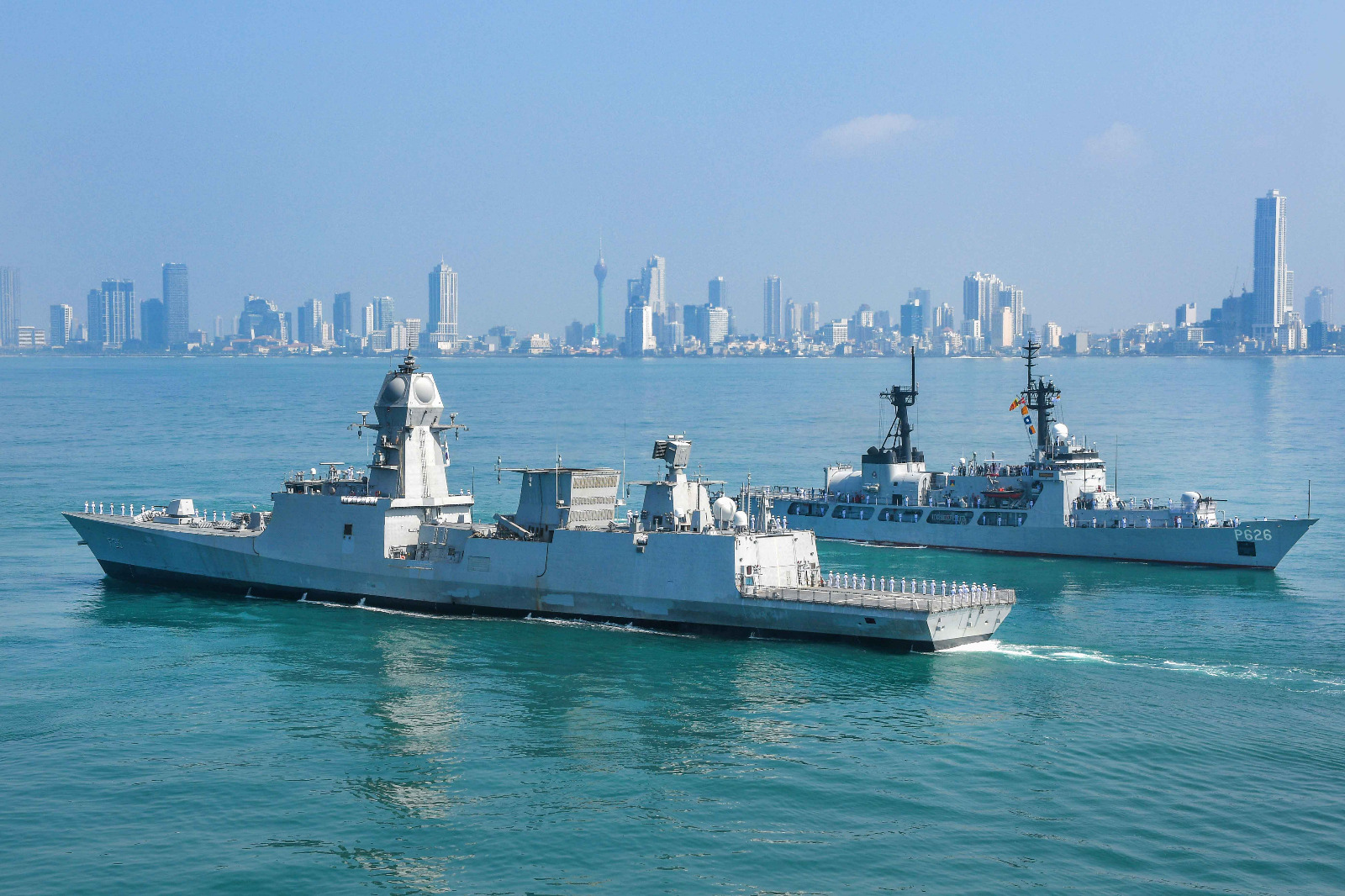
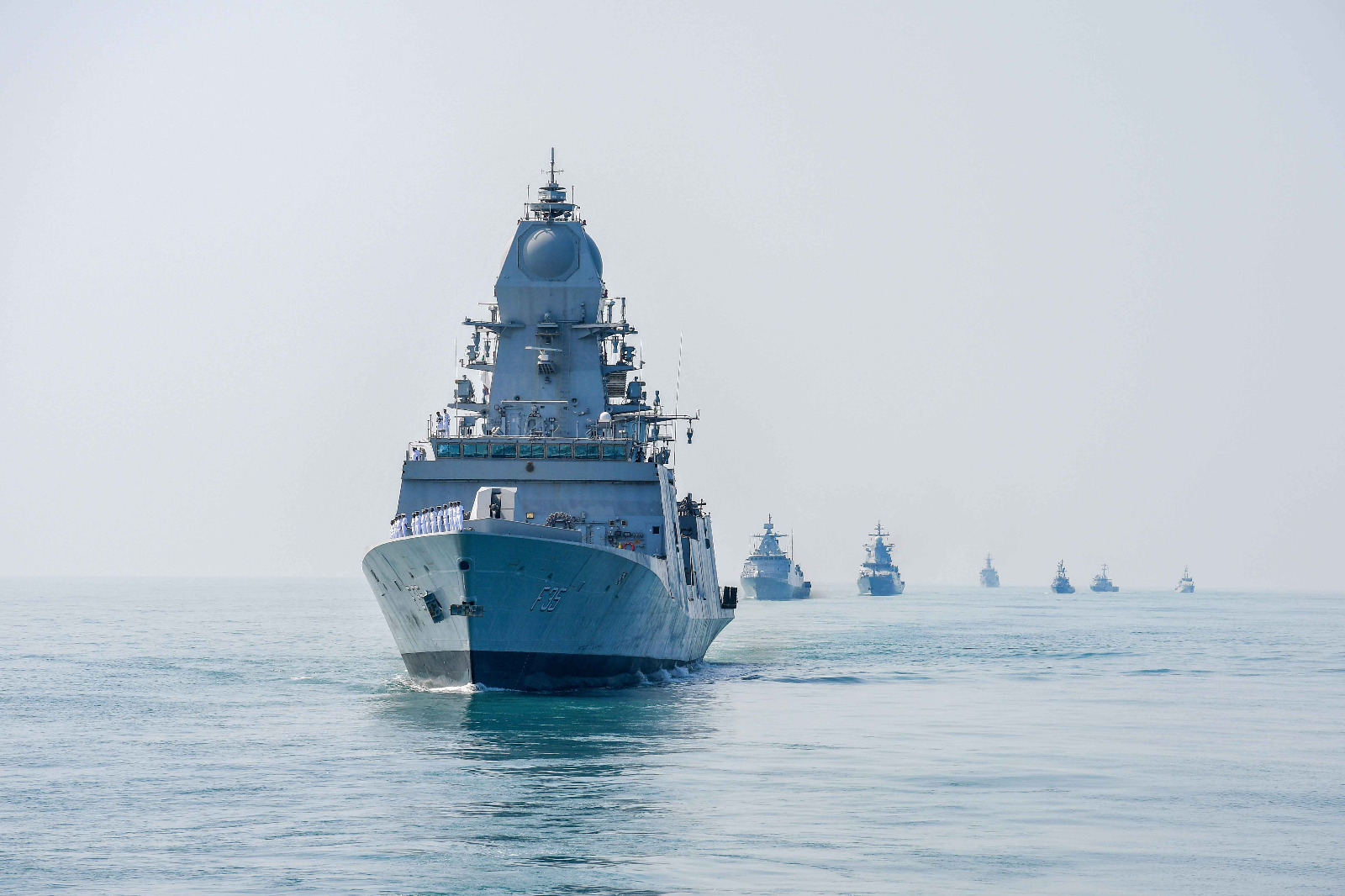
Highlighting the spirit of global and regional cooperation, the Sri Lanka Navy acknowledged the invaluable support by foreign warships, which had arrived to take part in the International Fleet Review (IFR) 2025, extending much-needed Humanitarian Assistance and Disaster Relief (HADR) operations, during the recent weather disaster in Sri Lanka.
The IFR 2025 was held off the Galle Face seas, marking the milestone 75th anniversary celebrations of the Sri Lanka Navy.
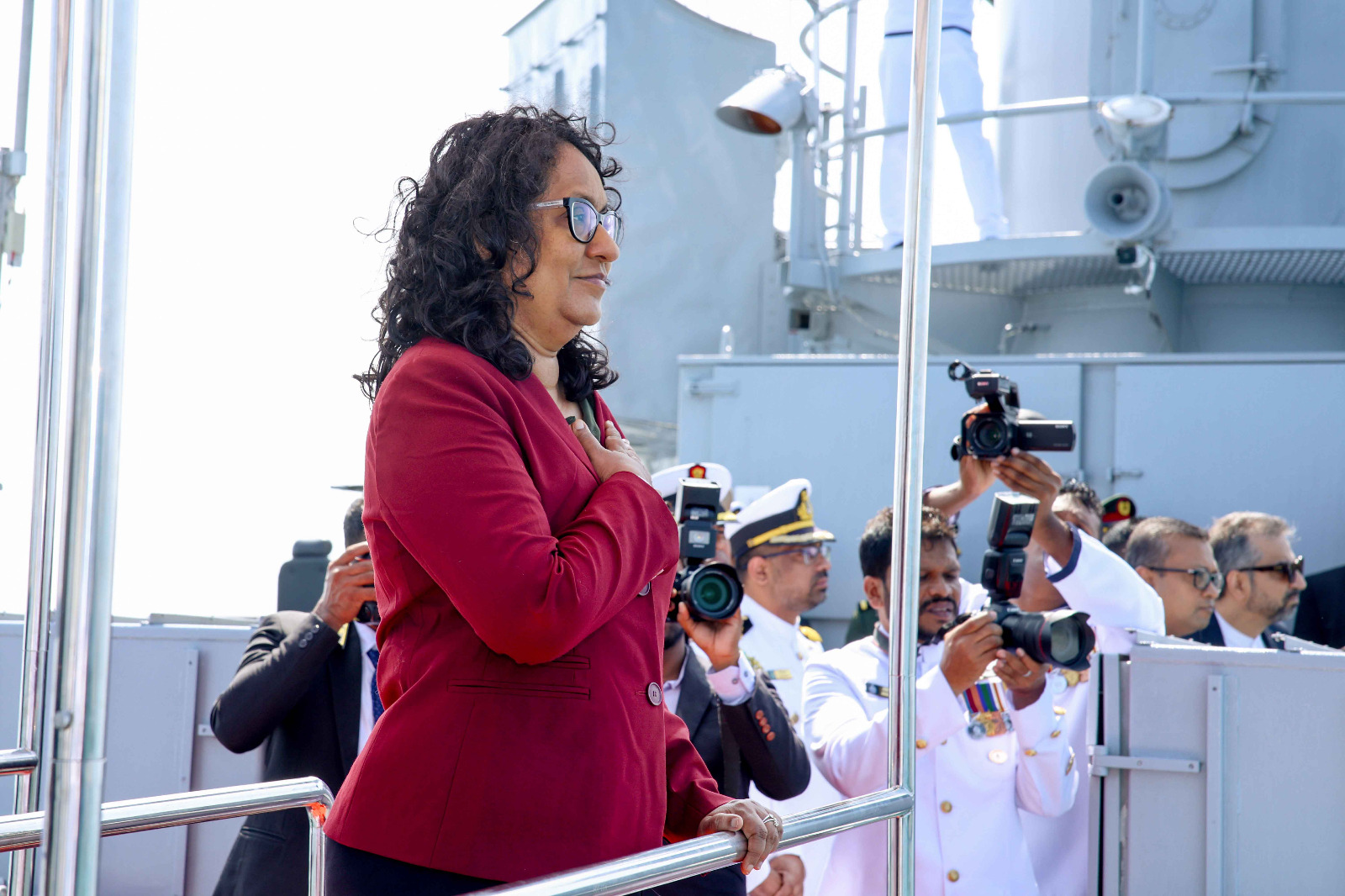
Representing the Government of Sri Lanka, Prime Minister Dr. Harini Amarasuriya graced the event and received the traditional naval salute from onboard SLNS Gajabahu, as the participating foreign warships paid their honours.
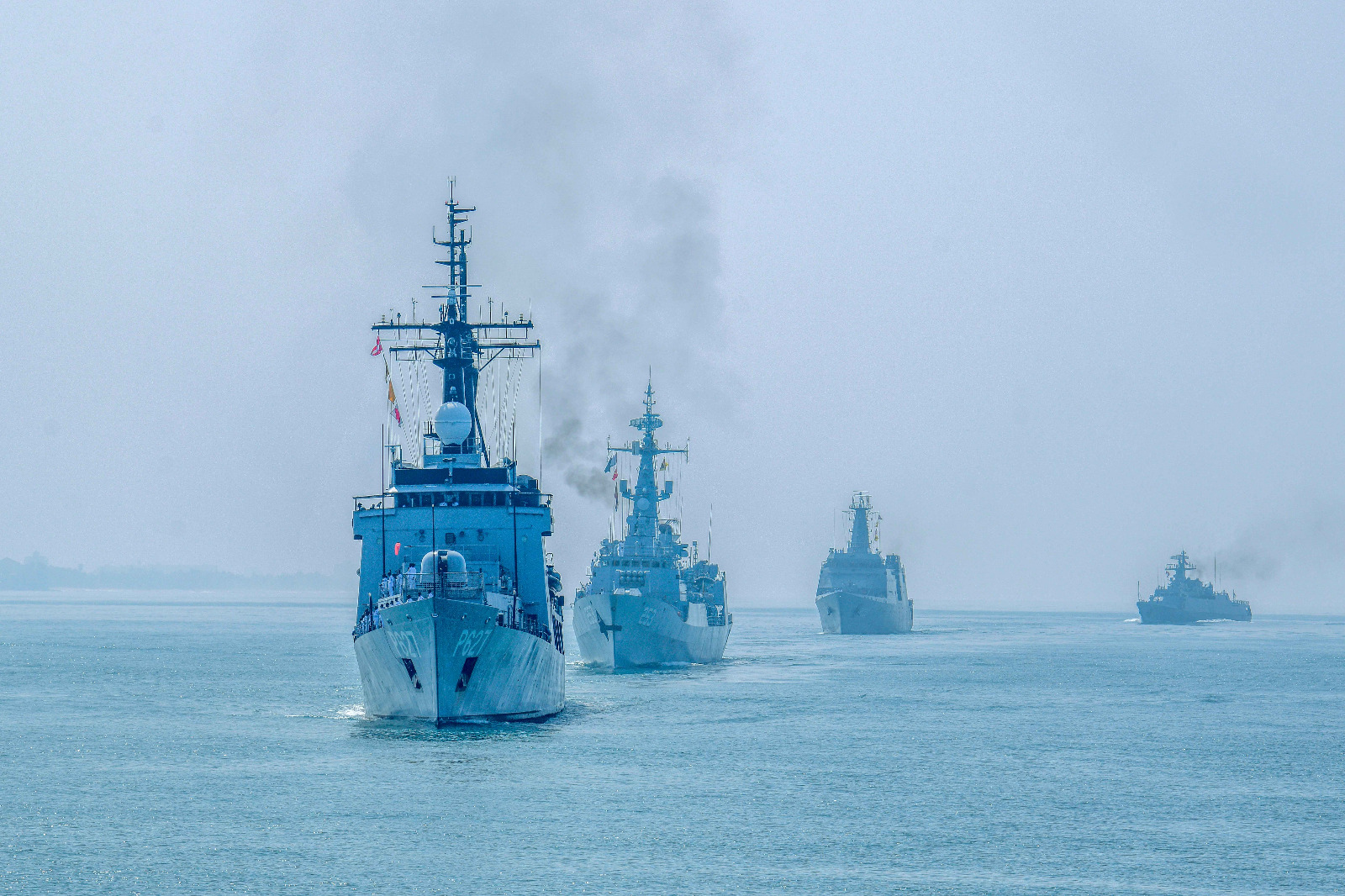
Eight (08) foreign naval warships arrived in Sri Lanka by 27 November to take part in the IFR under the theme “Sailing Strong – Together”. The participating warships included the Bangladesh Navy’s BNS PROTTOY, the Indian Navy’s aircraft carrier INS VIKRANT and INS UDAYGIRI, Iran Navy’s IRIS NAGHDI, the Maldivian Coast Guard’s CGS HURAVEE, the Royal Malaysian Navy’s KD TERENGGANU, Pakistan Navy’s PNS SAIF and Russian Navy’s GREMYASCHCHY.
Due to the disaster-situation triggered by severe weather conditions across the island, foreign warships that arrived for the event were promptly redirected to support humanitarian efforts. Particularly, helicopters deployed from the Indian Navy’s aircraft carrier INS VIKRANT and Pakistan Navy’s PNS SAIF played a praiseworthy role in search and rescue missions for affected communities.
Accordingly, the warships representing each nation joined the IFR, honouring proud maritime traditions and in acknowledgement of Sri Lanka and its Navy. Their participation also reinforced collective cooperation and partnership needed to address non-traditional maritime threats in the region, as well as natural disasters driven by climate change.
The Prime Minister expressed gratitude to a group of diplomatic officials, present on this occasion, for their support in the disaster relief operations. The officials, who were present on the occasion, represented the High Commissions and Embassies of Bangladesh, India, Iran, Maldives, Malaysia, Pakistan, and Russia in Sri Lanka.
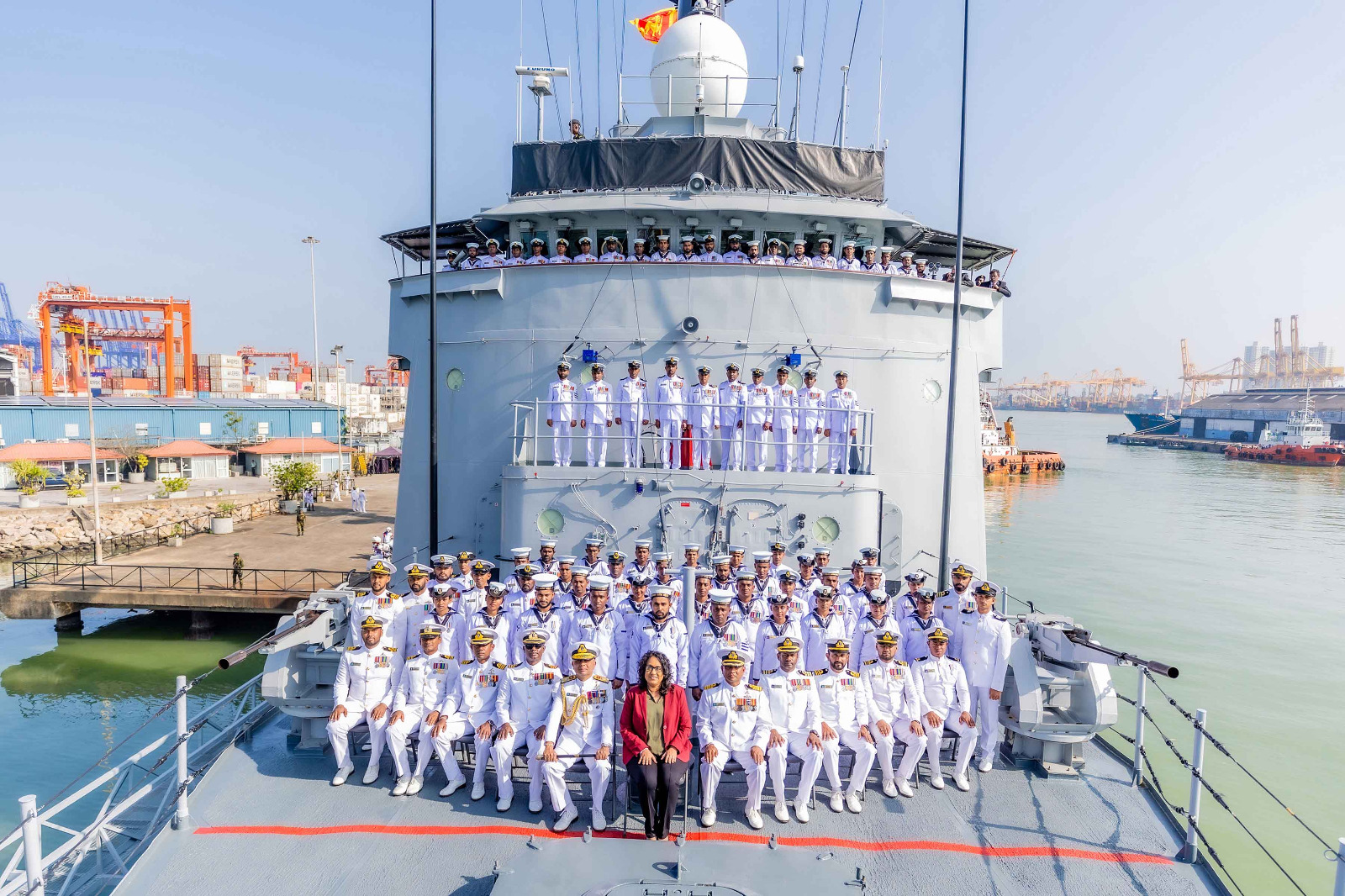
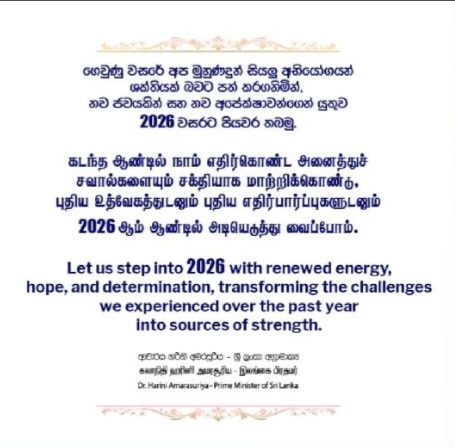
Prime Minister Dr Harini Amarasuriya in her New Year message invited all Sri Lankans to step into 2026 with renewed energy, hope, and determination.
The PM’s New Year message:
“As we move forward to the New Year of 2026, it is timely to reflect on the year 2025 that has passed. The year 2025 can be granted as a year having made a number of decisive and progressive steps with a people oriented government.
I am confident that, within a new political culture, we were able to strengthen transparency in state governance and lay the foundation for an efficient and corruption free public service.
We can be satisfied with the progress achieved in several key areas during 2025, including economic stability, the increasingly positive and optimistic international perception towards our country, the establishment of transparent systems of governance, and the strengthening of the sovereignty of the legislation system.
However, the unfortunate disastrous situation we experienced towards the end of 2025 was a challenging period for our nation. While it deeply moved us all, the spirit of solidarity, compassion, and collectivity shown by Sri Lankans during that difficult situation received admiration across the world.
As we step into the New Year 2026, we hold commitment to overcoming those challenges, healing from the disaster, and restoring the lives and livelihoods that were affected.
Moving forward with the goals such as initiating qualitative and sustainable transformation in the education sector, digitalizing all sectors of the public service, creating an enabling environment for entrepreneurs, artists, and creators with innovative ideas to rise on the global stage, and building a compassionate, environmentally friendly society free from drugs and harmful substances I would like to remind, at this moment, that the responsibility of rebuilding this nation rests upon the entire nation, together with the government, transcending differences of ethnicity, religion, or political affiliation, and united by a strong Sri Lankan identity.
Transforming all the challenges we experienced in the past year into sources of strength, I invite you to step into 2026 with renewed energy, hope, and determination.
I extend wishes for a victorious New Year filled with peace, happiness, and prosperity.”


Reagent scandal:
Deputy Director of the National Hospital, Dr. Rukshan Bellana, has been interdicted by Health Service Committee (HSC) of the Public Service Commission (PSC) following a preliminary inquiry into several complaints received against him, government sources said.
They said certain matters referred by the Secretary to the Prime Minister Dr. Harini Amarasuriya and Inspector General of Police (IGP) Priyantha Weerasooriya, too, had been taken into consideration.
A Health Ministry official said there was no truth in Dr. Bellana’s claim, as reported in the 30th December edition of The Island, that the Health Ministry had sacked him on the approval of the HSC of the PSC over him taking up the massive Rs 900 mn fraud involving the supply of chemical reagents to the laboratory of the National Hospital of Sri Lanka (NHSL) in Colombo, which is the premier hospital in the country.
Sources said that there was absolutely no basis for this allegation. The official said that Dr. Bellana had been interdicted for issuing statements that caused controversy and turmoil among the public. That’s the most serious offence that had been taken into consideration when the decision to interdict him was taken, sources said. “There will be a spate of charges in the charge sheet to be issued soon.”
The interdiction of medical officers could not be carried out by the Ministry of Health and Mass Media, as the Ministry was not vested with disciplinary authority, sources added.
Dr. Bellana said he stood by what he revealed and had evidence to support his claim.
Health Ministry sources acknowledged that the National Audit Office (NAO) on June 6, 2025, had called for information in respect of chemical reagents procured by the National Hospital Colombo NHSL laboratory from 2022 to 2024.
Responding to another query, sources said that a separate investigation by the Internal Audit of the Ministry of Health was on into issues raised by the Audit query pertaining to the lab of the NHSL.
Having pointed out that the government paid Rs. 894,186,168 (2022), Rs. 713,652,615 (2023) and Rs. 936,152,767, totalling Rs 2,543,991,550 for chemical reagents during that period, NAO sought an explanation from the Health Ministry as to how Rs 12,894,697 worth of chemical reagents past expiry dates were found in six laboratories at NHSL during examination carried out on April 7,8,10,21 and 22 in 2025.
The NAO also raised the failure on the part of the relevant authorities to secure the approval of the Medical Supplies Division (MSD) before placing orders with local suppliers for chemical reagents.
The Health Ministry was questioned over the absence of proper stock keeping regarding Rs 2544 mn worth chemical reagents issued to NHSL laboratories. The NAO ascertained that Financial Regulations 751 had been violated. As a result of the absence of credible stock keeping, the NAO hadn’t been able to ascertain whether shelf-life expired chemical reagents were misused, the government authority stated.
The NAO asked for an explanation regarding the payment of Rs 912,838 over the required amount to a local private supplier (NAO named the supplier) for chemical reagents obtained.
In one of the most serious observations, NAO pointed out that shelf-life expired chemical reagents had been used for tests. The NAO raised this while pointing out the Health Ministry violated a key prerequisite in the procurement of chemical reagents that their shelf life should be at least 85% at the time of receiving consignments. Instead, all stocks procured had less than six months shelf life, NAO stated.
NAO declared that some suppliers refrained from mentioning the date of manufacture and the time of expiry.
The above mentioned were some of the issues that had been raised by Audit Superintendent Y.M. Sugathadasa on behalf of the Auditor General who is the head of the NAO. The post of AG remains vacant since December 8, 2025. Earlier incumbent W.P.C. Wickremeratne retired on April 8, 2025 after having served as AG for several years. President Anura Kumara Dissanayake and the Constitutional Council haven’t been able to reach consensus on a permanent appointment yet.
By Shamindra Ferdinando ✍️

In pictures: New Year welcomed around the world

Foreign warships commended for their assistance during weather disaster in Sri Lanka

Machu Picchu train crash leaves one dead and dozens injured

I invite you to step into 2026 with renewed energy, hope, and determination – PM

Fairly heavy showers about 75 mm are likely at some places in the Central and Uva provinces and in Batticaloa and Ampara districts

National Audit Office reveals NHSL lapses

‘Dates have the highest sugar content to fight Coronavirus’

Sunday Island 27 December – Headlines

#SundayIsland 17th December – Headlines

Sunday Island – 28th March

Sunday Island Headlines – 21 March

Sunday Island – 21st February – Headlines
-
 News6 days ago
Street vendors banned from Kandy City
-

 Sports3 days ago
Gurusinha’s Boxing Day hundred celebrated in Melbourne
-

 News6 days ago
Lankan aircrew fly daring UN Medevac in hostile conditions in Africa
-
 News1 day ago
Leading the Nation’s Connectivity Recovery Amid Unprecedented Challenges
-

 Sports4 days ago
Time to close the Dickwella chapter
-

 Features6 days ago
Rethinking post-disaster urban planning: Lessons from Peradeniya
-

 Features2 days ago
It’s all over for Maxi Rozairo
-

 Opinion6 days ago
Are we reading the sky wrong?