
Sports
Let sanity prevail

by Rex Clementine
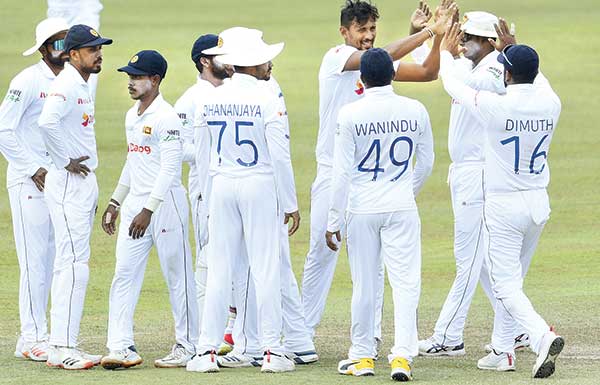
Sri Lanka Cricket has played down the ongoing pay crisis with national cricketers, telling us that everything will be tickety-boo after the Bangladesh series as they are currently negotiating with the players. But the fact remains that the players refused to sign the contracts and many of them are angry at the suggested pay cut. The new contracts are so flawed that some players would be forced to go through 200% pay cuts.
No doubt these are testing times as SLC has rightly pointed out. The board’s finances have suffered major losses due to the pandemic. But if there’s going to be a pay cut, let it begin from the top. The CEO’s salary of Rs. 1.8 million a month has not been slashed. But he wants players to take a pay cut. The CEO is not covering himself in glory these days as we witnessed during the COPE hearing recently.
In fact, the CEO’s salary has tripled in the last five years. In that scenario, there’s no rationale in asking the players to get a pay cut while the head of the organization enjoys his perks. It is very easy to say that this was a suggestion from one of the sub committees and pass the buck. But the CEO has been in that position for a decade now and before that as Director Cricket Operations for a considerable time. He should have given a piece of his mind to whoever the mastermind, who wasn’t thinking clearly in drafting the contract.
If the proposed contracts go through, Suranga Lakmal, a former captain and a respected senior player, would be earning an annual retainer worth around US$ 45,000, which is close to Rs. nine million. The CEO, at the same time would be earning over Rs. 21 million. How can that be fair? Whoever who prepared this contract is prejudiced.
Apart from a significant reduction in the annual retainers, the seniority payment too has been completely taken off. The mastermind who drafted these contracts is said to be a former captain, who in his prime earned as much as Rs. 100 million annually from SLC. When the board wanted this amount reduced, he had a bone to pick with the administration and together with his crooked agent, who ran a cricket website, sought political intervention. Time was when some of our captains spent more time at Temple Trees than the time they spent at the crease. Literally, they were asking for the pound of flesh and had it their way.
The board’s counter argument then was that they wanted a fair share of revenue go to domestic cricketers in order stop the brain drain as professional cricketers were regularly traveling to England and Australia to earn a living. SLC failed miserably. Senior players were powerful.
Now the roles have been reversed. Since the mastermind is in administration currently, he feels domestic cricketers need to be looked after and hell with elite players. The poacher turned gamekeeper should not be allowed to get away with his ill-advised policies. Let him take his dumb, nonsensical and undiplomatic policies elsewhere.
The players are up in arms. They are contractually bound to remain silent or else all hell would have broken loose by now as the recommended pay structure has taken things back to what it was 20 years ago.
Having said all these, it must be mentioned that players did need a shake up. The conduct of some of them in recent years has been unbecoming of professional sportsmen. Take the two kilometer run for example, which they are supposed to run in eight minutes and 30 seconds. Look at how many of them fail this basic drill. Or the skin-fold test, which you can pass with bit of discipline in your food intake and social life. Someone who is as young as Avishka Fernando, who has got a huge future ahead of himself, failing a simple fitness tests is awful.
Then there are allegations of players teaming up with trainers and physiotherapists and submitting false fitness reports. No wonder the ICC has categorized Sri Lanka as the most corrupt nation in cricket. Rarely a month passes without us hearing Sri Lankan cricketers either being charged for drunk driving, knocking someone on the road or being involved in a fight (some fights are now fought in social media). The new contracts ensure that players get penalized substantially if their conduct is not up to the mark.
Discipline is a must in all walks of life. So whilst retaining aspects such as minimum fitness standards and conduct of players in public, the pay cut that has no rationale needs to be reviewed.



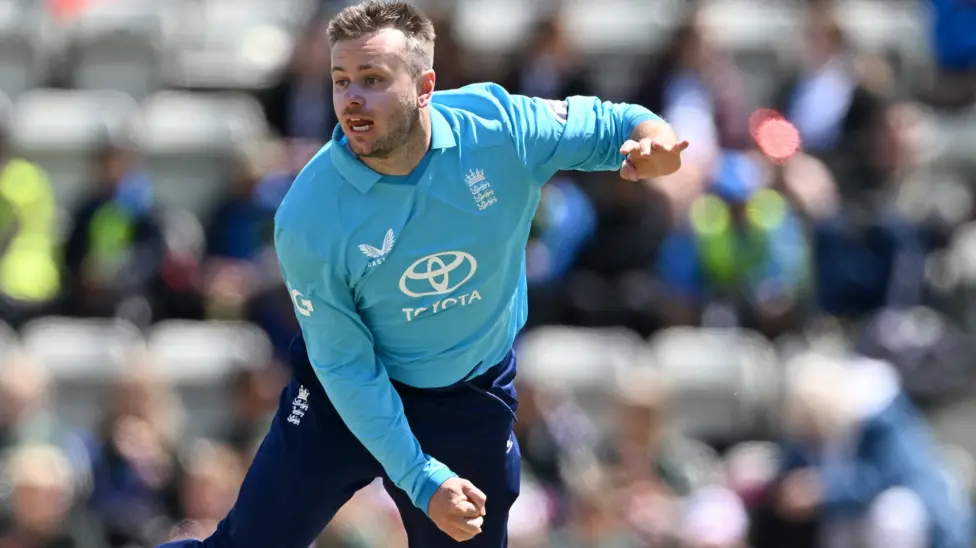
Leg-spinner Mason Crane could play for England for the first time in eight years after being recalled for the one-day international tri-series in Pakistan.
The 29-year-old won his only Test cap against Australia in Sydney in 2018 and is now given an opportunity in the series which also involves Sri Lanka next month.
Crane, who also played two T20 internationals in 2017, could also push his case in the fight to be England’s number one spinner in Test cricket.
Sam Curran and Adil Rashid both return after injuries, and uncapped pair James Coles and Henry Crocombe are included.
Jos Buttler is out with the hamstring injury he sustained last week, while Jacob Bethell is continuing his recovery from knee surgery.
Brydon Carse, who is under an investigation from the Cricket Regulator following an incident outside a nightclub in Derby in August, remains absent.
England are on a diet of white-ball cricket until three Tests in South Africa in December as they build up to the 50-over World Cup in southern Africa next year.
The tri-series in Pakistan involves the three teams taking part playing each other twice, with the top two advancing to the final. Following the trip to Pakistan, England play three one-day internationals and five T20s in Australia in November.
As England continue to shape their backroom staff following the arrival of Stephen Fleming as Test coach, Jeetan Patel, Mike Yardy, David Saker and Carl Hopkinson will assist white-ball head coach Brendon McCullum in Pakistan.
That means Marcus Trescothick, who took temporary charge of the Test team for the series against Pakistan in the home summer, misses the trip.
It is understood the make-up of the coaching staff is part of a plan to rotate the coaches – fielding coach Sarah Taylor and fast-bowling coach Tim Southee are also not going to Pakistan.
All of Trescothick, Taylor and Southee are likely to be part of England’s coaching team for other tours this winter.
England squad for tri-series in Pakistan:
Harry Brook (Yorkshire – captain), Gus Atkinson (Surrey), Sonny Baker (Hampshire), Tom Banton (Somerset), James Coles (Sussex), Jordan Cox (Essex), Mason Crane (Glamorgan), Henry Crocombe (Sussex), Sam Curran (Surrey), Liam Dawson (Hampshire), Ben Duckett (Nottinghamshire), Will Jacks (Surrey), Jamie Overton (Surrey), Adil Rashid (Yorkshire), Joe Root (Yorkshire), Josh Tongue (Nottinghamshire).
(BBC)

Sri Lanka won the toss and elected to bowl first in the Asian games semifinal clash against India.
Sri Lanka XI: Lasith Croospulle, Sineth Jayawardene, Sohan de Livera (wk), Ashen Bandara, Sahan Arachchige (c), Nuwanidu Fernando, Chamika Karunaratne, Wanuja Sahan, Tharindu Rathnayake, Binura Fernando, Vijayakanth Viyaskanth

England call up Crane and rest Archer for Pakistan series

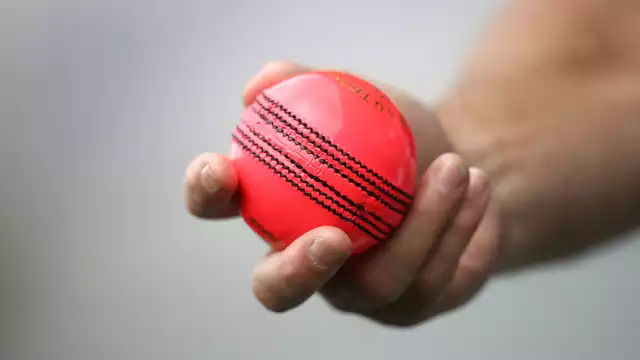
ICC introduces pink-ball daytime Test trial, new time-wasting penalties

Discussion on Anuradhapura Sacred City Development Plan

India enter Asian Games final after Kishan and Bumrah ride roughshod over Sri Lanka

I extend my heartfelt wishes to all the sons and daughters of our country for a Happy World Children’s Day – President

Sri Lanka bowl first in semi final clash against India

‘Dates have the highest sugar content to fight Coronavirus’

Sunday Island 27 December – Headlines

#SundayIsland 17th December – Headlines

Sunday Island – 28th March

Sunday Island Headlines – 21 March

Sunday Island – 21st February – Headlines
-

 Editorial6 days ago
Birth of a bad law
-

 Features7 days ago
Beyond traditional jobs: Why Sri Lanka needs to facilitate the gig economy
-

 News4 days ago
Police remove Thileepan statue in Jaffna
-

 News6 days ago
TIN mandatory for key transactions from Nov. 1
-
 Latest News7 days ago
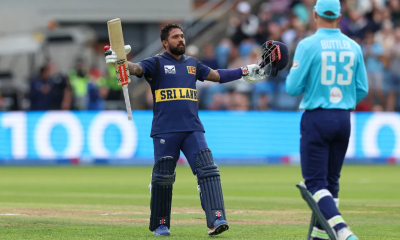
Kusal, Wellalage star as Sri Lanka defend 322 in Headingley thriller
-

 Features4 days ago
The 22nd Amendment, constitutional recovery and illiberal slippage
-

 Features4 days ago
Of foreigners as CEOs of Lankan ventures
-

 News4 days ago
Sajith rejects Jt. Opp. protest sabotage claim; SJB TU chief demands remedial action