
Foreign News
Huge ancient city found in the Amazon

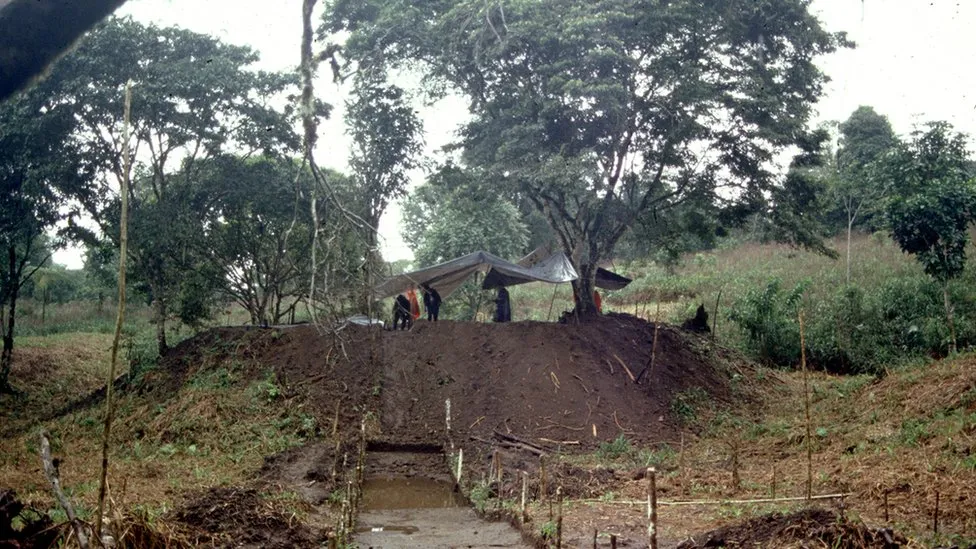
A huge ancient city has been found in the Amazon, hidden for thousands of years by lush vegetation.
The discovery changes what we know about the history of people living in the Amazon. The houses and plazas in the Upano area in eastern Ecuador were connected by an astounding network of roads and canals.
The area lies in the shadow of a volcano that created rich local soils but also may have led to the destruction of the society.
While we knew about cities in the highlands of South America, like Machu Picchu in Peru, it was believed that people only lived nomadically or in tiny settlements in the Amazon. “This is older than any other site we know in the Amazon. We have a Eurocentric view of civilisation, but this shows we have to change our idea about what is culture and civilisation,” says Prof Stephen Rostain, director of investigation at the National Centre for Scientific Research in France, who led the research.
“It changes the way we see Amazonian cultures. Most people picture small groups, probably naked, living in huts and clearing land – this shows ancient people lived in complicated urban societies,” says co-author Antoine Dorison. The city was built around 2,500 years ago, and people lived there for up to 1,000 years, according to archaeologists.
It is difficult to accurately estimate how many people lived there at any one time, but scientists say it is certainly in the 10,000s if not 100,000s.
The archaeologists combined ground excavations with a survey of a 300 sq km (116 sq mile) area using laser sensors flown on a plane that could identify remains of the city beneath the dense plants and trees.
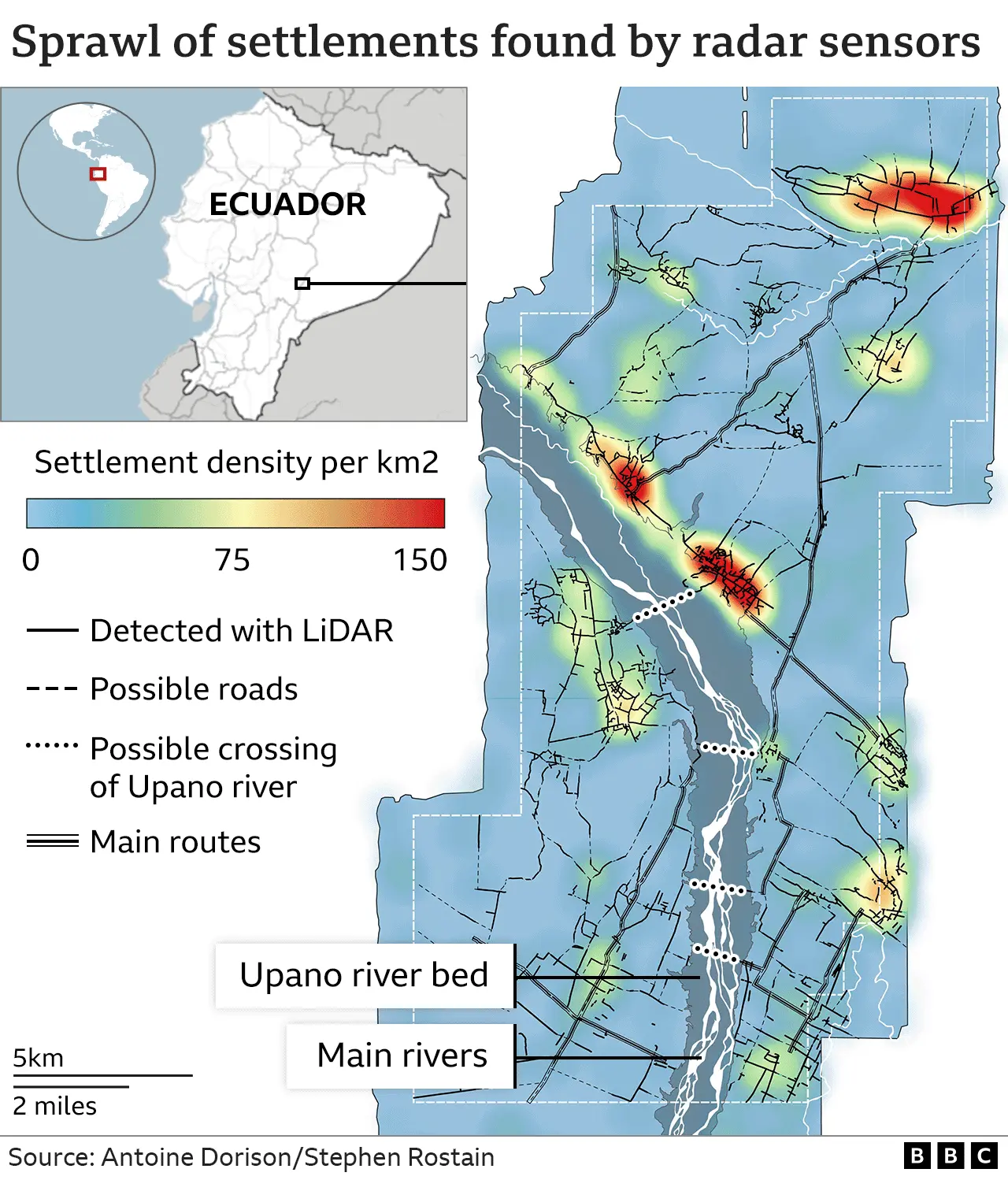
This LiDAR technology found 6,000 rectangular platforms measuring about 20m (66 ft) by 10m (33 ft) and 2-3m high. They were arranged in groups of three to six units around a plaza with a central platform.
The scientists believe many were homes, but some were for ceremonial purposes. One complex, at Kilamope, included a 140m (459 ft) by 40m (131 ft) platform.
They were built by cutting into hills and creating a platform of earth on top.
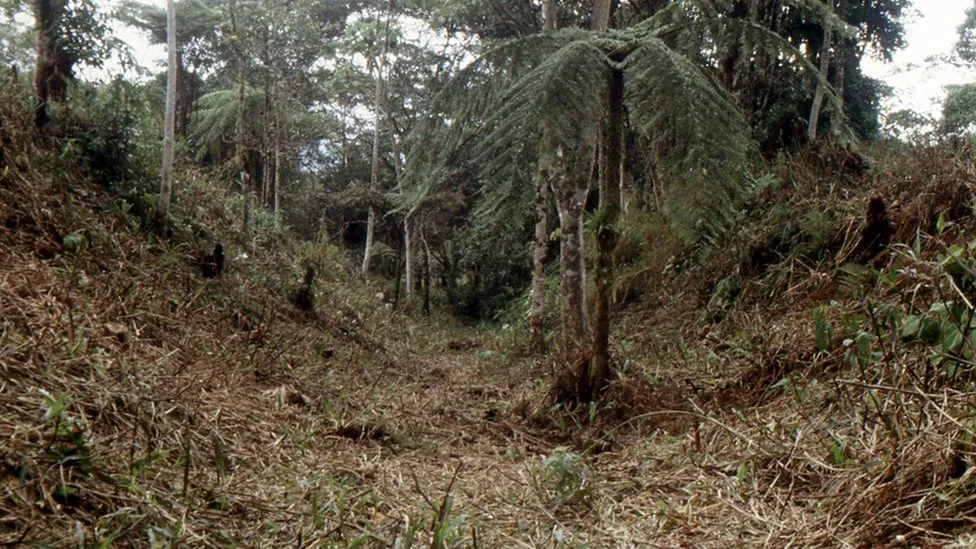
A network of straight roads and paths connected many of the platforms, including one that extended 25km (16 miles).
Dr Dorison said these roads were the most striking part of the research. “The road network is very sophisticated. It extends over a vast distance, everything is connected. And there are right angles, which is very impressive,” he says, explaining that it is much harder to build a straight road than one that fits in with the landscape.
He believes some had a “very powerful meaning”, perhaps linked to a ceremony or belief.
The scientists also identified causeways with ditches on either side which they believe were canals that helped manage the abundant water in the region.
There were signs of threats to the cities – some ditches blocked entrances to the settlements, and may be evidence of threats from nearby people.
Researchers first found evidence of a city in the 1970s, but this is the first time a comprehensive survey has been completed, after 25 years of research.
It reveals a large, complex society that appears to be even bigger than the well-known Mayan societies in Mexico and Central America. “Imagine that you discovered another civilisation like the Maya, but with completely different architecture, land use, ceramics,” says José Iriarte, a professor of archaeology at University of Exeter, who was not involved in this research.
Some of the findings are “unique” for South America, he explains, pointing to the octagonal and rectangular platforms arranged together. The societies were clearly well-organised and interconnected, he says, highlighting the long sunken roads between settlements.
Not a huge amount is known about the people who lived there and what their societies were like. Pits and hearths were found in the platforms, as well as jars, stones to grind plants and burnt seeds.
The Kilamope and Upano people living there probably mostly focussed on agriculture. People ate maize and sweet potato, and probably drank “chicha”, a type of sweet beer.
Prof Rostain says he was warned against this research at the start of his career because scientists believed no ancient groups had lived in the Amazon. “But I’m very stubborn, so I did it anyway. Now I must admit I am quite happy to have made such a big discovery,” he says.
The next step for the researchers is understanding what lies in an adjoining 300 sq km (116 sq mile) area not yet surveyed.
(BBC)




Antonio Jose Seguro of the centre-left Socialist Party has secured a landslide victory and a five-year term as Portugal’s president in a run-off vote, beating his far-right, anti-establishment rival, Andre Ventura, according to partial results.
With 95 percent of votes counted, 63-year-old Seguro has garnered 66 percent. Ventura trailed at 34 percent, still likely to secure a much stronger result than the 22.8 percent his anti-immigration Chega party achieved in last year’s general election. Ballots in large cities such as Lisbon and Porto are counted towards the end.
Two exit polls have placed Seguro in the 67-73 percent range, and Ventura at 27-33 percent.
A succession of storms in recent days has failed to deter voters, with turnout at about the same level as in the first round on January 18, even though three municipal councils in southern and central Portugal had to postpone voting by a week due to floods. The postponement affected some 37,000 registered voters, or about 0.3 percent of the total, and is unlikely to influence the overall result.
Portugal’s presidency is a largely ceremonial role, but it holds some key powers, including the ability to dissolve parliament under certain circumstances.
Ventura, 43, who had trailed Seguro in opinion polls, had argued that the government’s response to the fierce gales and floods was “useless” and called for the entire election to be postponed.
However, the authorities rejected the demand.
Seguro, during his last campaign rally on Friday, accused Ventura of “doing everything to keep the Portuguese from turning out to vote”.
Despite his loss on Sunday, Ventura, a charismatic former television sports commentator, can now boast increased support, reflecting the growing influence of the far right in Portugal and much of Europe. He is also the first extreme-right candidate to make it through to a run-off vote in Portugal.
Meanwhile, Seguro has cast himself as the candidate of a “modern and moderate” left, who can actively mediate to avert political crises and defend democratic values. He received backing from prominent conservatives after the first round amid concerns over what many see as Ventura’s populist, hardline tendencies.
But Prime Minister Luis Montenegro – whose minority centre-right government has to rely on support from either the Socialists or the far right to get legislation through parliament – declined to endorse either candidate in the second round.
While the role is largely ceremonial, the head of state has the power to dissolve parliament and call early elections.
The new president will succeed outgoing conservative Marcelo Rebelo de Sousa in early March.
[Aljazeera]
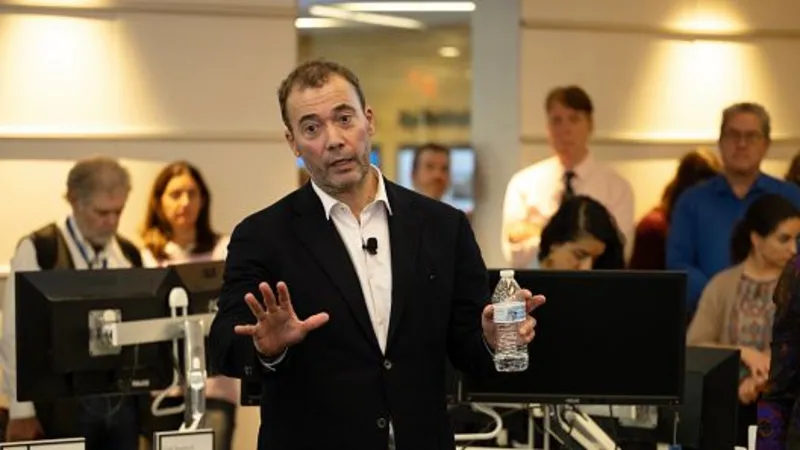
The chief executive of the Washington Post is stepping down, the newspaper has announced, days after overseeing mass lay-offs.
William Lewis said it was the right time to leave, saying in a message to staff that was shared online that “difficult decisions” had been made to ensure the paper’s future.
On Wednesday the newspaper announced it was cutting a third of its workforce, dramatically scaling back its coverage of sport and international news.
The decision was condemned by many journalists and prompted criticism of the Post’s billionaire owner, Jeff Bezos. Executive editor Matt Murray said the cuts would bring “stability”.
Jeff D’Onofrio, who joined as chief financial officer of the newspaper last year, will serve as acting publisher and CEO, the Post said as it announced Lewis’s departure.
A former Dow Jones chief executive and publisher of the Wall Street Journal, Lewis was appointed to the role at the Washington Post in 2023.
He has faced criticism from subscribers and employees as he tried to reverse financial losses at the daily.
Hundreds protested in front of the paper’s headquarters in Washington DC on Thursday after the mass lay offs, which included the paper’s entire Middle East staff and its Kyiv-based Ukraine correspondent.
Marty Baron, the Post’s executive editor until 2021, said the cuts ranked “among the darkest days in the history of one of the world’s greatest news organisations”.
The departure of Lewis marks the latest upheaval for the leading US newspaper, which has seen a series of staff cuts and controversial editorial decisions in recent years.
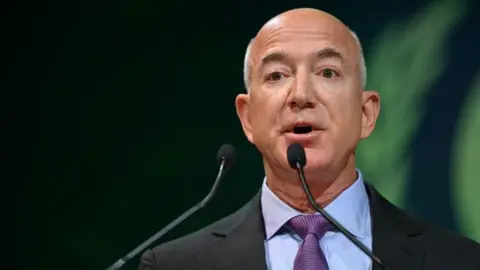
Shortly before the 2024 US presidential election, Bezos, the founder of Amazon, broke with decades of tradition by deciding the newspaper would not endorse a presidential candidate.
The newspaper had endorsed a candidate in most presidential elections since the 1970s – all of whom had been Democrats.
The move caused widespread criticism and led to the loss of tens of thousands of subscribers.
Meanwhile, the opinion editor resigned in February last year when Bezos decided to focus the paper’s comment section on “personal liberties and free markets”.
Bezos, who acquired the newspaper in 2013, said pieces opposing those views would not be published.
[BBC]
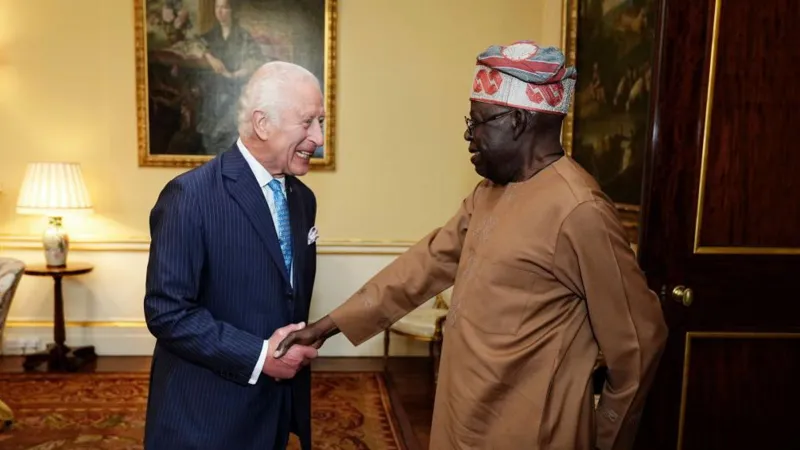
King Charles III and Queen Camilla will host Nigeria’s president in the country’s first state visit to the UK in 37 years, Buckingham Palace has announced.
Bola Tinubu and First Lady Oluremi Tinubu have accepted an invitation to be guests of the King at Windsor Castle from 18 to 19 March.
State visits are considered a form of soft-power diplomacy, using the pomp of royal hospitality to strengthen relations with important international partners.
The last Nigerian state visit to the UK took place in 1989, when military ruler Gen Ibrahim Babangida travelled to meet the late Queen Elizabeth II for a four-day trip.
Although this will be Tinubu’s first formal state visit to the UK, he has already met the King since taking office following Nigeria’s disputed election in 2023.
Tinubu and his wife were received at Buckingham Palace in September 2024 and also held a bilateral meeting with the King on the sidelines of the COP28 summit in Dubai.
But a state visit allows for ceremonial pageantry aimed at elevating the occasion and demonstrating the importance with which the UK views those visiting.
The visit comes at a time of improving diplomatic and economic links between the UK and Nigeria – with trade between the two worth more than £8bn in the year to October, government figures show. This makes the African nation one of the UK’s most important partners in the continent.
In 2024, the two countries signed a new trade and investment partnership designed to expand opportunities for business.
The agenda for the March visit has not been disclosed, nor details of the events planned for it – but state visits typically include carriage processions and a state banquet, and usually coincide with visiting leaders having political meetings.

In 2025 alone, the King presided over three state visits – those of French President Emmanuel Macron, US President Donald Trump and German President Frank-Walter Steinmeier – the first time the UK had held such a number in a single year since 1988.
The King has longstanding ties to Nigeria, a Commonwealth country, having expressed a love for Pidgin English and Nigerian Afrobeats music.
Before becoming monarch, he visited the country four times as the Prince of Wales – in 1990, 1999, 2006 and 2018. Camilla, then the Duchess of Cornwall, joined him on the latter trip.
In 2023, the King’s Trust International – formerly the Prince’s Trust – officially launched in Nigeria, announcing a project aimed at tackling youth unemployment.
[BBC]

Canada bowl against pace-heavy South Africa

Hong Kong court jails media tycoon and British citizen Jimmy Lai for 20 years

Muzarabani returns as Zimbabwe opt to bowl against Oman

Munsey and Leask spoil Italy’s T20 World Cup debut2

Italy captain Wayne Madsen injures shoulder in T20 World Cup opener

Canada look for early splash against favourites South Africa

‘Dates have the highest sugar content to fight Coronavirus’

Sunday Island 27 December – Headlines

#SundayIsland 17th December – Headlines

Sunday Island – 28th March

Sunday Island Headlines – 21 March

Sunday Island – 21st February – Headlines
-
 Features2 days ago
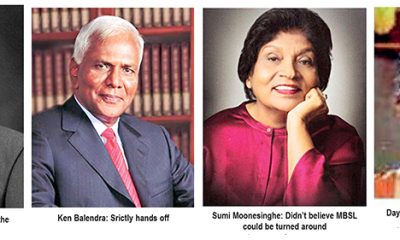
My experience in turning around the Merchant Bank of Sri Lanka (MBSL) – Episode 3
-

 Business3 days ago
Zone24x7 enters 2026 with strong momentum, reinforcing its role as an enterprise AI and automation partner
-

 Business7 days ago
SLIM-Kantar People’s Awards 2026 to recognise Sri Lanka’s most trusted brands and personalities
-

 Business2 days ago
Remotely conducted Business Forum in Paris attracts reputed French companies
-

 Business2 days ago
Four runs, a thousand dreams: How a small-town school bowled its way into the record books
-

 Business2 days ago
ComBank and Hayleys Mobility redefine sustainable mobility with flexible leasing solutions
-

 Business7 days ago
API-first card issuing and processing platform for Pan Asia Bank
-
 Business3 days ago
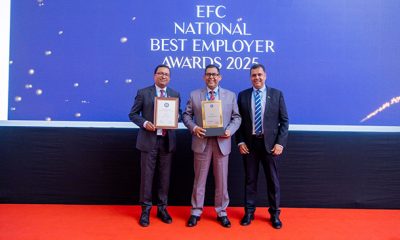
HNB recognized among Top 10 Best Employers of 2025 at the EFC National Best Employer Awards