
News
GL: over 500 quarantined AL candidates sat examination


By Shamindra Ferdinando
Education Minister Prof. G.L. Peiris yesterday (6) paid a glowing tribute to all those who had made it possible for the successful conclusion of the GCE Advanced Level examination under extremely difficult conditions due to the unexpected eruption of corona second wave.
Minister Peiris said that the conducting of the examination was a real challenge as the situation gradually deteriorated with the government compelled to bring the entire Western Province under quarantine curfew.
Western Province comprising administrative districts of Colombo, Gampaha and Kalutara was brought under quarantine curfew at midnight on Oct 29.
Responding to The Island queries, Prof. Peiris said that putting off the examination for the second time could have caused major issues. The examination was to be held in August.
The Education Minister said the media coverage during the examination highlighted the fact that the parents of those who sat the examination threw their weight behind the government decision. At one point some interested parties threatened to sabotage the examination over some shortcomings. But, overall everybody supported, the Minister said, adding that all those who contributed to the successful effort could quite rightly be proud of the achievement.
Recalling the difficulties experienced in holding the Year Five Scholarship examination on Oct 11 before the commencement of the Advance Level examination on the following day, Prof. Peiris said on the first day three candidates under quarantine sat the examination. As the epidemic spread, many more were categorized and had to be brought under a special system in place for them to sit the examination, the minister said.
Prof. Peiris said that by the time the examination concluded yesterday, altogether 568 sat the examination while being under quarantine. According to statistics provided by the Media Unit of the Education Ministry, 27 sat for the examination at the Angoda Infectious Diseases Hospital (IDH), one at the hospital at the Panagoda Army cantonment and one at the Mulleriyawa hospital. In addition to them, 12 special centres accommodated students from Minuwangoda, Gampaha, Ja-ela, Seeduwa and Ekala. A total of 362,824 sat the examination.
Prof. Peiris said that government servants went out of their way to make it possible. “We arranged special transport with the support of the SLTB and the Railways Department whereas the staff played a crucial role,” the minister said.
Prof. Peiris said that they faced the daunting task of preventing an outbreak in any of the 2,648 examination centers. “We were concerned about the countrywide situation though curfews were declared in the Western Province and several other police areas in the provinces,” the minister said.
On the last day of the examination nearly 35,000 candidates sat the final paper.

Latest News
A strong Technical and Vocational Education and Training (TVET) system equips individuals with practical, relevant, and future-oriented skills helping to innovate responsibly towards a greener and sustainable future – PM

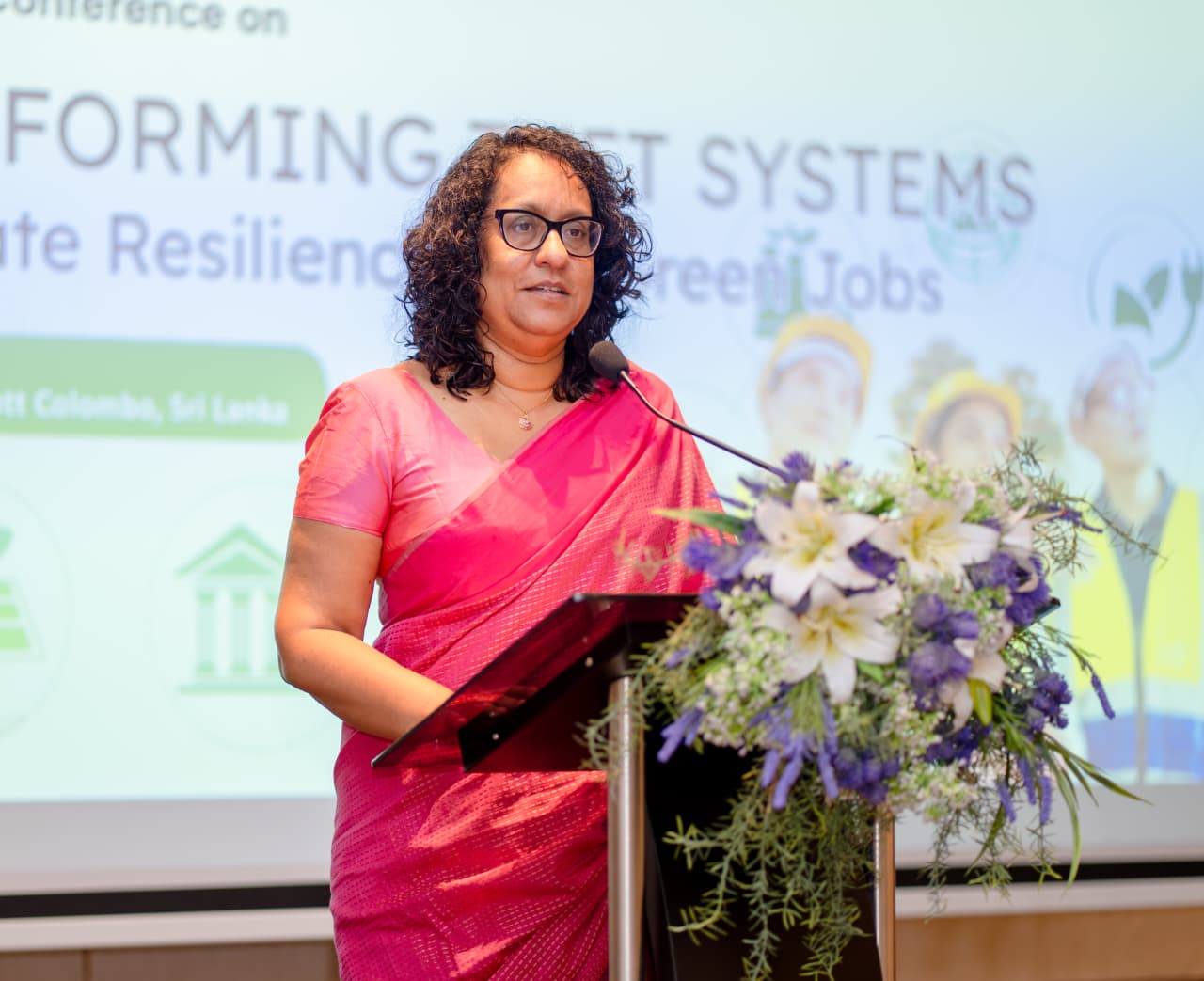
The Prime Minister, Minister of Education, Higher Education and Vocational Education Dr. Harini Amarasuriya participated as the Chief Guest in the international conference on ’Transforming TVET Systems for climate resilience and green jobs’ organized by Colombo Plan Staff College, Philippines together with the Ministry of Education, Higher Education and Vocational Education Sri Lanka on 24 th of March at Courtyard by Marriott Colombo, Sri Lanka.
The Conference serves as the flagship event of the five-day Regional Programme on “Transforming TVET for a Digital, Green, and Inclusive Economy” (23-27 March 2026), which continues throughout the week, bringing together representatives from CPSC member countries including Bhutan, Fiji, Malaysia, Maldives, Myanmar, Nepal, Philippines, Thailand, Pakistan, and Sri Lanka, fostering high-level dialogue and knowledge sharing on climate-resilient and green skills development.
The Conference features technical and plenary sessions on climate-responsive TVET systems, green skills development, national policy frameworks, and emerging technologies shaping industry transformation.
Addressing at the event, the Prime Minister emphasized the role of Technical and Vocational Education and Training (TVET) that equips individuals with practical, relevant, and future-oriented skills in addressing climate change and shaping a sustainable future.
The Prime Minister reaffirmed that this transformation remains a national priority for Sri Lanka. She stressed that education must go beyond knowledge dissemination to empower individuals with opportunities, dignity, and the capacity to contribute meaningfully to society.
She further emphasized the need to integrate environmental sustainability into education and training systems by embedding green skills in curricula, investing in modern training facilities, promoting innovation, and fostering collaboration between training institutions and emerging green industries.
Highlighting the importance of ensuring equity the Prime Minister further stated, that opportunities arising from the green transition must be accessible to all, including youth, young women, people with special needs, and marginalized communities.
Reaffirming Sri Lanka’s commitment to working closely with regional and international partnerships, the Prime Minister emphasized the importance of transforming them to actual benefits and partnerships.
The occasion was attended by the Secretary to the Ministry of Education, Higher Education and Vocational Education Nalaka Kaluwewa, Additional Secretary (Vocational Training) Ms. Samanthi Senanayake Director General Colombo Plan Staff College Prof. Dr. Suresh K. Dhameja , TVET administrators, institutional leaders, policymakers, instructors, industry representatives, and international delegates from across the region and seniors officials and officials from Ministries.
(Prime Minister’s Media division)
News
PM reviews progress of the committee appointed for the establishment of a National Nursing University
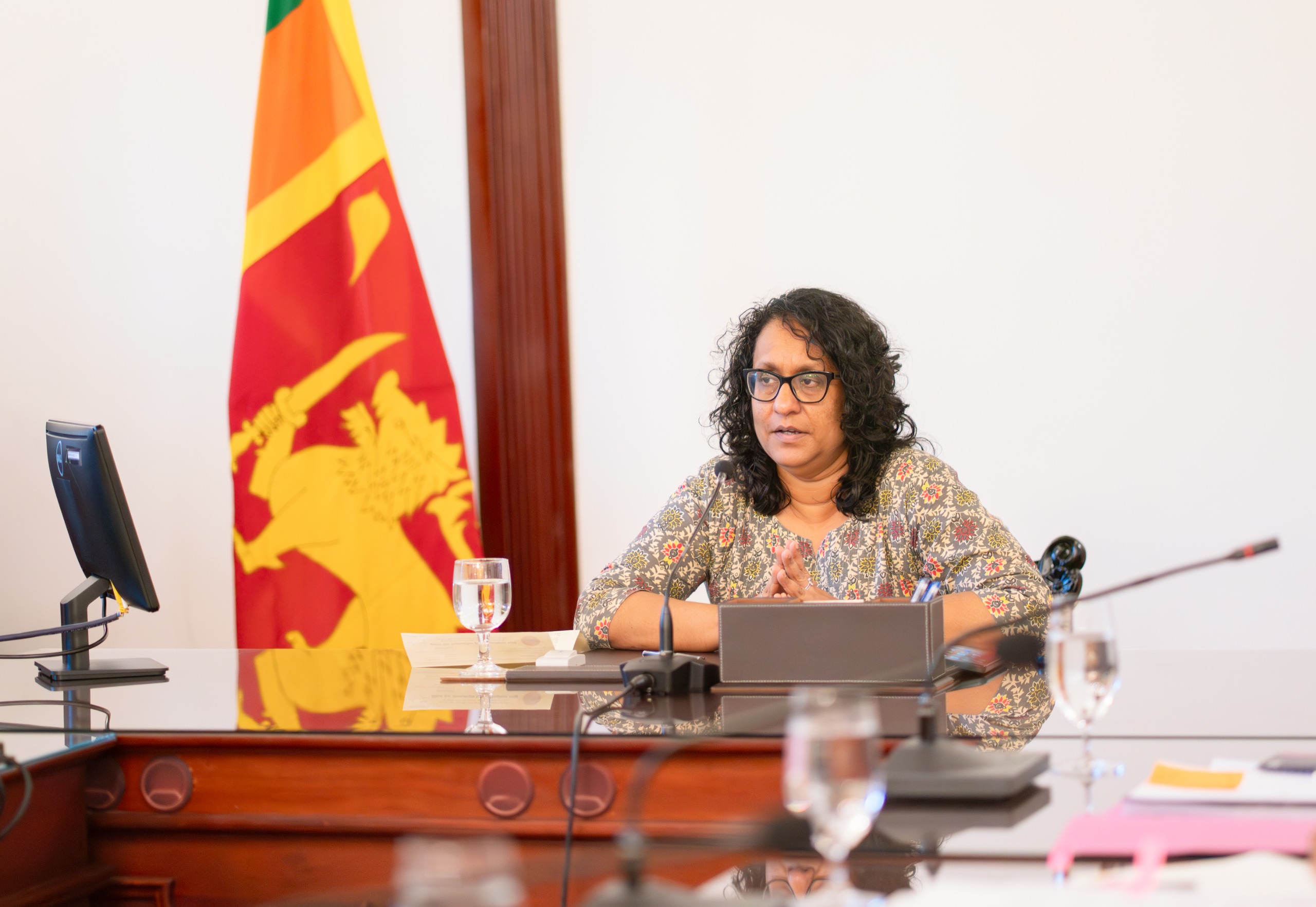
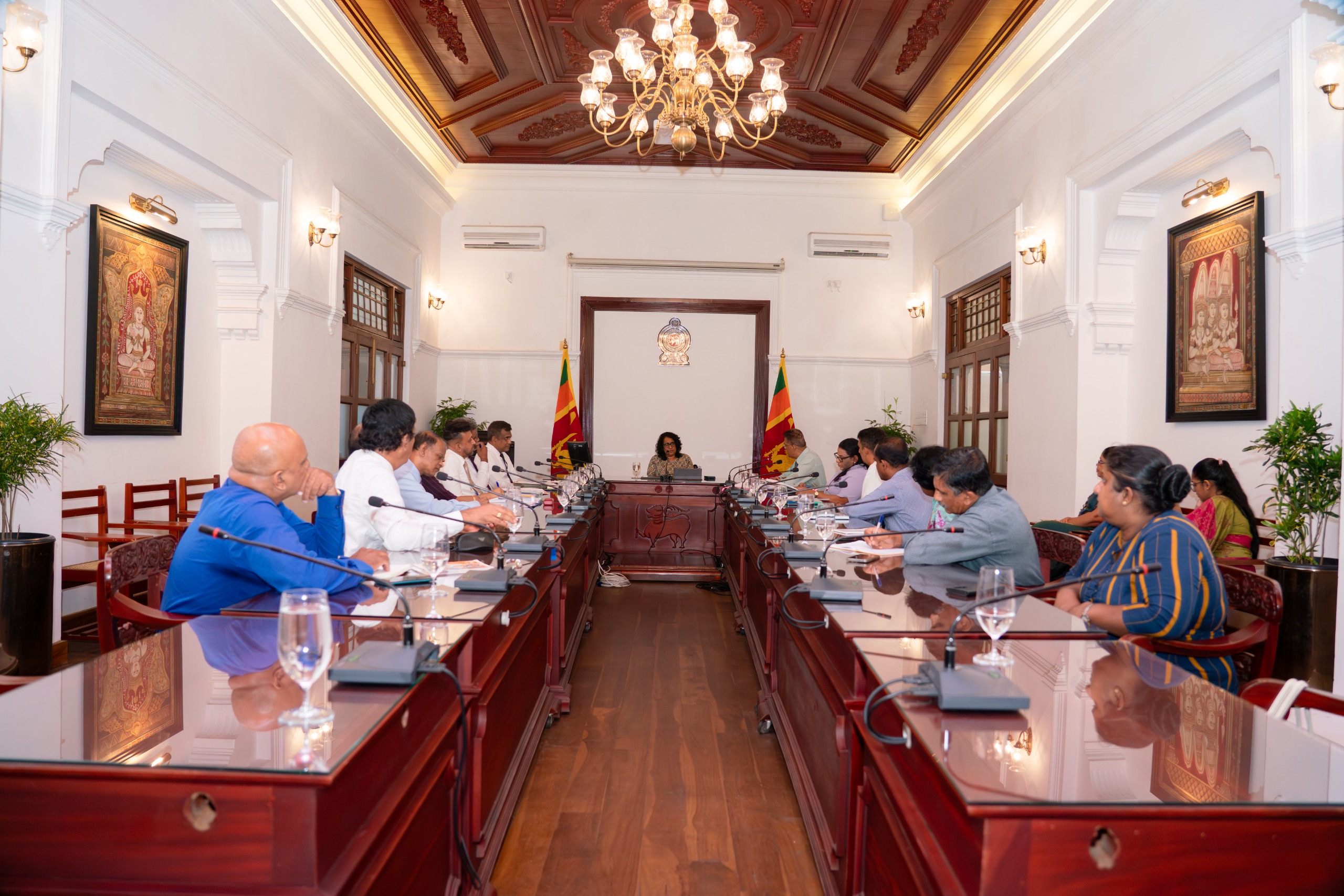
A discussion to review the current progress of the special committee appointed under the government’s policy proposals to establish a National Nursing University aimed at elevating the nursing profession in Sri Lanka to degree level was held on 23rd of March at the Prime Minister’s Office under the patronage of Prime Minister Dr. Harini Amarasuriya.
During the meeting, the Prime Minister inquired into the progress made by the committee in relation to the establishment of the Nursing University and paid attention to the issues and views presented by the committee members.
Emphasizing that establishing a university is a long-term and complex process, the Prime Minister pointed out the importance of advancing this project in line with higher education standards, without hasty decisions, while also taking into account the existing conflicts and challenges within the university system.
The meeting was attended by the Vice Chairman of the University Grants Commission, Professor K. L. Wasantha Kumara, representatives of the All Ceylon Nurses’ Association, and officials from the Ministry of Health and Mass Media.
(Prime Minister’s Media Division)
Latest News
Heat Index at ‘Caution level’ in the Western, Sabaragamuwa, Southern and North-western provinces and in Anuradhapura, Mannar, Vavuniya and Monaragala districts
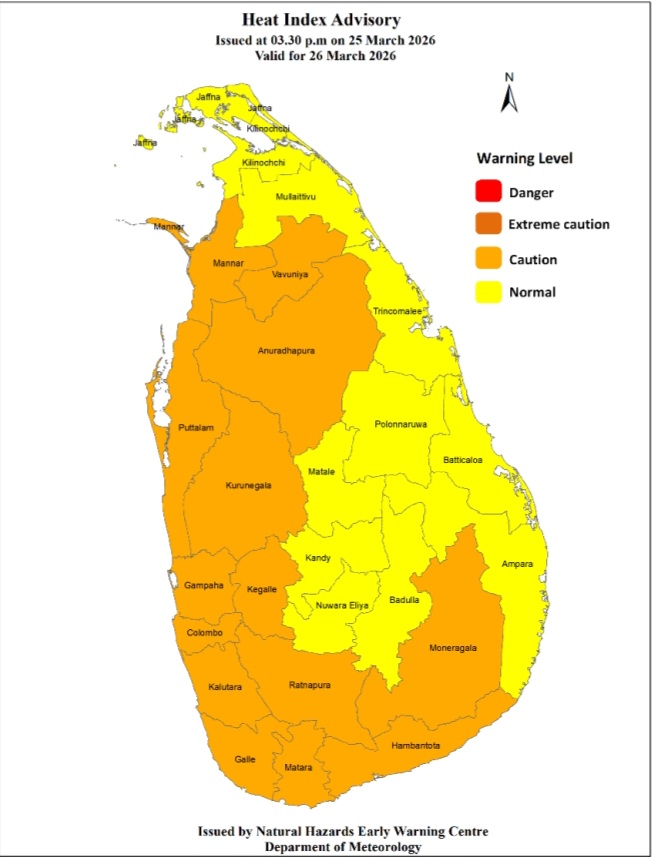
Warm Weather Advisory
Issued by the Natural Hazards Early Warning Centre of the Department of Meteorology
at 3.30 p.m. on 25 March 2026, valid for 26 March 2026.
The Heat index, the temperature felt on human body is likely to increase up to ‘Caution level’ at some places in the Western, Sabaragamuwa, Southern and North-western provinces and in
Anuradhapura, Mannar, Vavuniya and Monaragala districts.
The Heat Index Forecast is calculated by using relative humidity and maximum temperature and this is the condition that is felt on your body. This is not the forecast of maximum temperature. It is generated by the Department of Meteorology for the next day period and prepared by using global numerical weather prediction model data.

Effect of the heat index on human body is mentioned in the above table and it is prepared on the advice of the Ministry of Health and Indigenous Medical Services.
ACTION REQUIRED
Job sites: Stay hydrated and takes breaks in the shade as often as possible.
Indoors: Check up on the elderly and the sick.
Vehicles: Never leave children unattended.
Outdoors: Limit strenuous outdoor activities, find shade and stay hydrated.
Dress: Wear lightweight and white or light-colored clothing.
Note:
In addition, please refer to advisories issued by the Disaster Preparedness & Response Division, Ministry
of Health in this regard as well. For further clarifications please contact 011-7446491.

A strong Technical and Vocational Education and Training (TVET) system equips individuals with practical, relevant, and future-oriented skills helping to innovate responsibly towards a greener and sustainable future – PM

PM reviews progress of the committee appointed for the establishment of a National Nursing University

UN votes to recognise enslavement of Africans as ‘gravest crime against humanity’

Meta and YouTube found liable in landmark social media addiction trial

Showers expected in the Western and Sabaragamuwa provinces and in Galle and Matara districts after 2.00 pm.

Heat Index at ‘Caution level’ in the Western, Sabaragamuwa, Southern and North-western provinces and in Anuradhapura, Mannar, Vavuniya and Monaragala districts

‘Dates have the highest sugar content to fight Coronavirus’

Sunday Island 27 December – Headlines

#SundayIsland 17th December – Headlines

Sunday Island – 28th March

Sunday Island Headlines – 21 March

Sunday Island – 21st February – Headlines
-

 Features4 days ago
Trincomalee oil tank farm: An engineering marvel
-

 News2 days ago
Senior citizens above 70 years to receive March allowances on Thursday (26)
-

 News7 days ago
CIABOC tells court Kapila gave Rs 60 mn to MR and Rs. 20 mn to Priyankara
-
 Features7 days ago
Science and diplomacy in a changing world
-

 Features4 days ago
The scientist who was finally heard
-
 News2 days ago
Japanese boost to Sri J’pura Hospital, an outright gift from Tokyo during JRJ rule
-

 News2 days ago
CEB Engineers warn public to be prepared for power cuts after New Year
-

 News6 days ago
Colombo, Oslo steps up efforts to strengthen bilateral cooperation in key environmental priority areas