
Life style
Dr. Shama inspires hope in battle against breast cancer


Breast cancer is the most common cancer among women in Sri Lanka. Annually, out of approximately 37,000 newly diagnosed cancer patients nearly 27% are attributed to female breast cancer. In contrast male breast cancer is significantly rarer, observed at a ratio of about 1:100 compared to female cases.
On a daily basis, the statistics translate to approximately 15 new female breast cancer patients being detected with sadly three fatalities due to this disease. An excerpt from an interview with Dr Shama
Goonatilleke, Consultant Oncologist at Asiri Surgical Hospital
 Breast cancer remains one of the most common cancers among women. What trends are you seeing locally in terms of age, risk and incidence?
Breast cancer is the most common cancer among women in Sri Lanka. Annually, out of approximately 37 000 newly diagnosed cancer patients, nearly 27% are attributed to female breast cancer. In contrast, male breast cancer is significantly rarer, observed at a ratio of about 1:100 compared to female cases.
On a daily basis, the statistics translate to approximately 15 new breast cancer patients being detected, with sadly, three fatalities due to this disease.
In Sri Lanka, the key trends for breast cancer show a significant increase in incidence, particularly affecting older, post-menopausal women, and a growing prevalence of lifestyle-related risk factors.
The age-standardized incidence rate for female breast cancer in Sri Lanka has shown a steady and significant increase over the years, rising from 18.4 per 100,000 in 2005 to 34.4 per 100,000 in 2019. A gradual increase of approximately 4% per year was observed between 2001 and 2010, with the trend expected to continue.
The highest incidence of breast cancer is observed in women aged 50 to 59 years, with the mean age of diagnosis around 56 years. The increase in incidence has been substantially greater among women older than 50 years compared to younger women. While the incidence is lower in younger age groups, cases are reported from the 20-24 age group onwards, and nearly one-third of cases are reported before the age of 50. A significant proportion of patients are diagnosed at advanced stages (Stage III and IV), which contributes to lower survival rates compared to developed countries.
Why are we witnessing more breast cancer cases in younger women today?
Unfortunately, breast cancer is not a preventable cancer. The rise in breast cancer cases among younger women today is attributed to a complex interplay of lifestyle changes, environmental exposures, hormonal/reproductive shifts, and genetic factors. No single cause fully explains the trend, and research is ongoing.
Lifestyle and Hormonal Factors: Reproductive Changes:
Women are having their first child later in life or not having children at all, and are less likely to breastfeed. Pregnancy and breastfeeding, especially at a younger age, have a protective effect against breast cancer later in life, and the loss of this protection increases risk.
Increased Lifetime Estrogen Exposure:
Girls are starting menstruation earlier and women are entering menopause later, increasing the number of menstrual cycles and the body’s lifetime exposure to estrogen and progesterone, which can fuel the growth of hormone-receptor-positive breast cancers.
Obesity and Weight Gain:
Higher rates of obesity and weight gain during childhood and adulthood are associated with increased inflammation and hormonal imbalances, raising the risk of breast cancer in premenopausal young women.
Alcohol Consumption:
Alcohol intake is clearly linked to an increased risk of breast cancer, and the risk increases with the amount consumed. Alcohol consumption among young Sri Lankan females have increased during recent past.
Physical Inactivity and Diet:
A lack of physical activity and diets high in red meat and processed foods, which are common in “Western-style” diets, are linked to an increased cancer risk.
Environmental Exposures:
Endocrine-Disrupting Chemicals:
The current generation of young women has grown up exposed to a wider array of chemicals than ever before, including endocrine disruptors in plastics (like BPA and phthalates), cosmetics, pesticides, and food packaging. These chemicals can mimic hormones and interfere with hormonal regulation, increasing susceptibility to cancer.
Air Pollution:
Exposure to air pollutants can be absorbed into breast tissue and contribute to cancer development.
Other Potential Factors:
Genetics: Younger women getting breast cancer are more likely to have a genetic predisposition, such as BRCA1 and BRCA2 gene mutations, some may be direcDr. Shama inspires hope in
battle against breast cancertly getting from their parents,are associated with higher cancer risk and more aggressive forms of the disease.
Increased Awareness and Screening:
While not a cause of the disease itself, recent changes to screening guidelines (such as the recommendation to start mammograms at age 40) lead to earlier detection of existing cancers, which may contribute to the uptick in reported cases in this age group.
Researchers emphasize that these factors likely interact with one another, and exposures during critical windows of susceptibility, such as puberty and pregnancy, may be particularly impactful.
What early warning signs should women be paying attention to?
Women should pay attention to any new or unusual changes in the look or feel of their breasts, chest, or armpit areas. The most common early warning sign of breast cancer is a new lump or thickening, but other symptoms can occur even without a lump.
A new lump or thickening in the breast or armpit area, which may be painless and have irregular edges (though some can be soft, round, or tender).
Changes in the size or shape of one or both breasts.
Skin changes on the breast, such as dimpling, puckering, redness, scaling, or irritation (sometimes described as resembling an orange peel texture).
Nipple changes, including a nipple that pulls inward (inverts), changes direction, or has a rash or scaling.
Nipple discharge (other than breast milk), especially if it is clear or bloody and happens spontaneously (without squeezing).
Persistent pain in the breast or nipple area that is new and does not go away after a menstrual cycle.
Swelling or a lump in the armpit or around the collarbone, as cancer can spread to nearby lymph nodes.
It is important to become familiar with the normal look and feel of your breasts through regular self-exams so that any changes can be spotted promptly. While many of these symptoms can be caused by benign (non-cancerous) conditions, any new and persistent changes should be evaluated by a healthcare professional as soon as possible for an accurate diagnosis. Early detection significantly improves the chances for effective treatment and positive outcomes.
Many women are still hesitant about breast screening. What misconceptions prevent early detection?
Misconceptions and fears that prevent women from attending breast screening and receiving an early diagnosis include false beliefs about personal risk, the screening procedure’s safety and comfort, and the outcomes of a cancer diagnosis
Key misconceptions preventing early detection are:
“I am not at risk because I am healthy/have no family history.” This is a very common myth. The truth is that most breast cancers occur in women with no family history, and healthy habits only reduce the risk, not eliminate it. A woman’s primary risk factors are simply being a woman and getting older.
“Mammograms are painful or dangerous.” Many women avoid screening due to fear of pain or concerns about radiation exposure. In reality, the procedure may cause brief, manageable discomfort, and the radiation dose is very low and considered safe by medical guidelines. The benefits of early detection far outweigh the minimal risks.
“Only women with symptoms or lumps need screening.” Mammograms are designed to find cancer years before physical symptoms, such as a lump, can be felt. Waiting for symptoms often means the cancer is more advanced and potentially less treatable.
“A painless lump is harmless.” Most breast cancers do not cause pain. Any new lump or unusual change should be checked by a healthcare provider regardless of whether it is painful.
“Breast cancer is a death sentence.” This fatalistic view can lead women to avoid screening or delay treatment. With early detection, the 5-year relative survival rate for localized breast cancer is an impressive 99%.
“Breast self-exams are enough.” While self-awareness of breast changes is important, self-exams alone are not a substitute for regular professional screenings like mammograms, which can detect much smaller cancers.
“Newer tests make mammograms obsolete.” While other tools like ultrasound and MRI are used for high-risk cases, mammography remains the gold standard and most effective tool for average-risk screening and early detection.
Other Barriers:
Fear and Anxiety:
Many women avoid screening due to fear of the results (receiving a cancer diagnosis) or the procedure itself.
Socio-cultural factors:
Taboos, stigma, or a preference for traditional medicine can lead to significant delays in seeking conventional care.
Logistical and financial issues
: Cost, lack of health insurance, difficulty accessing healthcare facilities (e.g., transportation issues), or an inability to take time off work or find childcare can all prevent women from attending appointments.
Lack of knowledge:
Low awareness of the benefits of screening, the risk factors, and the signs and symptoms of breast cancer contributes to hesitation and delay
Addressing these misconceptions through better education and communication from healthcare providers is essential to encouraging regular screening and improving outcomes.
How has modern technology improved breast cancer treatment outcome at Asiri AOI (American Oncology Centre) cancer centre?
Modern technology has improved breast cancer treatment outcomes at Asiri AOI Cancer Centre by enabling more accurate, personalized, and less invasive care, which enhances efficacy while minimizing side effects and recovery times.
Key technological advancements and their impact include:
Diagnosis and Staging
Advanced Imaging (PET-CT, MRI, 3D Mammography): These technologies allow for the detection of tumors at earlier stages and provide detailed information on their location, size, and extent. This precision in staging is crucial for developing the most effective treatment plans, which directly improves survival rates.
Genetic and Histopathology Labs: Asiri AOI uses advanced labs for genetic testing and biomarker analysis to understand cancer at a molecular level. This allows for the classification of breast cancer into specific subtypes (e.g., hormone receptor-positive, HER2-positive) and the development of personalized treatment plans tailored to the patient’s unique cancer profile, improving treatment efficacy and reducing unnecessary therapies.
Treatment Modalities Surgical Techniques
Sentinel Lymph Node Biopsy (SLNB): This minimally invasive procedure has largely replaced the traditional, more extensive axillary lymph node dissection. SLNB accurately stages the cancer while significantly reducing the risk of lymphedema and other post-surgical complications, leading to better recovery and quality of life.
Intraoperative Guidance:
Techniques such as image-guided surgery and the potential future use of cancer-targeted dyes or molecular probes during operations help surgeons ensure complete tumor removal while preserving maximum normal breast tissue, reducing the need for re-operations and improving cosmetic results.
Systemic Therapies
Targeted Therapy and Immunotherapy:
By using insights from advanced diagnostics, in addition to traditional chemotherapy clinicians can employ targeted therapies and immunotherapies that focus on specific cancer-driving molecules or leverage the body’s own immune system to fight cancer. These treatments are often more effective and have fewer side effects than traditional chemotherapy.
Precision Radiotherapy (TrueBeam STx)
Asiri AOI utilizes the TrueBeam STx radiotherapy system, which delivers high doses of radiation with sub-millimeter accuracy.
Improved outcomes:
This system targets cancer cells while sparing healthy surrounding tissues and organs (like the heart and lungs), which reduces side effects and long-term complications.
Efficiency:
It allows for faster treatment sessions and fewer visits (e.g., reducing multi-week radiation courses to a few sessions or even intraoperative radiotherapy options), which improves patient comfort and quality of life.
Overall, the integration of these modern technologies, combined with a multidisciplinary approach and adherence to international protocols (via collaboration with UPMC), enables Asiri AOI Cancer Centre to provide world-class, individualized care that has significantly improved breast cancer treatment outcomes.
Is radiotherapy recommended for every breast cancer patient? When is it more beneficial?
No, radiotherapy is not recommended for every breast cancer patient. The decision to use radiotherapy is personalized and based on a variety of factors related to the cancer’s characteristics, the type of surgery performed, and the patient’s overall health.
Radiotherapy is primarily used to destroy any remaining cancer cells after surgery and reduce the risk of the cancer coming back in the breast area or nearby lymph nodes. It is generally more beneficial, and often standard, in the following situations:
After Breast-Conserving Surgery (Lumpectomy): Radiotherapy to the remaining breast tissue is a standard part of treatment to lower the risk of local recurrence. Some very low-risk, older patients (e.g., age 70 or older with a small, hormone receptor-positive tumor) who are receiving hormone therapy may be able to skip it, but this is an exception.
After a Mastectomy:
It is often recommended if there is a high risk of the cancer returning to the chest wall or nearby lymph nodes. This includes cases where:
The tumor was large (larger than 5 cm).
Cancer has spread to the lymph nodes (especially four or more, but potentially even one to three).
Surgical margins have cancer cells (positive or very close margins).
The cancer has grown into the skin or muscles.
For Certain Aggressive Cancers: Radiotherapy is a key part of the treatment plan for inflammatory breast cancer.
For Advanced or Metastatic Cancer: It can be used as a palliative treatment to shrink tumors, relieve pain, and control symptoms when cancer has spread to other parts of the body, such as the bones or brain.
Before Surgery (Neoadjuvant therapy): In some cases, it can be used to shrink a large tumor to make it easier to remove with surgery.
A patient may not be an ideal candidate for radiotherapy in certain situations:
Very Early Stage, Low-Risk Breast Cancer: Some patients with early-stage, small, hormone receptor-positive tumors that have not spread to the lymph nodes may not require radiotherapy, especially if they are older and receiving hormone therapy.
Prior Radiation Exposure: Patients who have previously had radiation therapy to the same area (chest/breast) cannot typically receive a second course due to the risk of damage to healthy tissues.
Certain Medical Conditions:
Individuals with connective tissue diseases (like lupus or scleroderma) or severe heart/lung problems may face higher risks of complications.
Genetic Predisposition:
Patients with certain genetic mutations, such as Li-Fraumeni syndrome or some ATM mutations, may be advised against radiotherapy due to a higher risk of developing a second cancer later.
Pregnancy:
Radiotherapy is generally avoided during pregnancy.
Ultimately, the decision to use radiotherapy is made through a discussion between the patient and their healthcare team (including a radiation oncologist), weighing the benefits of reducing recurrence risk against potential side effects and the individual’s specific health factors.
Many patients initially fear diagnosis more than the disease. How do you help them cope emotionally?
Helping patients cope with the fear of a potential diagnosis involves compassionate communication, providing clear information, offering emotional support, and empowering them with a sense of control.
Compassionate and Empathetic Communication
Active Listening: Give the patient your undivided attention and allow them to express their fears, worries, and anxieties without interruption. Acknowledging their feelings with phrases like, “I understand why you’re feeling this way” or “It’s okay to feel scared,” helps them feel heard and validated.
Acknowledge and Normalize Feelings: Reassure patients that denial, fear, anxiety, and anger are normal responses to the stress and uncertainty of a potential serious diagnosis.
Be Aware of Non-Verbal Cues:
Use calm body language, maintain appropriate eye contact, and use a warm, comforting tone of voice to convey support and sincerity. A reassuring touch on the arm, when appropriate and consensual, can also make a difference.
Honesty and Transparency:
Be honest about what is known and what is unknown, as this builds trust. Avoid giving false reassurance or minimizing their concerns, as this can break trust and make them feel misunderstood.
Information and Education
Provide Clear, Simple Information: Explain medical conditions, tests, and procedures in clear, non-medical language to reduce the “fear of the unknown”. Use visual aids if helpful.
Encourage Questions: Create an open, non-judgmental environment where patients feel comfortable asking questions. Offer your contact details or a specific point of contact for follow-up questions they may have later.
Guide Information Seeking: Advise patients on reliable sources for information and gently discourage unhelpful internet searches, which can increase anxiety with misinformation.
Empowerment and Control
Involve Patients in Decision-Making: Discuss options and allow patients to be active participants in their care plans. This gives them a sense of control, which is often lost during a health crisis.
Focus on the Next Steps: Collaboratively formulate a plan for immediate next steps and contingencies. A clear action plan helps shift focus from worry to proactive management.
Set Realistic Goals: Help patients focus on manageable, day-to-day goals and activities, rather than overwhelming long-term expectations, to prevent feelings of frustration and failure.
Support Networks and Coping Strategies
Involve Family and Friends: With patient consent, involve loved ones in the conversation. They can offer emotional support and help remember information and instructions.
Suggest Coping Techniques: Introduce relaxation strategies such as deep breathing exercises, mindfulness, meditation, music therapy, art therapy, aroma therapy, or guided imagery.
Recommend Support Groups: Connect patients with peer support groups or online communities where they can talk to others who have similar diagnoses and experiences. Hearing personal stories can provide valuable perspective and coping strategies.
Refer to Mental Health Professionals: Encourage patients to seek professional help from a counselor or psychologist who specializes in health anxiety if their feelings become overwhelming or interfere with daily life and treatment adherence.
What lifestyle factors contribute to increased breast cancer risk – especially in urban areas?
Can diet exercise or hormone regulation reduce risk?
How can survivors, ensure long term health and reduce recurrence risk?
Breast cancer survivors can ensure long-term health and reduce recurrence risk through a combination of consistent medical follow-up, healthy lifestyle choices (diet, exercise, weight management), avoiding harmful habits, and managing emotional well-being.
Medical Follow-Up and Adherence to Treatment
Regular Check-ups and Screenings: Adhere strictly to your follow-up schedule with your oncology team or primary care physician. These visits, typically every few months initially and then annually after five years, are crucial for monitoring signs of recurrence or new cancers.
Annual Mammograms: Continue annual mammograms on the remaining breast tissue (or both if you had breast-conserving surgery).
Adherence to Therapies: If prescribed, complete the full course of hormone therapy (e.g., tamoxifen, aromatase inhibitors) or other maintenance therapies, as early discontinuation increases the risk of recurrence.
Discuss Advanced Therapies: Talk to your doctor about advanced therapy options, as modern targeted treatments can significantly reduce long-term risk for specific cancer types.
Know Your Body and Report Changes: Be vigilant for new or persistent symptoms, such as new lumps, unexplained pain, chronic cough, or sudden weight loss, and report them to your doctor immediately.
Healthy Lifestyle Choices
Maintain a Healthy Weight: Obesity is a significant risk factor for recurrence. Aim to achieve and maintain a healthy weight through diet and exercise.
Be Physically Active: Regular physical activity can reduce breast cancer mortality and recurrence risk by a significant percentage (up to 40%). Aim for at least 150-300 minutes of moderate-intensity aerobic exercise (like brisk walking) or 75-150 minutes of vigorous activity per week, plus two strength-training sessions per week.
Eat a Balanced Diet: Focus on a diet rich in a variety of colorful fruits, vegetables, whole grains, and lean proteins (fish, chicken, legumes). Limit red and processed meats, highly processed foods, and sugary drinks.
Avoid Alcohol: Avoid alcohol, as alcohol intake is linked to an increased risk of a second primary breast cancer.
Quit Smoking: Smoking increases the risk of recurrence and overall mortality. Seek support to quit immediately.
Consider Vitamin D: Low levels of vitamin D may be associated with a higher risk of recurrence. Discuss monitoring your levels and appropriate supplementation with your healthcare team, especially for bone health.
Emotional and Mental Well-Being
Manage Stress: Chronic stress can impact immune function. Utilize stress-reduction activities like yoga, meditation, gardening, or counseling to manage anxiety and the fear of recurrence.
Seek Support: Connect with friends, family, or support groups of other survivors. Sharing experiences and building a strong support network can improve quality of life and emotional health.
Prioritize Sleep: Aim for at least seven hours of quality sleep per night to aid physical and mental recovery.
By Zanita Careem


In the quiet, rain-washed village of Boralugoda, where narrow streams slip silently through thick green undergrowth and the air carries the scent of wet earth, a remarkable story of science, persistence, and quiet resistance has been unfolding for decades.
At its centre is Research Scientist and artist Shantha Jayaweera—a man who has spent nearly 40 years studying, documenting, and defending one of the richest freshwater ecosystems in the island. His life’s work is not just about fish, but about a fragile world that exists beneath the surface of flowing water—often unseen, frequently misunderstood, and increasingly under threat.
“Sri Lanka holds a very special place in global freshwater biodiversity,” Jayaweera says, reflecting on decades of fieldwork. “But even within the island, there are pockets that are extraordinarily rich. Boralugoda is one of them.”
A Global Context, A Local Wonder
Sri Lanka is part of the Oriental region—one of the most biologically diverse freshwater zones in the world. Within the island, the lowland wet zone stands out as the most species-rich area, nurtured by year-round rainfall and dense vegetation.
But Boralugoda, located within this wet zone, is exceptional even by those standards.
“Out of about 94 true freshwater fish species recorded in the country, around 84 are found in the lowland wet zone,” Jayaweera explains. “What is remarkable is that Boralugoda alone supports 53 species. That is the highest number recorded in any inland location.”
He pauses before adding a sobering detail.
“Of those 53 species, 26 are endemic. And 23 are threatened—ranging from vulnerable to critically endangered. That’s a very serious signal.”
-

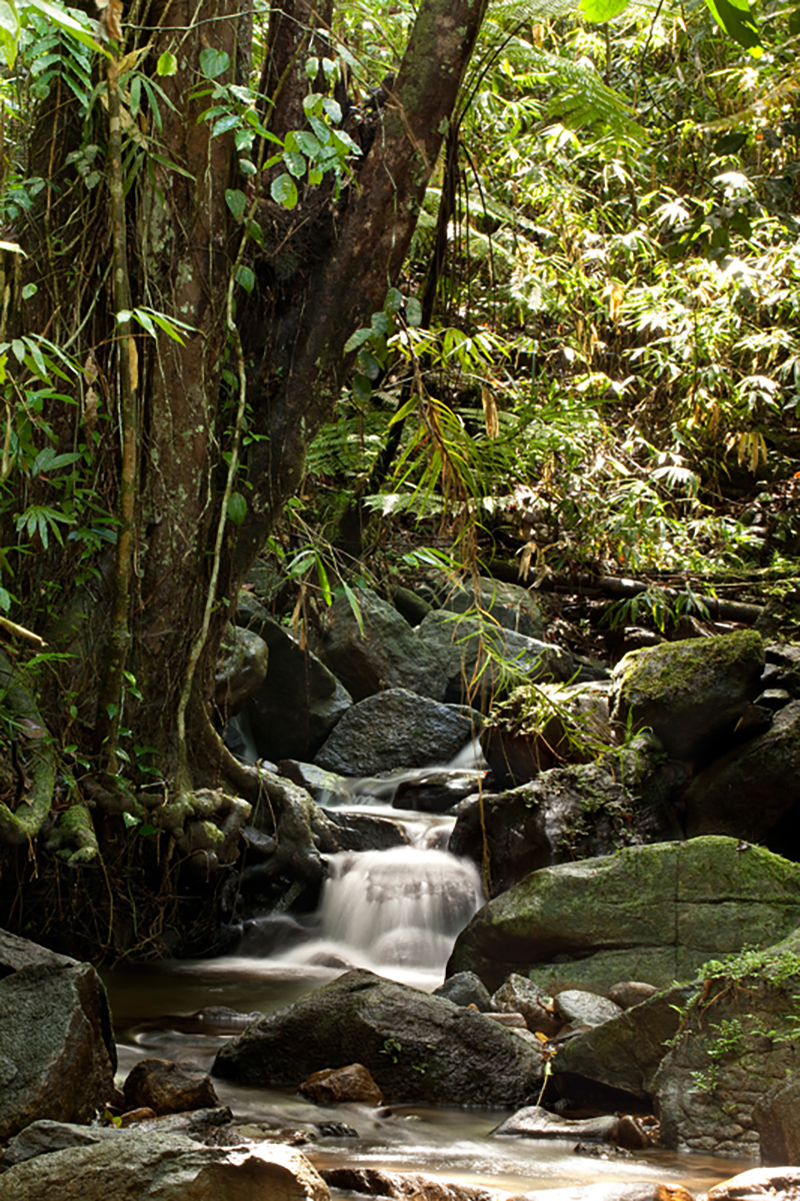
- Boralugoda Ella
The Secret of the Maguru
Flowing through this biodiversity hotspot is the Maguru River—a relatively small river with an outsized ecological role. Originating in the rainforest-covered Morapitiya area, it carries with it the ecological signature of its pristine beginnings.
“What makes the Maguru unique is its clarity,” Jayaweera says. “Most rivers turn brown as they carry sediment downstream. But this river remains clear, which allows sunlight to penetrate and sustain aquatic life.”
The river’s structure adds another layer of ecological complexity.
“It starts with fast-flowing, rocky sections and then gradually shifts to sandy, slow-moving areas,” he explains. “Different species are adapted to each of these habitats. Some are highly specialised and cannot survive outside the rocky zones.”
This diversity of microhabitats is one of the key reasons for the area’s richness.

Banded mountain loach

Red neck goby – endangerd now extinct from the area due to sand mining
“Fish like certain gobies and barbs are restricted to fast-flowing rocky areas,” he notes. “If those habitats are disturbed, the species simply disappear.”
Streams That Sustain Life
Beyond the main river, Boralugoda is crisscrossed by an intricate network of streams—fed by rainfall, forest cover, and underground springs.
“This area has one of the highest stream densities in the Western Province,” Jayaweera says. “These streams act as nurseries, refuges, and migration pathways for many species.”
The surrounding landscape further enhances this ecological mosaic.
“You have a mix of rainforest patches, home gardens, tea estates, and cultivated lands,” he explains. “Each of these contributes in some way to the overall habitat diversity.”
However, this delicate balance is increasingly being pushed to its limits.
Sand Mining: A River Reshaped
One of the most destructive forces to hit the Maguru River has been large-scale sand mining, particularly since the early 2000s.
“The riverbed has been completely altered,” Jayaweera says, his tone turning grave. “We’ve lost aquatic plants, native riverbank trees, and entire habitats.”
The ecological consequences have been severe.
“The endangered Red Neck Goby has become locally extinct,” he reveals. “And the Ocellated Pipefish has not been recorded for years, largely due to the loss of specific aquatic plants it depends on.”
The physical damage to the river is equally alarming.
“Sand mining has deepened the river unnaturally,” he explains. “This leads to bank erosion, collapse, and long-term instability. It changes the entire character of the river.”
Although recent policy changes have halted new permits, the damage done over decades cannot be easily reversed.
-
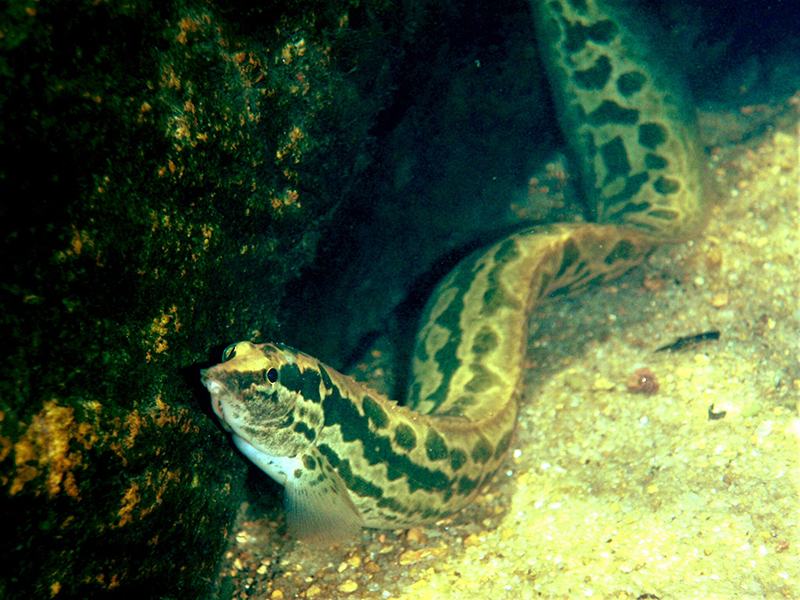
- Marbled spiny eel
-
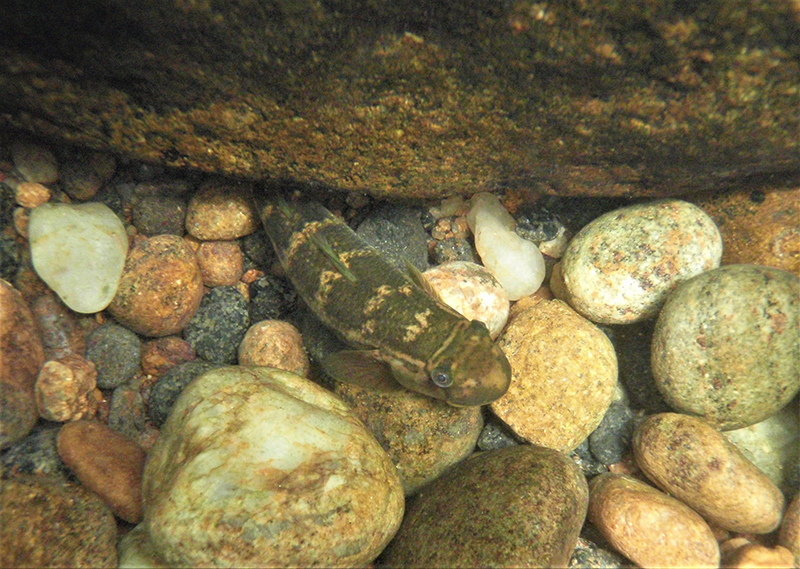
- Red tailed goby – endangered
Tea Expansion and Vanishing Buffers
Another major pressure comes from agricultural expansion—particularly the spread of lowland tea cultivation.
“Since the 1990s, we’ve seen a steady conversion of home gardens and even forest patches into tea plantations,” Jayaweera says. “In some cases, even rubber lands have been cleared.”
This transformation has not only reduced biodiversity on land but has also affected water systems.
“Riverbank vegetation is often cleared to make way for cultivation,” he explains. “But these trees are critical—they stabilise banks, filter runoff, and provide shade.”
What is particularly troubling is the disregard for existing environmental regulations.
“There are clear laws requiring buffer zones along rivers and streams,” he says. “But many local authorities are either unaware or do not enforce them. As a result, these protective areas are disappearing.”
A Life Dedicated to Observation and Action
For Jayaweera, these changes are not abstract trends—they are deeply personal.
“I’ve been observing this ecosystem for nearly four decades,” he says. “I’ve seen species decline, habitats shrink, and patterns change.”
But his work has never been limited to observation alone.
Through the Organisation for Aquatic Resources Management (OARM), he has led numerous conservation and restoration efforts.
“We’ve worked on replanting rainforest species in degraded areas, restoring stream banks, and raising awareness among local communities,” he explains. “In some places, we’ve seen encouraging signs of recovery.”
His approach combines science with grassroots engagement.
“Conservation cannot happen in isolation,” he says. “You need the community to be involved.”
Where Science Meets Art
What sets Jayaweera apart is his ability to translate science into art.
As an accomplished artist, he uses illustrations and visual storytelling to bring freshwater ecosystems to life.
“Art can reach people in ways that science sometimes cannot,” he says. “It creates an emotional connection.”
His paintings often depict the intricate beauty of fish species, aquatic plants, and flowing streams—capturing not just their form, but their essence.
“When people see what is at stake, they are more likely to care,” he adds.
A Community at a Crossroads
Despite decades of work, challenges remain at the community level.
“Some people still treat rivers as dumping grounds,” Jayaweera says with frustration. “Plastic and waste continue to find their way into these waters.”
Yet, there are also signs of hope.
“A group of committed individuals regularly organise clean-up campaigns,” he notes. “They collect waste and display it publicly to raise awareness. It’s a simple but powerful act.”
These grassroots efforts, he believes, are crucial.
“Real change begins at the local level,” he says.
A Fragile Future
For Jayaweera, Boralugoda is more than just a field site—it is a symbol of what is at stake.
“If we lose ecosystems like this, we lose something irreplaceable,” he warns. “These species are found nowhere else in the world.”
His message is both urgent and measured.
“We need stronger enforcement of environmental laws, better awareness, and a genuine commitment to conservation,” he says.
“Otherwise, the damage will become irreversible.”
As the clear waters of the Maguru River continue to flow through Boralugoda—past rocks, roots, and remnants of a once-pristine landscape—they carry with them a quiet story of resilience.
And alongside that flow stands Shantha Jayaweera—scientist, artist, and guardian of a hidden world—still watching, still working, and still hoping that it is not too late.
By Ifham Nizam
Pictures by Shantha Jayaweera

Perched in the heart of Sri Lanka’s hill capital, Kandy Myst by Cinnamon recently marked its first anniversary, celebrating a year of redefining modern hospitality in the historic City of Kandy. Since opening its doors on February 12, 2025, the hotel has quickly established itself as a vibrant lifestyle destination that blend contemporary comfort with the cultural charm of the region.
This property was designed to bring a fresh energy to the city’s hospitality scene with 215 modern rooms, the largest room inventory in Kandy. The hotel caters to both leisure and business travellers seeking comfort, convenience and stylish surrounding close to the city’s key attraction.
Within the first year, the hotel has achieved notable milestones, including become the first hotel in Kandy to receive Leed Gold Certificate reflecting its commitment to sustainable and responsible development. Beyond accommodation and dining, the property has also emerged as a hub for cultural events.
As Kandy Myst by Cinnamon enters its second year, the hotel continues to position itself as more than a place to stay. With its lively dining venues, social spaces and commitment to sustainability and community engagement, it is steadily shaping a new chapter in Kandy’s evolving hospitality landscape – one where tradition meets contemporary style.



Over the months the restaurant has hosted themed culinary events, special promotions and vibrant social evenings, further strengthening its place as a lively hub in Kandy’s hospitality scene. Guests have been drawn not only by the flavours on the plate but also by the inviting atmosphere that captures the essence of city’s elegance.

General Manager – Dhinal Perera
Kandy Myst by Cinnamon celebrates its first anniversary, marking a year as Kandy’s contemporary hospitality destination that brings energy, culture, and lifestyle experiences to the city. Opened through a partnership between Cinnamon Hotels & Resorts and Indra Traders (Pvt) Ltd, the hotel blends hospitality expertise with local insight to deliver a modern, energetic and lifestyle driven offering.
With the highest room inventory in Kandy, comprising 215 contemporary rooms, Kandy Myst by Cinnamon caters to both leisure and business travellers, offering modern comfort in close proximity to the city’s key attractions and transport routes. Its dynamic dining and social spaces; Grains Dining, Terra Lounge, and the rooftop Kosmos Sky Bar with heated infinity pool, invite guests and locals to engage, with panoramic city views, curated entertainment, and vibrant social experiences. Grains Dining, the buffet restaurant, serves an extensive selection of local and international cuisine, while Terra Lounge provides a welcoming café-style hub for casual meetups and social gatherings.
In its inaugural year, the hotel achieved significant milestones, becoming the first hotel in Kandy to receive LEED Gold certification, demonstrating a commitment to responsible, future-ready development. Reinforcing its culturally connected and globally relevant positioning, Kandy Myst by Cinnamon hosted globally celebrated icons such as Alpha Blondy and a series of high-profile local and international events, including the official trophy unveiling of the inaugural New Zealand U85kg Rugby Tour of Sri Lanka in May 2025.
Throughout the year, the hotel brought guests and the community together through seasonal activations, curated experiences, and loyalty-driven offers, contributing to strong engagement while supporting Kandy’s tourism economy through local partnerships and community initiatives.
As it enters its second year, Kandy Myst by Cinnamon continues to invite international and local guests alike to experience its vibrant dining, social, and lifestyle spaces, while reinforcing its role in shaping Kandy’s modern hospitality and cultural landscape. (Zanita )

Internationally renowned luxury Maison Montblanc has introduced its latest fragrance, Montblanc Explorer Extreme, to the Sri Lankan market through Exclusive Lines, the sole authorised agent for the brand in the country.
The launch event was hosted at Virticle by Jetwing, where guests were invited to experience the newest addition to the bestselling Explorer line in a setting that reflected the Maison’s enduring themes of adventure, refinement and craftsmanship.
Montblanc Explorer Extreme represents a significant evolution of the Explorer franchise and is the first Parfum concentration within the collection. Conceived as an ode to vast landscapes and the world’s most remote desert terrains, the fragrance delivers a deeper, more intense interpretation of the original Explorer Eau de Parfum. Its woody, ambery and leathery composition is crafted to embody courage, ambition and the drive to push beyond limits.
Hiru Surtani, Managing Director and CEO of Exclusive Lines, said the launch reinforces the company’s commitment to bringing globally celebrated luxury brands to Sri Lanka. “Montblanc Explorer Extreme Parfum stands for courage, ambition and the determination to surpass boundaries, values that strongly resonate with us at Exclusive Lines. We are proud to present this remarkable fragrance to Sri Lanka’s discerning consumers, offering a scent that captures the essence of adventurous living,” he stated.
-

- Treshan and Senuri
-

- Thiyasha
-

- Roshan Ranawana
Inspired by dramatic desert landscapes such as Saudi Arabia’s AlUla, the fragrance reflects the bold spirit of modern exploration. It opens with fresh green notes of bergamot blended with clary sage, creating an immediate sense of vitality. The heart reveals patchouli layered with Ambrofix™, delivering warmth and depth, while the base combines rich amber, leather accords and refined vetiver to leave a powerful and lasting impression.
The bottle design draws inspiration from the Montblanc Extreme 3.0 Collection, echoing its distinctive textured motif associated with modern travel and dynamism. Crafted from fully black lacquered glass and topped with a polished black cap, the design underscores the intensity of the parfum. Production and assembly take place at Montblanc’s dedicated Pelleteria workshop in Florence, Italy, with elements crafted across Germany and France, a testament to the Maison’s European craftsmanship.
The global campaign features American actor, model and musician Justice Joslin as the contemporary Explorer, set against striking desert landscapes that symbolise ambition and achievement.
Montblanc Explorer Extreme joins Montblanc Explorer and Montblanc Explorer Platinum in the line-up and is now available exclusively in Sri Lanka through Exclusive Lines outlets and authorised retail partners nationwide.

Presidential Suite at Sri Jayewardenepura General Hospital opened to the public

Cabinet Sub-Committee appointed to streamline the Public Service meets for the second time

PSL 2026: Teams allowed to submit two XIs and pick one after toss

Japan Premier League [JPL], building cricket from the ground up

Showers may occur at a few places in the Sabaragamuwa province and in Galle, Matara, Kalutara and Nuwara-Eliya districts in the evening

Energy Minister indicted on corruption charges ahead of no-faith motion against him

‘Dates have the highest sugar content to fight Coronavirus’

Sunday Island 27 December – Headlines

#SundayIsland 17th December – Headlines

Sunday Island – 28th March

Sunday Island Headlines – 21 March

Sunday Island – 21st February – Headlines
-

 News3 days ago
Senior citizens above 70 years to receive March allowances on Thursday (26)
-

 Features5 days ago
Trincomalee oil tank farm: An engineering marvel
-
 News13 hours ago
Energy Minister indicted on corruption charges ahead of no-faith motion against him
-

 News2 days ago
US dodges question on AKD’s claim SL denied permission for military aircraft to land
-

 Business2 days ago
Dialog Unveils Dialog Play Mini with Netflix and Apple TV
-

 Features5 days ago
The scientist who was finally heard
-

 News3 days ago
CEB Engineers warn public to be prepared for power cuts after New Year
-
 News3 days ago
Japanese boost to Sri J’pura Hospital, an outright gift from Tokyo during JRJ rule