
Business
CDS accounts on the increase, crosses one million accounts

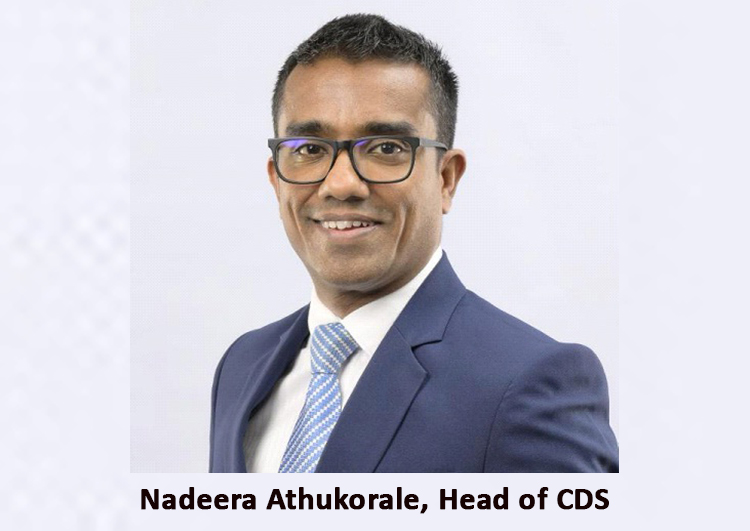
Central Depository Systems (Pvt) Ltd (CDS), a subsidiary of the Colombo Stock Exchange (CSE), has reached a milestone as total registered accounts surpassed the 1 million mark. This achievement coincides with the approach of the organization’s 35th anniversary in September 2026, marking three and a half decades of providing depository infrastructure for the Sri Lankan capital market.
Since its inception in 1991, the CDS has held the distinction of being the first depository in the South Asian region. In its core capacity as a depository, the institution is responsible for holding a wide array of securities including shares, debentures, corporate bonds, and units belonging to investors in electronic form.
The crossing of the one million account threshold also reflects the aggressive broad basing of the retail investor market over the past five years. This expansion is largely attributed to the comprehensive digitalization of the CSE, which has created accessibility for individuals across the country. Digital tools such as the CSE Mobile App and the “CDS e-Connect” portal have revolutionized how investors interact with the stock market, providing them with real time access to their holdings and a seamless interface for account management. The “CDS e-Connect”, originally launched in 2016 and revamped in 2021, has become a one stop shop for stakeholders, by offering services such as client profile management, real time balance and transaction viewing, eNomination facility, monthly statements and newly introduced dividend payment history viewing option. From 2016, by offering eStatements and SMS alert facilities CDS ensures transparency and security for the CDS accountholders. By decentralizing account openings and introducing online facilities in 2020, the CDS successfully brought the stock market to the fingertips of the general public, moving away from the traditional, paperwork heavy processes that once characterized the industry.
A critical pillar of this 35-year history was the 2011 launch of the full dematerialization drive. This initiative was designed to significantly reduce the movement of physical certificates, which were prone to loss, damage, and forgery. Today, the success of this drive is evident as the CDS holds 97 percent of listed equity and 100 percent of corporate debt in scripless form. This near total transition to electronic records has provided a secure and accessible service environment. The Central Control Unit plays a vital role, ensuring that all functions performed by the depository and its participants align with strict rules and regulatory guidelines. By identifying operational, financial, and market risks early, the CDS maintains the integrity of the ecosystem and fosters trust among both domestic and international investors.
Beyond its primary depository functions, the CDS has significantly expanded its influence through the Corporate Solutions Unit (CSU), established in 2017. The CSU was created to standardize and elevate the benchmarks for corporate action services in Sri Lanka and has since grown through the strategic acquisition of PW Corporate Registrar arm. This diversification allows the CDS to expand registrar services and manage corporate actions for both listed and unlisted companies, providing a holistic suite of services that includes the distribution of dividends, rights issues, and e-applications for Initial Public Offerings (IPOs). The digitization of issuer services has been a hallmark of the CSU’s work, introducing innovations such as eDividend payments, eWarrants, and eNotices. These advancements have streamlined the process for issuers while ensuring that shareholders receive their entitlements promptly and securely.
The strategic outlook for the CDS is now centred on the newly formed Research and Development Unit, which is essential to the organization’s vision for the future. This unit functions as a Project Management Office and is responsible for developing innovative services. By cultivating strategic alliances and international collaborations, the R&D unit ensures that the CDS remains a future forward institution capable of adapting to the evolving needs of the global financial sector.
As the CDS looks toward its 35th year of service, it remains focused on digital transformation, strategic partnerships that power progress, new service offerings and enhanced international relations. The integration of new technologies continues to ensure robust infrastructure for the next generation of market participants.
Head of CDS Nadeera Athukorale commenting on the vision of the CDS, remarked “By balancing its core depository duties with non-core registrar and consultancy services, the CDS has positioned itself for long term sustainability and industry leadership.”
The achievement of one million accounts serves as a testament to the resilience and adaptability of the Sri Lankan capital market infrastructure, demonstrating CDS’ ability to facilitate a growing digitized market while continuing to serve as the backbone of the nation’s investment landscape. (CSE)

Business
Trade, Investment and Tourism Cooperation Forum strengthens economic ties between Sri Lanka and Vietnam

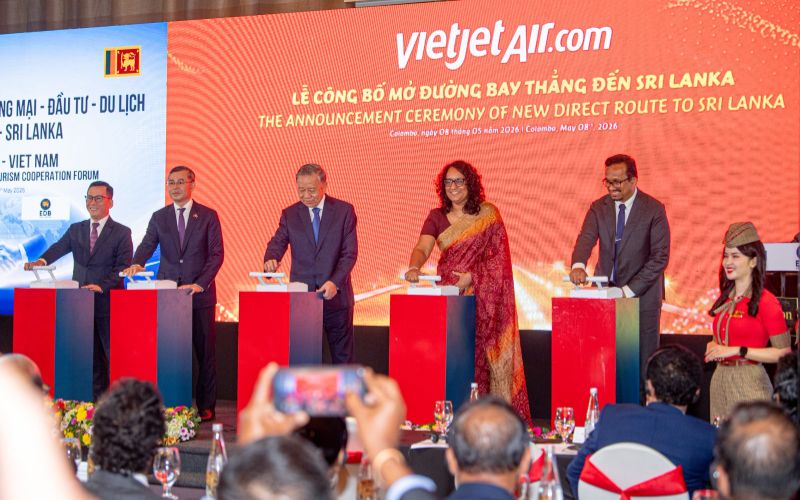
Marking a significant milestone in strengthening bilateral relations between Sri Lanka and Vietnam, the Sri Lanka– Vietnam Trade, Investment and Tourism Cooperation Forum was successfully held on Friday (08) at the Hilton Colombo.
The Forum, jointly organised by the Vietnam Chamber of Commerce and Industry and the Sri Lanka Export Development Board, was held in parallel with the State Visit of President Tô Lâm of the Socialist Republic of Vietnam and General Secretary of the Central Committee of the Communist Party of Vietnam. The event was attended by President Tô Lâm and Prime Minister Dr. Harini Amarasuriya.
The Forum underscored the importance of the longstanding bilateral relationship between the two countries and reflected the shared commitment to expanding economic cooperation.
The primary objective of the Forum was to further strengthen bilateral economic ties by focusing on key priorities including the expansion of trade, promotion of investment and enhancement of tourism cooperation. The event also provided an opportunity to explore new avenues of collaboration, strengthen business-to-business engagement and facilitate greater market access by bringing together senior government officials, entrepreneurs and industry leaders from both countries on a common platform.
During the Forum, direct air connectivity between Colombo and Ho Chi Minh City was officially launched. The new services, operated by Vietnam Airlines and VietJet Air, are expected to further strengthen relations between the two nations and their people.
Six Memoranda of Understanding covering key areas of cooperation were also signed during the Forum. In addition, a notable development was the establishment of the Sri Lanka–Vietnam Business Council under the Ceylon Chamber of Commerce.
Alongside the Forum, the Sri Lanka Export Development Board organised a business networking session, providing Sri Lankan and Vietnamese entrepreneurs with the opportunity to engage directly with one another. The event received strong participation from the private sectors of both countries, with businesses expressing keen interest in expanding trade and establishing resilient supply chains.
Representing Sri Lanka at the event were Minister of Industry and Entrepreneurship Development, Sunil Handunnetti, Minister of Environment , Dr. Dhammika Patabendi, Deputy Minister of Industry and Entrepreneurship Development ,Chathuranga Abeysinghe, Deputy Minister of Ports and Civil Aviation, Janitha Ruwan Kodithuwakku, Deputy Minister of Tourism Ruwan Ranasinghe, Secretary to the Ministry of Industry and Entrepreneurship Development, Thilaka Jayasundara, Secretary to the Ministry of Trade, Commerce, Food Security and Cooperative Development, K.A.Vimalenthirarajah, Chairman of the Export Development Board Mangala Wijesinghe along with several other dignitaries and officials.
Representing Vietnam were Politburo Member, Secretary of the Party Central Committee and Chairman of the Central Organisation Commission , Nguyen Duy Ngoc, Politburo Member, Secretary of the Party Central Committee and Chairman of the Central Commission for Policies and Strategies , Nguyen Thanh Nghi, Politburo Member, Deputy Prime Minister and Minister of National Defence, Phan Van Giang, Politburo Member and Minister of Public Security, Luong Tam Quang and Politburo Member and Minister of Foreign Affairs, Le Hoai Trung, among others.
(PMD)
‘Sri Lanka embarks on a journey towards a more sustainable and prosperous tourism industry.’
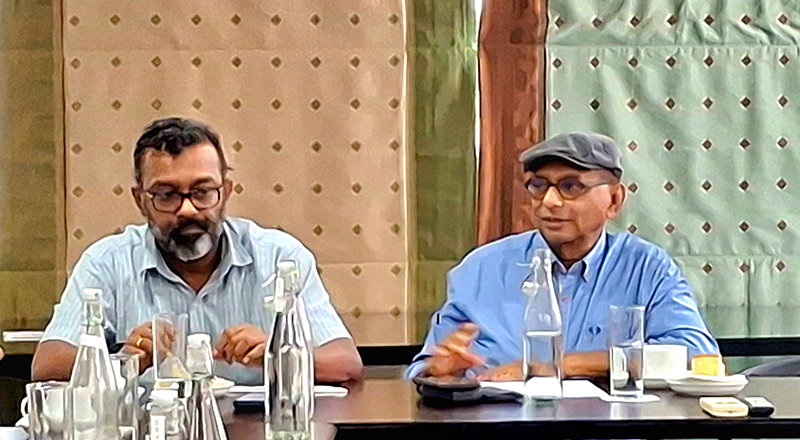
The Executive Committee of the Sustainable Tourism Association of Sri Lanka (SusTour) announced the above at its final meeting held on May 6, at Connaisance head office, Colombo. The committee finalised all preparations for the official launch in August of the first private sector led, non-governmental Sustainable Tourism Association in South Asia, as most tourism associations in Asia operate as dedicated Eco Tourism entities while this is probably the first in Asia.
This momentous event will be officiated by Prof. Ruwan Ranasinghe, the Deputy Minister of Tourism, who has agreed to inaugurate the Association in conjunction with a media launch.
Prof. Ranasinghe is not only a qualified academic specializing in sustainable tourism but also a passionate advocate for the development of sustainable tourism practices in Sri Lanka. His involvement is pivotal, as he has expressed his commitment to provide unwavering support to the Sustainable Tourism Association of Sri Lanka.
In addition to Prof. Ranasinghe’s support, Buddhika Hewawasam, chairman, SLTDA and Dheera Hettiarchchi, chairman, Sri Lanka Institute of Tourism and Hospitality Management, have also pledged their cooperation in the implementation of sustainable tourism initiatives through their respective state organisations. Their combined expertise and resources are expected to play a crucial role in shaping the future of tourism in Sri Lanka, ensuring that it aligns with sustainable development goals.
This inauguration marks a significant step towards fostering a sustainable tourism framework in Sri Lanka, one that prioritizes environmental preservation, cultural heritage and economic viability. The Sustainable Tourism Association of Sri Lanka is poised to lead the charge in promoting responsible tourism practices, ensuring that the industry flourishes while respecting the rich natural and cultural resources of the island.
Speaking at an exclusive press interview the Tourism Deputy Minister noted; “I am thrilled to see the private sector actively participating in the promotion of sustainable development, particularly within the tourism industry. This partnership is not just beneficial but essential, as it represents a viable mission that requires the joint engagement of both government and private entities. By working together, we can ensure that our tourism practices not only enhance economic growth but also preserve our natural resources and cultural heritage for future generations. It is through this collaborative approach that we can create lasting change and fulfill our commitment to sustainability.”
Adding to this collaborative effort, Australian High Commissioner Matthew Duckworth said Australia would continue its long-term support for sustainable tourism development in Sri Lanka. Australia has contributed more than 50 million Australian dollars over the past decade to sustainable tourism initiatives in Sri Lanka, including to support more sustainable planning, accreditation and skills development for this crucial sector. The High Commissioner confirmed that this support would continue into the future and highlighted Australia’s partnership with the Market Development Facility (MDF), which had recently launched a new initiative using data analytics to help Sri Lankan policy makers better understand how travelers discover and engage with destinations.
“Our vision is to create a platform where all stakeholders including product manufacturers can collaborate and share best practices in sustainable tourism, said Chandra Wickramasinghe, elected founder president of the Association. “We aim to ensure that tourism in Sri Lanka not only provides economic benefits but also contributes positively to the environment and local communities, he added.
The founders of STASL-SusTour believe that sustainable tourism is the ‘Future of World Tourism’ and is crucial for the long-term viability of Sri Lanka’s tourism sector, which is a significant contributor to the nation’s economy. By fostering responsible travel practices, the association seeks to educate stakeholders, including tourists and businesses along with manufacturers about the importance of sustainability.
‘ The association plans to launch various initiatives, including workshops, awareness campaigns and partnerships with local and international organizations focused on sustainable tourism, said Nalin Malwenna, newly elected secretary. Through these efforts, SusTour hopes to position Sri Lanka as a leading destination for eco-conscious travelers looking for authentic and responsible travel experiences.
“The establishment of the Sustainable Tourism Association of Sri Lanka arrives at a pivotal moment, signaling a commitment to a more sustainable future in the nation’s tourism landscape, said elected treasurer Dr. Samantha Pathirathne.
By Claude Gunasekera
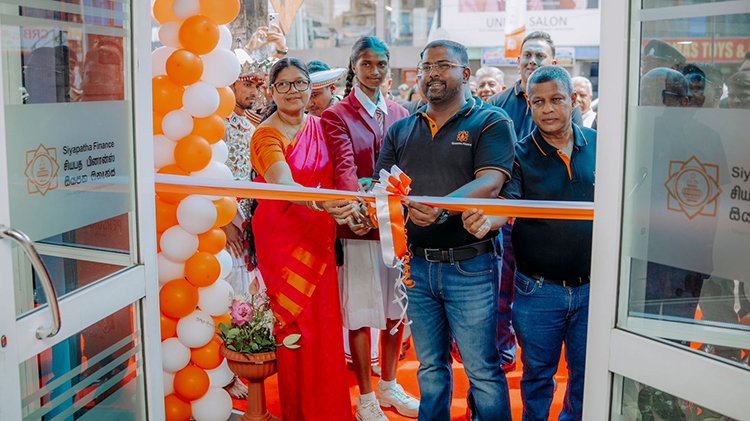
Premier finance company Siyapatha Finance PLC recently unveiled its newest branch in Horana, successfully expanding its islandwide branch network to 62 branches. Located in one of the fastest-emerging economic hotspots in the Kalutara District, the Horana branch offers Siyapatha Finance’s wide range of holistic financial services including leasing, fixed deposits, gold financing, business loans,fast draft, factoring, and Smart Pay – the Company’s bill payment facility.
The branch was declared open by Siyapatha Finance PLC Directors- Jayanath Gunawardena and Ms. Sriyani Ranathunga , Chief Executive Officer (CEO) Mathisha Hewavitharana in the presence of Chief Operating Officer (COO) Rajeev De Silva, Ms. Dinuli Gihansi Perera -student of Govinna Maha Vidyalaya , Horana who has been selected to represent Sri Lanka for Asian Boxing Championship 2026 , Senior Management, staff members as well as Police HQI Ranga Perera , Grama Niladhari Mr. Chaminda Kumara, representatives of the government and private banks and insurance companies and well-wishers.
Speaking at the ceremony, Siyapatha Finance PLC CEO Mathisha Hewavitharana remarked: “Horana is a region that has captured massive interest nationally in terms of commercial and social development in recent years. Expanding our branch network to this area gives us a significant opportunity to broaden our reach and serve a larger, diverse ;;customer base’’.

Trade, Investment and Tourism Cooperation Forum strengthens economic ties between Sri Lanka and Vietnam

Accelerate projects related to resolving the public’s drinking water issues – President Instructs Officials

President of Vietnam and delegation departs Sri Lanka

Trump announces three-day ceasefire in Russia-Ukraine war

Heat Index is likely to increase up to ‘Caution level’ at some places in the North-central and Eastern provinces and in Mannar, Vavuniya and Monaragala districts during the daytime

Finn Allen’s 47-ball ton powers Kolkata Knight Riders to huge win over Delhi Capitals

‘Dates have the highest sugar content to fight Coronavirus’

Sunday Island 27 December – Headlines

#SundayIsland 17th December – Headlines

Sunday Island – 28th March

Sunday Island Headlines – 21 March

Sunday Island – 21st February – Headlines
-

 News3 days ago
MIT expert warns of catastrophic consequences of USD 2.5 mn Treasury heist
-
 News5 days ago
CJ urged to inquire into AKD’s remarks on May 25 court verdict
-
 News6 days ago
USD 3.7 bn H’tota refinery: China won’t launch project without bigger local market share
-

 News7 days ago
Easter Sunday Case: Ex-SIS Chief concealed intel, former Defence Secy tells court
-

 Business7 days ago
Dialog Surpasses 1,000 5G Sites, Strengthening Nationwide 5G Coverage
-

 Editorial3 days ago
Clean Sri Lanka and dirty politics
-

 Editorial6 days ago
Deliver or perish
-
 Opinion5 days ago
Security, perception, and trust: Sri Lanka’s delicate balancing act