
Life style
Brewing a different cup of coffee

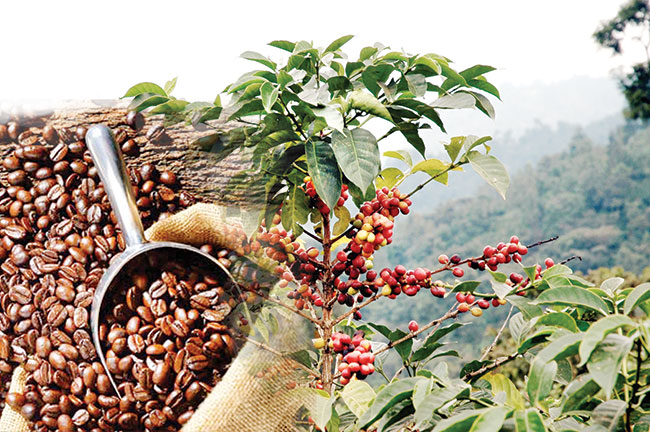
One of the top ten Arabica varieties of coffee in the world, our own Lak Parakum is now being promoted by the Department of Export Agriculture in all Arabica coffee-growing districts in the island. Plants of this variety are distributed among growers through several coffee nurseries in the upcountry. The coffee rust which ended the island’s coffee romance in British-occupied then Ceylon is given hope for resurgence with the promotion of the new variety.
BY RANDIMA ATTYGALLE
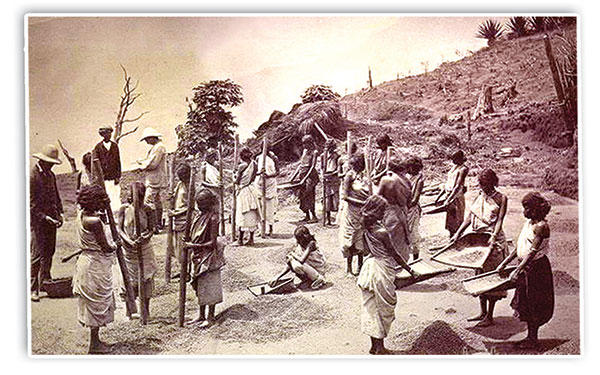
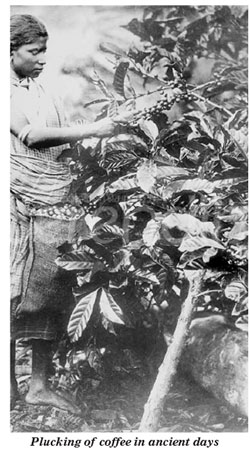
History has it that coffee was introduced to Ceylon in 1503 by the Arab traders from Yemen. However, the planting of coffee as a commercial crop in the island commenced with the Dutch occupancy and continued under the British rule. Planter R.B Butler who had experience in coffee plantations in Jamaica came here in 1837 and introduced methods to yield a better coffee crop. By 1863, the value of coffee imported into Europe from all parts of the world amounted to £270 million, and we were exporting nearly a third of that. By 1870, Sri Lanka’s coffee production peaked with over 275,000 hectares being cultivated, according to the Sri Lanka Export Development Board (EDB) data.
 The colonial Ceylon was among the top coffee producing and exporting nations and a coffee-drinking culture complete with kopi kaday (coffee kiosks) and kopi kele (coffee forests) evolved. Christine Spittel-Wilson’s famous book The Bitter Berry revolves around the ethos of a Ceylonese coffee plantation.
Sadly, the coffee rust of 1870 (caused by the fungus Hemileia vastatrix) destroyed all plantations bringing the coffee romance of the country to an end. Although rust-tolerant varieties were later introduced, today coffee is an intercrop with tea and coconut. However, Lak Parakum promoted by the Department of Export Agriculture (DEA), encourages planters to expand their coffee acreage.
Sri Lanka’s coffee cultivation covers around 4,600 hectares and the two main commercially important species locally grown are Arabica coffee (Coffea Arabica) and Robusta Coffee (Coffea canephora). These two main species grown here include several varieties. “While Arabica coffee varieties are recommended for mid and up country areas with an altitude of over 400m (Nuwara Eliya, Kandy, Matale and Badulla), Robusta variety is recommended for mid and low country with an altitude of less than 800m( Kegalle, Kurunegala, Kandy and Matale). These
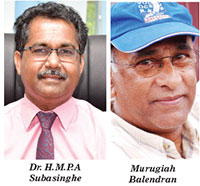
recommendations are made depending on the temperature variation. While Arabica prefers a temperature of 15-28ºC, Robusta thrives in a temperature of 18-36ºC” says Dr. H.M.P.A Subasinghe, Director (Research), Department of Export Agriculture (DEA).
The global specialty coffee market as the EDB notes, is projected to reach over USD 80 billion by 2025 which offers enormous growth potential for coffee producers. In line with this increasing demand, Sri Lanka’s coffee exports have increased in recent years, growing 84 percent from 2017 to reach nearly USD 355,000 by 2019 according to EDB data. The coffee industry as the EDB notes, has attracted increased investment from the private sector and increased local demand and consumption of locally grown coffee in hotels, restaurants and cafes.
More than 80% the world demand is for Arabica coffee and the requirement is 8.8 million mt, says Dr. Subasinghe. Lak Parakum with its quality parameters stands among the best ten Arabica varieties in the world, he adds.
Even after releasing the new variety Lak Parakum, it did not become popular among farmers due to lower prices offered for coffee. But the Director (Research) of the DEA then, Dr. J.M.Seneviratne initiated collaborations with the authorities at the Nuwara Eliya District Secretariat to popularize the new variety among growers in the Nuwara Eliya District. He also worked with Mr. Kenneth McAlpine, a member of the Specialty Coffee Association (SCA) for the global coffee industry to find the quality parameters of Lak Parakum and found that overall score was 85.5 which is way above the cutoff point for the best coffees which is considered to be 75.”
While Lak Parakum is promoted for higher elevations, IMY which is of Robusta variety is also promoted for lower elevations right now. While the domestic coffee consumption is 2,300 mt. our annual production was 2,345 mt. in 2020 according to DEA’s statistics. Our annual export volume was 26.6 mt in 2020. Australia, UAE, USA, Maldives, New Zealand, Chile, UK and Germany are the major buyers of Sri Lankan coffee. The annual coffee import volume was 104.9 mt in 2020.
“Due to immature coffee harvesting and bad processing practices, most importing countries are rejecting our coffee and with the new variety if we can practice timely harvesting and good processing practices, the export potential is very high,” observes Dr. Subasinghe.
Several new measures are now in place to tap a lucrative market for Sri Lankan coffee. Production of planting material with private sector nurseries, awareness programmes for harvesting and processing practices for high quality products, promotion for value addition, introduction of GAP (Good Agricultural Practices) Certification to get premium prices and increasing the coffee extent from 4,600 ha to 5,800 ha and the export volume from 30 mt. to 200 mt by 2025 are among these. Collaborations with the Australian government-funded Market Development Facility for the improvement of the coffee industry are also in place.
Although threats from rust diseases are still prevalent in coffee fields, they can be controlled with good management practices and available control measures, points out Dr. Subasinghe. “Apart from the rust disease, the major pest problem is the coffee berry borer damage. This too can be managed with good crop management practices. While Robusta varieties are highly tolerant for rust, Arabica is medium tolerant.”
Due to the low prices offered for coffee (Rs. 350 to 400 per kilo), many growers had neglected coffee in the last few years, however, currently a kilo of coffee could get Rs. 1,200. “We also offer coffee growers incentives including free planting material, technological assistance for planting, crop management, harvesting, fertilizer application, processing and management of pest and diseases. Subsidies for irrigation facilities and machinery used for post-harvest practices and support for GAP are also offered.”
Managing Director of Kelaneiya & Braemar Estate Maskeliya, Murugiah Balendran, a leading grower of Lak Parakum first experimented with it in 2014. Director (Research) of the DEA then, Dr. J.M.Seneviratne who collected a gene pool from old plants from many areas including Walapane, Ramboda, Galaha and Nilambe offered me mother plants of Lak Parakum and encouraged me to experiment with them,” reflects Balendran who goes onto add that the ‘trial and error’ exercise eventually turned out to be successful. His own estate which was once an exclusive coffee plantation still has coffee trees more than 100 years old.
The senior planter who is now well versed in producing seed stock of Lak Parakum has released about 1,500 kg to nurseries since 2018. “Each kilo of seed could produce 2,000 to 3,000 plants, so a sizeable amount of plants have been generated todate.” Balendran has dedicated four hectares of land to coffee alone today and urge fellow coffee growers to move away from the ‘intercrop mindset’ and allocate more fertile land for the crop. “Many growers plant coffee in vacant land space where largely tea had been removed. However, unless the soil quality is improved, planting coffee in vacant tea and coconut estates won’t do.”
Balendran who also grows several other varieties of coffee including a few Indian ones remarks that there is a notable difference between those and Lak Parakum in terms of the yield, resistance to disease and the texture of beans. “However it will take us another four to five years to show the true potential of it.”
Lack of fertilizer has taken a notable toll on the crop, laments the planter. “At the time of blooming and berries start setting, we need to give some fertilizer. But unfortunately last year our crop was very poor and didn’t match our expectations. Even the seed delivery to DEA and other agents got curtailed to a large extent. Moreover, although I have been supplying coffee seed material from 2018, I have so far not received any significant assistance from any government agency,” remarks Balendran who moots an effective result-oriented incentive scheme for coffee growers.
Photo credit: Murugiah
Balendran, Royal Commonwealth
Society, W.L.H. Skeen & Co.


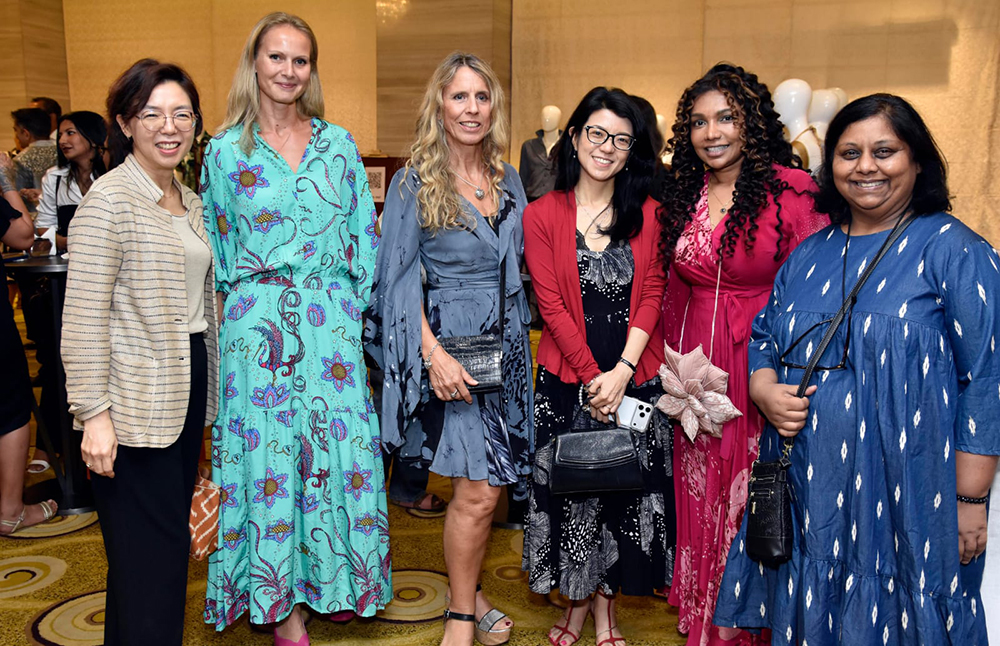
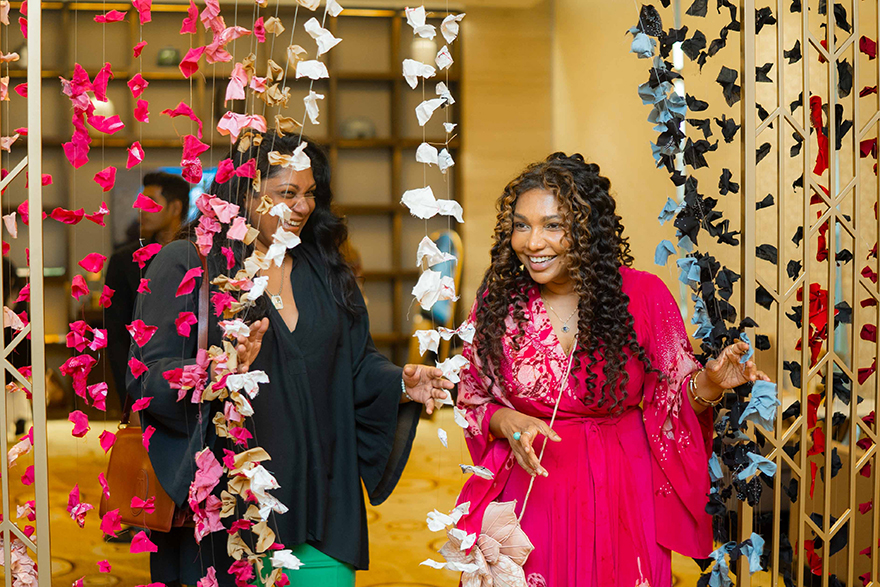
As the Colombo skyline softens into golden hour “Sundown with Buddhi Batiks “at Sheraton Colombo unfolded as a seamless blend of heritage and contemporary elegance – an experience that felt both intimate and visually striking.
The evening drew a crowd that reflected the very essence of the brand it celebrated refined, creative and deeply connected with flowing silhouettes, to cultural and the quiet hum of conversation over curated cocktails.
Buddhi Batiks with Darshi Keerthisena is a label celebrated for transforming Sri Lankan batik into modern, wearable art. Her story telling through fabric where each piece reflected craftsmanship, culture, and a contemporary design language. The collection leaned into effortless elegance, resort ready kaftans, structured yet fluid dresses and statement pieces that moved as beautifully as they look. The atmosphere was electrifying. Guest sipped on delicated curated cocktails as soft music hummed in the background, creating an ambience that felt both exclusive and deeply relaxed.
More than aesthetics, Buddhi Batiks tells stores. Each motif, each gradation of colour carried a sense of place and memory.
Buddhi Batiks is proof that fashion can honour heritage without compromising on glamour, with every brush stroke of wax and every hand dyed.
The event, aptly named Sundown, was an ode to the timeless elegance of Sri Lankan craftsmanship, seamless fabrics woven into contemporary silhouettes that speak to a global sensibility.
The collection by Buddhi Batiks drew inspiration from Sri Lanka’s natural landscape, from the shimmering coastlines to the lush inland jungle, translated into vivid patterns and textures on display.
-
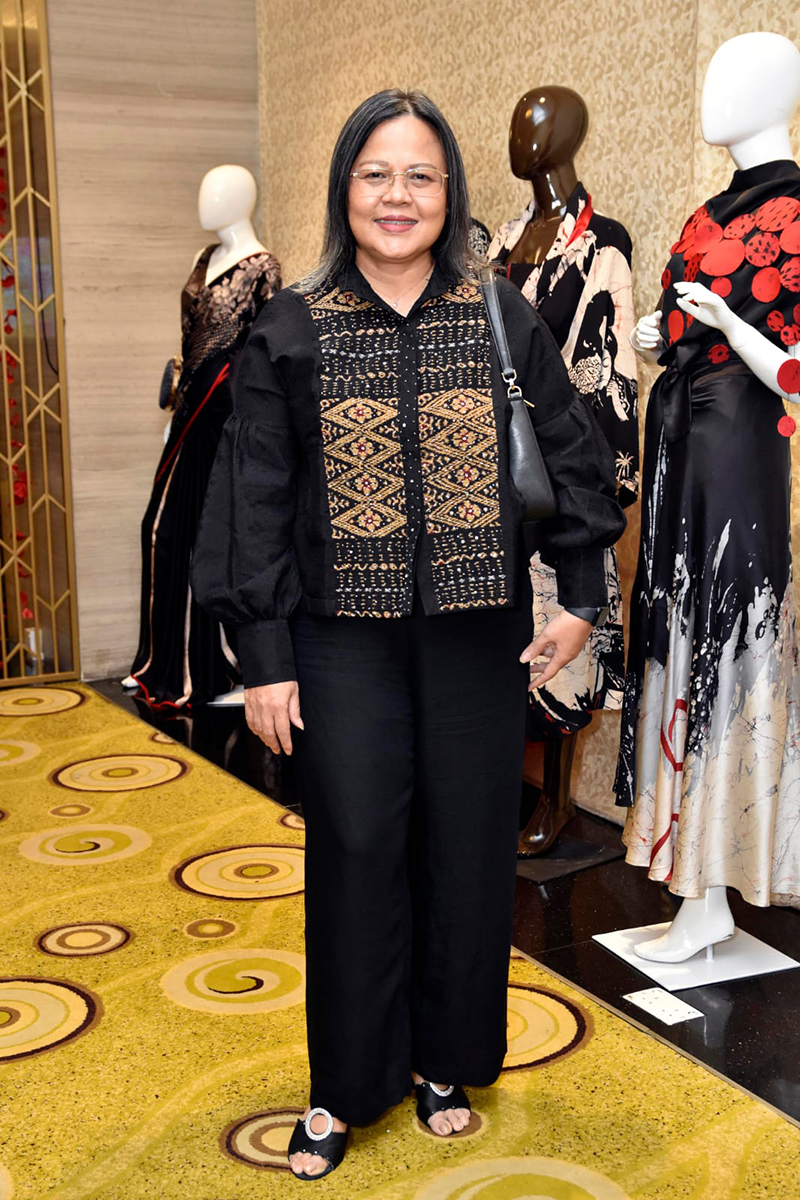
- High Commissioner of Indonesia in Sri Lanka- Dewi Gustina Tobing
-
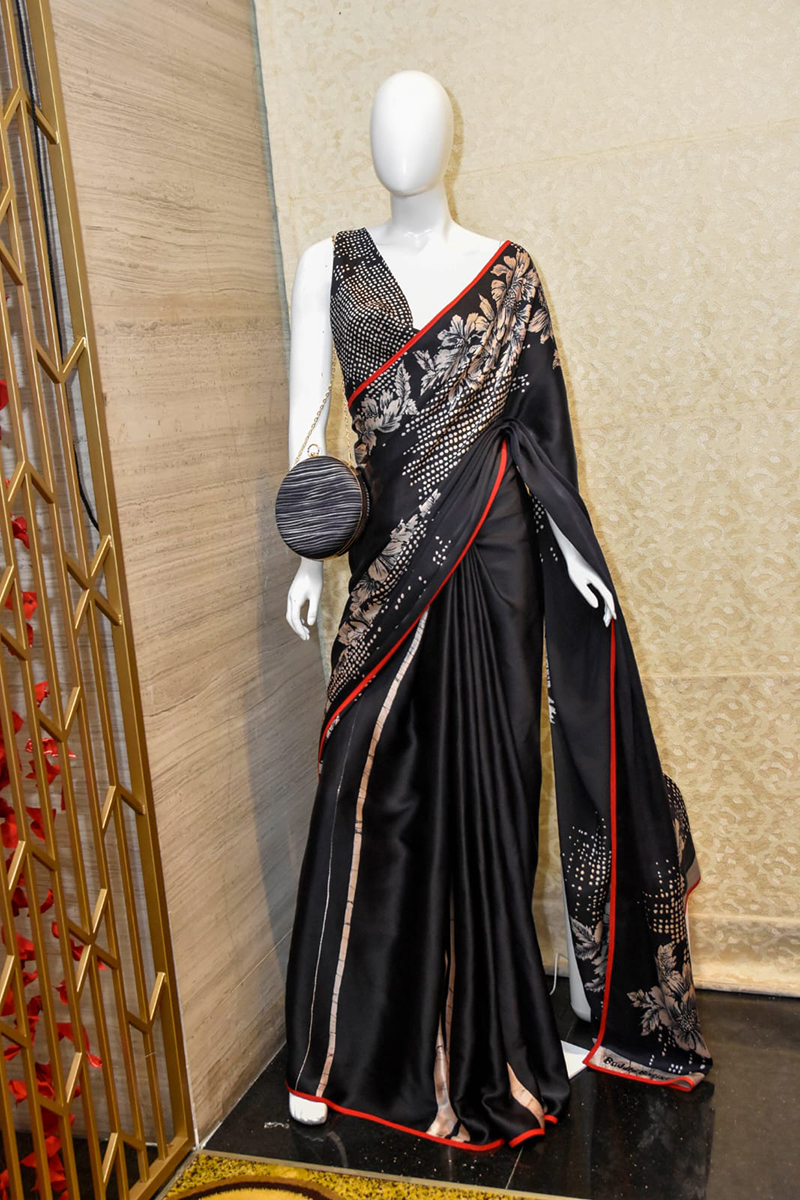
- Every fold tells a story
The brand celebrated Sri Lankan’s rich artistic legacy while embracing a global fashion vision.
There are designers who wear fashion and then there are designers who live fashion, Darshi Keerthisena, creative director and CEO of Buddhi Batiks, belongs to the latter. She hasn’t merely followed a family tradition. She has reimagined it, transforming Sri Lankan batiks from a cultural craft into a globally resonant fashion statement. Under Dharshi’s leadership, Buddhi Batiks has evolved far beyond traditional cotton saris. She has introduced silk, geogette and satin as canvasses for Batik, infusing pieces with contemporary silhouettes and subtle, sophisticated colour stories that appeal to international design sensibilities. Her innovations have taken batik onto global platforms.
Darshi’s innovation isn’t only stylistic, it is ethical. She has championed sustainable practises, such as digital printing on recycled textiles and eco friendly dyes, while keeping handmade batik at the heart of the brand.
Her career has been marked by accolades and awards Dharshi’s vision for batik is expansive. She sees it not just on runaway gowns or resort wear, but translated into interiors, accessories and everyday life, capable of transcending borders while keeping the soul of Sri Lankan artisan’s heritage alive.
Sheraton Colombo Sri Lanka’s most prestigious 5-star hotels with Paul Sun, General Manager and his dedicated team, [played a key role and the hotel’s assistance went beyond providing a venue, it was a seamless blend of hospitality, event management and creative support.
By Zanita Careem

Farzana Baduel stands as a powerful voice in global communication and a passionate advocate for women’s empowerment making her perspective especially relevant on International Women’s Day. As CEO of Curzon PR,in UK she has built a career defined by influence, resilience and purpose championing the advancement of women’s leadership.
 (Q) How would you describe the role of women in the UK today and how does it compare to women’s role in Sri Lanka?
(A) Women in the UK today hold positions of real influence across politics, business, media, academia and the creative industries. There are strong legal protections around equality and conversations about gender parity have become mainstream. But equality in law does not always translate to equality in lived experience, particularly when it comes to pay gaps, the weight of childcare, and who actually occupies the most senior positions.
Sri Lanka presents a genuinely fascinating paradox. It elected the world’s first female Prime Minister in 1960, yet many women still face structural and cultural constraints, especially outside urban centres. What strikes me about Sri Lankan women is their extraordinary resilience and entrepreneurial spirit, often demonstrated within more traditional frameworks. That combination of ambition and adaptability is something I find deeply impressive.
Both countries are progressing. But both still have considerable work to do.
(Q) Are there areas where UK women face challenges that Sri Lankan women may not, or vice versa?
(A) In the UK, one of the most persistent challenges is what I would describe as the double burden: professional ambition sitting alongside disproportionate domestic responsibility. There is also the very modern pressure of digital culture, the weight of image, comparison, online abuse and public scrutiny that affects women in ways men rarely experience to the same degree.
In Sri Lanka, the challenges tend to be more structural. Economic instability, limited access to opportunity in rural areas, and in some cases stronger social conservatism around gender roles all shape what is possible for women. And yet extended family networks in Sri Lanka can offer something many women in the UK genuinely lack: built in childcare, intergenerational support, a community that holds you.
The pressures differ. But the underlying theme is remarkably consistent. Women everywhere are negotiating expectations that men are simply not asked to meet.
(Q) How do you define what it means to be a woman today, and have there been moments where your gender shaped your opportunities or challenges?
(A) To me, being a woman today means navigating complexity with strength. It means holding ambition and empathy in the same space without apologising for either. It means being commercially sharp and emotionally intelligent. Above all, it means resilience.
There have certainly been moments in my career where being a woman changed the dynamic in a room, particularly in senior advisory spaces involving government or corporate leadership. Early on, I sometimes had to prove competence before being taken seriously. Over time I came to understand that credibility does not come from changing who you are. It comes from deep expertise and calm authority.
Gender shapes experience. But it does not have to define potential.
(Q) How can women lift each other up in workplaces, communities and society at large?
(A) By being genuinely generous with opportunity. Sponsorship matters far more than mentorship. It is powerful when senior women actively advocate for other women in rooms those women are not in. That kind of invisible advocacy changes careers.
By rejecting scarcity thinking. There is not only one seat at the table.
And by modelling integrity. When women support each other publicly and privately, it does not just help individuals. It changes workplace cultures entirely.
(Q) Do you believe women are getting enough representation in leadership roles? If not, what needs to change?
(A) Progress has been made. But representation at the very top, in boardrooms and in global political leadership, remains deeply uneven. And the solution is not simply about recruiting more women. It is about changing the systems they are recruited into: flexible leadership structures, normalised parental leave for both men and women, transparent promotion criteria, and zero tolerance for the kind of subtle bias that is so easy to dismiss but so corrosive over time.
Representation is not about optics. It is about influence. Those are not the same thing.
(Q) What societal expectations or stereotypes have you personally encountered as a woman?
(A) The most persistent one is the idea that women must choose between warmth and authority, that being decisive risks being labelled difficult. Men are rarely subjected to that framing. A decisive man is simply a leader.
There is also the expectation that women should balance everything effortlessly, as though the juggle should be invisible. The reality is that balance is dynamic, often imperfect, and occasionally held together by nothing more than determination and strong coffee.
(Q) What challenges do women face in accessing healthcare or support, and how can society improve this?
(A) Even in developed countries, women’s health is frequently under researched and under prioritised, particularly around reproductive health, menopause and mental health. This is not a niche issue. It affects half the population.
Improvement requires sustained investment in research, workplace policies that recognise women’s health realities, and a collective willingness to remove the stigma that still clings to these conversations. Health is not a private inconvenience. It is a public priority.
(Q) Do you feel women are encouraged enough to pursue their passions alongside family and work responsibilities?
(A) The encouragement exists in rhetoric. The practical support frequently does not. True encouragement requires structural foundation: affordable childcare, flexible working arrangements, and a cultural acceptance that ambition in women is not selfish. It is not something that requires justification.
Women should never feel they must apologise for aspiration.
(Q) How do media portrayals of women impact society’s perception of them?
(A) Media shapes norms in ways we often do not notice until we look back. When women are portrayed primarily through the lens of appearance, domestic roles or conflict narratives, it quietly narrows the public imagination about what leadership looks like.
When media platforms showcase women as thinkers, strategists, innovators and policymakers, something opens up, especially for young girls who are watching and deciding, consciously or not, what is possible for them. Representation shapes expectation. That is not a small thing.
(Q) What changes would you most like to see for women in the next decade?
(A) Economic parity, not just participation. Greater support for women entrepreneurs. More women shaping foreign policy and global governance. A healthier and kinder public discourse online.
But most importantly, I would like to see confidence. Young women growing up without internalised limits, without the quiet voice that tells them to take up less space. That, more than any policy change, is what transforms the next generation.
(Q) And finally, how do you define what it means to be a woman today?
(A) To be a woman today is to stand fully in your capability without shrinking for anyone’s comfort. It is to embrace both strength and compassion, not as opposites but as complements. It is to define yourself rather than accept the definitions others impose upon you.
And perhaps most importantly, it is to leave the path a little wider for the women who come after you.
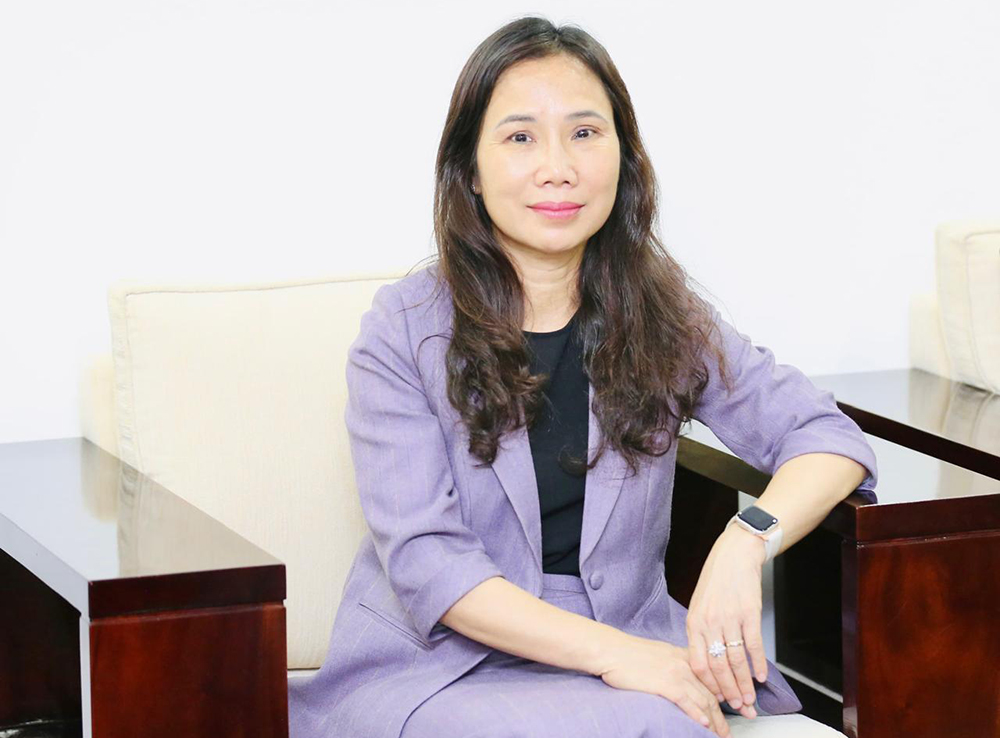
Grace, resilience and quiet determination define the women of both Vietnam and Sri Lanka, two nations bound not only by rich cultural heritage, but by the enduring strength of their women. As the world marked International Women’s Day, the interview with the Vietnamese Ambassador in Sri Lanka offers a compelling lens into how tradition and modernity intervine to shape the lives of women across these societies Women in Vietnam and Sri Lanka continue to redifine their roles, balancing family, career and ambition with remarkable pause. While their journeys were shaped by distinct histories and cultural naunces there is a shared narrative of perseverance, adaptability and progress. In this interview the envoy reflects on these parallels and contrasts, offering insight into the evolving status of women. The challenges, they face and the inspiring strides being made towards equality.
Q How would you describe the role of women in Vietnam compared to Sri Lankan women?
A Women in Vietnam and Sri Lanka share many important similarities. In both societies, women are known for their diligence, resilience, and strong sense of responsibility toward family and community. Having experienced periods of war, conflict, and economic hardship, women in both countries deeply understand the values of sacrifice, solidarity, and perseverance. They often carry multiple roles at the same time—caregivers, income earners, and community supporters. In both countries, there has been an increasingly active participation of women in the workforce, including trade, manufacturing, SMEs, as well as in the leadership. It is meaningful to recognize these shared qualities that quietly but steadily contribute to social stability and national development.
Q From your personal experience, what defines a modern woman in your country?
A From my personal experience, a modern woman is someone who strives for balance rather than choosing between roles. She values education, independence, and self-development, while remaining deeply committed to her family and social responsibilities. She is confident, adaptable, and increasingly comfortable using technology and global networks. At the same time, she respects cultural values and traditions, selecting what is meaningful rather than rejecting them entirely. Modern women today are not defined only by career success, but by their ability to manage multiple responsibilities with empathy, resilience, and purpose.
Q Have you seen a significant change in women’s roles over the past decade?
A Yes, there have been noticeable and positive changes over the past decade. More women are pursuing higher education, entering diverse professional fields, and participating actively in economic and social life. Attitudes toward women’s leadership and decision-making roles have gradually improved, especially among younger generations. At the same time, women continue to shoulder major responsibilities within the family. This dual role has become more visible and more openly discussed. While challenges remain, the growing recognition of women’s contributions—both at work and at home—reflects a meaningful shift toward a more inclusive understanding of development.
Q Women in Vietnam are often visible in trade and entrepreneurship. How does this compare with Sri Lanka?
A Women in both Vietnam and Sri Lanka demonstrate a strong entrepreneurial spirit, particularly in trade, services, and family-based businesses. Many women engage in economic activities not only for personal ambition, but also to support their families and contribute to their communities. In both countries, women entrepreneurs are known for their adaptability, hard work, and practical approach to business. While the scale and sectors may differ, the underlying motivation and resilience are remarkably similar. With better access to finance, markets, and mentoring, women in both societies have great potential to further expand their entrepreneurial impact.
Q Do you think society equally values women’s economic contributions in both countries?
A Societal recognition of women’s economic contributions has improved, but full equality has not yet been achieved in either country. Women’s income is increasingly important for household stability, yet their unpaid care work often remains invisible. Professional success is respected, but women are still expected to prioritize family responsibilities. This creates pressure to constantly balance multiple roles. It is important to acknowledge that true equality means valuing both paid and unpaid work, and creating supportive environments that allow women to contribute economically without compromising their well-being or family life.
Q Vietnam has relatively strong female participation in governance. What drives this? Why is female representation still low in Sri Lanka?
A Both Vietnam and Sri Lanka recognize the importance of women’s participation in governance, and both have many capable women leaders. Differences in representation are largely shaped by institutional structures and political culture rather than women’s ability or commitment. Where supportive frameworks, mentoring, and clear pathways exist, women are more likely to enter public leadership.
In Sri Lanka, many talented women also serve their communities in different ways, though public roles can be more demanding to combine with family responsibilities. Creating more supportive and flexible pathways can help more women step forward and share their perspectives, enriching decision-making and social cohesion.
Q What are the most pressing issues women still face today?
A One of the most pressing challenges women face today is achieving a healthy balance between work, family responsibilities, and personal life. Women continue to carry a disproportionate share of caregiving and household duties, even when they are fully engaged in professional work. Gender inequality in wages, leadership opportunities, and decision-making persists. Social expectations often require women to excel in all areas simultaneously, creating emotional and physical strain. Addressing these issues requires not only policy support—such as childcare and flexible work—but also cultural change that encourages shared responsibility and mutual respect.
Q Do globalization and social media help accelerate gender equality?
A Globalization and social media can play a positive role in accelerating gender equality by expanding access to information, markets, and role models. They allow women to connect, learn, and express their voices beyond traditional boundaries. Many women entrepreneurs and professionals have benefited from digital platforms. However, these tools also bring challenges, including online harassment and unrealistic social pressures. Their impact depends on how responsibly they are used and supported. When combined with education, digital literacy, and safeguards, globalization and social media can become powerful tools for women’s empowerment.
Q How do you see the future of women evolving in the next 10 years?
A Over the next decade, I expect women to play an even more visible role in leadership, entrepreneurship, and innovation. Flexible work models and digital technologies will help more women participate in the economy while managing family responsibilities. Younger generations are already embracing more balanced views on gender roles and shared caregiving. While challenges will remain, especially in achieving true equality, the overall direction is positive. With sustained support from institutions, families, and society, women’s contributions will continue to shape more inclusive and resilient communities.
Q What can Sri Lanka learn from Vietnam in terms of empowering women economically?
A Sri Lanka can draw useful lessons from Vietnam’s emphasis on integrating women into value chains, supporting small businesses, and linking skills training with market access. Practical support—such as simplified procedures, access to finance, and business networks—helps women move from informal activities to sustainable enterprises. Equally important is recognizing women’s economic roles publicly and socially. Empowerment is most effective when economic opportunity is combined with family support and social respect. These shared principles are especially meaningful and highlight when celebrated International Women’s Day on 8 March.
By Zanita Careem

Navy seizes an Indian fishing boat poaching in Mannar seas

Bodies of 84 Iranian sailors killed in US torpedo strike to be repatriated

Four crew members killed after US refuelling plane crashes in Iraq

Safeguarding linguistic heritage is not only a cultural responsibility, but also a shared commitment to preserving the diversity of our world – PM

This is not an ordinary scholarship programme. It defines the future vision of our country – PM

West Indies name unchanged squad for home T20Is against Australia

‘Dates have the highest sugar content to fight Coronavirus’

Sunday Island 27 December – Headlines

#SundayIsland 17th December – Headlines

Sunday Island – 28th March

Sunday Island Headlines – 21 March

Sunday Island – 21st February – Headlines
-

 News7 days ago
Peradeniya Uni issues alert over leopards in its premises
-

 News5 days ago
Repatriation of Iranian naval personnel Sri Lanka’s call: Washington
-

 News7 days ago
Wife raises alarm over Sallay’s detention under PTA
-
 Features5 days ago
Winds of Change:Geopolitics at the crossroads of South and Southeast Asia
-

 News4 days ago
Prof. Dunusinghe warns Lanka at serious risk due to ME war
-

 Sports3 days ago
Royal start favourites in historic Battle of the Blues
-

 Latest News7 days ago
Heat Index at ‘Caution Level’ in the Sabaragamuwa province and, Colombo, Gampaha, Kurunegala, Anuradhapura, Vavuniya, Hambanthota and Monaragala districts
-

 Features6 days ago
The final voyage of the Iranian warship sunk by the US