
Sports
Born a rebel!

by Rex Clementine
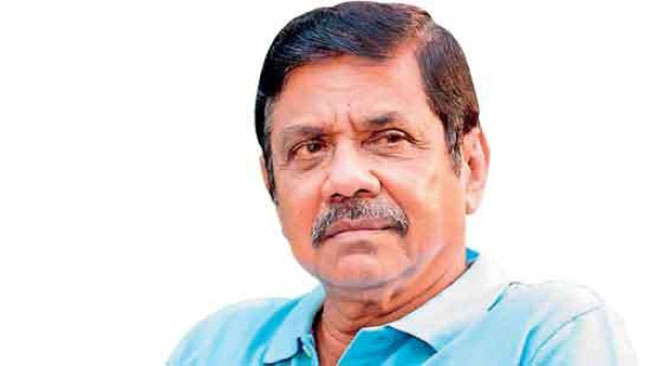
The year was 1979. West Indies during those stop-over tours to Sri Lanka before the country had gained Test status were playing a game in Galle. Sylvester Clarke, the fearsome fast bowler from Barbados floored Sri Lankan opener Bandula Warnapura with a vicious bouncer. Bandula is a fighter. He was unconscious for six hours. Then he recovered and two years later went onto become the nation’s first Test captain. Life has punched a cruel blow to him right now. Don’t be surprised if he comes out of this tough time and goes onto become the President of the Cricket Board in two years time when the elections are due.
Warnapura was never the player he was after being floored by Clarke. Prior to that, he had never ducked. He took on the fast bowlers. In fact, when Tony Greig skippered the MCC side to Colombo in 1977 in a radio interview he said that after Sunil Gavaskar, the best opening batsman in the Asian region was Bandula. His was a game of sheer elegance. He was a tough player.
This newspaper has spoken to every cricketer who went on the rebel tour to South Africa including the mastermind of the series, Dr. Ali Bacher. They all have their reasons for going on the tour and organizing it. Many of them echoed same sentiments; that they were victims of circumstances. Some others said that they were in the twilight of their careers and there was no hope.
Only Bandula spoke the harsh truth. He went there for the money. He was born a rebel, played the game, skippered the side and ran the sport like a rebel. He didn’t mind when we used the term ‘filthy lucre’. He in fact had been taken for a ride. There was no second tour to South Africa that Bacher had promised. He was left high and dry. Bacher wasn’t the only person who had taken Bandula for a ride. There were many others. Bandula took them all on the chin.
Bandula’s finest hour in the sport came during the 1979 World Cup. With skipper Anura Tennekoon injured, he stepped in as captain for the game against India, a star studded side. Sri Lanka overcame India in what was World Cup’s first ever shock. That went a long way in the nation gaining Test status two years later.
The specialty of his captaincy was that he was a players’ man. He would fight for his colleagues and would do much to make the youngsters feel comfortable. Sidath Wettimuny recalled how in his first appearance for Sri Lanka he was feeling nervous and the captain approached him and asked where he wanted to field. Sidath was told to go and field wherever you like!
The rebel tour had a massive toll on him; it ended his career and brought many challenges to his life. When he skippered the side to South Africa, he basically was taking on the top brass of the government. President J.R. Jayewardene was a former Board President and was the President of SSC at that time. His two deputies Gamini Dissanayake was the Board President and Lalith Athulathmudali was President of NCC. Lalith was the Cricket Board President in waiting.
These three smart politicians, not many dared crossing their paths. In Bandula’s own words, ‘they were very good friends, but bad enemies.’
That was like taking on Holding, Marshall and Roberts in their prime. Even those fine fast bowlers of West Indies wouldn’t have had such venom. Bandula was being hunted and trouble after trouble followed him. He never gave up though.
When the ban was eventually lifted, he did not mellow down. Business establishments wanted someone who raised the company’s profile rather than someone who spoke the plain truth. Cricket establishment meanwhile employed him but became increasingly worried about the independent manner in which he carried things out. In fact, when he left Maitland Place for Malaysia to take over a posting at the Asian Cricket Council, cricket bosses thought it was a blessing in disguise.
A few years ago, SLC wanted him to take up a key position. But cricket bosses were scared that they will not have control over the affairs if Bandula was calling the shots. Instead, they preferred a yes man. He never got the job and instead was taking part in reality shows as a judge while cricket was suffering many setbacks.
Bandula did have ambitious plans. With a few good men he wanted to contest the next cricket elections. He was getting his act together for his next biggest challenge when something totally unexpected happened. He is hanging in there and he needs to continue the fight. Cricket needs him.





by Rex Clementine
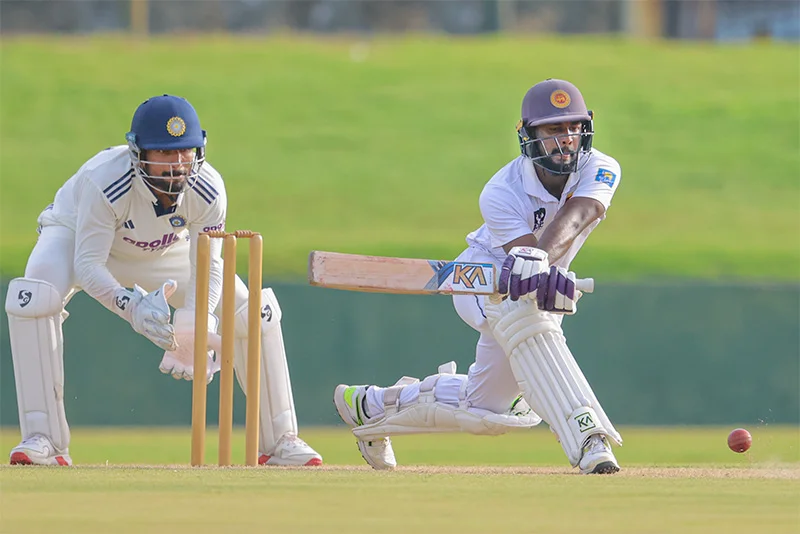
The Niroshan Dickwella experiment has proved short lived, with the national selectors deciding to move on and handing a maiden Test call up to 22-year-old Anjala Bandara, who is expected to take over the wicketkeeping duties for the two match Test series against Pakistan.
Dickwella’s recall after more than three years in the wilderness had raised quite a few eyebrows. The selectors defended their decision, arguing that he remained the finest wicketkeeper in the country. Few disputed that claim. The concerns, however, were never about his glovework but rather his ability to shut out the noise, keep his emotions in check and maintain discipline off the field. True to form, India’s fielders managed to get under his skin in the second innings of the Galle Test and the left-hander duly lost patience and threw his wicket away.
A fellow left-hander, Bandara’s journey to the national side has been anything but conventional. He first emerged from the little known Sirimavo Bandaranaike Vidyalaya in Matale before being snapped up by St. Anthony’s College, Katugastota. He eventually found his way to Mahanama College for his Under-19 cricket and now turns out for Colombo Cricket Club.
While Bandara has been prolific with the bat, boasting a formidable First Class average of 65, his work behind the stumps remains a work in progress. The selectors, however, believe he has made sufficient strides to be thrown into the deep end of Test cricket.
“We had a special programme for Anjala. In fact, we sent him to Mahesh Gunathilaka, one of the finest wicketkeepers produced by the country. He has worked on a few areas and we feel he is ready for Test match cricket,” Chairman of Selectors Kapila Wijegunawardene told The Island.
Wijegunawardene also confirmed that Pasindu Sooriyabandara would open the batting in Pakistan.
The former Royal College batter made his Test debut as a concussion substitute against India in Galle after Dinesh Chandimal was injured, but his introduction to the highest level was hardly a fairytale as he departed for a first ball duck. He made amends in the second Test, however, with impressive knocks of 80 and 92, showing that his baptism by fire had done little to dent his confidence.
Although Pathum Nissanka has been included in the squad, his availability remains subject to fitness. The prolific opener had been expected to return for the tri-nation series in Pakistan beginning later this week, but his recovery from the hamstring strain that ruled him out of the T20 series has taken longer than anticipated.
The Pakistan series will also mark Kusal Mendis’ first assignment as Test captain. His predecessor, Dhananjaya de Silva, who stepped down from the leadership, retains his place in the squad, although whether he makes the playing XI is another matter.
With competition for middle order places heating up, the former captain could find himself in a straight shootout with Kamindu Mendis for one of the remaining berths. It is an intriguing selection headache, particularly given that Dhananjaya was leading the side only a few weeks ago.
Another interesting inclusion is Eshan Malinga, who has largely been regarded as a white ball specialist. The selectors have now opened the door for him in the longest format, offering the young quick an opportunity to prove that his skills extend beyond the limited overs game.
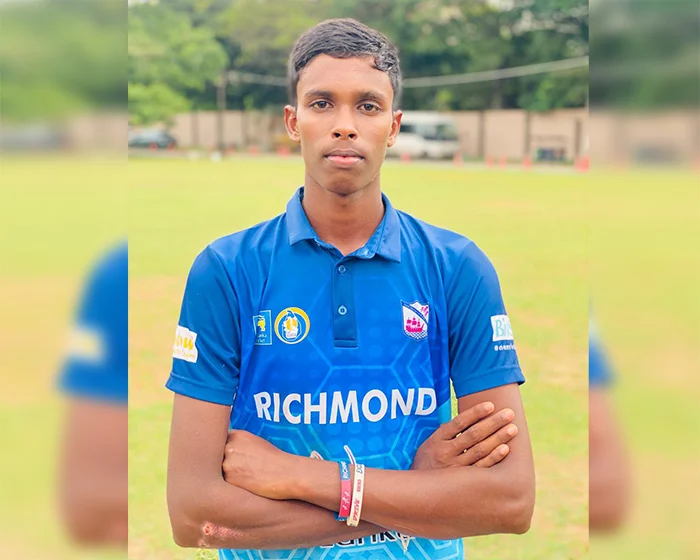
by Reemus Fernando
Richmond College are all but through to the quarter-finals of the Under-19 Division I Tier A Limited Overs Tournament after a nine-run win over Maris Stella College, Negombo, under the Duckworth-Lewis-Stern (DLS) method at the Army Grounds in Karandeniya on Monday.
It was Richmond’s third straight victory, and it puts them at the top of Group ‘B’ with one match remaining.
Batting first, Richmond posted 171 for nine in their allotted 50 overs, with Bevin Jayawardana top-scoring with a patient 55 off 88 balls. Punal Hansajith contributed 24 off 39 deliveries, while Risinu Rupasinghe made 22 and Ravinu Randinu added 18.
Maris Stella’s Malan Kadigamuwa led the bowling effort with three wickets for 37 runs in nine overs, while Rosel Perera claimed two wickets for 31 runs in his 10-over spell.
In reply, Maris Stella reached 127 for six in 42 overs against a revised DLS target of 136. Richmond therefore secured victory by nine runs under the method.
Punal Hansajith and Tenusha Nimsara claimed two wickets each to keep the Maris Stella batting line-up in check. Hansajith conceded just 20 runs in nine overs, while Nimsara gave away 14 runs in seven overs, with both bowlers maintaining tight control.
For Maris Stella Kavith de Silva scored 29 off 46 balls, while Gaveesha Induwara remained unbeaten on 24 off 38 deliveries. Manuja Nayanajith added 23 off 55 balls, and Yumeth Sathmira contributed 16.
In their previous encounters bowlers domnated for Richmond to beat Sri Sumangala College Panadura and St. Sebastian’s College Moratuwa comfortably.
Sri Sumangala were dismissed for 106 runs with Hiruk Akalanka, Tenusha Nimsara and Punal Hansajith claiming two wickets apiece. Akalanka returned figures of 2 for 21 in six overs, while Nimsara took 2 for 21 in five overs, including one maiden. Hansajith also claimed two wickets, conceding 24 runs in 5.3 overs. Hiruka Akalanka then lead the chase with a knock of 45run (in 46 balls with5fours and 2 sixes) to seal a six wickets win.
The match against St. Sebastian’s saw Tenusha Nimsara hog the limelight, taking a five-wicket haul to restrict the Moratuwa outfit to 115 runs.
Richmond had a few anxious moments in reply but got home with two wickets in hand.
In Group ‘A’ the contest is still open with S. Thomas’ College Mount Lavinia slightly ahead of others after Jaden Amaraweera scored a cracking 76 off 75 balls (7x4s, 4x6s) to lead them to six wickets win over Prince of Wales College, Moratuwa (153/8 in 50 overs) on Monday. S. Thomas’ (200/9 in 50 overs) had a DLS tie against Trinity (126?4 in 36) and their other match ended in a no decision.
While Mahinda were leading Group ‘C’ by Monday, Nalanda completed their quota of first round matches unbeaten in Group ‘D’.
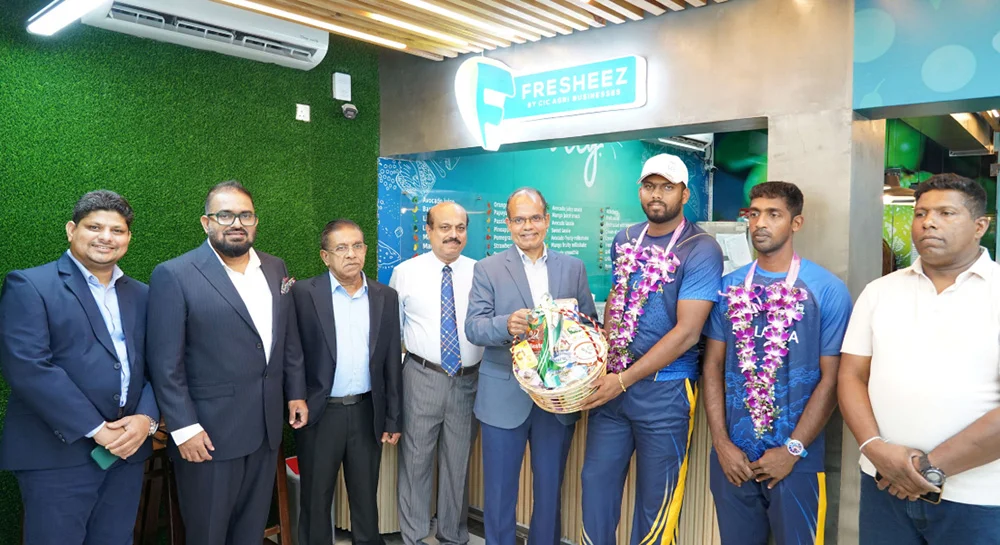
Diversified conglomerate CIC Holdings PLC (CSE: CIC) has partnered with Sri Lankan national athlete Rumesh Tharanga Pathirage as his Official Nutritional & Wellness Partner, supporting his journey towards the 2028 Olympic Games and his ambition to bring home Sri Lanka’s first ever Olympic gold medal.
The partnership reflects a shared commitment that extends beyond conventional sports sponsorship, with CIC standing alongside Rumesh through the years of preparation.
Rumesh Tharanga has established himself among the world’s leading javelin throwers following a landmark 2026 season. He set a Sri Lankan national record of 92.62 metres in Rome, claimed the Commonwealth Games title and became Sri Lanka’s first Diamond League champion. He strengthened his position as the world’s No. 1 ranked men’s javelin thrower by winning gold at the inaugural World Athletics Ultimate Championship in Budapest with a 91.09 metre final round throw. Most recently, he won Sri Lanka’s only gold medal at the Asian Games 2026 by winning the men’s javelin throw
For more than six decades, CIC has been part of the lives of Sri Lankans through its presence across agriculture, healthcare and wellness, personal care and other sectors. The partnership extends this longstanding role of nurturing Sri Lankan lives to supporting the journey of an athlete pursuing an ambition with significance for the entire nation.

Heavy showers above 100 mm are likely at some places in the Western, Sabaragamuwa, Southern, Central, and North-western provinces and in Anuradhapura district.

Sri Lanka, India caught in US-Iran ship crisis

Namal further remanded

IMF projects Lankan economic growth to moderate amidst mounting global uncertainties

Major Gen Pushpakumara assumes command of 56 Infantry Division

Dickwella axed, Bandara earns maiden Test call up

‘Dates have the highest sugar content to fight Coronavirus’

Sunday Island 27 December – Headlines

#SundayIsland 17th December – Headlines

Sunday Island – 28th March

Sunday Island Headlines – 21 March

Sunday Island – 21st February – Headlines
-

 Features6 days ago
The Sri Lankan who made Scottish history
-

 Sports6 days ago
Nissanka absence opens door for Sri Lanka’s young guns
-

 News5 days ago
NDB fraud Rs 60mn more than reported
-

 News5 days ago
Removing monk’s robes matter for Sangha to decide: Mahanayake Theras
-
 News6 days ago
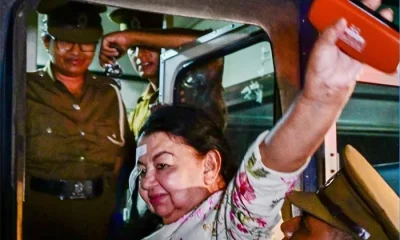
Shiranthi R remanded until 13 Oct.
-

 Features6 days ago
Future of Sri Lanka’s state university system: Should it be shut down and reopened?
-

 News3 days ago
Sri Lanka escalates anti-graft drive with Shiranthi’s jailing
-

 News4 days ago
NPP govt. reminded of its responsibilities as US warship leaves Colombo