
News
Anudi Gunasekara among 20 finalists of the Head to Head Challenge at the 72nd Miss World


Sri Lanka’s Anudi Gunasekara has advanced to be among the 20 finalists of the Head to Head Challenge at the 72nd Miss World, currently underway in Hyderabad, India.
Anudi has been named among the Top 5 finalists from Asia, a historic achievement, as she becomes the first Sri Lankan ever to be placed as a finalist in this segment.
Anudi has also set another incredible record, becoming the only contestant from Asia to be a finalist in both the Head to Head and Talent rounds this year.
The Head to Head Challenge at the 72nd Miss World offers a global platform where contestants can highlight some of the most pressing issues affecting communities today.
The 72nd Miss World, which commenced on 07 May, will see the reigning Miss World, Krystyna Pyszková from Czechia, crown her successor on 31 May.





News
Prime Minister Attends the 40th Anniversary of the Sri Lanka Nippon Educational and Cultural Centre

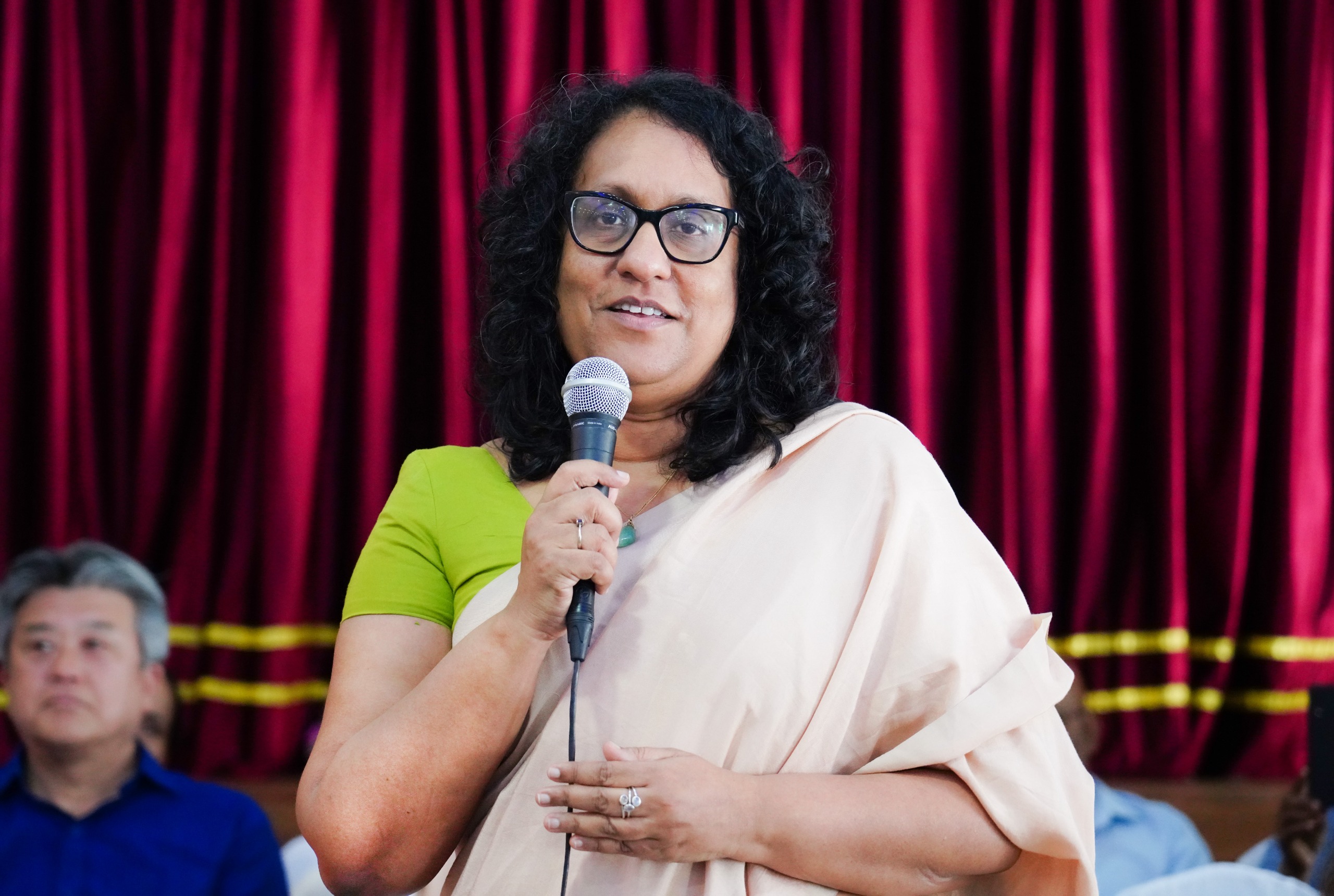
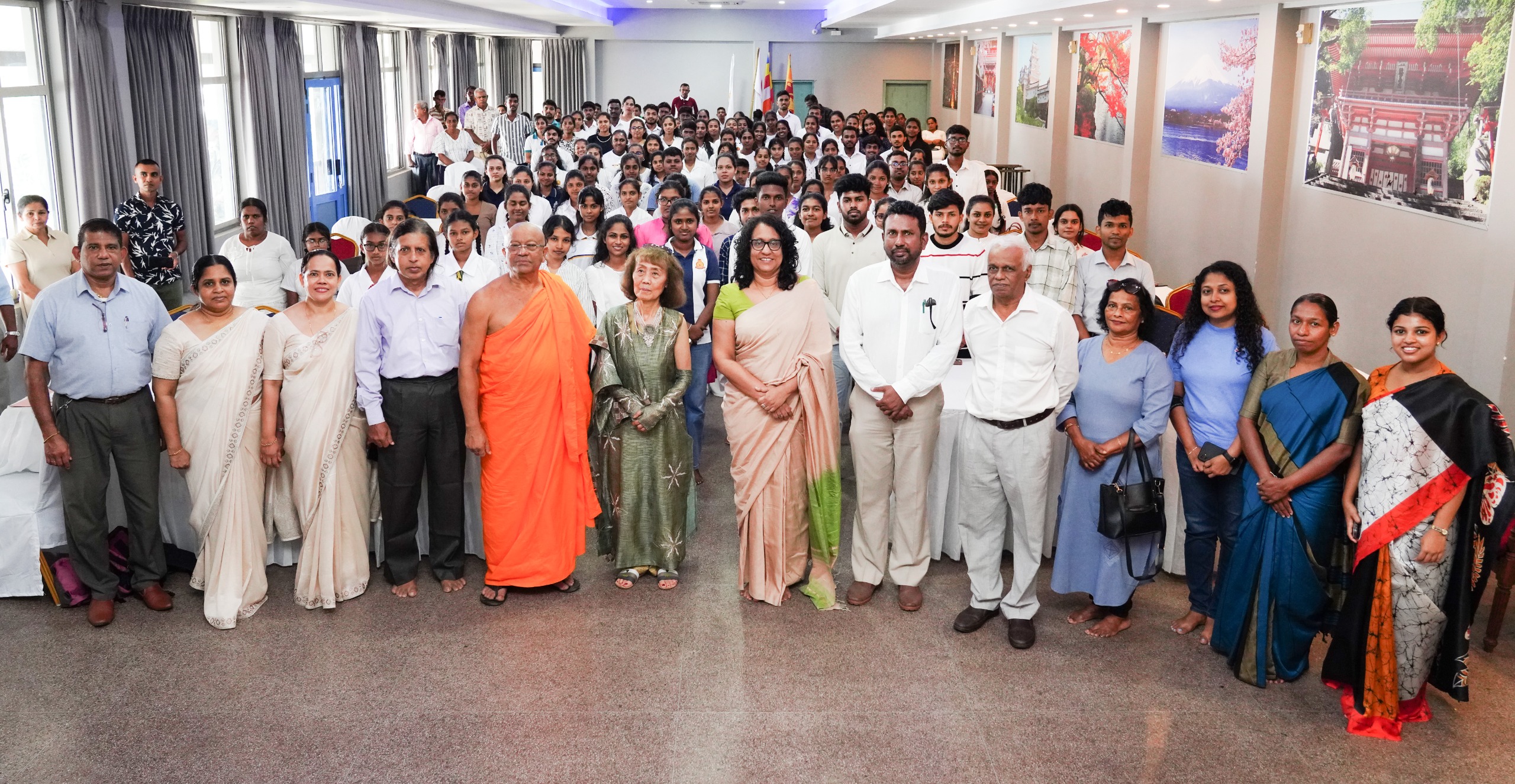
Prime Minister Dr. Harini Amarasuriya attended the special ceremony marking the 40th anniversary of the Sri Lanka Nippon Educational and Cultural Centre (SNECC), along with the 75th birthday of its Secretary General, the Chief Incumbent of Sri Mahindaramaya, Ethul Kotte, the Chief Sangha Nayake of the Western Province, and scholar Ven. Meegahathenna Chandrasiri Thero.
The primary objective of the event was to appreciate the service rendered by the Sri Lanka Nippon Educational and Cultural Centre, which has functioned as a bridge between Japan and Sri Lanka since 1986, contributing significantly to the development and welfare of children in Sri Lanka.
Addressing the gathering, the Prime Minister stated that the social service carried out by Ven. Meegahathenna Chandrasiri Thero through the Nippon Centre, aimed at fulfilling the educational aspirations of Sri Lankan children, is highly commendable. She further emphasized that the Centre’s contribution to nurturing skilled children into disciplined and responsible citizens, as well as strengthening cultural ties between the two countries, is appreciated by the Government.
Over the past four decades, thousands of students have benefited from the “Nippon Scholarship” programme implemented by the Centre. In addition to providing school supplies, monthly financial assistance, medical support, and spectacles, the programme offers Japanese language education and guidance for employment and training opportunities in Japan for Sri Lankan youth. Annual study tours to Japan and collaborative programmes organized to enhance mutual understanding between students of the two countries were also highlighted at the event.
Marking this special occasion, the Prime Minister extended her best wishes to Ven. Meegahathenna Chandrasiri Thero on his 75th birthday and wished him continued strength to successfully carry forward this invaluable service.
The event was attended by the Mayor of Kotte, Arosha Atapattu, representatives of sponsoring organizations from Japan, scholarship recipients, and other distinguished guests.
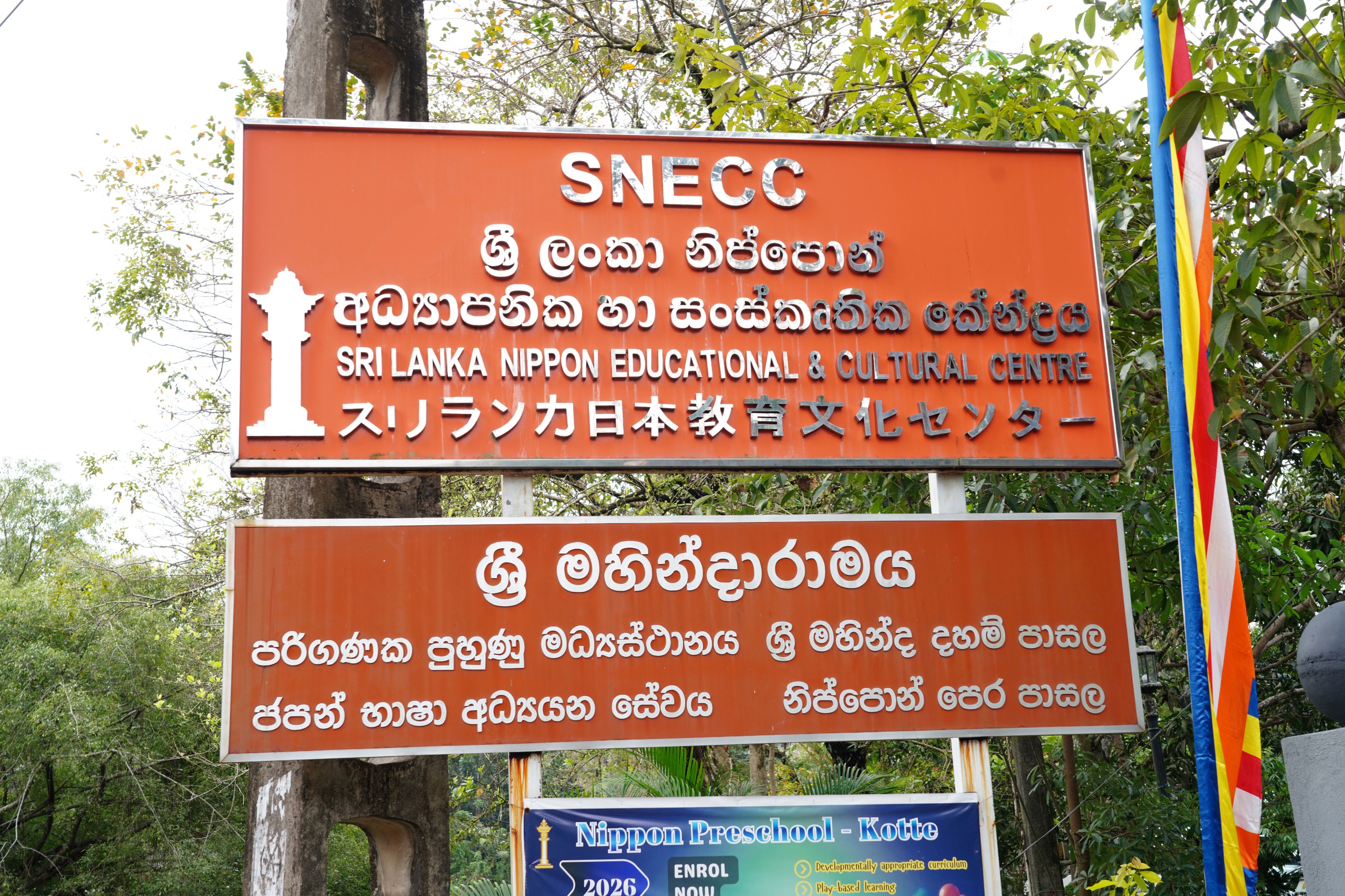
[Prime Minister’s Media Division]
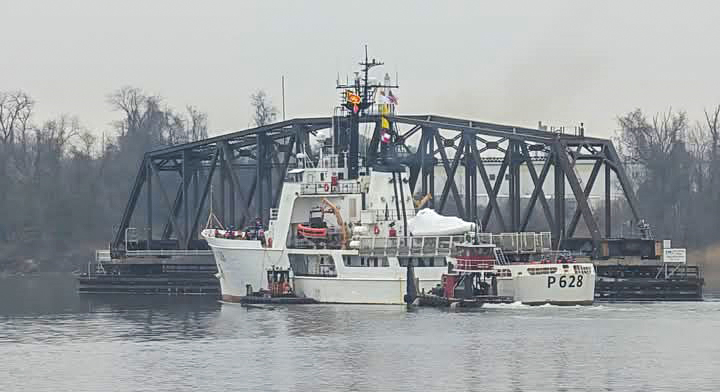
The Offshore Patrol Vessel P 628, which was formally handed over to the Sri Lanka Navy by the U.S. Coast Guard in December 2025, departed for Sri Lanka from Baltimore, United States on 20th February 2026. The home bound journey began, after the modernization work of the ship to suit the operational needs of the Sri Lanka Navy.
The EX-United States Coast Guard Cutter, USCGC Decisive was officially handed over to the Sri Lanka Navy on 02 Dec 25, as the latest addition to the SLN fleet under the Pennant Number P 628. Upon her arrival in Sri Lanka, the ship is scheduled to be formally commissioned into the fleet.
Measuring 64 metres in length, this ‘B-Type Reliance Class 210-foot Cutter’ is equipped with advanced technological systems and facilities, capable of conducting extensive surveillance operations spanning up to 6,000 nautical miles per patrol.
The vessel’s voyage to Colombo is historic, possibly marking the longest-ever passage undertaken by a Sri Lanka Navy ship. Covering approximately 14,775 nautical miles, the journey will see the P 628 navigate from Baltimore through the Atlantic Ocean, the Panama Canal (a first for a Sri Lankan naval vessel), the Pacific Ocean, and into the Indian Ocean via the Straits of Malacca. The ship is expected to arrive in Sri Lanka during the first week of May 2026.
During the transit, the P 628 is scheduled to make port calls to replenish supplies and services, providing opportunities to further strengthen diplomatic ties with partner nations.
This transfer represents the fourth vessel provided to the Sri Lanka Navy by the United States Coast Guard, reinforcing a long-standing partnership aimed at addressing common maritime challenges.
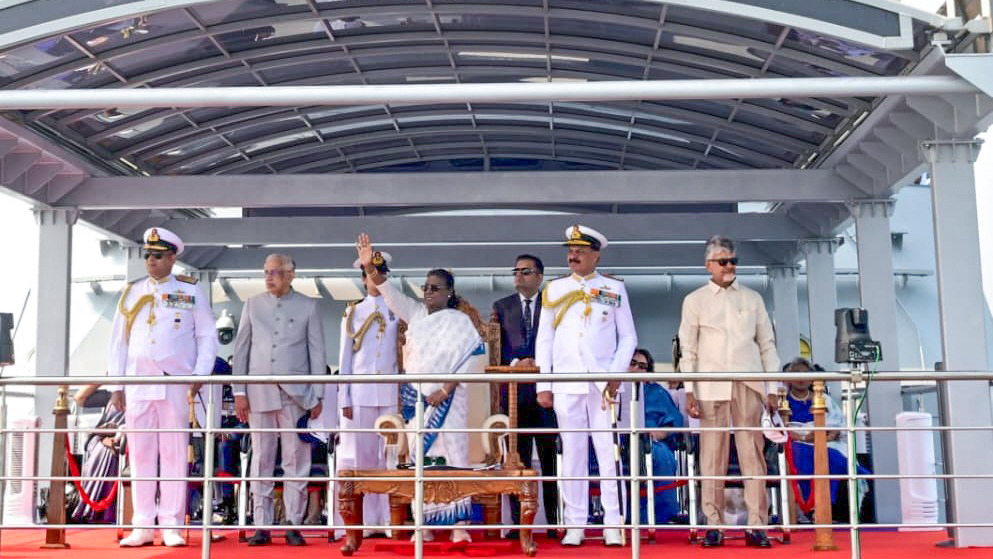
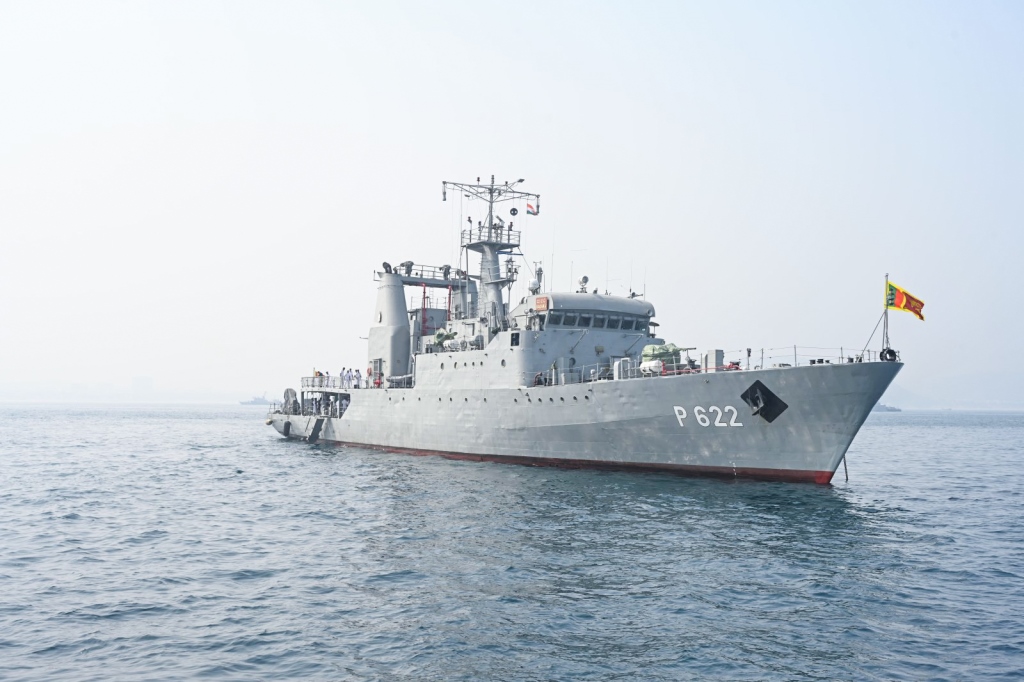
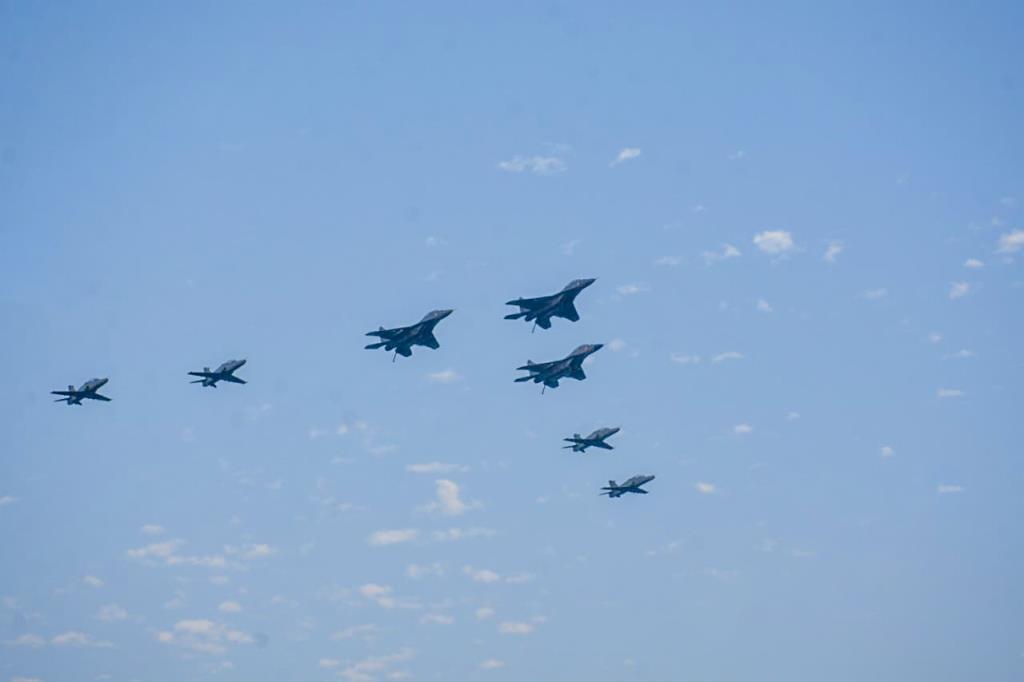
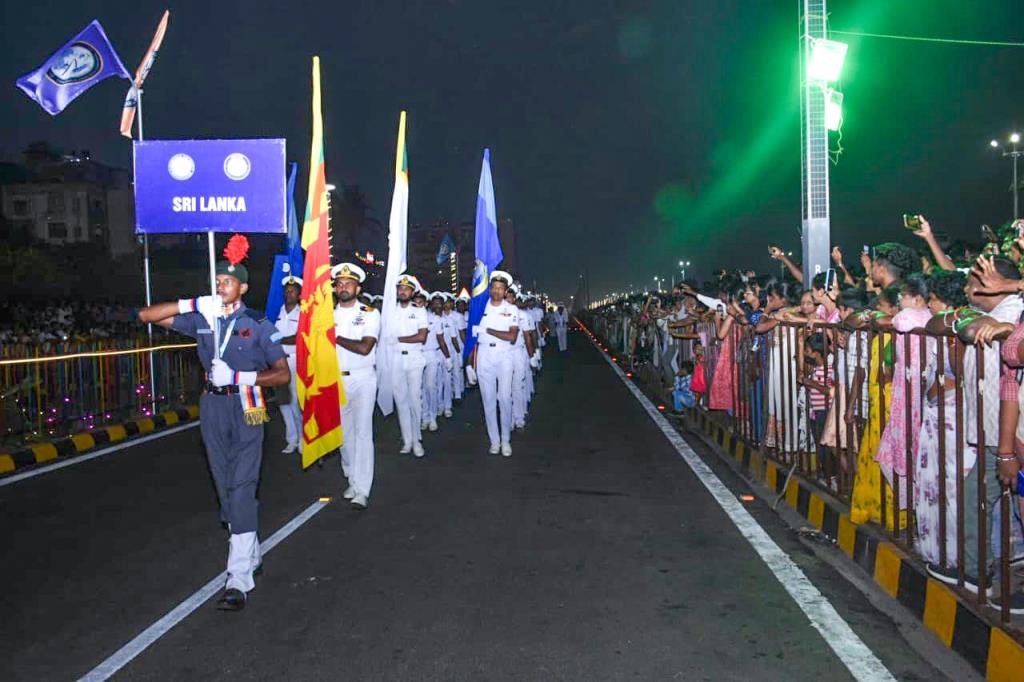
The 13th edition of the multilateral naval exercise MILAN hosted by the Indian Navy, is being held from 18 to 26 Feb 26, at Visakhapatnam and in the waters of the Bay of Bengal.
SLNS Sagara and Nandimithra represented the Sri Lanka Navy by participating in the International Fleet Review (IFR), a major component of this multilateral naval exercise, held on 18 Feb.
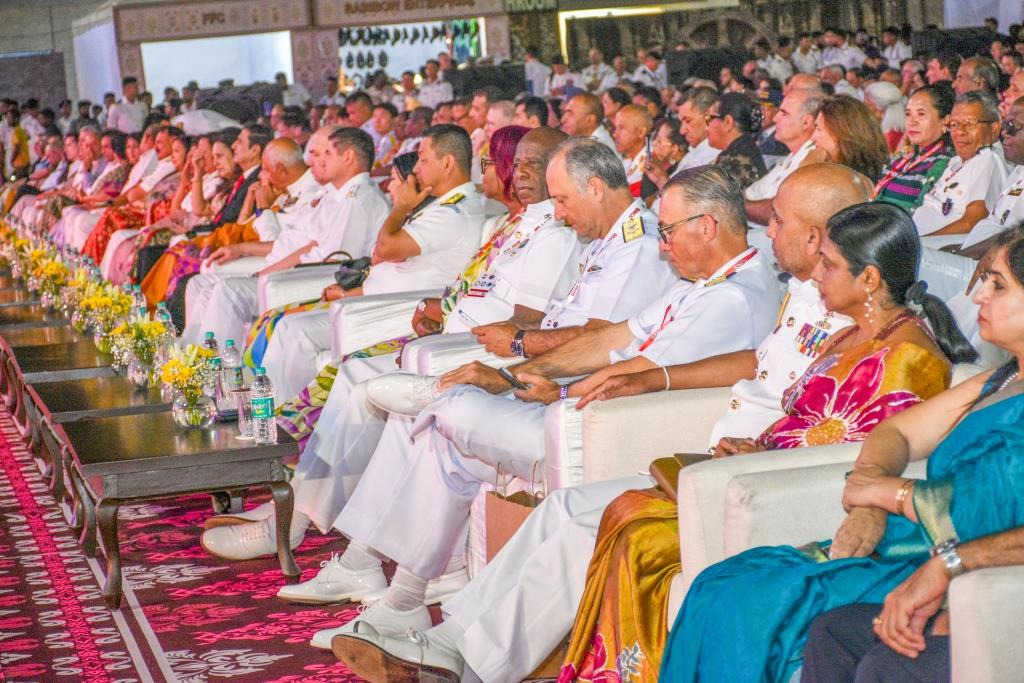
The event was attended by the Commander of the Sri Lanka Navy, Vice Admiral Kanchana Banagoda, at the invitation of the Chief of the Naval Staff of India, Admiral Dinesh K Tripathi. The President of India reviewed the IFR, participated by the warships representing regional and global navies.
Held under the theme “United Through Oceans and the spirit of Camaraderie Cohesion Collaboration,” IFR and MILAN-26 provide a vital platform for participating nations. The participation of the Sri Lanka Navy in the MILAN-26 multilateral naval exercise highlighted Sri Lanka’s commitment to advancing its maritime interests and addressing shared challenges through enhanced cooperation with other nations and institutions, grounded in mutual understanding.
Furthermore, participation in endeavours of this nature will strengthen mutual cooperation and interoperability with other maritime stakeholders. It will also provide the Sri Lanka Navy with valuable opportunities to gain new knowledge, strategic acumen, and operational experience, key elements in fostering a collective approach to maritime security.
During this visit, the Navy Commander engaged in bilateral discussions with regional and extra-regional diplomatic representatives and these strategic-level talks focused on matters of mutual interest pertaining to Sri Lanka’s maritime security and stability.
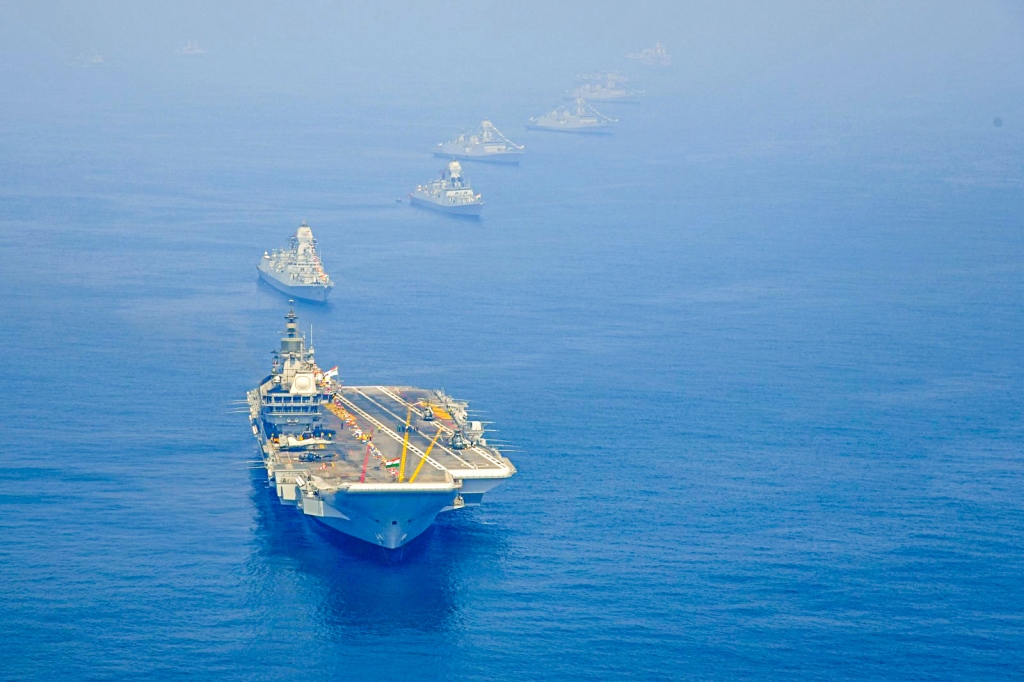
[Navy Media]

South Africa announce schedule for bumper men’s home summer

Briton among 19 killed in Nepal bus crash

Mexico sends thousands of soldiers to stop violence after death of drug lord

Viren and Sangeeth fastest at 30th edition of Southern Eliyakanda Hill Climb

Rampaging Hetmyer, spinners seal West Indies’ massive win over Zimbabwe

Spin in focus again as high-flying England eye Pakistan scalp

‘Dates have the highest sugar content to fight Coronavirus’

Sunday Island 27 December – Headlines

#SundayIsland 17th December – Headlines

Sunday Island – 28th March

Sunday Island Headlines – 21 March

Sunday Island – 21st February – Headlines
-

 Features2 days ago
Why does the state threaten Its people with yet another anti-terror law?
-

 Features2 days ago
Victor Melder turns 90: Railwayman and bibliophile extraordinary
-

 Features2 days ago
Reconciliation, Mood of the Nation and the NPP Government
-

 Features23 hours ago
LOVEABLE BUT LETHAL: When four-legged stars remind us of a silent killer
-
 Features2 days ago
Victor, the Friend of the Foreign Press
-
 Latest News3 days ago
New Zealand meet familiar opponents Pakistan at spin-friendly Premadasa
-

 Latest News3 days ago
Tariffs ruling is major blow to Trump’s second-term agenda
-

 Latest News3 days ago
ECB push back at Pakistan ‘shadow-ban’ reports ahead of Hundred auction