
News
Academics et al call for broadening and concretising democratic moment into sustained political action


A group of academics, in a statement issued, says that the origins of the present crisis are political, having been brought about by authoritarian policies of successive governments. Such authoritarian rule has been consolidated for decades through Sinhala Buddhist majoritarian mobilisations, one of the most recent one being mandatory cremations, after a COVID death. It is built upon the notion that powerful, rich, professional and militaristic men must lead the way through mechanisms, isolated from the needs of the larger community.
The following is the text of the statement titled ‘The democratic moment today: A call for action and reflection’: We are witness today to events that are unprecedented in our postcolonial history. Hundreds of thousands of people are taking to the streets, spontaneously, in protest in an extraordinary demonstration of democratic fervor. The calls for change are loud, and spectacular.
They are driven by anger at a small elite group—the Rajapaksas, who have built a dynastic political empire with their cronies and allies in and out of Parliament and a supportive business elite. One of the worst spells of economic hardship that the country has experienced in the past few decades has driven people to the streets, demanding that the President of the country “go home”.
But these calls for change are not just of the government in power, but of the forms of governance as well. Hard questions are being asked by the protesters: questions about economic policies, the functioning of the judiciary, relations between communities, and related concerns.
People want prices reduced and essential items, like food, medicine, milk powder, electricity, gas and stationery, available in adequate amounts for their families; communities want the country’s stolen wealth returned and re-distributed; many want the divisive ethnic and religion-based politics to end and past violations acknowledged and accounted for; the people are united in their cry for a country free of totalitarianism. The polyphony of slogans demanding economic, political social and gender justice must be heard and addressed.
The economic crisis was precipitated by the inability of the heavily indebted government to guarantee to the people essential imports, triggering the protests. Further, arbitrary decisions like the ban on the import of fertiliser badly impacted agricultural production. Shortages and exorbitant price hikes affecting food, medicines, fuel, and electricity, have induced widespread suffering. The impact is harshest on the working class, especially underclass, underprivileged, and multiply marginalised persons and communities; whose conditions have been rendered ever more precarious by the pandemic.
The origins of the present crisis are political, having been brought about by authoritarian policies of successive governments. Such authoritarian rule has been consolidated for decades through Sinhala Buddhist majoritarian mobilisations, one of the most recent one being mandatory cremations, after a COVID death. It is built upon the notion that powerful, rich, professional and militaristic men must lead the way through mechanisms isolated from the needs of the larger community. Such ideologies have discriminated against people on the margins and have little space for pluralism. It has resulted in heightened militarisation, inequality and injustice. It has narrowed the space for collective democratic action, and instead validated a culture of patronage and centralised authority.
It is important at this juncture that touted solutions do not compound the crisis. IMF involvement is very much on the table: the neoliberal economic thought that sees the IMF as the ideal solution extends across the political spectrum. However, it is decades of neoliberal policies that have led us to this crisis in the first place. Neoliberalism promotes policy that safeguards private property rights and free markets, overriding social concerns. Globally, social services, such as transportation, health and education have become spaces for racketeering and private profit, and transformed governments to be facilitators of this process. No longer is the state expected to provide services to the public and no longer do such services belong to the public. As a result, the role of the state has weakened and we have become victims of the vagaries of markets. We have witnessed the slashing of spending on social welfare.
Deregulation and privatization have become the norm. Today, we rely on the remittances of exploited migrant workers and heavy international borrowing, instead of developing production along viable lines, leading to self-sufficiency. In the event of an IMF intervention, we should keep the above in mind.
As a means of addressing the economic crisis in the short term, provisions must be made for immediate relief for the suffering people. We must demand progressive direct taxation, including a wealth tax on property and vehicles, geared towards redistribution and greater equality. We must insist on a significant reduction of the funds allocated to the defence sector and insist that core public services, including health, education, electricity, water and transport, are strengthened and funded by the state. Those who are landless should be given land for housing, agriculture and other economic activities.
We must broaden and concretize this democratic moment into sustained political action, pushing for structural changes in the long term. Draconian laws, including the Public Security Ordinance and the Prevention of Terrorism Act must be repealed. The country must engage in demilitarization by cutting back on military expenditure, releasing lands held by the military, and confining the military to the barracks. Devolution of power from the center to the peripheries is required. The executive presidency, together with the legislation brought about by the 20th Amendment to the constitution that consolidated powers at the centre must be done away with. Instead, we must nurture transparency and pluralism, through mechanisms such as tribunals, independent commissions and an independent judiciary.
As a people, we call for solidarity at this historical moment! We call for a movement of workers, unions, women’s groups, all marginalized, disenfranchised and discontented people towards a just and democratic future for us all.”
The signatories to the statement are:
Ruchini Abayakoon, McMaster University, Ontario, Canada, Udari Abeyasinghe, University of Peradeniya, Asha L. Abeyasekera, Royal Holloway, University of London, Asanka Abeyratne, Social Activist, Sachini Abeysekara, Brock University, Mohamed Adamaly, Attorney at Law, Chamalee Ahangama, S.L. Usman Akeel, Daily Ceylon, Indi Akurugoda, University of Ruhuna, Ashwini Amarasinghe, University of Peradeniya, M. A. M. S. Anaf, Kalmunai, Shani Anuradha, University of Peradeniya, Nalin Galkanda Arachchi, University of Vocational Technology, Ratmalana, S. Arivalzahan, University of Jaffna, Swasthika Arulingam, Attorney at Law, Odayan Arumugam, Trainer/Community Activist, Colombo, Mohamed Ashfaque, Akkaraipattu, A.N. Ashiq, Karaithivu,
Dhilma Atapattu, University of Peradeniya, Fazeeha Azmi, University Of Peradeniya, Crystal Baines, Ph.D. Candidate, Kandy, Dhanuka Bandara, Miami University of Ohio, Sumudu Bandara, University of Peradeniya, Bisliya Bhutto, Human Rights Activists,
Rudhramoorthy Cheran, University of Windsor, A.S.Chandrabose, Open University of Sri Lanka, Sasindi Chandrasekara, Visakesa Chandrasekaram, University of Colombo, Kaveesha Coswatte, APIIT Law School, Chamalee Ahangama Dayarathna, Counselor, Ruwanthie de Chickera, Playwright, Jan Ramesh de Saram, Colomboscope, Erandika de Silva, University of Jaffna, Marisa de Silva, Colombo, Mithma de Silva, University of Peradeniya, Priyanka de Silva, University of Peradeniya, Sulari de Silva, University of Moratuwa, Hiranyada Dewasiri; Uva Wellassa University of Sri Lanka,
Nirmal Ranjith Dewasiri, University of Colombo, Janaranga Wijaindu Dewasurandra, Family Planning Association of Sri Lanka, Kaushini Dammalage, Independent Researcher, Kanchuka Dharmasiri, University of Peradeniya, Chirath Dharmasena, Visakha Dharmadasa, AWAW, Shanka Dharmapala, independent researcher, Malaka Dewapriya, Filmmaker and Visual Artist, Nirmal Ranjith Dewasiri, University of Colombo, Priyan Dias, University of Moratuwa, Migara Doss, Attorney-at-Law, Ruwanthi Edirisinghe, City University of New York, Sarala Emmanuel Feminist Activist Batticaloa, Sandya Ekneligoda, Social Activist, Diroshan Fernando, Sasindi Fernando, Secondary school student, Amal Fernando, Kandy, Avanka Fernando, University of Colombo, Corita Fernando, Washington State University, Sasindi Fernando, Student, Bhavani Fonseka, Attorney-at-Law, Gnanabalan Gnanalosan, Point Pedro, Jaffna,
Mario Gomez, International Centre for Ethnic Studies, Thilanka Gunaratne, University of Peradeniya, Lesley Gunasekara, Independent Researcher, Ranmini Gunawardena, University of the Visual and Performing Arts, Dileni Gunewardena, University of Peradeniya, Camena Guneratne, Open University of Sri Lanka, Ashika Gunasena, Independent practitioner, Tasneem Hamead, Colombo, Azkha Hassen, Al Gazzaly NS, Farzana Haniffa, University of Colombo, Hasna Hasbullah, undergraduate, University of Jaffna, Jafar Hasbullah, University of British Columbia, Samal Hemachandra, Univ. Of Colombo, Himansa Herath, Siri Hettige, University of Colombo, Rajan Hoole, Jaffna, J. S. Ishie, Ministry of Health,
J. Prince Jeyadevan, University of Jaffna, 79. K.W. Janaranjana, editor, Anidda newspaper, Velayudan Jayachithra, Senior Project Officer, Women and Media Collective, Sumedha Jayakody, Independent Researcher, Pamoda Jayasundara, University of Peradeniya, Gehan Jayasuriya, University of Peradeniya, Shakila Jayathilaka, Barana Jayawardana, University of Peradeniya, Chulantha Jayawardena, Univ. Of Moratuwa, Janaki Jayawardena, University of Colombo, Uthpala Jayawardena, Open University of Sri Lanka, Pavithra Jayawardena, University of Colombo, Ahilan Kadirgamar, University of Jaffna, Sakuntala Kadirgamar, Law and Society Trust, Akhila Kahandagama, Concerned citizen, Anushka Kahandagamage, University of Otago, Pavithra Kailasapathy, University of Colombo, Saman M Kariyakarawana, University of Visual and Performing Arts, Thisal Kaluarachchi, University of Moratuwa, Maduranga Kalugampitiya, University of Peradeniya, Anuruddha Karunarathna, University of Peradeniya, Ransi Karunarathna, Sri Lanka Press Institute, Inoka Karunaratne, University of Peradeniya, Amal Karunaratna, Retired from the University of Adelaide, Apsara Karunaratne, independent researcher, Charuka Karunarathne, Inoka Karunaratne, University of Peradeniya, Ransi Karunarathna, Sri Lanka Press Institute, Portia Kemps, University of Peradeniya, Thamali Kithsiri, University of Peradeniya, Chulani Kodikara, University of Edinburgh, Manikya Kodithuwakku, Open University of Sri Lanka, Sandamali Kottachchi, Attorney at law, Mahaluxmy Kurushanthan, Mannar Women’s Development Federation, Pradeepa Korale Gedara, University of Peradeniya, Chamali S Kulathunga, University of Peradeniya, Ramya Kumar, University of Jaffna,
Shamala Kumar, University of Peradeniya, Vijaya Kumar, University of Peradeniya, Amal Kumarage, University of Moratuwa, Radha Kuruwitabandara, Attorney-at-Law, A.H. Lareena, Lecturer, Hasini Lecamwasam, University of Peradeniya, Menaka Lecamwasam, Independent researcher, C. Liyanage, Attorney -at-law, Saumya Liyanage, University of the Visual and Performing Arts, Mary Caroline Lurthunayaham, Wellawatta, Gunasingarajah Maheshwaralingam, University of Jaffna, Sudesh Mantillake, University of Peradeniya, Prabha Manuratne, University of Kelaniya, Ruvinie Machado, Colombo, Dulanjaya Mahagamage, Kandy, Tharinda Mallawaarachchi – University of Colombo, Anton Marcus, Joint Secretary, Free Trade Zones and General Services, Employees Union, Kalindu Matharage, Independent, Sumudu Himesha Medawela, University of Peradeniya, Mahim Mendis, Open University of Sri Lanka, Navindu Mendis, National Christian Evangelical Alliance of Sri Lanka, Juweriya Mohideen, Muslim Women’s Development Trust, Puttalam, Alikhan Mohideen, University of Peradeniya, Sakina Moinudeen, Colombo, S.P.Mohan, Heart’s Organisation Upcot,
Rumala Morel, University of Peradeniya, Chathurika Munasinghe, University of Peradeniya, Thaha Muzammil, Free Media Movement, Kethakie Nagahawatte, University of Colombo, Amizhthini Nakkeeran, Aze IT Consultancy (pvt) Ltd, Jaffna, S. Narththanah, Rajarata University of Sri Lanka, Pavithra Navarathne, Attorney-at-Law, Pamod Nayanapiya, Ammaarah Nilafdeen, Independent Researcher, Abeysinghe Navaratne-Bandara, Retd. University of Peradeniya, Sabreena Niles, University of Kelaniya, Hasanthi Niriella, M. A. Nuhman, Retd. Univ. Of Peradeniya, Ranjini Obeyesekere Formerly Princeton University and Univ. of Peradeniya, Upali Pannilage, Univ. Of Ruhuna, Sasinindu Patabendige, University of Jaffna, Muditha Pathirana, Independent Researcher, Nirmala Perera, Oshada Perera, Kandy, Paba Piyarathne, Srinagaruban Pathujan, University of Jaffna, Eshantha Peiris, University of Peradeniya, Pradeep Peiris, University of Colombo, Sanjeeva Pieris, Kaushalya Perera, University of Colombo, Kusal Perera, Political commentator, Journalist, Nicola Perera, University of Colombo, Nirmala Perera, Tania Perera, Colombo, Amalka Pinidiyaarachchi, University of Peradeniya, Dimagi Pitawala, University of Peradeniya, Ven. Fr. Samuel Ponniah, Church of Ceylon, Padma Poshpakanthi, Savisthri National Women’s Movement/ Women Acton for Social Justice, N. W. Prins, University of Ruhuna, Angel Queentus, Jaffna Transgender Network, Mirak Raheem, Independent Researcher, S. Rajadurai, University of Colombo, Chandi Rajapaksha, University of Peradeniya, Maheema Rajapakse, APIIT, Selvaraja Rajasegar, editor, maatram.org, Shafiya Rafaithu, Independent Researcher, Rupika Rajakaruna, University of Peradeniya, Vasuki Rajasingam, Jaffna, Sampath Rajapakshe, Lecturer 184. Tharsiga Ramanaaharan, Jaffna, Ramesh Ramasamy, University of Peradeniya, Harshana Rambukwella, Open University of Sri Lanka, Kanchana Virajani Ranaraja, Kandy, Piyumani Ranasinghe, Attorney-at-Law, Rajitha Ranasinghe, University of Peradeniya, Menaka Rathnayaka, University of Peradeniya, Sriyani Ranatunga, Research Assistant, University of Peradeniya, Dilini Ratnayaka, University of Peradeniya, Rev. M. V. E. Ravichandran, University of Jaffna, Ramzy Razeek, Social Activist, Rasma Razmi, University of Peradeniya, Stephini Sahid, Secondary School Teacher, Kandy, T. H. Rasika Samanmalee, University of Colombo, Aruni Samarakoon, University of Ruhuna, Dinesha Samararatne, University of Colombo, Gameela Samarasinghe, University of Colombo, Ganganee Samaraweera, University of Ruhuna, Unnathi Samaraweera, University of Colombo, Shreen Abdul Saroor, Women’s Action Network, Kalana Senaratne – University of Peradeniya, Hiniduma Sunil Senevi, Sabaragamuwa University of Sri Lanka , Belihuloya, Sharmila Seyyid, Author and Researcher, Tudor Silva, University of Peradeniya, Shashik Silva, Independent Researcher, Vanie Simon, Affected Women’s Forum, kkaraipattu, Krishan Siriwardhana , University of Colombo, Dr. K. Sivaji, University of Jaffna, Ratnasingam Sharveswara, University of Jaffna, S.Sivagurunathan, Interpreter and translator, N. Sivakaran, University of Jaffna, Gopikha Sivakumar, Undergraduate Univ. Of Jaffna, Sumathy Sivamohan, University of Peradeniya, Taniya Silvapulle, Social Scientists’ Association, S. Sivasegaram, retired University of Peradeniya, Gnani Somasundaram, Lanka Hospitals, M.Sooriasegaram, Jaffna, H. Sriyananda, The Open University of Sri Lanka, Ermiza Tegal, Attorney at Law, Dayapala Thiranagama, formerly Univ. Of Kelaniya, Mahendran Thiruvarangan, University of Jaffna, Darshi Thoradeniya, University of Colombo, Yathursha Ulakentheran, Independent Researcher, Ramila Usoof, University of Peradeniya, Nimali Vineeshiya, PGIHS ,University of Peradeniya, Chethiya Waththuhewa, University of Peradeniya, Manisha Weeraddana , University of Peradeniya, Ishan Weerapura, Social Scientists’ Association, Dasuni Weerasinghe, Attorney at law, Devaka Weerasinghe, Colombo, Ruvan Weerasinghe, University of Colombo, Shiran Harsha Widanapathirana, APIIT, Amali Wedagedera University of Hawaii, Ishan Weerapura, Social Scientists’ Association, Poornima Weerasinghe, John Wesley, University of Peradeniya Carmen S.Wickramagamage, University of Peradeniya, W. Namal M. Wickramasekera, University of Colombo, Maithree Wickramasinghe, University of Kelaniya, Upul Wickramasinghe, Univ. Of Durham, Priyan R. Wijebandara, Journalist, Gayatri Wijekoon, University Lecturer,
Ranjit Wijekoon, Colombo, Asanka Wijesinghe, Economics researcher, Maneesha Wijesundara, University of Peradeniya (former student), Dinuka Wijetunga, University of Colombo, Roshani Wijewardene, Shermal Wijewardene, University of Colombo, Apsara Wimalasiri, Colombo, Lareef Zubair, Independent Researcher.


… first NPPer to face charges under Section 70 of Bribery Act
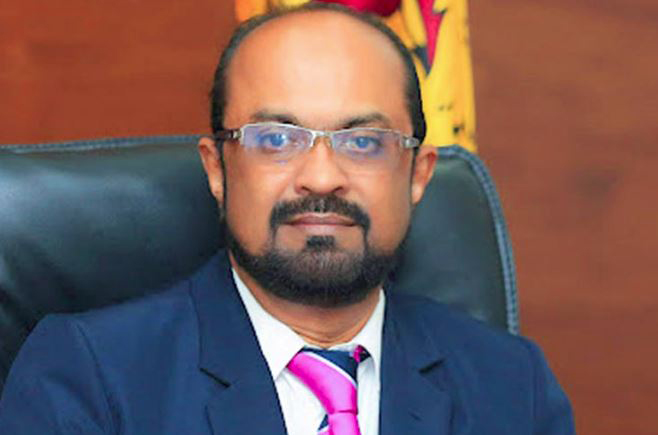
Colombo High Court has issued summons on Energy Minister Kumara Jayakody to appear in court today (27) to serve indictment in a corruption case filed by the Commission to Investigate Allegations of Bribery or Corruption (CIABOC). Action has been taken under Section 70 of the Bribery Act. The losses suffered by the government have been estimated at Rs. 8,859,708.
National List (NL) MP Jayakody is the first NPP minister or politician at any level to be indicted for corruption. The NPP parliamentary group consists of 159 including 18 NL members.
The summons has been issued by High Court judge Rashantha Godawalage.
Although CIABOC previously in many instances arrested those who had been under investigation and produced them before Magistrate courts, Minister Jayakody has been directly summoned by the Colombo High Court.
The investigation into alleged corruption in procurement during the time Jayakody served the Ceylon Fertilizer Corporation (CFC) started after the change of government in 2015.
According to the CIABOC investigation, the alleged instance of corruption took place in early 2014 towards the tail end of Mahinda Rajapaksa’s second term. At that time Jayakody was CFC’s Procurement Manager, and the CIABOC dragged the investigation until its current leadership under overall speeding up of the cases recently completed the inquiry.
Parliament recently announced that the debate on no-faith motion moved against Minister Jayakody over alleged irregularities in the procurement of substandard coal for the country’s only coal-fired power station at Norochcholai.
SJB MP Mujibur Rahman said that the NPP, having campaigned on an anti-corruption platform during presidential and parliamentary polls in 2025 couldn’t under any circumstances shield minister Jayakody. The indictment of Jayakody over a corruption case that had happened in 2014 and the failure on his part to fulfill obligations as Energy Minister under the current dispensation couldn’t be considered separately, the Colombo District MP said.
The issue at hand is whether the NPP would try to protect Jayakody at the expense of the government, MP Rahman said. Once the NPPer is formally charged in a corruption case the government would find it extremely difficult to keep him in the cabinet, the former UNPer said.
SJB lawmaker S.M. Marrikar recently warned Minister Jayakody that he should be prepared to serve a jail term. The warning was issued at a media briefing that primarily dealt with the alleged irregularities in the procurement of coal and their decision to move a no-faith motion against the minister. Marrikar explained how the crisis coupled with the growing diesel shortage could compel the government to increase electricity tariffs by as much as 18 percent next week. MP Marikkar said that they were eagerly waiting to see who backs Jayakody at the expense of the government during the upcoming vote on the no-faith motion.
There had been a previous case of a sitting minister being charged under the Bribery Act in respect of corruption perpetrated as a government servant. MP Rahman said that they intended to intensify the ongoing campaign against the government on the strength of the unprecedented corruption case and the outcome of the no-faith motion. “Of course, they have the numbers to defeat our no-faith motion. But, in doing so, they end up with egg on their face. That is the reality,” Rahman said, adding that those responsible for waste, corruption and irregularities whichever political parties they represented shouldn’t expect special status.
MP Rahman alleged that the CIABOC granted special status to Minister Jayakody. All those who had been indicted previously were first called to the CIABOC, recorded their statements and then arrested, handcuffed and produced in court. The media was afforded the opportunity to cover their humiliation, MP Rahman said, but in this case the powers that be paved the way for the accused to receive indictments directly from the Colombo High Court.
“Let us see whether the Bar Association of Sri Lanka responds to this development,” MP Rahman said.
By Shamindra Ferdinando

The Ministry of Digital Economy says it has received more than 1,000 complaints of fraudulent activities involving the misuse of QR-based fuel quota system.
Ministry Secretary Waruna Sri Dhanapala said investigations had been launched in coordination with the Police, noting that over 150 complaints had already been referred for further action, leading to several arrests.
He added, however, that a number of complaints stemmed from instances where individuals had used others’ QR codes due to a lack of awareness.
Police are also examining security camera footage at fuel stations to identify suspects linked to such incidents, the Secretary said.
by Pradeep Prasanna Samarakoon
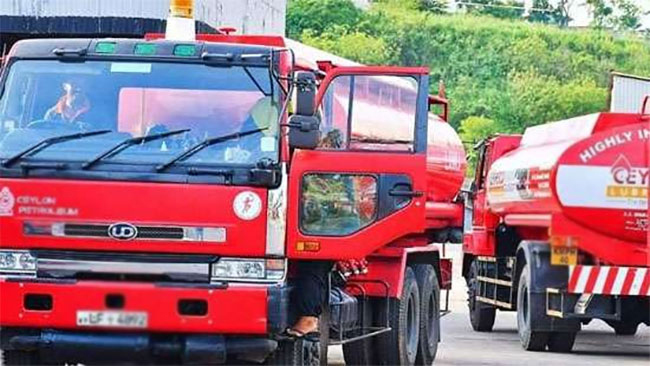
The Lanka Petroleum Private Tanker Owners’ Association has called for a 25% increase in fuel transportation charges, citing rising operational costs following recent fuel price hikes.
Addressing a media briefing in Colombo on Wednesday (25), Co-Secretary Shantha Silva said the association has formally notified the government of its proposal, warning that failure to respond favourably could result in trade union action.
Association President A.M.H. Adhikari said that fuel distribution had continued without interruption despite mounting challenges, but recent price increases have placed a significant burden on tanker operators.
“Fuel prices have risen by Rs. 101 within this month alone, creating serious difficulties for those engaged in distribution, particularly in outstation deliveries,” he said.
Adhikari added that the association’s Executive Committee has unanimously decided to seek a 25% increase in transportation charges for long-distance distribution, with effect from the 21st, expressing hope that the government would respond positively to avoid further disruptions.
by Chaminda Silva

Showers may occur at a few places in the Sabaragamuwa province and in Galle, Matara, Kalutara and Nuwara-Eliya districts in the evening

Energy Minister indicted on corruption charges ahead of no-faith motion against him

Over 1000 complaints of misuse of QR quotas

Fuel bowser operators demand 25% hike in haulage charges

Charge sheet issued against former NIE Director for contempt of court

Sallay sent back to CID after being discharged from National Hospital

‘Dates have the highest sugar content to fight Coronavirus’

Sunday Island 27 December – Headlines

#SundayIsland 17th December – Headlines

Sunday Island – 28th March

Sunday Island Headlines – 21 March

Sunday Island – 21st February – Headlines
-

 News2 days ago
Senior citizens above 70 years to receive March allowances on Thursday (26)
-

 Features4 days ago
Trincomalee oil tank farm: An engineering marvel
-

 Business1 day ago
Dialog Unveils Dialog Play Mini with Netflix and Apple TV
-

 Features4 days ago
The scientist who was finally heard
-

 News1 day ago
US dodges question on AKD’s claim SL denied permission for military aircraft to land
-
 News2 days ago
Japanese boost to Sri J’pura Hospital, an outright gift from Tokyo during JRJ rule
-
 News2 days ago
CEB Engineers warn public to be prepared for power cuts after New Year
-

 News6 days ago
Colombo, Oslo steps up efforts to strengthen bilateral cooperation in key environmental priority areas