
Latest News
Working Together with the people is crucial for steering the nation towards gradual economic transformation – President

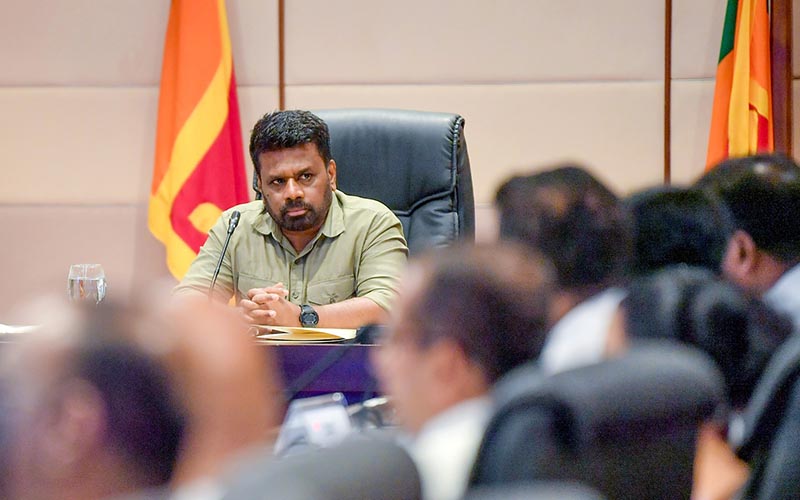
Achieving economic success alone is not sufficient for a nation’s development, President Anura Kumara Disanayake emphasized today (04), highlighting that economic progress must be accompanied by social development and a transformation in political culture.
The President made these remarks during a discussion held at the Ministry of Finance with senior officials of the Treasury.
He stated that countries such as China, South Korea and Vietnam achieved significant economic transformation through decades of collective effort alongside the people.
The President emphasized that the responsibility of developing a country rests with individuals collectively and that everyone must work together in a united effort to achieve national goals.
President Disanayake stressed that as a political leader, he does not intend to impose his views on officials but rather reach necessary decisions through structured dialogue between experts in the public service and political leadership. He recalled that several past projects in Sri Lanka had failed due to arbitrary political interference.
The President instructed Treasury officials to implement structural reforms in key institutions based on core government policy, while maintaining strategically important sectors under state oversight. He urged the officials to act swiftly in this regard.
He also drew attention to key external factors likely to impact Sri Lanka’s economy, including the International Monetary Fund’s Extended Fund Facility programme, newly imposed tariffs from the United States, and the upcoming expiration of the GSP+ concessions in 2027.
Minister of Labour and Deputy Minister of Economic Development Dr. Anil Jayantha Fernando, Deputy Minister of Finance and Planning Harshana Suriyapperuma, Secretary to the Finance Ministry Mahinda Siriwardana and several senior Treasury officials were present at the discussion.
(PMD)

Latest News
Showers above 100 mm are likely at some places in the Western, Sabaragamuwa, Central, Uva and Southern provinces and in Anuradhapura district

WEATHER FORECAST FOR 08 OCTOBER 2026
Issued at 05.30 a.m. on 08 October 2026 by the Department of Meteorology
Misty conditions can be expected at some places in the Western, Sabaragamuwa, Central and Uva provinces and in Galle and Matara districts during the early hours of the morning.
Showers or thundershowers will occur in the most part of the island after 1.00 p.m. Heavy showers above 100 mm are likely at some places in Western, Sabaragamuwa, Central, Uva and Southern provinces and in Anuradhapura district.
The general public is kindly requested to take adequate precautions to minimize damage caused by temporary localized strong winds and lightning during thundershowers.

Former first lady Shiranthi Rajapaksa, wife of former President Mahinda Rajapaksa was produced before the Hulftsdorp court, after being arrested by officers of the Commission to Investigate Allegations of Bribery or Corruption (CIABOC) and produce
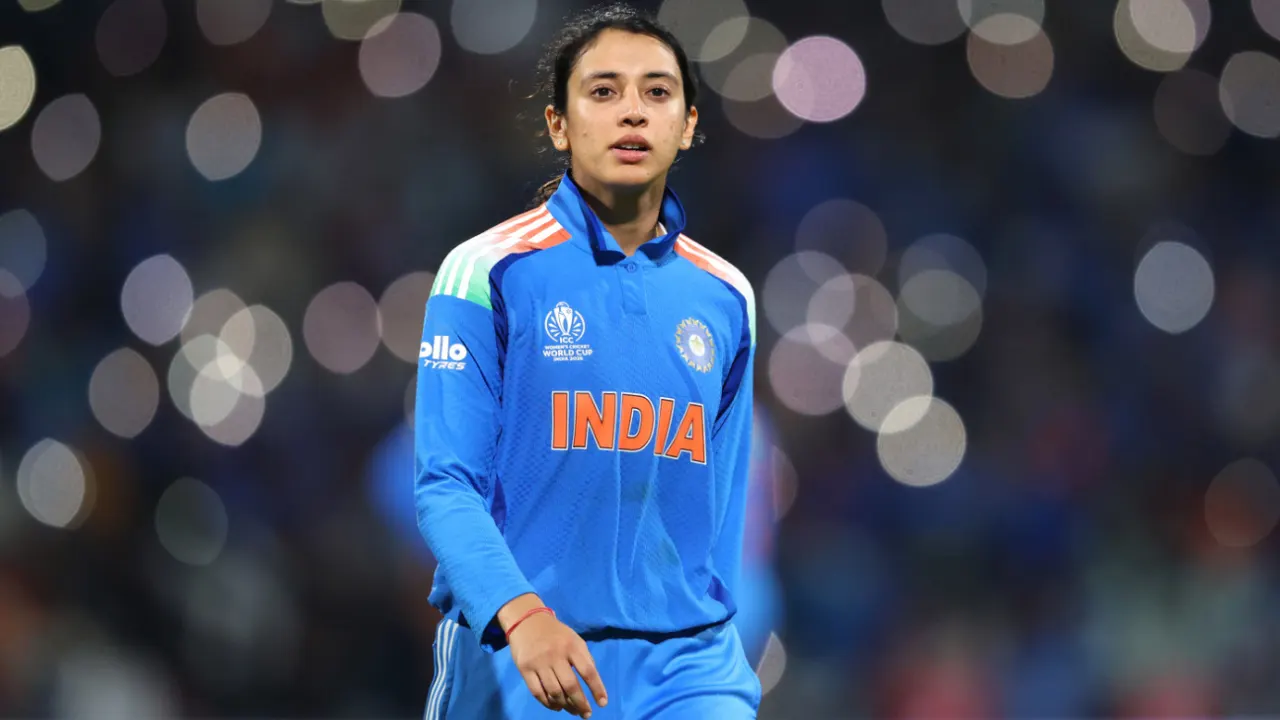
Smriti Mandhana has been named India’s all-format women’s captain on the same day Harmanpreet Kaur stepped down from the role after nearly a decade since she first took over.
Mandhana – vice-captain to Harmanpreet for much of this period – has previously led India in four ODIs and 18 T20Is, apart from captaining Maharashtra in domestic cricket and Royal Challengers Bengaluru in the Women’s Premier League.
Mandhana’s first assignment will be the limited-overs series against Zimbabwe beginning with the three T20Is in Raipur from October 16. On Tuesday, Mandhana was part of the selection meeting chaired by Amita Sharma to pick the squad for the tour.
Terming the appointment a “special honour”, Mandhana also acknowledged the contributions of her predecessor in her welcome note.
“I would also like to acknowledge Harmanpreet and the contribution she has made as captain over the years,” she was quoted as saying by the BCCI. “She has led the team with great commitment and has been an important part of our journey.
“I understand the responsibility that comes with this role and look forward to working with the team, learning along the way and giving my best to take Indian cricket forward.”
Mandhana’s appointment comes on the back of a review meeting held on Monday in Guwahati. Chaired by secretary Devajit Saikia, the meeting was also attended by Mandhana, Harmanpreet and head coach Amol Muzumdar to chart a roadmap forward, with an eye on next year’s inaugural Women’s Champions Trophy in February as well as the T20 World Cup and Los Angeles Olympics in 2028.
Mandhana, India’s best all-format batter, has been knocking on the doors for a while. Earlier this year, she led RCB to their second WPL title, in which she also top-scored in the final.
In September, she overtook Mithali Raj to become the leading run-scorer in women’s international across formats. Her 18 international hundreds are also the most in women’s cricket. She is also the first Indian woman to score centuries in all formats.
[Cricinfo]

Showers or thundershowers will occur in most part of the island after 1.00 p.m.

Removing monk’s robes matter for Sangha to decide: Mahanayake Theras

NDB fraud Rs 60mn more than reported

President orders review of laws on treatment of imprisoned monks

BHC, Colombo: “LTTE remains a proscribed org. in the UK”

Sri Lanka runs out of essential anti-TB medicines, India comes to rescue

‘Dates have the highest sugar content to fight Coronavirus’

Sunday Island 27 December – Headlines

#SundayIsland 17th December – Headlines

Sunday Island – 28th March

Sunday Island Headlines – 21 March

Sunday Island – 21st February – Headlines
-

 Features5 days ago
The first woman in the foreign service or Ceylon Overseas Service it was then called
-

 Editorial6 days ago
Fuelling discontent and protest
-

 News4 days ago
Geneva takes up Sallay’s case and govt. ignores opportunity to answer accusations
-

 Foreign News6 days ago
Ten injured after car crashes into rugby supporters in Australia
-

 Latest News6 days ago
Tharindu Rathnayake, bowlers secure Asian Games Bronze for Sri Lanka
-

 News5 days ago
Nearly 20 Iranian tankers stranded off Lanka amid US sanctions
-

 Features4 days ago
Sri Lanka Cricket Bill: Governance reform is not yet a cricket strategy
-

 News5 days ago
Lanka enters new phase of prosecutions as hurdles clear