
Latest News
Wood cracks open Australia’s second innings after Bairstow blitz keeps England in control

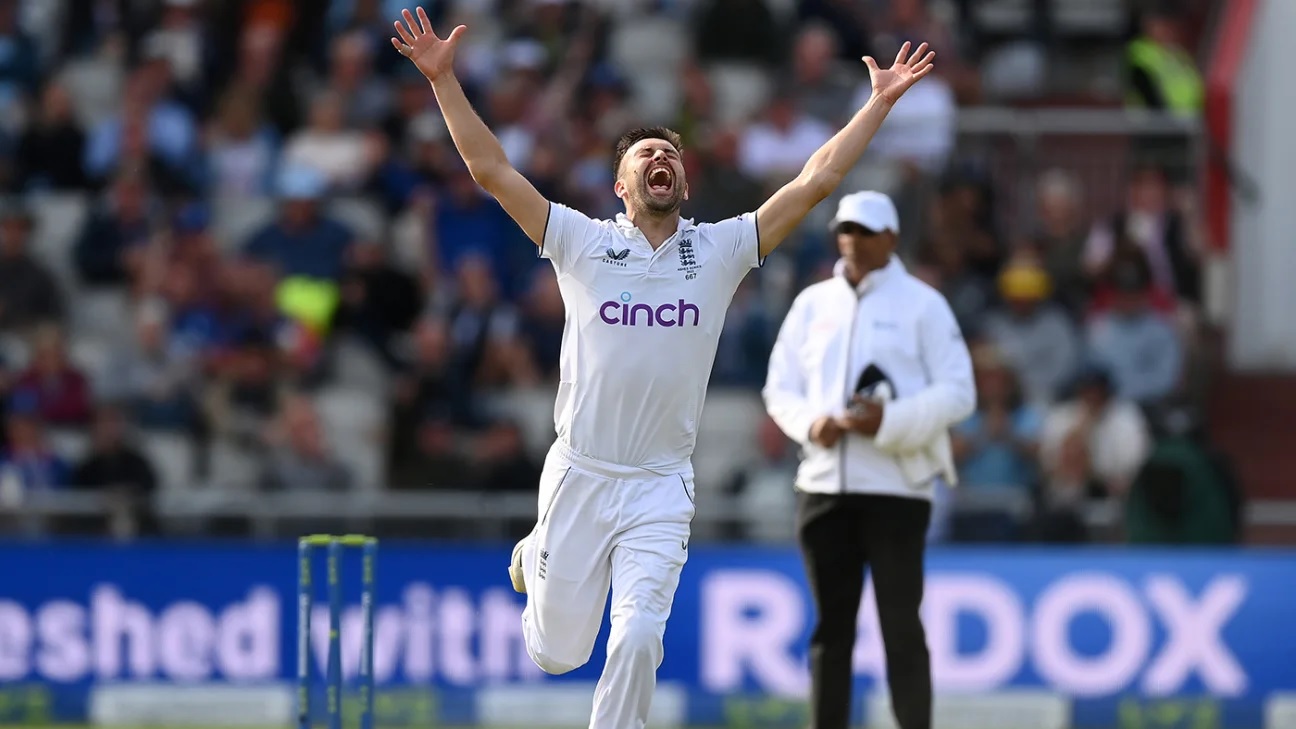
Another brilliant, high-octane spell from Mark Wood cracked open Australia’s second innings after Jonny Bairstow’s blitz continued England’s batting rampage at Old Trafford as they did all they could to buy themselves enough time to beat a poor weekend weather forecast and level the Ashes series.
After Bairstow’s unbeaten 99, with 50 coming from his last 31 balls, had extended England’s lead to 275, Wood’s pace was again the x-factor in their attack. He had removed Usman Khawaja in his first over before returning deep in the final session to bounce out Steven Smith (claiming him for the second time in the game) for his 100th Test wicket and Travis Head to leave Australia tottering on 108 or 4.
Marnus Labuschagne and Mitchell Marsh survived through to the close, but it had been a chastening two days for Australia who will need all the help they can get to retain the Ashes here and avoid a decider at The Oval next week, for which they surely wouldn’t be favourites.
Bairstow had been stranded one short of a rollicking century when James Anderson was trapped lbw by Cameron Green to end a barnstorming last-wicket stand of 66 which left Australia ragged and rattled. The ‘big three’ quicks – Mitchell Starc, Josh Hazlewood and Pat Cummins – returned a combined economy rate of 5.22 and for just the second time in Tests together all conceded over 100.
In theory, England had two-and-a-half days to make it count after scoring at an eye-watering 5.49 through their 107.4 overs. In reality, though, they looked sure to have far less time than that to secure the win they need to take the series down to the wire and remain on course to be only the second team to come back from 2-0 down to win. The forecast for Saturday remained exceedingly bleak while Sunday was not good – they will hope that, not for the first time, it proves wrong.
England batted longer than many thought likely – they were 189 ahead at lunch and 209 when the ninth wicket fell – but clearly valued as big a lead as possible and with Bairstow carting the ball around the overs were being used effectively. Bowling time, though, will likely be at a premium but the four wickets they have taken means they may not need a huge window in the weather.
They got through Australia’s opening pair either side of tea. Khawaja and David Warner had progressed reasonably comfortably against the new ball before Wood, in his first over, grazed Khawaja’s outside edge. Khawaja went for the DRS after talking to Warner and the spike was confirmed.
Warner fell for another middling score when Chris Woakes claimed him for the second time in the game. After fizzing a delivery past the outside edge, he then had Warner in two minds and he deflected down into his stumps.
Smith came close to falling second ball when he edged Woakes low to Joe Root at first slip. Root did not celebrate the catch at all, but indicated to the umpires he thought it was out and it was sent to the TV official, Kumar Dharmasena. After much rocking and rolling Dharmasena determined that Root had not got his fingers under the ball in what was another borderline decision in a summer where there have been numerous examples.
Smith and Labuschagne worked hard to navigate their way through the final session on a surface showing signs of some variable bounce, which had been on display for Root’s wicket the previous day.
But, once again, Wood made the difference as he got Smith into difficulties with a short ball that he attempted to pull and could only get a glove through to Bairstow. Unsurprisingly, England went at Head with the bouncer straight away and it only took seven deliveries to pay dividends when he fended a glove into the gully, unable to get out of the line.
England had resumed on 384 for 4 after their Zak Crawley-inspired rampage the day before. They did not quite find top gear during the morning session, although these things are all relative and 122 runs still came from 24 overs. Australia delayed taking the second new ball and the softer, older version made strokeplay tougher work.
Stokes had signaled his intent early by charging down and hoicking Starc over midwicket, but he and Harry Brook didn’t completely throw caution to wind. Stokes went to his half-century from 72 balls before playing around a delivery from Cummins to give the forlorn Australia captain his first wicket of the innings.
Brook’s fifty came from 80 deliveries before he fell shortly after Australia opted for the new ball after 90 overs, the first time they had taken it in the series, when he top-edged Josh Hazlewood to long leg. Starc judged the catch expertly near the rope and as he ran in to his team-mates, mimicked scraping it along the ground in reference to his denied catch at Lord’s.
Hazlewood added Woakes (England’s first duck of the series) and Wood before lunch, then claimed what will likely sit among his least-decorated five-wicket hauls when Stuart Broad skied a return catch.
Stokes could have considered calling an end to the innings, but to roars from his home crowd Anderson came to the middle for what might have been his final Test innings on the ground. He played his part by fending off numerous short deliveries, but also managed one crunching pull against Cummins. There were chaotic scenes, too, during the partnership as he and Bairstow three times stole byes to Alex Carey, whose underarming at the stumps was less accurate than it at been at Lord’s.
Bairstow went to his fifty with a trademark whip-pull for six off the hip against Starc – and that was just the start. He had now flicked to one-day mode (if that’s even a thing with England’s Test batting) and one of his sixes over the leg side endangered the windows of the new hotel complex. Even Stokes was seen mouthing ‘wow, that’s huge’ from the dressing room.
Having got to 98 with a ferocious swat through the covers, a stolen bye at the start of the next over got him back on strike. Two balls later he drove firmly towards long-off and Anderson was ready to sprint back for the second, but Bairstow told him to stay put. Next delivery, Anderson went too far across against Green.
It heralded the start of the third innings that will decide this match. England could not have done any more to set up their position; now all they can do is hope they get enough time to make it count. Australia, meanwhile, will be praying for two days of rain. It’s been a remarkable turnaround.
Brief scores:
Australia 317 and 113 for 4 (Labuschagne 44*, Wood 3-17) trail England 592 (Crawley 189, Bairstow 99*, Root 84, Brook 61, Moeen 54, Stokes 51, Hazlewood 5-126) by 162 runs








Sri Lanka won the toss and elected to bowl first in the Asian games semifinal clash against India.
Sri Lanka XI: Lasith Croospulle, Sineth Jayawardene, Sohan de Livera (wk), Ashen Bandara, Sahan Arachchige (c), Nuwanidu Fernando, Chamika Karunaratne, Wanuja Sahan, Tharindu Rathnayake, Binura Fernando, Vijayakanth Viyaskanth
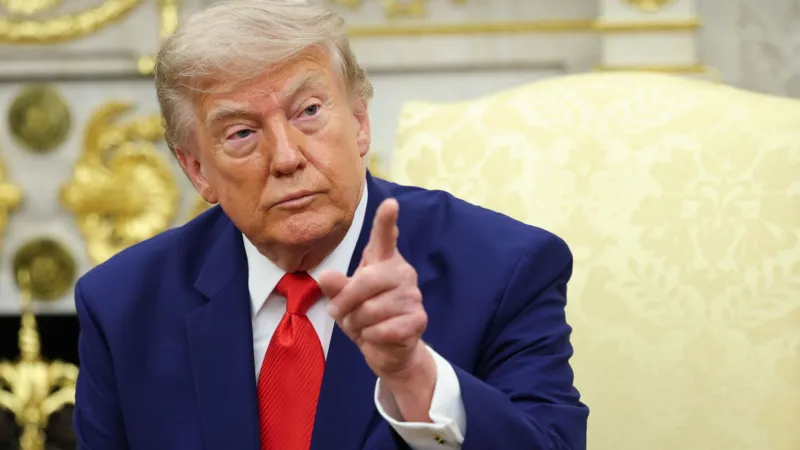
US President Donald Trump tells reporters that the country faces a choice to either make a deal with Iran or “blow them up”.
US Defence Secretary Pete Hegseth has told military leaders at the Quantico Marine base outside Washington, DC, that American forces have “destroyed” Iran’s navy, air force, defence systems, leadership and military-industrial capacity, while also crippling its nuclear ambitions.
Iran says it has received a US counterproposal regarding the reopening of the Strait of Hormuz as part of diplomatic efforts to break the deadlock over the ongoing conflict.
(Aljazeera)
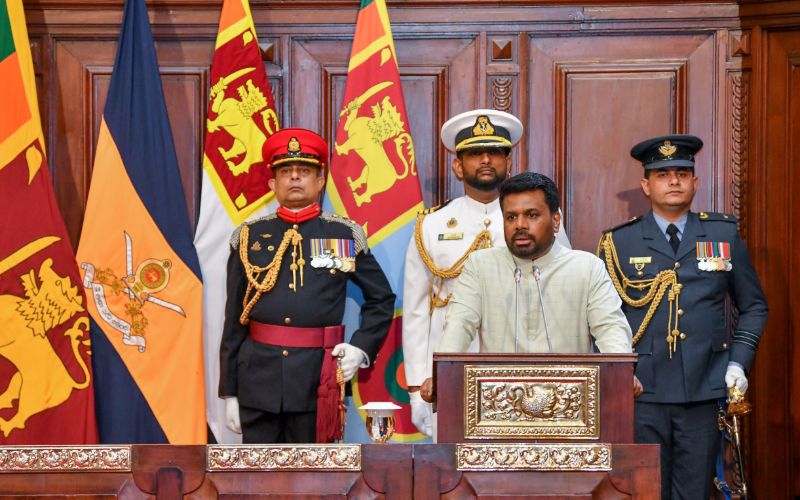
The presentation of the “Vishishta Seva Vibhushana” medals, awarded in recognition of the distinguished service rendered by senior officers of the regular forces of the Sri Lanka Army, Navy and Air Force, was held this afternoon (30) at the Presidential Secretariat under the patronage of President Anura Kumara Dissanayake.
The President stated that the senior officers of the three Armed Forces receiving the “Vishishta Seva Vibhushana” medals today have made an exceptional contribution to the country and its people. He noted that they remained committed to their duties and accountable for their responsibilities regardless of whether it was day or night, whether weather conditions were favourable or adverse, or whether their lives were at risk. He emphasised that the country needs a public service of this nature today.
The “Vishishta Seva Vibhushana” medal, established as an award under a proclamation issued by the President, is a distinguished honour. It is awarded only to officers of the three Armed Forces who have completed at least 25 years of continuous service and have maintained a commendable service record, and in accordance with regulations established by the President through a notification published in the Gazette regarding its conferment, forfeiture or restoration.
A total of 57 serving and retired officers of the three Armed Forces were presented with the “Vishishta Seva Vibhushana” medals by the President.
Following the presentation, the President joined the medal recipients for a group photograph.
The full speech delivered by President Anura Kumara Dissanayake on the occasion is as follows:
“We have a special appreciation for you as a group of officers who have demonstrated a strong sense of responsibility and accountability. As the most senior officers of the three Armed Forces, you are receiving one of the most important and distinguished honours today. You have earned this honour in recognition of the exceptional contribution you have made throughout a significant part of your lives towards safeguarding our motherland and its people. We are deeply grateful to you for the outstanding service you have rendered in protecting the country and its people.
As the most senior officers who have served in the three Armed Forces, you have played an exceptional role for more than 25 years, including during the highly complex periods of armed conflict faced by our country and during other natural disasters. I know that you carried out these responsibilities with greater commitment, endurance and risk than an ordinary public servant. Your wives and family members also played an exceptional role in supporting you throughout your discharge of these social responsibilities. They stood behind you and provided the strength and support you needed while you made immense sacrifices and faced considerable risks. We must also extend our special appreciation to them for the significant role they played in supporting you.
One of the major challenges we face as a Government today is the lack of a strong public service. The public service has suffered a significant decline. We are all aware, to varying degrees, of the reasons that have contributed to this situation. If we are to move forward as a country, we need a strong public service. The contribution you have made as public officials towards strengthening the public service has been exceptional. As the most senior officers of the three Armed Forces, you have played a significant role in serving the public service. You remained committed to your duties. You did not consider whether your duties had to be performed during the day or at night, under favourable or adverse weather conditions, or in situations where your lives were at risk. You remained committed to your duties and accountable for your responsibilities. We need a public service of this nature. As a group that has demonstrated responsibility and accountability, we have a special appreciation for you.
If our country has experienced setbacks on many fronts, overcoming these challenges and moving forward requires people who have the resilience to endure them. You are receiving this distinguished “Vishishta Seva Vibhushana” honour today as a group that has faced the challenges encountered throughout your careers and made an exceptional contribution towards overcoming them.
A common challenge we face as a country is establishing professionalism. We can create positions and professions. However, the question remains as to whether an individual has attained the required professional standard in the discharge of their duties. Today, these 57 officers have been selected from among the many officers of the three Armed Forces as those who have demonstrated such professionalism. This is essential to our public service. You have set important examples towards restoring the public service.
There is also a concern regarding discipline within our public service and society. All of us must have the ability to maintain self-discipline. This is extremely important if we are to move forward as a country. Public servants work within the public service in the course of their duties, while in their everyday lives, they live and interact with wider society. In such circumstances, how do we maintain self-discipline? Many countries have progressed not merely through laws and regulations, but through the self-discipline developed by their people.
Society is exposed to many forms of irregularities and anti-social activities. In such an environment, how do we maintain self-discipline? If we are able to maintain self-discipline regardless of the external environment, even when it is contrary to such values, that is extremely important.
It is true that the “Vishishta Seva Vibhushana” award recognises your service. It is also true that, as President, I and the State honour you. However, this should no longer be regarded as something personal. This is not merely a medal or recognition that you have received. It should be regarded as a social responsibility. Only then can you become an example to your children, neighbours and relatives. You can also become an example to your institution. Only then can we rebuild our public service and society, which are facing a serious decline, and provide an example for others to follow. Therefore, I believe that the medal you receive in recognition of your distinguished service will serve as a foundation for our society to move in a new direction”.
Deputy Minister of Defence, Major General Aruna Jayasekara (Retired), Secretary to the President Dr Nandika Sanath Kumanayake, Secretary to the Ministry of Defence, Air Vice Marshal H. S. Sampath Thuyacontha (Retd) and senior officials, including the Commanders of the three Armed Forces, were also present.
[President’s Media Division]

Sri Lanka bowl first in semi final clash against India

Trump hints US could strike Iran, warns time coming

Showers or thundershowers will occur at most part of the island after 1.00 p.m.

US-assisted ‘Ice’ detection: NPC to examine IGP’s move to transfer drug-busting team

2027 Budget to be held from 12 Nov. to 14 Dec.

CB Governor confident over timely disbursement of next IMF tranche; hands post-2027 programme decisions to govt.

‘Dates have the highest sugar content to fight Coronavirus’

Sunday Island 27 December – Headlines

#SundayIsland 17th December – Headlines

Sunday Island – 28th March

Sunday Island Headlines – 21 March

Sunday Island – 21st February – Headlines
-

 Editorial5 days ago
Birth of a bad law
-

 Features6 days ago
Beyond traditional jobs: Why Sri Lanka needs to facilitate the gig economy
-

 News3 days ago
Police remove Thileepan statue in Jaffna
-
 Latest News6 days ago
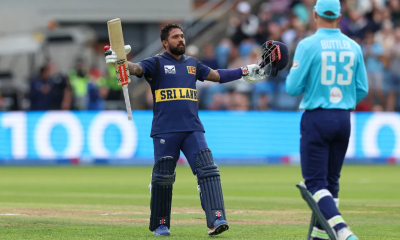
Kusal, Wellalage star as Sri Lanka defend 322 in Headingley thriller
-

 News5 days ago
TIN mandatory for key transactions from Nov. 1
-

 Features3 days ago
The 22nd Amendment, constitutional recovery and illiberal slippage
-

 Features3 days ago
Of foreigners as CEOs of Lankan ventures
-

 News3 days ago
Sajith rejects Jt. Opp. protest sabotage claim; SJB TU chief demands remedial action