
Sports
Wanindu Hasaranga conundrum

by Rex Clementine
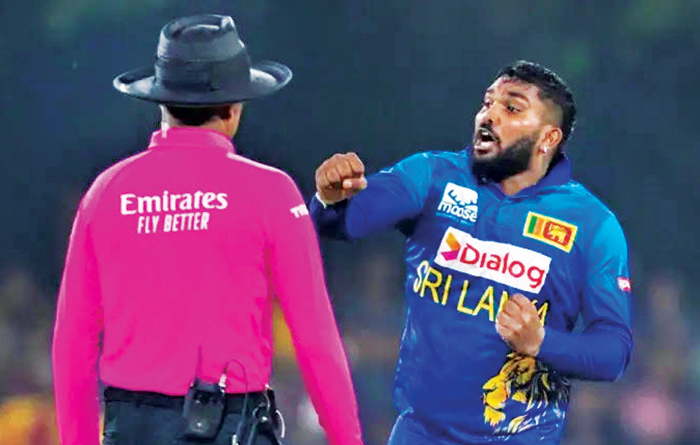
When your star player gets suspended twice within a month, that’s not ideal. When he is your captain, you have serious problems to deal with. We are talking about Wanindu Hasaranga here, whose constant altercations with match officials have landed him in trouble.
First he took on local umpire Lyndon Hannibal for not calling a high full toss no ball in the third T-20 International against Afghanistan. He was charged for dissent, pleaded guilty and was suspended for two games. That resulted in him being left out for the first two T-20 Internationals and Charith Asalanka debuted as captain in Bangladesh. He proved to be a level-headed leader. A need of the hour.
Then in the third ODI against Bangladesh before he was carted all over the park, he got into another altercation with Bangladeshi umpire Tanvir Ahmed. This time the umpire had turned down a leg before shout. The Sri Lankans reviewed and it was an umpire’s call.
The Sri Lankans felt Rishad Hossain had been let off. Rightly so. They had all the reasons to be upset with the decision for Rishad turned the game on its head smashing 48 off 18 balls. Not only did the game slip away from Sri Lanka but they lost the series too.
You do feel for Hasaranga and the Sri Lankans. Umpire Richard Kettleborough was unwell which meant that local umpire Tanvir Ahmed had to replace him. A few decisions had cost the Sri Lankans dearly that night. Pathum Nissanka had been given out wrongly. A decision the batsman did not review.
Bangladesh coach Chandika Hathurusinghe may have used the playing conditions to his side’s advantage when he applied for concussion substitute and the appeal for Soumya Sarkar to be replaced by Tanzid Hasan was granted.
So how did Hathurusingha asking for concussion substitute help Bangladesh? Well, it was a hot day in Chittagong and Sarkar had fielded for 49 overs when Sri Lanka were batting. Fatigue could have got the better of him when it was Bangladesh’s chance to chase. Tanzid meanwhile was fresh and top scored during the run chase with 84 runs.
Sri Lanka were bemused. How can you apply for concussion substitute for injury not related to the head?
Sri Lanka had quite a few axes to grind with the way things were going for them during the series. But does that mean that Hasaranga is allowed to behave the way he did?
Apparently, the player used the four-letter word at the umpire. The umpire too responded with a jibe. He made matters worse for the Sri Lankans by charging the player for dissent after the game. Hathurusinghe, allegedly, told the local umpires to charge the bowler.
These teams will meet each other during the T-20 World Cup and Bangladesh wouldn’t want to play against Hasaranga.
The moment Hasaranga pleaded guilty, he was staring down the barrel facing a suspension of four white ball games as it was his second suspension.
The night he was charged, the Test squad was named and Hasaranga was in it. This fueled speculation that Hasaranga was drafted into the Test squad in order to help him to serve the ban during the Test series. Sitting out a Test match is equal to two white ball games and when Wanindu misses out both Tests, he has served his suspension and will be fully available for the World Cup.
Some have claimed that this was a clever move by the team management. Some have criticized the move saying that loopholes in the system had been exploited. However, the fact remains that Hasaranga had written to SLC CEO Ashley de Silva making himself available for selection in Test cricket long before he got into trouble in Chittagong. He had last year retired from Tests after being overlooked for the longer format of the game by the previous selectors on numerous occasions. New selectors and change of heart from Hasaranga.
Interestingly, Hasaranga had not played a First-Class game for more than a year now. Whether the selectors would have named him in the squad soon after he came out of retirement in normal circumstances is a question for debate.
However, what is not in debate is successive Sri Lankan teams exploiting the escape clauses to their benefit.
There was the famous captaincy switch in 2012 during the World T-20. Captain Mahela Jayawardene was facing suspension for slow over rate and Sri Lanka introduced Kumar Sangakkara as captain saving MJ from a suspension for the knockouts.
Eventually, the ICC had to alter playing conditions after the incident. Hasaranga incident also will make them to sit down and chat.
What is not acceptable though is you doing all these stuff conveniently and suddenly waking up from a slumber and accusing others for trying to take advantage of the system or existing laws those have inadequacies. Suddenly, the Sri Lankans become the guardians of Spirit of Cricket.
If you exploit the system, you’ll find others following suit too. At that point you should not be shedding crocodile tears pleading for fair play. That’s where Sri Lanka have got things horribly wrong. They have failed to take things on the chin and move on.
As for Hasaranga, he is a champion player. He has won Sri Lanka a lot of games single-handedly and he’s going to do the same moving forward. But he needs to calm down. His constant run-ins with match officials is unacceptable. Sri Lanka do not want a situation where their best player is sitting out of important games due to discipline issues.
Here’s the other point. He has become a bit of a troublemaker taking on the umpires but is he going to take other authorities too to task. You certainly do not want a situation where he is constantly berating selectors, coaching staff, administration and even own teammates. This is an opportunity for people to nip things in the bud and not let things get out of hand.
Your best player doesn’t need to be your captain always. Lasith Malinga was an outstanding bowler but was a lousy captain. Sachin Tendulkar is the greatest batsman this generation has seen, but his two stints as captain of India weren’t so great. Similarly, Brian Lara, was a class act with the bat but hopeless as a captain.
Hasaranga is certainly Sri Lanka’s biggest star at the moment in white ball cricket. But is he your best choice as captain? Yes, he won the Lanka Premier League last year and not many people gave his side a chance. But should that have been the only reason to hand him the T-20 captaincy? Hadn’t we groomed Charith Asalanka from a young age for captaincy? These are some of the questions that need to be answered.









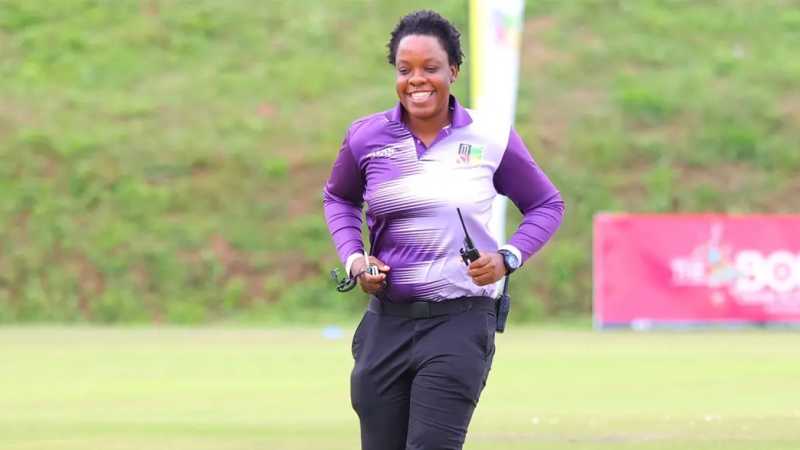
Former Zimbabwe fast bowler and umpire Sarah Dambanevana passed away in Harare on Monday. She was 36.
A Zimbabwe Cricket release said Dambanevana was in hospital receiving care since undergoing a medical procedure in March.
Her senior international umpiring career began on 2 September 2023, and she went on to officiate at the Women’s T20 World Cup 2024 in the UAE and the Women’s ODI World Cup 2025 in India and Sri Lanka, where she was part of the tournament’s historic all-female panel of match officials.
Prior to that, Dambanevana officiated in the final between India and England at the 2023 Under-19 Women’s T20 World Cup in South Africa, becoming the first Zimbabwean woman to umpire a World Cup final.
Overall, she officiated in 63 senior internationals, comprising 42 women’s T20Is, 11 women’s ODIs and 10 men’s T20Is, alongside her assignments in domestic cricket and global youth tournaments.
Dambanevana also represented Zimbabwe as a player between 2009 and 2014, including at the World Cup Qualifier in 2011. She joined the ICC development panel of umpires in 2022.
“Sarah served Zimbabwe with distinction, first as a player and then as an umpire whose ability earned her a place on the world stage,” ZC chairman Tavengwa Mukuhlani said. “Watching her stand in a World Cup final was a moment of immense pride for our cricket community and our country. She showed young Zimbabwean women that they belong at the highest levels of the game, including in roles where opportunities had long been limited.
“Through her achievements, she opened doors and gave others the confidence to pursue their own ambitions. We will remember her dedication, her professionalism and her willingness to help others grow. Her passing leaves a painful void in our cricket family, but the example she set will continue to inspire those who follow in her footsteps.”
(Cricinfo)
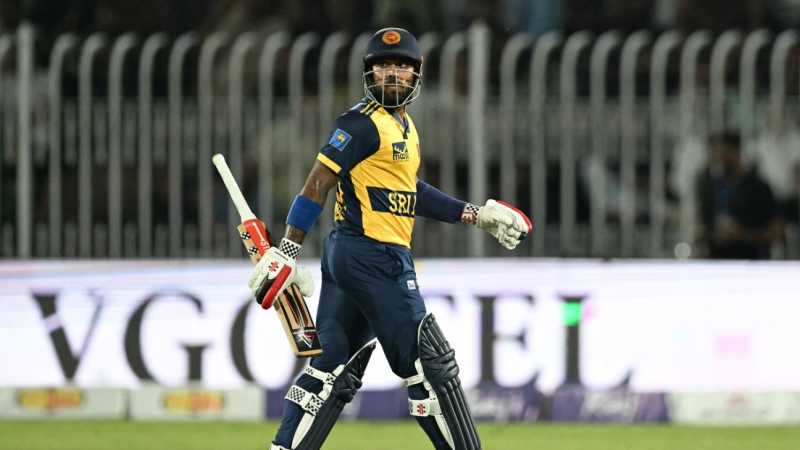
Even counting the win against Bangladesh at the Asian Games Sri Lanka have lost 12 T20Is to the two they have won since their win against Australia in the 2026 T20 World Cup. There have been significant personnel changes in that period. Captains have changed. There is a new head coach. Various batting orders have been trialled. But on Sunday’s evidence, they are deeply outmatched by even this Pakistan side, who themselves are hardly world-beaters at the moment, having not made the World Cup semi-finals this year.
With as highly-rated a coach in Gary Kirsten and a new captain in Kusal Mendis still searching desperately for a stronger combination, expect Sri Lanka to be in flux for this match as well. In game two, spinner Maheesh Theekshana was taken apart, while the seamers struggled to threaten Pakistan’s batters on a flat Rawalpindi deck. The decks don’t look like they are going to be any better for bowling. Sri Lanka’s attack will have to find new gears.
Pakistan are in the rare position of being utterly dominant in a white-ball series against an opponent who even in their previous low ebbs have challenged them. Having sewn up the trophy 2-0, Pakistan are in a position to rest key players. But it is so rare that their batters get to dine out across a whole series, management will be mighty tempted to keep this tuneful band together.
Even if Sri Lanka’s bowlers get through the Pakistan top order this time, the middle order could do with a decent workout.
So far in this series, Maaz Sadaqat has thumped 50 off 29 balls, and 96 off 51, showcasing not only power against spin, but touch against pace when the ball has demanded it. Sri Lanka are going seam-heavy in this series, but Sadaqat has found ways to take down even the little spin he has come up against, particularly in the second T20I. Sri Lanka are likely to switch up their attack a little for the last match, so he may have new problems to solve on Tuesday.
A long-term performer in Sri Lanka’s domestic cricket, Lahiru Udara has finally made a mark in white-ball internationals, hitting 91 off 55 balls in the first match of this series. A good bouncer from Salman Mirza prevented him from making a similar impact in the second match. But at age 32, Udara will know he doesn’t have many chances to convert an excellent domestic record into a long run in the national side. Anotherood score in match three will shore up his place.
Rawalpindi surfaces have tended to be batting friendly, and the track for the third T20I will likely have plenty of runs in it. The weather on Tuesday evening is expected to be fine, with temperatures in the low 20s celsius.
As legspinner Abrar Ahmed has had a couple of modest outings in this series, Pakistan may bring in left-arm wristspinner Sufyan Moqim, whose T20I stats so far in a 21-match career are encouraging.
Pakistan XI (probable): Sahibzada Farhan (capt), Fakhar Zaman, Maaz Sadaqat, Hasan Nawaz, Saim Ayub, Khawaja Nafay (wk), Shadab Khan, Mohammad Imran, Naseem Shah, Salman Mirza, Sufyan Moqim
Sri Lanka’s misfiring top order could do with a tweak or two, but there are not many spare batters on this tour. They could potentially bring back Kamil Mishara in place of an allrounder, however. With Maheesh Theekshana having been taken down on Sunday, Sri Lanka will also be tempted to try out legspinner V Viyaskanth. Dushmantha Chameera could also come back if he is fit.
Sri Lanka XI (probable): Lahiru Udara, Sineth Jayawardena, Kusal Mendis (capt, wk), Kamindu Mendis, Sahan Arachchige, Dasun Shanaka, Chamindu Wickramasinghe, Maheesh Theekshana/V Viyaskanth, Eshan Malinga, Dushmantha Chameera/Binura Fernando, Nuwan Thushara

by Rex Clementine
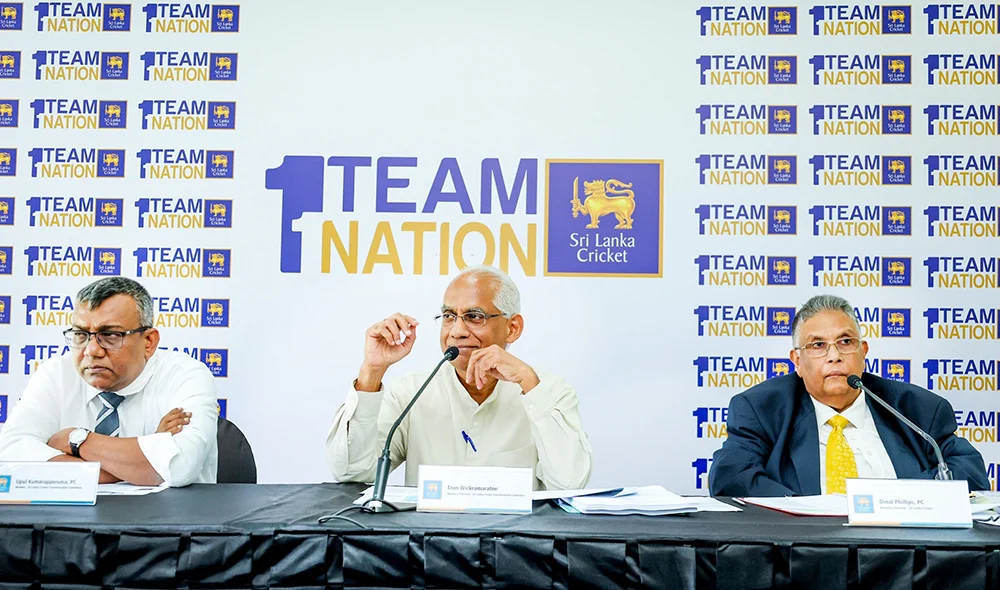
The proposed new constitution for Sri Lanka Cricket has gathered considerable momentum over the past fortnight, with the Bill presented to Parliament, debated by MPs and now facing judicial scrutiny. The courts are examining whether the proposed reforms are consistent with the laws of the land.
The Island learns that a lawyer has challenged certain provisions of the proposed constitution, while former cricket board chief Thilanga Sumathipala has also sought judicial intervention.
The learned judges will hear their submissions and determine whether the proposed legislation passes legal muster. It is possible that the courts may require the authorities to amend certain provisions should they be found incompatible with existing laws.
Among the concerns raised by stakeholders is the proposed exclusion of district associations from having a say in SLC elections. Others are uncomfortable with the prospect of appointed members, rather than elected representatives, heading the board.
These are legitimate concerns and deserve a fair hearing. But there is a larger issue that cannot be swept under the carpet. It is the very system that has governed Sri Lankan cricket for decades that has brought the game to its knees. Unless bold decisions are taken, we will continue to languish near the bottom of the rankings, wondering where it all went wrong.
Opening the door for appointed members offers the possibility of having a well educated, professionally accomplished individual at the helm, rather than leaving the administration of a multi billion rupee organisation in the hands of individuals whose qualifications have sometimes barely extended beyond the GCE Advanced Level.
Some of those who have occupied the hot seat in recent years have spent money like drunken sailors on shore leave. The figures emerging from SLC are enough to make your eyes water.
It has emerged that SLC’s catering bill alone over the past three years has amounted to a staggering Rs. 1.2 billion. During roughly the same period, SLC has reportedly spent more than Rs. 600 million on legal fees. That is an extraordinary amount of money for an organisation whose primary responsibility is to develop and promote cricket.
Giving independent directors a greater say in the affairs of the board would also help curb the tendency of club representatives to put their own interests ahead of the greater good.
Take, for instance, SLC’s recent decision to upgrade club grounds with floodlights. The first beneficiary happened to be the very club represented by the board President. Such decisions inevitably raise questions about priorities and conflicts of interest.
The parliamentary debate on cricket reforms also provided its share of entertainment.
One former Sports Minister was busy blowing his own trumpet, claiming that cricket had flourished during his tenure. The reality, however, tells a rather different story. Far from presiding over a golden era, his constant interference in the affairs of the board did little to advance the game and on occasions, stalled much needed progress.
MP Ravi Karunanayake’s assertion that politicians should have no place in sports administration also raised a few eyebrows.
The senior parliamentarian may well have made the observation with the best of intentions, but history suggests that painting every politician with the same brush would be a mistake. Some of the finest administrators Sri Lankan cricket has produced have come from the political establishment, including several stalwarts of his own party.
J.R. Jayewardene served as President of the cricket board, while Gamini Dissanayake remains one of the most outstanding administrators the game has known. It was under Dissanayake’s leadership that Sri Lanka secured the coveted Test status in 1981, opening the doors to cricket’s most exclusive club.
Tyrone Fernando was another influential figure in cricket administration, while Lalith Athulathmudali, a former President of NCC, was widely regarded as a future cricket board President before his life was tragically cut short.
Nor was the affection for cricket confined to the political right. The leftists had their own distinguished association with the gentleman’s game. Dr. N.M. Perera and Lakshman Jayakody both served as Presidents of the cricket board.

HRCSL issues recommendation on seizure of four books by B. Piratheepan by Sri Lanka Customs

Former Zimbabwe player and umpire Sarah Dambanevana dies aged 36

Deflated Sri Lanka look to prevent whitewash against dominant Pakistan

Heavy showers (100-150) mm likely at some places in the Western, Sabaragamuwa, Central, Uva and Southern provinces showerss above 75 mm are likely in the other areas of the island.

Presidential pardons: Govt. studying Justice Thurairaja’s recommendations – Minister

Mahinda and Shiranthi hospitalised

‘Dates have the highest sugar content to fight Coronavirus’

Sunday Island 27 December – Headlines

#SundayIsland 17th December – Headlines

Sunday Island – 28th March

Sunday Island Headlines – 21 March

Sunday Island – 21st February – Headlines
-

 Features5 days ago
The Sri Lankan who made Scottish history
-

 Sports5 days ago
Nissanka absence opens door for Sri Lanka’s young guns
-

 News6 days ago
Gnansara Thera to be assigned to prison printing section: Officials
-

 News4 days ago
NDB fraud Rs 60mn more than reported
-

 News4 days ago
Removing monk’s robes matter for Sangha to decide: Mahanayake Theras
-

 Features5 days ago
Future of Sri Lanka’s state university system: Should it be shut down and reopened?
-

 News6 days ago
OIC of FCID summoned before Maligakanda Magistrate
-

 News5 days ago
Shiranthi R remanded until 13 Oct.