
News
US ‘carefully reviewing’ UN report on human rights situation in SL

The US has said that it is carefully reviewing a report from the UN on Sri Lankas human rights situation which highlights worrying trends such as deepening impunity, increasing militarisation of governmental functions, ethno-nationalist rhetoric and intimidation of the civil society over the past year.
The report urges enhanced monitoring and strong preventive action by the international community, warning that Sri Lankas current trajectory sets the scene for the recurrence of the policies and practices that gave rise to grave human rights violations.
We are carefully reviewing the significant report from the UN Human Rights Council on human rights in Sri Lanka, US State Department Spokesman Ned Price said.
Sri Lankas future depends on respecting rights today and taking meaningful steps to deal with the past, Price said in a tweet, a day after the UN report warned that the failure of Sri Lanka to address past violations has significantly heightened the risk of human rights violations being repeated.
Nearly 12 years after the armed conflict in Sri Lanka ended, impunity for grave human rights violations and abuses by all sides is more entrenched than ever, with the current government proactively obstructing investigations and trials, and reversing the limited progress that had been previously made, according to the report, mandated by the UN Human Rights Council resolution.
The report highlights worrying trends over the past year, such as deepening impunity, increasing militarisation of governmental functions, ethno-nationalist rhetoric and intimidation of the civil society.
Among the early warning signals, the report highlights are: the accelerating militarisation of civilian governmental functions, reversal of important constitutional safeguards, political obstruction of accountability, exclusionary rhetoric, intimidation of civil society and the use of anti-terrorism laws.
According to the UN figures, up to 40,000 civilians were killed by the security forces during then Mahinda Rajapaksa”s regime that brought an end to nearly three decades of civil war in Sri Lanka with the defeat of LTTE in 2009.
Both the government troops and the Tamil Tiger rebels are accused of war crimes.


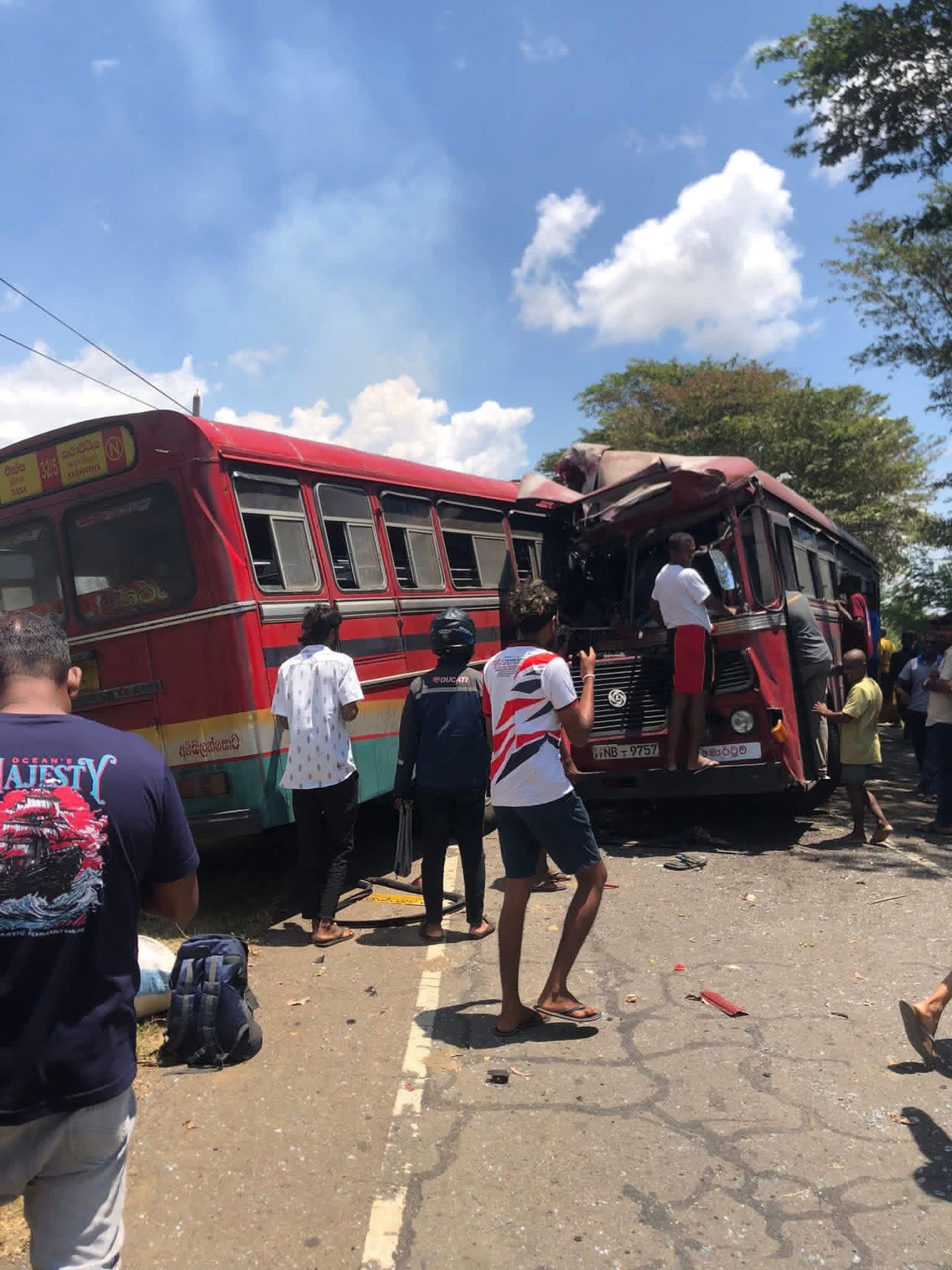
Four persons including a Budhist monk died and 32 others were injured when two SLTB buses collided head on at Weerawila at arond 12 noon today (18).
Three of the deceased were women. 22 of the injured were admitted to the Hambanthota Hospital while 10 others have been admitted to the Debarawewa hospital.
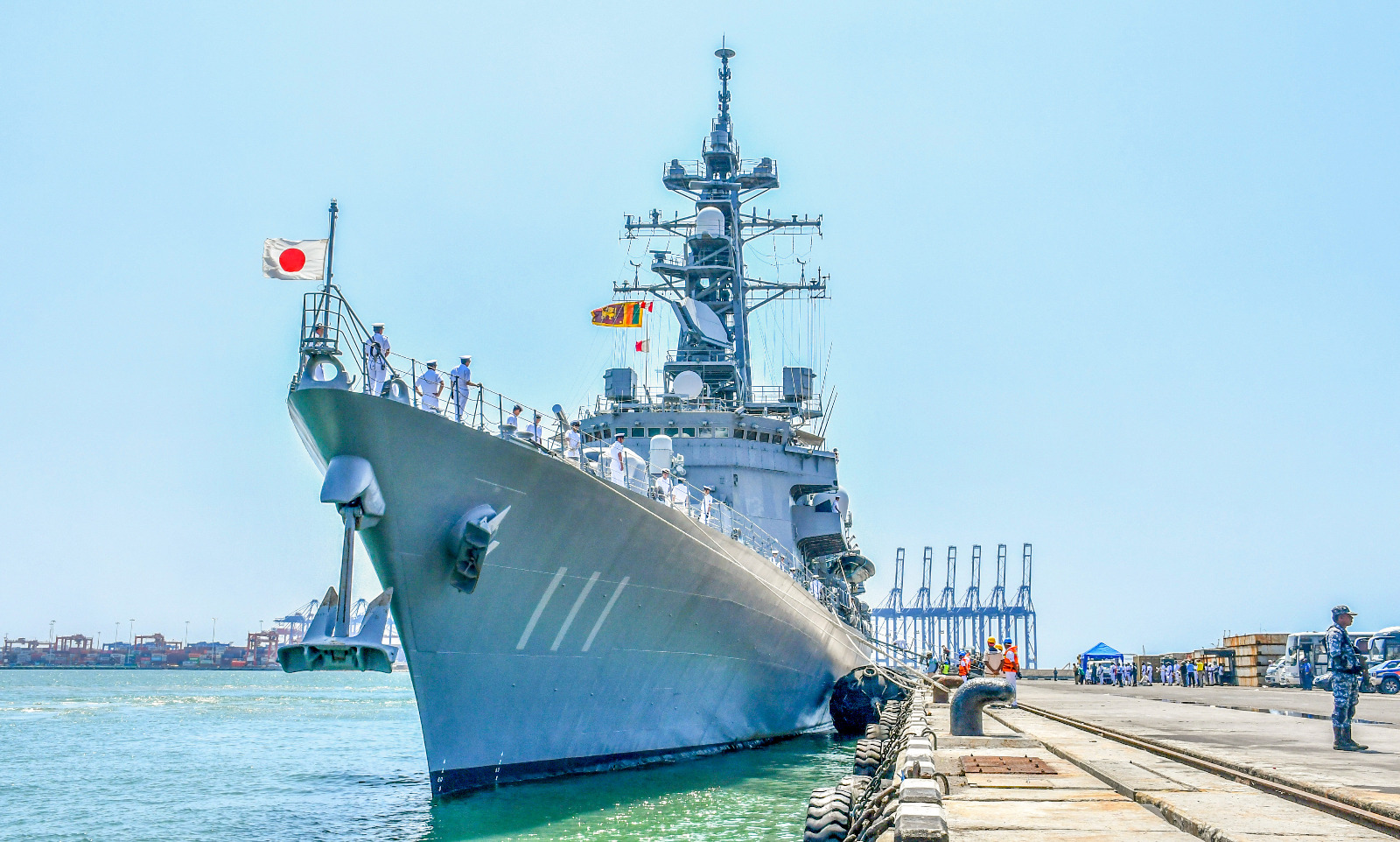
The Japan Maritime Self-Defence Force (JMSDF) ship OONAMI which arrived at the port of Colombo on a goodwill and replenishment visit on 09 Mar 26 departed on 11 March.
The departing ship was given a formal farewell from the Sri Lanka Navy, in keeping with naval traditions at the Port of Colombo.
The 150.5m long JMSDF OONAMI is commanded by Commander IIO Hiromasa.
During the stay in the island, crew members of the ship explored some tourist attractions in Colombo. The itinerary also included a coastal clean-up drive participated by naval personnel of both countries and engagements with the Sri Lanka Navy, designed to strengthen the bonds of friendship and cooperation.

The Central Cultural Fund established under the provisions of the Central Cultural Fund Act No. 57 of 1980 is responsible for development of cultural and religious monuments in Sri Lanka, settling the expenditure borne for development, renovation and conservation of local and foreign cultural monuments, awarding financial donations for artisans as well as awarding those who served the nation in the fields of culture and religious sectors.
The said act has been passed in Parliament 45 years back and, the requirement to revise the provisions of the act according to the contemporary requirements haa been recognized.
Accordingly, the Cabinet of Ministers granted their policy
approval to amend the said act, considering the resolution furnished by the Minister of Buddhasashana, Religious and Cultural Affairs.

SriLankan Airlines Alerts Customers to Social Media Scams

Four dead 32 injured in head on collision at Weerawila

JMSDF ship OONAMI concludes goodwill visit

Cabinet nod to amend Central Cultural Fund Act No. 57 of 1980
’National Namal Uyana’ declared as a National Heritage
Establishment of Supervisory Committees for restoring economic activities.

‘Dates have the highest sugar content to fight Coronavirus’

Sunday Island 27 December – Headlines

#SundayIsland 17th December – Headlines

Sunday Island – 28th March

Sunday Island Headlines – 21 March

Sunday Island – 21st February – Headlines
-

 News7 days ago
Historic address by BASL President at the Supreme Court of India
-

 Sports7 days ago
The 147th Royal–Thomian and 175 Years of the School by the Sea
-

 Business3 days ago
Browns EV launches fast-charging BAW E7 Pro at Rs. 5.8 million
-

 Life style4 days ago
From culture to empowerment: Indonesia’s vision for Sri Lanka
-
 News7 days ago
Power sector reforms jolted by 40% pay hike demand
-
 Opinion6 days ago
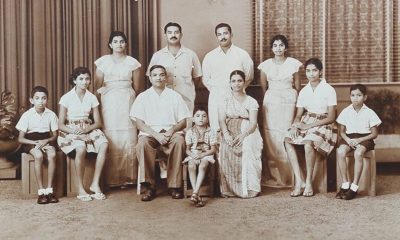
M. D. Banda: Memories of Appachchi – II
-

 Latest News4 days ago
QR code system will be implemented for fuel with effect from 06.00 a.m. today (15th)
-
 Business5 days ago
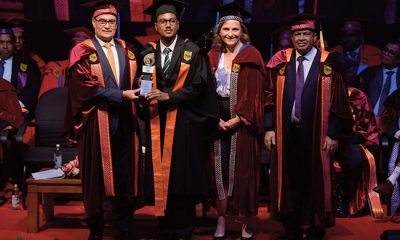
Sri Lanka Institute of Information Technology raises the bar for academic excellence