
Latest News
United Airlines finds loose bolts during inspections of Boeing 737 Max 9


Bolts in need of “additional tightening” have been found during inspections of Boeing 737 Max 9s, United Airlines has said.
Inspections began after a section of the fuselage fell from an Alaska Airlines 737 Max 9 on Friday.
United Airlines said “installation issues” relating to door plugs would be “remedied” before the aircraft type would return to service. Some 171 planes of the same type remain grounded by the US regulator.
In its statement, United said: “Since we began preliminary inspections on Saturday, we have found instances that appear to relate to installation issues in the door plug – for example, bolts that needed additional tightening.”
The door plug is a piece of fuselage with a window that can be used as an emergency exit in certain configurations. It was this part of the Alaska Airlines plane which dramatically fell off mid-flight over the US state of Oregon, eventually landing in a teacher’s back garden.
The plane made an emergency landing and none of the passengers were injured.
The vast majority of Boeing 737 Max 9s used in the US are operated by United Airlines and Alaska, while Turkish Airlines, Panama’s Copa Airlines and Aeromexico have also grounded jets of the same model for inspections.
United said it had cancelled 200 flights as of Monday and expected significant cancellations on Tuesday. “We have been able to operate some planned flights by switching to other aircraft types, avoiding about 30 cancellations each on Monday and Tuesday,” United added.
Meanwhile on Monday, the Federal Aviation Administration (FAA), which regulates air travel in the US, said it had provided a checklist for operators to adhere to during inspections.
In a statement, the FAA said all 737 Max 9 aircraft would remain grounded until operators “complete enhanced inspections which include both left and right cabin door exit plugs, door components, and fasteners”. “Operators must also complete corrective action requirements based on findings from the inspections prior to bringing any aircraft back into service,” the statement added.
Flight 1282 reached 16,000ft (4.8km) when it began its emergency descent on Friday evening, according to flight tracking data. Images shared online – and later by investigators – showed a wide hole in the side of the craft, with oxygen masks dangling from the ceiling.
Passengers were quoted by The Oregonian newspaper as saying that a young boy seated near the affected area had his shirt ripped off by the force of the decompression.
The US National Transportation Safety Board (NTSB), which is leading an investigation into the incident, said pilots had reported pressurisation warning lights on three previous flights made by the specific Alaska Airlines Max 9 involved in the incident.
The jet had been prevented from making long-haul flights over water so that the plane “could return very quickly to an airport” in the event the warnings happened again, NTSB chief Jennifer Homendy said.
It is not clear if there is a link between the issues that led to those warnings, and the issue that caused the blowout on 5 January.
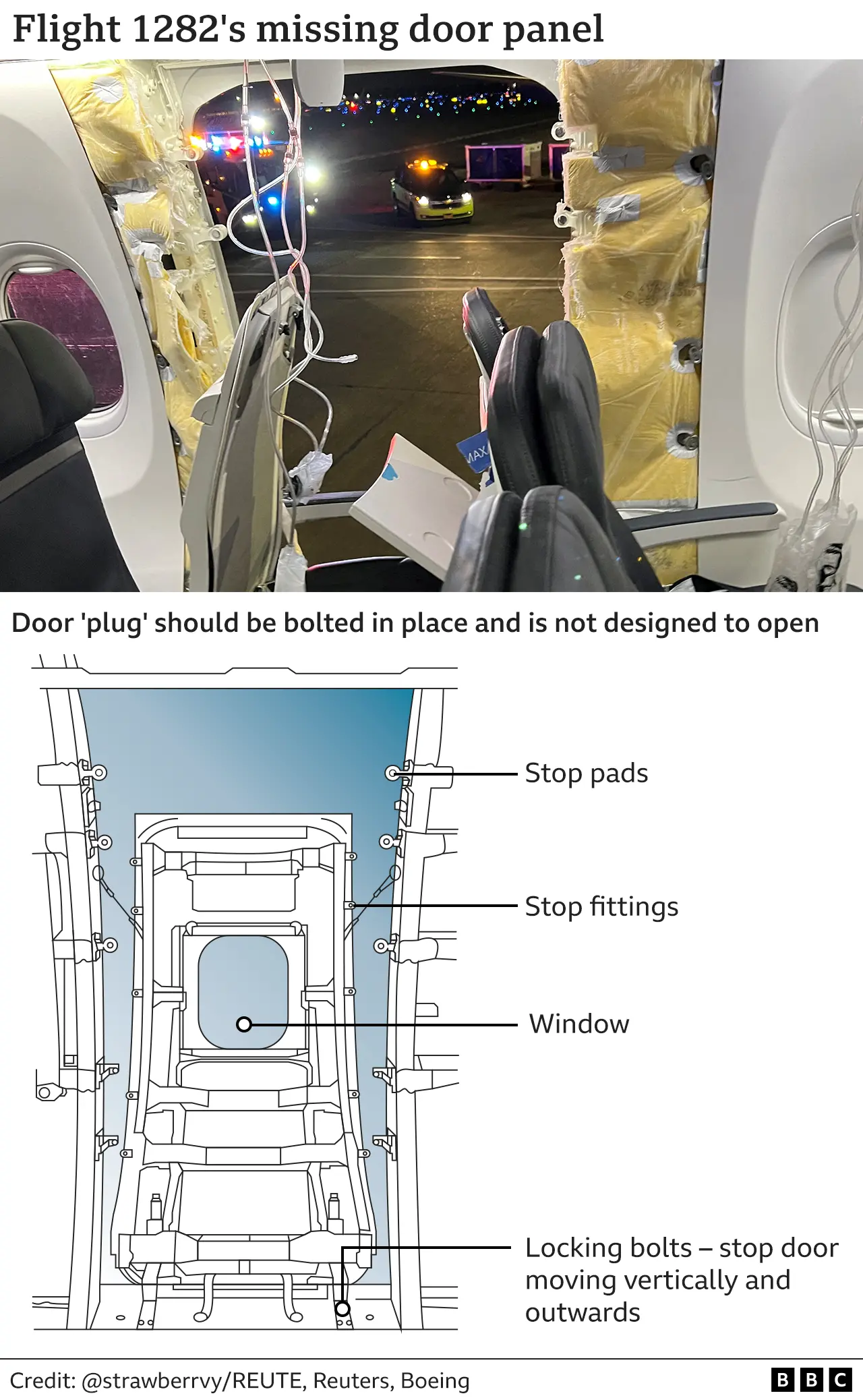
Alaska Airlines said in its most recent statement: “While we await the airworthiness directive (AD) inspection criteria from the FAA and Boeing, our maintenance teams are prepared and ready to perform the required inspections of the mid exit door plugs on our 737-9 Max fleet.
“The 737-9 Max grounding has significantly impacted our operation. We have cancelled 170 Sunday flights and 60 cancellations for Monday, with more expected.”
Boeing said in a statement: “Safety is our top priority and we deeply regret the impact this event has had on our customers and their passengers.”
The company’s 737 Max has been described as “the most scrutinised transport aircraft in history” after a series of safety issues.
In late 2018 and early 2019, two of its aircraft were lost in near identical incidents, off the coast of Indonesia and outside the Ethiopian capital Addis Ababa. A total of 346 people were killed. Both crashes were caused by flawed flight control software, which ultimately forced the planes into catastrophic dives, despite the best efforts of the pilots.
(BBC)





Latest News
Physical development must be matched by the enrichment of people’s inner lives through aesthetics and culture – PM
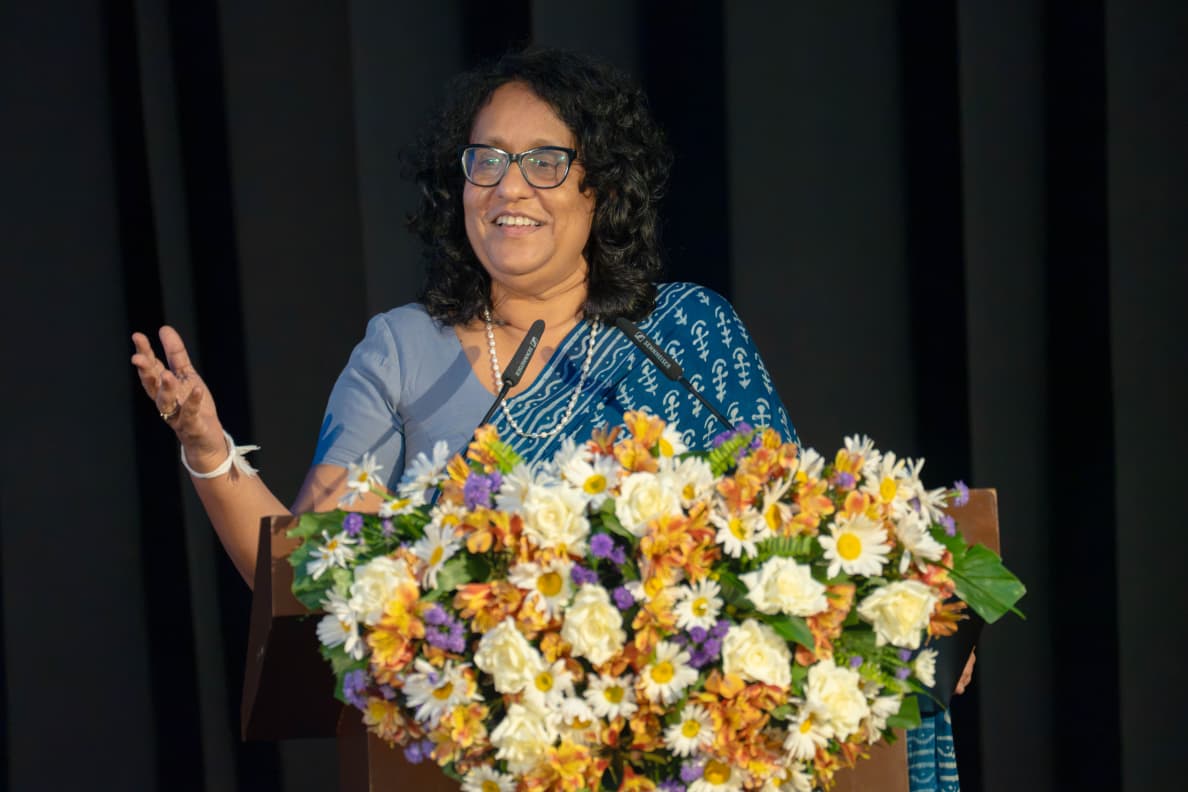
Prime Minister Dr. Harini Amarasuriya stated that while a country develops its roads, buildings and economy, the inner lives of its people must also be enriched through aesthetics, culture and creativity. Development cannot be measured solely by improvements in physical resources, and the empathy and the appreciation of the arts is a key aspiration of the new era of renaissance.
The Prime Minister made these remarks while inaugurating the ’Aluth Wessa’ Cultural Festival and Exhibition, organised jointly by the Kandy District Secretariat, the Department of Cultural Affairs and the Kandyan Cultural Center on 15 October at the Kandy District Secretariat.
During the event, the Prime Minister also presented awards to artists from the Kandy District in recognition of their outstanding contributions to the arts.
Addressing the gathering, the Prime Minister further stated: “Kandy is a place where we can best experience the value of our country’s historical, artistic and cultural heritage. The Temple of the Sacred Tooth Relic, the wood carvings of Embekka, the murals of Degaldoruwa, the Kandyan dance tradition, and the contributions of renowned artists such as Pani Bharath, Dr. Ananda Coomaraswamy and Minnette de Silva have helped shape a distinctive cultural identity unique to Kandy.
During the recent disaster, when the people of Kandy faced immense difficulties, people from districts such as Galle, Matara and Kalutara voluntarily came forward to extend tremendous support. Their empathy and commitment deserve our sincere appreciation. Following the disaster, several initiatives are already progressing rapidly to help Kandy recover and rebuild. These include restoring the Upcountry railway line, repairing damaged houses and rehabilitating historic temples that were destroyed through the Central Cultural Fund. Through our education reforms, we aspire to nurture a generation that goes beyond professional knowledge and skills, developing artistic sensitivity alongside human values and compassion.”
The event was attended by the Most Venerable Naramapanawe Ananda Thero, Anunayake of the Asgiri Chapter of the Siyamopali Maha Nikaya and Chancellor of the University of Kelaniya, along with members of the Maha Sangha and other religious leaders. Also present were Central Province Governor Dr. Suranga Fernando, Members of Parliament Jagath Manuwarana, Thanura Dissanayake, Thushari Jayasinghe and E. M. Basnayake; the Mayor and local councillors, Kandy District Secretary Indika Udawatta, Divisional Secretaries, public officials, artists, parents, and children.
(Prime Minister’s Media Division)
Latest News
Heavy showers above 100 mm are likely at some places in the Western, Sabaragamuwa, Southern, Central, and North-western provinces and in Anuradhapura district.

WEATHER FORECAST FOR 14 OCTOBER 2026
Issued at 05.30 a.m. on 14 October 2026 by the Department of Meteorology
Due to a low-level atmospheric disturbance persisting in the Bay of Bengal near Sri Lanka, cloudy skies and increased rainfall are expected to continue over the island.
Misty conditions can be expected at some places in the Sabaragamuwa, Central and Uva provinces during the early hours of the morning.
Showers or thundershowers will occur at times in the Northern, Eastern, Southern and Western provinces. Showers or thundershowers will occur in other parts of the island after 1.00 p.m.
Heavy showers above 100 mm are likely at some places in the Western, Sabaragamuwa, Southern, Central, and North-western provinces and in Anuradhapura district while fairly heavy showers above 75 mm are likely at some places in other areas of the island.
The general public is kindly requested to take adequate precautions to minimize damage caused by temporary localized strong winds and lightning during thundershowers.
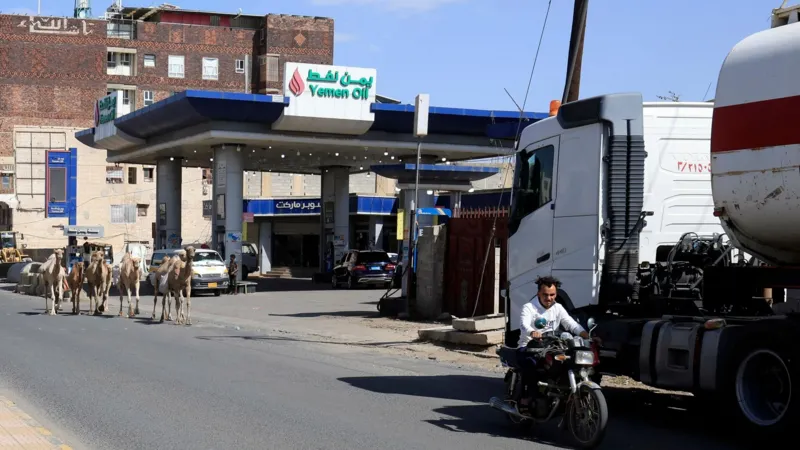
Missiles and drones have been intercepted over Riyadh after the Saudi-led coalition fighting in Yemen struck a fuel depot near the Houthi-controlled capital, Sanaa, its spokesperson says.
Maj Gen Turki al-Maliki said several projectiles targeting the Saudi capital and other cities were intercepted after the coalition carried out a strike on the Yemen Petroleum Company’s al-Sabaha facility on Tuesday night.
The Houthis warned they would target the airport and Aramco refinery in Saudi Arabia’s capital, Riyadh, and Aramco’s headquarters in the eastern city of Dammam.
Al-Maliki later said missiles targeting cities including Dammam had been intercepted, while shrapnel had fallen in a residential area in Dhahran.
It came as the Saudi cabinet, chaired by Crown Prince Mohammed bin Salman, said the Iran-backed group would “bear the consequences” of its recent deadly attacks on the kingdom.
Thirteen people were killed when a missile hit King Khalid International Airport in Riyadh on Saturday, while another person was killed in a similar attack there the following day.
On Tuesday, the coalition said its forces had destroyed three drones north of Riyadh.
The Houthis have said they are targeting airports, oil and gas facilities, and military bases in Saudi Arabia with missiles and drones in response to deadly Saudi strikes on territory that they control in western Yemen, including Sanaa.
The Saudi-led coalition has been providing air support for Yemeni pro-government forces mounting an offensive on Yemen’s Red Sea coast and several other front lines.

A correspondent for AFP news agency reported that queues formed at petrol stations in Sanaa on Tuesday afternoon following the coalition’s warning of an impending operation against the al-Sabaha oil facility, with many residents worried about shortages.
The Yemen Petroleum Company, which is run by the Houthis, issued a statement that sought to reassure them, saying the facility “does not contain any stock of petroleum products”.
The company also said it had “taken all necessary precautionary measures to address any emergency, ensuring the stability of the supply situation and the continued meeting of citizens’ needs in a normal manner”.
After al-Maliki confirmed the strike, first reported by Houthi media, explosions were heard over Riyadh and other Saudi cities, with al-Maliki reporting four missiles and two drones had been intercepted near the capital.
Yemen has been devastated by a civil war that began in 2014, when the Houthis ousted the internationally-recognised government from Sanaa. The conflict escalated in 2015, after the Saudi-led coalition of Arab states intervened in an attempt to restore the government’s rule.
A four-year-old informal ceasefire began to unravel in July, when the Houthis announced a “maritime embargo” against Saudi Arabia and began missile and drone attacks on Saudi airports, oil facilities and tankers in the Red Sea.
The Houthis said they were retaliating for what they call a Saudi blockade of their territory, as well as an air strike on Sanaa airport that they blamed on the kingdom.
The conflict escalated in September after the Houthis seized part of Yemen’s south-western Red Sea coast near the Bab al-Mandab Strait, a chokepoint for global shipping. Their advance contributed to a rise in oil prices following six months of war between the US, Israel and Iran.
US President Donald Trump said on Truth Social on Tuesday the Houthis were “behaving very badly… and purposefully trying to drive up Oil Prices”.
Speaking to reporters, he did not answer a question on whether he’d made a decision to help the Saudis retaliate against them, but said he “might” ask Turkish President Tayyip Erdogan to intervene.
Last week, pro-government forces said they had regained control of territory overlooking Bab al-Mandab after launching a major counter-offensive with the support of Saudi air strikes.
Hundreds of people have reportedly been killed in Yemen since August. The UN’s human rights office says they include at least 54 civilians, half of them children.
More than 216,000 people have also been displaced across the country, and suspected cholera cases have tripled in three weeks, rising from 217 to 647, according to the UN.
[BBC]

Physical development must be matched by the enrichment of people’s inner lives through aesthetics and culture – PM

Review of the operations of the 1818 Hotline introduced to report drug-related information

Showers in the Western, Southern, Central, Sabaragamuwa, North-Western and Northern provinces and in the Anuradhapura District

SJB: Govt. trying to reappoint Jayakody, who resigned from Cabinet amidst coal scam

India busts Pakistani salt smuggling via Sri Lanka

Monks brave heavy rains to press for Gnanasara Thera’s release

‘Dates have the highest sugar content to fight Coronavirus’

Sunday Island 27 December – Headlines

#SundayIsland 17th December – Headlines

Sunday Island – 28th March

Sunday Island Headlines – 21 March

Sunday Island – 21st February – Headlines
-

 News5 days ago
Sri Lanka escalates anti-graft drive with Shiranthi’s jailing
-

 News6 days ago
NPP govt. reminded of its responsibilities as US warship leaves Colombo
-

 Latest News6 days ago
Farhan, Sadaqat help Pakistan ace 183 chase to go 1-0 up
-

 Latest News4 days ago
Farhan and Sadaqat help Pakistan seal series in style
-

 News5 days ago
Iranian ships stranded, Lanka fears US sanctions
-

 Latest News3 days ago
Nissanka’s return headlines Sri Lanka’s Test squad against Pakistan
-
 News6 days ago
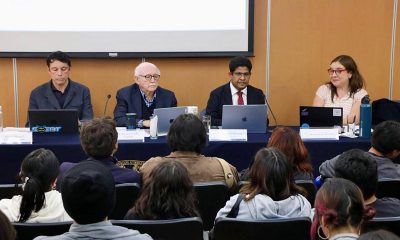
Interdicted top House official Kularatne receives special recognition in Mexican Parliament
-

 Features4 days ago
Intake 16: 45 years of duty and honour