
Latest News
U 19 World Cup: Faisal Khan’s ton helps Afghanistan cruise into semifinals

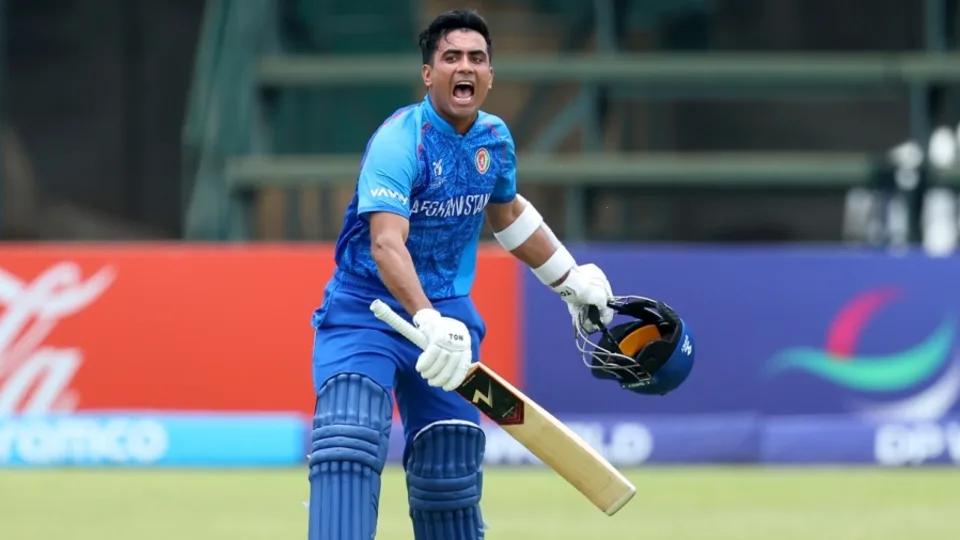
Afghanistan Under 19s 315/7 in 50 overs (Faisal Khan 163, Mahboob Khan 89; Reuben Wilson 3/52) beat Ireland Under 19s 124 in 40.4 overs (Marko Bates 34; Abdul Aziz 3/21) by 191 runs
[Cricbuzz]


The ICC and the global players’ body the World Cricketers Association (WCA) are locked in a fresh tussle over player terms, including name, image and likeness (NIL) rights, ahead of the 2026 Men’s T20 World Cup.
The WCA claims the ICC has sent a version of the squad participation terms to players from several countries in the tournament that does not align with an agreed version signed by both bodies in 2024. The WCA claims the new, non-agreed version is exploitative when compared to the 2024 version.
WCA had written to the ICC about these concerns and ESPNcricinfo understands the ICC, in its response, disagreed, saying the 2024 agreement was only applicable to eight member boards (referred to as National Governing Boards, or NGBs). The ICC told WCA that the remaining members who are part of this World Cup were not bound by the 2024 agreement.
The eight NGBs are Australia, England, New Zealand, South Africa, West Indies, Ireland, Netherlands and Scotland – in as a replacement for Bangladesh, who have been excluded after they refused to travel to India. Of the remaining 12 participating countries, boards from India, Pakistan, Sri Lanka, Nepal, Oman and the UAE do not recognise WCA and hence their players are not affiliated with it. Italy, Zimbabwe, Afghanistan, Namibia, USA and Canada have player bodies but had not received the squad terms as of January 15, and were expected to get the non-approved version, the WCA said in a memo.
In its follow-up response, WCA told the ICC that the 2024 agreement stated it was applicable to all players affiliated with the players body – both that were participating in the World Cup and from countries that were not part of the 20-team tournament. As a result, WCA noted, all players should be protected by the 2024 agreement, which it believes is legally binding.
WCA sent a memo on January 15 informing players that the squad terms distributed by ICC were “substantially different” to the agreed 2024 version. It is understood WCA also sent an email to ICC on the same day.
Tom Moffat, the WCA CEO, highlighted differences across eight areas between the two versions: content/media appearances, behind the scenes content, changing room access, biological player related data, licensing, name, image likeness (NIL), player agreement and dispute resolution.
The WCA’s broader contention was that the 2024 agreement gave players the right to decide, and negotiate via the global players body, whereas the ICC version says player consent is not needed, with their boards having that authority.
An example of the significant differences is NIL rights, according to the communication Moffat sent to players. In the ICC’s new version, “the player is required to license their NIL to any third party; 3 players from the same team can be used by an ICC Partner for commercial content which can directly relate to the promotion of the Partners brand or product; the player’s national board approves all use of NIL on behalf of the player; Any use of NIL outside of the Squad Terms can be agreed by the player’s national board.”
In the 2024 agreement, the NIL rights were “restricted” only to the ICC’s commercial partners and the event hosts and the WCA is authorised on behalf of the players to negotiate terms and use. The 2024 version also said a group of players – not three per team – would be “represented in all content” promoting the ICC tournament.
There are significant differences in the terms for the usage of player data during the event as well. The WCA said in the ICC version, the governing body “can use and commercialise player data with the agreement of the player’s national board” and that the ICC “owns” the data. The approved version, WCA said, says the player owns the data and their consent is necessary “given the sensitivities.”
In the ICC version, once the players participate in a global tournament, “he /she is deemed to have accepted the Squad Terms regardless of whether they sign the Terms.” In the version agreed between the WCA and ICC, the players are required to agree the terms and sign for every event separately.
In the memo to players, Moffat accused the ICC and member boards of “deliberately removing” all the protection that players were assured of in the 2024 terms, while “attempting” to “own” players and “claim an almost unlimited ability to use and commercialise it with third parties without your consent, with the only recourse to an in-house dispute resolution process run by the ICC itself .” Moffat also said the ICC and member boards were trying to “exploit the most vulnerable, and worst paid player groups at this World Cup, some of whom are amateur,” through the non-approved version.
This week, Moffat told ESPNcricinfo that the WCA did not want to disrupt the World Cup, but admitted being “deeply concerned” by ICC presenting terms that did not “align” with the 2024 agreement. “The (ICC) terms provided significantly erode player rights and protections including around image and commercial use, compared to those agreed,” Moffat said. “It is especially concerning that it is the most vulnerable playing groups who appear to have been targeted and expected to compete under different terms and conditions to other playing groups participating in the same Men’s T20 World Cup. For many players affected, participation in ICC Events represents a primary source of income and career progression.
“The WCA supports the growth of the game and ICC events, but these objectives should be pursued in partnership with players, not at their expense. The agreed Squad Terms have now been signed by impacted WCA players, and our expectation is for these terms to be honoured by the ICC for the T20 World Cup.”
It is understood the ICC has not responded to WCA’s follow-up mail sent earlier this week. The ICC has been asked for a comment.
[Cricinfo]
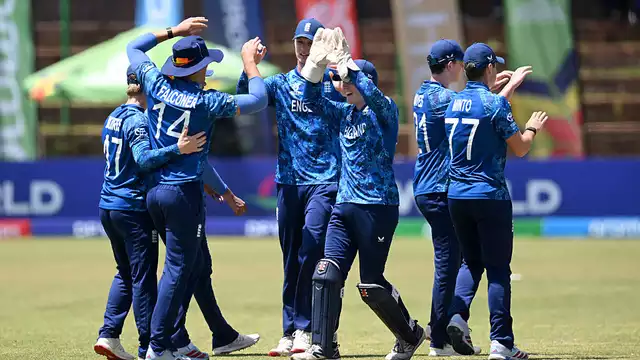
England Under 19s 234/7 in 50 overs (Ben Mayes 53, Caleb Falconer 47; Snehith Reddy 2/28) beat New Zealand Under 19s 169 in 38.5 overs (Snehith Reddy 47; Manny Lumsden 5/17) by 65 runs
[Cricbuzz]
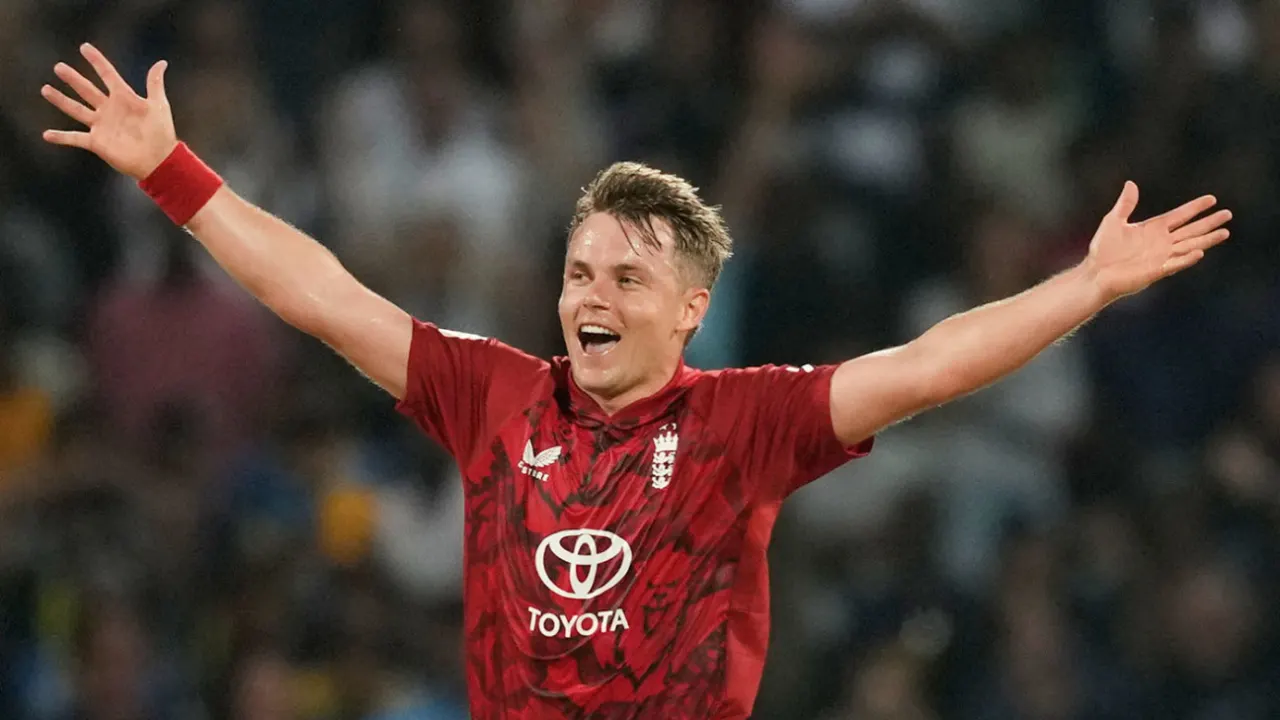
Sam Curran bounced back from a bruising opening spell to claim a memorable hat-trick, while Adil Rashid served notice of his World Cup readiness with another commanding performance, as England sealed a rain-shortened victory in the first T20I against Sri Lanka in Pallekele.
After persistent rain had forced a 90-minute delay, thus reducing the series opener to a 17-overs-a-side contest, it later returned with England just nine runs shy of toppling a sub-par target of 133. And, with the ground already covered with the groundstaff’s trademark blue tarpaulins, the match was called off, with England 11 runs ahead of a DLS-adjusted target of 114.
England had chosen to bowl first after the initial delay but were soon chasing leather, as Sri Lanka romped along to 75 for 1 in a high-octane first seven overs. However, Rashid and his experienced spin sidekick, Liam Dawson, instigated a dramatic collapse with five wickets in as many overs, setting the stage for Curran’s show-stealing display, as the hosts lost nine for 57 in 56 balls.
England’s reply was not without its dramas, as Jos Buttler and Jacob Bethell were both prised out in the powerplay by Eshan Malinga, before Phil Salt was badly dropped by Kamil Mishara at deep midwicket off Wanindu Hasaranga’s first delivery. And though he did not get the rewards, nor possess the surname of Sri Lanka’s chief wicket-taker, Matheesha Pathirana was a persistent menace with his Lasith Malinga-style 90mph slingers.
However, Tom Banton – picked at No.4 in the absence of the injured Ben Duckett – provided the chase with true impetus, with a lively knock of 29 from 14. Salt then took charge with a composed 46 from 35 balls, eventually falling just shy of his fifth T20I half-century in eight innings. Despite all their angst across formats this winter, in T20I cricket specifically England are hitting an impressive vein of form.
Curran knows all about bouncing back in style after a tough knock-back. This time last year, he feared his “face didn’t fit” after Brendon McCullum had cut him from England’s white-ball plans in favour of a churn of 90mph options. Now, the star of their 2022 T20 World Cup triumph is back as a lock for their 2026 campaign, after claiming England’s first T20I hat-trick since Chris Jordan against the USA at Bridgetown in the 2024 tournament.
It wasn’t initially much of a night to remember for Curran, however. His first two overs were belted for 35 runs, with Kusal Mendis taking a particular liking to his medium-paced allsorts – Kusal’s two sixes in three balls came either side of Curran’s new trademark “moonball”, which plops out of the night sky at 53mph/85kph (as if it were a direct rebuke to McCullum’s predilections). In fact, he landed that variation so well first time around that he tried it again immediately… and got tonked over the sightscreen for his sins.
Curran’s third over, however, was rather different gravy. Sri Lanka’s innings was, by now, in tatters courtesy of England’s spinners, but all hope of a recovery ended when Dasun Shanaka slapped a drive to Harry Brook at mid-off for 20. Maheesh Theekshana then came and went with a wild hoick across the full length, to Jamie Overton at long-on, and with the ground rapt with expectation, Pathirana had no answer to the full, straight delivery that spread-eagled his stumps for Curran’s third career hat-trick across T20 formats.
At 75 for 1 after seven overs, Sri Lanka had seemed on course for a monster total. A clue to their incoming struggles, however, had already been glimpsed in England’s initial spin forays. Though Dawson’s first over went for 14 runs, that included a bizarre first delivery to Pathum Nissanka that deflected off his leg stump for four byes without dislodging the zing bail, while Rashid’s five singles and a dot were an obvious sign of things to come.
Sure enough, Rashid did for Nissanka in his second over, via a top-edged slog for 23 off 20, and thereafter, the spinners operated as a tag-team between overs eight and 12.
Dawson got his rewards with the scalp of Charith Asalanka, well caught at deep midwicket by Jacob Bethell for 2. Rashid then made it three wickets in as many overs when Kusal’s lively knock ended with a tame lob to long-on from 37 off 20. Back came Dawson with a quicker ball and a successfully reviewed appeal – his lbw appeal against Pavan Liyanage was so plumb that umpire Ravi Wimalasiri assumed there had to have been an inside-edge. And, after Rashid had induced Dhananjaya de Silva into another top-edged slog-sweep, to cap his ageless figures of 3 for 19 in four overs, Sri Lanka had crumbled to 100 for 6. From there, Curran would offer no let-up.
Archer’s rapid return to action has been the surprise development of this tour. He missed the final two Ashes Tests with a side strain, which can be notoriously tough for fast bowlers to shake off, but having been re-added to the squad ahead of schedule, he showed no ill-effects in a hugely encouraging first outing of the year.
Cruising to the crease with his pace touching 91mph on occasions, Archer so nearly struck in his first over as Dawson dropped a flying chance at short midwicket, and had conceded just two runs in eight balls before Nissanka and Mishara connected with a brace of off-side boundaries in his second over. A lusty launch for six from Shanaka would be the only other real dent to his figures.
It was perhaps surprising that England chose to risk Archer in such conditions. The outfield was still pretty slick after steady rain for much of the day in Pallekele – a rope continued to be dragged across the surface at intervals during the match – and they’d opted against his inclusion in another rain-shortened shoot-out in Cardiff last September. However, the desire to get him back up to match fitness was over-riding, and on this occasion, justified.
With all the attention elsewhere, the pick of England’s quicks was arguably Overton. Though Mishara swiped his first delivery over long-on for six, his heavy lengths proved hard to combat on this surface, and he topped and tailed the innings with 2 for 17 in 2.2 overs. Mishara was his first (via the first of many top-edged wipes, this time to midwicket) before Hasaranga lost his leg stump to sink Sri Lanka’s innings with four balls of their 17 overs left unused.
Brief scores:
England 125 for 4 in 16 overs (Phil Salt 46, Jos Buttler 17, Tom Banton 29, Harry Brook 16*; Matheesha Pathirana 1-18, Eshan Malinga 2-24, Dasun Shanaka 1-12) beat Sri Lanka 133 in 18.2 overs (Pathum Nissanka 23, Kamil Mishara 16, Kusal Mendis 37,Dhananjaya de Silva 11, Dasun Shanaka 20, Wanidu Hasaranga 14; Adil Rashid 3-19, Sam Curran 3-38, Jamie Overton 2-17, Liam Dawson 2-31) by 11 runs – DLS
[Cricinfo]

New education reforms for grade one officially launched

ICC and World Cricketers Association clash over player terms ahead of T20 World Cup

U 19 World Cup: Faisal Khan’s ton helps Afghanistan cruise into semifinals

U19 World Cup: England qualify for semifinals

Curran hat-trick caps England win in rain-shortened series opener

Showers in the Northern, North-Central, North-western, Eastern, Central and Uva provinces

‘Dates have the highest sugar content to fight Coronavirus’

Sunday Island 27 December – Headlines

#SundayIsland 17th December – Headlines

Sunday Island – 28th March

Sunday Island Headlines – 21 March

Sunday Island – 21st February – Headlines
-
 Business5 days ago
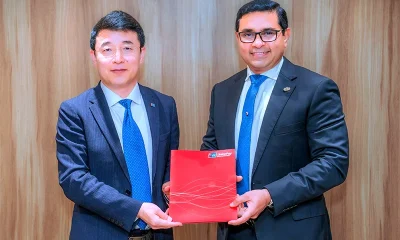
ComBank, UnionPay launch SplendorPlus Card for travelers to China
-
 Business6 days ago
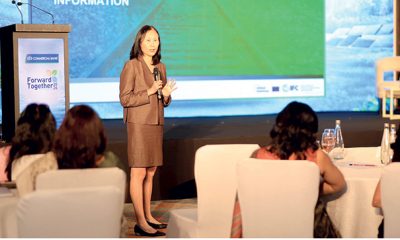
ComBank advances ForwardTogether agenda with event on sustainable business transformation
-
 Opinion6 days ago
Conference “Microfinance and Credit Regulatory Authority Bill: Neither Here, Nor There”
-
 Business2 days ago
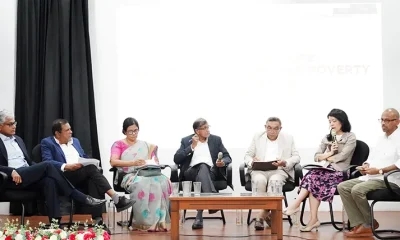
Climate risks, poverty, and recovery financing in focus at CEPA policy panel
-
 Opinion1 day ago
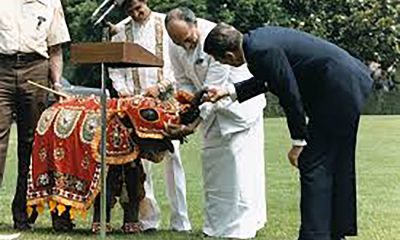
Sri Lanka, the Stars,and statesmen
-

 Opinion5 days ago
Luck knocks at your door every day
-

 News6 days ago
Rising climate risks and poverty in focus at CEPA policy panel tomorrow at Open University
-

 Business2 days ago
Bourse positively impacted by CBSL policy rate stance