
Business
The X-Press Pearl disaster and the imperative for regional maritime cooperation


Righting the Ship:
By Githmi Rabel
On 20 May 2021, Sri Lanka’s worst-ever marine disaster occurred when a fire erupted on the Singapore-registered MV X-Press Pearl container ship just 18 km Northwest of Colombo. While the long-term cost is yet to be determined, the negative impact on industries such as fisheries and tourism, and people who rely on the coastal resources of Sri Lanka is already apparent. This article examines the key consequences of this disaster on Sri Lanka’s coastal economy and highlights the need to enhance regional maritime cooperation to prevent the recurrence of such disasters.
Impact on Fisheries and
Fishing Activities
The fisheries industry is an important sub-sector of the Sri Lankan economy; it accounts for 1.3% of GDP at current prices, exhibited a growth rate of 9.9% and accounted for 1.5% of export earnings in 2019. It is also a source of many direct and indirect employment opportunities from fishing to processing, distributing and trade and boat-building and maintenance. Approximately 583,000 individuals are employed in this industry and there is a supporting workforce of 2.7 million. It is also crucial to note that fish contributes more than 60% of all animal protein consumed in Sri Lanka and is the main source of protein for low-income groups.
However, following the fire and the consequent spill of nitric acid and plastic pellets into the sea and nearby coast, fishing was temporarily banned along an 80 km stretch of the coast. The effect on the local community has been stark, with some estimates claiming that around 16,000 fishers were affected. The X-Press Pearl fire, which disrupted the fisheries supply chain, from fishers to processors to wholesale and retail traders, made the fishing community more susceptible to the structural economic and social inequality they already faced. The coastal fishing community, one of the three sub-sectors of the fisheries sector of Sri Lanka, is the most vulnerable as they are daily income earners. The loss of even a single day’s income severely affects the ability of a fisher’s family to meet their basic needs. Furthermore, for most involved in this industry, there are no alternative means of income.
Of the LKR 720 million compensation received by the government, LKR 420 million has been set aside for the fishing community affected by the fire and fixed prices have been set for fishing gear and equipment in consultation with relevant businessmen. But it is important to understand the context in which this marine disaster occurred: the fisheries industry was already severely impacted by the pandemic. Islandwide curfews, cross-border mobility restrictions and trade regulations led to various constraints on access to necessary equipment and markets.
Ecological Impact and Tourism
Sri Lanka’s coastal tourism is heavily dependent on its rich marine biodiversity. The plastic waste and potential oil spills from the ship threaten not only the beaches and seas which are home to sensitive ecosystems such as lagoons and coral reefs but also its marine life.
The Marine Environment Protection Authority (MEPA), the main government body responsible for marine pollution, has stated that the plastic waste from the ship has probably caused the “worst beach pollution in our history,” and will lead to years of ecological damage. For example, the marine pollution caused by the fire is responsible for the death of 200 marine animals —including 176 sea turtles, 20 dolphins and four whales— as of now. Plastic pellets, which are easily carried by the tide, attract toxins from the water and can cause death if ingested by marine life, have washed ashore from Puttalam to Matara. Despite various efforts such as beach cleanups, the attempt to restore the coast is ongoing.
The coast has lost much of its former beauty and attraction, and out of 15 tourist zones, eight have been affected by the fire. Furthermore, the damage caused to fish breeding areas will result in lesser yields of crabs and jumbo prawns, which are especially consumed by foreign tourists. The fear of contamination and reduced supply of these items will have an immediate financial impact on the coastal economy. There is also the fear that toxic chemicals will damage the coral reef which takes years to regenerate. This depletion and ruin of coastal resources will have a spillover effect on both the fishing community and tourism leading to a mid-to-long-term economic impact.
This is not the first ship fire or oil spill that has occurred in Sri Lankan waters, with the MT New Diamond ship fire in 2020 being one of the most significant. Sri Lanka’s position in the middle of many sea and trade routes in the Indian Ocean, where around 200 to 300 ships —mainly oil tankers from the Persian Gulf to East Asia—pass daily, makes the country especially vulnerable to marine accidents.
Moving Forward
The X-Press Pearl fire was controlled only after Sri Lanka received emergency support from India, and this clearly highlights the inadequacies of current institutions to handle a crisis of this scale. While Sri Lanka does have a domestic structure in place to prevent and manage marine pollution, it is crucial that the country works closely with others in the region to achieve the same. Currently, the MEPA has the authority to implement the National Oil Spill Contingency Plan (NOSCOP) which allows the mobilisation of support from the navy, coastguard and the Sri Lanka Ports Authority. However, the emergency response system is too reliant on reactive responses as opposed to more proactive approaches, which aim to not minimise the damage caused by marine pollution but to prevent it from occurring. This requires continuous monitoring of waters and heightened scrutiny, especially given that Sri Lanka is on a trajectory to become a maritime hub and expand its port capacity.
Sri Lanka can achieve this only through regional cooperation —with countries such as India, Pakistan and Bangladesh— that is based on the facilitation of knowledge, resource sharing, constant communication channels and the formulation of standardised security measures for responders. However, this must occur through a formal, binding mechanism for otherwise, any assistance provided will be purely voluntary and context dependent. For example, requests made to offload the cargo at the Hazira port in India were denied which ultimately led to the X-Press Pearl fire on Sri Lankan waters. Given that the increase in maritime traffic has not led to a proportional increase in response capacities in countries such as Sri Lanka, official regional cooperation is key in preventing marine accidents and protecting shared waters.
Link to Original Talking Economics Blog:
Righting the Ship: The X-Press Pearl Disaster and the Imperative for Regional Maritime Cooperation
Githmi Rabel is a project intern at the Institute of Policy Studies of Sri Lanka (IPS). She is an undergraduate at New York University – Abu Dhabi, majoring in Economics with a minor in Social Research and Public Policy. (Talk with Githmi – githmi@ips.lk)

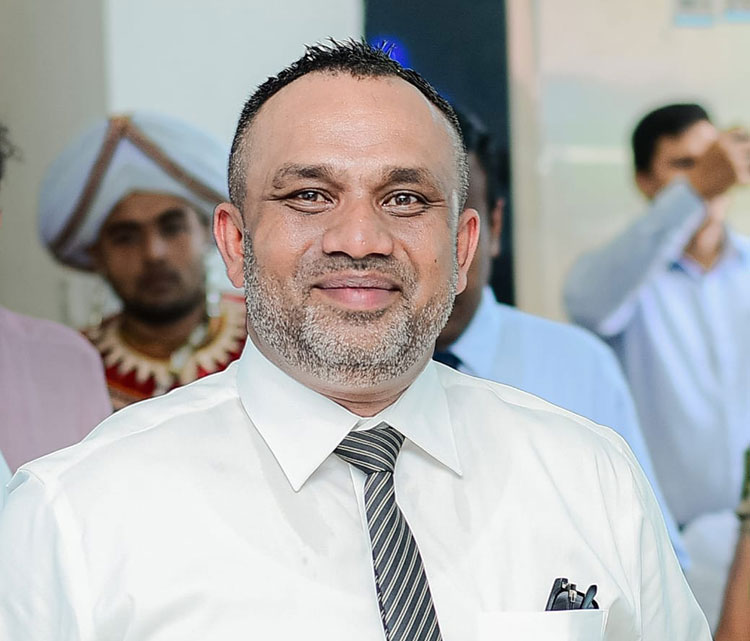
Dhasuni Learners in Kandy have trained over 100,000 drivers, marking a major milestone in the institution’s journey from a modest start-up to one of the region’s leading driver education providers.
Founded on March 31, 2008, in the historic hill capital, the institution began with just a single van, one three-wheeler and one motorcycle. Built on what its founder describes as a commitment to road safety and public service, the driving school has since expanded into a multi-branch operation with six centres across the Kandy district.
Today, Dhasuni Learners has emerged as a significant player in Sri Lanka’s driver training sector, producing thousands of licensed motorists annually while also contributing to local employment generation. The organisation’s broader mission, according to its management, has been to foster disciplined and road-conscious drivers who adhere to traffic regulations.
Over the years, the institution has received multiple accolades for its service standards and entrepreneurial achievement. These include the ‘Best Young Entrepreneur Award’ and ‘Seva Taru Tuthe Award’ in 2018, followed by One-Star and Two-Star service ratings from the Ministry of Industries in 2019 and 2020. It has also secured top rankings from the Federation of Chambers of Commerce and Industry of Sri Lanka (FCCISL) at national and provincial levels.
More recent recognitions include the ‘Best Driving School Award’ in 2023 and the ‘Pitkal Award’ for business excellence, along with a 2025 honour from the Trade Front in collaboration with the Ministry of Industry.
by SK Samaranayake
Business
HNB Life Introduces “Privileged Protect”, a Future-Ready Protection Solution for a New Generation


Marking a significant milestone in its journey as it celebrates 25 years of trust and transformation, HNB Life has introduced Privileged Protect, a novel universal life insurance solution designed to meet the evolving financial and protection needs of modern Sri Lankans.
Developed as an evolved protection offering, Privileged Protect combines short-term premium commitments with long-term financial security, giving customers the flexibility to build wealth while safeguarding their future and loved ones.
Designed for individuals seeking comprehensive life protection with greater financial convenience, the product offers a shorter premium paying term while ensuring continued long-term coverage and investment growth opportunities. The policy also includes six compulsory protection benefits, dividend and loyalty dividend entitlements, partial withdrawal facilities after five years, and the ability to convert the maturity value into a monthly income stream. Customers are also provided the flexibility to continue optional riders beyond the premium paying term and enhance their investment through top-up premiums.
Commenting on the launch, Lasitha Wimalaratne, Executive Director / Chief Executive Officer of HNB Life, stated, “As we embark on a bold new chapter as HNB Life, the introduction of Privileged Protect reflects our commitment to continuously evolve alongside the changing aspirations of our customers. Today’s customer seeks greater flexibility, stronger protection, and smarter financial planning solutions that align with their lifestyle and long-term goals. This product has been thoughtfully designed to address those expectations while delivering the security and confidence our policyholders value. As we celebrate 25 years of excellence, we remain focused on shaping the future of insurance through innovative solutions that are relevant, accessible, and future-ready.”
Also sharing his thoughts, Dinesh Udawatta, Executive Vice President / Chief Technical Officer stated, “The modern customer is increasingly looking for insurance solutions that go beyond traditional protection. Privileged Protect is an evolved offering built around convenience, flexibility, and long-term value creation. It is designed for individuals who want to secure their future with shorter payment commitments while continuing to enjoy meaningful protection and wealth accumulation benefits. As HNB Life, we are committed to introducing customer-centric innovations that empower Sri Lankans to confidently plan for the future.”
With the launch of Privileged Protect, HNB Life continues to strengthen its portfolio of future-focused insurance solutions, reinforcing its commitment to protecting lives while empowering customers to achieve long-term financial wellbeing in an ever-evolving world. HNB Life PLC is licensed by the IRCSL and all policyholders are advised to read the policy document before concluding a sale to understand benefits, exclusions, terms and conditions.

For the first time in the 76-year history of the Young Presidents’ Organisation (YPO), a Sri Lankan has been elected to its global board, with business leader Nazri Nizar securing a position on the governing body of one of the world’s most influential leadership organisations.
The appointment was confirmed at the YPO Annual General Meeting held on 21 May 2026. Nizar will serve as a YPO global board director from 2026 to 2029 and will concurrently serve as chair of the YPO Global Forum Committee.
Founded in 1950, YPO is a global leadership community comprising more than 38,000 chief executives, entrepreneurs and business leaders across 150 countries. Collectively, its members lead organisations generating approximately US$9 trillion in annual revenue, placing YPO among the most influential peer leadership networks in the world.
Unlike traditional business associations, YPO is built around the philosophy that leadership is a lifelong pursuit. Through a combination of executive education, peer learning and confidential leadership forums, the organisation provides a platform for business leaders to learn from one another’s experiences and navigate the personal and professional challenges that accompany leadership. At a time when organisations are navigating unprecedented technological, economic and social change, platforms such as YPO continue to underscore the importance of learning, collaboration and leadership across borders.
Nizar’s election follows years of service within the organisation. He has previously served as chapter chair of the YPO Colombo Integrated Chapter, been a member of the YPO South Asia Regional Board and, most recently, served on the YPO Global Forum Committee. In addition to his responsibilities as a global board director, Nizar will lead the Global Forum Committee, which oversees one of YPO’s most valued and enduring member experiences.
Commenting on the appointment, Nizar said YPO had played a defining role in shaping his leadership journey.
“YPO taught me that leadership is not about having all the answers. It is about continuous learning, trusted relationships and the willingness to grow through the experiences of others,” he said.
Describing the appointment as both humbling and inspiring, Nizar said he hoped the milestone would encourage more Sri Lankan leaders to engage with global platforms, contribute to international conversations and share their experiences with peers around the world.
Nizar currently serves as group managing director of Richardson Holdings, a diversified Sri Lankan enterprise with interests spanning engineering, infrastructure, renewable energy, manufacturing and out-of-home advertising.
His election represents a notable achievement for Sri Lankan business leadership and reflects the increasing contribution of Sri Lankan executives within international leadership networks.

India v Pakistan: The noise the World Cup had been waiting for

Vinicus Jr recues draw for Brazil against Morocco

Kidnapped Nigerian retired general dies in captivity

Switzerland to vote on plan to cap population at 10 million

Gill, Rahul seal India’s chase for 1-0 lead after Gurbaz century

Trump says US-Iran deal to be signed on Sunday as Tehran casts doubt on timing

‘Dates have the highest sugar content to fight Coronavirus’

Sunday Island 27 December – Headlines

#SundayIsland 17th December – Headlines

Sunday Island – 28th March

Sunday Island Headlines – 21 March

Sunday Island – 21st February – Headlines
-

 Editorial6 days ago
Probe Sallay’s complaint
-
 News2 days ago
CIABOC summons Yoshitha over his participation in British Navy training programme
-
 News4 days ago
Local firms move millions of dollars overseas for phantom imports: Govt.
-
 Midweek Review4 days ago
July 09: An inexcusable overall security failure and exceptional contingency plan
-

 Opinion5 days ago
Could Sri Lanka once again face an economic crisis similar to 2022?
-

 News4 days ago
AI raises concerns over arrest of Sallay and rapper under PTA
-
 News5 days ago
Sallay refuses to end hunger strike unless probe is taken out of CID led by Shani
-
 Latest News5 days ago
Iran and Israel say they will pause strikes but warn of retaliation if ceasefire breached again