
Life style
The tragedy of Afghanistan. Is there a way forward?

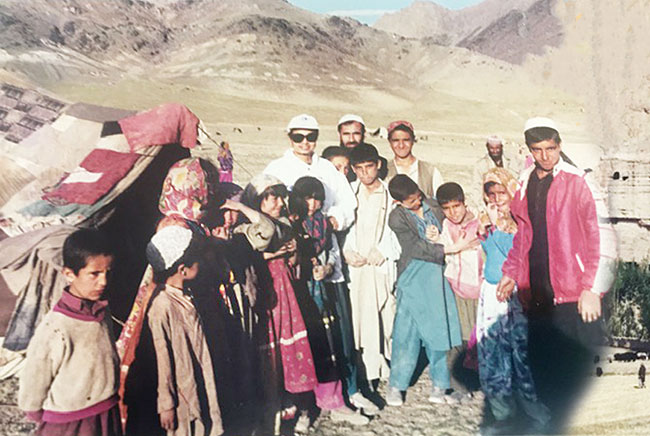
by Anoja Wijesekera
The desperate scenes at Kabul airport of Afghans trying to flee and the image of the US Airforce flight taxi-ing down the runway while people were trying to board it, and hundreds running alongside, is an image that will be etched in our minds forever.
The tragedy of Afghanistan is that the same saga of desperation and suffering has been repeatedly endured by ordinary Afghans who have been at the receiving end of war, throughout their lives. They have suffered death, loss of limbs, loss of breadwinners, loss of livelihoods, the destruction of their homes, the trauma of displacement, the horrors of seeing their loved ones killed before their very eyes, squalor, pain, hunger and cold, for over four decades.
At a human level, the Afghans feel betrayed by the Western Alliance and the US. This is not the first time but the second. When the Russians invaded Afghanistan in 1979, there was no overt resistance from the West. However, the Afghan warlords and their supporters who provided some resistance were armed and funded by the CIA, via the ISI of Pakistan, in order to defeat the Russians. The Afghans paid a heavy price; an estimated two million died another two million lost their limbs and approximately 800,000 women became widows. The entire infrastructure of the country was destroyed.
Once the Russians left, the US turned its back on Afghanistan and paid no heed to help in the reconstruction and development of that battered land. This was the first experience of betrayal and it was also at that time, that Osama Bin Laden who was an ally of the US and a part of the Mujahideen, became its sworn enemy.
The second episode took place after 9/11. In order to get at Osama Bin Laden, the mastermind of the 9/11 attacks, the US invaded Afghanistan. Although Osama Bin Laden had already left Afghanistan, many bombs were dropped, followed by drone attacks. Large numbers of civilians including women and children were killed as a result, throughout this 20-year period. Now in August 2021, with no proper system in place to ensure peace and stability, the US forces simply left. Even General David Petraeus, former Commander of the US forces in Afghanistan and former Director of the CIA, expressed his shock when interviewed on TV. For the Afghans, in their hour of need, the sudden and inexplicable departure of their President, Ashraf Ghani, is an even greater disappointment that they find hard to bear.
It is difficult to think that President Ghani left because he wanted to save his own skin. It is possible that this was part of a hasty deal worked out with the Taliban that went hand in hand with the sudden withdrawal of American troops. By paving the way for the Taliban to enter Kabul unhindered, and with no resistance offered by the Afghan army, a blood bath was averted. The destruction of the infrastructure and livelihoods in Kabul was also prevented. In turn, it is possible that the Taliban agreed to all the concessions that they announced during their press conference in Kabul, on 17.8.21.
The Taliban spokesman declared that an amnesty has been granted to all those who opposed them and that all citizens should remain in Afghanistan and help in re-building the country. They announced that all would be safe and that they forgive those who fought against them, and in turn that they should be forgiven. The Taliban stated that women would be allowed education and the right to work, as per the dictates of Sharia Law. It was also announced that no one will be allowed to use Afghanistan to attack other countries and that opium cultivation and its trading would be stopped. There was an indication that an inclusive government would be formed, but under their command.
The inevitable takeover of the country by the Taliban should come as no surprise to anyone, as it was evident right from the start. There is a popular Taliban saying “You have the watches, we have the time. We were born here and will die here. We are not going anywhere”.
A look at the map of Afghanistan, showing the areas under Taliban control indicates clearly how the Taliban gradually and surely increased the areas under their control over these 20 years. The take over of Kabul on August 16, 2021, was just the last lap of the race and was a parting gift offered on a platter by the US, when it hurriedly withdrew its troops out of Bagram airport, with no apparent handover and no declared plan for governance.
The Western misadventure is but a repetition of the history of Afghanistan. No foreign invader has ever been able to hold Afghanistan for long or maintain governments of their liking for any length of time. In the 13th Century the mighty army of Genghis Khan was massacred by the Afghans. In the 19th century, in the heyday of the Empire, the British sent a garrison to Kabul and each and every soldier except one, was slaughtered. In the 20th Century, the USSR invaded Afghanistan and were defeated in no uncertain terms, despite their weaponry and might.
There is a saying that those who don’t learn the lessons of history are doomed to repeat them. The US did not learn from what happened to the Russians or from their own experience in Vietnam. At a time when the TV footage is showing the desperation of the Afghans, the efforts made by the US government to justify their hasty departure and declare to the world that their mission in Afghanistan was a success rings hollow and indicates a cynical disregard for the horrific ground situation. Subsequently the US announced that it would help Afghans who worked for them, to seek refuge in the US.
Now, as things evolve, whatever working arrangements are agreed with the previous administration and other stakeholders, the reality is that the Taliban is back in power and seem to be determined to recreate their “Emirate”, characterised by the strict imposition of Sharia Law. The Taliban has declared repeatedly that they would allow female education this time round, indicating a softening of their stance. However, the news from the areas under their control, indicate that their rhetoric is at variance with the ground realities in some places. When questioned on this, the Taliban spokesman said that all such incidents would be investigated.
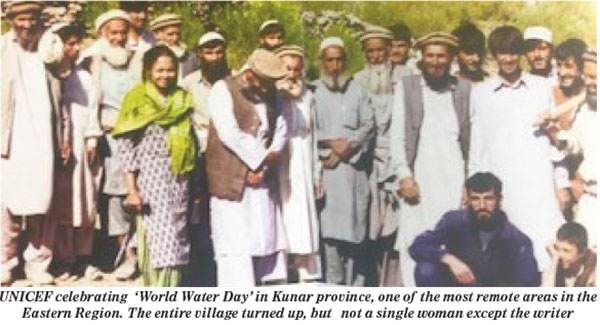
I served with UNICEF in Afghanistan, in the years 1997 to 2001, both in Jalalabad and Kabul and am therefore very familiar with the draconian regulations of the Taliban.
The Taliban brand of Sharia Law imposed during their time in office, which was from 1996 to 2001, was particularly geared towards the ruthless limitation of women’s freedom and rights. Women were debarred from working and girls’ education was banned. Women were restricted to domestic work in their own compounds. When going out, they were forced to wear a “burka” that covered them from head to foot. At the time I was there, they passed the Maharam Edict, which dictated that women could not walk alone on the streets. A woman had to be accompanied by a “Maharam” meaning husband, brother or son or a very close male relative.
Failure to do so resulted in getting beaten on the roadside. The Beard Law, meant that all men had to grow beards. Men were prohibited from even trimming their beards. Both men and women were beaten in public if they flouted these regulations. Even some of our own staff members were flogged in public for trimming their beards. The Taliban brand of justice was meted out on the streets, by their vice squads, who beat you first and asked questions later.
Music was prohibited. All musical instruments were destroyed. Music playing in vehicles was banned. TV, films, entertainment, gatherings of men and women together were prohibited.
Under the Taliban regime, at the time, people had to pray five times a day regardless of any consideration. At prayer time people had to stop whatever they were doing and turn towards Mecca and go down on their knees or be beaten even on the road-side. The penalty for theft was the amputation of limbs and the punishment for adultery was stoning to death. The football stadium in Kabul was an arena where these horrific acts were performed in front of an audience. There was no judicial system and no due process. An accusation was regarded as sufficient evidence of having committed a crime.
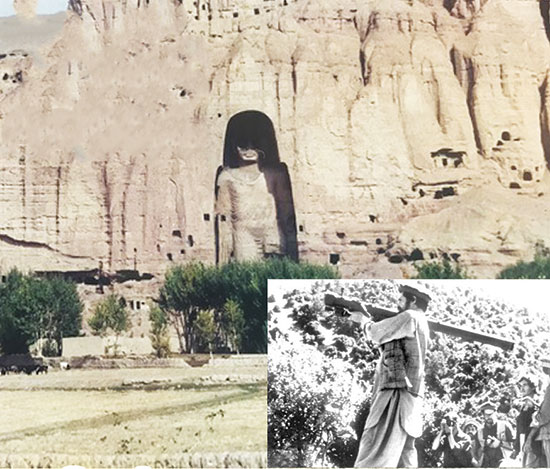
Games including card games and board games were prohibited. Iconography, art, photographs and images were destroyed. Priceless artefacts in the Kabul Museum were smashed to smithereens and we are all too aware of what happened to the Bamiyan Buddha statues, which were priceless treasures and a wonder of the ancient world.
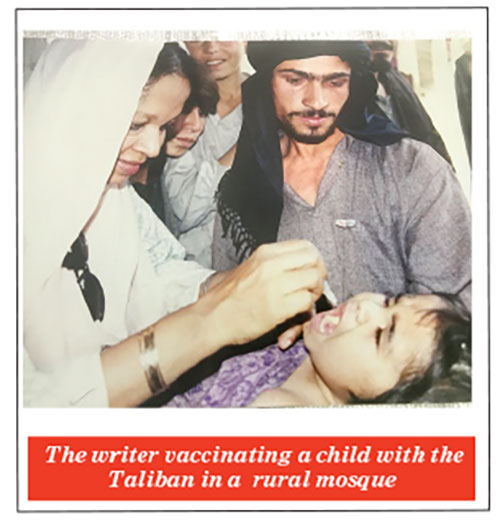
When I first went to Afghanistan in 1997, as the UNICEF Resident Project Officer in Jalalabad, the Taliban refused to look at me, as I happened to belong to the female gender. At meetings, which were all male events, they would look away from me with an expression of total disgust and would keep their heads turned away from me, when speaking to me. They clearly indicated that meeting with a woman was abhorrent to them. One Mullah even went to the extent of covering his own face when he had to pass by me. I found this utterly amusing and did not let it bother me.
After a couple of months of this icy reception, which I considered to be a farcical comedy, they gradually thawed and even shook my hand and became friendly. The Mayor of Jalalabad, who earlier covered his face, became particularly friendly and had many conversations with me, in English, declaring that he did not oppose girls’ education. I learned that he was educated to degree level. I said to my staff that I thought that perhaps the Taliban thought that I had turned into a man! As time passed, many Taliban officials and heads of departments, said that they regarded me as a sister.
After the closure of girls’ schools when female teachers lost their jobs, Home Schools were started by them in their own compounds, which UNICEF supported. As the Home Schools progressed, and grew by the day, I began to think that perhaps even the Taliban sent their daughters to those schools.
It was evident that some of the educated Taliban knew the value of education. Most of their foot soldiers however have only been to a Madrassa [Islamic school], where the curriculum consists of memorising the Quran, studying Arabic and learning the art of guerrilla warfare. However, the educated Taliban realise that it is important to address economic, social, health and educational issues, in addition to implementing their draconian version of Sharia Law.
Since I had to work with the Taliban government on a daily basis, I thought to myself that the Taliban are after all human beings and I decided even before I took up my assignment, that I will simply deal with them as one human being to another. Therefore, I accorded them the due respect they were entitled to on account of the office they held and regarded them as fellow citizens of the world. I followed the dictum that one has to give respect to get respect. This formula was effective and very soon they cooperated with me and my colleagues on all the programmes UNICEF had to implement, including our efforts to promote maternal and child health, and the inclusion of women in some of the activities.
However, each activity which involved the participation of women, was implemented with due consideration and in a very low-key manner. I was guided by my Afghan colleagues who knew exactly how to approach this problem. The Taliban departmental heads also gave tacit approval for the participation of women in our programmes, as the women had to be paid through a government department, as per UN regulations.
Towards the end of my tenure, when the Bamiyan Buddha statues were blown up, and I was devastated, one senior Taliban minister apologised to me, as he knew that I was a Buddhist. He said to me that many people in the Taliban government opposed this action, implying that the Bamiyan Buddhas were a part of their own heritage, which they respected. The Afghans reported that the Buddha statues were not destroyed by the Taliban, but by the Al Qaeda, who were Arabs. They cried and said to me, “the Taliban has destroyed our future and now they have destroyed our past, we have nothing left”.
In the present context, following the fall of Kabul, the only hope for the future is that the Taliban will take a more enlightened approach and modify their agenda. This will be important for them, in gaining international recognition and much-needed aid.
In my opinion it would be a mistake on the part of the international community to impose sanctions as that would only hurt the poor and vulnerable. To regard the Taliban regime as a pariah state would also not be fruitful as that will only make them even more adamant in pursing inhuman practices. It is only through engagement and genuine dialogue that the international community will be able to help Afghanistan and influence the Taliban to be more responsible and mature in their approach.
At the time of writing this article, following the press conference and interview given by their spokesman in Kabul, all indications are that the Taliban have indeed changed and matured and wish to form an inclusive government and have softened their stance on the rights of women. The spokesman repeated that everything will be done within the bounds of Sharia Law. I hope that since they were last in power, which was 20 years ago, that they have gained greater wisdom in their interpretation of Sharia Law.
It is imperative upon the international community to now step up on their humanitarian assistance and ensure that starvation, destitution and a colossal human tragedy is averted and that the displaced are assisted to return to their homes. Already more than 50% of Afghans are in need of food aid, on account of the severe drought that has hit the country. Childhood malnutrition has increased and Covid is on the rise. UNCEF, WFP and the other UN humanitarian agencies are in place and are working round the clock.
The UN Secretary General has already made an appeal to donor countries to increase their assistance. The US and its allies who spent billions in weaponry and military hardware, need to now genuinely engage with the Taliban and help in developing and funding a workable plan for the development of Afghanistan, with the participation of the UN agencies, so that a sincere attempt is made at long last, to improve the lives of all Afghans. This is the best safeguard against the country descending once again into civil war and becoming a breeding ground for terrorism.
On reflection, the famous saying that “In wars there are no winners, there are only losers” is indeed true. The Taliban has lost thousands of fighters: no statistics are available. There would be hundreds with severe wounds and injuries. In fact, some of the Taliban leaders during the time I was there had serious war injuries and suffered from the resulting disabilities. On the side of the Western Alliance, large numbers of soldiers have died and some are left with lifelong injuries and disabilities and are suffering every day.
Many American and British soldiers who served in Afghanistan experienced severe forms of Post-Traumatic Stress Disorders [PTSD], that led to a number of suicides, after their return home. The BBC quoted in a Panorama programme that in 2012, more British soldiers took their own lives after their return from combat duty in Afghanistan, than the number killed on the battle field. These suicides were caused by PTSD and depression. Taliban soldiers who are the poorest of the poor, too have suffered enormously. What support is there for them? Do we even know how many of them were killed or injured?
It is up to the world to now help Afghanistan, and not turn its back on it. The Afghans need maximum help and support to recover from this unspeakable tragedy. The Islamic countries in particular, that helped the Taliban to wage war, now need to come to their aid, to build peace. ‘Islam’ in Arabic means peace. Therefore, the Islamic world needs to exert influence on the Taliban and support them to evolve from ruthless fighters into a group of leaders, who can govern with compassion and wisdom and bring about long-lasting peace and stability to that beautiful country – Afghanistan.
Anoja Wijeyesekera
[former UNICEF Resident Project Officer, Kabul from 1999 – 2001
and former UNICEF Resident Project Officer, Jalalabad from 1997 – 1999]


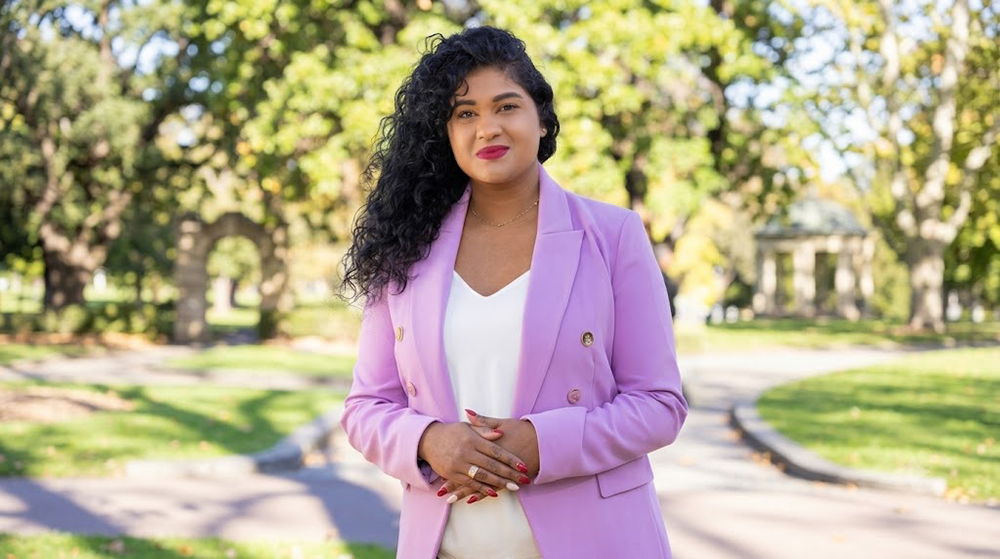
From Colombo to Canberra:
By Zanita Careem ✍️
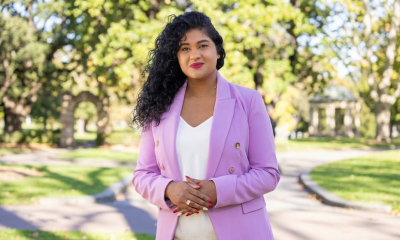
Cassandra Fernando made history in 2022 by becoming the first Sri Lankan-born member of Australia’s Federal Parliament. She was elected as the Australian Labour Party MP for the electorate of Holt in Victoria. Born in Colombo, Fernando migrated to Australia, with the family, in 1999, at the age of 11. Before entering politics, she worked as a Pastry Chef at Woolworth, became a trade union organiser and later entered public life through the Labour Party. Her victory was widely celebrated by the Sri Lankan diaspora as a milestone for representation in Australian politics. “I am proud to be the first Sri Lankan-born Federal Member of Parliament in Australia,’’ she says.
In a story that embodies resilience, determination and the promise of opportunity, Cassandra Fernando has etched her name into history as the first Sri Lankan-born person elected to theAustralia’s Parliament. Grounded in resilience, shaped by her Sri Lankan heritage, and driven by a passion for justice, Fernando has become a powerful advocate for working families, multicultural communication and equal opportunity. In this exclusive interview with ‘The Sunday Island’, she reflects on the challenges she overcame, the values that continue to guide her, leadership and her vision for creating more inclusive and compassionate Australia.
About Cassandra Fernando
My name is Cassandra Fernando and I am the first Sri Lankan-born Member of of the Austalian Labour Party and represent the Electoral Division of Holt, which covers the outer south-east suburbs of Melbourne.
I moved to Australia in 1999, at the age of 11, when my family settled in Dandenong North. I have lived, worked and grown up in Melbourne’s south-east ever since.
My first job was at Woolworths, at the age of 15, to help my parents pay my school fees. I spent more than 15 years working in supermarkets, baking bread, stacking shelves and making lifelong friends.
Trade unionism has always been lurking in my mind. When I joined the shop, namely Disributive and Allied Employees Association (SDA), on my very first day at Woolworths, a union organiser asked if I would like to represent my fellow workers. I accepted the opportunity and spent more than five years working as a union organiser. Later, in 2022, after the retirement of the long-serving Federal Member for Holt, Anthony Byrne, I was elected to the Australian Parliament, in 2022, and re elected in 2025 to serve as part of the Albanese Labour Government.
I’m a proud mum to my one-year-old son Llija, also a qualified pastry chef, and a proud Catholic.
Your journey from migrant worker to a Member of Parliament has inspired many. What motivated you to enter politics?
One of the defining turning points in my life came when I became actively involved in the trade union movement at my workplace. At that time, my knowledge of politics was fairly limited, but soon everything changed when I witnessed the challenges faced by workers and realised I would want to help create a fairer workplace. I became a union delegate and organiser and started campaigning for better pay and better welfare conditions This was the beginning After years of of advocating outside Parliament, I wanted to take that advocacy into Parliament where I could change or shape national policy
In 2007, our union’s magazine focused on the Howard Government’s WorkChoices industrial relations laws and how they threatened the rights and job security of workers like me. That was a crucial turning point. That experience inspired me to enter public service and eventually politics
What were some of the biggest challenges you faced before entering Parliament?
Growing up in Dandenong was a wonderful experience because it was one of Australia’s most multicultural communities. I was surrounded by people from every corner of the world.
Like many other families, we had to work incredibly hard to build a life in Australia. Parliament and politics were far beyond my imagination, but growing up watching TV, debates on challenging issues of workers such as wages, job security and workplace rights, inspired me to believe that ordinary people could make a difference. That inspiration stayed with me and eventually motivated me to enter politics, created a desire to give back and ensure others have the same opportunities like myself.
How has your Sri Lankan heritage influenced your values and leadership style?
My Sri Lankan heritage has shaped me to who I am in many ways. My parents made enormous sacrifices to give our family a better future in Australia, and I never forget their hard work and their profound influence on me. They instilled in me the importance of perseverance, gratitude and treating everyone with respect and dignity. These values continue to guide my work as a member of Parliament, where I am committed to advocating for working families, multi-cultural communities and creating opportunities for future generations. My Lankan heritage helped shaped my values of resilience, hard work and compassion.
My leadership style is built around listening first, working hard and treating everyone with respect. Whether I am at a meeting with local families, business owners or community groups, I always try to remain grounded and instilled the importance of perseverance, respect others and giving back policies. These qualities made me a stronger leader and gave me a deeper understanding of the challenges faced by multicultural communities.
What are your key priorities for your constituency, the Division of Holt?
My electorate covers Melbourne’s rapidly growing, outer south-east, where thousands of new families move into new housing estates every year.
Growth brings enormous opportunities, but it also creates pressure on infrastructure and services.
Road upgrades have been one of my major priorities. Since becoming the Federal Member for Holt. I have overseen the competition of the Narre Warren-Cranbourne Road upgrade. At the last Federal Election, I also secured commitments to upgrade key intersections at Berwick-Cranbourne Road, Thompsons Road and Pattersons Road.
Another major issue I want to address is to rectify the pure mobile reception in certain parts of Holt. I want to advocate better telecommunications facilities, infrastructure so that every resident have access to dependable mobile coverage and digital connectivity. Creating pathways for employment, training and opportunities for young people are aso some of my priorities. Holt also has a younger populations in Australia, with almost one in four residents under the age of 18. Ensuring young families have access to quality healthcare, education and community services remains one of my highest priorities.
What do your see as the biggest challenges facing multicultural communities in Australia today?
Major challenge is combatting discrimination and anti immigrant attitudes and building greater understanding and respect between coomunities. Many migrants also face difficulties having thier voices heard and ensuring thier cultures and contributions are recognised.
Australia has been one of the world’s great multicultural success stories, but like many countries we have seen a rise in populist anti-immigrant attitudes and activities remain a challenge, because they can create fear and a sense of exclusion within communities.
I believe in promoting respect, inclusion and understanding while ensuring every person regardless of their background feels valued and has an equal opportunity to contribute to Australia.
How do you balance the needs of local communities with national policy goals?
The best national policies are built by listening to local communities, first and then ensure the voices of residents are reflected in every aspect of life My job is to take the concerns I hear from families in Holt, whether it’s about roads, healthcare, cost of living or education, and ensure those voices are heard in Canberra. My focus is bringing local concerns to Parliament while working within national priorities to deliver positive outcomes for all.
As a woman in politics, what barriers have you encountered and how do you overcome them?
Politics has traditionally been a male-dominated profession and women often face greater scrutiny than men. One of the biggest battles I encountered in politics were breaking through glass ceilings and making my voice heard in challenging moments for the welfare of people. Like many others, I have faced sterreotypes, online abuses but I have overcome all these barriers by staying focused on my job, with the idea on why I entered politics to serve my community, build a strong support network, and work hard for my community and I always wanted my actions to speak louder than words. These prindiples, within me, refused to let stereotypes define my journey.
One of the challenges I faced was successfully balancing family responsibilities with the demands of public life. It was a journey of commitment and resilience. Becoming a mother, while building a political career, taught me the importance of time, priorities, and the need for having a strong support network. Family and leadership are not separate journeys but they can strenghten each other, My experience as a mother and migrant worker have shaped my understanding of the challenges faced by everyday families and influenced the way I represent my community and leadership of balancing the family. The reality is that thousands of women raise children, build careers, run businesses and contribute enormously to our community. Being a mother doesn’t make someone less capable of serving their community, it gives you another perspective on the issues families face.
I am incredibly proud to represent those women in Parliament and to be their voice. I hope that by serving as both a member of Parliament and a mum, it gives me a deeper understanding of the issues families face everyday,
How important is diversity in shaping modern Australian politics?
In a representative democracy, Parliament should reflect the people it serves.
Australia is one of the most multicultural countries in the world, so it is important that people from culturally and linguistically diverse backgrounds are represented in our national institutions. Diversity strengthens decision-making because people with different life experiences bring efficient perspectives to public policy.
What message would you share with migrants who dream of making a difference in their adopted country?
Australia is an amazing country full of opportunity for people who are prepared to work hard and contribute to their communities. My advice is to seize every opportunity that comes their way. One can start by getting involved locally. Volunteering at your sporting club, helping at their local food bank or become involved in community organisations can make leadership to take shape. Leadership often begins through service.
Do you maintain close ties with Sri Lanka, and how have those connections shaped your outlook?
Absolutely.
I am proud to serve as Chair of the Parliamentary Friendship Group for Sri Lanka, where I work closely with the Sri Lankan High Commission, community organisations and business leadership to strengthen the relationship between our two countries.
Remaining connected to my heritage reminds me of the importance of cultural identity while also highlighting the opportunities that exist when nations work together through education, trade, tourism and people-to-people relationships.
What opportunities do you see for stronger Australia-Sri Lanka relations?
Australia and Sri Lanka already enjoy strong relationship built on trade, education, development cooperation and shared interests in the Indo-Pacific.
Australia has supported economic reform, governance initiatives and skills development in Sri Lanka, while Australian investment in Sri Lanka’s eduction sector continues to grow.
Looking ahead, I see enormous opportunities to expand tourism between our countries, increase business investment and strengthen cooperation in technology, communications and education.
What legacy would you like to leave in public service?
At the end of my career, I hope people will simply be able to say that I improved the lives of working Australian families. I hope my legacy is one of compassion and opportunity. I want to inspire more women and young people from diverse backgrounds to believe in themselves and pursue leadership
What role can the Sri Lankan diaspora play in fostering cooperation between the two counties?
The Sri Lankan diaspora plays a vital role in building bridges between Australia and Sri Lanka.
Business partnerships, educational exchanges and cultural programmes often begin through personal relationships.
These people-to-person connections create trust, open new opportunities and strengthen coopertion in ways that governments alone cannot achieve.
What gives you hope for the future of politics of women?
I draw hope from seeing more women, particulary from diverse and multicultural background, stepping forward to take leadership roles. I believe representation matters because when women are part of decision they bring different experiences, perspectives and solutions to the table. I strongly believes the future of politics will be stronger when leadership reflects the diversity of the communities it serves.
What gives me hope is seeing more Australians from different backgrounds stepping forward to serve their communities.
I strongly believe that the future of politics in Australia we see the growing diversity of voices and the willingness of people to engage in shaping their future. This gives me confidence that democracy is becoming more inclusive.
Wings over paradise
By Zanita Careem ✍️
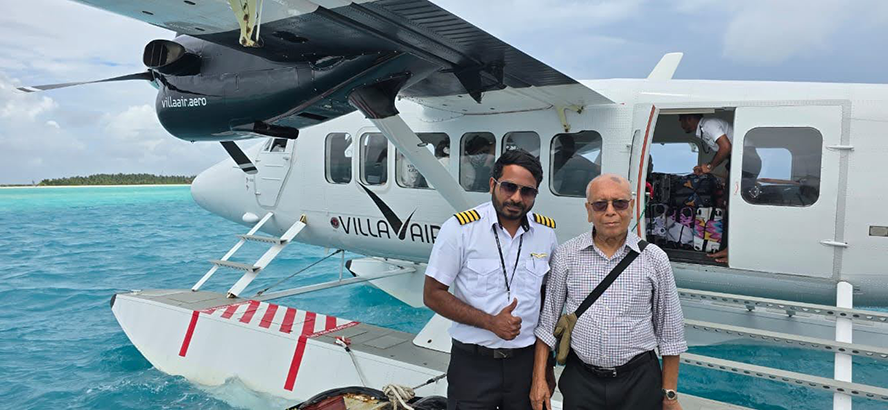
The publication ‘Aviation in the Maldives,’ an iconic book by industry veteran Ahamed Mohamed, was launched in 2024. This comprehensive book is a culmination of a three-year effort of a aviation veteran, who not only witnessed, but actively participated in a significantly chapter of the country’s aviation saga. Ahamed, who is at present working on his second book ‘Maldivean SeaplaneAviation,’ has a fleet of over 100 Twin Otter Aircraft with four airlines operating seaplanes carrying tourists to distant resorts, from Male International Airport.
He served for 15 years at Air Maldives and also spent a total of 38 years in government civil service. This book contains 12 chapters, meticulously curated by author Ahamed Mohamed, who chronicles the fascinating journey of how a nation of scattered islands conquered the skies. This book is not merely a record of aircraft and airports, but a human story of vision, perseverance and progress. Through rare photographs, historical accounts and inspiring stories of pioneers, this book captures the triumps, challenges and milestones that transformed aviation into the lifeline of the Maldives,. Reading through, I found the book a fascinating tribute to the people, aircraft and dreams that carried a small island nation towards the global stage
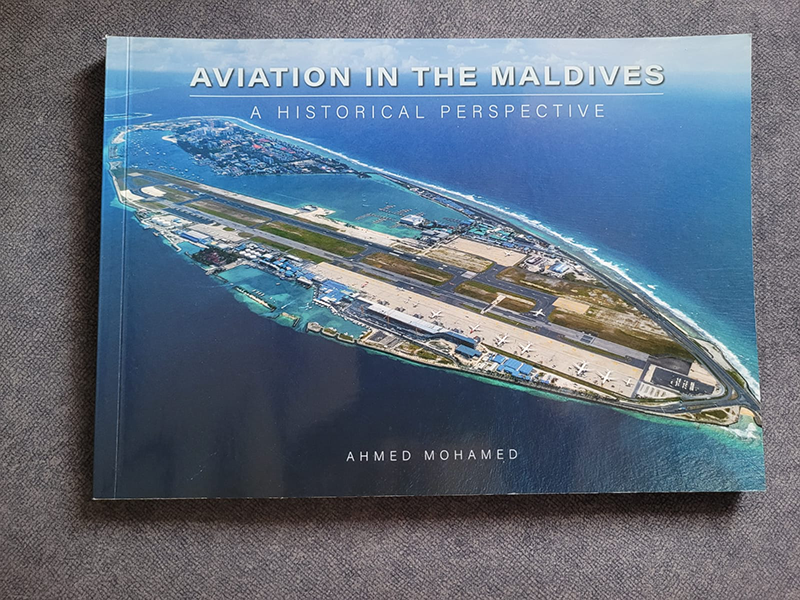
Beautiful cover of the book -Aviation in the Maldives
The cover of the book captures the spirit of a nation that learned to conquer the skies, while surrounded by the vast Indian Ocean; a breathtaking aerial new of the Maldives, iconic turquoise lagoons symbolising the unique geography that made aviation essential to the country’s growth.
With rare insights into the milestones, challenges and pioneers who shaped the industry, the book preserves an important chapter of Maldivian history for future generations and for those who study Maldivian aviation. His work stands as a reminder that every flight carries not only passengers, but also the dreams and aspirations of a nation that dared to reach beyond the horizon
Indeed, this book ‘Aviation in the Maldives’ is a celebration of those who gave the islands wings – a timeless story of ambition, innovation and the unstoppable human desire to fly
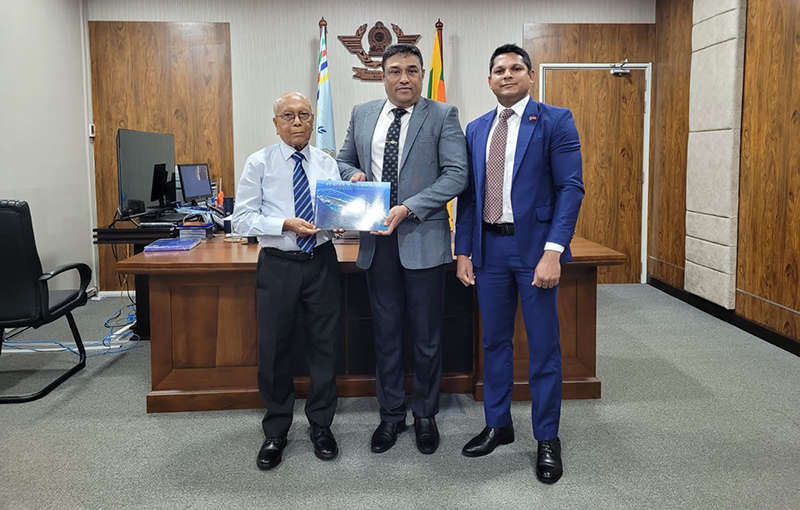
Ahamed presenting a copy of the book to captain Daminda Rambukawella, Director General of Civil Aviation Authority of Sri Lanka, with the Councillor of the Maldivian High Commission also in the scene
For the Maldives, aviation has always been more than means of transport – it has been their lifeline. Spread across hundreds of islands in the Indian ocean, the nation has relied on their air connectivity to bridge vast distances, linking communities, supporting healthcare, strengthening the economy, and opening the country to the world.
In his book ‘Aviation in the Maldives,’ Ahamed traces this remarkable journey, from its humble beginnings to the sophisticated aviation network that exists today. His research highlights the vision, determination, and resilience of the pioneers who helped make air travel an integrate part of Maldivian life. In this interview, Ahamed reflects on the milestones that defined Maldivian aviation.
“The development of aviation transformed the country’s tourism industry, enabling visitors to reach even the most remote luxury resorts by domestic aircraft and seaplane” said Ahamed
Q What inspired you to write about the history of aviation in the Maldives.
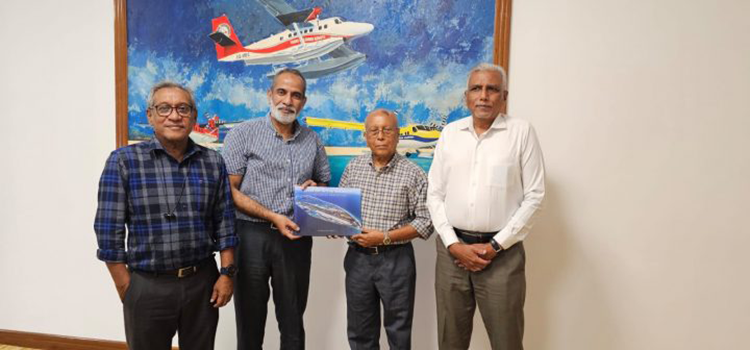
Leading figures from the aviation sector with Ahamed to mark the publication of his latest work, Aviation of the Maldives
A: Aviation has played a defining role in the Maldives. I wanted to preserve this remarkable journey and honour pioneers whose dedication transformed transportation and connected our islands .
Q Why is Aviation so important to the Maldives?
A: As an archipelago, air transport is essential. It supports tourism, healthcare , education, business while connecting people across the country.
Q: What was the most fascinating discovery during your research ?
A: I was surprised by the determination of the early aviation pioneers who overcame enormous challenges with limited resources and a clear vision for the future.
Q How has aviation changed the tourism industry in Maldives?
Aviation made it possible for visitors to reach islands quickly and comfortably. Tourism has been one of the key drivers of the Maldives success as a world renowned tourist destination.
Q: What is your message for the readers about your book?
A: I hope readers appreciate the people behind the progress and understand that the growth of Maldivian aviation is a story of courage, innovation and national development.
Q: Looking ahead, what is your vision for aviation?
A: I believe the future is bright. I forsee aviation remaining central to the country’s development, while meeting the needs of the future generation.
Through meticulous story telling, Ahamed Mohamed captures how aviation became a bridge, connecting communities, supporting tourism and bringing the Maldives closer to the world.
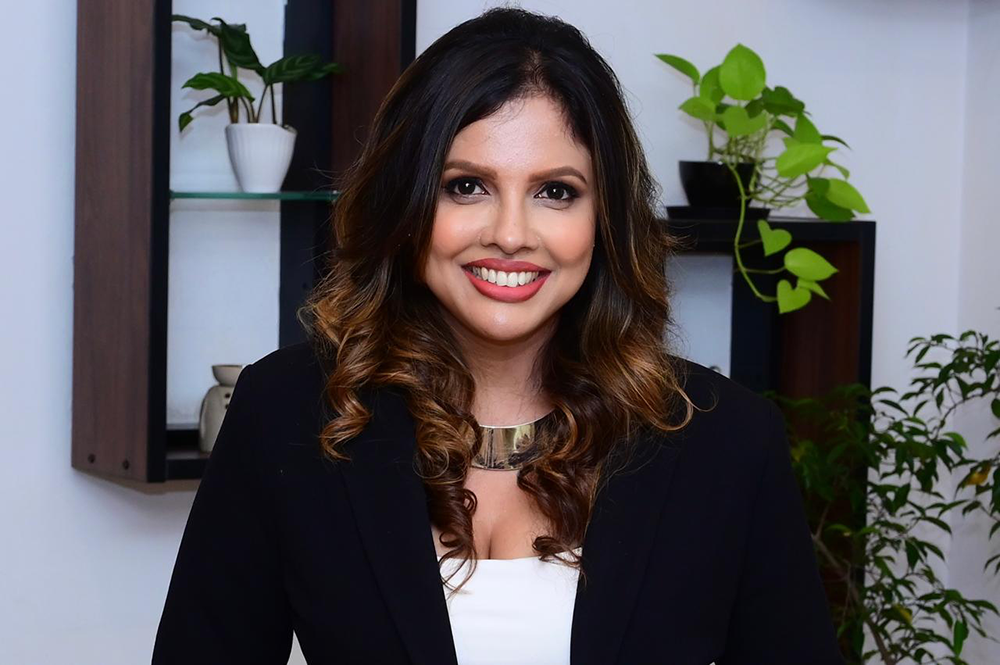
By Nipuni Fernando
Nipuni Fernando is an aesthetics and healthcare management professional attached to a leading private hospital chain in Sri Lanka. She is actively involved in the aesthetic and cosmetology industry, with experience in cosmetic centre operations, healthcare management, industry development, and cosmetology education. She also contributes to discussions related to standards, professionalism, and the future development of the aesthetic industry in Sri Lanka.
For many years, the aesthetic industry was largely driven by aspiration. New treatments, trending procedures, celebrity-inspired beauty standards, and rapidly evolving technologies shaped consumer demand across global markets. Clinics competed through devices, visible transformations, promotional campaigns, and the promise of quick aesthetic enhancement.
But globally, the industry is now entering a more complex phase of evolution.
Today’s aesthetic consumer is no longer behaving like the consumer of a decade ago. Today’s clients are far more informed, exposed to digital content, and more aware of aesthetic treatments than before. Before even attending a consultation, many consumers have already spent hours researching treatments, comparing providers, watching patient experiences online, reading reviews, and following international aesthetic trends through social media platforms.
This has fundamentally changed the relationship between the industry and the consumer.
In the past, aesthetic decisions were often heavily influenced by visible transformation alone. Today, consumers are increasingly influenced by credibility, safety, natural outcomes, professionalism, and long-term confidence in the provider itself.
The rapid growth of the wellness and healthy ageing movement has also contributed to changing attitudes toward aesthetics. Increasingly, people are viewing appearance not as an isolated beauty concern, but as part of a broader lifestyle conversation connected to confidence, wellbeing, self-care, prevention, and healthy ageing.
As a result, the industry is gradually moving away from purely trend-driven consumption. Consumers are becoming more cautious about aggressive cosmetic changes, overfilled appearances, unrealistic beauty standards, and aggressive treatment marketing. In many international markets, there is already visible movement toward more natural-looking results, skin health optimisation, preventative approaches, and regenerative-focused aesthetics.
The language of the industry itself is also slowly changing. Terms such as “skin quality,” “healthy ageing,” “regenerative aesthetics,” and “preventative care” are increasingly replacing the older culture of dramatic transformation and obvious cosmetic alteration.
This reflects something much deeper than a beauty trend. It reflects a psychological shift in how consumers now define attractiveness, wellness, and ageing itself.
Today’s clients are often not looking to become unrecognizable versions of themselves. Instead, many are seeking healthier skin, a fresher appearance, subtle enhancement, and the ability to age with confidence, while still looking natural.
This evolution is also changing what consumers expect from aesthetic providers. Clients are no longer simply asking what treatment is popular or trending. Increasingly, they are asking whether a provider is trustworthy, whether recommendations are genuinely personalised, whether treatments are being over-sold, and whether the overall approach supports long-term wellbeing rather than short-term commercial gain.
In many ways, trust is becoming one of the industry’s most valuable currencies.
This conversation becomes even more important in developing markets like Sri Lanka, where the aesthetic industry is still evolving socially as well as commercially. Despite the growing popularity of Botox, fillers, laser procedures, PRP, acne scar treatments, and anti-ageing treatments, many people still feel uncomfortable openly discussing aesthetic concerns. At the same time, social media has created increasing confusion through unrealistic before-and-after images, heavily filtered beauty content, and aggressive advertising.
In such an environment, building consumer trust becomes extremely important. Clients are increasingly looking not only for results, but also for honest guidance, safety, and clear communication. Many simply want understandable answers to important questions such as: “Do I really need this treatment?”, “Are there side effects?”, “Will the results look natural?”, and “Is this the right option for me?”
This is where responsible aesthetic practice becomes critical. Ethical consultation, proper client education, realistic expectation setting, and medically guided treatment planning may ultimately become more valuable than marketing alone.
At the same time, unethical advertising has also created space for unqualified individuals and misleading practices to gain visibility and popularity online. In some cases, aggressive social media marketing can make inexperienced or untrained providers appear highly credible to the public. This creates both safety concerns and long-term reputational risks for the industry itself.
This may become especially relevant for Sri Lanka. Compared to larger regional industries such as South Korea, Thailand, or Singapore, Sri Lanka’s aesthetic sector is still relatively young. But this stage of development also creates an important opportunity. The country still has the ability to shape the industry before unhealthy industry practices become common within the market.
Globally, industries that sustain long-term growth are often those capable of balancing innovation with responsibility. Within aesthetics, this may increasingly mean stronger operational standards, better client education, ethical communication, medically guided environments, realistic treatment planning, and more responsible marketing approaches.
The future leaders of the industry may therefore not necessarily be the businesses offering the highest number of procedures or the latest trends. Instead, they may be the organizations capable of building long-term trust through professionalism, transparency, personalization, consistency, and consumer confidence.
Because while trends may change rapidly, trust is ultimately what determines whether an industry grows sustainably over time.
Word Count: 810

Typhoon Noul makes landfall in China, with hundreds of thousands evacuated

Colombo Kaps down Dambulla Sixers by 21 runs

Kandy Royals win by 11 runs
Showers will occur in the Western, Sabaragamuwa and North-western provinces and in Galle, Matara, Kandy and Nuwara-Eliya districts

Govt. launches EPF, ETF shake-up

SLPI concerned over the proposed Chartered Institute of Media Professionals of Sri Lanka

‘Dates have the highest sugar content to fight Coronavirus’

Sunday Island 27 December – Headlines

#SundayIsland 17th December – Headlines

Sunday Island – 28th March

Sunday Island Headlines – 21 March

Sunday Island – 21st February – Headlines
-
 Midweek Review5 days ago
Three high-profile alleged suicides shaping key investigations
-
 Features19 hours ago
MBS: The Man of the Last Laugh
-

 News2 days ago
Fort Magistrate orders arrest of MP Archchuna
-

 Editorial2 days ago
An indictment of all parties
-

 News5 days ago
Customs asked to resume probe or face legal action
-
 Features19 hours ago
A Landmark Gathering of Minds: The Ceylon Journal Roundtable Revives the Spirit of Intellectual Dialogue
-
Editorial6 days ago
Welcome bid to tackle rolling death traps
-
 Life style18 hours ago
A proud Sri Lankan voice in Australian Parliament