
News
Talks with Tamil expats: Civil society ready to support

Sri Lanka Collective for Consensus (SLCC) yesterday (21) welcomed President Gotabaya Rajapaksa’s call for a dialogue with the Tamil Diaspora to explore ways and means of addressing reconciliation issues through domestic systems.
The following is the text of the statement issued by the SLCC: “We are glad to note the stand of the President at the UN General Assembly in New York and the Foreign Minister at the UN Human Rights Council in Geneva. We are pleased that they have spoken of carrying on those changes that they had spoken to us about and which shows commitment.
In our meetings with members of the government, including the president, we presented the issues that we felt needed to be addressed by the government. These included bringing the PTA into line with international standards, releasing long term prisoners held under it, addressing the issue of missing, and the Muslim burials and targeting of Muslims, releasing of land in the north and halting continuation of land grabs especially grazing land in the east, implementing the 13th Amendment in full and holding elections to the provincial councils, appointing of appropriate persons to the vacancies in the Commissions and obtaining NGO inputs to the proposed NGO law.
The President’s offer to talk to the Tamil Diaspora is a positive initiative. We believe this has to be preceded by changes on the ground that meets the needs of the people, especially those who have suffered due to the war, and not be words alone as the people have heard them many times before. We ask for time bound commitments to be implemented as confidence building measures. Another confidence building measure would be to lift the ban on those Diaspora groups that have credibility both within Sri Lanka and internationally prior to commencing the talks.
The President’s intention to deal with contentious issues requires the support of the parties in the opposition, especially the minority parties which have democratic mandates with them. As civil society we will support the effective functioning of the already established reconciliation mechanisms such as the Office of National Unity and Reconciliation (ONUR), Office on Missing Persons (OMP) and Office for Reparations (OR) by the correct dissemination of information and seeking appropriate leadership within them. In these circumstances, we will be happy to work collaboratively with the government to open a new door to reconciliation in Sri Lanka.”


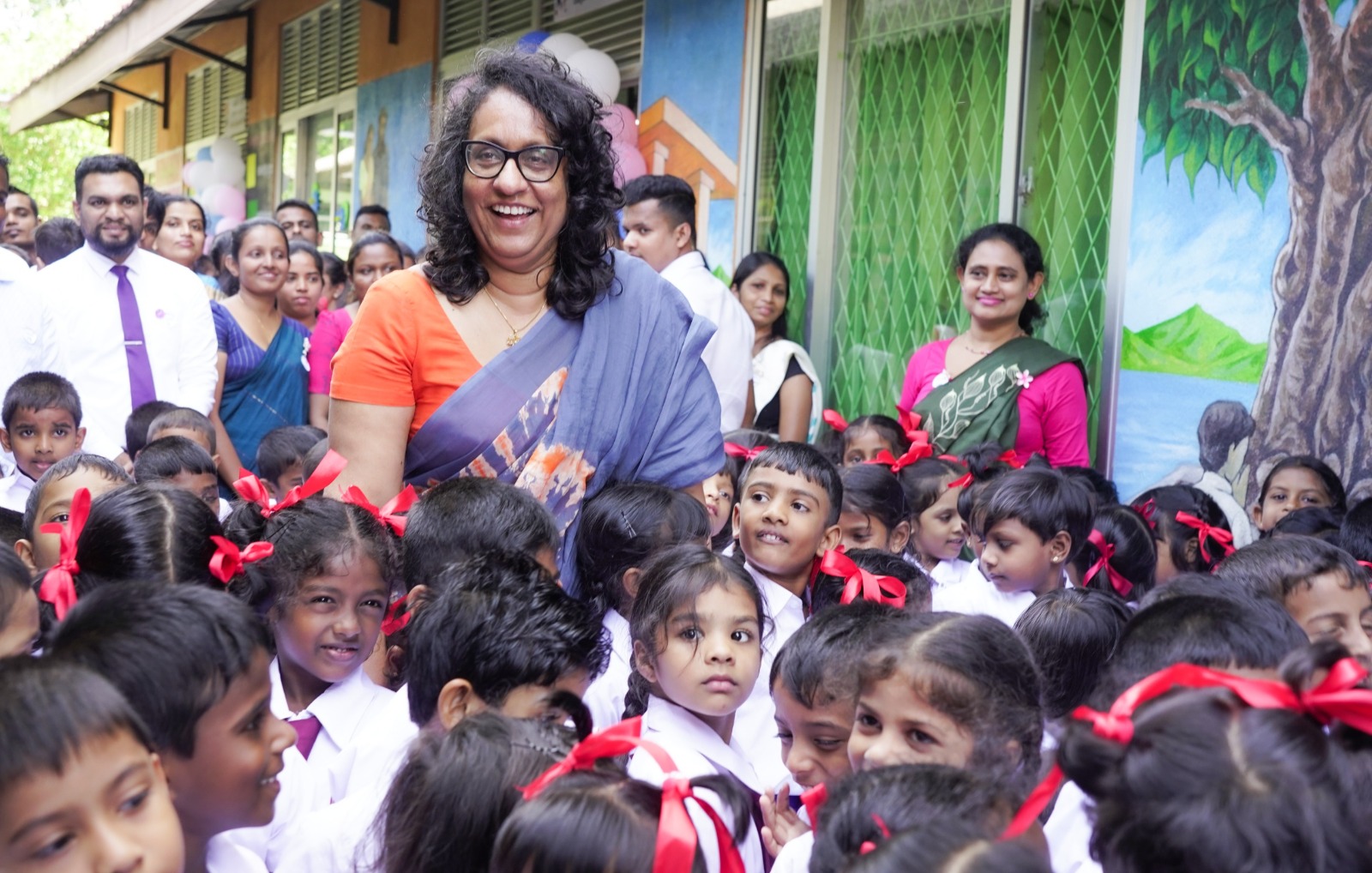
Minister of Education, Higher Education and Vocational Education, Prime Minister Dr. Harini Amarasuriya stated that the new education reforms lay the essential foundation for nurturing a future generation enriched by values and compassion, and that the Government has undertaken the responsibility of providing every child with a quality education in a prosperous country.
The Prime Minister made these remarks while addressing the national programme to implement the new education reforms for Grade One in 2026, held on Thursday (29) at the WP/ Jaya / Gunasekara Primary School in Athurugiriya.
On this occasion, the Prime Minister planted a sapling together with students on the school premises and inspected the modernized Grade One classrooms developed under the new education reforms, engaging in friendly conversation with the students.
In parallel with the implementation of the new education reforms, and to symbolically mark the admission of students to Grade One across the island, the Prime Minister entered students’ names into the school admission register at the Gunasekara Primary School, Athurugiriya. Subsequently, school uniforms and text books were distributed to the students.
Prime Minister Dr. Harini Amarasuriya further stated:
Reducing the weight of school bags and creating a pressure-free learning environment so that children come to school with joy is a remarkable feature of these new education reforms. We are committed to turning the ’Dream School’ concept, which is aimed at creating a pleasant school environment into a reality. Further, plans are currently being underway to implement the education reforms that could not be implemented for Grade Six students in 2026 in the future.
Under the new reforms, building a foundation for Science, Technology, Engineering and Mathematics (STEM), engaging in environment-related activities based on scientific principles, and strengthening the teaching of English and the second language form the core of primary education. For decades, the country followed a competitive education model limited largely to textbook-based knowledge. As this system has contributed to children becoming disengaged from education, the Prime Minister emphasized that it is the Government’s responsibility to ensure every child’s right to education.
The Government is working to establish a student-centred education system instead of a teacher-centred one. Accordingly, this education reform can be described not merely as a curriculum change, but as a transformational change across the entire education system.
Within this transformative process, special attention has been given to protecting children’s mental freedom, with the primary objective of nurturing balanced future citizens. Plans have also been developed through these reforms to safeguard the professionalism of teachers and to further enhance their capacities.
We will never allow a child’s education to be determined by their parents’ financial capacity. We confidently declare that, as a Government, we have undertaken the responsibility of safeguarding your child’s future.
The event was graced by the presence of members of the Maha Sangha and leaders of all religions, and attended by the Deputy Minister of Education and Higher Education Dr. Madhura Senevirathna, Deputy Minister of Vocational Education Nalin Hewage, Deputy Minister of Mass Media Dr. Kaushalya Ariyarathne, Member of Parliament Asitha Niroshan, Mayor of Kaduwela Ranjan Jayalal, Secretary to the Ministry Nalaka Kaluwewa, Principal of Athurugiriya Gunasekara Primary School Nadika Dharmadasa, along with other officials and parents.
[Prime Minister’s Media Division]

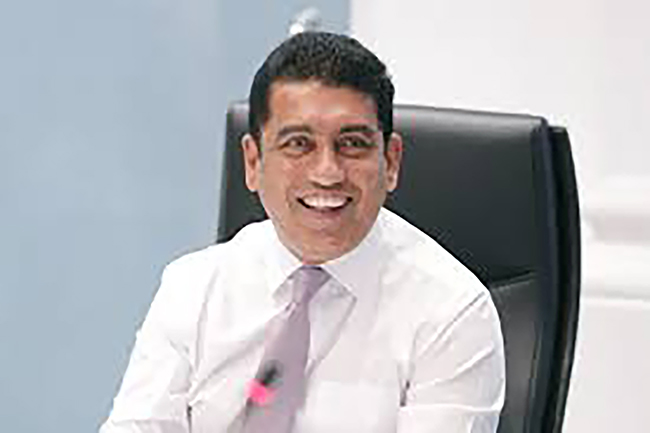
Flawed, poorly planned and rushed education reforms could widen inequalities between urban and rural schools, teachers’ unions warned yesterday, criticising the government’s newly launched education reform programme, despite its formal inauguration earlier in the day.
Union leaders said essential resources needed to implement the reforms, including teachers’ guides, have yet to be issued, raising serious concerns over how educators are expected to deliver lessons under the new framework.
They urged the government and the Education Minister to suspend the rapid rollout of the reforms and undertake proper planning and consultations before implementing them nationwide.
Ceylon Teachers’ Union (CTU) Secretary, Joseph Stalin, addressing a press conference in Colombo on Thursday, cautioned that the reforms risk deepening existing disparities between urban and rural schools.
He drew attention to the new Grade 01 textbook, which reportedly includes 42 QR codes aimed at supporting digital learning. Stalin questioned the practicality of this approach for rural schools, where access to the internet and digital devices remains limited or non-existent.
“How are children in rural schools expected to access these facilities when internet connectivity and digital devices are either unavailable or very poor?” he asked.
Stalin also raised concerns over the absence of a clear long-term vision behind the reforms, stating that even policymakers have failed to clearly articulate the academic or developmental outcomes students are expected to achieve by the time they complete Grade 13.
Teacher preparedness was another major concern, he said, noting that educators assigned to teach under the new system have received training only for the first school term, while key instructional materials remain incomplete.
“Teachers do not even have a proper printed teachers’ guide,” Stalin said, adding that the guide is currently available only online, making it further disadvantageous to schools with weak digital infrastructure.The unions warned that proceeding with the reforms under such conditions could undermine the quality of education and place both teachers and students at a disadvantage.
Former Minister Johnston Fernando, his two sons and two others were further remanded until 13 February by the Wattala Magistrate’s Court yesterday.The group was arrested by the Police Financial Crimes Investigation Division (FCID) over allegations of misusing a Sathosa lorry during Fernando’s tenure as Minister of Cooperative and Internal Trade.
It is alleged that the vehicle was used for operations linked to an ethanol company reportedly owned by Fernando, resulting in an estimated loss of Rs. 2.5 million to the state.
Fernando was arrested on 05 January. Earlier, on 09 January, a bail request was denied, and the suspects were ordered to remain in remand custody.
The investigation also led to the 30 December arrest of Fernando’s son, Johan Fernando, in Kurunegala. Former Sathosa Transport Manager Indika Ratnamalala was also taken into custody, accused of preparing forged documents related to the case.

Shipping giant Maersk to take over Panama Canal ports after court ruling

India face Pakistan for a place in the semi-finals of the Under-19 World Cup

More than 200 killed in mine collapse in DR Congo

US government partially shuts down despite last minute funding deal

Harmanpreet 82* in vain as Gujarat Giants break Mumbai Indians hoodoo and seal Eliminator spot

Myanmar election delivers walkover win for military-backed political party

‘Dates have the highest sugar content to fight Coronavirus’

Sunday Island 27 December – Headlines

#SundayIsland 17th December – Headlines

Sunday Island – 28th March

Sunday Island Headlines – 21 March

Sunday Island – 21st February – Headlines
-
 Business6 days ago
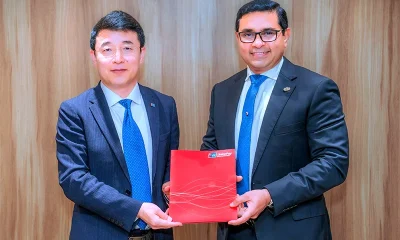
ComBank, UnionPay launch SplendorPlus Card for travelers to China
-
 Business7 days ago
ComBank advances ForwardTogether agenda with event on sustainable business transformation
-
 Business3 days ago
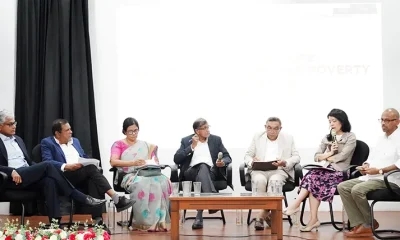
Climate risks, poverty, and recovery financing in focus at CEPA policy panel
-
 Opinion7 days ago
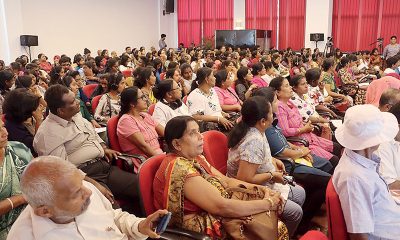
Conference “Microfinance and Credit Regulatory Authority Bill: Neither Here, Nor There”
-
 Opinion2 days ago
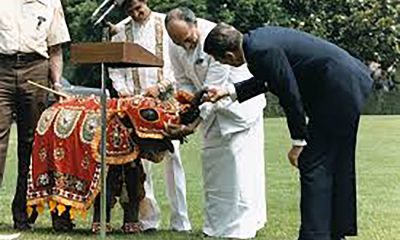
Sri Lanka, the Stars,and statesmen
-

 Business19 hours ago
Hayleys Mobility ushering in a new era of premium sustainable mobility
-
 Opinion6 days ago
Luck knocks at your door every day
-

 Business19 hours ago
Advice Lab unveils new 13,000+ sqft office, marking major expansion in financial services BPO to Australia