
Latest News
Spinners put England in command on Day 2

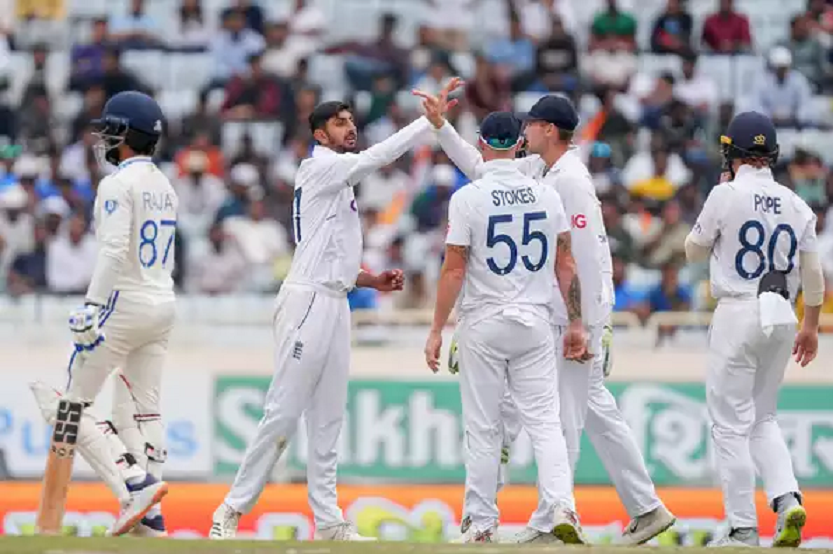
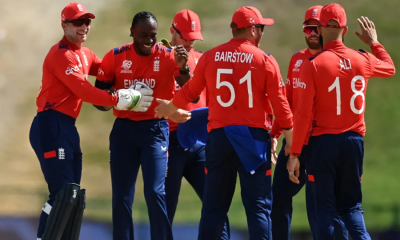
England’s spin duo of Shoaib Bashir and Tom Hartley put India in trouble on the second day of the fourth Test in Ranchi by sharing six wickets between them. After getting bowled out for 353 in their first innings, England kept striking at regular intervals despite Yashasvi Jaiswal’s efforts at the other end.
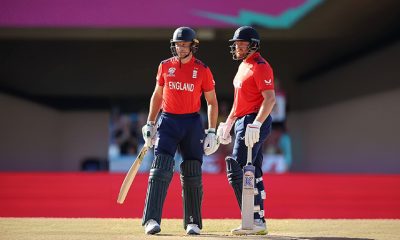
England made a positive start to the day with Ollie Robinson opening up to hit a flurry of boundaries to catch India off guard. He ended up stretching the stand over 100 runs alongside overnight centurion Joe Root with the latter taking a backseat on the second morning. In the process, Robinson ended up registering his first-ever fifty in Test cricket with India desperately searching for a breakthrough. That breakthrough arrived in the form of Ravindra Jadeja as Robinson gloved one to the ‘keeper while attempting to reverse sweep.
Jadeja then made quick work of the tail as Bashir first miscued one hoick and James Anderson got trapped lbw, leaving Root stranded on 122. England would have still been fairly pleased with the score of 353 though given they were reeling at 112/5 at one stage on the opening day. They received a massive boost with the ball too as Rohit Sharma ended up nicking Anderson behind very early in his innings.
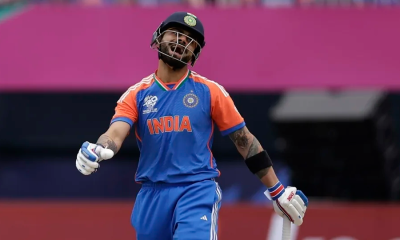
Jaiswal on the other hand though got off to a bright start yet again. Having already smashed two double tons in the series, the opener was in great touch prior to the lunch break. He carried on the same vein post resumption as well but ended up watching a procession from the non-striker’s end. Bashir hurt India big time in the second session as he first trapped the well-set Shubman Gill lbw before getting rid of Rajat Patidar and Jadeja, who had smashed successive sixes prior to that.
Those three wickets put India on the backfoot and the onus was on Jaiswal again to revive the innings. The opener did continue to pile on the runs but England managed to keep Sarfaraz Khan quiet at the other end. The visitors then took full control of the game when Jaiswal dragged one back on to his stumps to fall for 73. With half the side back in the pavilion and almost 200 runs still behind England’s tally, India needed a massive contribution from the lower order. However, England cashed in on their advantage as Hartley drew the outside edge of Sarfaraz before trapping R Ashwin leg-before-wicket. Kuldeep Yadav and Dhruv Jurel put up a brave fight batting out almost 18 overs before stumps but India still need a huge effort from the duo on the third morning to bridge the gap.
Brief scores:
India219/7 (Yashasvi Jaiswal 73, Shubman Gill 38; Shoaib Bashir 4/84) trail England 353 in 104.5 overs (Joe Root 122*; Ravindra Jadeja 4/67) by 134 runs








Four persons including a Budhist monk died and 32 others were injured when two SLTB buses collided head on at Weerawila at arond 12 noon today (18).
Three of the deceased were women. 22 of the injured were admitted to the Hambanthota Hospital while 10 others have been admitted to the Debarawewa hospital.
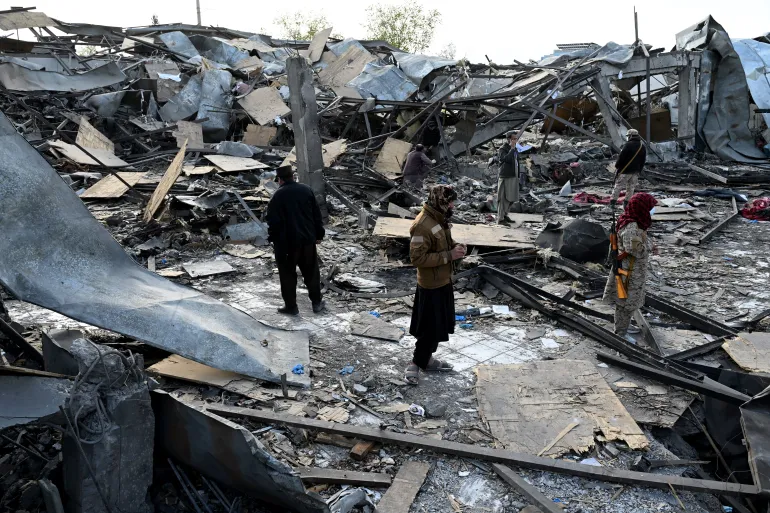
Families have gathered outside a drug treatment centre in the Afghan capital, Kabul, looking for their loved ones after it was hit in a Pakistan air strike, which Taliban authorities said killed 408 people.
The attack on Kabul’s Omar Addiction Treatment Hospital took place at about 9pm local time (16:30 GMT) on Monday.
[Aljazeera]

African football’s governing body has stripped Senegal of the Africa Cup of Nations (AFCON) title they won in a chaotic final two months ago and declared Morocco the champions.
In a stunning decision, the Confederation of African Football (CAF) said on Tuesday that its appeals board ruled that Senegal is “declared to have forfeited” the match, a 1-0 victory. The result, it said, was now “being officially recorded as 3-0” in favour of host nation Morocco.
At the January 18 final in Rabat, Senegal’s players walked off the pitch, led by coach Pape Thiaw, in protest against a penalty awarded late in regulation time to Morocco.
When play resumed after a delay of about 15 minutes, Morocco forward Brahim Diaz’s penalty was saved. In extra time, Pape Gueye scored the decisive goal that saw Senegal become champions of Africa for the second time.
The heated final also saw supporters trying to storm the field, players scuffling on the sidelines, reporters from the two countries fighting in media areas, and a bizarre sequence in which Moroccan ball boys tried to seize a towel being used by Senegalese goalkeeper Edouard Mendy – in an apparent bid to distract him and help their team win the continental title.
At a disciplinary hearing in January, CAF imposed fines of more than $1m as well as bans for Senegal and Morocco players and officials, but it had left the result untouched.
The case could go to a further appeal at the Court of Arbitration for Sport.
[Aljazeera]

SriLankan Airlines Alerts Customers to Social Media Scams

Four dead 32 injured in head on collision at Weerawila

JMSDF ship OONAMI concludes goodwill visit

Cabinet nod to amend Central Cultural Fund Act No. 57 of 1980
’National Namal Uyana’ declared as a National Heritage
Establishment of Supervisory Committees for restoring economic activities.

‘Dates have the highest sugar content to fight Coronavirus’

Sunday Island 27 December – Headlines

#SundayIsland 17th December – Headlines

Sunday Island – 28th March

Sunday Island Headlines – 21 March

Sunday Island – 21st February – Headlines
-
 News7 days ago
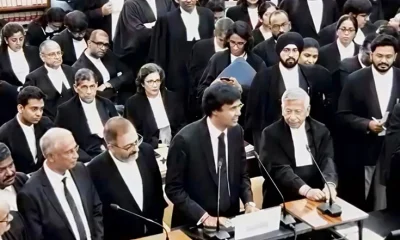
Historic address by BASL President at the Supreme Court of India
-

 Sports7 days ago
The 147th Royal–Thomian and 175 Years of the School by the Sea
-

 Business3 days ago
Browns EV launches fast-charging BAW E7 Pro at Rs. 5.8 million
-

 Life style4 days ago
From culture to empowerment: Indonesia’s vision for Sri Lanka
-
 News7 days ago
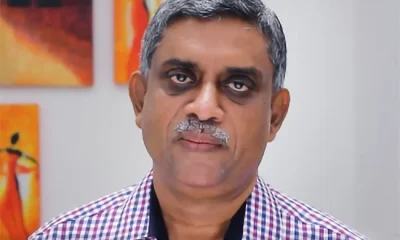
Power sector reforms jolted by 40% pay hike demand
-
 Opinion6 days ago
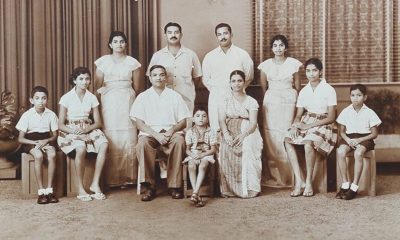
M. D. Banda: Memories of Appachchi – II
-

 Latest News4 days ago
QR code system will be implemented for fuel with effect from 06.00 a.m. today (15th)
-
 Business5 days ago
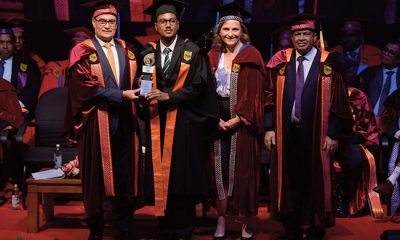
Sri Lanka Institute of Information Technology raises the bar for academic excellence