
News
Some provisions of Prevention of Money Laundering (Amendment) Bill are inconsistent with Constitution


The Supreme Court has determined that several provisions of the Prevention of Money Laundering (Amendment) Bill are inconsistent with the Constitution and, therefore, require approval by a special majority in Parliament, Speaker Dr. Jagath Wickramaratne informed the House yesterday.
Announcing the Court’s determination, the Speaker said that Clause 14, which introduces proposed Sections 12A and 12B, and Clause 18, containing proposed Sections 17A, 17B and 17C, could only be enacted with a two-thirds majority.
However, the Court has also held that those provisions could be passed by a simple majority if they are amended in accordance with the recommendations set out in its determination.
The Speaker said that subject to those specific provisions, the Prevention of Money Laundering (Amendment) Bill may be approved by a simple majority in Parliament.
The Bill was referred to the Supreme Court following petitions filed under Article 121(1) of the Constitution challenging its constitutionality.
The Court’s determination was communicated to Parliament yesterday.
by Saman Indrajith


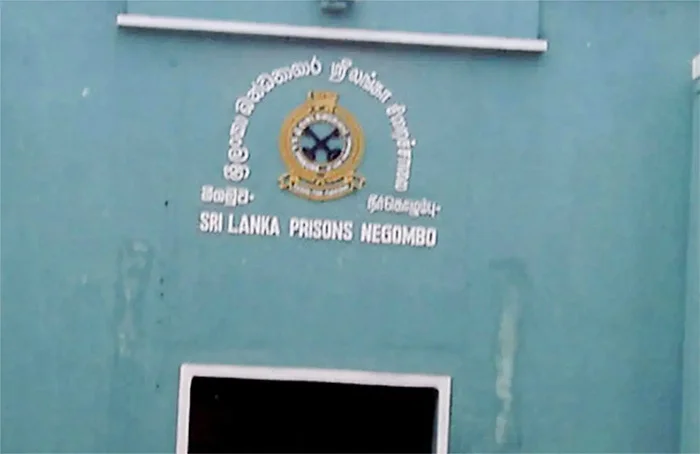
It has been reported quoting police sources that the death toll from the renewed unrest at the Negombo Prison which this morning, has risen from nineteen to twenty five (25).
A clash initially broke out between two groups of inmates (a group of remand prisoners and a group of convicted inmates serving sentences) at the Negombo Prison at around 1.00 p.m. on Sunday (05).
Two inmates died in yesterday’s clash, while around 40 others sustained injuries and are receiving treatment at hospital.
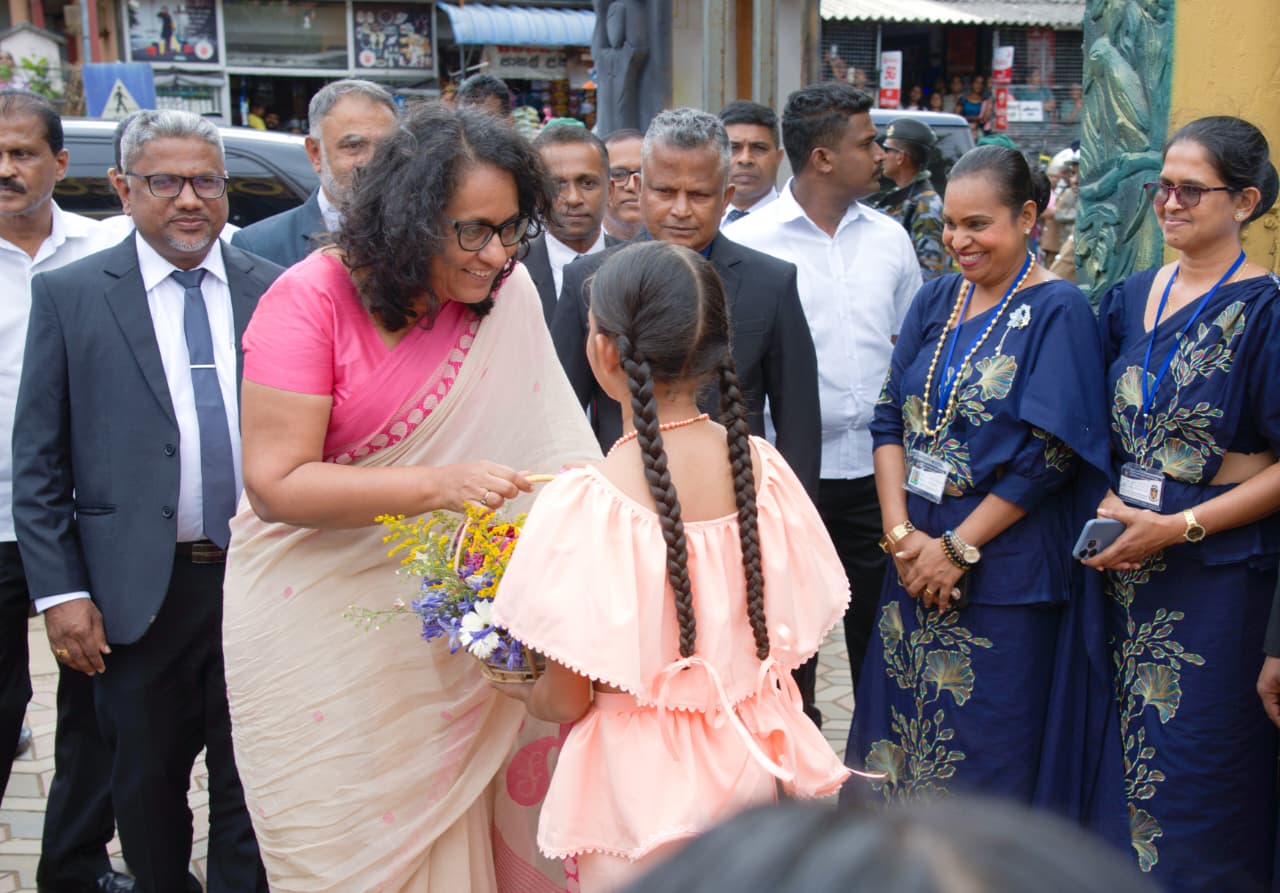
Prime Minister Dr. Harini Amarasuriya stated that the children of Sri Lanka are well capable of viewing the world with creativity and critical ways of thinking, and that the Government is committed to equipping them with the required knowledge and modern technologies necessary to realize their full potential.
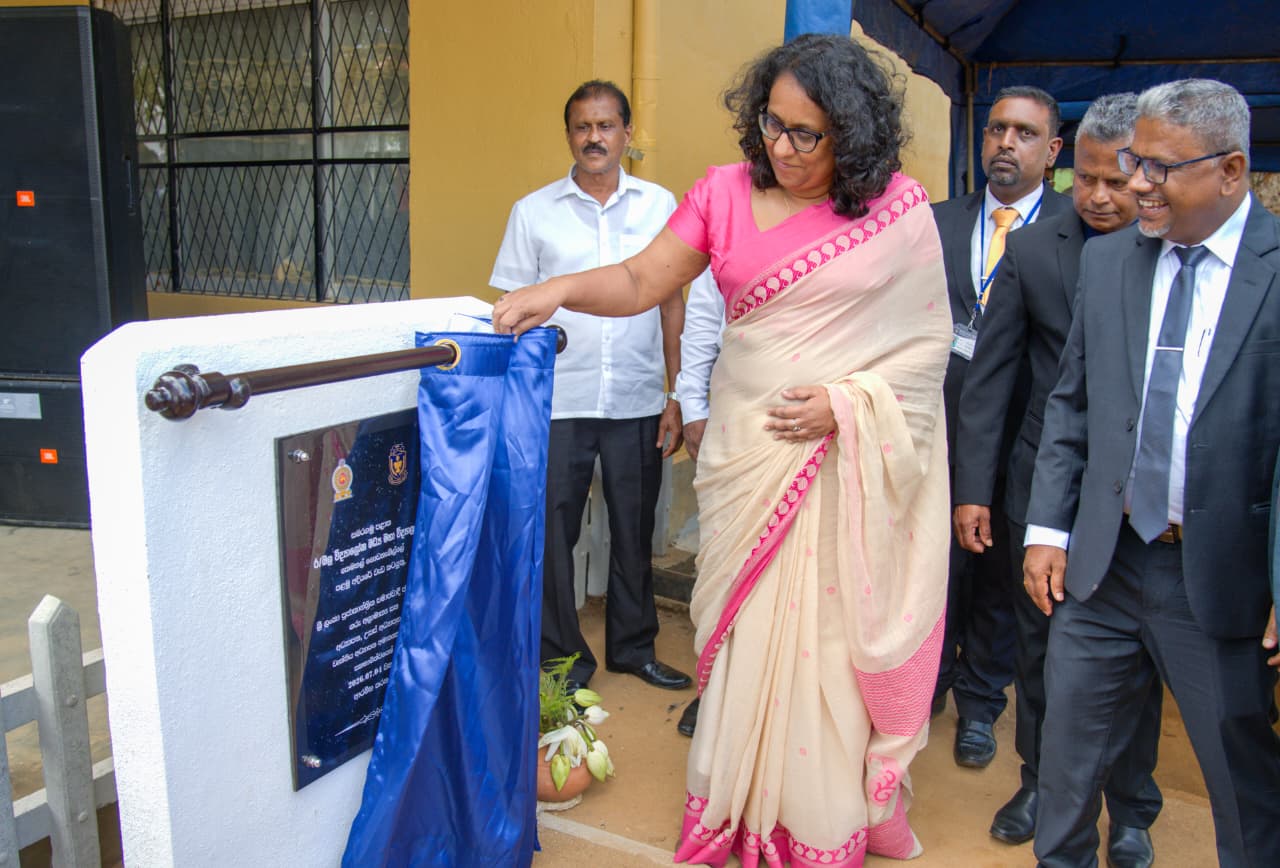
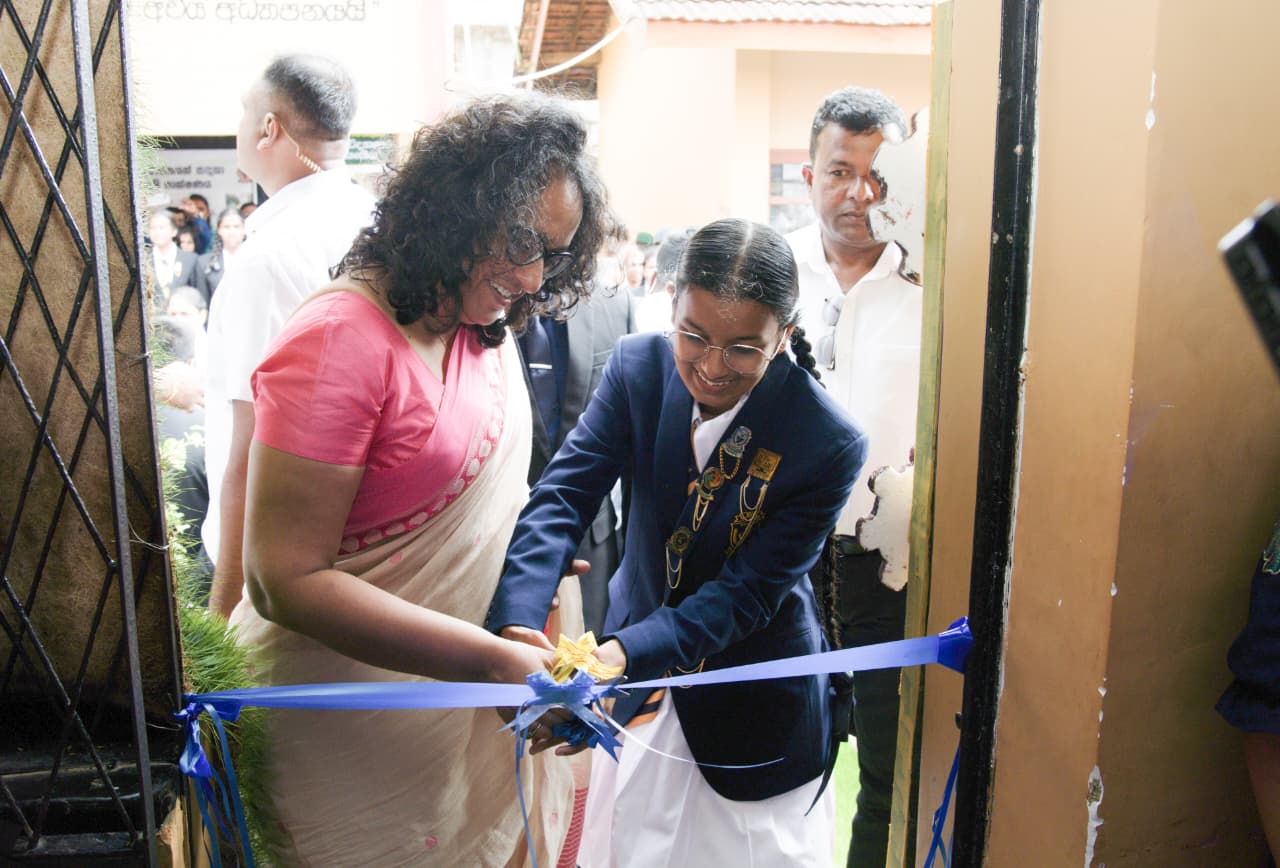
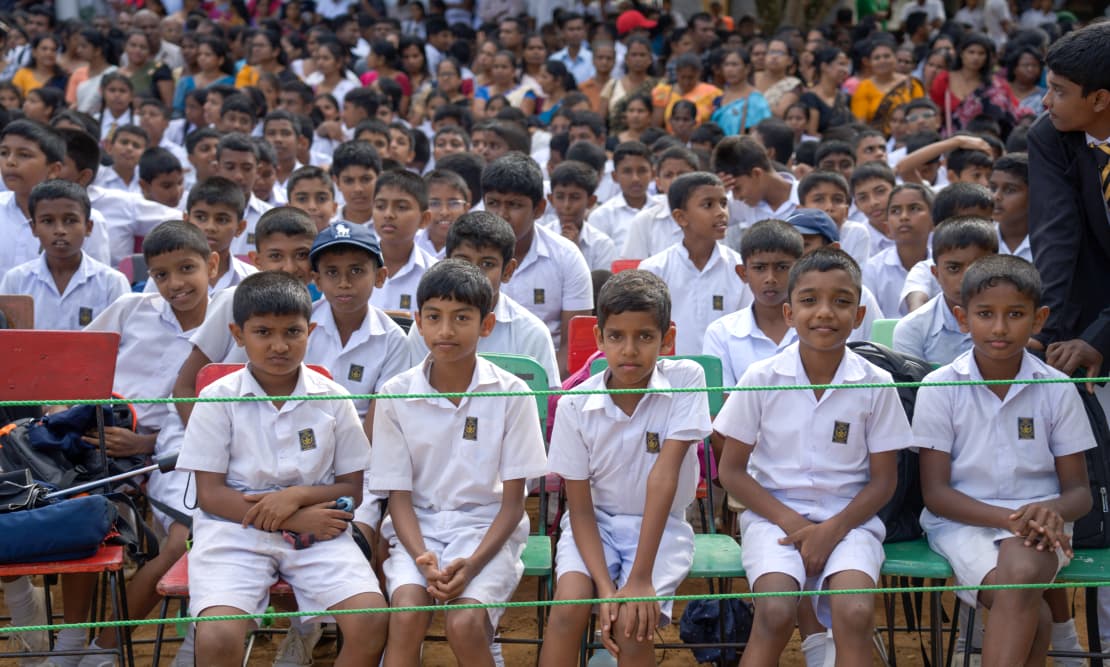
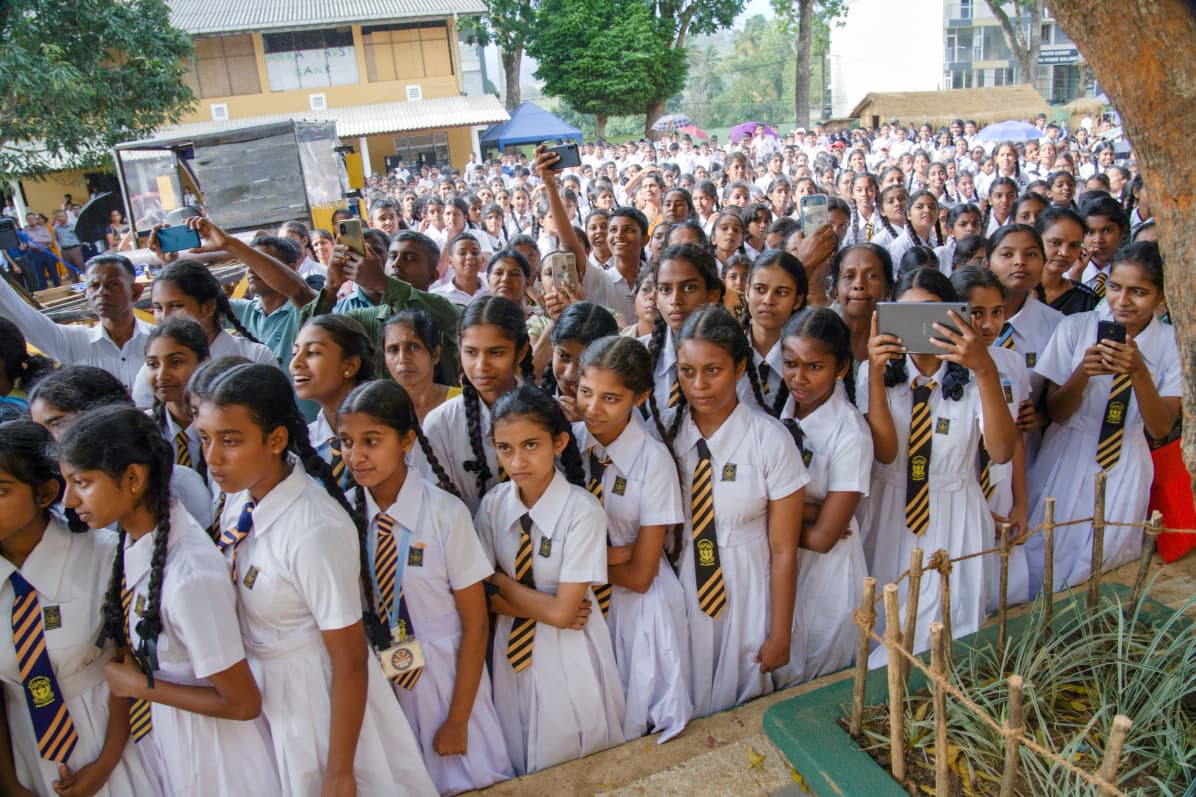
The Prime Minister made these remarks while attending the opening of the ’Arumasiya’ Exhibition and the occasion of laying the foundation stone for a new three-storey building at Balangoda Vidyaloka Central College, on the 4th of July.
During the visit, the Prime Minister officially declared open the exhibition showcasing the students’ innovations and creative talents and commended them for their remarkable achievements. The Prime Minister also participated in the ceremony of laying the foundation stone for the construction of the College’s new three-storey building.
Addressing the occasion, Prime Minister Dr. Harini Amarasuriya stated:
“It is a pleasure to participate in this special event at Balangoda Vidyaloka Central College, the school where Sri Lanka’s first female Prime Minister received her education
I had the opportunity to visit the exhibition featuring the outstanding creations and innovations of the students. What I witnessed was a group of talented young people who have moved beyond textbook learning and are capable of viewing the world with creativity and critical thinking.
We are introducing a new education reform process that moves away from a rote-learning, examination-oriented system towards a practical and skills-based one. The Government is now systematically completing all the necessary preparations to implement the new education reforms scheduled to commence in 2027.
Our objective is to ensure that every child leaving school has access to vocational and technical education that matches their individual talents and meets the demands of the modern labour market. We are committed to transforming vocational education into a field that enjoys the same dignity and recognition as university education.
Finally, I commend the Principal and the academic staff of Balangoda Vidyaloka Central College for organizing this exhibition, and to the students and parents whose dedication made this event a success.”
The event was attended by Members of Parliament for Ratnapura District Wasantha Pushpa Kumara and Sunil Rajapaksha, the Mayor of Balangoda and members of the Municipal Council, the Zonal Director of Education, the Principal and academic staff of Balangoda Vidyaloka Central College, parents, and students.
Prime Minister’s Media Division
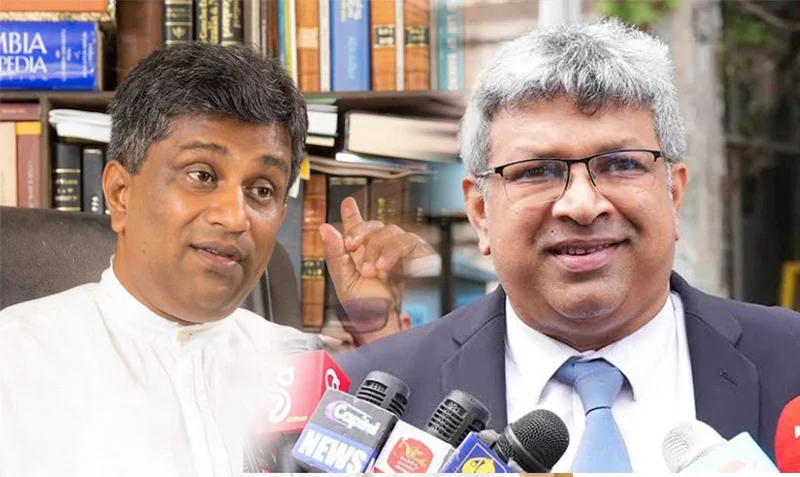
The appointment of a Special Parliamentary Ombudsman (SPO) to inquire into the complaints against the Attorney General, as promised in the NPP manifesto, is on hold, pending the establishment of an Independent Office of the Public Prosecutor and provincial Sub Officers.
Authoritative sources told The Island that the Justice and National Integration Ministry was awaiting the recommendations, regarding the new legislation for the establishment of such an Office, from a Committee of Technical Experts, chaired by Justice Yasantha Kodagoda, PC.
Responding to a query raised in Parliament by SJB lawmaker Ajith P. Perera about the delay in appointment of SPO, Justice and National Integration Minister Harshana Nanayakkara said the government couldn’t take a decision until the Kodagoda Committee made recommendations.
Nanayakkara said that the positioning of the SPO couldn’t be decided before they differentiate the powers of the Attorney General and the an Independent Office of the Public Prosecutor and provincial Sub Officers.
According to the NPP manifesto, provincial Sub Officers were to be established under a senior Additional Solicitor General.
Opposition sources pointed out that the relevant Cabinet decision was taken on 7 May 2025. According to the Cabinet Office, the government decided to establish an Independent Office of the Public Prosecutor and provincial Sub Officers in line with a proposal made by the United Nations High Commissioner for Human Rights, in her final report on Sri Lanka, submitted in September, 2024.
By Shamindra Ferdinando

Death toll in violent clashes at Negombo Prison rise to 25

The Government is committed to equipping children with new technology and knowledge – PM

Bellingham inspires 10-man England to beat Mexico 3-2 in last-16 thriller

Haaland scores twice as Norway stun Brazil 2-1 in World Cup 2026 last 16

A few showers will occur in the Western and Sabaragamuwa provinces and in Galle, Matara, Kandy and Nuwara-Eliya districts

Appointment of SPO to probe AG on hold until establishment of Ind. Public Prosecutor’s Office

‘Dates have the highest sugar content to fight Coronavirus’

Sunday Island 27 December – Headlines

#SundayIsland 17th December – Headlines

Sunday Island – 28th March

Sunday Island Headlines – 21 March

Sunday Island – 21st February – Headlines
-
 Features7 days ago
Climate action to bring South Asia together
-
 News7 days ago
Chamuditha to seek removal of injunction on Youtube programme
-
 News2 days ago
Singapore-based Buddhist monk marks nearly four decades of humanitarian service
-

 News3 days ago
Freedom 250: US Embassy celebrates America’s 250th Independence Day through magic of American cinema
-
 News4 days ago
CIABOC to question Harak Kata on Rs. 200 mn bribery allegation
-
 Opinion7 days ago
Matara Maha Keralla– Uprising against the Dutch
-
 News4 days ago
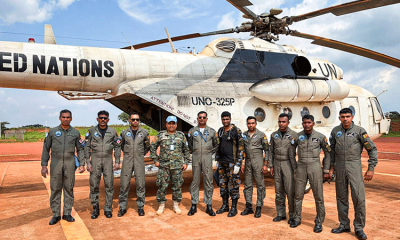
SLAF conducts successful rescue mission under UN command in Central African Republic
-
 Business7 days ago
The US occupation of the Indian Ocean ‘Zone of Peace’