
Latest News
Singapore’s opposition leader stripped of title after conviction for lying

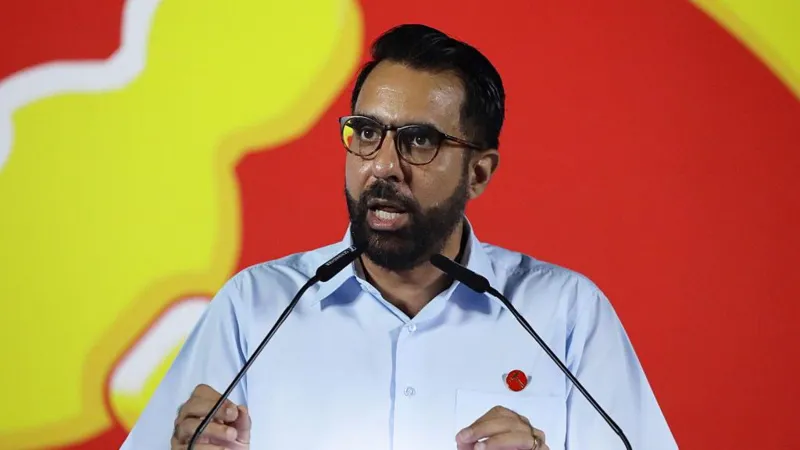
Singapore’s Leader of the Opposition in parliament, Pritam Singh, has been stripped of his title by the prime minister following a vote by lawmakers.
The vote took place on Wednesday in parliament, which is overwhelmingly dominated by the ruling People’s Action Party (PAP).
The move follows Singh’s conviction for lying under oath to a parliamentary committee. Singh has consistently maintained his innocence.
He remains a member of parliament and secretary-general of the largest opposition party, Workers’ Party (WP), but will lose privileges such as additional allowances and the right of first reply during parliamentary debates.
Singh’s case stands out as one of the only criminal convictions against a sitting opposition lawmaker. He was also the first person to hold the title of Leader of the Opposition.
Critics have previously accused Singapore’s government of using the judiciary to go after its political opponents – charges authorities have always denied.
On Wednesday, Indranee Rajah, the Leader of the House who had initiated the debate, said that Singh’s lies “strike at the trust” Singaporeans place in parliament and accused him of “failing to take responsibility”.
Singh defended himself during the debate, saying that his “conscience remains clear” and disagreed with the debate’s resolution that his behaviour was “dishonourable and unbecoming”. He also vowed to continue his work as an MP.
After three hours of debate, the parliament backed a motion that agreed Singh should not be the Leader of the Opposition. All 11 present WP members voted against it.
The parliament also agreed to review the implications for two other WP lawmakers at another time.
On Thursday, Prime Minister Lawrence Wong said in light of Singh’s conviction and the vote that it was “no longer tenable” for him to continue as the Leader of the Opposition.
He also invited the WP to nominate another of their MPs to take the title.
In response to BBC queries over text messaging, Singh responded with a single word: “#WeContinue”.
The WP said it will deliberate on the move and respond “in due course”. It previously said it would conduct an internal review of whether Singh contravened their rules.
The party holds 12 seats in Singapore’s 108-seat parliament.
The saga began in 2021, when WP lawmaker Raeesah Khan claimed in parliament that she had witnessed police misbehave towards a sexual assault victim.
She later admitted that her anecdote was not true, but said during a parliamentary committee investigation that the party’s leaders, including Singh, had told her to “continue with the narrative” despite knowing about the lie.
Khan has since resigned from the party and parliament, and was fined for lying and abusing her parliamentary privilege.
A criminal case was subsequently brought against Singh for lying under oath to the parliamentary committee during hearings for Khan’s case.
Last February a court found him guilty and fined him several thousands of dollars. It ruled that Singh’s actions were “strongly indicative” that he had not wanted Khan to clarify her lie.
But Singh, who maintained his innocence throughout the closely-watched trial, argued that he had wanted to give Khan time to deal with what was a sensitive issue.
In December he lost an appeal against the conviction.
[BBC]

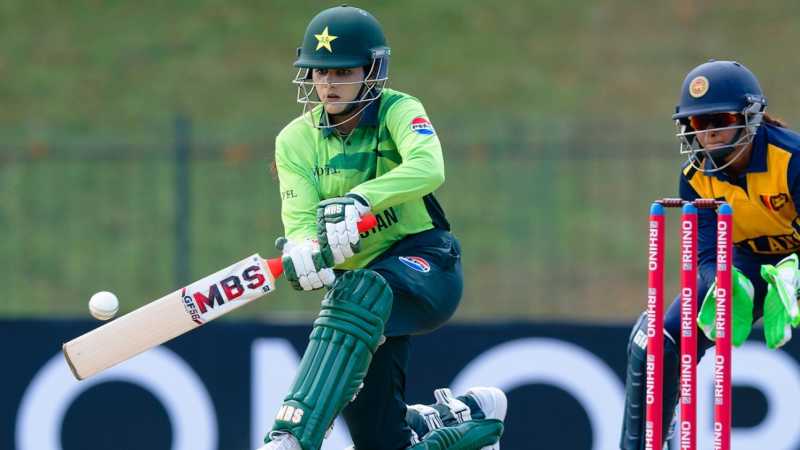
Half-centuries from Gull Feroza and Sidra Amin helped Pakistan start their tour of Sri Lanka on a winning note. After restricting Sri Lanka to 210 for 9, thanks to Nashra Sandhu’s 3 for 42, Pakistan got home with five wickets and seven overs to spare in the first woman’s ODI in Hambantota.
Vishmi Gunaratne, reunited with captain chamari Athapaththu at the top of the order, helped Sri Lanka lay a solid foundation after they opted to bat. The hosts raced to 31 without loss in the first five overs. Gunaratne and Athapaththu soon brought up their fifth fifty-run partnership in ODIs, the most by an opening pair for Sri Lanka.
Once spin came on, the scoring slowed down. Gunaratne was the first to depart when she became Sandhu’s first victim. Athapaththu and Hasini Perera then added 53 for the second wicket before the Sri Lanka captain was bowled by Sandhu. Pakistan applied the squeeze when Sri Lanka were 109 for 2 in the 24th over. The only notable stand for Sri Lanka thereon was between Nilakshika Silva and Kavisha Dilhari, who added 42 for the fifth wicket. But Sri Lanka’s final surge never came and they lost 5 for 32 in the last seven overs to be restricted to a below-par total.
Pakistan hardly broke a sweat in their chase. Feroza struck her fourth successive ODI half-century. She was rapid in the first powerplay, and was the aggressor in the 58-run opening partnership with Sadar Shamas. Feroza then added 90 for the second wicket with Amin, who batted steadily. Feroza eventually fell for a breezy 77-ball 78 while Amin scored 57 off 94 before being dismissed, with victory in sight.
The win was Pakistan’s fifth consecutive ODI win, which put them second on the ICC Women’s Championship points table.
Scores:
Pakistan Women 211 for 5 in 43 overs (Gull Feroza 78, Sidra Amin 57; Kavisha Dilhari 2-37) beat Sri Lanka Women 210 for 9 in 50 overs (Nilakshika Silva 46, Chamari Athapaththu 46; Nashra Sandhu 3-42, Tasmia Rubab 2-34) by five wickets
(CRICINFO)
[Cricbuzzz]

More than 4,200 Israelis storm Al-Aqsa Mosque in Jerusalem

Feroza, Amin, Sandhu shine as Pakistan go 1-0 up against Sri Lanka

Colombo District Waste Management subcommittee convenes at Parliament

Government to coordinate Kotte Rajamaha Viharaya Sri Dalada Maha Perahera

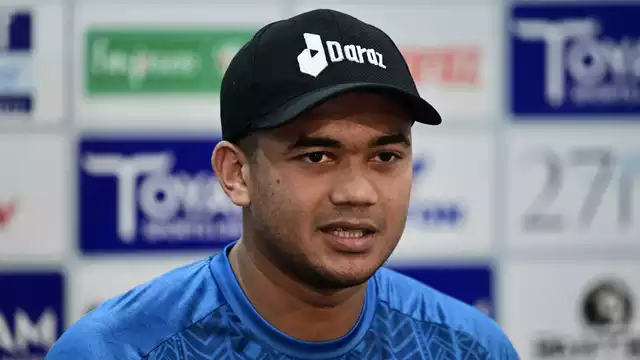
Taskin Ahmed withdraws from LPL to prepare for Australia tour

US and Saudi Arabia announce nuclear cooperation deal

‘Dates have the highest sugar content to fight Coronavirus’

Sunday Island 27 December – Headlines

#SundayIsland 17th December – Headlines

Sunday Island – 28th March

Sunday Island Headlines – 21 March

Sunday Island – 21st February – Headlines
-

 Features5 days ago
Two memorable excerpts from a former SLAF commander’s memoir
-

 Business5 days ago
‘Giving up was never an option’: The fisherman who fought back after losing millions in SL
-
 Latest News5 days ago
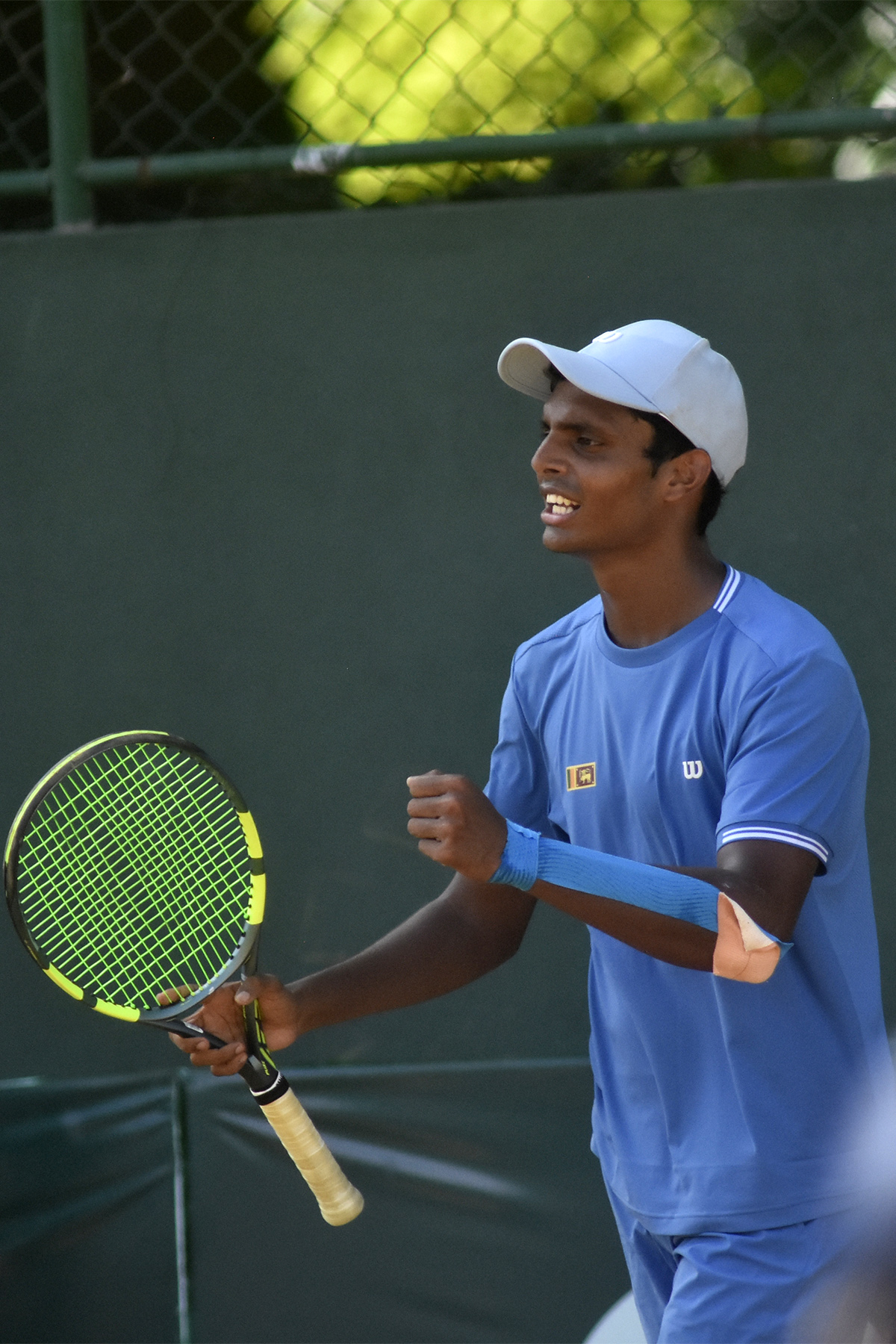
Davis cup Asia/Oceania Group IV 2026 to be held in Colombo from 20th to 25th July
-

 Features5 days ago
Erdoğan’s New Republic
-

 Life style5 days ago
Taste of the Swiss Alps comes to Colombo
-
 News6 days ago
Evidence recorded in money laundering case against Yoshitha Rajapaksa
-
 Midweek Review2 days ago
Three high-profile alleged suicides shaping key investigations
-

 News6 days ago
Dengue outbreak gallops ahead: Infections surpasses 73,455, leaving 50 dead