
Latest News
Shafali Verma, Niki Prasad star as Delhi Capitals seal last-ball thriller

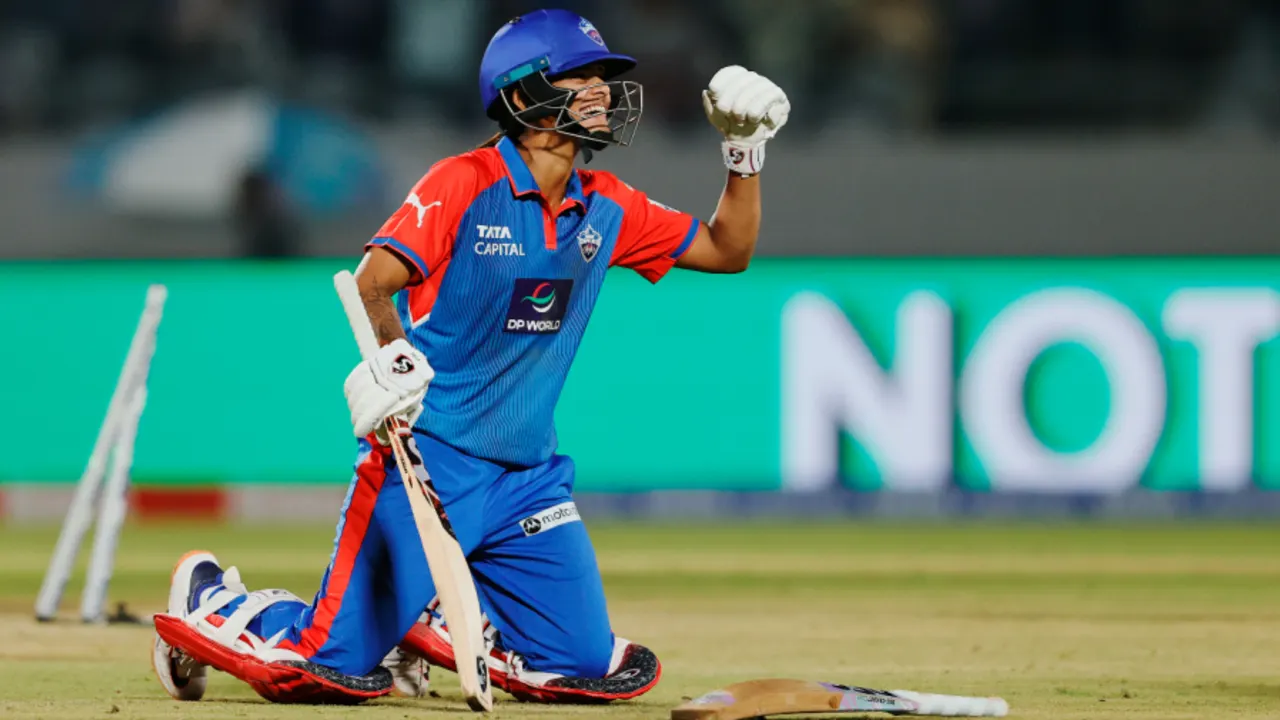
Barely 24 hours after 202 was chased down easily on the opening night of WPL 2025, a target of 165 proved to be tricky on the same pitch for Delhi Capitals, who got over the line on the last ball against Mumbai Indians for a two-wicket win. It came down to 30 from 18, 10 from six, two off the last ball and eventually a matter of centimetres as Arundhati Reddy put in a dive to make her ground that turned out to be the winning runs.
Under-19 World Cup-winning captain Niki Prasad will remember her WPL debut for taking DC within touching distance. She held the chase together in the end with her 35 off 33 and started the last over with a four when they needed 10 to win but holed out when the equation was two off two.
The game otherwise saw collapses in both innings after blazing knocks from the frontline batters. Nat Sciver Brunt led MI to a respectable total with her unbeaten 80 off 59 and Harmanpreet Kaur blasted 42 off 22, but they soon lost 7 for 35. Shafali Verma’s 43 off 18 set the tone for the chase to hammer away 60 runs for DC in the powerplay, but they soon lost four wickets for 16 runs that made the equation far more tense and took it down to the last ball.
As the match got closer and closer with DC losing wickets, there were three run out decisions that all went to the third umpire Gayathri Venugopalan, and those decided the game. The first came in the 18th over when Shikha Pandey was given not out on her first ball, which resulted in DC getting a bye. No part of Pandey’s bat seemed inside the crease when the LED wicket lit up, but the third umpire gave it not out, basing her decision on a later television frame in which the bail was visibly dislodged.
The second came in the next over when DC needed 16 from eight. Radha Yadav was given not out when she ended up bouncing her bat off the ground while diving in; the bat was in the air when the wicket lit up but the umpire, again, was heard going by when the stumps were visibly broken. Radha then smashed the next ball for a six and brought the equation down to 10 off the last over.
The last instance was on the last ball of the game, when DC needed two off two. Reddy put in a dive while trying to complete the second run and the stumps lit up when the bat seemed to be on the crease line but the third umpire gave it not out again and it sparked off celebrations for DC.
Shafali came out all guns blazing even as Shabnim Ismail made Meg Lanning look clueless against her outswingers and beat her six times in 12 balls before eventually knocking over her off stump. Shafali, at the other end, tore into Saika Ishaque with a belligerent hit for a 22-run over. She followed a big six over the covers with four consecutive fours, three of which raced to the off-side boundary and one straight back over Ishaque’s head. Shafali then took Hayley Matthews for 15 runs in the last powerplay over with two fours and a six although she mis-timed one in the same over to midwicket.
Two balls later Lanning fell when Ismail got a fourth straight over and it soon became four wickets in four overs when Jemimah Rodrigues was dismissed by Amelia Kerr and Annabel Sutherland missed a shooter from Sciver-Brunt. When DC thought the partnership between Alice Capsey and Prasad of 33 was bringing them back on track, Capsey found Ismail at long-on and DC were in trouble, still needing 56 off 31 with five wickets down.
The match turned again when another WPL debutant,Sarah Bryce, also punished Ishaque and then followed an edged four off Sciver-Brunt with a six on the leg side. Bryce soon fell though, for 21 off 10, but Prasad held her nerve to chaperone the lower order into the last over before it went down to the last ball.
Pandey made a stellar start to her WPL campaign with some delicious inswing into both right and left-hand batters. She struck twice in her first spell; first in the first over when she made Matthews edge to slip for a duck and four overs later she knocked over Yastika Bhatia’s leg stump in a frugal spell of 3-0-8-2.
The other bowlers were not spared so much though. Capsey leaked 19 runs in an over, with Sciver-Brunt showing her dexterity by placing the ball perfectly in the gaps for boundaries. She dabbed one late off Capsey on off, she scooped Reddy on leg, and she unleashed powerful pulls to help MI to 41 for 2 in the powerplay.
Harmanpreet often starts slow and then suddenly flicks her switch on in T20s, and on Saturday this happened in the eighth over. Once she carved Radha over cover-point for four off a no-ball, Harmanpreet launched the free hit for a six over long-off to make it an 18-run over. Next over, she picked Reddy for a six over long-on in a 15-run over but the assault didn’t last too long.
After back-to-back fours off Sutherland on the off side, Harmanpreet smoked a six over the midwicket rope to reach 8000 T20 runs and followed it with another four over point. But when she went for another slash outside off, she handed a catch to Prasad; nobody else would hit a six in the remainder of the MI innings.
Sciver-Brunt had also struck eight fours by then to lead MI past 100 with Sutherland’s 20-run over. Sciver-Brunt reached fifty off 36 balls to keep MI in touching distance of 10 an over with seven overs to go and seven wickets in hand.
MI, however, slipped and didn’t even last all 20 overs; they lost wickets in nearly every over from thereon. Kerr was run-out at the non-striker’s end when Minnu Mani deflected a ball off her own bowling, S Sajana edged a slower one to the keeper, Amanjot Kaur yorked herself against Capsey to lose her stumps, and there were two more run-outs as the tailenders tried to give the strike to Sciver-Brunt at the death. When she did get strike, she used her power to despatch the older ball and finished with her highest WPL score.
Delhi Capitals Women 165 for 8 in 20 overs (Shafali Verma 43, Niki Prasad 35, sarah Bryce 21; Amelia Kerr 2-22, Hayley Matthews 2-31, Shabnim Ismail 1-18, Nat Sciver Brunt 1-38, Sajeevan Sajana 1-10) beat Mumbai Indians Women 164 in 19.1 overs (Nat Sciver-Brunt 80*, Harmanpreet Kaur 42; Annabel Sutherland 3-34, Shikha Pandey 2-14, Alice Capsey 1-25, Minnu Mani 1-23 ) by two wickets

Latest News
Showers above 100 mm are likely at some places in the Western, Sabaragamuwa, Central, Uva and Southern provinces and in Anuradhapura district

WEATHER FORECAST FOR 08 OCTOBER 2026
Issued at 05.30 a.m. on 08 October 2026 by the Department of Meteorology
Misty conditions can be expected at some places in the Western, Sabaragamuwa, Central and Uva provinces and in Galle and Matara districts during the early hours of the morning.
Showers or thundershowers will occur in the most part of the island after 1.00 p.m. Heavy showers above 100 mm are likely at some places in Western, Sabaragamuwa, Central, Uva and Southern provinces and in Anuradhapura district.
The general public is kindly requested to take adequate precautions to minimize damage caused by temporary localized strong winds and lightning during thundershowers.

Former first lady Shiranthi Rajapaksa, wife of former President Mahinda Rajapaksa was produced before the Hulftsdorp court, after being arrested by officers of the Commission to Investigate Allegations of Bribery or Corruption (CIABOC) and produce
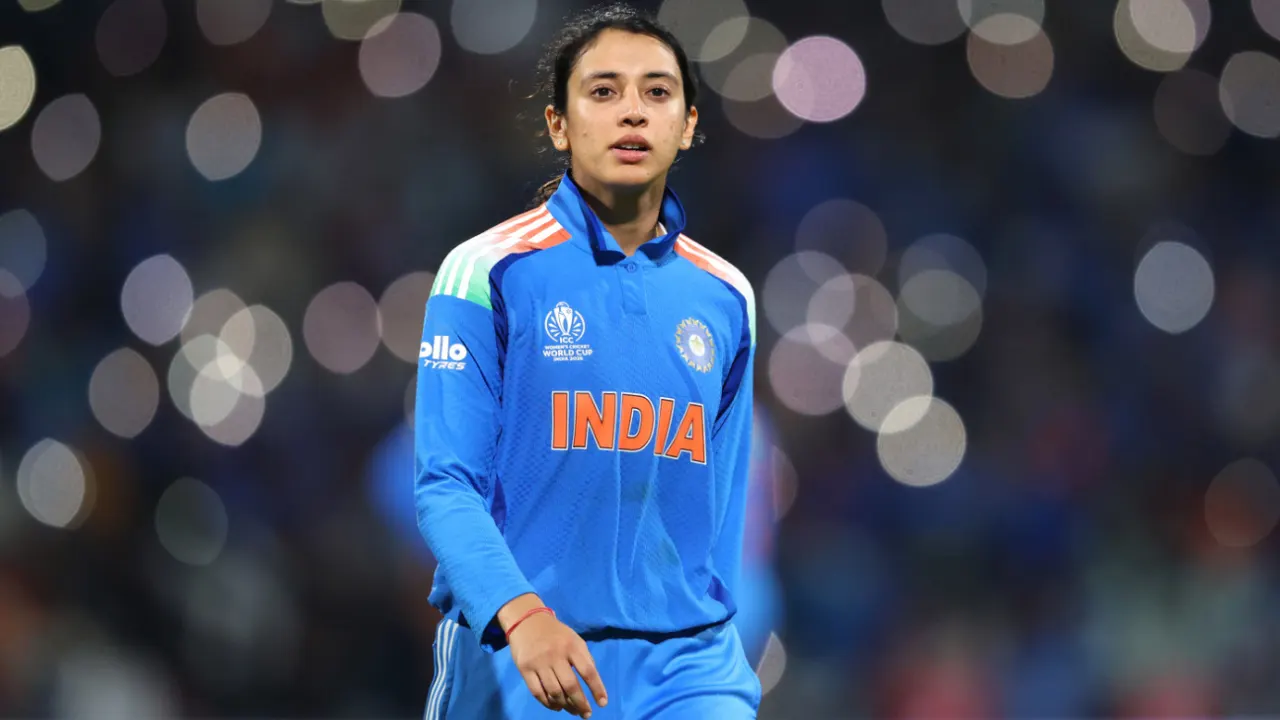
Smriti Mandhana has been named India’s all-format women’s captain on the same day Harmanpreet Kaur stepped down from the role after nearly a decade since she first took over.
Mandhana – vice-captain to Harmanpreet for much of this period – has previously led India in four ODIs and 18 T20Is, apart from captaining Maharashtra in domestic cricket and Royal Challengers Bengaluru in the Women’s Premier League.
Mandhana’s first assignment will be the limited-overs series against Zimbabwe beginning with the three T20Is in Raipur from October 16. On Tuesday, Mandhana was part of the selection meeting chaired by Amita Sharma to pick the squad for the tour.
Terming the appointment a “special honour”, Mandhana also acknowledged the contributions of her predecessor in her welcome note.
“I would also like to acknowledge Harmanpreet and the contribution she has made as captain over the years,” she was quoted as saying by the BCCI. “She has led the team with great commitment and has been an important part of our journey.
“I understand the responsibility that comes with this role and look forward to working with the team, learning along the way and giving my best to take Indian cricket forward.”
Mandhana’s appointment comes on the back of a review meeting held on Monday in Guwahati. Chaired by secretary Devajit Saikia, the meeting was also attended by Mandhana, Harmanpreet and head coach Amol Muzumdar to chart a roadmap forward, with an eye on next year’s inaugural Women’s Champions Trophy in February as well as the T20 World Cup and Los Angeles Olympics in 2028.
Mandhana, India’s best all-format batter, has been knocking on the doors for a while. Earlier this year, she led RCB to their second WPL title, in which she also top-scored in the final.
In September, she overtook Mithali Raj to become the leading run-scorer in women’s international across formats. Her 18 international hundreds are also the most in women’s cricket. She is also the first Indian woman to score centuries in all formats.
[Cricinfo]

Showers above 100 mm are likely at some places in the Western, Sabaragamuwa, Central, Uva and Southern provinces and in Anuradhapura district

PSTA worse than PTA: FSP

Shiranthi R remanded until 13 Oct.

Former NSB Chairman Kariyawasam granted bail

Katchatheevu row: India SC urges fishermen to avoid Sri Lankan waters

Remembering Juvenal, Coke, Acton and Machiavelli

‘Dates have the highest sugar content to fight Coronavirus’

Sunday Island 27 December – Headlines

#SundayIsland 17th December – Headlines

Sunday Island – 28th March

Sunday Island Headlines – 21 March

Sunday Island – 21st February – Headlines
-

 Editorial6 days ago
Colombo Port drug bust: The plot thickens
-

 Features4 days ago
The first woman in the foreign service or Ceylon Overseas Service it was then called
-

 Editorial5 days ago
Fuelling discontent and protest
-

 News3 days ago
Geneva takes up Sallay’s case and govt. ignores opportunity to answer accusations
-

 Foreign News5 days ago
Ten injured after car crashes into rugby supporters in Australia
-

 Latest News5 days ago
Tharindu Rathnayake, bowlers secure Asian Games Bronze for Sri Lanka
-

 News4 days ago
Nearly 20 Iranian tankers stranded off Lanka amid US sanctions
-

 Features3 days ago
Sri Lanka Cricket Bill: Governance reform is not yet a cricket strategy