
Latest News
Samson, Mukesh star as India complete 4-1 series win

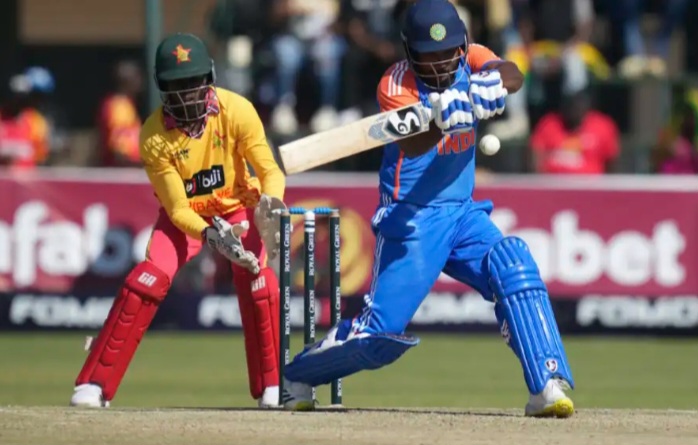
Zimbabwe kept India to a par total of 167 despite a half-century from Sanju Samson and they took the upper hand in the chase after a strong powerplay. However, Mukesh Kumar, Washington Sundar and Shivam Dube hit back with the ball to sniff out any chance of a Zimbabwe victory, and India sealed a 42-run win to complete a splendid series turnaround in Harare after losing the opening fixture of the series.
Sunday’s victory was India’s fourth win in a row, all completed in comfortable fashion.
After Zimbabwe captain Sikandar Raza won the toss for the first time all series, he sent India in. Yashasvi Jaiswal began with two sixes off the firstbani two balls of the match, including one off a Raza no-ball, but the opener could not maximise his start, and was bowled in the first over itself.
That brought in Abhishek Sharma, but his stay was brief too, Blessing Muzar getting him caught behind with a length ball angling across him. Shubman Gill followed Abhishek to the hut when a Richard Ngarava short ball got big on him, and he sliced a mis-hit to mid-on.
The three top-order wickets left India at 44 for 3 after the powerplay and forced a rebuild from No. 4 Samson – he was pushed up in Ruturaj Gaikwad’s absence – and No. 5 Riyan Parag, who was batting for the second time this series. They batted together for 56 balls, and even though they added only 65 for the fourth wicket, they ensured India arrested a potential collapse. Parag made a 24-ball 22 and was out to legspinner Brandon Mavuta when he tried to up the scoring rate.
Samson, though, made full use of the time he took to get going. At one stage he was on 17 off 18 balls, but when Mavuta bowled in his arc, he capitalised to up the scoring rate. Samson struck four sixes in all, and just the lone four, and when he fell in the deep in the 18th over trying to take Muzarabani on, he was out for a 45-ball 58.
With 15 balls to go and India at 135 for 3, the base was set for an aggressive finish. Dube ruined Ngarava’s economy rate by smacking him for 4, 6, 4 in the 19th over in his 12-ball cameo of 26, and Rinku Singh hit a six in the 20th to ensure India finished above 160. Muzarabani picked up 2 for 19 in his four overs, and was the best of the five bowlers used by Zimbabwe.
Back in the XI for the final game of the series, Mukesh continued his habit of striking early, taking his third first-over wicket in three outings. This time, Wessly Madhevere was the victim, chopping on off a ball that moved into the right-hand batter sharply to fall for a duck.
Mukesh added a second when he tempted Brian Bennett (10) to play over the off side with a full ball swinging away, but the No. 3 could only slice to deep backward point, leaving the hosts 15 for 2 in the third over.
Mukesh could have had a third, pegging back Tadiwanashe Marumani’s stumps after a tidy spell to the left-hander from around the wicket, but he had overstepped, and it briefly looked like an expensive mistake as Marumani and No. 4 Dion Myers (34) attacked seamer Tushar Deshpande and wristspinner Ravi Bishnoi.
They went particularly hard against Bishnoi, a player Zimbabwe have struggled against all series, and the wristspinner began with a 16-run sixth over that took Zimbabwe to 47 for 2.
Washington took the ball after the powerplay, and struck in his second over from around the wicket to Marumani, who was lbw trying to slog across the line. That dismissal forced a slowdown, allowing India to drag the game back into their favour with Bishnoi and Washington controlling proceedings.
Dube eventually finished with 2 for 25, while Abhishek and Deshpande also picked up a wicket apiece with the game going out of Zimbabwe’s grasp. Faraz Akram (27 off 13) entertained the home crowd with two fours and two sixes late in the innings before being caught behind off Mukesh in the 19th over. No. 11 Ngarava then had no answer to a full, fast delivery, and Mukesh finished with his best T20I figures – 4 for 22.
Dube was adjudged Player of the Match for his 12-ball 26 and 2 for 25. Washington claimed the Player-of-the-Series trophy for his eight wickets at an average of 11.62 and an economy rate of 5.16.
Brief scores;
India 167 for 6 in 20 overs (Sanju Samson 58, Shivam Dube 26, Ryan Parag 22; Sikandar Raza 1-37, Richard Ngarava 1-29, Blessing Muzarabani 2-19, Brandon Mavuta 1-39) beat Zimbabwe 125 in 18.3 overs (Dion Myers 34, Tadiwanashe Marumani 27, Faeaz Akram 27; Mukesh Kumar 4-22, Shivam Dube 2-25, Tushar Deshpande 1-25, Washington Sundar 1-07, Abhishek Sharma 1-20) by 42 runs

Latest News
I extend my heartfelt wishes to all the sons and daughters of our country for a Happy World Children’s Day – President

Children’s Day Message from President Anura Kumara Dissanayake:
“Children are the most valuable asset of a nation. Ensuring their physical and mental well-being and creating an environment conducive to their proper development is a primary responsibility of any government. Children’s imagination, aspirations and creativity will determine the shape and colour of the country tomorrow. The country we build for children must not merely be a country prepared to be handed over to them in the future; it must be a country that gives space to their dreams today, listens to their voices and provides opportunities for them to realise their potential.
For the best interests of children, we are taking the necessary steps to ensure equal access to education, guidance, social protection, opportunities for sport, leisure and recreation, proper nutrition and access to healthcare, while protecting children from all forms of violence and discrimination and safeguarding their rights.
Race, religion, economic status, geographical background or any other circumstance should not be a barrier to any child’s education or proper development. Every child should have equal and fair opportunities to realise their potential, pursue their dreams and create the future they wish for themselves. To this end, we have already begun the process of reforming the education system in Sri Lanka, transforming it towards a skills-based system suited to the new world, one that does not place a burden on parents or cause distress to children.
Our aim is to ensure that no child is left behind in the new Sri Lanka we are building, and to provide every child with opportunities for development in a safe environment. It should be emphasised that the fundamental objective of all the programmes being implemented, from expanding educational scholarships to securing the future of children growing up in child development centres and those in need of care, is to create a dignified and secure tomorrow for every child in the country.
It is the aspiration of every parent to give their children a better life than the one they themselves experienced. We are currently steering the country’s economy towards a correct and stable direction in order to provide children with a safe and happy childhood, free from the shadows of an unstable economy. At the same time, we have launched the national operation “A Nation United” (Ratama Ekata), bringing everyone together to free the younger generation from the menace of illicit drugs.
At a time when we are working towards the goal of building a safe and better country for children, I greatly appreciate the initiative of the Ministry of Women and Child Affairs in organising this year’s World Children’s Day celebrations under the theme “Strong Minds – Enriched Children”, declaring a National Children’s Day Week and conducting a range of meaningful programmes aimed at strengthening children’s rights, well-being, protection, education and freedom.
I extend my heartfelt wishes to all the sons and daughters of our country for a Happy World Children’s Day”.

Sri Lanka won the toss and elected to bowl first in the Asian games semifinal clash against India.
Sri Lanka XI: Lasith Croospulle, Sineth Jayawardene, Sohan de Livera (wk), Ashen Bandara, Sahan Arachchige (c), Nuwanidu Fernando, Chamika Karunaratne, Wanuja Sahan, Tharindu Rathnayake, Binura Fernando, Vijayakanth Viyaskanth

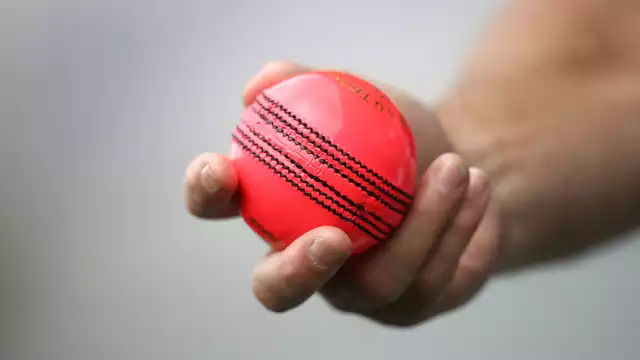
ICC introduces pink-ball daytime Test trial, new time-wasting penalties

Discussion on Anuradhapura Sacred City Development Plan

India enter Asian Games final after Kishan and Bumrah ride roughshod over Sri Lanka

I extend my heartfelt wishes to all the sons and daughters of our country for a Happy World Children’s Day – President

Sri Lanka bowl first in semi final clash against India

Trump hints US could strike Iran, warns time coming

‘Dates have the highest sugar content to fight Coronavirus’

Sunday Island 27 December – Headlines

#SundayIsland 17th December – Headlines

Sunday Island – 28th March

Sunday Island Headlines – 21 March

Sunday Island – 21st February – Headlines
-

 Editorial6 days ago
Birth of a bad law
-

 Features7 days ago
Beyond traditional jobs: Why Sri Lanka needs to facilitate the gig economy
-

 News4 days ago
Police remove Thileepan statue in Jaffna
-
 Latest News7 days ago
Kusal, Wellalage star as Sri Lanka defend 322 in Headingley thriller
-

 News6 days ago
TIN mandatory for key transactions from Nov. 1
-

 Features4 days ago
The 22nd Amendment, constitutional recovery and illiberal slippage
-

 Features4 days ago
Of foreigners as CEOs of Lankan ventures
-

 News4 days ago
Sajith rejects Jt. Opp. protest sabotage claim; SJB TU chief demands remedial action