
Opinion
Rise against state repression: A call to the people

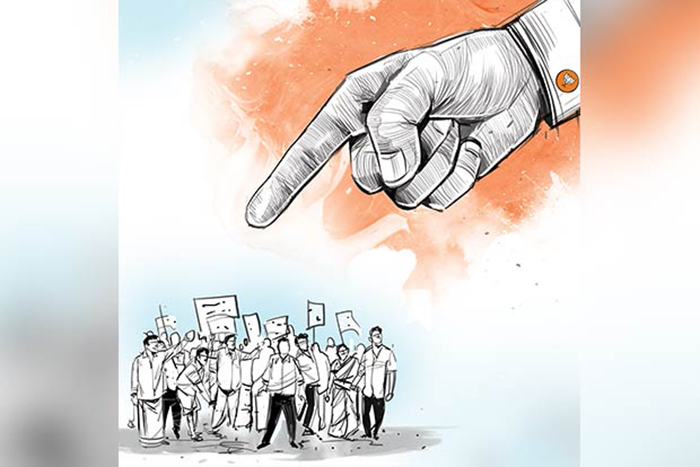
2022 has seen the most dramatic uprising of people against the government’s tyrannical rule since independence. Amidst a devastating economic crisis, the people raised their voices against corruption, misrule and economic mismanagement, demanding greater democracy. Instead of heeding the people’s call for change in the political culture and economic accountability, the government has responded with repression. The state’s crackdown on protesters is intended to prevent the expression of public dissatisfaction with the administration, as well as the austerity measures it has imposed which are causing tremendous hardship and suffering.
We, the undersigned, call on the government to acknowledge the sovereignty of the people, to cease its persecution of protestors, and ensure the civil, political and economic rights of all citizens, especially of marginalised and vulnerable communities. The multiple, interconnected political and economic crises confronting us now cannot be resolved through a move towards greater authoritarianism but by the people’s continued involvement in the democratic space that has been created and by an administration willing to engage with its citizens.
The Security State
From its inception, state security and its repressive arms were key to the functioning of the Sri Lankan postcolonial state. The insurgencies in the south and the rise of militancy in the north and east, the protracted war that lasted almost 30 years, were used to legitimise the repressive arms of the state. The all-powerful executive presidency (1978) compounded matters by densely concentrating executive powers in one office, enabling swift authorisation of questionable laws and actions.
In 1979, the Prevention of Terrorism Act (PTA) was introduced, giving the government sweeping powers to arrest anyone without a warrant on the hazy grounds of their engaging in “unlawful activities” and detain them for up to 18 months without being produced before a court, and often incarcerating them for decades without a fair trial. Presented, debated and enacted in parliament within a single day, the PTA was a “temporary” measure to purportedly stem the tide of Tamil militancy. It was complemented by several other organised forms of repression. In addition to the Criminal Investigation Department (CID), units like the police Special Task Force (STF), and the Terrorist Investigation Division (TID), paved the way for increased securitisation and militarisation of the state. In the long years of the war and unrest, militarisation seeped into the fabric of society.
Post War and Post Easter Bombings
The template for what we see today was shaped during the post-war years as well, as the state continued to target minorities. Instead of pursuing genuine reconciliation and power-sharing, the state reinforced its military apparatus in the north and east. This has allowed the retention of High Security Zones, preventing people from returning to their homes and livelihoods, and enabled land grabbing that is rationalised in the name of security or development. In the aftermath of the Easter bombings of April 2019, in which some 270 people lost their lives, anti-terror campaigns targeted Muslim youth. Terror and fear seized the Muslim community as they came under attack by the repressive arms of state security. The PTA was to arbitrarily arrest and confine persons known and unknown, on very flimsy charges. The arrest and detention of Hejaaz Hizbullah and Ahnaf Jazeem are only two cases in point of how the PTA is used in a gross violation of all concerns of justice.
An earlier development in this regard has drawn insufficient public attention. In compliance with UN Security Council Resolution No. 1373 calling on member states to take measures to curb terrorist activity, the Sri Lankan state drew up a list of names in 2020, identifying 300-odd persons as terror suspects. The overwhelming majority of those named in the list are Muslim and Tamil. Some were already behind bars during the period in which they are suspected of having engaged in suspicious activity. Persons included in the list undergo untold difficulties: they no longer enjoy access to their financial assets and have no indication of when they may expect to have such access again. They cannot seek legal redress because their financial assets are barred to them. They have trouble securing or holding on to employment due to the disrepute of being included in the list. They live under constant surveillance, with the threat of potential punitive measures despite the absence of any evidence of misconduct.
Bureau of Rehabilitation Bill
The Bureau of Rehabilitation Bill is the most recent in a series of laws that seek to sanction repression by the state and must not be viewed in isolation, but in the totality of a process we understand as securitisation of the state. The broad reach of the Bill allows for sending into compulsory detention “drug dependent persons, ex-combatants, members of violent extremist groups and any other group of persons” without necessarily citing sufficient cause for such action.
Even though the Supreme Court has ruled that “certain provisions” of the Bill are unconstitutional such as the reference to ‘ex-combatants’ and ‘any other persons’, the criminalisation of drug dependency that seems to be considered unproblematic suggests that the law itself should not be accepted without questioning. Its draconian features allow virtually any person to be sent into detention and it does not specify the procedure by which claims of drug abuse, past involvement in armed activity, and violent extremism may be reasonably established. It leaves space for the criminalisation of democratic activism that has characterised our recent past. The Bill in its entirety should be struck down.
The Current Moment of Repression
Today, person after person is being arrested and detained. The lens of surveillance has dramatically turned to those who are deemed central to the people’s movement of the Aragalaya. Those who have stood up to state violence, including students, are being picked off the streets and sent away, into the dark corners of detention.
We are staring into the gaping mouth of a police state. We have to reclaim our voice, and rise against all acts of repression and all legal manoeuvres that are designed to silence dissent, resistance and democratic action. This is the task at hand, where we citizens must reclaim the democratic space to put an end to authoritarian repression. It is through democratic participation, through dialogue, protests and the vote, that the tremendous economic and political crisis can be addressed in the interests of all the people of Sri Lanka.
Signed:
Ranil Abayasekara, formerly University of Peradeniya
Udari Abeyasinghe, University of Peradeniya
Asha L. Abeyasekera, formerly University of Colombo
M.M. Alikhan, University of Peradeniya
Liyanage Amarakeerthi, University of Peradeniya
Fazeeha Azmi, M. I., University of Peradeniya
Crystal Baines. formerly, University of Colombo
Navaratne Bandara Formerly University of Peradeniya
Visakesa Chandrasekaram, University of Colombo
Erandika de Silva, University of Jaffna
Nadeesh De Silva, the Open University of Sri Lanka
Nirmal Dewasiri, University of Colombo
Kanchuka Dharmasiri, University of Peradeniya
Priyan Dias, Emeritus Professor, University of Moratuwa
Avanka Fernando, University of Colombo
Priyantha Fonseka, University of Peradeniya
Savitri Goonesekere, Emeritus Professor, University of Colombo
Camena Guneratne, Open University of Sri Lanka
Dileni Gunewardena, University of Peradeniya
Farzana Haniffa, University of Colombo
Shyamani Hettiarachchi, University of Kelaniya
Gayathri Hewagama, Visiting Lecturer, University of Peradeniya
Charudaththe B. Illangasinghe, University of the Visual and Performing Arts
Prabhath Jayasinghe, University of Colombo
Theshani Jayasooriya, University of Peradeniya
M. W. A. P. Jayatilaka, Retired, University of Peradeniya
Barana Jayawardana, University of Peradeniya
Pavithra Jayawardena, University of Colombo
Ahilan Kadirgamar, University of Jaffna
Anushka Kahandagamage, formerly University of Colombo
Pavithra Kailasapathy, University of Colombo
Maduranga Kalugampitiya, University of Peradeniya
A. K. Karunarathne, University of Peradeniya
Madara Karunarathne, University of Peradeniya
Chulani Kodikara, Visiting Lecturer, Faculty of Graduate Studies, University of Colombo
Pradeepa Korale Gedara, University of Peradeniya
Savitri Nimal Kumar, University of Peradeniya
Ramya Kumar, University of Jaffna
Shamala Kumar, University of Peradeniya
Vijaya Kumar, Emeritus Professor, University of Peradeniya
Amal Kumarage, University of Moratuwa
Aminda Lakmal, University of Sri Jayewardenepura
Rohan Laksiri, University of Ruhuna
Abdul Haq Lareena, Sabaragamuwa University
Hasini Lecamwasam, University of Peradeniya
Kamala Liyanage, Professor Emerita, University of Peradeniya
Nethmie Liyanage, University of Peradeniya
Sachini Marasinghe, University of Peradeniya
Tharinda Mallawaarachchi, University of Colombo
Sudesh Mantillake, University of Peradeniya
Prabha Manuratne, University of Kelaniya
Mahim Mendis, Open University of Sri Lanka
Rumala Morel, University of Peradeniya
Sitralega Maunaguru, retired formerly Eastern University of Sri Lanka
Kethakie Nagahawatte, University of Colombo
Sabreena Niles, University of Kelaniya
M. A. Nuhman, formerly University of Jaffna
Gananath Obeyesekere, formerly University of Peradeniya
Ranjini Obeyesekere, formerly University of Peradeniya
Arjuna Parakrama, University of Peradeniya
Sasinindu Patabendige, University of Jaffna
Pradeep Peiris, University of Colombo
Kaushalya Perera, University of Colombo
Nicola Perera, University of Colombo
Ramindu Perera, The Open University of Sri Lanka
Ruhanie Perera, University of Colombo
Sampath Rajapaksa, University of Kelaniya
Ramesh Ramasamy, University of Peradeniya
Harshana Rambukwella, The Open University of Sri Lanka
Rajitha Ranasinghe, University of Peradeniya
Rupika Subashini Rajakaruna, University of Peradeniya
Aruni Samarakoon, University of Ruhuna
Athula Siri Samarakoon, The Open University of Sri Lanka
Dinesha Samararatne, University of Colombo
Unnathi Samaraweera, University of Colombo
T. Sanathanan, University of Jaffna
Samitha Senanayake, formerly University of Peradeniya
Kalana Senaratne, University of Peradeniya
Anusha Sivalingam, University of Colombo
H. Sriyananda, Emeritus Professor, the Open University of Sri Lanka
Sivamohan Sumathy, University of Peradeniya
Hiniduma Sunil Senavi, University of Sabaragamuwa
Esther Surenthiraraj, University of Colombo
V. Thevanesam, Emeritus Professor, University of Peradeniya
Dayapala Thiranagama, formerly University of Kelaniya
Mahendran Thiruvarangan, University of Jaffna
Deepika Udagama, University of Peradeniya
Ramila Usoof, University of Peradeniya
Jayadeva Uyangoda, Professor Emeritus in Political Science, University of Colombo
Vivimarie Vanderpoorten, Open University of Sri Lanka
Ruvan Weerasinghe, University of Colombo
Nira Wickramasinghe, formerly, University of Colombo
Ranjit Wijekoon, formerly University of Peradeniya
Dinuka Wijetunga, University of Colombo


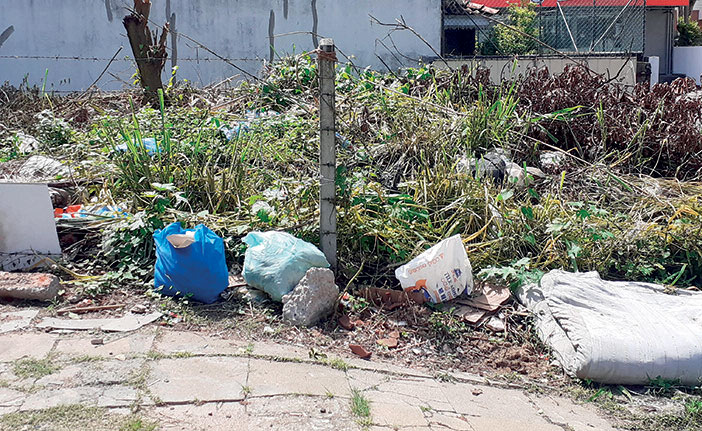
I am writing to draw public attention to a serious health hazard regarding a property located at elvitigala mawatha, belonging to the national housing development authority (NHDA)
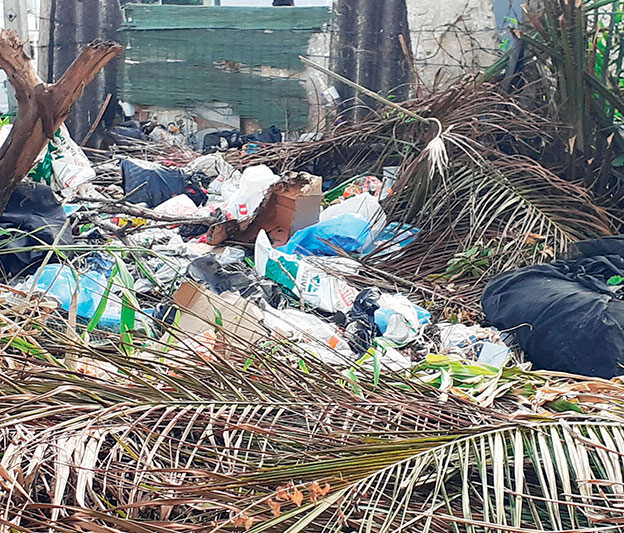
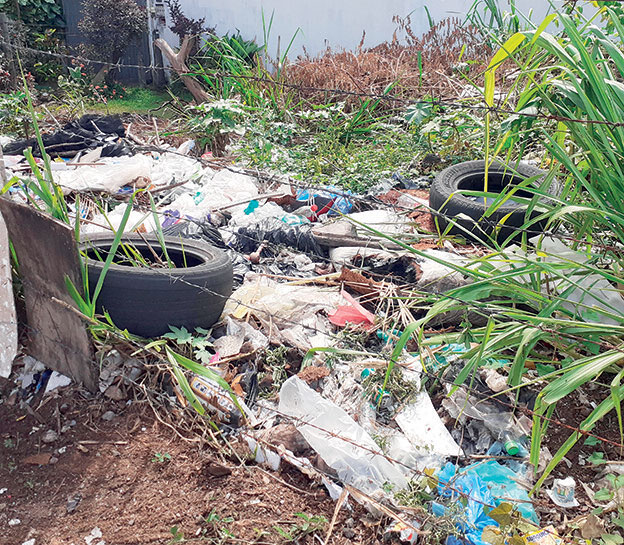
As seen in the attached photographs, the site is filled with waste that traps water and provides shelter for mosquitoes. Despite repeated complaints, no action has been taken to clean the premises.
This is extremely concerning given the current dengue situation. As of July 18, the National Dengue Control Unit reported over 73,500 dengue cases and 50 deaths nationwide this year, with Colombo being one of the worst affected districts. Residents, including children and the elderly living nearby, are now at direct risk.
PHIs have previously noted that legal action against government premises for dengue breeding is often blocked. If this continues, we are essentially allowing a government property to endanger public health.
I therefore urge the Colombo Municipal Council, the Ministry of Health, and the National Dengue Operations Centre to intervene immediately, clean this property, and hold the authorities concerned accountable before it leads to more dengue cases in our community.
Concerned Citizen
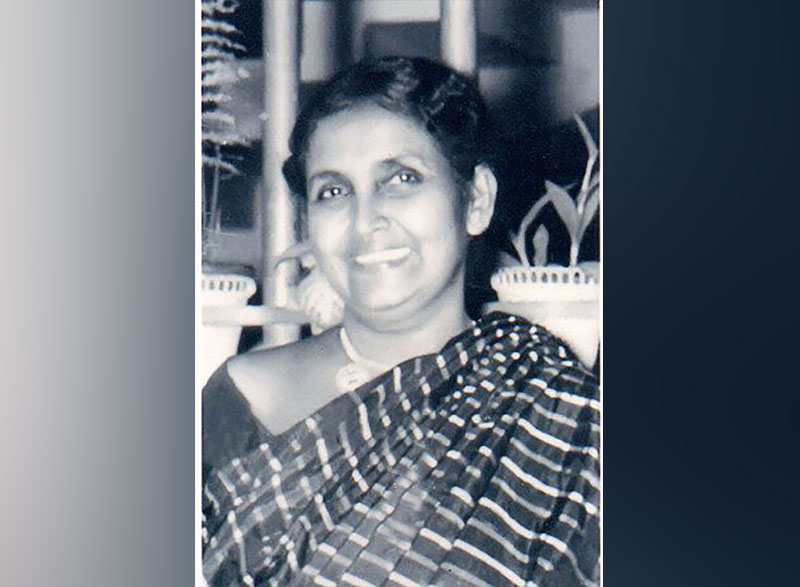
(Written by the late Lakshmi Nimalasuriya in July 1986 and published to mark Lucille’s 40th death anniversary)
She was a special friend. We first met when she was president and I was honorary secretary of a voluntary organization. We worked together in great harmony. She was a person of outstanding merit and enmeshed in dreams and goals which she pursued with unflagging zeal.
Her wealth and position made no impact of exclusiveness, nor the advantages she had as a politician’s wife make her dominating.
She was intelligent, receptive and warm hearted and an indispensable member of the All-Ceylon Buddhist Women’s Association and the All-Ceylon Buddhist Congress. She had the ability to respond to any situation and act with confidence – the criterion of leadership.
She was invited to serve on national councils sponsored by the government and was successful in redistributing the allocation of grants which had continued to be unequal and favoured. She was an active member of the Inner Wheel Club adept at fund-raising and was in great demand. She worked long hours in preparation and enlisted all she knew to make the Flag Days successful. She wooed the wives of diplomats for charity performances and the press for publicity. By her tireless efforts she enriched the ever-depleting coffers of these voluntary organizations.
The spiritual growth of young people was a subject close to her heart. She initiated the Youth Forum of the ACBC. She was indeed a happy mother at the time of her death as all her children had grown up to become good citizens.
She was a gifted and versatile person who could sing, write, draw, paint, design, sew and make lovely handicrafts with effortless ease. So, be it an important occasion like her children’s weddings, or mundane functions, fetes, annual general meetings, or at a simple pinkama in the temple or nunnery, or on a sacred day, her lovely creations which she spent hours in making in silent enjoyment would add that splash of gaiety and festivity which delighted us. She told me she learnt this love of decoration from her father who was an eminent Buddhist worker. Underlying all her work was her dedication to the Buddha Sasana.
The death of her teenage daughter early in life, and the death of her husband, who pre-deceased her by a few years, left her inconsolable and she with great difficulty reconciled herself to their loss.
She relives again in memory – Here she comes, a winsome smile on her lovely face, of graceful stature, her wavy hair drawn back, her favourite throatlet around her neck; with friendly charm, her hand out-stretched to help and bound to a generous heart, so she rightly claimed her name of endearment – she was to all Lucilla akka, sister Lucille.
May she soon attain her goal – the end of suffering – Nibbana.
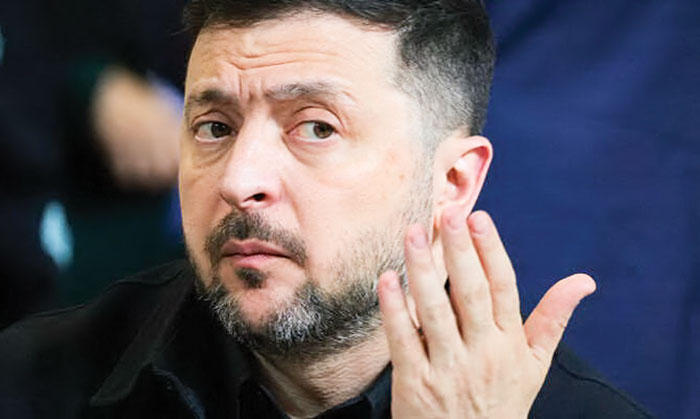
A leadership crisis that exposes the strategic fault lines of Ukraine’s war effort—and the competing imperatives of domestic command, Western pressure, and battlefield reality.
Ukrainian President Volodymyr Zelensky’s abrupt dismissal of Defence Minister Mykhailo Fedorov and his broader cabinet reshuffle have exposed a deep fracture within Ukraine’s wartime power structure. This extends far beyond personalities and into the strategic orientation of the state itself. What is unfolding is not merely a bureaucratic dispute but a crisis of command in a country prosecuting a high intensity, NATO-supported war against Russia.
On 16 July, protests broke out in Kyiv demanding the removal of Commander in Chief Oleksandr Syrskyi and the reinstatement of Fedorov. Smaller demonstrations occurred in Odessa, Lviv, Kharkiv, Lutsk, Dnipro, and other cities. These protests, which have continued for a week, signal a rupture within the prowar bloc that has sustained the Zelensky administration since 2022.
Antiwar sentiment did not drive the demonstrations, in which the “usual suspects” of US-backed “Colour Revolutions” took part. In this case, veterans, territorial defence networks, and upper middleclass “civil society” actors, who remain committed to the war’s continuation. Their demand for Fedorov’s reinstatement reflects a belief that Zelensky has lost operational coherence and strategic clarity. Placards bearing Fedorov’s name were, in effect, endorsements of escalating long range warfare against Russia, despite the catastrophic human toll already borne by both sides.
The political shock waves have reverberated through Ukraine’s Western patrons. The Mayor of Kyiv, Vitaly Klitschko, a major player in the 2014 “Maidan Coup” who is aligned with German strategic interests, condemned the firing publicly as a “big mistake,” while major Western media outlets described the move as “destabilising.” Behind the scenes, officials in Washington and Brussels viewed the sudden change with alarm. Such reactions reveal the degree to which Fedorov had become embedded in Western military technical planning, particularly in the domain of drone warfare, where Ukraine’s operations increasingly intersect with NATO intelligence and logistical support.
This conflict has emerged precisely as Ukraine intensifies drone strikes deep inside Russian territory and escalates operations against Crimea. Fedorov, appointed only six months ago, became the face of this strategy, celebrated by Western media as a “drone warfare mastermind” and criticised domestically for sidelining artillery procurement. His approach aligned closely with NATO’s interest in testing and refining asymmetric strike capabilities against Russia.
Zelensky’s subsequent hints that he may reconsider the decision underscore the precariousness of his position. His authority now rests on a fragile balance between Western expectations, domestic military factions, and a society exhausted by mobilisation. His consultations with both Syrskyi and Fedorov suggest an attempt to reassert control over a command structure that is no longer unified.
Fedorov’s postdismissal revelations sharpen the picture. His claim that Syrskyi and Chief of the General Staff Andrii Hnatov blocked reform initiatives systematically, and that Syrskyi enabled corruption, points to a structural clash between two models of warfare. The Western media has analysed the row as one in which Fedorov represents a Westernaligned, technologydriven paradigm emphasising drones, automation, and longrange strikes. It portrays Syrskyi as embodying an entrenched Sovietera command culture, reliant on artillery, mass mobilisation, and hierarchical control. Zelensky’s decision to side with Syrskyi is presented as a political calculation, preserving the loyalty of the traditional military establishment at the expense of the “reformist” faction.
However, Fedorov’s political alliances complicate this narrative. His cultivation of farright networks, including neo Nazi blogger Serhii Sternenko, reveals the darker undercurrents of Ukraine’s wartime coalition. Sternenko’s role in the 2014 Odessa massacre underscores how extremist actors continue to intersect with state structures, especially in moments of institutional fragmentation.
In actual fact, the power struggle reflects a contradiction between two elite strategies for managing subordination. Ukraine is a subaltern national state embedded in a wider hierarchy of imperialist power. Fedorov is tied to global centi-billionaires and Western technology platforms. His camp can look “more Western” because it is more integrated into transnational circuits of capital and war-tech. The apparent modernity of that model still carries dependency: it improves efficiency while deepening reliance on external monopolies. The war state becomes dependent on foreign-owned infrastructure, satellite systems, software, and elite relationships, which gives external capital leverage over military coordination and political priorities.
Syrskyi, by contrast, is closer to an older form of domestic elite power: the military-bureaucratic order linked to native oligarchic interests, procurement channels, and patronage. This is a more nationally rooted fraction of the bourgeois bloc, but not necessarily a more independent one, because Ukrainian oligarchic power has long been intertwined with Western finance, arms flows, and state restructuring.
The struggle between Syrskyi and Fedorov therefore reflects competing modes of dependency, and (although clearly the Western establishment favours the latter) not a clean split between “national” and “Western” camps. One route passes through transnational tech capital and managerial reform; the other through entrenched oligarchic-military command and domestic networks of influence. The clash is therefore not an isolated dispute but a symptom of an intra-elite struggle over how Ukraine should be governed as a dependent war economy. Neither side points beyond bourgeois rule; they are different management styles of the same subordinated state form.
Taken together, the crisis reflects a deeper geopolitical reality: Ukraine’s war effort is no longer anchored by a unified elite consensus. Instead, it is being pulled apart by competing military doctrines, Western strategic pressures, corruption scandals, and the exhaustion of a society asked to sustain indefinite mobilisation.
Vinod Moonesinghe, formerly chair of the Ceylon German Technical Training Institute and of the National Institute for Language Education and Training, serves as Convenor of the Asia Progress Forum.
By Vinod Moonesinghe ✍️

Sooryavanshi the star as India complete 3-0 sweep

US and Iran hit pause on strikes for second day

Showers will occur in the Western, Sabaragamuwa and North-western provinces and in Galle, Matara, Kandy and Nuwara-Eliya districts

Chamika, Colambage help Galle Gallants consolidate top spot

BASL challenges NPP MP to repeat false claims outside Parliament

Judges’ retirement age row: Govt.-BASL powwow on the cards

‘Dates have the highest sugar content to fight Coronavirus’

Sunday Island 27 December – Headlines

#SundayIsland 17th December – Headlines

Sunday Island – 28th March

Sunday Island Headlines – 21 March

Sunday Island – 21st February – Headlines
-
 Features1 day ago
MBS: The Man of the Last Laugh
-
 Features1 day ago
A Landmark Gathering of Minds: The Ceylon Journal Roundtable Revives the Spirit of Intellectual Dialogue
-
 Midweek Review5 days ago
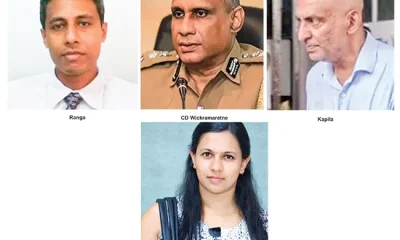
Three high-profile alleged suicides shaping key investigations
-
 Latest News2 days ago
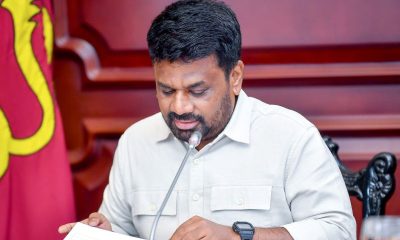
Develop a programme to allocate underutilised state land for investment by returning migrant workers – President
-
 Life style1 day ago
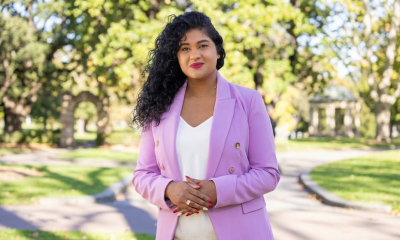
A proud Sri Lankan voice in Australian Parliament
-

 News2 days ago
Fort Magistrate orders arrest of MP Archchuna
-

 Editorial1 day ago
‘Cockroaches’ tame a mighty regime
-
 Editorial2 days ago
An indictment of all parties