
Features
Restaging Z-Score Debacle


The release of the Z scores for university admission by University Grants Commission (UGC) has brought thousands of complaints and issues from the students, parents, teachers and other stakeholders into discussion. Some others have vowed to take the issue to courts, expecting a fair and just solution.
Most of the complaints are related to the issue of two different cutoff Z scores for new syllabus and old syllabus and comparisons thereof. It is understood that the solutions proposed to resolve a crisis must not only be fair and legal but also seen to be reasonable for the stakeholders. Print media during the last couple of weeks published several opinions on this issue and the use of Z score for university admission is often blamed as the reasons for these discrepancies. It is time we had a closer look at the problem and baseless allegations against the use of Z-score for university admission. The use of Z-score in place of aggregated marks of the three subjects is, by all means, a better method, which has been amply demonstrated with data and examples and subjected to discussion since its introduction for university admission in 2003.
 There is a diverse degree of variability in nature itself and so it is with the humans and their work. The scientific discipline called statistics provides the conceptual and procedural approaches to understand the variability and manage it fairly and equitably. Due to the inherent variability present in question papers and evaluations, it is very well understood that the simple aggregate obtained from the marks of different subjects is not a fair criterion for determining the eligibility for university admission. The degree of difficulty of the question papers in different subjects varies significantly and also there are variations of the aptitude measurement scale in different years. Therefore, it was not possible to have a fixed cut-off mark or simple aggregate solution to determine eligibility for university admission. For example, marks for one subject could have a range from 5 to 70 while the range for another subject spans from 45 to 99. A student who obtained 70 is the best among the lot in the first case and the one who obtained 70 in the second case is a mediocre student. When the simple aggregate is taken as the criterion for university admission, the best student in the first case is treated equally with the mediocre student who opted for a relatively easy subject as in the second case. Within the general assumption that students who sit for these two different subjects have a more or less equal level of competence, the disparity in the relative difficulty of the question papers or evaluation criteria warrants some sort of an approach for standardization. This issue was the theme for a series of discussions in academic circles and despite several advanced methodologies available for standardization, the Z score approach was adopted about 20 years back as the criterion for university admission due to its simplicity, computational convenience, application efficiency and the need for only two parametric estimates for its calculation.
Today, the issue is somewhat different and it is not possible to assume that the students who sat for two different papers in the same subject are having a more or less equal level of competence or they are random picked from the larger population. The first group has sat for the examination for the first time and the other group has at least attempted to pass the examination on one or more previous occasions. This is evident from the number of the first, second and third attempt students in different disciplines. In exploring a solution to this present problem, the underlying assumptions made in calculating the Z score rankings need to be reexamined. One of the assumptions is that the aptitude of knowledge and skills of the student population opting for different subjects or subject streams are not significantly different. This assumption should be validated now because almost all the students who sat the examination under the old syllabus except those with valid medical or other reasons have made a failed attempt to enter university earlier.
Those who qualify from the new syllabus are a group of students who took the examination for the first time. The assumption of equal knowledge and similar competency level and skill background for these two diverse groups introduces an error into the fair selection process. It is not possible to issue a single series of Z-scores for these two groups. Before processing marks, the hypothesis of statistically non-significant difference between these two student groups needs to be validated with at least past data for a period of 5 years. Since this hypothesis cannot be proved, then the degree of dissimilarity needs to be assessed to determine a fair ratio for university admission from these two groups of students and design a quota for these two groups. This is what the UGC has attempted to employ in the selection process, however, higher differences in the cut-off Z scores due to the impact of quota applied for the two groups has led to serious doubts in the mind of those without an in-depth knowledge of the method.
The second issue is whether the relative difficulty of two questions papers in both old and new syllabi is significantly different. The expert opinion is the only choice we have in this decision. If experts believe that the two sets of questions papers are of more or less a same level of standard, then the two results could have been combined into a single data series with only one set of Z scores and cut-off marks. Unfortunately, there is no evidence to show that this option had been explored by the UGC. If the question papers are at significantly different standards, then it is not possible to combine the two results series. Then the question must be asked from the Department of Examinations why the standards were made to be different and a strong justification for such an action. We always advise our students that they should propose a valid statistical methodology before they collect their data for research to ensure the compatibility of data with the statistical techniques to be employed in the analysis. Unfortunately, the Department of Examinations could not stick to this advice and only seeks a statistically valid solution after collecting the data from student examinations.
Without understanding the pertinent facts, some argue that the mistakes made in 2011/12 university admission have been repeated in releasing the Z-scores for 2019/20 university admission. A similar problem indeed arose in 2011/12 admission due to the release of Z scores, combining the results of students who followed the GCE Advanced level under old and new syllabi. However, in 2011/12 university admission, the major issue was the errors made in the calculation of Z scores by the Department of Examinations. That mistake was further complicated due to the release of a single Z score combining the two distinctly different student populations of old and new syllabi as a single group by the UGC. A presidential expert committee was appointed to look into the problem and the mistake in the calculation was quickly identified and corrected. Besides, the need to consider the two student populations of old and new syllabi separately for university admission was proposed and it was later approved by a Supreme Court judgment in a case filed by a group of aggrieved students.
There are few solutions which could have been adopted to avoid the complexity of the problem and misunderstanding among the students, parents and teachers:
a) The easiest approach would have been the designing one question paper for both groups of students sitting the examination under both old and new syllabi giving options to select questions from the areas that had been revised or amended in the new curriculum. It is observed that there have been no major deviations and only minor changes have been made as regards Physics and Chemistry. The relative difficulty level needs to be maintained across all optional questions. Then, it is a single question paper and a single Z score series generated from the results. This should have been achieved at the point of setting of question papers by the examiners with clear instructions.
b) if the two questions papers, although structurally different, are of the same level of difficulty, the results of the two examinations could have been combined and Z scores computed as a single series.
This solution could have been explained to the Supreme Court and concurrence on this approach sought.
It could have been assumed that although the student populations were different, the same level of tests had been administered for both groups and therefore,
c) The most reasonable solution for the problem is to determine the ratios of students admitted to universities for each subject stream and each degree programme separately for old and new syllabus students, and then for each case use the five-year maximum proportion to admit students to universities. Then the total would exceed one hundred since the maximum of both ratios would exceed 100 and a small proportion of students needs to be admitted to each degree programme to avoid any obvious injustice. The use of median value can also be adopted unless there is a positive or negative trend in the ratios. If the five-year values are stationary and have a low variability among years, this becomes a fair solution. In case the five-year values are having a higher degree of variability and an obvious trend, the most recent value should have been the choice. This method of median value was adopted this year and due to the quota being significantly different for different disciplines and degree programmes, the cut-off Z scores have shown many differences for new and old syllabi students. Also, the cut-off Z-scores are significantly high compared to the figures of the previous years due to the application of quota which sometimes 25% of the original 100. This is the reason for the complaints although the method used for selection is in keeping with the ruling of the Supreme Court in 2012.
However, this problem could have been avoided if the two series of Z scores were adjusted as per the quota granted for each series. A simple mathematical computation could have brought the two distributions on a comparable model. The adjusted Z scores are comparable with the figures of the previous years and it would not produce cut-off Z scores which are much different for students in two groups. The confusion created due to the releasing Z scores indicating a different level of access to university entrance in the two different groups could have been avoided with the help of such an approach.
The writer is Former Vice-Chancellor of the Uva Wellassa University and Chairman of the UGC University Admission Committee in 2013/14 and member of Presidential Committee on Z score in 2012 .


 Every January, we make grand resolutions about our finances. We promise ourselves we’ll save more, spend less, and finally get serious about investments. By March, most of these promises were abandoned, alongside our unused gym memberships.
The problem isn’t our intentions, it’s our approach. We treat financial management as a personality flaw that needs fixing, rather than a skill that needs the right strategy. This year let’s try something different. Let’s put actual behavioural science behind how we handle our rupees.
Based on the article ‘Seven proven, realistic ways to improve your finances in 2026’ published on 1news.co.nz, I aim to adapt these recommended financial strategies to the Sri Lankan context.” Here are seven money habits that work because they’re grounded in how humans actually behave, not how we wish we would.
While these strategies offer useful direction for strengthening personal financial management, it is important to acknowledge that they may not be suitable for everyone. Many households face severe financial pressure and cannot realistically follow traditional income allocation frameworks, such as the well-known but outdated Singalovada Sutta guidelines, when even meeting daily food expenses has become a struggle. For individuals and families who are burdened by escalating costs of essentials, including electricity, water, mobile connectivity, transport, and other non-negotiable commitments, strict adherence to prescriptive models is neither practical nor fair to expect. Therefore, readers should remain mindful of their own financial realities and adapt these strategies in ways that align with their income levels, essential obligations, and broader personal circumstances.
1. Your Money Problems Aren’t Moral Failures, They’re Data Points
When every rupee misspent becomes evidence of personal failure, we stop looking for solutions. Shame is a terrible problem-solver. It makes us hide from our bank statements, avoid difficult conversations, and repeat the same mistakes because we’re too embarrassed to examine them.
Instead, try replacing judgment with curiosity. Transform “I’m terrible with money” into “That’s interesting, why did I make that choice?” Suddenly, mistakes become information rather than indictments. You might notice you overspend at Odel or high-end restaurant when stressed about work. Or that you commit to expensive plans when feeling socially pressured. Perhaps your online shopping peaks during power cuts when you’re bored and frustrated.
2. Forget the Year-Long Marathon, Focus on 90-Day Sprints
A Sri Lankan year is densely packed with financial obligations: Sinhala/Tamil Avurudu, Christmas, Vesak, and Poson celebrations; recurring school fees; seasonal festival shopping; wedding and almsgiving periods; yearend festivities; and an evergrowing list of marketing-driven occasions such as Valentine’s Day, Father’s Day, Mother’s Day, and many others. Each of these events carries its own financial weight, often placing additional pressure on already-stretched household budgets.
Research consistently shows that shorter time frames work better. Ninety days is long enough to create a meaningful change, but short enough to maintain focus and momentum. So instead of one overwhelming annual goal, give yourself four quarterly upgrades.
In the first quarter, the focus may be on organising your contributions toward key duties and responsibilities, while also ensuring that you are maximising the available benefits for your designated beneficiaries. Quarter two could be about building a small emergency fund, even Rs. 10,000 provides breathing room. Quarter three might involve auditing your bills and subscriptions to eliminate unnecessary expenses. Quarter four could be when you finally start that investment you’ve been postponing. You don’t need superhuman discipline or complicated spreadsheets, just focused attention, one quarter at a time.
3. Make One Decision That Eliminates Weekly Worry
The best money decisions are the ones you make once but benefit from repeatedly. These are decisions that permanently reduce what behavioural economists call “decision fatigue”, the mental exhaustion that comes from constantly managing money in your head. What’s one choice you could make today that would remove a recurring financial worry?
It might be setting up an automatic standing order to transfer Rs. 10,000 to savings the day your salary arrives, before you can spend it. Maybe it’s consolidating your scattered savings accounts into one that actually pays decent return.
These aren’t dramatic moves that require personality transplants. They’re structural decisions that work with your human tendency toward inertia rather than against it. Most banks now offer seamless digital automation. You can set it up once and benefit from that decision every single month without additional effort or willpower. You make the decision once. You benefit all year. That’s leveraging your energy intelligently.
4. Stop Spending on Who You Think You Should Be
Sri Lankan society comes with heavy expectations. The car you drive, the school your children attend, the hotels you patronise, the brands you wear, all communicate your worth, or so we’re told. Much of our spending isn’t about actual enjoyment. It’s about meeting unspoken expectations, keeping up appearances, or aspiring to a version of us that doesn’t actually exist.
We buy expensive saris we’ll wear once because everyone does. We maintain memberships to clubs we rarely visit because it looks good. We say yes to weekend plans at overpriced restaurants because declining feels like admitting we can’t afford it. We upgrade phones not because ours stopped working, but because others have.
Before your next purchase, ask yourself: do I actually want this, or do I want to want it? If it’s the second one, walk away. You won’t miss it. This isn’t about deprivation, it’s about precision. When you stop spending to perform and start spending to support the life you genuinely enjoy, money pressure eases dramatically. Your resources align with your actual values rather than imagined expectations.
Maybe you don’t care about fancy restaurants, but you love long drives along the southern coast. Maybe branded clothing leaves you cold, but you’d spend any amount on art supplies or books. That’s fine. Spend accordingly.
5. Break One Habit, See If You Actually Miss It
We’re creatures of routine, which serves us well until those routines outlive their usefulness. Sometimes we spend money on habits that started for good reasons but no longer serve us. Alpechchathava, in Buddha’s teaching, means living contentedly with few desires. It guides a person to manage money wisely by avoiding excess spending, unnecessary debt, and craving, and by focusing on essential needs and wholesome priorities. In this way, wealth supports mental cultivation, generosity, and spiritual progress.
The daily kottu roti that once felt like a convenient solution after working late may now have turned into an unnecessary routine. Similarly, frequent P&S or Caravan snack runs, and the habit of picking up sugary treats like cakes and sweets, are not only costly but also wellknown to be unhealthy, as nutritionists consistently point out. Beyond food, other expenses such as magazine subscriptions, the monthly coffee meetup, or weekend mall browsing often continue on autopilot without us realising how much they add up. These seemingly small, habitual expenses can quietly drain your budget while offering very little longterm value.
Try this experiment: keep a money diary for one week. Note every expense, no matter how small. Then identify one regular spend and eliminate it for the following week. If you don’t miss it? Excellent, keep it gone. If you genuinely miss it? Add it back without guilt. This isn’t about permanent sacrifice.
It’s about snapping yourself out of autopilot and checking whether your spending still reflects your current reality, priorities and purchasing power. You might discover you’re spending Rs. 15,000 monthly on things you barely notice.
6. Create Your Crisis Playbook on a Good Day
Many financial disasters don’t happen because we’re careless, they happen because we’re panicked. When crisis strikes, job loss, medical emergency, unexpected business downturn, fear hijacks our decision-making. Our rational brain exists while panic makes expensive choices: high-interest personal loans, selling investments at losses, making commitments we can’t sustain.
The solution? Make your crisis plan before the crisis arrives. On a calm day, sit down and document: If I lost my income tomorrow, what would I do first? Which expenses are truly essential? What’s the absolute minimum I need to function? Who could I call for advice? Which savings are untouchable, which could be accessed if necessary? What government support or loan restructuring options exist (Not in Sri Lanka)? This is a sort of preparation for sudden shocks.
7. Question the Money Stories You Inherited
Sometimes our biggest financial obstacles aren’t failed attempts, they’re the attempts we never make because we’ve internalised limiting stories. “Our family was never good with money.” “Investing is for rich people.” “I’m just not the type who earns more.” “Women don’t understand finance.” These narratives, absorbed from family, culture, or past experiences, become invisible fences.
Question them. Where did this belief originate? Is it actually true, or is it a story you’ve been telling yourself for so long, it feels like fact? What would happen if you tested it? Often, these stories protect us from the discomfort of trying and potentially failing. But they also protect us from the possibility of succeeding. And that’s a far costlier protection than most of us realise.
The Bottom Line
Improving your finances in 2026 doesn’t require becoming a different person. It requires understanding the person you already are, your patterns, triggers, and tendencies, and working with them rather than against them.
These aren’t magic solutions. They’re evidence-based approaches that acknowledge a simple truth: you’re not broken, and your money management doesn’t need fixing through willpower alone. It needs better systems, clearer thinking, and a lot less shame.
A significant portion of the history of paediatrics is a triumph of prevention. From the simple act of washing hands to the miracle of vaccines, preventive strategies have been the unsung heroes, drastically lowering child mortality rates and setting the stage for healthier, longer lives across the globe. Simple measures like promoting personal hygiene, ensuring the proper use of toilets, and providing Vitamin K immediately after birth to prevent dangerous bleeding, have profound impacts. Advanced interventions like inhalers for asthma, robust trauma care systems, and even cutting-edge genetic manipulations are testament to the relentless and wonderful progress of paediatric science.
A shining beacon that has signified increased survival and marked reductions in mortality across the board in all paediatric age groups has been the development of various preventive strategies in the science of children’s health, from newborns to adolescents. The institution of such proven measures across the globe, has resulted in gains that are almost too good to be true. From a Sri Lankan perspective, these measures have contributed towards the unbelievable reduction of the under-5-year mortality rate from over 100 per 1000 live births in the 1960s to the seminal single-digit figure of 07 per 1000 live births in the 2020s.
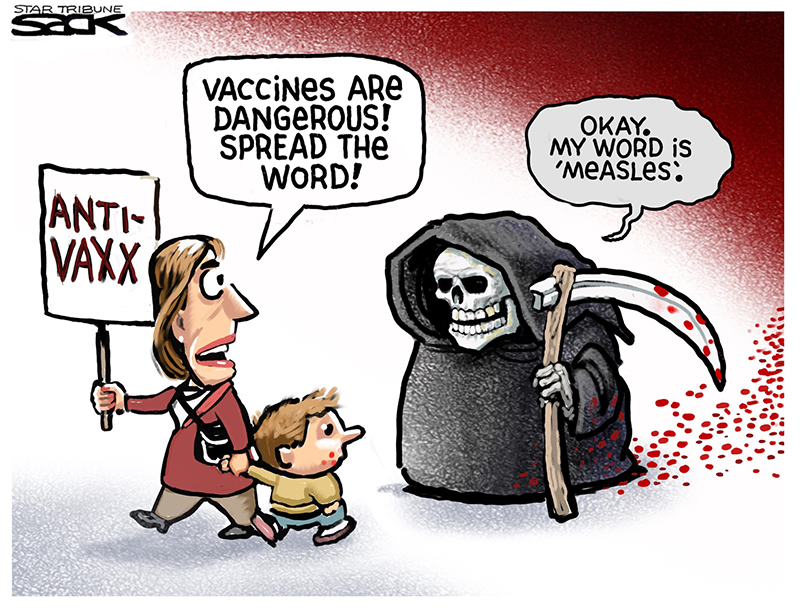
Yet for all this, despite the overwhelming evidence of success, a most worrying trend is emerging. That is public scepticism and pessimism regarding these vital interventions. This doubt is not a benign phenomenon; it poses a real danger to the health of our children. At the heart of this challenge lies the potent, often insidious, spread of misinformation and disinformation.
The success of any preventive health strategy in paediatrics rests not just on its scientific efficacy, but on parental cooperation and commitment. When parents hesitate or refuse to follow recommended guidelines, the shield of prevention is compromised. Today, the most potent threat to this partnership is the flood of false information.
Misinformation is false information spread unintentionally. A well-meaning friend sharing a rumour about a vaccine side-effect they heard online is spreading misinformation.
Disinformation is false information deliberately created and disseminated to cause harm or sow doubt. This often comes from organised groups or individuals with vested interests; sometimes financial, sometimes ideological, who seek to undermine public trust in medical institutions and scientific consensus.
The digital age, particularly social media, has become the prime breeding ground for these falsehoods. Complex scientific data is reduced to emotionally charged, simplistic, and often sensationalist soundbites that travel faster and farther than the truth.
The most visible battleground is childhood vaccination. Decades of robust, high-quality research have confirmed vaccines as one of the most cost-effective and successful public health interventions ever conceived. Global vaccination efforts have saved an estimated 150 million lives in the past 50 years, eradicating or drastically controlling diseases like polio, measles, diphtheria, and tetanus.
However, a single, long-retracted, and scientifically debunked paper claiming a link between the Measles-Mumps-Rubella (MMR) vaccine and autism continues to be weaponised by disinformation campaigns. This persistent myth, despite being soundly disproven, taps into deep-seated fears about children’s development. Other common vaccine myths target ingredients such as trace amounts of aluminium or mercury, which are harmless in the quantities used and often less than what is naturally found in food or the idea that “natural immunity” from infection is superior, totally ignoring the fact that natural infection carries the devastating risk of severe complications, long-term disability, and even death. The tangible consequence of this doubt is the dropping of childhood vaccination rates in various communities, leading to the wholly unnecessary re-emergence of vaccine-preventable diseases like measles.
Scepticism is not limited to vaccines. It can touch any area of paediatric preventive care where an intervention might seem unnecessary, invasive, or have perceived risks. Routine screenings for speech disorders, motor skills, or mental health issues can sometimes be perceived as medicalising normal childhood variations or putting a “label” on a child. Parents may resist or delay screening, missing the critical window for early intervention of proven measures that are likely to help. Advice on managing childhood obesity, reducing screen time, or adopting a balanced diet can be viewed by some parents as intrusive or judgmental, leading to poor adherence to essential health-promoting behaviours.
The regular use of inhalers for asthma or other chronic conditions might be looked down upon due to the fear of “dependency”, “addiction”, or long-term side effects, despite medical consensus that these preventive measures keep conditions controlled and prevent life-threatening exacerbations.
The common thread is a lack of understanding of the risk-benefit ratio. Parents, bombarded by fear-mongering narratives, often overestimate the rare, mild risks of an intervention while catastrophically underestimating the severe and permanent risks of the disease or condition itself.
The power of paediatric preventive medicine is not in a single shot or pill, but in the consistent, committed partnership between healthcare providers and parents. Paediatric science, driven by rigorous evidence-based medicine, do continue to refine guidelines, conduct transparent research, and communicate its findings clearly. When guidelines are confusing or lack robust evidence, it naturally creates openings for doubt. The scientific community’s commitment to continuous quality improvement and accessibility is paramount.
Ultimately, the success of prevention rests with the parents. Parenting, as a vital form of preventive care, includes all activities that raise happy, healthy, and capable children. The simple, non-medical steps mentioned in the introduction, proper handwashing, good sanitation, and encouraging exercise, are all forms of parental preventive intervention.
For more complex interventions, parental commitment requires several actions. They need to seek and trust the guidance provided by qualified healthcare professionals over anonymous, unsubstantiated online claims. They need to engage in an open dialogue by asking relevant questions and expressing concerns to doctors in an open, non-confrontational manner. A good healthcare provider will use this as an opportunity to educate and build trust, and not a portal to simply dismiss concerns. Then, of course, there is the spectre of adherence to various protocols and actions by the parents. These include consistently following recommended schedules, whether for well-child checkups, vaccinations, or daily medication protocols.
Addressing public scepticism requires a multi-pronged, collaborative strategy. It is not just about correcting false facts (debunking), but about building resilience against future falsehoods (prebunking). The single most influential voice in a parent’s decision-making process is their paediatrician or primary care provider. Clinicians must move beyond simply reciting facts. They need to use empathetic communication techniques, like Motivational Interviewing (MI), which focuses on active listening, validating parental concerns, and then collaboratively guiding them toward evidence-based decisions. For example, responding with, “I hear you’re worried about the side-effects you read about. Can I share what we know from decades of safety monitoring?” Being open about common, minor side effects such as a short-lasting fever after a vaccine pre-empts the shock and distrust that occurs when an expected, yet unmentioned, reaction happens.
Public health campaigns must go on the offensive, not just a defensive fact-checking spree. Teaching the general public how disinformation works, the use of “fake experts”, selective cherry-picked data, and conspiracy theories all add up to a most powerful form of inoculation (prebunking) against future exposure. Health institutions must simplify their communications and make verified, high-quality information easily accessible on platforms where parents are already looking.
Parents often trust their peers as much as their doctors. Engaging local community leaders, faith leaders, and even trusted social media influencers to share accurate, positive messages about paediatric health can shift the public narrative at a grassroots level. While protecting privacy, sharing aggregate data and stories about the dramatic decline in childhood diseases thanks to prevention can re-emphasise the collective good.
The battle against child mortality and morbidity has been one of the great human achievements, a testament to scientific ingenuity and collective effort. Today, the greatest threat to maintaining these gains is not a new virus, but a breakdown of trust fuelled by unchecked falsehoods.
Paediatric preventive interventions, from a cake of soap and a proper toilet to the most sophisticated genetic therapies, are the foundation of a healthy future for every child. To secure this future, the scientific community must remain transparent, the healthcare system must lead with empathy, and the public must commit to informed, critical thinking. By rejecting the noise of disinformation and embracing the clear, evidence-based consensus of science, we can ensure that every child continues to benefit from the life-saving progress that defines modern paediatrics. The well-being of the next generation demands nothing less than this renewed commitment.
Little children are not in a position to make abiding decisions regarding their health, especially regarding preventive strategies in health. It is ultimately the crucial decisions made by responsible parents regarding the health of their children that really matter. As doctors, our commitment is never to leave any child behind.
by Dr B. J. C. Perera ✍️
MBBS(Cey), DCH(Cey), DCH(Eng), MD(Paediatrics), MRCP(UK), FRCP(Edin), FRCP(Lond), FRCPCH(UK), FSLCPaed, FCCP, Hony. FRCPCH(UK), Hony. FCGP(SL)
Specialist Consultant Paediatrician and Honorary Senior Fellow, Postgraduate Institute of Medicine, University of Colombo, Sri Lanka.
Joint Editor, Sri Lanka Journal of Child Health
Section Editor, Ceylon Medical Journal

We express our profound concern and deep outrage at the vulgar, misogynistic, and defamatory attacks being directed at the Prime Minister and Minister of Education, Dr. Harini Amarasuriya.
Dr. Harini Amarasuriya is not merely a political leader; she is a scholar, public intellectual, and lifelong advocate of social justice, equality, and education. Attempts to discredit her through personal abuse rather than reasoned policy debate are not only an insult to her, but an assault on democratic values, women’s leadership, and intellectual integrity in public life.
Such attacks are unjust and unethical, and they corrode democratic discourse. We are deeply disappointed that certain political actors and their supporters continue to rely on misinformation, prejudice, and emotional manipulation, instead of engaging in rational, evidence-based, and constructive debate.
Sri Lanka has already paid a heavy price for decades of politics rooted in fear, communal division, and sentiment-driven populism. The country’s economic collapse and social breakdown are the direct consequences of these failed approaches. The people decisively rejected this style of politics through the Aragalaya, signaling a clear demand for change. Sri Lanka now stands at a historic turning point. After decades of corruption, ethnic manipulation, and policy paralysis, the people have given a clear mandate for systemic reform.
At this critical moment, Sri Lanka urgently needs structural reforms, particularly in education, which is the foundation of long-term national development, social mobility, and global competitiveness. Yet we observe that the very forces responsible for the country’s decline are once again attempting to block or derail reforms by exploiting religious, cultural, and emotional narratives.
We strongly affirm that no nation can be rebuilt through hatred, fear, or division. Education reform is not a political threat; it is a national necessity. Efforts to undermine reform through personal attacks and manufactured controversies serve only those who seek to return to power by keeping the country weak, divided, and intellectually impoverished.
Those who now attack Dr. Harini Amarasuriya are not defending culture or morality. They are defending privilege and political survival. Having failed the country for over seventy-five years through communalism, patronage, and anti-intellectualism, they now fear that an educated, critical, and empowered generation will render their outdated politics irrelevant.
This is why they target:
=a woman,
=an academic,
=and a reformer.
We therefore state clearly that we:
1. Condemn all forms of character assassination, gender-based attacks, and hate propaganda against the Prime Minister and Minister of Education.
2. Affirm our full support for Dr. Harini Amarasuriya’s leadership in advancing Sri Lanka’s education reforms.
3. Urge the government to proceed firmly and without retreat in implementing the proposed education reforms, in line with national policy and the public mandate.
4. Call upon academics, professionals, teachers, parents, and citizens to stand together against reactionary forces that seek to sabotage reform through fear mongering and disinformation.
A country cannot be rebuilt by those who destroyed it. A future cannot be created by those who fear education reforms.
Sri Lanka’s future must not be sacrificed for the ambitions of a few.Sri Lanka must move forward — with knowledge, dignity, and courage.
Signatories:
1. Markandu Thiruvathavooran, Attorney at law
2. S. Arivalzahan, University of Jaffna
3. Dr S.Ramesh, University of Jaffna
4. Dr. Mariadas Alfred, Former Dean, University of Peradeniya
5. Prof B.Nimalathasan, Senior Professor, University of Jaffna
6. S. Srivakeesan, Station Master, SriLankan Railways
7. A. T. Aravinthan, Branch Manager, Commercial Bank
8. Dr. S. Niththiyaruban, Paediatrician, Teaching Hospital, Jaffna
9. Dr. S. Selvaganesh, Plastic and Reconstructive Surgeon, Teaching Hospital, Jaffna
10. Dr. S. Mathievaanan, Consultant Surgeon, Teaching Hospital, Jaffna
11. Prof. P. Iyngaran, University of Jaffna
12. Eng. M. Sooriasegaram, President, Education Development Consortium
13. Dr. S. Raviraj, Senior Consultant Surgeon, Former Dean, Faculty of Medicine, University, Jaffna.
14. Mr. Saminadan Wimal, University of Jaffna
15. Dr. A. Antonyrajan, University of Jaffna
16. P. Regno, Attorney at Law
17. Prof. J. Prince Jeyadevan, University of Jaffna
18. Prof. S. Muhunthan, University of Jaffna
19. Prof. R. Kapilan, University of Jaffna
20. Dr. S. Jeevasuthan, University of Jaffna
21. J.S. Thevaruban, University of Jaffna
22. S. Balaputhiran, University of Jaffna
23. Dr. N. Sivapalan, Retired Senior lecturer, University of Jaffna
24. I. P. Dhanushiyan, University of Jaffna
25. Dr. K. Thabotharan, University of Jaffna
26. Dr. Bahirathy J. Rasanen, University of Jaffna
27. Perinpanayagam Ronibus, Vice Secretary, Change Charitable Trust, Jaffna
28. Dr. S. Maheswaran, University of Peradeniya
29. Mr. S. Laleesan, Principal, Kopay Teachers’ College
30. Victor Antany, Teacher, Kilinochchi
31. K. Shanthakumar, Principal, Technical College, Vavuniya
32. S. Thirikaran, Principal, J/ Puttur Srisomaskanda College
33. Dr. T. Vannarajan, Advanced Technical Institute, Jaffna.
34. X. Don Bosco, Resource person, Piliyandala Educational Zone
35. K. Ravikumar, Regional Manager, Powerhands Pvt Ltd
36. Sathiyapriya Jeyaseelan, DO, Economist
37. A. Kalaichelvan, Chief Accountant, Animal Productive & Health
38. C. Vathanakumar, Retired Project Director
39. P. Kirupakaran, Department of Buildings (NP)
40. A. Antony Pilinton, David Peris Company, Jaffna
41. A. Muralietharan, Social Activist
42. Sinthuja Sritharan, Independent Researcher
43. T. Sritharan, Social Activist
44. Ms. Gnasakthi Sritharan, Social Activist
45. P. Thevatharsan, Management Service Officer
46. . S. Mohan, Social Activist
47. K. Jeyakumaran, Social Activist
48. Dr. N. Nithianandan, Chairman, Ratnam Foundation
49. George Antony Cristy, Social Activist
50. S. Thangarasa, Social Activist
51. N. Bhavan, Retd. Deputy Principal, Mahajana College
52. P. Muthulingam, Executive Director, Institute of Social Development, Kandy
53. M.K. Sivarajah, Social Activist
54. Mr. V. Sivalingam, Human Rights Activist
55. S. Jeyaganeshan, Samuthi Development Officer

ICC board votes to replace Bangladesh if they don’t travel to India

Sri Lanka is an example of hope, recovery and resilience in a world of conflict – PM

Brook needs to ‘regain trust of players’ after New Zealand nightclub incident

Navy seizes 02 Indian fishing boats poaching in northern waters

Prime Minister participates in high-level bilateral meetings at World Economic Forum

Dushmantha Chameera, Dhananjaya de Silva return for England ODIs

‘Dates have the highest sugar content to fight Coronavirus’

Sunday Island 27 December – Headlines

#SundayIsland 17th December – Headlines

Sunday Island – 28th March

Sunday Island Headlines – 21 March

Sunday Island – 21st February – Headlines
-

 Editorial4 days ago
Illusory rule of law
-
 News5 days ago
UNDP’s assessment confirms widespread economic fallout from Cyclone Ditwah
-

 Business7 days ago
Koaloo.Fi and Stredge forge strategic partnership to offer businesses sustainable supply chain solutions
-
 Editorial5 days ago
Crime and cops
-

 Features4 days ago
Daydreams on a winter’s day
-

 Editorial6 days ago
The Chakka Clash
-

 Features4 days ago
Surprise move of both the Minister and myself from Agriculture to Education
-

 Features3 days ago
Extended mind thesis:A Buddhist perspective