
Foreign News
Rescue diver dies during search for bodies of Italians who drowned in Maldives caves

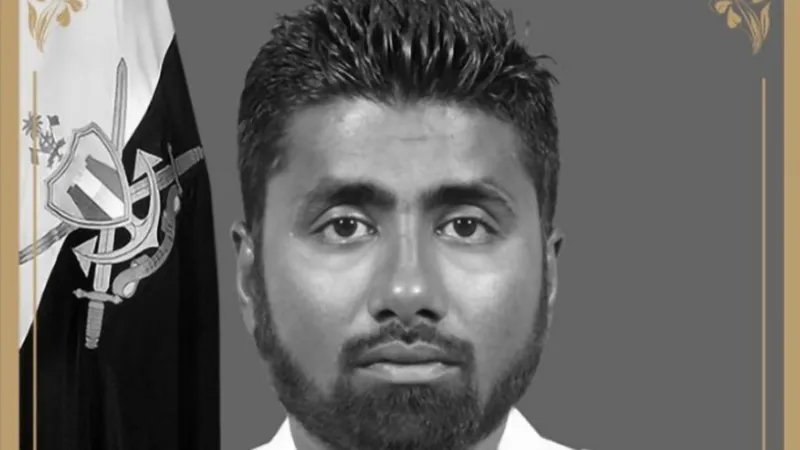
A rescue diver has died while searching for the bodies of a group of Italians who died in a scuba-diving accident in the Maldives.
Staff Sgt Mohamed Mahdhee was taken to hospital in critical condition and later succumbed to his injuries, a government spokesman told the BBC on Saturday.
Five Italians died while attempting to explore caves at a depth of around 50m (164ft) on Thursday. So far, the body of one of them is thought to have been recovered, in a cave at a depth of around 60m (197ft).
The incident is believed to be the worst single diving accident in the tiny Indian Ocean nation, a popular tourist destination because of its string of coral islands.
Maldivian President Mohamed Muizzu travelled to Vaavu Atoll on Saturday to observe the search operations.
“Eight rescue divers went into the water today. When they surfaced, they realised Mahdhee didn’t come up,” Mohamed Hossain Shareef, a Maldivian government spokesman told the BBC.
The other divers immediately went into the water again and they found Mahdhee had blacked out.
The Maldives military has described the operation as very high risk, with unfavourable weather conditions.
Italian Foreign Minister Antonio Tajani sent condolences: “These days of grief for Italy are compounded by the news that one of your brave soldiers… died while attempting to dive to reach the bodies of our fellow Italians.”
“This tragedy unites Italy and the Maldives in grief and respect for the victims,” he added.
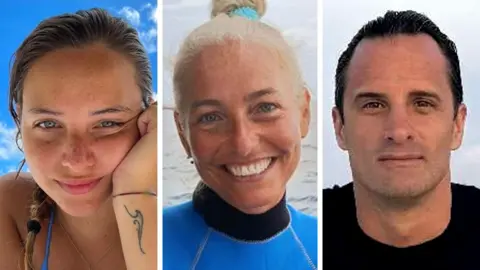
Four of the Italian divers were part of a University of Genoa team, including professor of ecology Monica Montefalcone, her daughter and two researchers. The fifth was a boat operations manager and diving instructor.
The five entered the water at Vaavu Atoll on Thursday morning, local media said, and were reported missing when they failed to resurface later on.
Police said the weather was rough in the area, about 100km (62 miles) south of the capital, Male. A yellow warning was issued for passenger boats and fishermen.
Shareef said recreational scuba divers were only allowed to dive up to a depth of 30m and it was not clear why the Italians went into a cave that’s 60m under water.
Italy’s foreign ministry said earlier that another 20 Italian nationals aboard the Duke of York yacht, from which the five divers took off, were unharmed and receiving assistance from the Embassy of Italy in Colombo, Sri Lanka
[BBC]

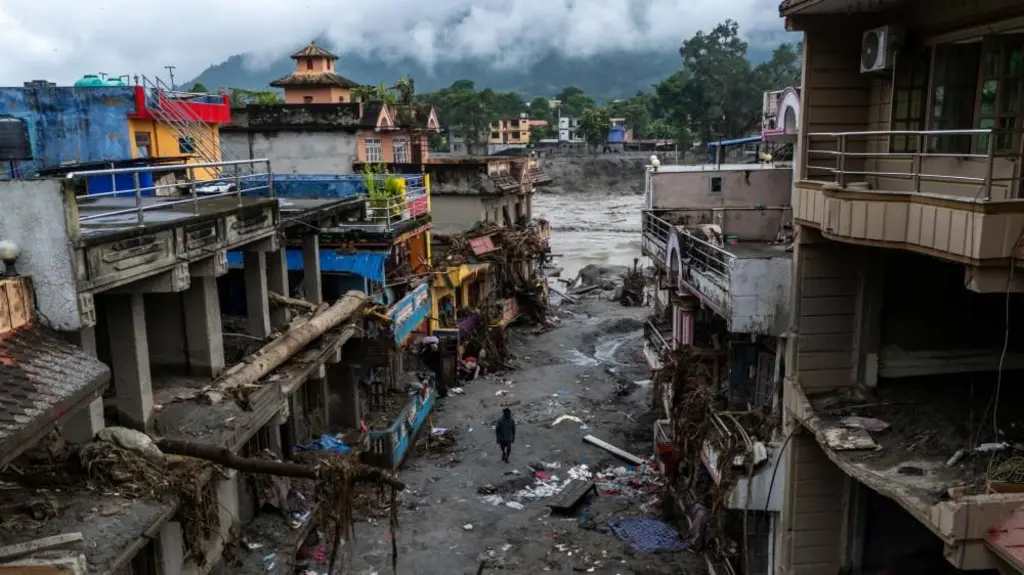
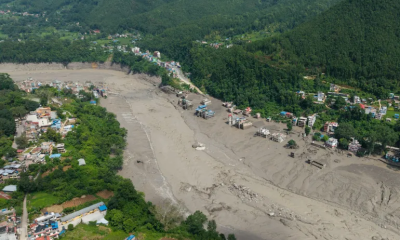
A head teacher’s quick decision to evacuate his school saved 900 pupils from deadly flash floods along the Nepal-Tibet border
Rajendra Dawadi tells the BBC he was tipped off about incoming flood waters and moved students to higher ground with just minutes to spare. One pupil says she and her friends survived by just 10 seconds and watched as a nearby bazaar was swept away
Wednesday’s disaster has killed at least 794 people and more than 2,500 people are missing in Nepal, local officials say
In Tibet, the official death toll is 16, with 546 reported to be missing, according to Chinese state media –
[BBC]

A ferry carrying around 260 people has capsized off the coast of northern Cyprus with a search underway for survivors, according to local media.
The catamaran-style boat was travelling from the port of Kyrenia, also known as Girne, and started sinking a few kilometres off the coast of the island state on Sunday.
There were no immediate reports of casualties.
[Aljazeera]
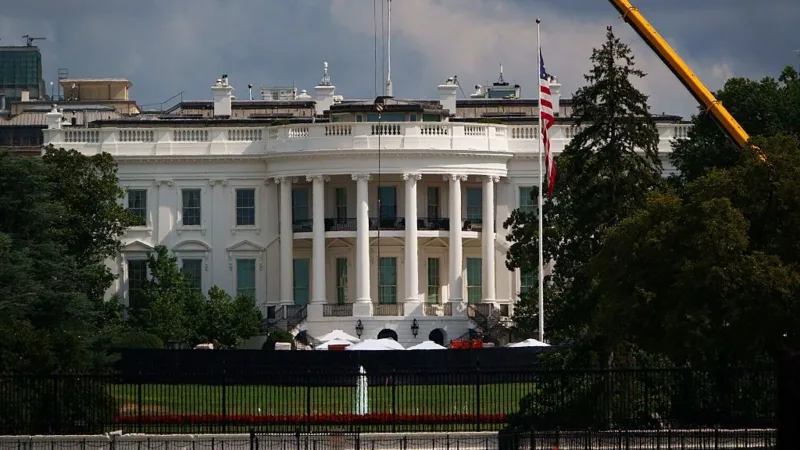
A former White House teleprompter operator has been ordered to pay more than $172,000 (£127,000) for using inside information to bet on US President Donald Trump’s speeches.
Gabriel Perez was found to have made trades on what the president would say during addresses between December 2025 and February 2026 on Kalshi – a prediction markets platform where users can bet on real-world events.
Its regulator, the Commodity Futures Trading Commission (CFTC), said Perez would have to surrender profits of $107,539.02 (£79,452) and pay a civil penalty of $65,000 (£48,000).
The White House has not yet commented. In July then press secretary Karoline Leavitt said Perez was on unpaid leave and would not return to his post.
Announcing the settlement on Friday, the CFTC said Perez had “misappropriated” his prior knowledge of Trump’s speeches to place bets “in breach of his duty of trust and confidence”.
It said his civil penalty had been reduced due to his “exemplary co-operation” with the investigation.
Perez has also been banned from trading for three years.
Writing on X, Kalshi’s lead lawyer Bobby DeNault welcomed the decision: “It doesn’t matter who you are: violate our rules or federal law and you will face the consequences.”
(BBC)

Cabinet aporives recruitment of Nursing Instructors for Nursing Schools under the Ministry of Health and Mass Media on Contract Basis
Signing agreement for the establishment of BIMSTEC Technology Transfer Facility in Sri Lanka
The cabinet approves agreement on mutual legal cooperation in criminal matters between the Republic of Sri Lanka and the Republic of Korea

Misbah-ul-Haq resigns as Pakistan selector after Test squad upheaval
Amendment of the Quarantine and Prevention of Diseases Ordinance No. 3 of 1897
Cabinet approves donation of USD One Million to the Government of Nepal

‘Dates have the highest sugar content to fight Coronavirus’

Sunday Island 27 December – Headlines

#SundayIsland 17th December – Headlines

Sunday Island – 28th March

Sunday Island Headlines – 21 March

Sunday Island – 21st February – Headlines
-

 News5 days ago
Eight politicians in drug kingpin probe
-

 Features3 days ago
“Wrap Me Up in My Blazer”— A Gentlemanly Bradby Reminiscence
-
 Business5 days ago
Sri Lanka opens up: A new season of direct connectivity
-
 Features5 days ago
Redefining ageing in Sri Lanka
-
 Features7 days ago
Insights from Chieftains of Uva: Genealogy of two Kandyan Families – Part II
-
 Latest News5 days ago
Nepal-Tibet floods: What happened, what caused them and who is missing?
-

 Editorial7 days ago
Warning of power cuts: El Niño and corruption
-

 Features7 days ago
Export diversification: Missing the wood for the trees – Part I