
Life style
Realizing a holistic sexual and reproductive health care system


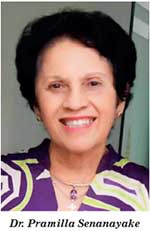
Speaking to Sunday Island, Dr. Pramilla Senanayake, International Consultant in Sexual and Reproductive Health, former President of the Family Planning Association of Sri Lanka and Trustee of the AIDS Foundation, Sri Lanka, elucidates on the need for a more open dialogue about sexual and reproductive health among masses and enlightens on ‘myths and facts’ of sexual health which need to be mainstreamed. Following are the excerpts:
By Randima Attygalle
Q: As a woman who made a mark at a time when only a few women professionals were visible in sexual and reproductive health care, when you look back at your early years in the profession and now, do you notice any notable progress?
A:
If we look at statistics and numbers, we have done well. In terms of our contraceptive prevalence we are on par even with more developed countries. Our maternal mortality is quite low because our maternal health care system is effective. But still there are a lot of gaps – we see many unwanted pregnancies and abortions. Today the sexual debut is very early. A few decades ago, pre-marital sex was not as common as it is today. Yes, things have changed, we have moved on, but we still have a long way to go.
Q: In our much lauded public health care setting, what is the positioning of sexual and reproductive health care?
A: It is because of this effective public health care system that we have been able to introduce to it various elements that are relevant to reproductive health. But having said that, I must add that sexual and reproductive health is one of the neglected areas in the health setting. It is a subject that people are still reluctant to talk about openly as it involves sex and many ‘hush-hush’ aspects. Although more liberal-minded social levels of society are open about it, it is only a minority and sometimes they too can get wrong information about sexual health which needs to be dispelled. Certain other classes find the subject matter uncomfortable and even the term ‘sex education’ drives people into giggles and embarrassment. This is why we are trying to bring family life education into the school curriculum.
Q) What are your proposals to move forward and enable wider sexual health literacy?
A:
 We need to talk to the public – parents, teachers, employers, employees etc. in a simple language without complicating things. For this, we need to engage competent professionals who can answer questions and debunk myths. The Family Planning Association of Sri Lanka has initiated programmes to reach out to young girls in the Free Trade Zone – to educate them on sexual health. This kind of intervention needs to be replicated in several other settings. Especially in this pandemic situation where there are lockdowns and restricted movement, sexual abuse is on the rise and the flipside is there is more opportunity now to get the message across. Our voices can be those in wilderness unless mass media joins hands. Mass media is an effective vehicle in communicating the message of sexual wellbeing.
Q: Sexual and reproductive health of those with disabilities still remains a less-talked about subject. Sexual needs of those with disabilities are often overlooked. What are your thoughts?
A:
We are all sexual beings including those with disabilities. Every human being has a right to a safe and rewarding sexual life and sexual health. We cannot afford to exclude those with disabilities; instead we need to assist them in finding other ways of gratification and work around such areas of gratification. Sexual life does not necessarily have to entail penetrative sex in a traditional sense, but it could involve sexual gratification in a broader sense which can be enjoyed by people with certain disabilities.
The issue is we don’t talk to them enough and educate them on sexual and reproductive health, clouded by the misconception that they have problems other than sexual needs to be burdened with. This is wrong. We need to be conscious of the fact that girls and women with disabilities are the most vulnerable to rape and sexual abuse. Institutions such as Ayathi affiliated to Ragama Rehabilitation Hospital addresses the concerns of those with disabilities, but there is an urgent need for many more similar institutions in the country.
Q: The aging population is on the rise worldover and Sri Lanka is no exception. In this context how important do you think it is to address the emotional and sexual concerns of this population?
A: It is very important to address their concerns. It is again similar to the case of those with disabilities – an often neglected topic. I’m a trustee of the Sunshine Senior Foundation which is dedicated to addressing areas of particular interest to senior citizens and we do enable dialogue on this topic. Yet we need to create a better dialogue at national level, challenging as it may be given our cultural context in which intimacy in old age is almost a taboo.
Q: Although Sri Lanka still remains an HIV low-prevalence country in a global context, HIV-positive cases are accelerating. As an activist fighting HIV, what are your comments on this rising trend?
A:
It is a very worrying situation, especially since we are still considered a low-prevalence country. The biggest bottleneck in the fight against HIV is social stigma. Through the AIDS Foundation of Sri Lanka, we try to assist in providing accommodation for HIV-positive people. Despite our ability to fund houses for them, many landlords were reluctant to rent out houses and in certain situations, although the landlord was willing, there was enormous protest from neighbours.
Despite the country having a system for voluntary testing and counseling for HIV, not many come forward to be tested. Today there are many commercial sex workers and men who have sex with men, those with multiple partners. These are high risk groups. We should also not forget prison inmates who are another high risk group. Although the Family Planning Association of Sri Lanka and some other agencies are working with prison communities on this, there should be more muscle given to their work in preventing HIV.
In Sri Lanka many of the HIV positive cases are detected through pre-natal clinics where pregnant women are tested for it. But this is just the tip of the iceberg as a considerable percentage go unreported. Today with COVID taking the centre stage, many other health concerns including HIV have gone backstage. Yet we cannot afford to be complacent about these health issues which will take a toll on the entire national fabric of the country.
Although we have done quite well in our other health domains, the same cannot be said of HIV education. Several of our regional counterparts including Pakistan and India are using very innovative means of addressing this issue. Countries such as Japan, South Korea and Singapore have very good models on combating HIV from which we could learn a lot.
FACTS Vs MYTHS
*Myth: All birth control methods are equally effective at preventing pregnancy
*Fact: Each method has a different level of effectiveness. The ones that are best at preventing pregnancy (over 99% effective) are sterilization, IUDs, implants, and injectables. Pills, patches and the ring are about 91% effective. Condoms are 79-85% effective, emergency contraceptive pills are 89-95% effective, and withdrawal is much less effective. Using birth control consistently and correctly each and every time will increase the chances of their effectiveness
*Myth: Emergency contraception is only effective the morning after unprotected sex
*Fact: The emergency contraception pill (ECP) is sometimes called the ‘morning-after-pill’. Although the ECP should be taken as soon as possible, it does not have to be taken in the morning. There are two types of ECP that work for up to four or five days after sex and they are both more effective when taken as soon as possible. The ECP is not an abortion pill. If you are already pregnant, ECP will not work.
*Myth:
You can’t get pregnant during your period
*Fact:
It is unlikely, but still possible—especially if you’re not using birth control. Some women have long periods that overlap with the beginning of ovulation, which means they can be fertile even though they’re menstruating. If you have a short cycle (21 days, for example) and your period lasts a week and you have sex close to the end of your period, you could become pregnant since sperm can live for up to 72 hours in your reproductive tract.There’s also the infamous late-in-life pregnancy that can occur during perimenopause, when periods are erratic. It is not safe to ditch birth control until you haven’t had a period for a year.
*Myth:
You only need to worry about sexually transmitted infections (STIs) if you have multiple partners
*FACT:
As long as you are sexually active you should remember that contracting an STI is a possibility, even if you only have one sexual partner. It’s a good idea to make sure you and your partner(s) are tested for STIs before having sexual intercourse together for the first time. It’s also recommended that you regularly test for STIs if you are sexually active.
*Myth:
You can’t get STIs if you don’t have penetrative sex.
* FACT:
STIs can spread from skin-to-skin contact and from bodily fluids. This means you can catch STIs from having any type of sex, including penetrative vaginal sex, but also from anal sex, oral sex , using your hands, intimate skin contact and sharing sex toys.


by Ifham Nizam
Sri Lanka risks losing a critical opportunity to sustain economic growth as its population ages, fertility declines and skilled workers migrate overseas, with low female labour-force participation further limiting the country’s ability to respond to a shrinking workforce. The United Nations Population Fund (UNFPA) Sri Lanka says the challenge calls for a fundamental rethink of the country’s economic and social policies, including how women’s unpaid care responsibilities, young people’s family aspirations and the financial security of older citizens are addressed.
With women accounting for 70.6 percent of Sri Lanka’s economically inactive population in 2024, the country cannot afford to leave such a substantial pool of potential workers outside productive employment while demographic pressures intensify. Only 28.9 percent of women participated in the labour force that year, compared with 67.4 percent of men.
In responses to questions from the Sunday Island, UNFPA emphasised that Sri Lanka’s changing population structure should not be treated as a crisis in itself. Rather, it reflects decades of progress in healthcare, education, life expectancy and access to voluntary family planning. The real test is whether the country can adapt its economic model, labour market, social protection systems and care infrastructure to these new realities.
The implications extend well beyond employment and economic growth. Rising demand for healthcare and long-term care, inadequate retirement protection, outward migration and the growing difficulty young people face in starting families are interconnected challenges that require a coordinated policy response.
Sri Lanka is still benefiting from a demographic bonus, with its working-age population larger than the dependent population of children and older people. But this window of opportunity will not remain open indefinitely. UNFPA argues that the country must use it to strengthen productivity, widen women’s access to decent employment and prepare institutions for a society in which people live longer and family structures continue to change.
The challenge of an ageing population
Sri Lanka’s demographic transition is gathering pace. Around 18 percent of the population is now aged 60 or above, while the country’s fertility rate has fallen to approximately 1.3 children per woman. Together, these trends point towards a future in which the proportion of older people rises while the relative size of the working-age population gradually declines.
The transition is not unique to Sri Lanka. Countries across the world are experiencing longer life expectancy and smaller families. However, the speed of change and the country’s economic circumstances make preparation particularly important.
An ageing population can place increasing pressure on public expenditure, healthcare services, pension arrangements and families caring for older relatives. At the same time, a smaller workforce could make it more difficult to sustain economic growth unless productivity improves and more people are able to participate in productive employment.
UNFPA’s position is that population ageing should not be approached simply as a problem of numbers. The central issue is whether institutions are equipped to support people throughout longer lives while ensuring that the economy can generate sufficient income and public revenue.
Sri Lanka’s demographic bonus provides an opportunity to prepare. A relatively large working-age population can contribute to growth, savings and investment, but only if people have access to productive work and the skills required by a changing economy.
The challenge is to convert that opportunity into lasting economic gains before the age structure changes further.
An analysis using National Transfer Accounts data from 2016 estimated that demographic change alone could require an additional Rs. 76 billion in public consumption expenditure by 2037. The same analysis indicated that higher labour productivity could increase aggregate labour income by Rs. 872 billion by 2037 compared with a scenario in which demographic change was considered without those productivity gains.
These estimates illustrate the importance of productivity in responding to demographic pressures. They also suggest that Sri Lanka’s policy response should go beyond simply encouraging people to have more children. Investment in skills, technology, healthcare, education and decent employment can help the country make better use of its available workforce.

Women and the untapped workforce
One of Sri Lanka’s most immediate opportunities lies in increasing women’s participation in paid employment.
In 2024, female labour-force participation stood at 28.9 percent, compared with 67.4 percent for men. Women represented 70.6 percent of the economically inactive population, and 50.6 percent of economically inactive women identified household responsibilities, including childcare and elder care, as a reason for not participating in the labour force.
These figures point to a major economic challenge that is closely connected to social policy. Many women who could contribute to the economy remain outside paid employment because the demands of caring for children, older relatives and other family members are difficult to reconcile with formal work.
Increasing female labour-force participation is, therefore, not merely a question of equality. It is also an economic necessity as the population ages and the working-age population comes under pressure.
UNFPA’s approach highlights the need to recognise unpaid care work and reduce the barriers that prevent women from entering or remaining in employment. Affordable childcare, accessible elder-care services, flexible working arrangements and workplaces that accommodate family responsibilities could help more women pursue paid work.
Employers also have a role to play by improving workplace conditions, strengthening protection against discrimination and making it easier for women to return to employment after childbirth or periods spent caring for family members.
The issue is especially significant for young women. Unemployment among women, aged 15–24, has been recorded at 30.6 percent, indicating that many young women face substantial obstacles even before family responsibilities become a factor.
Better access to education, vocational training, digital skills and employment opportunities could help address this problem. However, training alone will not be sufficient if workplaces remain difficult to access or if women continue to carry a disproportionate share of unpaid care responsibilities.
Sri Lanka must also reconsider the way it measures economic contribution. Unpaid household work is essential to the functioning of society, yet it is often overlooked in conventional measures of economic activity. Recognising its value would help policymakers design more realistic employment, social protection and care policies.
The objective should not be to force women into paid work, but to ensure that those who want to work have a genuine opportunity to do so without being constrained by inadequate services or unequal family responsibilities.
Migration and the future of economic growth
Outward migration presents another challenge to Sri Lanka’s demographic and economic outlook.
The departure of skilled and working-age people can reduce the domestic labour supply, weaken particular professional sectors and place additional pressure on those who remain. The consequences can be especially serious when trained professionals leave sectors already facing shortages.
Migration, however, is not inherently negative. Sri Lankans working overseas contribute through remittances, international networks, new skills and experience. Migration can also provide individuals and families with opportunities that may not be available at home.
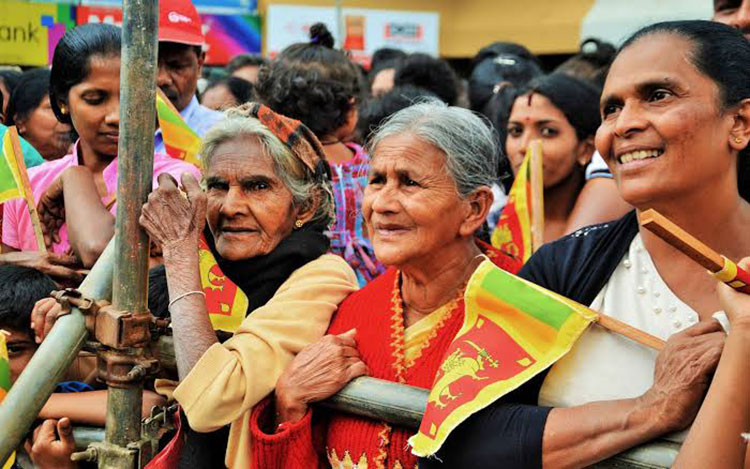

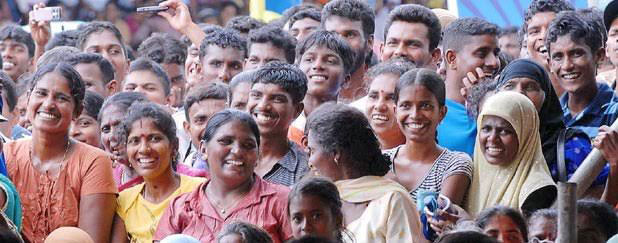
The policy challenge is to ensure that migration takes place through safe and fair channels while making Sri Lanka a country in which people have compelling reasons to build their futures.
That requires more than discouraging people from leaving. Decent employment, competitive career prospects, reliable public services, opportunities for professional advancement and confidence in the economy all influence decisions about whether to remain in the country.
For young people, the ability to find stable employment and plan for the future can be as important as the availability of jobs themselves. Uncertainty over income, housing costs and family responsibilities can make long-term decisions increasingly difficult.
Sri Lanka must, therefore, connect its migration policies with broader strategies for economic development, skills retention and employment creation. At the same time, it should maintain links with its overseas workforce and create opportunities for returning migrants to contribute their experience and expertise.
A sustainable response would recognise migration as part of a wider global labour market while addressing the domestic conditions that encourage skilled workers to seek opportunities elsewhere.
Why young people hesitate to start families
Falling fertility is often discussed as though it were simply a matter of changing personal preferences. In reality, decisions about whether to have children are shaped by economic circumstances, relationships, housing, employment security and access to childcare.

UN repcaption: UNFPA Country Representative Phuntsho Wangyel
Many young adults may want to start families but feel unable to do so. High living costs, uncertain employment, the expense of raising children and difficulties balancing work with family life can all influence reproductive decisions.
UNFPA’s Demographic Futures Survey, which reached 108,926 internet-connected young adults, aged 18–19, across 73 countries and territories, including Sri Lanka, found a general desire for two children. Such findings underline the importance of distinguishing between the number of children people would like to have and the number they ultimately feel able to raise.
Sri Lanka’s experience must be understood within this broader context. A low fertility rate does not necessarily mean that young people no longer value family life. It may also reflect the practical barriers they encounter when considering parenthood.
UNFPA and the University of Colombo are conducting a study, examining fertility desires, intentions and behaviours in Sri Lanka. The research is expected to contribute to a better understanding of the factors shaping family decisions and the gap that can emerge between aspirations and outcomes.
The findings could help policymakers move beyond assumptions and design measures that respond to the actual concerns of young people.
Policies that support families need to address the conditions in which decisions are made. Affordable childcare, parental leave, secure employment, housing opportunities and a more equitable distribution of care responsibilities can help people reconcile their family aspirations with their economic circumstances.
Such measures can also benefit the wider economy by enabling parents, particularly women, to remain in employment and by reducing the pressure on families to choose between earning an income and caring for children.
The goal should not be to prescribe a particular family size. It should be to create conditions in which people can make decisions about parenthood freely and realistically.
Retirement security and the cost of longer lives
As life expectancy increases, ensuring financial security in old age becomes a more pressing concern.
Only about 30 percent of Sri Lanka’s workforce is covered by a formal pension arrangement. Many workers, therefore, face the prospect of financing a lengthy retirement with limited savings or without a regular pension income.
For some employees, provident fund benefits provide an important source of retirement savings. However, a one-off payment may not be sufficient to meet living expenses, healthcare costs and other needs over a retirement that could last many years.
The situation is particularly challenging for people who have spent much of their working lives in informal employment, where access to structured pension contributions and other employment benefits may be limited.
As the older population grows, the country will need to examine how retirement income can be made more secure without placing unsustainable pressure on public finances.
This includes strengthening social protection, improving access to suitable savings arrangements and considering how workers in informal employment can be better covered. Financial literacy and advice on managing retirement savings could also help people prepare for longer lives.
Healthcare and long-term care must form part of the same discussion. Older people may require continuing medical treatment, rehabilitation, assistance with daily activities or specialised residential care. When formal services are limited, these responsibilities frequently fall on family members, particularly women.
A stronger care system would help older people maintain dignity and independence while reducing the burden on families. It could also create employment opportunities in healthcare, community support and professional care services.
Ageing should not be treated only as a fiscal burden. Older people possess knowledge, experience and skills that can continue to benefit society. Policies that support healthy ageing, lifelong learning and opportunities for older people to remain economically or socially active can help make longer lives a source of strength.
Reproductive choice must remain central
Debates about low fertility can sometimes lead to calls for governments to encourage or pressure people to have more children. UNFPA’s approach places individual rights and reproductive choice at the centre of the discussion.
Demographic policy, the organisation argues, should not undermine people’s freedom to decide whether and when to have children or how many children to have. Efforts to address fertility decline must, therefore, avoid coercive measures and instead focus on removing the barriers that prevent people from realising their reproductive intentions.
This distinction is important for Sri Lanka. A policy that concentrates exclusively on increasing birth rates may overlook the economic and social reasons people delay or forgo parenthood. It may also fail to address the needs of those who choose to remain child-free or who cannot have children.
A rights-based approach recognises that individuals and couples should have access to accurate information, appropriate healthcare and voluntary family-planning services. It also recognises that decisions about parenthood are personal and cannot be reduced to targets set by the state.
At the same time, governments have a legitimate role in creating an environment in which families can thrive. Affordable childcare, parental support, decent work, healthcare access and social protection can help people make choices without being driven by financial insecurity or inadequate services.
The challenge is to support people rather than dictate their decisions.
Preparing for a different demographic future
Sri Lanka’s demographic transition requires a coordinated response across economic planning, labour policy, healthcare, education, migration and social protection.
Increasing productivity will be essential, but productivity gains must be accompanied by measures that enable more people to participate in the economy. Women need fair access to decent employment, young people need realistic opportunities to build secure lives, and older citizens need protection that reflects the prospect of longer retirements.
The country must also recognise that demographic change affects regions and communities differently. Rural areas, urban centres and sectors facing labour shortages may have distinct needs. Reliable population data and research into family intentions, migration patterns and labour-market participation will, therefore, be important in shaping effective policies.
The findings of the UNFPA–University of Colombo study could help inform this process by identifying the factors that influence reproductive decisions in Sri Lanka. Such evidence should be considered alongside labour-market data, pension coverage, healthcare requirements and the changing distribution of unpaid care work.
Equally important is the need to bring demographic considerations into long-term development planning. Policies should not be designed in isolation, with employment measures separated from childcare, retirement arrangements disconnected from healthcare, or migration strategies divorced from the availability of decent jobs.
Sri Lanka’s demographic transition is neither an automatic economic disaster nor a challenge that can be solved by increasing births alone. It is a structural change that calls for institutions to adapt.
The country still has an opportunity to benefit from its working-age population, improve productivity and build stronger systems of care and social protection. But that opportunity depends on decisions taken now.
The central question is not simply how many people Sri Lanka will have in the future. It is whether the country can create an economy and society in which people of all ages can contribute, families can make their own choices, women have equal opportunities and older citizens can live with dignity and financial security.

By Zanita Careem
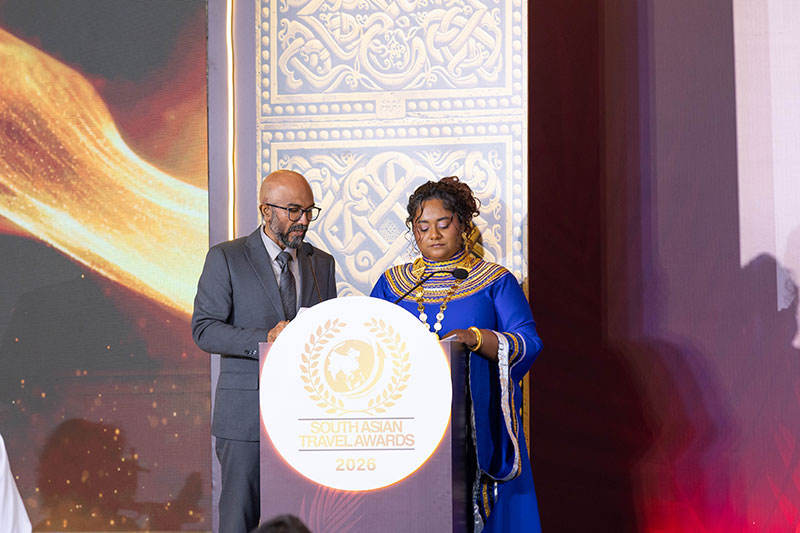
A glamorous celebration of South Asean hospitality took place with Sri Lanka taking centre age. at the vibrant capital of the Maldives, Male. It became the centre of attention for South Asia’s Tourism and Hospitality fraternity as industry leaders, hoteliers, travel professionals and other invited guests gathered for the 10th editiom of the South Asian Travel Awards (SATA). Hosted at the stylish ambience of Barcelo Nasandhura Male, the glittering gala brought together the region’s leading tourist destination for an evening of celebration, recognition and camaraderie, with the Maldives providing a fitting backdrop for this prestigious gathering.
Amid the elegance and exitement of the occasion, Sri Lanka emerged as one of the evening’s standout performers, collecting an impressive array of awards that reflected the island’s strength in hospitality, travel luxury wellness and personalised guest experiences. The accoladesss were a proud endorcement of talent, dedication and service excellence that continue to distinguish Sri Lanka’s tourism industry across the South Asian region.
Adding vibrancy and energy
The key highlight was the address by the SATA President, Ismail Hameed, who stressed the importance of strengthening regional co-operation, maintaining hospitality standards and preparing the industry for a rapidly evolving tourism environment. His speech underscored the need for South Asian destination to work together to embrace innovation and build a more competitive and sustainable tourism sector. Artificial Intelligence and the future of hospitality took centre stage at (SATA) where panel discussions brought together industry professionals to examine how technology is transforming the travel and tourism landscape. Moderated by Dinuksha Chandrasena, Editor in Chief and publisher of Travel Talk Asia and Managing Director of Double Dee publication, who explored the growing role of artificial intelligence in enhancing guest experiences, streamlining hotel operations and helping the industry respond to the changing expectation of modern travellers.
-
- Dinuksha in the spotlight: Recognition from the President of SAFTA
-
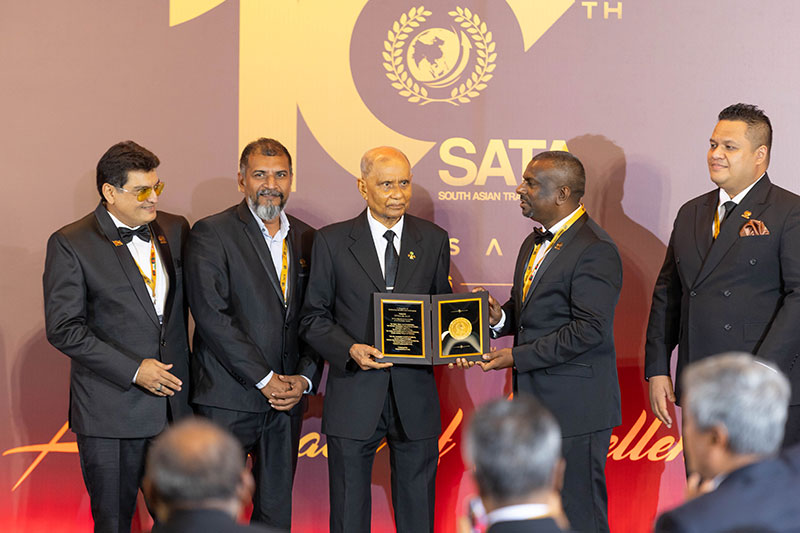
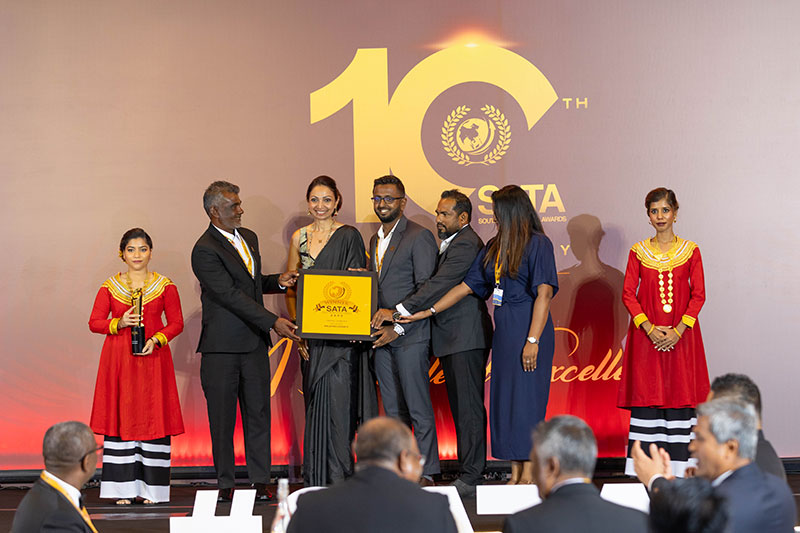
- Sri Lanka SATA members with President of SATA Ismail Hameed and the iconic award winner Mohamed Salih (centre)
-
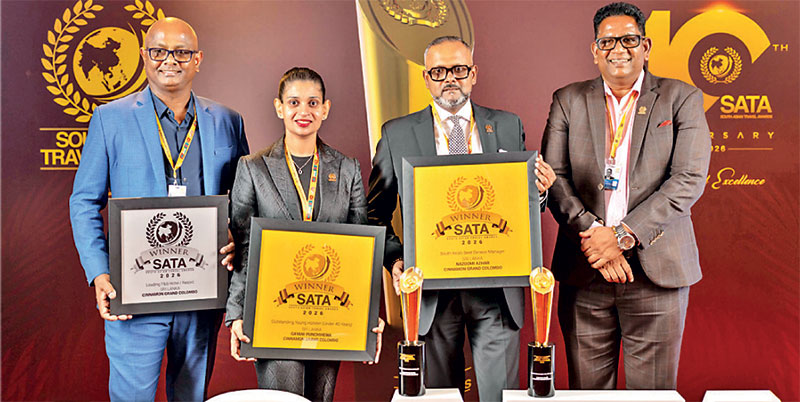
- Grand triumph for Cinnamon Grand: The hotel brings pride to Sri Lanka, with the General Manager receiving a prestigious accolade – Best General Manager
The conservation also raised an important question how hotels embrace technological innovation without losing the personal touch that remains at the heart of genuine hospitality,
The discussions reflected a wider transformation taking place across the hospitalality industry, where digital solutions are becoming increasingly important in everything, from personalised guest services to efficient management.
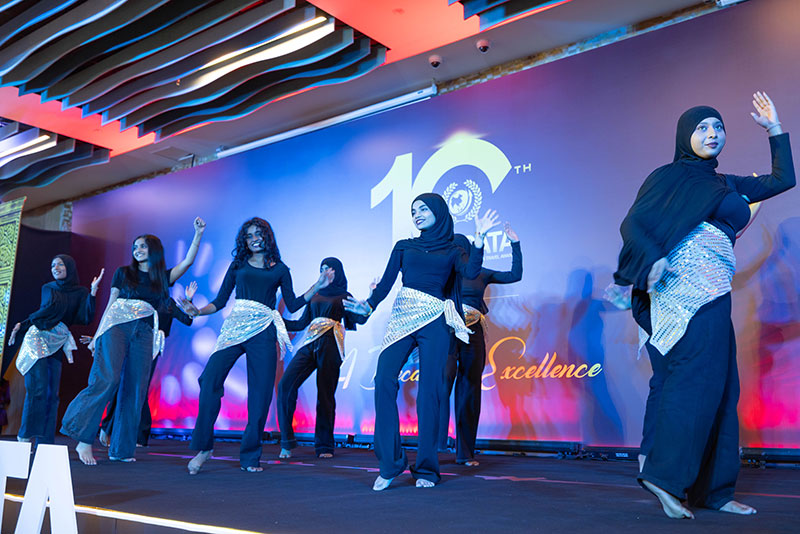
Cultural extravaganza: Colour,rhythm and tradition
Cinnamon Grand Colombo made a notable impact at the South Asian Travel Awards 2016 held in the Maldives with its achievements reflecting the strength of Sri Lanka’s hospitality industry. The hotel struck gold for Best General Manager Nazoomi Azhar, while young achiever Gayani Punchihewa won gold in the Best Young Hotelier category. Cinnamon Grand also achieved Silver for Best Food and Beverage Hotel in South Asia.
The 10th South Asian Travel Awards celebrated not only the regions finest in travel and hospitalitybut also the spirit of partnership that continues to strengthen South Asian Tourism. A special highlight was the presentation of the prestigious Face of South Asia award to Mohamed Salih, Chairman of Damas Company, in recognition of his contribution to the tourism industry. A total of 52 gold and 98 silver awards were presented across various categories recognising achievements in the hospitality industry, with Bhutan, Bangladesh, India, Nepal, Sri Lanka and the Maldives in the scene.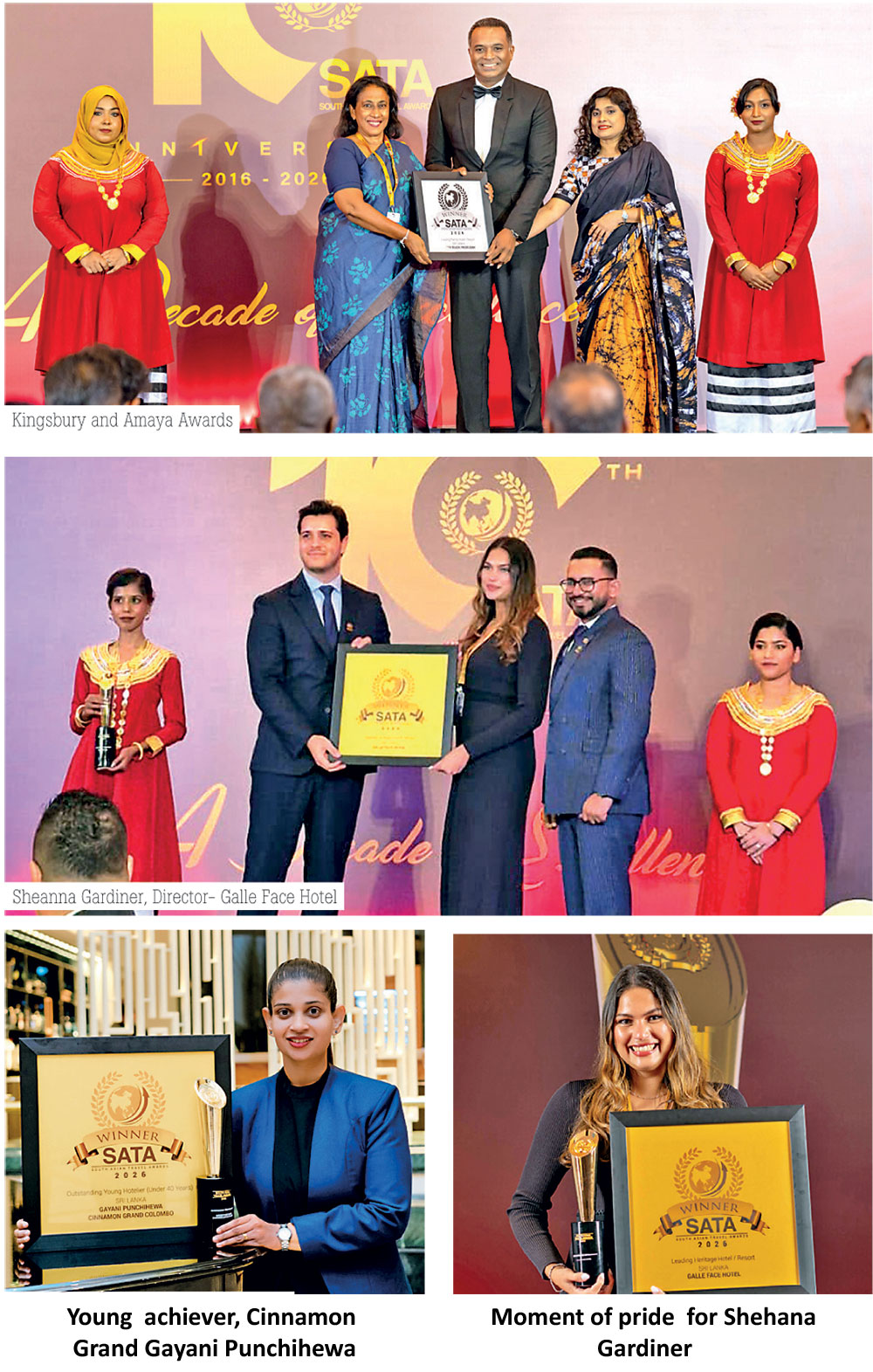
Sri Lanka also made a strong impression at the South Asian Travel Awards held in Male.
The iconic Galle Face Hotel has been ranked No 1 in the Best Heritage Hotel category. It is the first time the iconic Galle Face Hotel has claimed the top honour, making it a significant milestone in a history that go back to 1864. Cinnamon Lakeside won the award as a leading meeting and conference hotel.
Other award winners included Kingsbury Hotel, Amaya hotels Kandy, leading Hill Resort/hotel, Anantara Peace Haven, leading luxury resort – Amaya Lake Dambulla, New Burgh Ella, Royal Beach, Beruwela, Marine Bay Hotel, Marine Drive, South Asia’s best new hotel, Auygiri Aurveda, Wellness and Spa Resort.
Most romantic resort The Fortress Resort and spa. Fox resorts silver winner, leading hospitality development company, Sri Lankan Airlines leading international airline, Aitken Spence Travels – leading travel Agent.
Amari Hotel won an award for Sri Lanka’s leading business hotel.
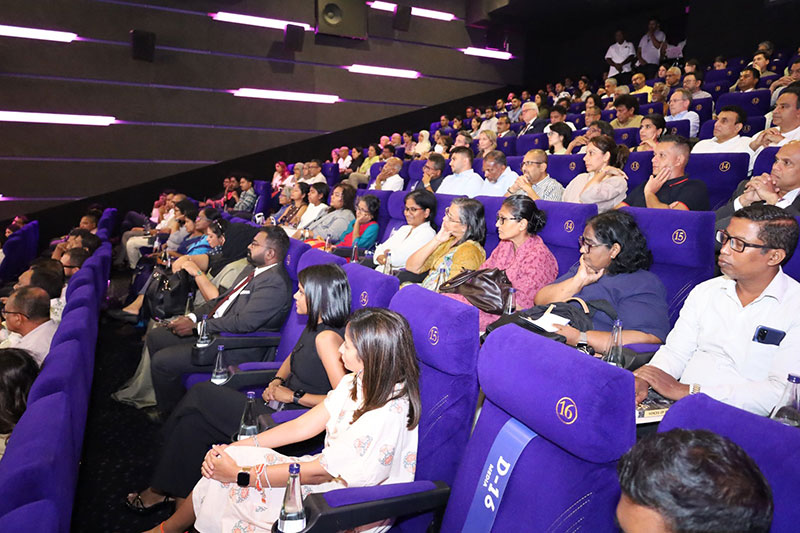
Teardrop Nation, a four-part documentary series examining Sri Lanka’s post-independence political and conflict history, was formally launched at Scope Cinemas Multiplex at Colombo City Centre recently, with Leader of the House and Minister Bimal Rathnayake attending as Chief Guest. Developed over six years by Project 72, with Sarah Kabir as Project Director, the series brings together historical accounts, expert perspectives and lived experiences to explore the events and decisions that have shaped Sri Lanka since independence.

Sarah Kabir, Project Director of Teardrop Nation, addresses the audience at the premiere in Colombo.
Created for a broad public audience, with a particular focus on younger generations, Teardrop Nation seeks to make Sri Lanka’s recent history more accessible and encourage greater engagement with the factors that contributed to discrimination, violence and conflict. The project was conceived not simply as a record of the past, but as an educational resource that can help audiences better understand how earlier choices and events continue to inform the country today.
Speaking at the launch, Sarah Kabir, Project Director of Teardrop Nation, said her decade of work on reconciliation had shaped the project. “Understanding our past is essential to building positive and lasting peace in Sri Lanka. We created Teardrop Nation to make this history more accessible, especially to younger people, and to encourage them to engage with it thoughtfully and critically. After six years of research and production, we hope the series creates space for informed conversation and a shared understanding of the experiences and decisions that shaped our country,” she said.
The series unfolds chronologically across four episodes: Foundations of Conflict (1930s–1970s), The Trigger (1970s–1980s), Battle for Peace (1980s–late 1990s) and War in Paradise (1990s–2009). Together, the episodes examine political and social developments across different periods and explore tensions linked to ethnicity, religion, class and caste.

Showers above 100 mm are likely at some places in the Western, Sabaragamuwa, Central, North-western, Northern and Southern provinces and in Anuradhapura district.

Low-quality coal causes power cuts: Ex-LECO Chief

Power cuts continue

GL stresses importance of post-war Shangri-La investment after CIABOC questions him

Coal inquiry gets extension until 16 December

Dilshan, Hirupama named best athletes at All Island Schools Games Athletics Championships

‘Dates have the highest sugar content to fight Coronavirus’

Sunday Island 27 December – Headlines

#SundayIsland 17th December – Headlines

Sunday Island – 28th March

Sunday Island Headlines – 21 March

Sunday Island – 21st February – Headlines
-

 Features3 days ago
Kotahena:A Small Enclave, An Extraordinary Legacy
-

 News4 days ago
Asgiri Mahanayake calls for immediate release of Gnanasara Thera
-

 News3 days ago
Record 1,600 students take Russian Classical Ballet examination in Sri Lanka
-
 News6 days ago
AC President recuses himself from hearing prison attire case pertaining to Gnanasara Thera
-

 News5 days ago
Naval officer testifies Yoshitha received Rs. 5.15 mn in salaries during SLN service
-

 News3 days ago
Karannagoda pushed for £24,536 for Yoshitha’s UK training, Court told
-

 News6 days ago
CID informs Fort Magistrate’s Court investigation into money laundering case against Namal completed
-

 Editorial5 days ago
Saving Anojan: Beyond Executioner’s Blade