
News
Protected marine parks not spared from blast fishing

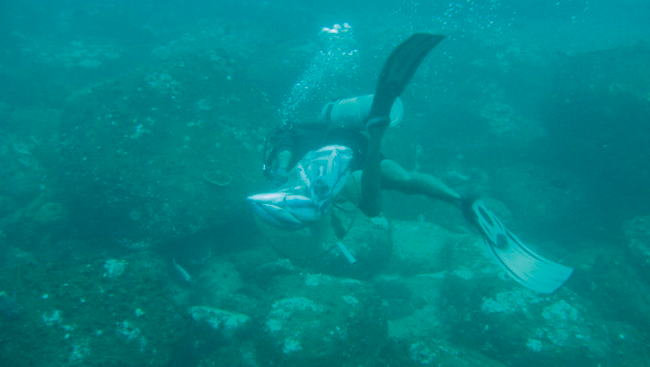
(Mongabay) It was a perfect morning in Pigeon Island National Park in eastern Sri Lanka, where a group of tourists in a boat was taking in the rich marine life in the water around them.
All of a sudden, there was a loud blast close by. As silence settled once again, they saw the fish that had been flitting nimbly about now either floating dead on the surface or struggling to swim. Through the clear water, they could see more dead fish in the seabed.Hans-Georg Kehse, the leader of the tour group, realised they’d just narrowly escaped an explosive meant for catching fish.
“Fish bombs or dynamite fishing has become a common occurrence in and around Pigeon Island National Park, where sounds of such explosions have become frequent,” said Kehse, who operates a dive centre near the park.
He estimated that the recent blast occurred only about 400 metres, or a quarter-mile, from his tour group. Any closer, Kehse said, it could have been a human tragedy, which would have dealt a devastating blow to Sri Lanka’s already beleaguered marine tourism industry.
Dynamite fishing relies on an explosive to kill or stun large numbers of fish. The shockwaves from the underwater blast can kill a fish or rupture its swim bladder, resulting in the fish losing its buoyancy. They then become easy pickings for fishers, who just have to scoop them out of the water. But the practice is indiscriminately killing or injuring all marine creatures in the vicinity and damaging marine habitats such as coral reefs.In a marine park like Pigeon Island, corals constitute the main underwater life support system, and the repeated blasts can shatter the substrate of that coral growth, preventing its recovery, said Arjan Rajasuriya, a leading coral expert in Sri Lanka and former researcher with the National Aquatic Resources Research and Development Agency (NARA).
Most of the corals in southern Sri Lanka are already bleached, and those in other areas are threatened. The eastern coast, where Pigeon Island is located, has the highest cover of live corals, but blast fishing poses a serious threat to them, Rajasuriya told Mongabay.Shipwreck sites, which attract large numbers of fish, have also become targets of blast fishing, according to Dharshana Jayawardena of Dive Sri Lanka, a diving tour operator. That’s especially concerning, given that dive tourism is seen as key to helping the tourism industry in Sri Lanka recover from the COVID-19 pandemic and the ongoing economic crisis, Jayawardena said.
At the rate at which blast fishing is taking place, including at dive sites, it’s just a matter of time before a tourist gets injured, which would spell the end for Sri Lanka’s dive tourism industry, Jayawardena told Mongabay.
Among the sites where blast fishing is rife is Trincomalee in the country’s east, Galle in the south, and Mannar and Jaffna in the northern Pigeon Island is a particular concern because it’s one of just three marine national parks in Sri Lanka — a purportedly protected area administered by the Department of Wildlife Conservation (DWC). A naval camp is located close by, from where the explosions can be clearly heard.
DWC director-general Chandana Sooriyabandara said the department’s officers on the ground work hard to tackle blast fishing whenever possible. Officers stationed near Pigeon Island said they try to go after the perpetrators whenever they hear an explosion, but these activities are so well coordinated that the fishing boats out at sea are quickly tipped off about the approaching patrol boats, allowing them time to flee.
The Sri Lankan Navy has apprehended several fishermen involved in blast fishing in recent years, seizing explosives that include TNT, C4, and gelignite. The latter, a water-based blasting gelatin, has increasingly become the explosive of choice.In 2017, the Navy seized 52 kilograms (115 pounds) of water gel. In the first few months of 2019, they seized 63 kg (139 lbs). Following the April 2019 Easter church bombings, there was a massive crackdown on the circulation of explosives, resulting in a drop in blast fishing during that period.
The distribution of explosives in Sri Lanka is regulated by the Navy. Explosives that end up being used in blast fishing either leak from this distribution chain or are smuggled into the country by sea from neighbouring India. The Navy says it has intensified its patrols of this sea route to crack down on the smuggling of explosives and other contraband.
But even these efforts are being undermined due to the unfolding economic crisis, the worst in Sri Lanka’s history. Acute shortages mean fuel for patrols by the DWC is being rationed. The Navy, meanwhile, is focused on another pressing problem: stopping the flow of desperate Sri Lankans trying to migrate to India.
Coral expert Rajasuriya said it’s impossible to identify the number of people who have access to explosives. The problem of blast fishing has gone from being a conservation issue and is now of national concern, he said. He called for strict vigilance and intelligence gathering, similar to the situation in the wake of the 2019 terrorist bombings, to identify how these explosives are being sourced.
Blast fishing is especially rampant in Mannar, in Sri Lanka’s northern region, according to S.S.M. Peramunagama from the Sri Lankan Department of Agriculture, who has researched destructive fishing activities there. It’s widely thought that blast fishing in Mannar is practised by fishers coming from other regions, but the reality is that it’s the local fishers doing it, Peramunagama said.
When fish reach the market, it’s difficult to determine whether they were killed by a blast, even for fisheries inspectors. “Another difficulty in enforcing the law is the degree of political interventions that had often [led to] the release of the arrested fishers,” Peramunagama told Mongabay. He also highlighted the personal risk that the blast fishers themselves run, with loss of limbs a very real danger whenever they handle the explosives.
A 2021 review of the existing scientific literature on blast fishing shows it’s a worldwide problem that’s driven by more than just poverty. “Blast fishing is happening in Africa, Asia, South America, and Europe since explosives started [becoming] available relatively freely in the late 19th century,” said lead author Melissa Hampton-Smith of the University of New England, Australia. The study identified particularly destructive practices in parts of Southeast Asia, Tanzania, the Red Sea, and many other areas in Asia.
Though poverty is often cited as the main factor driving fishers to resort to blast fishing, the biggest contributor is the easy access to explosives, Hampton-Smith said. Access to credit and the prospect of increased catches were also identified as bigger drivers than poverty, she added. The review also indicated that blast fishers tend to be wealthier than fishers who don’t practice blast fishing.

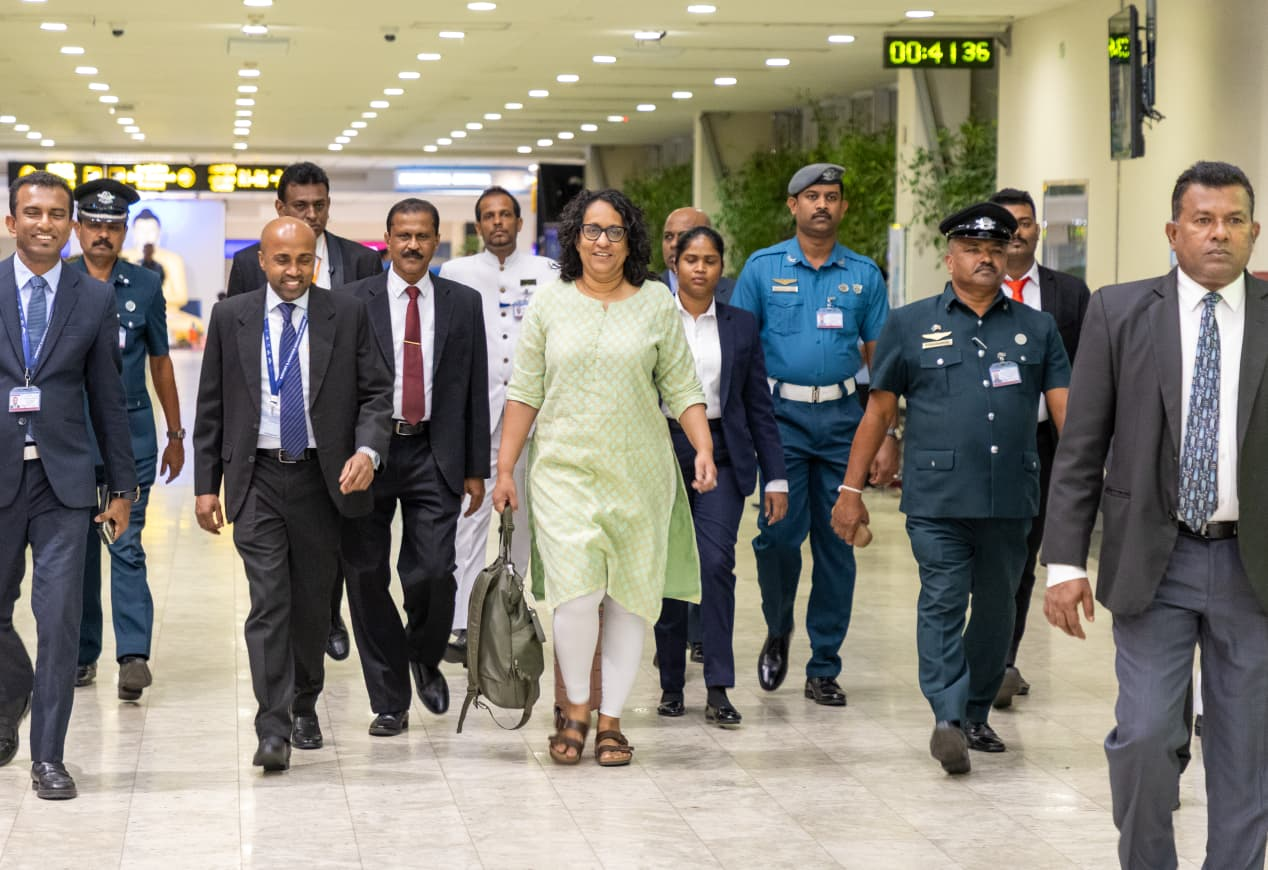
Prime Minister Dr. Harini Amarasuriya departed for Manila, Philippines, at midnight on 8 March on an official visit at the invitation of the Asian Development Bank (ADB), where she will participate in events marking International Women’s Day.
Upon arrival at the Ninoy Aquino International Airport (NAIA) in Manila, the Prime Minister was welcomed by Dr. Chanaka Thalpahewa, Ambassador of Sri Lanka to the Philippines, along with officials of the Government of the Philippines and representatives of the Asian Development Bank.
During the visit, the Prime Minister is scheduled to deliver a keynote address at the International Women’s Day event hosted at the ADB Headquarters in Manila.
On the sidelines of the event, the Prime Minister will also hold bilateral meetings with several Ministers of the Government of the Philippines to further strengthen cooperation and bilateral relations between Sri Lanka and the Philippines in areas of mutual interest.
[Prime Minister’s Media Division]
News
It is the government’s responsibility to ensure women’s rights are realized in everyday Life, and are not confined merely to Laws – PM

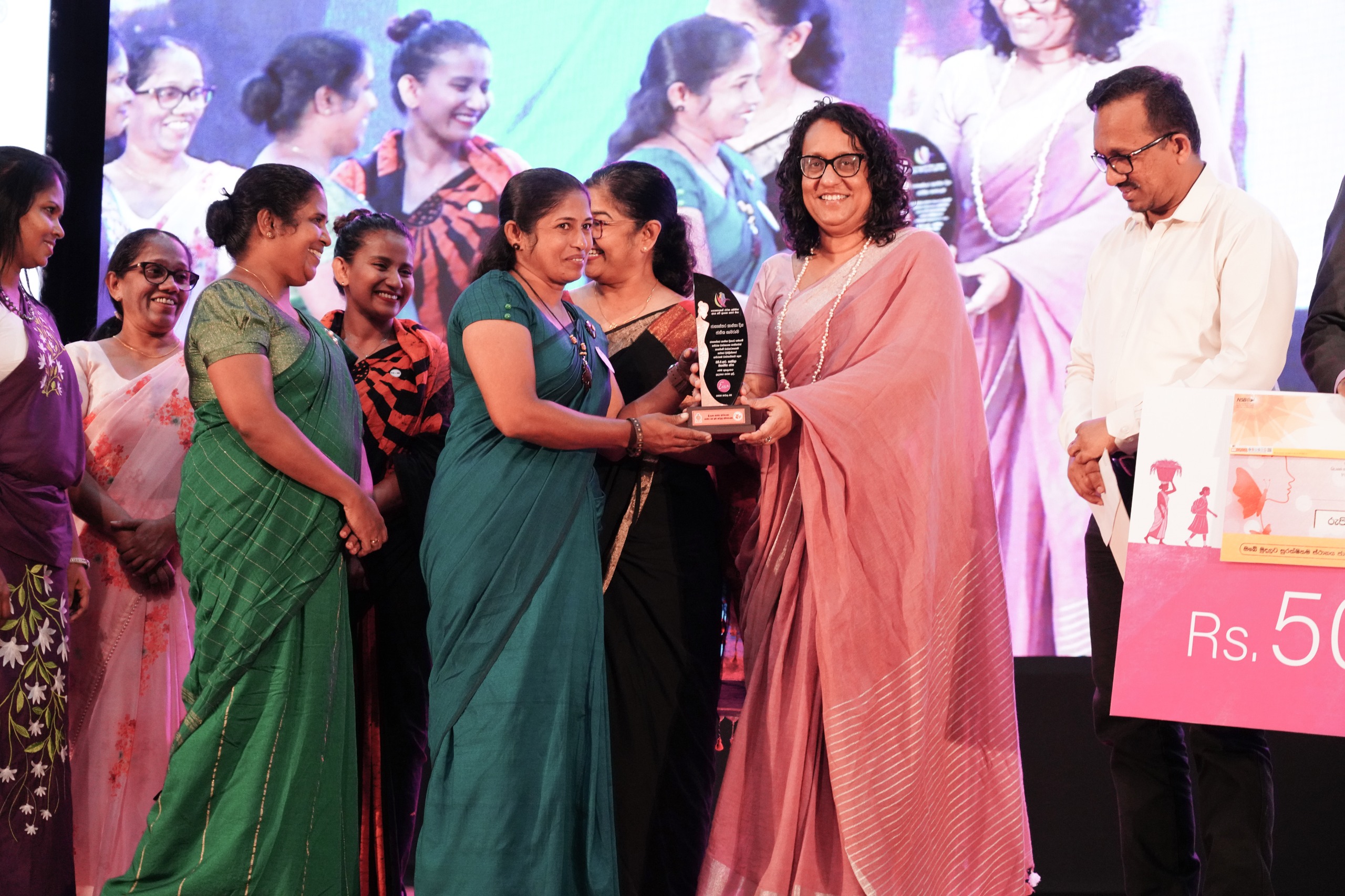
Prime Minister Dr. Harini Amarasuriya stated that it is the responsibility of the government to ensure that the political, economic, and social rights of women are not confined merely to laws or written documents, but are realized as a reality in the daily lives of every woman in the country.
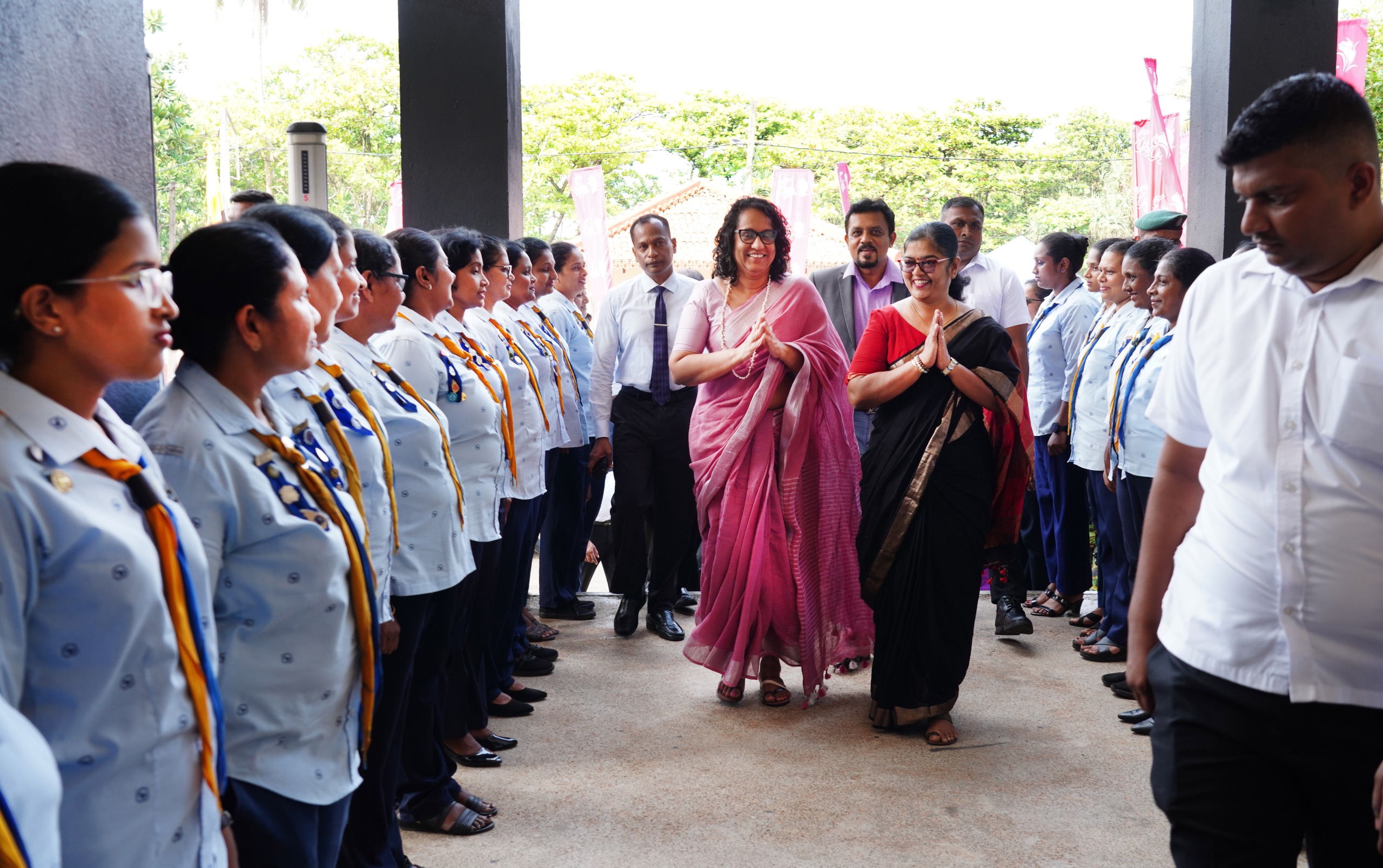
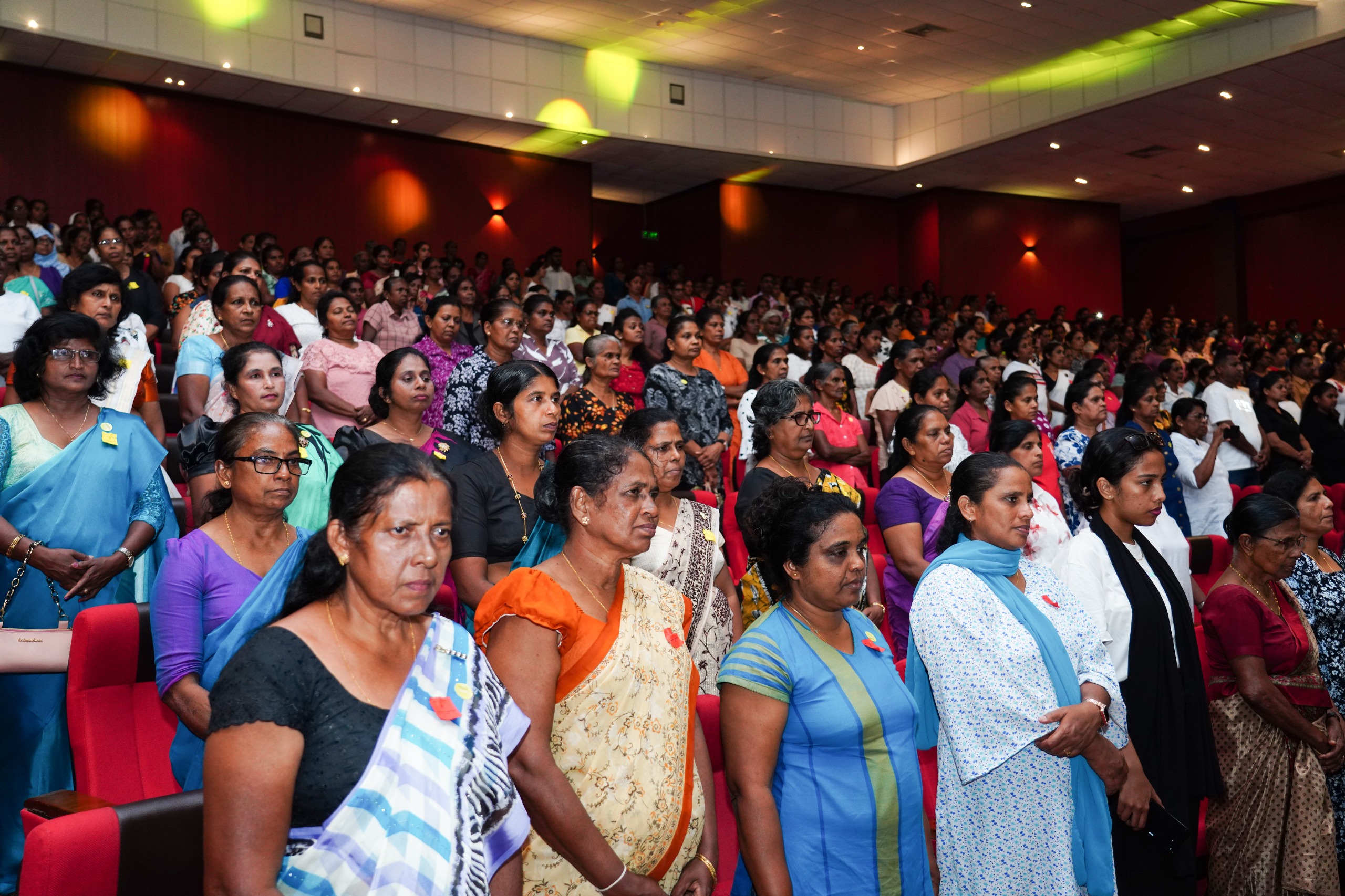
The Prime Minister made these remarks while participating as the Chief Guest at the National Celebration of International Women’s Day 2026, held on March 8 at the Rabindranath Tagore Memorial Auditorium of the University of Ruhuna in Matara under the theme “The Pride of a Prosperous Country – She is the Nation’s Path Forward.”
Addressing the gathering, the Prime Minister further stated:
“The freedoms we enjoy today including the right to education and political rights were won through the struggles carried out by women throughout history. This day is not merely confined to flowers. Our goal is to safeguard those rights and create an environment where every woman in our country can lead her life towards a better future.
The products of women entrepreneurs in this country should not remain confined to their local areas. The government is working to create an environment to ensure that they become active contributors to the national economy.
At the same time, a proposal has recently been presented by the Parliamentary Women’s Caucus to introduce a National Care Policy in order to recognize both the paid and unpaid contributions made by women for their families and for the country’s economy.
The Prime Minister also emphasized that women have a significant responsibility to stand for humanity in the face of the various crises occurring around the world. She called upon the women of the country to unite with compassion and take the lead in raising their voices for peace.
Addressing the event, Minister of Women and Child Affairs Saroja Savithri Paulraj stated that a new era has dawned in which the tears and sweat shed by women working abroad to strengthen the country’s foreign reserves will receive due recognition. She further noted that a comprehensive mechanism involving all ministries will be implemented to support women entrepreneurs, female heads of households, and women who have experienced violence.
At this national event, the Prime Minister also presented appreciation awards to 25 successful women entrepreneurs from across the island.
The occasion was attended by the Minister of Industry and Entrepreneurship Development Sunil Handunneththi, Southern Province Governor Prof. Susiripala Manawadu, Deputy Ministers including Dr. Namal Sudarshana, along with ambassadors, public representatives, and a large number of participants.
[Prime Minister’s Media Division]
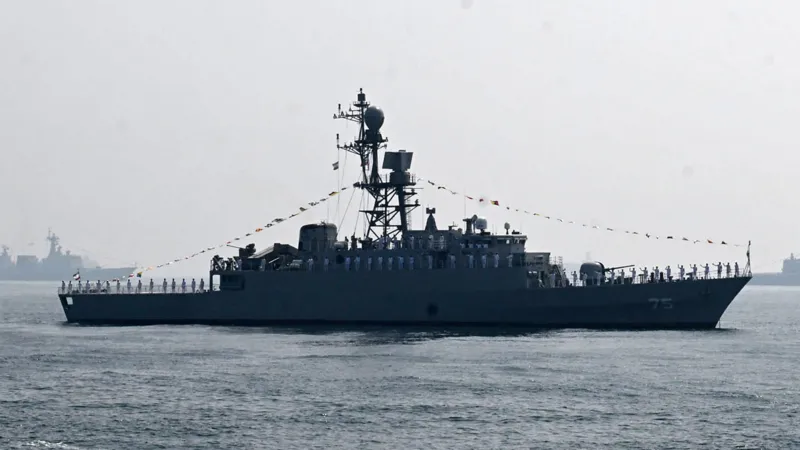
The Iranian warship Iris Dena was given permission by India to dock three days before it was torpedoed by a US submarine, India has said.
Foreign Minister S Jaishankar said Iran had sought permission for three of its ships to dock at Indian ports on 28 February – the day the US and Israel began a war on Iran – and permission was granted by India on 1 March.
The ships’ movements between 1 and 4 March are not clear and nor is why only one of them made it to India.
The sinking of the Iris Dena, with 130 sailors on board, in international waters off Sri Lanka’s southern coast on 4 March marked a dramatic widening of the war – and raised questions about India’s authority in its backyard.
It was the first military strike outside the Middle East since the US and Israel launched their war on Iran. President Donald Trump has said destroying Iran’s navy is one aim of the assault.
The three Iranian ships – Iris Dena, Iris Bushehr and Iris Lavan – had all participated in a military exercise hosted by India between 15 and 25 February in the coastal city of Visakhapatnam.
They left Indian waters on 25 February and were likely to have been in international waters on 28 February – when the US and Israel began attacking Iran.
“The Iranian side had requested permission on 28 February for three ships in the region to dock at our ports. This was accorded on 1 March,” Jaishankar told parliament on Monday. “Iris Lavan actually docked on 4 March in Kochi. The crew is currently in Indian naval facilities. We believe that this was the right thing to do.”
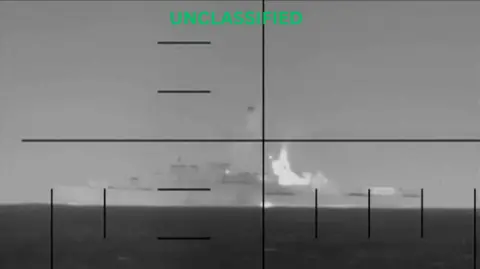
On 4 March, Iris Dena sank after being hit by a torpedo fired from a US submarine, killing at least 87 of its crew members.
According to the Indian Navy, the Iris Dena was operating about 20 nautical miles – roughly 23 miles (37km) – west of Galle in waters that fall under Sri Lanka’s designated search-and-rescue zone on the day it was struck.
The US tracks vessels across the world’s oceans, and a quarter of its submarine fleet of 65-70 is at sea at any given time, according to analysts.
Iran’s Foreign Minister Abbas Araghchi said last week the US had “perpetrated an atrocity at sea, 2,000 miles away from Iran’s shores” and that the warship was “struck in international waters without warning.”
Later, Sri Lanka said it had provided sanctuary for Iris Bushehr on 5 March, a day after it requested for docking following an engine malfunction.
Eventually, India also confirmed that Iris Lavan was docked in its southern city Kochi.
The BBC has written to the Iranian embassy in India and India’s external affairs ministry seeking clarification on the movements of the three Iranian naval vessels after Delhi granted them permission to dock.
US Defence Secretary Pete Hegseth has touted the attack on Iris Dena as an example of America’s military prowess, claiming it was “the first sinking of an enemy ship by a torpedo since World War Two”.
While it is the first time since 1945 that an American submarine has sunk an enemy ship this way, the UK and Pakistan have both sunk vessels using torpedoes since then.
The Iris Dena was one of about 20 Iranian navy vessels destroyed since Israel and the US launched co-ordinated strikes on Iran.
[BBC]

Prime Minister on official visit to Manila, Philippines

It is the government’s responsibility to ensure women’s rights are realized in everyday Life, and are not confined merely to Laws – PM

North Korea cancels Pyongyang Marathon for ‘some reasons’

Canadian officials rescue 23 people who floated away on ice sheet

India offered sanctuary to Iranian ship three days before US sank it

Afghanistan-Sri Lanka white-ball series set to be postponed due to West Asia conflict

‘Dates have the highest sugar content to fight Coronavirus’

Sunday Island 27 December – Headlines

#SundayIsland 17th December – Headlines

Sunday Island – 28th March

Sunday Island Headlines – 21 March

Sunday Island – 21st February – Headlines
-
 News4 days ago
University of Wolverhampton confirms Ranil was officially invited
-

 News5 days ago
Legal experts decry move to demolish STC dining hall
-

 News4 days ago
Female lawyer given 12 years RI for preparing forged deeds for Borella land
-

 News3 days ago
Peradeniya Uni issues alert over leopards in its premises
-

 Business5 days ago
Cabinet nod for the removal of Cess tax imposed on imported good
-
 News4 days ago
Library crisis hits Pera university
-

 News3 days ago
Wife raises alarm over Sallay’s detention under PTA
-

 Business6 days ago
War in Middle East sends shockwaves through Sri Lanka’s export sector