
Latest News
Orange Sahara dust haze descends over Athens

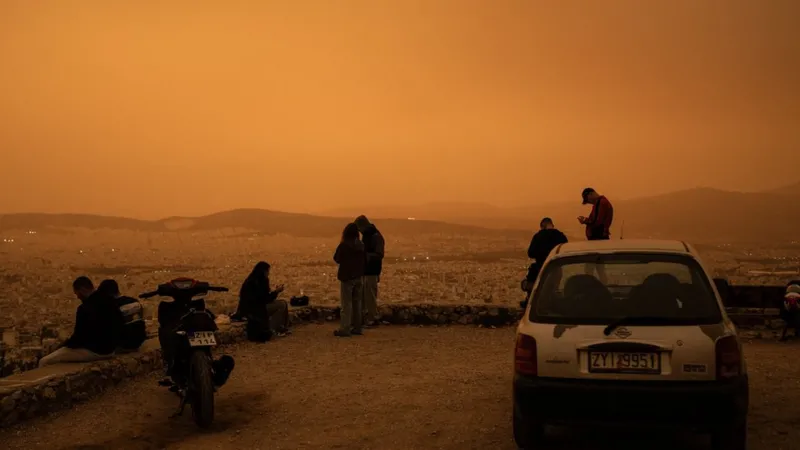
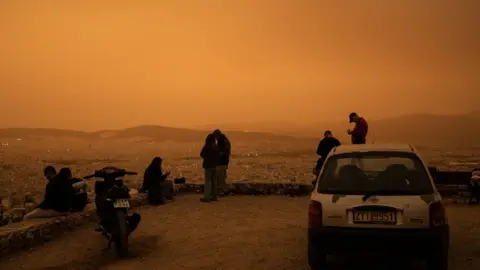
A dramatic orange haze has descended over Athens as clouds of dust have blown in from the Sahara desert.
It is one of the worst such episodes to hit Greece since 2018, according to officials.
Greece had already been struck by similar clouds in late March and early April, which also covered areas of Switzerland and southern France.
The skies are predicted to clear on Wednesday, says Greece’s weather service.
Air quality has deteriorated in many areas of the country and on Wednesday morning the Acropolis in Athens was no longer visible because of the dust. The cloud has reached as far north as Thessaloniki.
Greeks with respiratory conditions have been urged to limit the time they spend outdoors, wear protective masks and avoid taking physical exercise until the dust clouds clear.
The Sahara releases 60 to 200 million tonnes of mineral dust per year.
Most of the dust quickly descends to Earth, but some of the small particles can travel huge distances, sometimes reaching Europe.
The atmosphere especially in southern Greece has become stifling because of the combination of dust and high temperatures.
Meteorologist Kostas Lagouvardos compared the view from one weather station to the planet Mars.
The fire service on Tuesday reported 25 wildfires in the past 24 hours. One fire broke out near a naval base on the island of Crete – where temperatures soared above 30C (86F) – and homes and a kindergarten had to be evacuated, according to local reports.
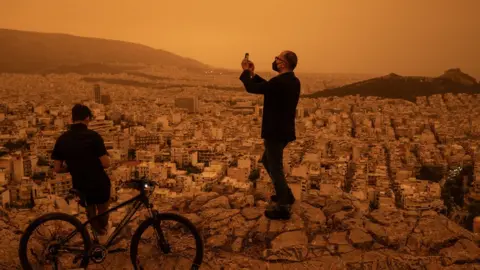
Dust plumes from the Sahara are not uncommon across Europe and can vary in intensity, however, they tend to occur most often during the spring and autumn.
This current event across the Eastern Mediterranean was caused by an area of low pressure over Libya that brought strong southerly winds, drawing in high concentrations of dust and sand from North Africa into Greece, particularly on Tuesday. The southerly winds also brought hot desert air with them. Temperatures rose to well above the average for late April across the Greek mainland and islands, with 36.6C recorded in the Chania region of Crete.
The highest concentrations of dust will be focussed further east on Wednesday as a cold front with cleaner, fresher air continues to sweep in from the west. By the end of the week fresher, cleaner air will return to the Eastern Mediterranean with temperatures also back closer to normal for the time of year.
(BBC)









The computer system at the Department of Registration of Persons has been rectified and the services are back to normal.

Italy’s Prime Minister Giorgia Meloni has lost a key referendum on a constitutional reform which had turned into a vote on her government.
The result gives around 54% to the “No” campaign and 46% to the “Yes” vote which Meloni had backed.
In a video posted on social media even before all the ballots were counted, Meloni said Italians had voted “with clarity” and she would respect their decision, but she regretted a “lost chance to modernise” the country.
It is the first significant defeat for Meloni and her right-wing coalition, which has overseen a rare period of political stability for Italy. Opposition parties are hailing the result as a sign that voters are looking for change, with a general election due next year.
When the two-day referendum ended on Monday afternoon, exit polls initially showed the “No” vote leading by a small margin, but that grew to a substantial lead as the count progressed.
Despite the complex question on the ballot paper, turnout was almost 60%. A high figure had been expected to favour the government, but it was not enough to swing the vote.
The reform voters rejected would have inscribed a firm separation between judges and prosecutors into the constitution. It also proposed distinct bodies to govern them and a new disciplinary court.
The government argued the change was critical to improving judicial independence.
The opposition countered that it would shatter a careful balance of powers established following the defeat of fascism, and increase political influence over the courts.
Many Italians struggled to understand the technical details – perhaps a communication failure by Team Meloni – and the vote quickly morphed into a plebiscite on her near-record three and half years in office.

[BBC]

US President Donald Trump announced that discussions are ongoing with Iran to “determine whether a broader agreement can be reached”, saying that “this time, Iran means business; they want to settle. They want peace”.
But Teheran denied that talks with the US are taking place, with Iran’s parliamentary speaker saying such claims are “fake news” and being “used to manipulate financial and oil markets”.
Oil prices dropped by about 11 percent after Trump announced a delay to attacks on Iran’s power plants for five days amid his claims of talks.
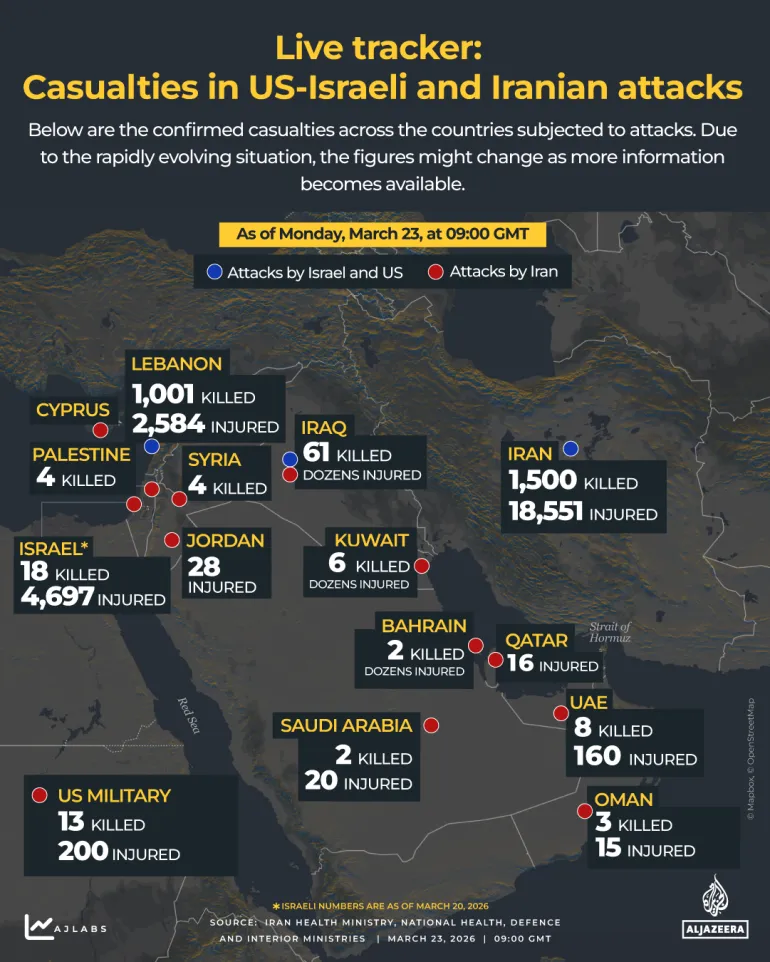
Despite Trump’s comments, US Central Command says US forces “continue to aggressively strike” targets in Iran, as Iranian missiles and drones continued to target Gulf countries – including Bahrain, Saudi Arabia and Kuwait – overnight.
Israeli warplanes bombed Beirut’s southern neighborhood as the Lebanese Health Ministry said the death toll from Israel’s attacks on the country had reached 1,039 people, with 2,786 people injured, since March 23.
[Aljazeera]

‘Dates have the highest sugar content to fight Coronavirus’

Sunday Island 27 December – Headlines

#SundayIsland 17th December – Headlines

Sunday Island – 28th March

Sunday Island Headlines – 21 March

Sunday Island – 21st February – Headlines
-

 News7 days ago
CIABOC questions Ex-President GR on house for CJ’s maid
-

 News6 days ago
Bailey Bridge inaugurated at Chilaw
-

 Features2 days ago
Trincomalee oil tank farm: An engineering marvel
-

 News5 days ago
CIABOC tells court Kapila gave Rs 60 mn to MR and Rs. 20 mn to Priyankara
-

 News6 days ago
Pay hike demand: CEB workers climb down from 40 % to 15–20%
-

 Editorial7 days ago
Couple QR-based quota with odd-even rationing
-

 Features5 days ago
Science and diplomacy in a changing world
-

 News4 days ago
Colombo, Oslo steps up efforts to strengthen bilateral cooperation in key environmental priority areas