
Latest News
Open dialogue, suggestions, and criticisms based on factual information regarding the new education reforms are extremely important – PM


Prime Minister Dr. Harini Amarasuriya stated that open discussions, suggestions, and criticisms based on factual information concerning the new education reforms are of great importance.
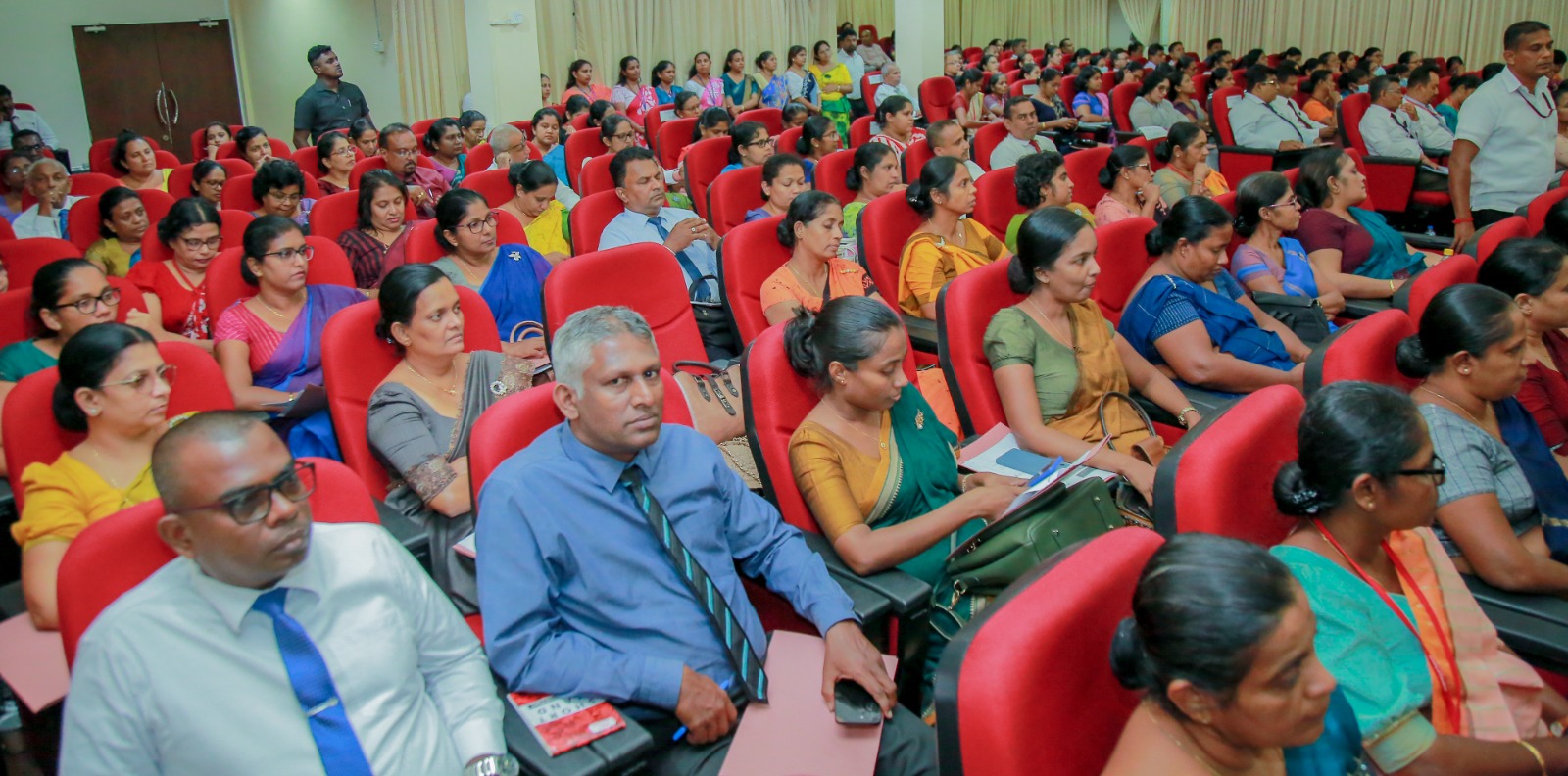
The Prime Minister made these remarks on Thursday (17) at a special program held at the Western Provincial Council Auditorium to raise awareness among education officials of the Western Province regarding the new education reforms.
Addressing the dialogue, the Prime Minister said:
“It is clear through the ongoing public discourse that society is paying close attention to the new education reforms. There is a significant public interest in this process. That is why many people are presenting various ideas, suggestions, and criticisms. This is a healthy sign, and through this, we can move forward toward better outcomes.
As a government, we have always pledged to give high priority to education, starting from the stage of policy formulation. This commitment is reflected in our policy statements and political platforms. These reforms are not something that began yesterday. Everyone stood together for the development goals of this country, but what is truly needed is not only achieving these goals but also transforming the society we live in. There must be a major transformation in education. What we aim to create is not an individual limited to a narrow journey shaped by textbooks, one subject, or one academic stream. Instead, we are trying to nurture a person with broader thinking, a free mind, and leadership skills who can view the world with a wider perspective.
These reforms are not limited to changes in the curriculum. It is a structural reform developed around five core pillars. Education has reached this state because trending decisions were made without identifying the fundamental issues.
The main transformation brought by the new reforms is developing skills among children to be equipped for the real world of work, starting from Grade 10. Some people misunderstand and criticize these reforms, spreading misinformation. We welcome constructive criticism, study, and dialogue based on proper understanding.
All stakeholders in the education sector must fully comprehend the new reforms and communicate the right message to the public. everyone’s cooperation is expected in achieving this historic task for our children. We cannot do this by dividing; we must all come together”.
The discussion was attended by the Deputy Minister of Education and Higher Education Dr. Madhura Senewiratne, Deputy Minister of Vocational Education Nalin Hewage, Deputy Minister of Labour Mahinda Jayasinghe, Western Province Governor Haniff Yusoof, Members of Parliament Lakshman Nipunarachchi, Sanjeewa Ranasinghe, Ruwan Mapalagama, Ministry of Education Secretary Nalaka Kaluwawa, Chief Secretary of the Western Province Pradeep Pushpakumara, as well as officials representing the National Institute of Education, the Department of Examinations, and the Western Province Department of Education.

[Prime Minister’s Media Division]

Latest News
Showers above 100 mm are likely at some places in the Western, Sabaragamuwa, Central, Uva and Southern provinces and in Anuradhapura district

WEATHER FORECAST FOR 08 OCTOBER 2026
Issued at 05.30 a.m. on 08 October 2026 by the Department of Meteorology
Misty conditions can be expected at some places in the Western, Sabaragamuwa, Central and Uva provinces and in Galle and Matara districts during the early hours of the morning.
Showers or thundershowers will occur in the most part of the island after 1.00 p.m. Heavy showers above 100 mm are likely at some places in Western, Sabaragamuwa, Central, Uva and Southern provinces and in Anuradhapura district.
The general public is kindly requested to take adequate precautions to minimize damage caused by temporary localized strong winds and lightning during thundershowers.

Former first lady Shiranthi Rajapaksa, wife of former President Mahinda Rajapaksa was produced before the Hulftsdorp court, after being arrested by officers of the Commission to Investigate Allegations of Bribery or Corruption (CIABOC) and produce
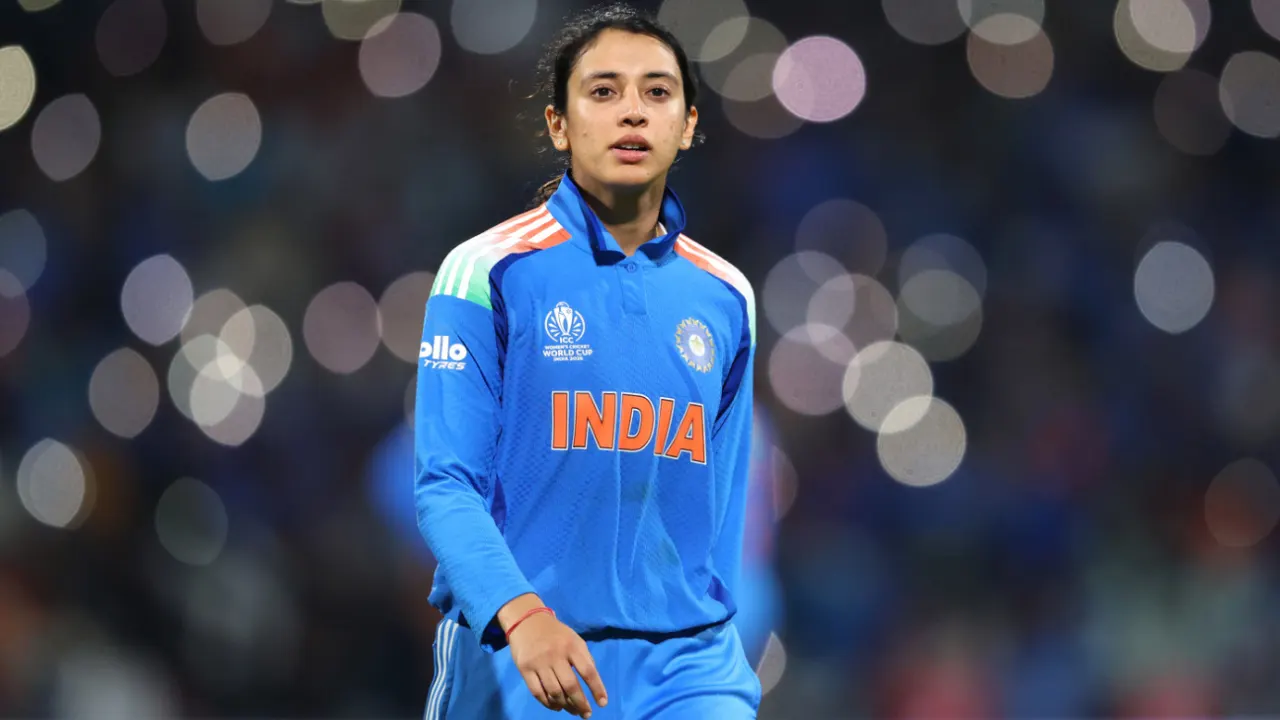
Smriti Mandhana has been named India’s all-format women’s captain on the same day Harmanpreet Kaur stepped down from the role after nearly a decade since she first took over.
Mandhana – vice-captain to Harmanpreet for much of this period – has previously led India in four ODIs and 18 T20Is, apart from captaining Maharashtra in domestic cricket and Royal Challengers Bengaluru in the Women’s Premier League.
Mandhana’s first assignment will be the limited-overs series against Zimbabwe beginning with the three T20Is in Raipur from October 16. On Tuesday, Mandhana was part of the selection meeting chaired by Amita Sharma to pick the squad for the tour.
Terming the appointment a “special honour”, Mandhana also acknowledged the contributions of her predecessor in her welcome note.
“I would also like to acknowledge Harmanpreet and the contribution she has made as captain over the years,” she was quoted as saying by the BCCI. “She has led the team with great commitment and has been an important part of our journey.
“I understand the responsibility that comes with this role and look forward to working with the team, learning along the way and giving my best to take Indian cricket forward.”
Mandhana’s appointment comes on the back of a review meeting held on Monday in Guwahati. Chaired by secretary Devajit Saikia, the meeting was also attended by Mandhana, Harmanpreet and head coach Amol Muzumdar to chart a roadmap forward, with an eye on next year’s inaugural Women’s Champions Trophy in February as well as the T20 World Cup and Los Angeles Olympics in 2028.
Mandhana, India’s best all-format batter, has been knocking on the doors for a while. Earlier this year, she led RCB to their second WPL title, in which she also top-scored in the final.
In September, she overtook Mithali Raj to become the leading run-scorer in women’s international across formats. Her 18 international hundreds are also the most in women’s cricket. She is also the first Indian woman to score centuries in all formats.
[Cricinfo]

Showers above 100 mm are likely at some places in the Western, Sabaragamuwa, Central, Uva and Southern provinces and in Anuradhapura district

PSTA worse than PTA: FSP

Shiranthi R remanded until 13 Oct.

Former NSB Chairman Kariyawasam granted bail

Katchatheevu row: India SC urges fishermen to avoid Sri Lankan waters

Remembering Juvenal, Coke, Acton and Machiavelli

‘Dates have the highest sugar content to fight Coronavirus’

Sunday Island 27 December – Headlines

#SundayIsland 17th December – Headlines

Sunday Island – 28th March

Sunday Island Headlines – 21 March

Sunday Island – 21st February – Headlines
-

 Editorial6 days ago
Colombo Port drug bust: The plot thickens
-

 Features4 days ago
The first woman in the foreign service or Ceylon Overseas Service it was then called
-

 Editorial5 days ago
Fuelling discontent and protest
-

 News3 days ago
Geneva takes up Sallay’s case and govt. ignores opportunity to answer accusations
-

 Foreign News5 days ago
Ten injured after car crashes into rugby supporters in Australia
-

 Latest News5 days ago
Tharindu Rathnayake, bowlers secure Asian Games Bronze for Sri Lanka
-

 News4 days ago
Nearly 20 Iranian tankers stranded off Lanka amid US sanctions
-

 Features3 days ago
Sri Lanka Cricket Bill: Governance reform is not yet a cricket strategy