
Latest News
New Zealand and South Africa look ahead to Super Eights in low-pressure contest

Wednesday afternoon’s all-time classic in Ahmedabad was a game of inches. A couple of inches this way or that, and Saturday night’s game, at the same venue, could have had a whole lot more riding on it.
But as things stand, New Zealand and South Africa look set for safe passage out of Group D and into the Super Eights, leaving Afghanistan bemoaning fate and small margins, and praying for miracles from UAE and Canada – or is probably unlikely to cut it.
There’s no mystery about which of the Super Eights groups New Zealand and South Africa will end up in either. Pre-tournament seedings already decided that.
So this game, which could have been one of the tastiest clashes of the tournament, pitting two title contenders and featuring several tactical sub-plots, doesn’t really have much riding on it at all.
It could still turn out to be one of the games of the tournament, of course, because that can happen when you put two T20 teams of elite power and skill on the field together. But the title of this section, big picture? There isn’t much of it at all.
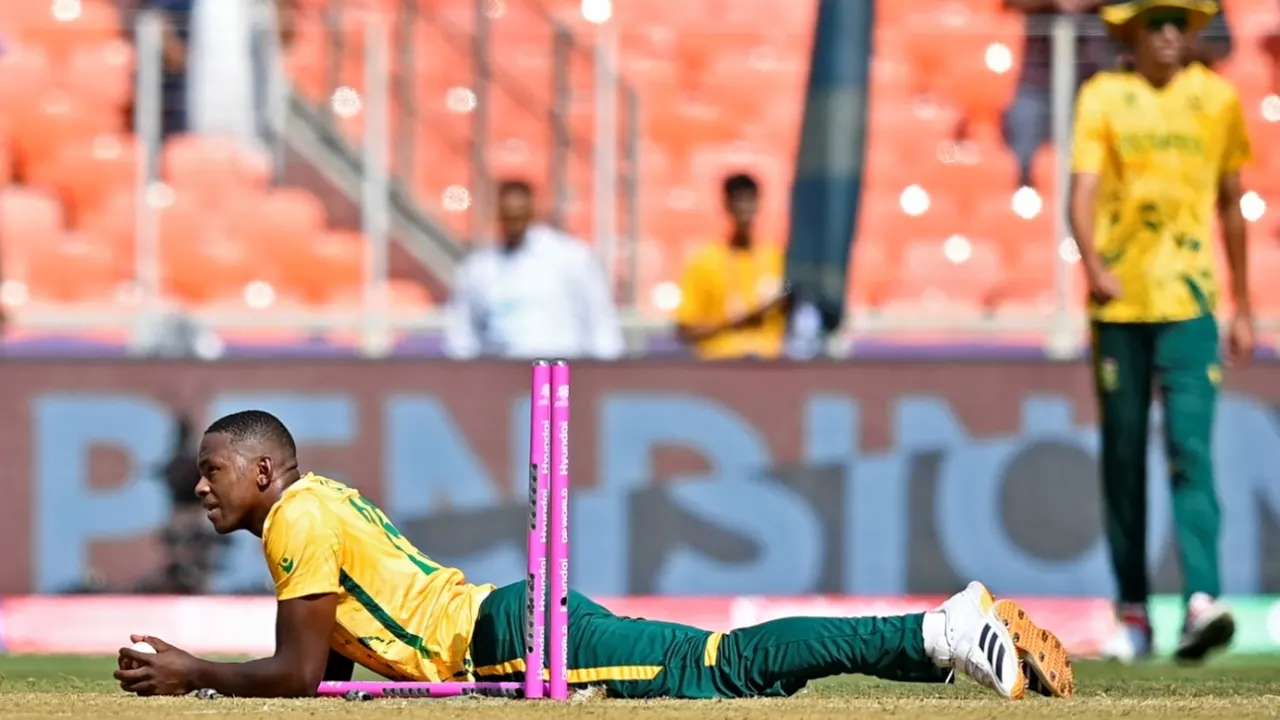
He is one of South Africa’s greatest cricketers of all time, but is Kagiso Rabada under some pressure to hold his place in their first XI in T20Is? He has the pace and skills to operate in any phase, but he has had an indifferent time in T20Is of late. Rabada averages 34.55 with the ball since 2025, with an economy rate of 9.82. But in his defence, he has only played nine T20Is in this time, thanks to injury and workload management. The chaotic 20th over against Afghanistan, during which Rabada overstepped twice, shouldn’t put his spot in danger. But he’ll want to pick himself up and remind the world of the impact he can make at his best.
Rachin Ravindra looks like he could be the archetypal modern-day T20 No. 3, but his international record in the format is… not good, with a strike rate of 135.19, an average of 19.09, and just three half-centuries in 40 innings. All that doesn’t take away from Ravindra’s potential – which he has shown in flashes in recent weeks, in a pair of cameos against India – and he could make a big difference on Saturday if he and his fellow left-handers in New Zealand’s line-up could get stuck into Keshav Maharaj’s left-arm spin.
New Zealand played the same XI against both Afghanistan and UAE, and they seem unlikely to make any changes unless a used pitch prompts them to pick an extra spinner in Ish Sodhi.
New Zealand (probable): Tim Seifert (wk), Finn Allen, Rachin Ravindra, Glenn Phillips, Daryl Mitchell, Mark Chapman, Mitchell Santner (capt), James Neesham, Matt Henry, Lockie Ferguson, Jacob Duffy
South Africa replaced seam-bowling allrounder Corbin Bosch with spin-bowling allrounder George Linde when they played Afghanistan. They might, however, worry about having two left-arm fingerspinners in Linde and Maharaj against a New Zealand side with four left-hand batters in their likely top eight. Bosch, therefore, could come back in.
South Africa (probable): Aiden Markram (capt), Quinton de Kock (wk), Ryan Rickelton, Dewald Brevis, David Miller, Tristan Stubbs, Marco Jansen, Corbin Bosch/George Linde, Kagiso Rabada, Keshav Maharaj, Lungi Ngidi
[Cricinfo]

Latest News
Showers above 100 mm are likely at some places in the Western, Sabaragamuwa, Central, Uva and Southern provinces and in Anuradhapura district

WEATHER FORECAST FOR 08 OCTOBER 2026
Issued at 05.30 a.m. on 08 October 2026 by the Department of Meteorology
Misty conditions can be expected at some places in the Western, Sabaragamuwa, Central and Uva provinces and in Galle and Matara districts during the early hours of the morning.
Showers or thundershowers will occur in the most part of the island after 1.00 p.m. Heavy showers above 100 mm are likely at some places in Western, Sabaragamuwa, Central, Uva and Southern provinces and in Anuradhapura district.
The general public is kindly requested to take adequate precautions to minimize damage caused by temporary localized strong winds and lightning during thundershowers.

Former first lady Shiranthi Rajapaksa, wife of former President Mahinda Rajapaksa was produced before the Hulftsdorp court, after being arrested by officers of the Commission to Investigate Allegations of Bribery or Corruption (CIABOC) and produce
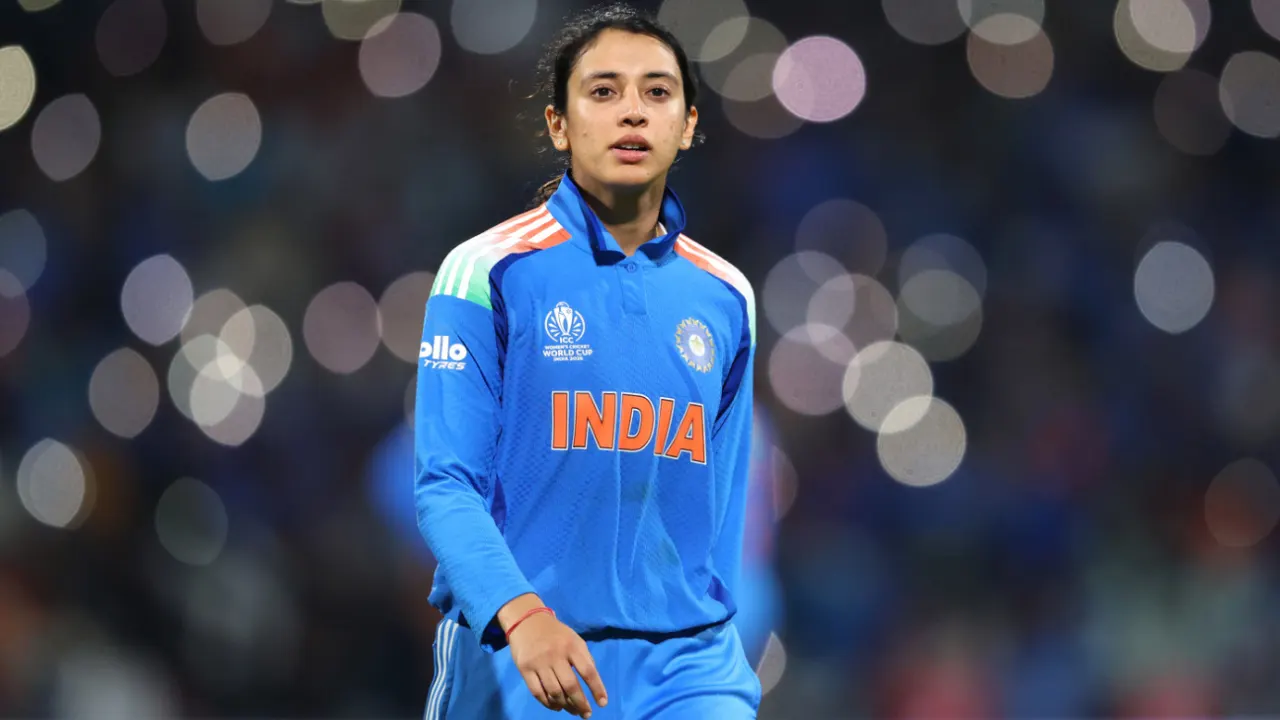
Smriti Mandhana has been named India’s all-format women’s captain on the same day Harmanpreet Kaur stepped down from the role after nearly a decade since she first took over.
Mandhana – vice-captain to Harmanpreet for much of this period – has previously led India in four ODIs and 18 T20Is, apart from captaining Maharashtra in domestic cricket and Royal Challengers Bengaluru in the Women’s Premier League.
Mandhana’s first assignment will be the limited-overs series against Zimbabwe beginning with the three T20Is in Raipur from October 16. On Tuesday, Mandhana was part of the selection meeting chaired by Amita Sharma to pick the squad for the tour.
Terming the appointment a “special honour”, Mandhana also acknowledged the contributions of her predecessor in her welcome note.
“I would also like to acknowledge Harmanpreet and the contribution she has made as captain over the years,” she was quoted as saying by the BCCI. “She has led the team with great commitment and has been an important part of our journey.
“I understand the responsibility that comes with this role and look forward to working with the team, learning along the way and giving my best to take Indian cricket forward.”
Mandhana’s appointment comes on the back of a review meeting held on Monday in Guwahati. Chaired by secretary Devajit Saikia, the meeting was also attended by Mandhana, Harmanpreet and head coach Amol Muzumdar to chart a roadmap forward, with an eye on next year’s inaugural Women’s Champions Trophy in February as well as the T20 World Cup and Los Angeles Olympics in 2028.
Mandhana, India’s best all-format batter, has been knocking on the doors for a while. Earlier this year, she led RCB to their second WPL title, in which she also top-scored in the final.
In September, she overtook Mithali Raj to become the leading run-scorer in women’s international across formats. Her 18 international hundreds are also the most in women’s cricket. She is also the first Indian woman to score centuries in all formats.
[Cricinfo]

Showers above 100 mm are likely at some places in the Western, Sabaragamuwa, Central, Uva and Southern provinces and in Anuradhapura district

PSTA worse than PTA: FSP

Shiranthi R remanded until 13 Oct.

Former NSB Chairman Kariyawasam granted bail

Katchatheevu row: India SC urges fishermen to avoid Sri Lankan waters

Remembering Juvenal, Coke, Acton and Machiavelli

‘Dates have the highest sugar content to fight Coronavirus’

Sunday Island 27 December – Headlines

#SundayIsland 17th December – Headlines

Sunday Island – 28th March

Sunday Island Headlines – 21 March

Sunday Island – 21st February – Headlines
-

 Editorial7 days ago
Colombo Port drug bust: The plot thickens
-

 Features5 days ago
The first woman in the foreign service or Ceylon Overseas Service it was then called
-

 Editorial6 days ago
Fuelling discontent and protest
-

 News4 days ago
Geneva takes up Sallay’s case and govt. ignores opportunity to answer accusations
-

 Foreign News5 days ago
Ten injured after car crashes into rugby supporters in Australia
-

 Latest News5 days ago
Tharindu Rathnayake, bowlers secure Asian Games Bronze for Sri Lanka
-

 News5 days ago
Nearly 20 Iranian tankers stranded off Lanka amid US sanctions
-

 Features4 days ago
Sri Lanka Cricket Bill: Governance reform is not yet a cricket strategy