
News
Minister Thondaman stresses need for water tariff hike, while sparing poorest

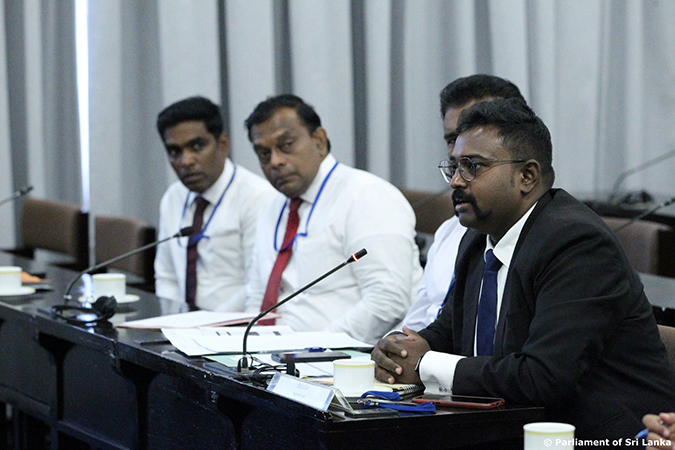
Without the recent increase in water tariffs, the National Water Supply & Drainage Board (NWSDB) would have suffered an annual loss of 34 billion rupees, Minister of Water Supply and Estate Infrastructure Development Jeevan Thondaman told the Ministerial Consultative Committee on Water Supply and Estate Infrastructure Development, on Thursday (20).
The Ministerial Consultative Committee was chaired by Minister Thondaman and discussed the increase in water tariff that was approved by the Cabinet of Ministers earlier this week.
The Minister told the Consultative Committee that this decision was taken after careful consideration and extensive discussions. The hike is necessary to address the pressing challenges faced by the National Water Supply & Drainage Board (NWSDB) and to maintain the quality of water services, the Minister said.
The recent increase in electricity tariffs, in January 2023, placed immense strain on the finances of the NWSDB. This constitutes a significant portion of the cost of water production, resulting in monthly losses amounting to 500 million rupees.
Moreover, the burden of debt (due to past capital expenditure to expand water infrastructure), was by currency depreciation and high interest rates, together with the exponential increase in the cost of raw materials required to treat water, has led to further monthly losses of nearly 2.8 billion rupees.
Without the tariff increase, the NWSDB will suffer an annual loss of 34 billion rupees, placing its financial sustainability at risk and hindering its ability to deliver reliable and safe water services to the nation, Thondaman said.
The Minister said that in line with the Sri Lankan Government’s commitment to the Asian Development Bank (ADB) and the pursuit of sustainable development, a new water tariff formula and policy will soon be introduced.
Furthermore, though the tariff increase may adversely affect consumers, in a country already grappling with economic hardships, it is important for the long-term viability of the nation’s water sector, the Minister stated.
The Minister stated that the Ministry is committed to protecting the most vulnerable members of our society.
Thondaman said Samurdhi and Tenement consumers, representing the lowest socioeconomic backgrounds, will not see any tariff increases and will therefore continue to receive the necessary subsidies, and are not subjected to any additional financial burden.
The proposed tariff increase also includes provisions to subsidize low water consumers, schools, hospitals and religious establishments aiming to support those who consume less water, come from economically disadvantaged backgrounds and provide essential social services. The monthly water bills of low water consumers will remain below 1000 rupees, the Minister said.
The Ministerial Consultative Committee on Water Supply and Estate Infrastructure Development also took into discussion various concerns pertaining to the water supply in different areas of the country. The Minister directed the relevant authorities and officials present to look into the concerns raised with immediate effect. (SI)



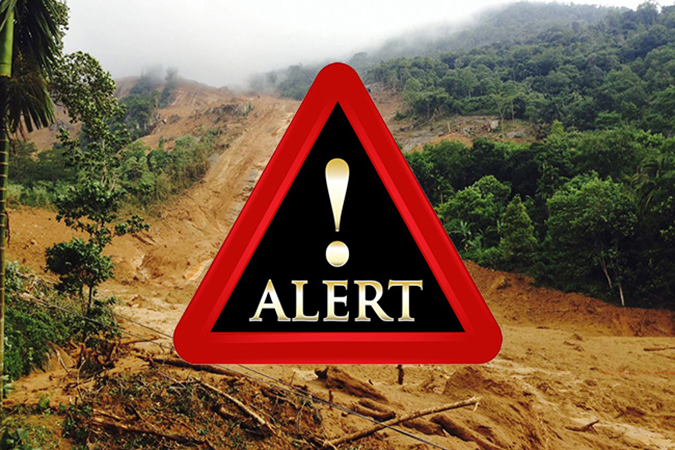
The landslide early warnings issued to the Districts of Kandy and Nuwara Eliya by the Landslide Early Warning Center of the National Building Research Organisation have been extended till 0600 hrs on 15th February 2026.
Accordingly,
The Level II [AMBER] warnings issued to the Divisional Secretaries Divisions and surrounding areas of Walapane and Nildandahinna in the Nuwar Eliya district and the
Level I [YELLOW] warning issued to the Divisional Secretaries Divisions and surrounding areas of Pathadumbara in the Kandy district have been extended.
Latest News
Advisory for Severe Lightning issued to the Western, Sabaragamuwa and Southern provinces and Badulla and Nuwara-Eliya districts

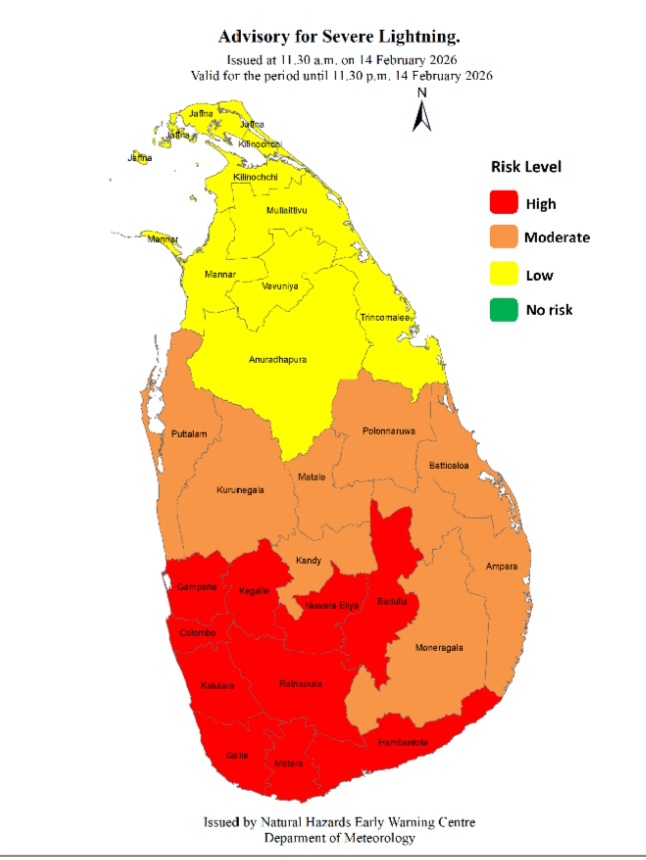
Advisory for Severe Lightning Issued by the Natural Hazards Early Warning Centre at 11.30 a.m. 14 February 2026 valid for the period until 11.30 p.m. 14 February 2026
Thundershowers accompanied with severe lightning are likely to occur at some places in the Western, Sabaragamuwa and Southern provinces and in Badulla and Nuwara-Eliya districts after 1.00 p.m. There may be temporary localized strong winds during thundershowers.
The General public is kindly requested to take adequate precautions to minimize damages caused by lightning activity.
ACTION REQUIRED:
The Department of Meteorology advises that people should:
Seek shelter, preferably indoors and never under trees.
Avoid open areas such as paddy fields, tea plantations and open water bodies during thunderstorms.
Avoid using wired telephones and connected electric appliances during thunderstorms.
Avoid using open vehicles, such as bicycles, tractors and boats etc.
Beware of fallen trees and power lines.
For emergency assistance contact the local disaster management authorities.
Latest News
Teacher recruitment examinations will be conducted in accordance with the relevant court decisions – PM

Prime Minister Dr. Harini Amarasuriya stated that the forthcoming two teacher recruitment examinations will be conducted in accordance with the relevant court decisions pertaining to the ongoing legal proceedings and further noted that, taking into consideration the requests received, steps have been taken to make a request to Court’s approval to revise the conditions of the effective date of degree completion.
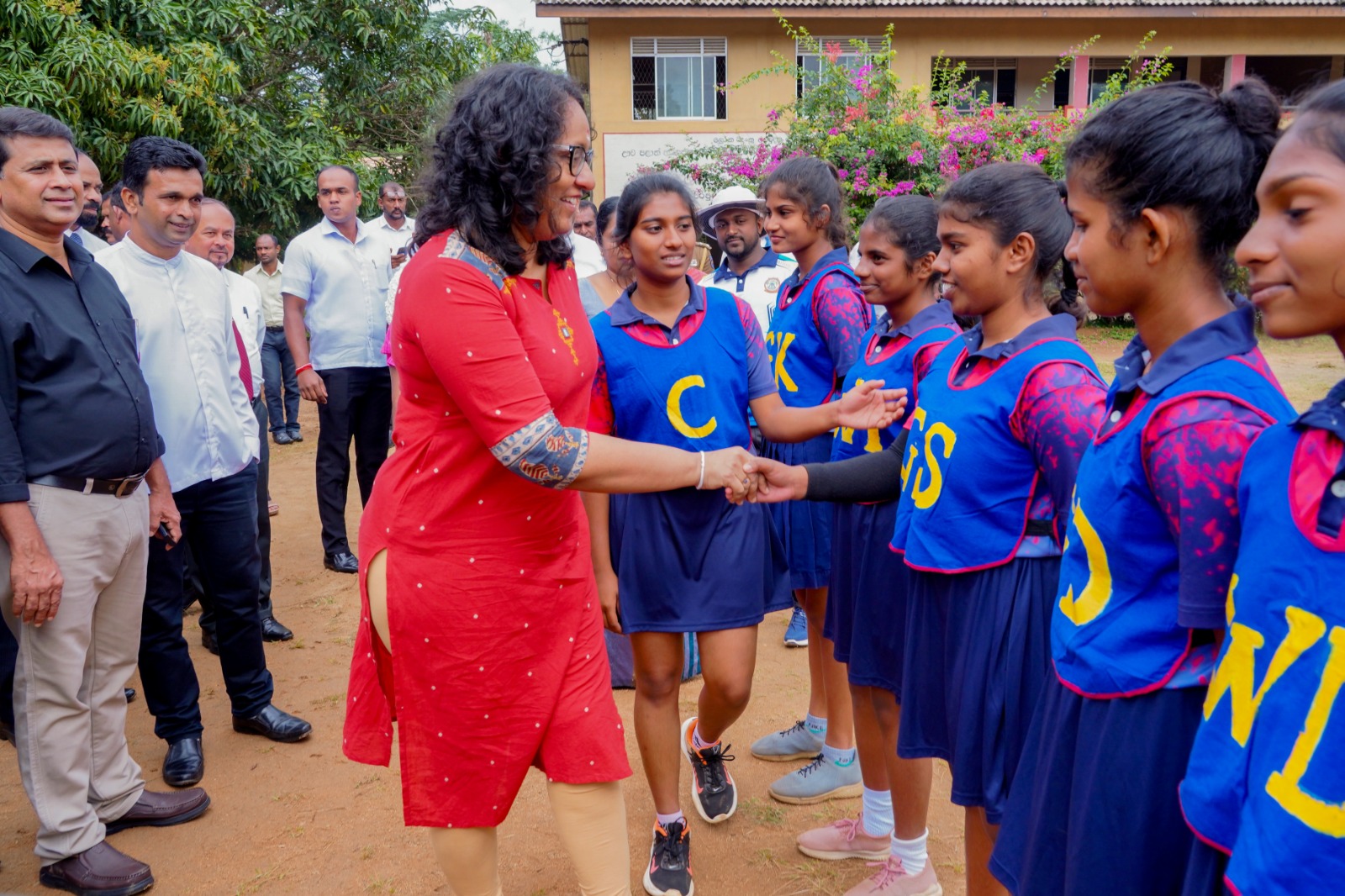
The Prime Minister made these remarks while addressing a meeting held at Monaragala Royal College to brief education authorities of the Monaragala District on the new education reforms.
Under the new education reforms, Smart Boards will be provided to 132 schools in the Monaragala District as part of the program to equip secondary schools with modern technology. As a symbolic step under this initiative, Smart Boards were presented to 10 secondary schools under the Prime Minister’s patronage. This program is being implemented with the intervention of the Digital Task Force operating under the Prime Minister’s Office. It was also emphasized that a new digital policy, formulated with special attention to child protection, will be introduced in April.
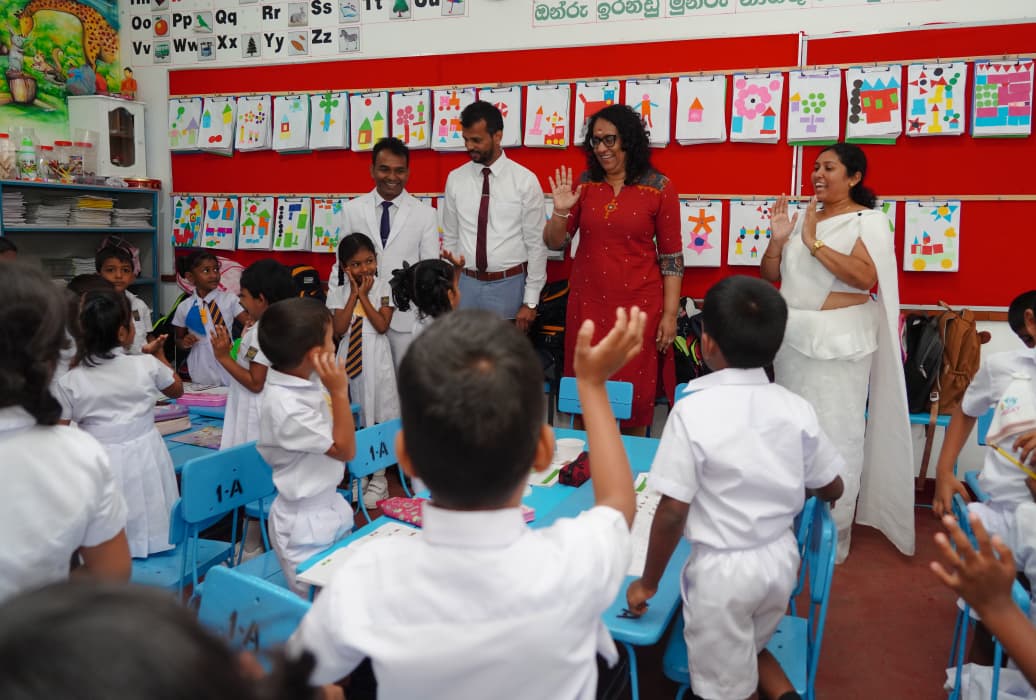
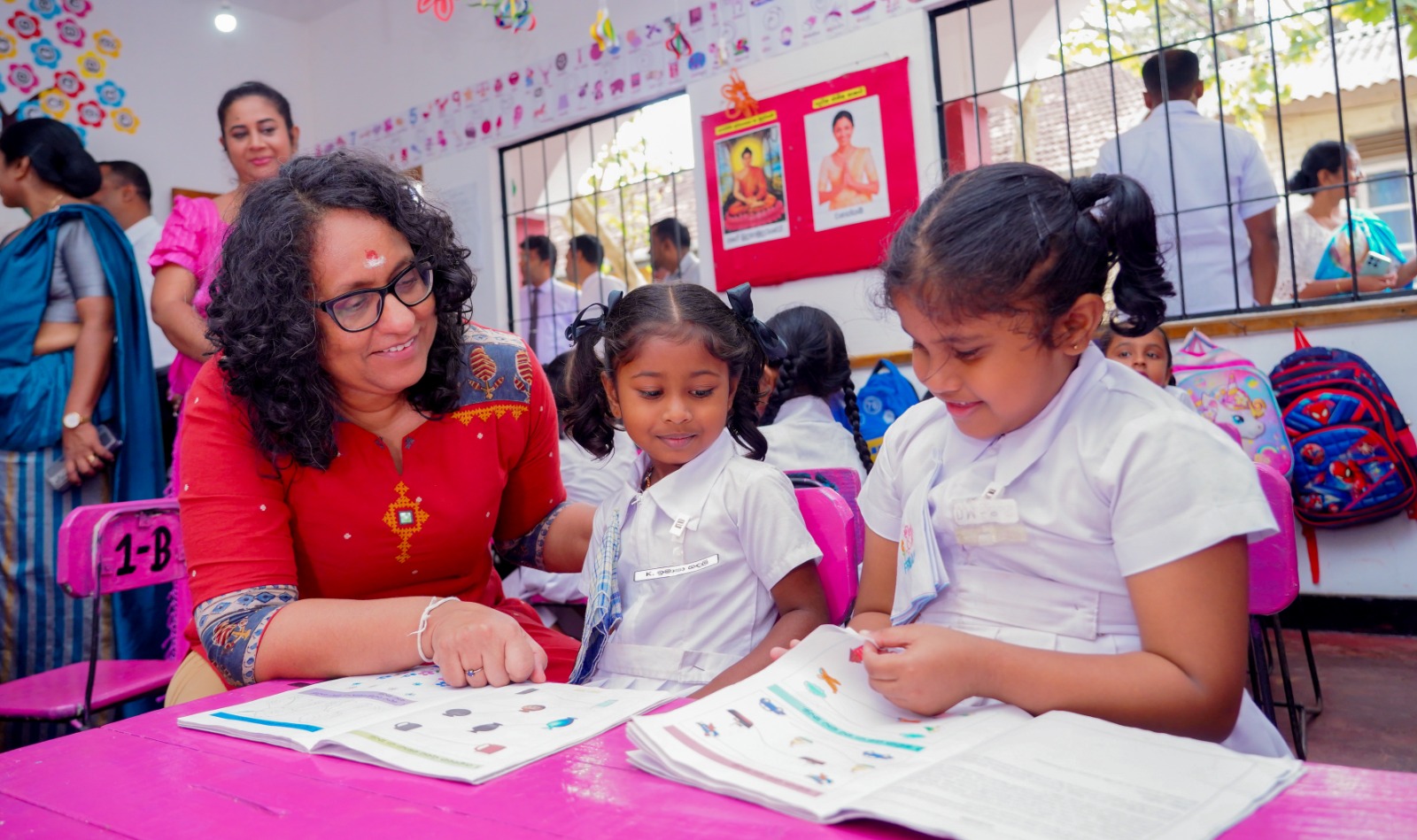
As part of her visit to the Monaragala District on the 13 th of February, the Prime Minister observed the implementation of the new learning methodologies introduced for Grade One under the new education reforms. She visited Kumbukkana Sri Shanmugam Tamil Maha Vidyalaya and Maduruketiya Maha Vidyalaya in Monaragala to observe the educational activities of Grade One students.
Considering the increase of student numbers and the development of infrastructure facilities, the Prime Minister also approved a proposal submitted by the School Development Society to rename Maduruketiya Maha Vidyalaya as Monaragala Dharmaraja Maha Vidyalaya.
Teachers briefed the Prime Minister that the new education system, supported by revised workbooks and activity-based learning methods, has proven to be effective, with students participating enthusiastically.
Addressing education officials further at the meeting held at Monaragala Royal College, the Prime Minister stated:
“Although this will not provide a complete solution to the existing teacher vacancies, these examinations can offer considerable relief. According to the Court’s previous determination, the effective date of degree completion had been set as 30.06.2025. However, considering numerous requests and following the cabinet approval we have sought Court’s consent to revise this date. We will act in accordance with the decision granted.
Funds allocated for school infrastructure must be utilized transparently and in line with proper planning, and progress must be reported accordingly. We cannot move forward by dividing ourselves along national, provincial, rural, or urban lines. As education authorities, you must make swift and accurate decisions based on correct data.
Further, discussions are already underway within the Piriven Committee of the Ministry of Education to develop Piriven education and to address the issues faced by Piriven teachers.”
The event was attended by the members of the Maha Sangha, Uva Province Governor Attorney-at-Law Kapila Jayasekara, Deputy Minister of Trade and Commerce R.M. Jayawardhana, Member of Parliament Ajith Agalakada, Uva Provincial Education Secretary Nihal Gunarathne, and several officials from the education sector.
[Prime Minister’s Media Division]

Russia killed opposition leader Alexei Navalny using dart frog toxin, UK says

Tom Banton 63* sets up nervy win for England

Landslide Early Warnings issued to the districts of Kandy and Nuwara Eliya extended

Advisory for Severe Lightning issued to the Western, Sabaragamuwa and Southern provinces and Badulla and Nuwara-Eliya districts

Tucker 94* headlines Ireland’s thrashing of Oman

High risk of rain in marquee India vs Pakistan T20 World Cup game in Colombo

‘Dates have the highest sugar content to fight Coronavirus’

Sunday Island 27 December – Headlines

#SundayIsland 17th December – Headlines

Sunday Island – 28th March

Sunday Island Headlines – 21 March

Sunday Island – 21st February – Headlines
-
 Features7 days ago
My experience in turning around the Merchant Bank of Sri Lanka (MBSL) – Episode 3
-

 Business7 days ago
Remotely conducted Business Forum in Paris attracts reputed French companies
-

 Business7 days ago
Four runs, a thousand dreams: How a small-town school bowled its way into the record books
-

 Business7 days ago
ComBank and Hayleys Mobility redefine sustainable mobility with flexible leasing solutions
-
 Business4 days ago
Autodoc 360 relocates to reinforce commitment to premium auto care
-

 Midweek Review4 days ago
A question of national pride
-
 Opinion3 days ago
Will computers ever be intelligent?
-
 Midweek Review4 days ago
Theatre and Anthropocentrism in the age of Climate Emergency