
Life style
Malini – Forever in bloom

Langa dunuke malakai- dura manel malaki
Udawediya malaki- mal meda mal landaki….Malini was many exotic flowers in full bloom as revered by her many lovers on the screen. She was very much a Bandura in every sense. While scores of film-makers would keep wanting her over and over in their creations, thousands of Malini-fans would be forever ‘trapped’ in her alluring persona. It was not the historically predictable voluptuousness or sensuality in an actress which won Malini the love of an entire nation, but it was essentially her softness, tenderness which put her on a different pedestal.
BY RANDIMA ATTYGALLE
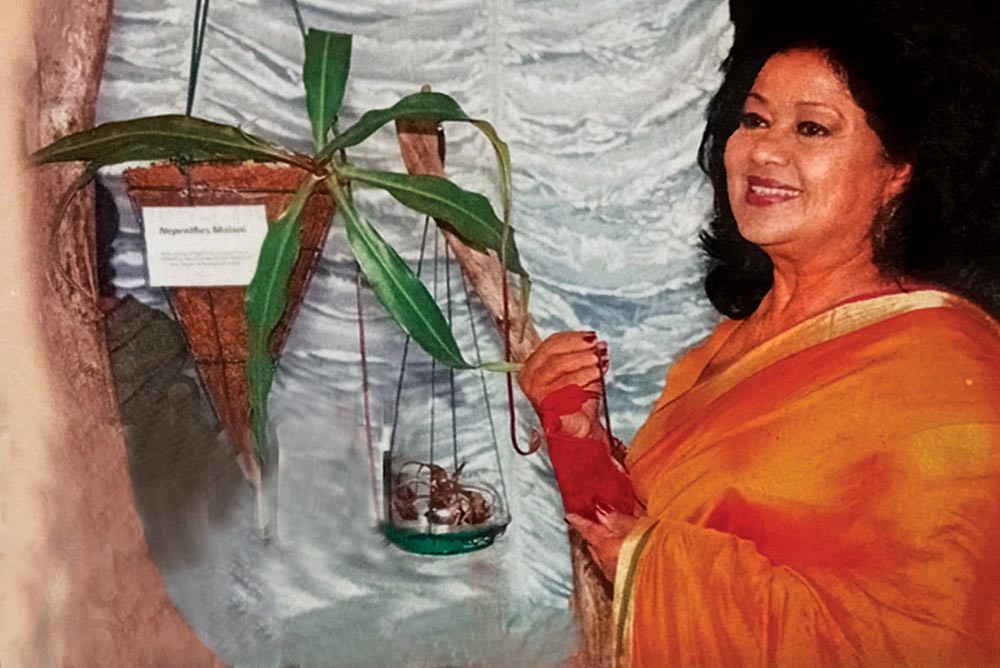
Clad in a pulsating orange sari, Malini Senehelatha Fonseka, the quintessential Queen of Sinhala cinema blended in perfect harmony with Nepenthes Malani-when a new cultivar of Nepenthes (Pitcher plant) or Bandura, as it is locally known, was named in her honour more than ten years ago.
The globally reputed leader in production and export of artificially propagated Nepenthes, Borneo Exotics, led by Robert Cantley and his partner Diana Williams, both British citizens, honoured Malini at an event which took place at the trade fair, Reflection of Sri Lanka, held parallel to Commonwealth Heads of Government Meeting (CHOGM) at Ape Gama in Battaramulla in November 2013. Two years earlier in 2011 Borneo Exotics had named their gold-medal winning exhibit after Oscar-winning actress Dame Helen Mirren at the Royal Horticulture Flower Show at Hampton Court Palace.
Robert Cantley (who first arrived here in 1997), would draw parallels with Dame Helen in whose name he launched Nepenthes Helen, and observe: “Since her debut in the early 60s, Ms. Fonseka’s contribution to the Sri Lankan cinema has been exceptional. So, I thought why not honour an iconic artiste whose cinematic journey span five decades.”
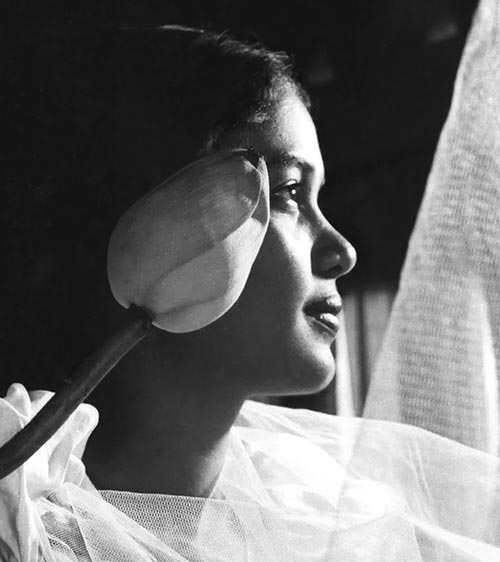
Malini – the exotic Bandura
Watching Malini lying amidst white roses as the nation bid her a teary farewell a few days ago, I look 12 years back when I was fortunate to have been privy to the momentous moment of her being immortalized beyond the world of cinema; in horticultural circles as well.
“I feel that I have blended with mother nature today,” Malini would say flashing her trademark smile which captivated several generations of Lankans. In her typical unassuming way and in her beautifully modulated ‘screen voice’, Malini would go on to remark: “naming a Bandura in my honour after 50 years in the film industry is not just a milestone in my life.
The gesture is also a tribute to the Sinhala cinema and its fans as much as a personal compliment to me.” She would recall a bright green Bandura from her childhood and add, “with its beauty comes its snaring nature, trapping insects which it digests in the pitchers, making bandura exotic in every sense.”
In the film Thushara, Sampath (Vijaya Kumaratunga) would raphsodize about the beauty of Thushara (Malini) : langa dunuke malakai- dura manel malaki
Udawediya malaki- mal meda mal landaki ….
Malini was many exotic flowers in full bloom as revered by her many lovers on the screen. She was very much a Bandura in every sense. While scores of film-makers would keep wanting her over and over in their creations, thousands of Malini-fans would be forever ‘trapped’ in her alluring persona. It was not the historically predictable voluptuousness or sensuality in an actress which won Malini the love of an entire nation, but it was essentially her softness, tenderness which put her on a different pedestal.
A woman of warmth
At her funeral which pulled crowds from near and far, it was this very tenderness which her fans celebrated through tears. Her middle-name ‘Senehelatha’ translating to ‘a woman of empathy and kindness’ further validated it and she lived up to it.
Her contemporaries, film-critics and many others who knew her would testify to this. As a young journalist when I first got the opportunity of talking to her many years ago, I personally experienced the kindness and warmth she radiated. Malini was a star in every sense but stardom hardly moved her.
When I recollect my first newspaper interview with Malini, questioning on what it meant to her to be dubbed as the ‘Queen of Sinhala cinema’, she would broadly smile and say: “people and cinema may have branded me as the queen, but personally I have never felt so big nor do I feel that way even now. I was very fortunate never to have felt that way because if it had gone too much to my head I would have never come this far.”
-

- Malini with Ravindra Randeniya in Aradhana
-

- Vijeya and Malini from a scene in Thushara
-

- With Gamini Fonseka in Awa soya adare
-

- With Tony Ranansinghe in Adarawanthayo
Stamp of femininity
American singer Dolly Parton once remarked, ‘If your actions create a legacy that inspires others to dream more, learn more, do more and become more, then you are an excellent leader.” Our own Malini was all this and more. Beyond her cinematic feats which are well documented, Malini mirrored traits of a true leader which would inspire both women and men alike. She would exemplify the cornerstones of mentoring, empathy and above all, carving a path for several generations to charter.
As H.R. Jothipala would croon in the backdrop, koi yanne banda nalawala- lesi gamane inga solawala- pawena sulage wada mala wage in the Lenin Moraes film Edath Sooraya Adath Sooraya, Malani (playing Kanthi) would walk across the giant screen snubbing her co-star Gamini Fonseka’s advances, disguised as a young lad. Sporting a cap, a shirt and a shapeless pair of trousers, Malini’s sheer femininity cannot be concealed. She remained essentially a wada mala.
All time heart-throb Marylyn Monroe would once say. “Beauty and femininity are ageless and can’t be contrived, and glamour, although the manufacturers won’t like this, cannot be manufactured. Not real glamour; it’s based on femininity.’
Be it her iconic role as Irene in Nidhanaya, Helen in Bambaru Evith, Thushara or Susi to name a few, Malini’s feminine stamp was unmistakable. And this she achieved effortlessly in dissimilar roles from the lover, the matriarch (in Wekanda Walauwa) to the bikkuni (in Uppalawanna). Once in an interview, Malini would candidly admit that if she could turn back the clock, she would have played all of them once more. “However, some of them, I may have even played better,” she would look back.
Delicate beauty
Playing opposite Gamini Fonseka, Vijaya Kumaratunga, Tony Ranasinghe and Ravindra Randeniya- acclaimed as the ‘classical lovers’ of the Sinhala cinema, Malini would capture the imagination of a nation. Many women of the 60s and 70s- the golden era of the Lankan cinema, would have no doubt longed to be in her shoes at least for a day. Malini’s exquisite screen voice rendered her even more special. Her nuances in characterization were subtle. Her beauty was delicate.
Malini would once say: “In our heyday, we too would follow fashion trends, put make-up on, but we knew where to draw the line. By blindly following the so-called trends, you cannot maintain your image. Make-up and all the other externals are temporary, what is important is your strength of character.’ She walked the talk to her end. Despite her prolonged battle to regain her health, Malini remained strong in her will power.
In her career spanning nearly six decades, Malini acted in over 150 films, directed and produced some and even left her footprint on the mini-screen, proving her versatility and adaptability. Malini bridged generations exploring diverse media. “The test of real talent is the ability to capture an audience through different media,” she would once say and she was a living testimony to it.
A love like no other
Malini experienced the best and the worst in life. Although she was larger than life, Malini was very much human. Despite her failing health, the love she received from many, transcending social standing kept her flame burning until the end. “When you realise you are loved by thousands, that feeling itself has a lot of healing power,” she would reflect. At the felicitation ceremony which marked her 78th birthday a few weeks before her passing, Malini would tell a full-house, “I have come looking for love,” echoing the words of one of her best-known films Awa soya adare. Malini fired a nation’s imagination to dream as she would say, “artistes are essentially dream-makers.”
Watching Malini going on her final journey last Monday was an exemplification of renowned British actress Vivien Leigh’s words: ‘Dear Lord, I’m so grateful I’m still loved.’ Malini loved well she will forever be loved by a nation that will continue to hum the much-loved lyrics from the film Adare hithenawa dekkama:
Dese wiman dorin
Sihina ruwan thiren
Nikmi golu basin
Parewi rejina lesin
Oba piyamba gosin….

Tourism remains one of the most powerful drivers of economic growth and cultural exchange in Sri Lanka.
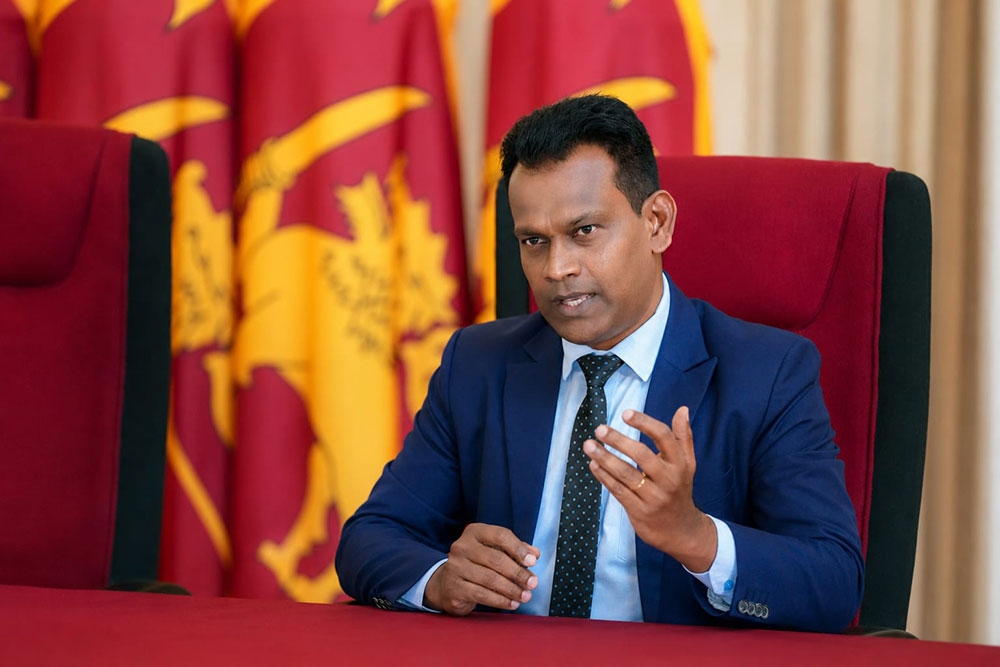
As the tourist industry continues its post pandemic recovery and looks toward a more sustainable and innovative future, the role of strategic planning and policy direction has been more important. In this interview Professor Ruwan Ranasinghe, Deputy Minister of Tourism,, and a respected academic in this field shares his insight on the current state of the Sri Lankan tourism industry, emerging trends, challenges facing the sector and the governments vision for positioning Sri Lanka as a leading global destination.
With a vision focused on sustainability, innovation, and destination competitiveness, he is playing a pivottal role in shaping the future of Sri Lanka’s tourism industry. He shares his insights on the opportunities, challeges,and strategic direction of tourism in the years ahead. A first class graduate of Rajarata University and holds an MBA and a doctorate from Sichuan University, China. He launched Sri Lanka’s first Tourism and Hospitality Management degree at Uva Wellassa , endorsed by the UNWTO.
Excerpts of the interview.
(Q) Are you seeing a decline in visitors in Sri Lanka due to geo-political tensions?What segments of the tourism industry are most affected: luxury, leisure or group travel?
(A) Sri Lanka has not experienced a dramatic decline in arrivals, overall, but global geopolitical tensions do influence travel sentiment. The most affected segments are group travel and leisure tourism, as these travellers are more sensitive to perceptions of safety. Luxury tourism remains comparatively resilient, with high-end visitors continuing to seek curated, exclusive experiences.
(Q) Is Sri Lanka experiencing cancellations or postponements from travellers in conflicted zones? Are hotels and resorts reporting reduced occupancy linked to uncertainty in the region?
(A) Yes, there have been cancellations and postponements from travellers originating in conflict affected regions, particularly the Middle East. Some hotels and resorts have reported reduced occupancy during peak uncertainty periods. However, arrivals from other regions remain strong, balancing the overall impact.
(Q) What measures is the Sri Lankan tourism sector taking to mitigate the impact of local stability?
(A) The Ministry has adopted a proactive approach:
Transparent communication through embassies, airlines, and official tourism portals.
Safety protocols coordinated with law enforcement and emergency services.
Marketing resilience campaigns highlighting Sri Lanka’s stability and diverse attractions.
Stakeholder engagement with hoteliers, tour operators, and airlines to align strategies.
(Q) Do you expect a short-term disruption or long-term impact on Sri Lanka’s tourism growth?
Are you seeing early warning signs such as cancellations, reduced flight bookings or shorter stays?
(A) We anticipate short-term disruptions rather than long term setbacks. Early warning signs such as reduced flight bookings and shorter stays are being monitored. However, Sri Lanka’s fundamentals — diverse attractions, strong hospitality, and cultural authenticity — remain intact, ensuring recovery once tensions ease.
(Q) Boutique luxury tourism is often seen as niche – how central is it to Sri Lanka’s overall tourism strategy right now?
(A) Boutique luxury is central to our tourism strategy. It attracts high value travellers who contribute significantly to foreign exchange earnings while demanding sustainable, authentic experiences. This segment also diversifies our tourism portfolio beyond mass tourism, making the industry more resilient.
(Q) How is the government defining boutique luxury in Sri Lankan context?
(A) Boutique luxury in Sri Lanka is defined by personalised, small scale experiences rooted in cultural and natural heritage. It emphasises exclusivity, authenticity, and sustainability rather than sheer opulence, offering intimate stays in properties that reflect local architecture and traditions.
(Q) What makes Sri Lanka uniquely competitive in boutique luxury compared to destinations like the Maldives, Thailand and Bali?
(A) Sri Lanka’s strength lies in its diversity. Unlike the Maldives, which is primarily a beach destination, or Bali and Thailand, which focus heavily on wellness and nightlife, Sri Lanka offers a multifaceted experience: pristine beaches, UNESCO heritage sites, wildlife safaris, tea plantations, and Ayurveda wellness — all within short travel distances. This variety, combined with boutique hospitality, makes us uniquely competitive.
(Q) How do you balance encouraging foreign investment while preserving Sri Lanka’s cultural authenticity?
(A) We welcome foreign investment but ensure it aligns with our cultural identity. Guidelines require investors to integrate local design, employ Sri Lankan staff, and source materials locally. This ensures development enhances our heritage rather than dilutes it, creating partnerships that benefit both investors and communities.
(Q) Boutique luxury often interacts with sustainability – how is the Ministry ensuring that growth in this segment benefits local communities?
(A) The Ministry ensures boutique luxury growth benefits communities by:
Promoting local sourcing of food, crafts, and services.
Supporting eco friendly construction and operations in boutique resorts.
Encouraging community-based tourism initiatives where locals directly participate in guiding, hosting, and cultural performances.
(Q) How do you retain skilled hospitality professionals within Sri Lanka?
(A) Retention is achieved through:
Competitive compensation aligned with international standards.
Continuous training programmes in partnership with global hospitality schools.
Career pathways that allow professionals to grow within Sri Lanka.
Recognition programmes to celebrate excellence in service.
(Q) Where do you see Sri Lanka’s boutique luxury tourism sector in the next five years?
(A)In the next five years, Sri Lanka aims to be recognised as a regional leader in boutique luxury tourism. We envision a network of boutique properties integrated into cultural and ecological landscapes, offering world class service while maintaining authenticity. This sector will be a key driver of sustainable growth and foreign exchange earnings.
(Q) What markets are you targeting for boutique luxury tours?
(A) We are targeting highspending travellers from Europe, North America, and East Asia. These markets value exclusivity, sustainability, and authenticity — qualities that Sri Lanka’s boutique luxury sector embodies. We are also exploring niche markets such as wellness travellers and cultural enthusiasts.
(Q) How has the ongoing conflict between Iran and Israel affected overall tourism arrivals in Sri Lanka?
(A) The ongoing conflict has created uncertainty in global travel, particularly in the Middle East. While Sri Lanka has not experienced a dramatic decline, arrivals from conflict adjacent regions have slowed. To mitigate this, we are diversifying source markets, strengthening promotions in Europe and Asia, and reassuring travellers through diplomatic channels and tourism partners.
By Zanita Careem ✍️
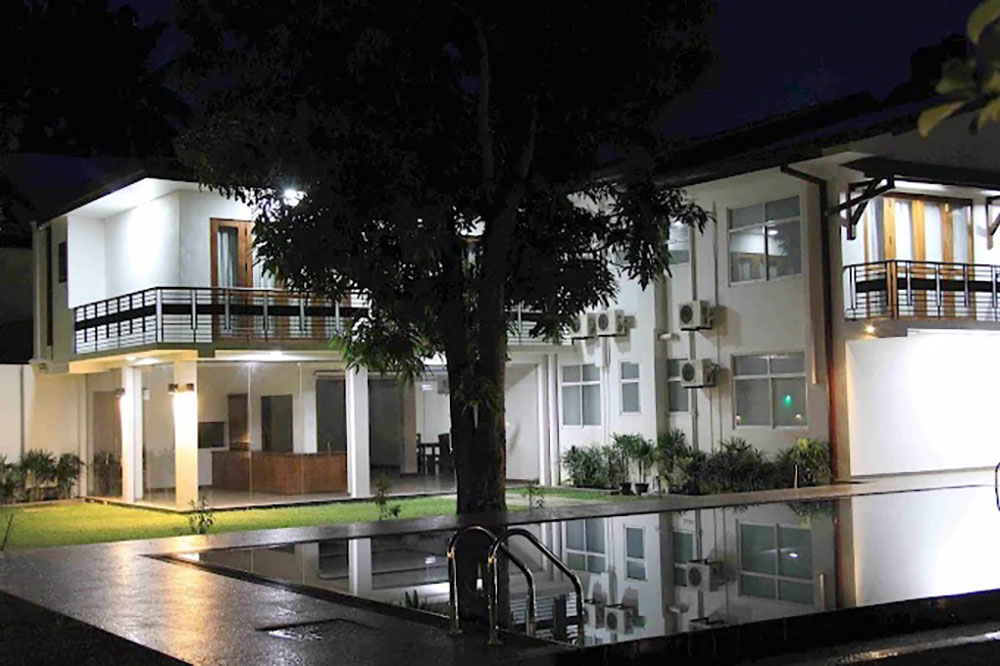
As Sri Lanka’s southern tourism corridor continues to attract travellers from across the globe, Serenity Tissa stands out as a destination where comfort, culture and nature come together in perfect harmony, offering guests an unforgettable journey into the soul of the island, southern heritage.
While many visitors journey through the Cultural Triangle in search of the Island’s ancient treasures, Tissamaharama itself stands as a destination rich in history, culture and natural beauty.
Set amidst this historic landscape of Tissamaharama, Serenity Tissa offers a unique retreat in the cradle of Southern Civilisation .
Nestled in the historic heartland of Tissamaharama Serenity Tissa offers far more than a comfortable stay, it delivers an experience deeply rooted in Sri Lanka’s Southern charm, cultured heritage and natural beauty.
Surrounded by the tranquil atmosphere of Tissa Wewa and located within easy reach of the famed Yala National Park, the boutique-style property has steadily earned a reputation among both local and international travellers seeking serenity, comfort and authentic Southern hospitality. Build on the grounds of an ancestral home, once owned by Patric De Silva, Serenity Tissa gracefully blends the warmth of a family residence with the conversion to a modern boutique-style hotel. Fortress inspired architecture, lush mango tress and peaceful open space create a welcoming retreat for travellers eager to explore the cultural and wildlife treasures of Sri Lanka’s deep South.
The hotel’s strategic location places guest close to some of the regions most treasured landmarks, including Yala and Bundala National Park, Tissamaharama Raja Maha Vihara, Kirinda Temple, Yatala Vihara and Sandagari Stupa, to mention a few.
-
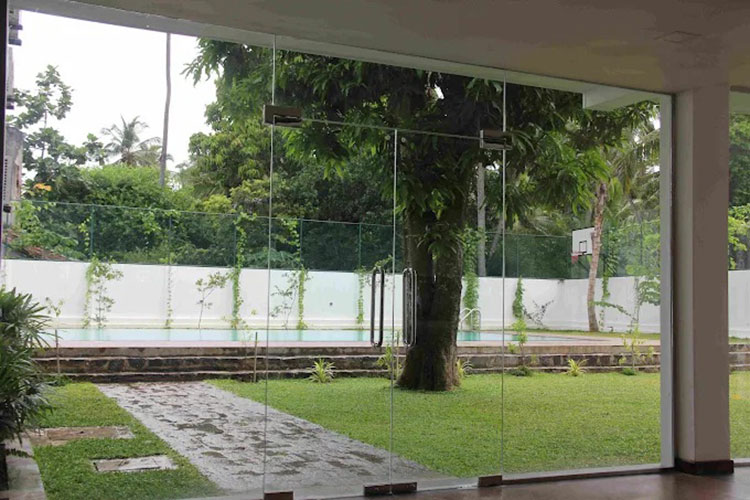
- Beautiful blend of nature, comfort and hospitality
-
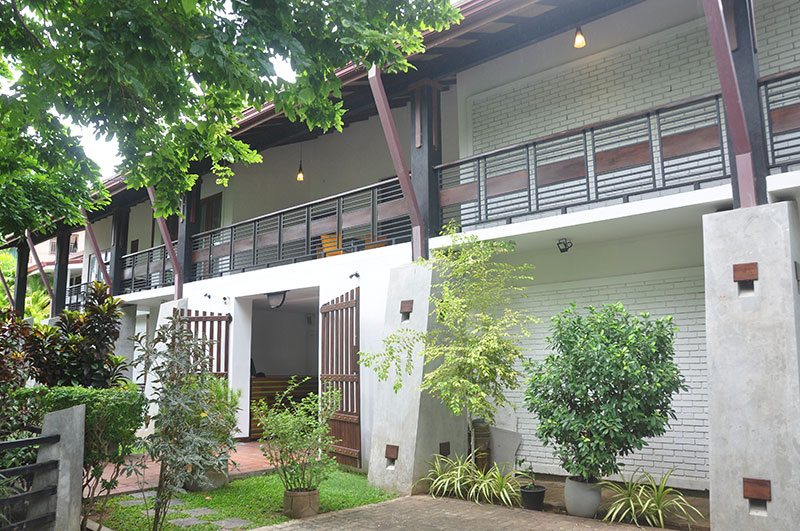
- Sanctuary of calm and rejuvention, offers the perfect escape
-
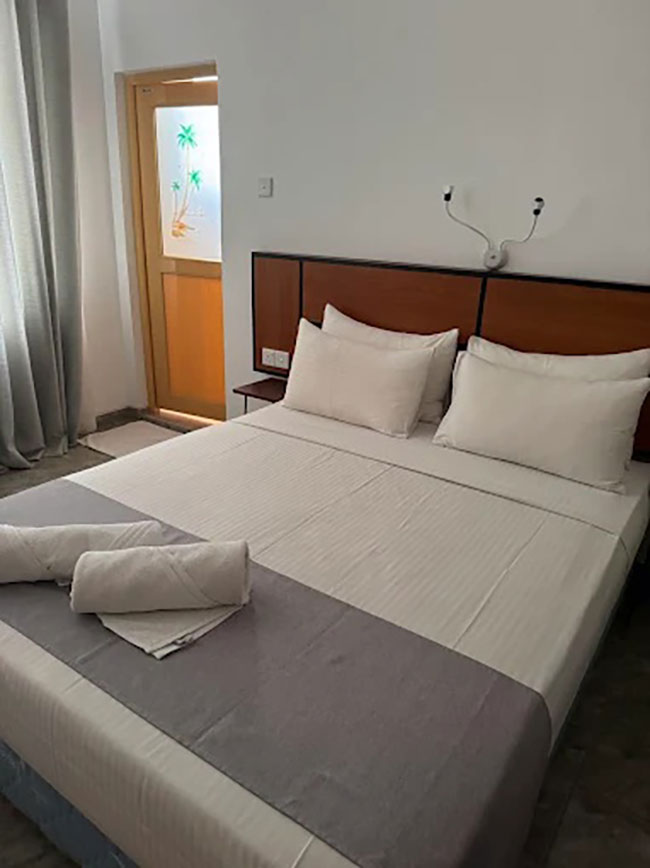
- Elegantly designed for comfort
-
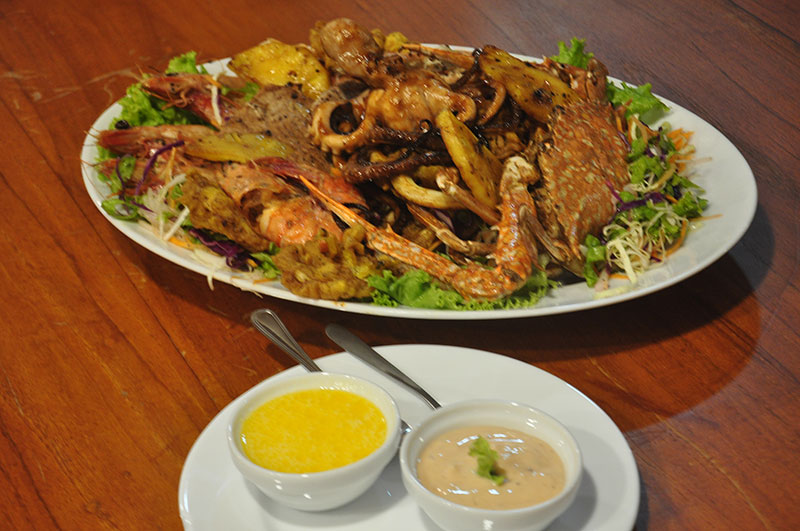
- Authentic Sri Lankan flavours
For adventure seeking, safari excursions this place remains a major attraction, while those seeking relaxation they can simply unwind besides the hotel’s swimming pool or enjoy the calm beauty of the surrounding landscape. Serenity Tissa rooms are designed with simplicity and comfort in mind, offering a range of accommodation options suitable for couples, families and groups.
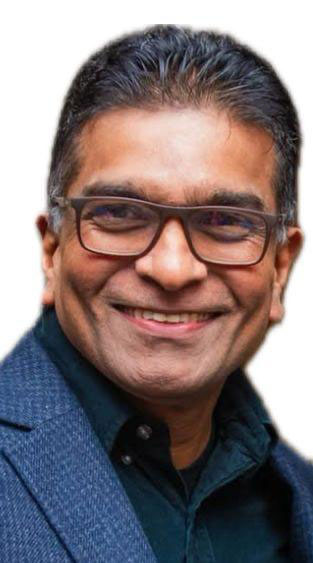
Managing Director Ajith de Silva dedication and commitment
Spacious interiors and warm hospitality have consistently drawn praises from guests from around the world. Dining at the hotel is another memorable highlight. The open air restaurant celebrates the bold and aesthetic flavours of Southern Sri Lankan cuisines with dishes inspired by coastal traditions and local village, kitchens. Fresh sea food delicacies, rich curries and fragrant spices combine to create a culinary experiences that reflects the region’s vibrant food culture. The executive chef Rushira, who has years of experience, said ‘At Serenity Tissa Southern hospitality with refined experience, inspired by Sri Lankan rich cultural and culinary heritage is bought to life in all our dishes. Ambul Thiyal. mouthwatering pol sambol, sea food kottu, all reflecting bold flavours of the south. The use of coconut milk, aromatic spices, creates a memorable culinary journey that introduce visitors to the local tastes.
His passion for authentic Southern Sri Lankan cuisine shines though every dish, offering guests an unforgettable experience. Under the leadership of the Managing Director Ajith de Silva, he has played a pivotal role in tranforning a family inspired hospitality, into one of Tissamaharama’s most welcoming boutique destinations.
Guided by his vision Serenity Tissa has emerged as a distinctive hospitality destination in Sri Lanka’s southern vision, offering the warm and personalised hospitality for which Serenity Tissa is renowned for. Frequently praised by guests, numerous reviews full attention, memorable guests experiences makes it a preferred choice for travellers exploring the historic attractions of the region
What is so special about Serenity Tissa is the personalised hospitality, numerous traveller reviews, dedication of the staff, a blend of warm Sri Lankan hospitality personalised services and authentic local experiences.
Ajith de Silva’s vision has helped position the property as a preferred base for travellers exploring the cultural and natural wonders of Tissamaharama Hotel The Manager Thushara Samarasuriya whose dedication and attention in detail have also contributed significantly to the hotel’s reputation for excellence.
Serenity Tissa offers a gateway to the history, culture and natural wonders of Southern Sri Lanka Under the guidance of its dedicated team, Serenity Tissa continues to create lasting memories for guests from around the world.
By Zanita Careem ✍️
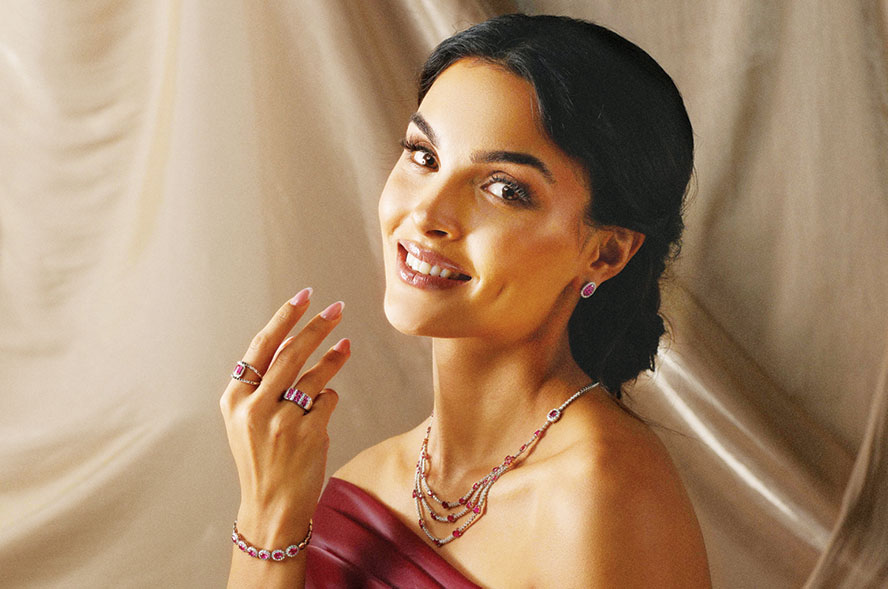
Tiesh Sri Lanka, renowned for its exceptional craftsmanship, timeless elegance, and celebration of Sri Lankan gemstones, has appointed Sabina Yousaf as the newest face of the brand. The partnership marks a significant milestone for both Tiesh and Sabina, uniting two names that embody grace, sophistication, and a deep appreciation for heritage and craftsmanship.
Sabina Yousaf recently brought pride to Sri Lanka on the global stage when she was crowned Second Runner-Up at the 41st Mrs World pageant. As the reigning Mrs World Sri Lanka, she has captivated audiences locally and internationally with her poise, intelligence, and charisma, becoming an inspiring figure admired by many across the country.
A successful businesswoman and passionate advocate for community empowerment, Sabina’s values closely align with the philosophy of Tiesh. Her commitment to giving back to society reflects the principles long championed by Founder and Managing Director of Tiesh, Lasantha De Fonseka, who has consistently emphasised compassion, generosity, and supporting communities, values that have also been instilled in the next generation of the brand, Thiyasha and Ayesh De Fonseka.
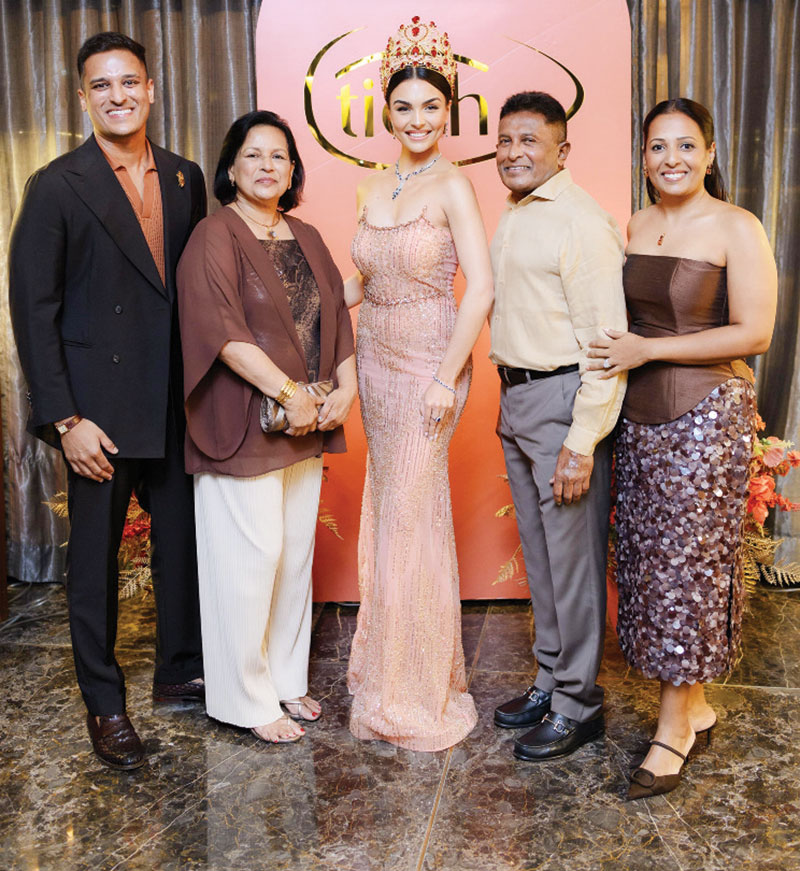
Sabina with the Directors of Tiesh (From Left): Thiyasha, Lasantha, Bryony, and Ayesh De Fonseka
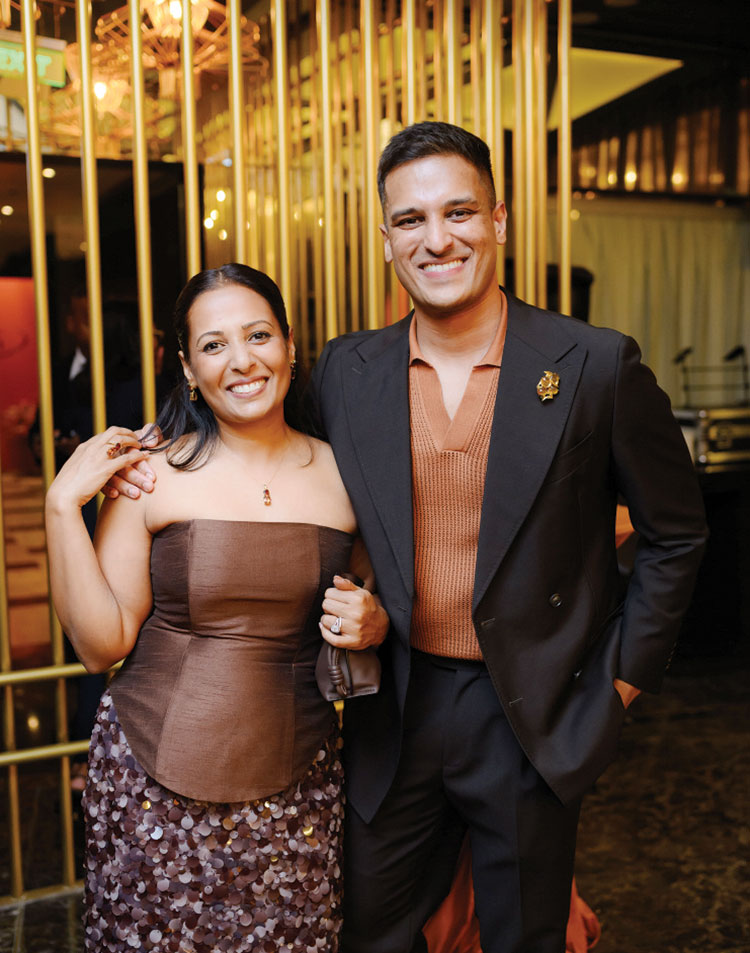
Thiyasha and Ayesh – passionate about thier business
With a legacy spanning over two decades, Tiesh Sri Lanka has established itself as one of the country’s leading jewellery brands, celebrated for blending contemporary elegance with the natural beauty of Sri Lankan gemstones. Beyond jewellery, the brand has become a destination that educates and inspires, offering customers an appreciation of fine craftsmanship, artistry, and heritage.
Renowned for its dedication to excellence, Tiesh continues to uphold its legacy of creating jewellery that epitomises luxury, sophistication, and meticulous attention to detail. Every creation is thoughtfully designed and expertly crafted by skilled local artisans using the finest precious stones, reflecting the brand’s unwavering commitment to quality and authenticity.
Commenting on the collaboration, Founder and Managing Director of Tiesh, Lasantha De Fonseka stated, “Sabina embodies everything that Tiesh stands for: elegance, confidence, authenticity, and grace. Her inspiring journey, both nationally and internationally, resonates strongly with our values as a brand. We are delighted to welcome her into the Tiesh family as she represents the spirit of the modern Sri Lankan woman with remarkable strength and sophistication.”
Tiesh Director, Ayesh De Fonseka added, “We are incredibly excited to have Sabina as the face of Tiesh. She is admired both locally and internationally, and her presence brings a fresh sense of modern femininity and confidence to the brand. This partnership reflects our vision of positioning Tiesh on a greater global platform while remaining deeply rooted in Sri Lankan heritage and craftsmanship.”
Speaking on the partnership, Sabina Yousaf expressed her admiration for the brand and the significance of becoming its newest ambassador.
“For me, Tiesh is far more than a jewellery brand. It represents history, artistry, and an enduring passion for craftsmanship. What makes Tiesh truly exceptional is its deep connection to the heritage of Sri Lankan gemstones and the incredible artistry behind every creation. Each piece reflects elegance, individuality, and timeless beauty,” she said.
“This collaboration feels incredibly meaningful because the brand aligns so naturally with my own personal style, values, and appreciation for authenticity. I am genuinely grateful for the opportunity to work with a brand that I deeply admire and respect.”
She further added, “Jewellery, to me, is a powerful form of self-expression. It reflects individuality, personality, and confidence. The pieces we choose often tell a story about who we are, and I believe jewellery has the ability not only to elevate one’s style, but also to inspire confidence and presence.”
The collaboration between Tiesh and Sabina Yousaf symbolises a shared vision of elegance, empowerment, and timeless beauty. As the brand continues to evolve while honouring its rich legacy, this partnership further strengthens Tiesh’s position as a leading name in contemporary luxury jewellery. (ZC)
-

 News6 days ago
Women’s T20 World Cup 2026 warm-up: Chamari Athapaththu’s 94 helps Sri Lanka beat Pakistan
-

 News6 days ago
Lankan-Canadian inducted to Toronto Sports Hall of Fame
-

 Editorial5 days ago
Probe Sallay’s complaint
-
 News3 days ago
Local firms move millions of dollars overseas for phantom imports: Govt.
-

 Editorial6 days ago
Prez in the dock
-

 Features6 days ago
Entering MIT for my Ph.D program, coping with harsh Boston winter and breasting the tape
-
 Midweek Review3 days ago
July 09: An inexcusable overall security failure and exceptional contingency plan
-

 News1 day ago
CIABOC summons Yoshitha over his participation in British Navy training programme